cloud-native
(158)
Michael Mueller and the price of an instant
After decades inside banks, Michael Mueller co-founded Form3 to rebuild the machinery behind a payment. That meant persuading institutions to trust a young company with something that cannot wait.

Techlogix makes the complicated work
A loan that nobody finishes. A label nobody can edit. A hospital visit scattered across apps. Techlogix builds software around the places where real work gets stuck.
MSys Technologies: Make the invisible work.
Before it became Aziro, MSys Technologies built its name in the machinery beneath enterprise software. Its move into AI makes that unglamorous expertise surprisingly relevant.

WSO2 makes the connections you never see
A donor registry, a bank, an AI agent: each needs a safe way into someone else’s system. WSO2 has spent two decades building those doors.

Mike Walters and the art of making money move
He builds chessboards from fallen trees and payment systems for banks. At Form3, Mike Walters has spent a decade working on the parts that have to fit before anyone can make a move.

Emile Vauge’s case for a boring internet
He built Traefik to spare himself the work of routing thousands of microservices. A company, a global community and billions of Docker pulls followed - along with a rather good collection of cheese names.
Devo and the trouble with more alerts
Security teams have plenty of alarms. Devo’s bet is that joining the evidence - and cutting the repeat work - matters more than adding another one.
DriveNets makes the network stop waiting
First it helped AT&T take the router apart. Now DriveNets is applying the same idea to AI: expensive chips should spend more time computing and less time waiting for data.

Megazone Corp makes complexity disappear
A car manual that reads the dashboard. A television platform rebuilt while viewers keep watching. Megazone’s work starts with the things people should never have to think about.
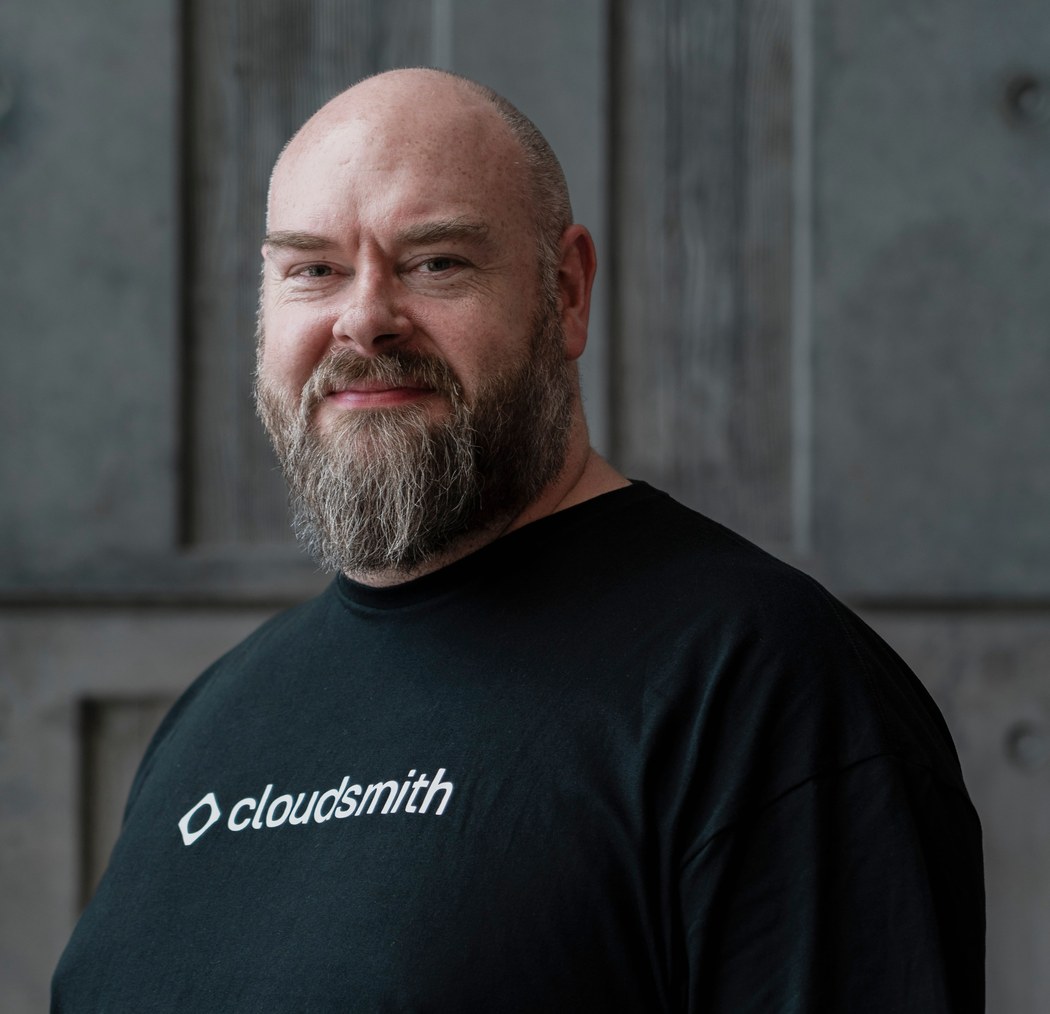
Alan Carson and the art of changing course
A missing software tool sent Alan Carson and Lee Skillen down a different road. The Cloudsmith co-founder has been revising the plan ever since, with Belfast firmly on the map.

CARTO found a better place for your map: where your data lives
The company that began with conservation maps now puts spatial analysis inside the corporate data warehouse. Its next wager: letting a conversation do the work of another request to the GIS team.

Ridge tried to put the cloud closer to you
The cloud has an address. Ridge built a business around moving it closer to the people using it - and left a useful lesson about the distance between a clever architecture and a lasting company.

Solartis makes insurance move at the speed of a quote
A ten-minute quote became a three-second task in one Solartis customer story. Behind that small miracle of impatience sits a larger idea: insurers should be able to change one part of their machinery without replacing the whole factory.

Mastery Logistics wants freight to stop playing telephone
A truck has one destination. Its data can have a dozen. Mastery’s MasterMind puts fleet, brokerage and shipper operations in the same conversation - with a surprisingly human theory of how software gets used.
Lab49 knows why your beautiful banking app is broken
A financial technology consultancy built its business where design meets the awkward machinery of money. Its work reveals why the most useful upgrade may be the one a customer never sees.

Perennial turns the waiting room into working software
A lender’s three-month onboarding queue reveals what Perennial Systems actually sells: fewer handoffs, better-connected software, and engineering teams that stay for the next problem.

Altiostar made the cell tower a software business
Before Rakuten bought Altiostar at a valuation above $1 billion, it put the company’s software through a bruising test. The result helped turn a Japanese mobile network into a blueprint for selling telecom differently.
The Linux Foundation knows what free software costs
The code is open. The upkeep has a bill. From Heartbleed to Kubernetes and AI agents, the Linux Foundation turns a shared dependency into a shared responsibility.

MATRIXX makes the phone bill keep up with the phone
A mobile offer is only as nimble as the machinery that prices it. MATRIXX built that machinery for real-time commerce - and Amdocs paid approximately $197 million to bring it in-house.

Snapsheet found the right customer on the other side of the dent
The repair app consumers liked but rarely needed became a business insurers could use every day. Snapsheet’s journey from damage photos to claims software is a lesson in finding the buyer who owns the problem.

Lumin Digital: The customers bought in. Literally.
Banks usually buy software. Lumin Digital persuaded some to buy a piece of the company, too. Its wager: better banking comes from changing the relationship behind the app.

Chronosphere and the art of knowing less
Two former Uber engineers built a business around an awkward question: how much of your monitoring data deserves to exist? Chronosphere turns that question into software, and Palo Alto Networks paid billions to bring it into security.

Matt Moore and the Art of Fixing the Defaults
A brisket photo became a startup text. Years of building container tools had prepared Matt Moore for a larger argument: the safest software should be the easiest software to use.

Kunal Kushwaha Built the Classroom He Couldn’t Find
Two failed entrance exams sent him toward a different education: open-source code, public questions and free tutorials. Now his WeMakeDevs community is trying to give other students a place to begin.

Ville Aikas and the Cost of Making Software Easy
He helped give developers a faster way to run software. Years later, an assumption about what they would run became the problem he chose to tackle.

StreamNative Wants the Stream to Outlive the Broker
The Apache Pulsar founders built a company to manage the messages that keep modern businesses moving. Now they are making a more provocative bet: the data should be able to leave the broker behind.

Nishant Patel Built the Headless Future From a Room Full of Leftover Hours
Before headless CMS had a category, Nishant Patel had a client problem, a small team in Virar and a stubborn habit of turning new tools toward old frustrations.
Speakeasy Strategies makes the invisible worth watching
The agency behind communications for CNCF, Red Hat and Workday also makes documentaries about software. Its most useful idea: find the people inside the technical story.

Visa paid $1 billion for the banking machinery you never see
Pismo gives banks the accounts, cards and payment processing beneath the app. Its Brazilian founders built a business around a stubborn problem: making old financial infrastructure easier to change.

ENSEK followed the missing money. British Gas followed ENSEK.
The Nottingham software company built its business around the unglamorous problem of making energy bills add up. Then British Gas’s parent paid £91 million to own it.