cryptocurrency
(49)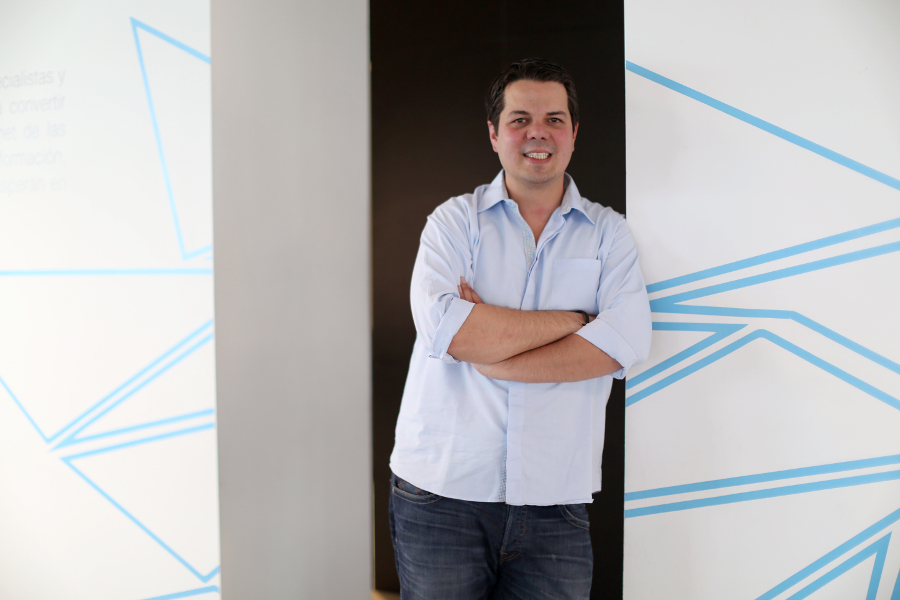
Pablo González wanted Bitcoin to feel ordinary
Before co-founding Bitso, Pablo González made films and videogame advertising. His route through cryptocurrency and back to storytelling reveals a designer interested in what people can actually do with an idea.

Jonathan Levin and the trouble with invisible money
An Oxford pub conversation sent Jonathan Levin into Bitcoin. A decade of following the money made the Chainalysis co-founder a translator between crypto, banks and the people with badges.
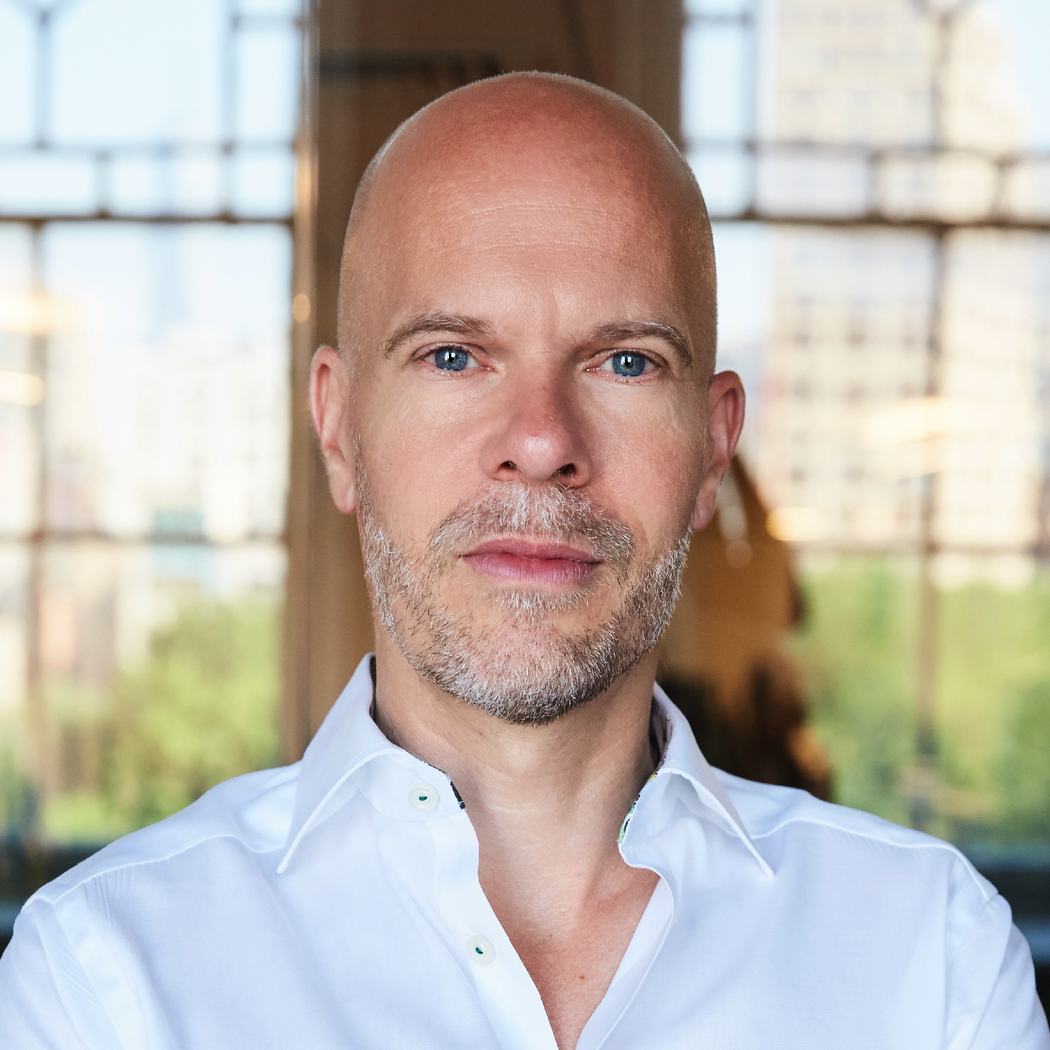
Michael Gronager and the Trouble with Invisible Money
He helped build Kraken, then co-founded Chainalysis to follow the money everyone could see but few could explain. Now Michael Gronager is building Gry AI and advising on quantum security.

Robinhood made trading free. The rest got complicated.
A zero-dollar commission opened the door to investing. Keeping customers inside has taken billions in capital, a paid membership, and a growing collection of financial products.
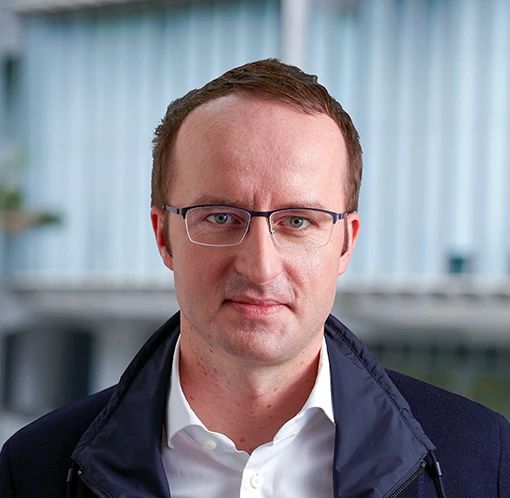
Kris Marszalek and the price of a name
He turned Monaco into Crypto.com, put the address on a Los Angeles arena, then bought AI.com. Kris Marszalek keeps betting that a memorable name can bring unfamiliar technology to the crowd. The harder work begins when people arrive.

Pi Network has the crowd. Now comes the economy.
A daily tap brought millions of people into Pi Network. Its harder experiment is turning that habit into apps, payments, and things worth coming back for.

Jesse Powell and the price of admission
Before Kraken, Jesse Powell sold virtual swords and gave artists free studio space. His career keeps returning to the same question: who gets to participate, and who holds the keys?
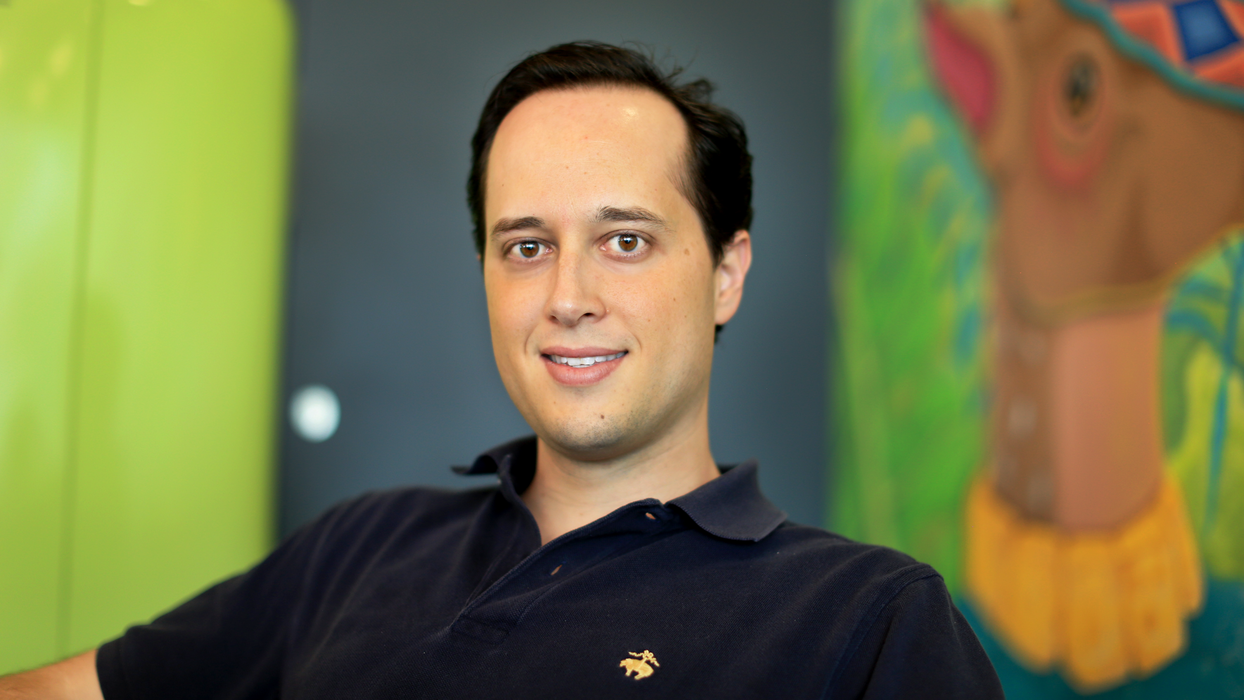
Daniel Vogel and the last mile of money
A failed remittance startup taught Daniel Vogel where digital money gets stuck. At Bitso, the Mexican engineer has spent the years since building the connections that let it move.

Jihan Wu and the Long Road from a White Paper to Silicon
He began by translating an idea. Fifteen years later, Jihan Wu is building the chips, power networks and data centers meant to prove that computing infrastructure can outlast crypto's arguments.
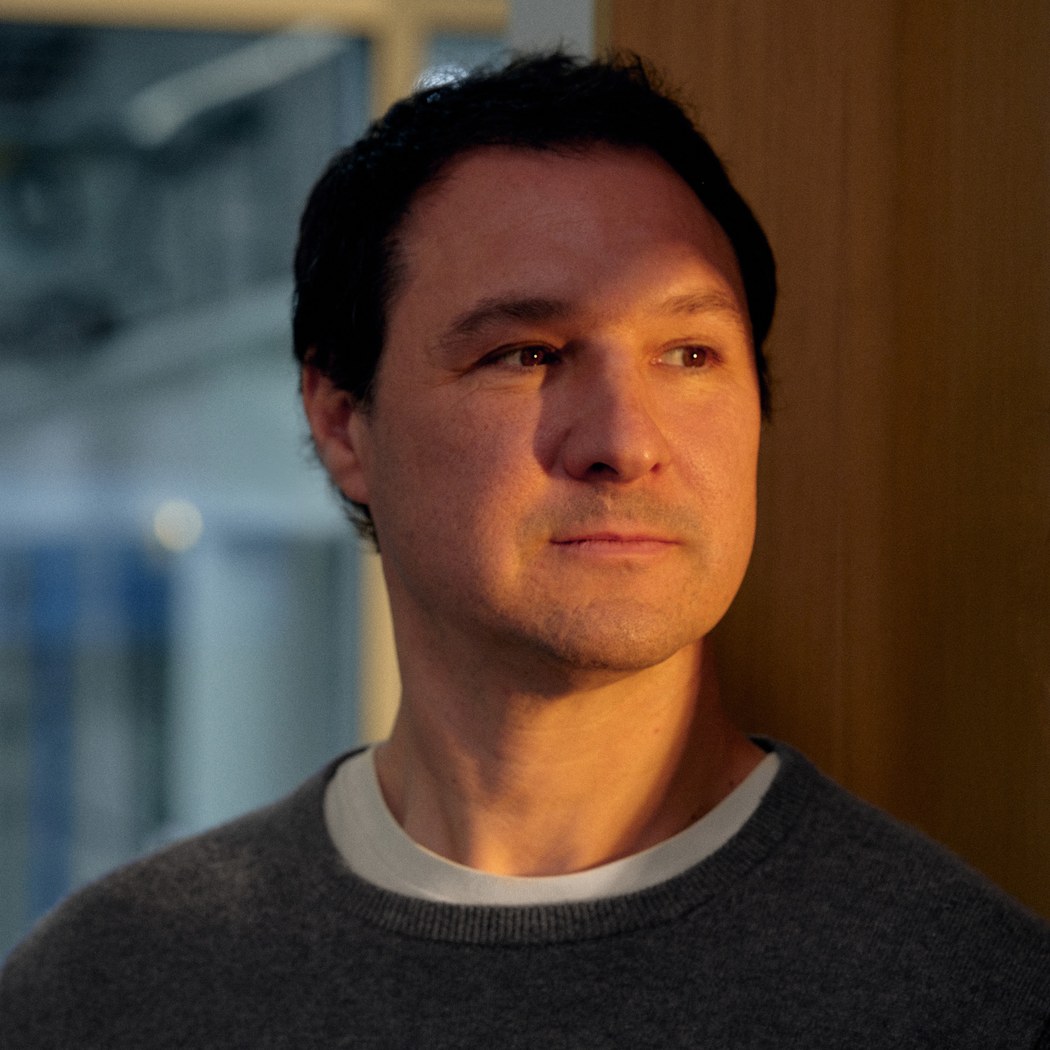
Jed McCaleb Keeps Rebuilding the Map
Files, money, and now people in orbit: the programmer behind eDonkey, Mt. Gox, Ripple, Stellar, and Vast has spent a quarter-century asking the same dangerous question - why must the system work this way?

Blockchain.com sold financial freedom. Then came a $270 million lesson.
A Bitcoin search tool grew into a wallet, a trading business and an institutional lender. Its journey toward a proposed IPO reveals how much changes when a company built around holding your own keys starts extending credit.
The Firm That Says It Only Gets Paid When You Do
A Saint Paul private equity shop is betting that warehouses, refrigerated trucks and neighborhood restaurants - not startups - are where patient money still compounds. Its promise to investors is a structure where the firm wins only when they do.

How a Bought Domain and a Matt Damon Ad Built a 150-Million-User Crypto Empire
It bought one of the most valuable domains on the internet, put its name on a Los Angeles arena, and spent a decade with no outside investors. Then Citadel Securities showed up.

The Blockchain That Handed the Keys to Its Own Community
A nonprofit built around a Turing Award winner's cryptography is doing something most crypto projects only talk about: giving up control on purpose.

The Exchange That Ripped Its Own Name Off the Wall
It dropped the "E," paid the fine, opened in San Jose, and put its reserves on a Merkle tree. Inside OKX's bet that self-custody - not the exchange - is the actual product.

CoinFlip
It started with one machine in a Chicago restaurant and no outside money. A decade later CoinFlip runs the world's largest crypto ATM network - and it built the whole thing before anyone offered to fund it.

Coinbase
How a Y Combinator startup that let people buy $5 of Bitcoin became the first crypto company in the S&P 500 - and why it now wants to be the exchange for everything.
AYC Fund
AYC Fund is an AI-native crypto hedge fund out of Y Combinator's W22 batch, founded in 2021 by MJ Kim in Seoul. It builds systematic, rules-based trading engines for digital-asset markets and now runs a private, invite-only program for qualified clients - high-net-worth individuals, family offices, and advisors - where capital stays in the client's own exchange account and the fund trades through read-and-trade API access rather than taking custody.

Spring in Africa
Spring in Africa is a Nigerian-rooted fintech that lets people and small businesses send, receive, and hold money across borders in both fiat and crypto. It began as Wallet.ng, grew into Wallets Africa, and in 2023 launched Spring, a multi-currency wallet that pairs an instant account number, cashback, and payment links with Ethereum and stablecoin transactions shown in plain USD. Backed by Y Combinator (W19), Michael Seibel, Microtraction, Samurai Incubate, and Mozilla, the company has processed millions of dollars a month for tens of thousands of consumer and business accounts.

FLOQ
FLOQ is an Indonesian crypto asset investment platform, licensed and supervised by the Financial Services Authority (OJK), that pairs cryptocurrency trading with financial education for retail investors. Rebranded in 2025 from PT Kripto Maksima Koin - a former GoTo (Gojek Tokopedia) subsidiary - and led by CEO Yudhono Rawis, the former Tokocrypto chief, FLOQ lets users start investing from as little as Rp1,000, backs it with ISO 27001-certified security, and layers on FLOQ Academy education. In mid-2026 it raised US$11.3 million in its first external funding round and reported more than 1.8 million registered users.

Christopher King
Christopher King is the founder and CEO of Eaglebrook, a crypto investment platform that gives registered investment advisors (RIAs) direct access to bitcoin and digital assets through tax-optimized separately managed accounts (SMAs). A Penn State finance graduate who began investing in digital assets in 2014, King started his career in crypto-focused venture capital at Morgan Creek Capital Management before launching Eaglebrook in 2019. The New York and Miami-based company has grown into one of the largest crypto SMA platforms serving wealth managers, backed by investors including Castle Island Ventures, Brewer Lane Ventures, and Franklin Templeton.

Crossover Markets
Crossover Markets is a New York-based institutional trading technology firm behind CROSSx, one of the first execution-only cryptocurrency electronic communication networks (ECN). Founded in 2022 by former FX prime brokerage executives, it decouples trade execution from custody and brokerage to remove the conflicts of interest common on crypto exchanges. CROSSx pairs sub-20 microsecond matching with smart order routing and custom dark and lit liquidity pools, and has matched more than $50 billion in notional volume across 12 million trades for nearly 100 institutional participants.

Merkle Science
Merkle Science is a blockchain analytics and predictive risk intelligence company that helps crypto exchanges, financial institutions, government agencies and Web3 businesses detect, investigate and prevent illicit cryptocurrency activity. Founded in Singapore in 2018 by Mriganka Pattnaik and Nirmal Ak, it uses behavior-based machine learning rather than static blacklists to power its two core products - Compass for real-time transaction monitoring and compliance (AML/KYC/CFT), and Tracker for cross-chain forensic investigations across 10,000+ assets and 200+ bridges.
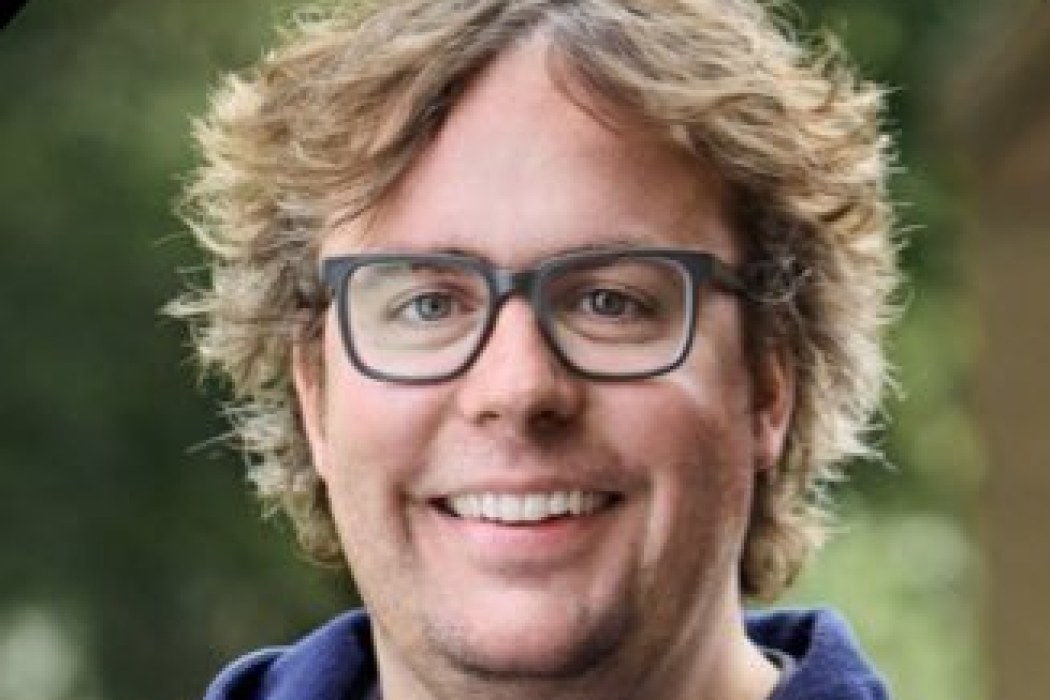
Jonathan Cornelissen
Jonathan Cornelissen is a Belgian entrepreneur, PhD in financial econometrics, and the co-founder and founding CEO of DataCamp, the online data science education platform he started in 2013. Frustrated while teaching himself R during his doctorate, he built DataCamp to make data skills accessible through interactive, browser-based courses. Over six years as CEO he grew it to more than 10 million learners, 200,000 paying subscribers, 2,500 enterprise customers and over $50 million in annual recurring revenue. He authored an introductory R course completed by over a million learners. Since stepping back from the CEO role he has focused on angel investing across education, AI and crypto, and writes about company building, hiring and startup equity.
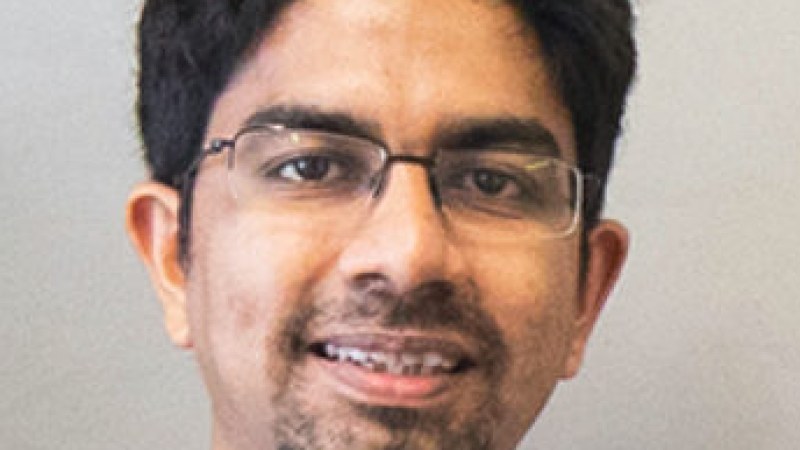
Mriganka Pattnaik
Mriganka Pattnaik is the co-founder and CEO of Merkle Science, a blockchain transaction monitoring and forensics company he started in 2018 after seeing, from inside crypto exchange Luno, how badly banks and regulators wanted a way to track illicit crypto flows. Under his lead, Merkle Science has raised over $24 million in Series A funding from investors including Kraken Ventures, Digital Currency Group, BECO Capital, and Susquehanna's Darrow Holdings, and now sells its 'Know Your Transaction' tools to VASPs, financial institutions, and law enforcement.

Paul Snow
Paul Snow is the inventor of the Factom protocol and the architect of the Accumulate blockchain, currently building tokenization and digital-identity infrastructure at DeFi Devs and IDD Labs. He co-founded the Texas Bitcoin Conference, testified before the U.S. Congress on blockchain, and is listed as inventor on more than 40 patents that now underpin Accumulate.

Hapi
Hapi is a Peruvian-founded, YC-backed fintech that lets people across Latin America invest in U.S. stocks, ETFs and cryptocurrencies from their phones - with zero commissions, no minimums and an account you can open in about five minutes. Built to knock down the high fees and paperwork that historically kept Latin Americans out of the U.S. markets, Hapi has grown from 10,000 users in 2022 to a reported 500,000-plus clients across roughly 20 countries.

P00LS
P00LS is a community-first Web3 protocol that lets creators and brands launch their own cryptocurrency token, distribute it to fans, and reward on-chain engagement across platforms. Founded in 2021 by Hugo Renaudin, the company turns audiences into token-holding communities, giving creators data and tools to map, reward, and grow their most active supporters. Backers include Acrew Capital, Maveron, and Kima Ventures, and early adopters range from footballer Ronaldinho to TIME and Ed Banger Records.
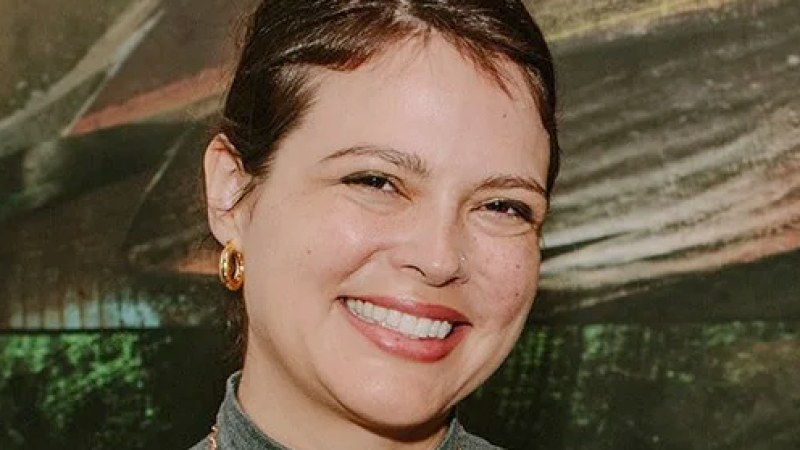
Sara Drakeley
Sara Drakeley is the CEO of Sentz (formerly MobileCoin), a privacy-focused stablecoin and global payments company based in Sacramento, California. An MIT-trained mathematician and computer scientist, she built animation pipelines at Walt Disney Animation Studios - the trees in Frozen, the water in Moana, the fur in Zootopia - then wrote trading infrastructure on Wall Street and joined SpaceX's simulation team before becoming the third engineering hire at MobileCoin in 2018. She rose from principal engineer to CTO to CEO, and now leads the company's push to make instant, low-cost, private cross-border payments accessible worldwide.
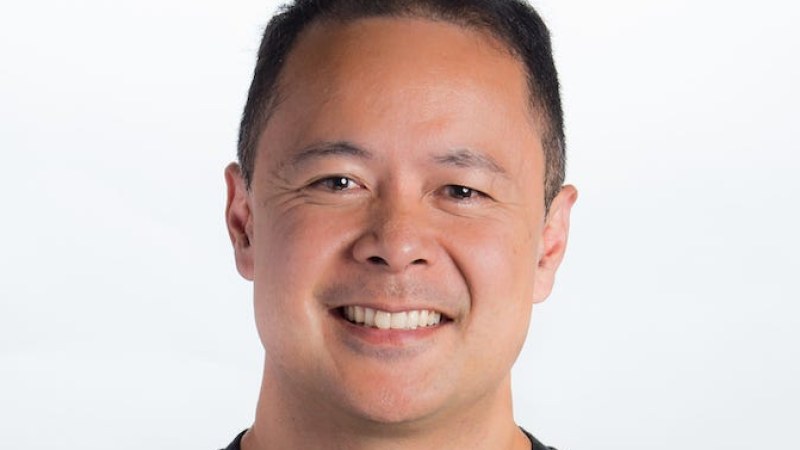
Paul Puey
Paul Puey is the CEO and co-founder of Edge, a San Diego-based self-custody crypto wallet and security platform. A UC Berkeley electrical engineering and computer science graduate who once shipped 3D graphics at Nvidia, he caught the Bitcoin bug in 2013 and launched Airbitz in 2014, rebranding it to Edge in 2017 as crypto moved beyond Bitcoin. His pitch is stubbornly simple: if you do not hold your keys, you do not own your coins, and security belongs on the edges of the network, in your hands, not on someone else's server.