kickstarter
(27)
Yancey Strickler’s next act is in the small print
He helped artists ask the crowd for money. Now Kickstarter cofounder Yancey Strickler is working on a harder question: who gets to own the creative life?
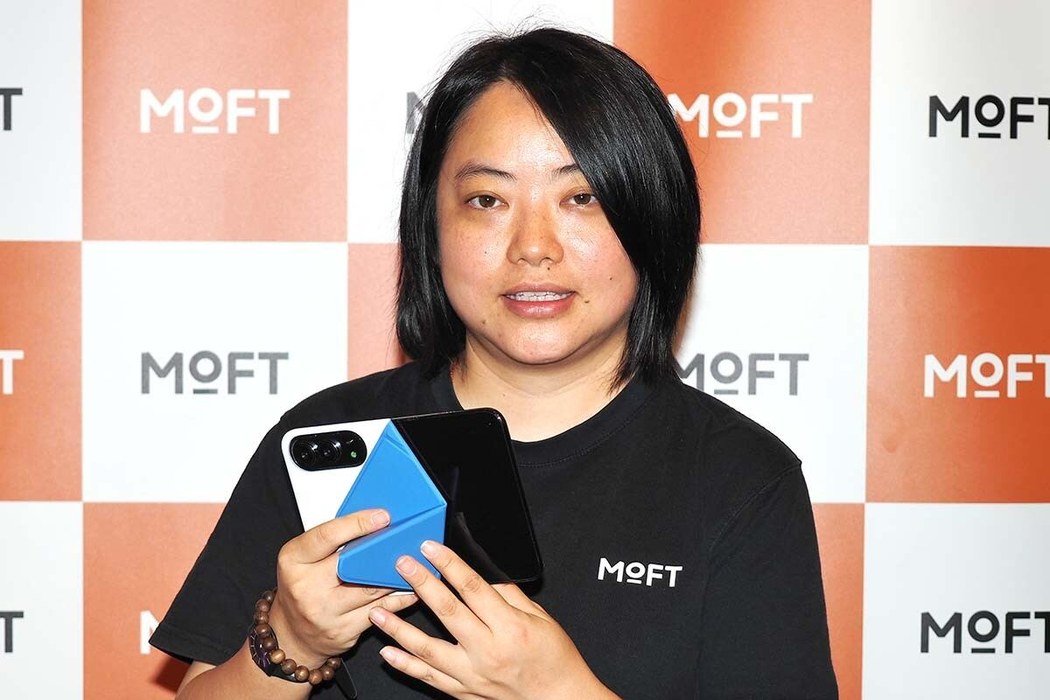
Julianna He and the Art of Taking Less
After trying more than 20 laptop stands, MOFT founder Julianna He decided the office should pack smaller. A folding stand became the starting point for a business built around how people work, carry, and create.

Perry Chen and the concert that never happened
A show he couldn’t afford to stage gave Perry Chen the idea for Kickstarter. His work since then keeps returning to a practical question: what would help people make the things they care about?
Boosted Made the Last Mile Feel Like the Best Part of the Trip
A skateboard gave commuters a new way to enjoy the distance between train and door. Then the company behind it discovered how expensive it is to turn a delightful ride into a durable vehicle business.

The Machine That Turns a Handful of Almonds Into a Milk Habit
Almond Cow bet that people would rather make oat and almond milk on their counter than buy it in a carton. Roughly 300,000 households later, the bet is looking less strange.
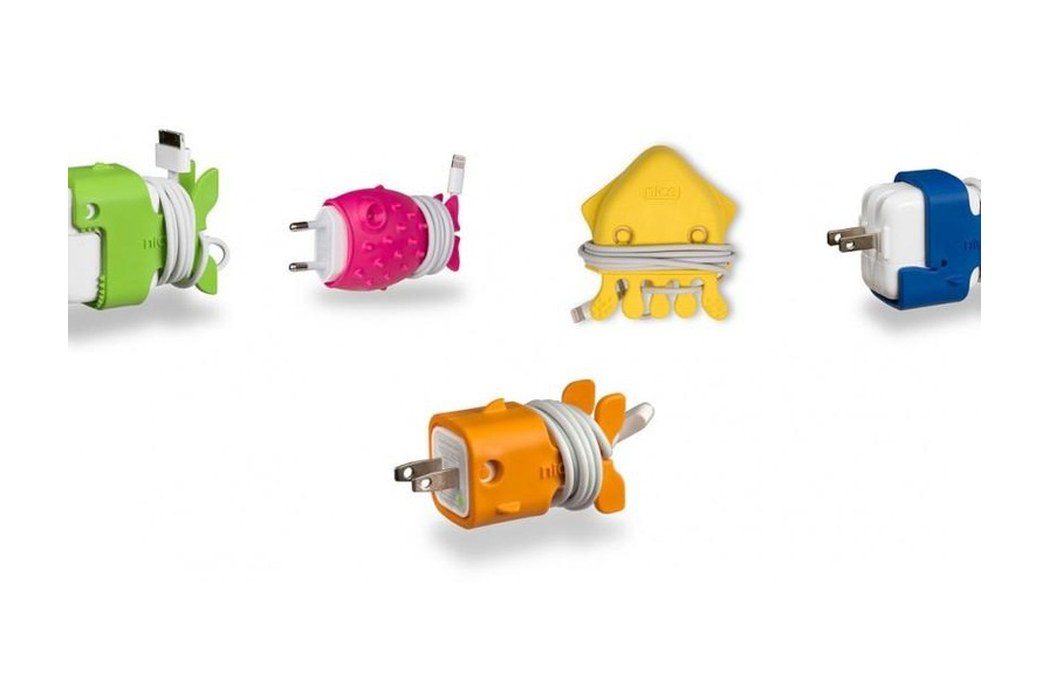
He Got Tired of His Kids Swiping His Charger. So He Turned It Into a Goldfish.
Nice, Inc. turned a problem Apple never bothered to fix - tangled chargers nobody could tell apart - into CableKeeps, a line of $16 rubber sea creatures molded just north of Seattle.
The DJI Battery Guys Who Turned a $12M Kickstarter Into a Home Energy Company
A team of ex-DJI battery engineers used Kickstarter as a factory floor, turned camping gear into home power, and built a billion-dollar clean-energy company one power outage at a time.
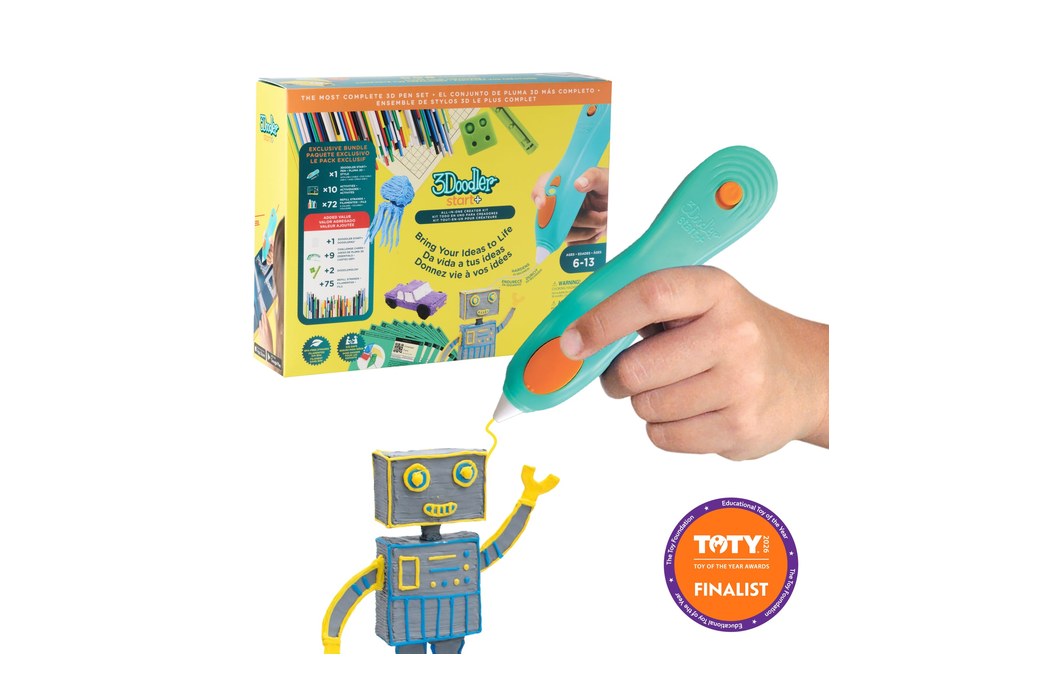
The Printer Jammed. So They Ripped Off the Nozzle and Started a Company.
A jammed 3D printer, a $30,000 Kickstarter ask, and $2.3 million later - how three toymakers turned a mistake into the pen that draws in mid-air.
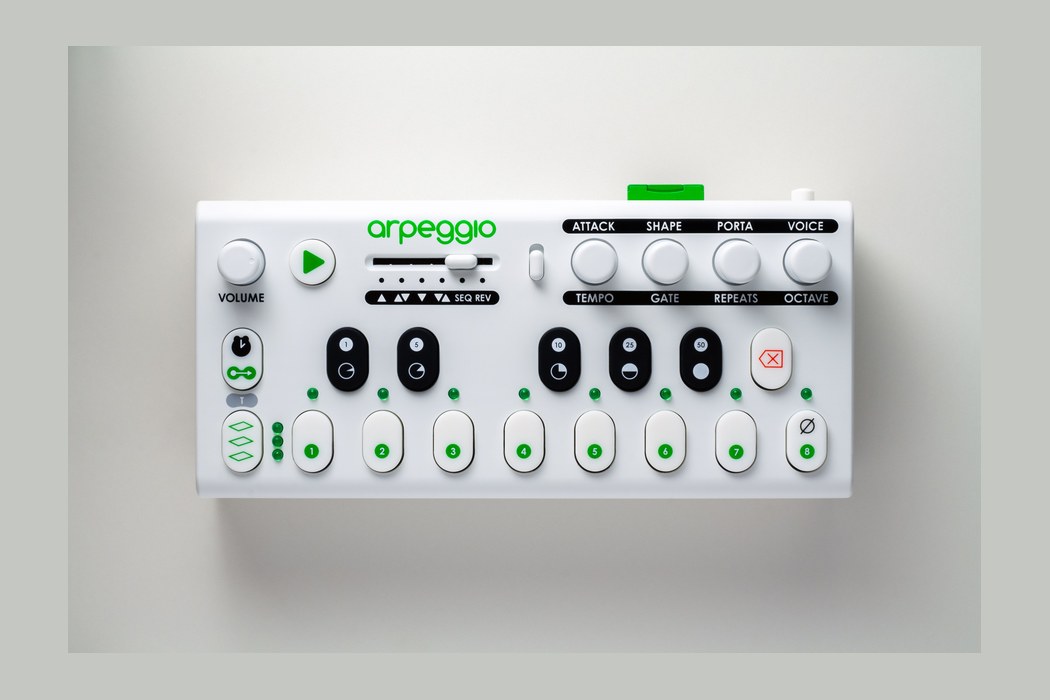
The Synth That Took Nine Years to Ship
Tangible Instruments raised $94,713 on Kickstarter in 2015 to build a pocket melody machine. It shipped to backers in November 2024. Here is what took so long, and why people still wanted it.
The Rubik's Cube Grew a Brain. Then Particula Came for Chess.
How a Netanya startup turned toy-box classics into sensor-packed 'phygital' machines - and made $4 million in one Kickstarter selling a chessboard that moves its own pieces.
The Company That Made a Stand Out of Nothing
MOFT folded a laptop stand down to 3mm, raised a million dollars proving people wanted it, and then kept folding - into wallets, desk mats, and iPad studios. Here is how a neck ache became a product category.

ButcherBox
How a founder who once lost investors' money built a half-billion-dollar meat company on a Kickstarter, a trash bag of grass-fed beef, and a refusal to take venture capital.

Honeylove
Honeylove is a Los Angeles-based direct-to-consumer apparel company that designs shapewear, wireless bras, and everyday intimates engineered with targeted compression and supportive panels. Founded in 2018 by former EDM vocalist Betsie Larkin after she couldn't find shapewear that stayed in place on stage, the brand built its reputation on no-roll construction and comfort-first engineering. It has grown from a $300K Kickstarter and a Y Combinator batch into a nine-figure-revenue business serving more than 3 million customers, backed by a $13M Series A led by Lightspeed Venture Partners.
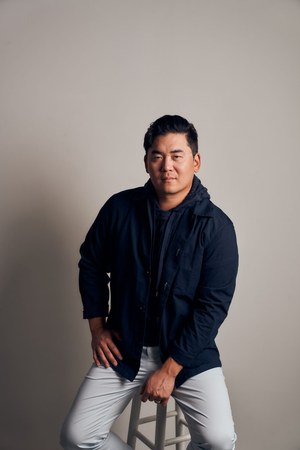
Ricky Choi
Ricky Choi is the co-founder and CEO of Outerspace, a brand-centric 3PL that runs picking, packing, kitting and shipping for direct-to-consumer companies out of a 200,000+ sq ft campus in northern New Jersey and additional coasts. Before Outerspace, he co-founded Nice Laundry, a Kickstarter-launched premium socks and underwear brand that set an opening-day backer record in fashion. He is a Wharton graduate who worked in venture capital and at LivingSocial before starting companies of his own.

Jaclyn Fu
Jaclyn Fu is the co-founder and co-CEO of Pepper, the direct-to-consumer bra brand built for small-chested women that grew from a Kickstarter funded in 10 hours into an eight-figure company that has sold more than one million bras. A UC Berkeley graduate and former product marketer at Mozilla, Etsy and Conversocial, she turned four words scribbled on a road trip - 'bras for Asian Americans' - into a movement to redefine how small chests are seen. She and co-founder Lia Winograd landed on Forbes' 2020 30 Under 30 list for Retail & Commerce.

CANDY HOUSE
CANDY HOUSE, Inc. is the consumer-hardware company behind Sesame, the retrofit smart lock that mounts over an existing deadbolt with adhesive tape and turns a smartphone, fingerprint, card, PIN or face into a key. Founded in 2014 by Stanford engineer Jerming Gu and famous for a 2015 Kickstarter that raised about $1.4M, the company built an open ecosystem around SesameOS - locks, touch and face readers, a coin-sized Matter hub, sensors and finger robots - aimed at making smart-home access affordable, rental-friendly and developer-open.

Jerming Gu
Jerming Gu is the Taiwanese founder and CEO of CANDY HOUSE, the company behind SESAME, the smart lock that clamps onto an existing deadbolt and turns a smartphone into a key. He started the company as a Stanford mechanical engineering master's student in 2014 with co-founder Jongho Shin, then turned a 3D-printed dorm-room prototype into a Kickstarter phenomenon that raised roughly $1.4 million in 2015. After a decade building a dominant smart-lock business in Japan - including funding from ITOCHU and a strategic alliance with lock maker MIWA - he relaunched CANDY HOUSE in the US and Canada in 2025 with a lineup spanning SESAME 5, face recognition, palm-vein biometrics and Matter-compatible hubs.

Will Nitze
Will Nitze is the founder and CEO of IQBAR, a brain-and-body nutrition brand he built from a Kickstarter campaign into a nine-figure CPG company selling plant-based protein bars, hydration mixes, and instant coffee in more than 10,000 retail doors. A Harvard psychology and neuroscience graduate who once sold software to oil-and-gas companies, he formulated his first products with no food-science background, scaled IQBAR past 100 million bars sold, and now hosts the founder podcast Eating Glass.
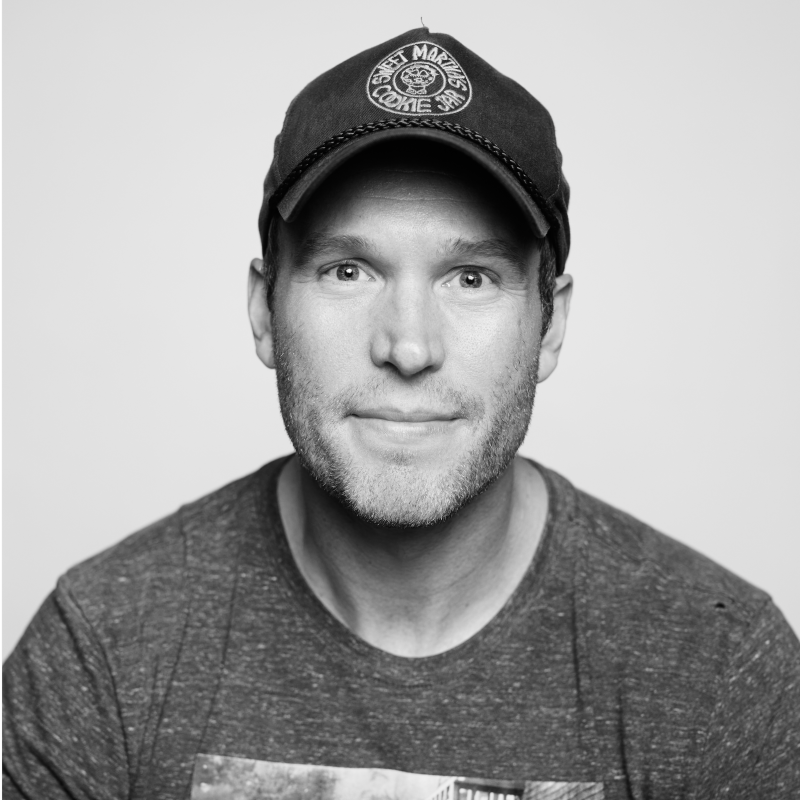
Jake Miller
Jake Miller is the founder of Fellow, a San Francisco-based premium coffee gear company known for design-forward products like the Stagg EKG electric kettle, Ode Brew Grinder, and Carter Move Mug. He launched Fellow as a Stanford MBA class project in 2013, weathered 73 investor rejections and a failed first product, before building a nine-figure consumer brand sold in 45+ countries and backed by $42M in funding. Miller's mission is to transform everyday coffee routines into meaningful rituals by bridging the gap between specialty roasters and home baristas.
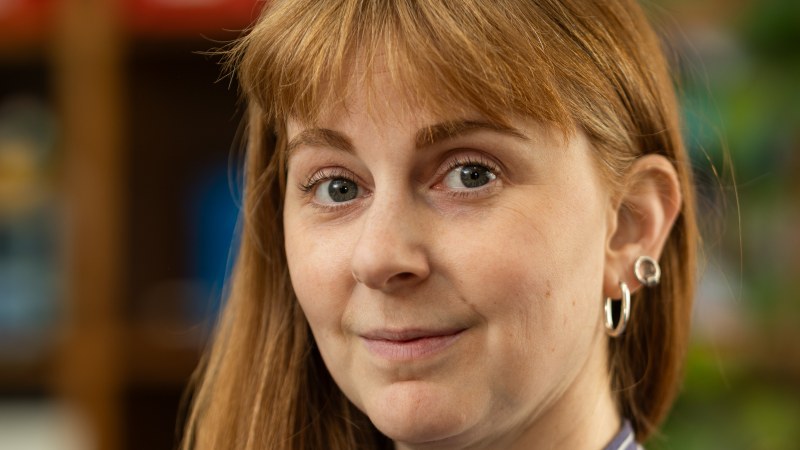
Simone Giertz
Simone Giertz is a Swedish-born inventor, YouTuber, and product designer best known as the 'Queen of Shitty Robots' - a self-styled title earned by building hilariously dysfunctional machines that helped her (and millions of viewers) overcome perfectionism. She parlayed viral robot comedy into a serious design career, founding Yetch Studio in 2022, whose products include the Every Day Calendar (sold at MoMA) and the Laundry Chair - a swivel-rail accent chair for 'half-dirty' clothes that raised nearly $1 million on Kickstarter in 2026.
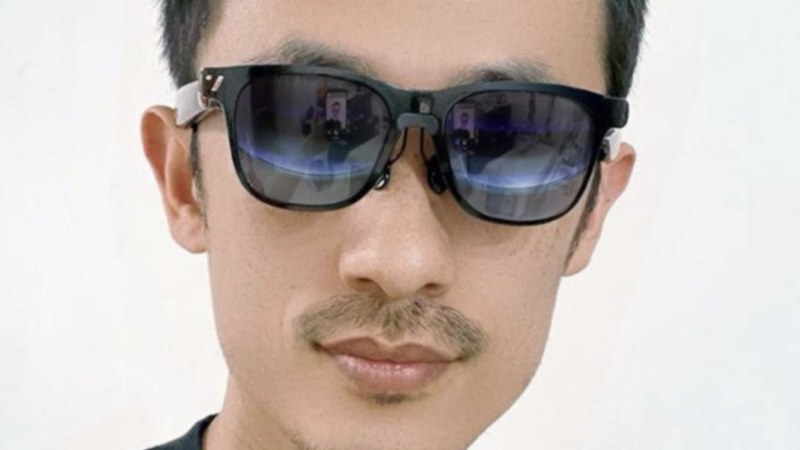
David Jiang
David Jiang (Gonglue Jiang) is the co-founder and CEO of VITURE, the XR glasses company that captured 52% of the U.S. smart glasses market in Q4 2024 and raised $100M in Series B funding in 2025. A Harvard-trained human-computer interaction designer who worked on Google Glass and led AR at Rokid, he founded VITURE in 2021 with a single conviction: that wearable screens would replace the smartphone as the primary entertainment and productivity interface. VITURE One raised $3.1M on Kickstarter in one month, surpassing Oculus's prior record, and VITURE Pro later outranked Meta Ray-Ban on Amazon.

Nathan Xu
Nathan Xu (also known as Xu Gao) is the co-founder and CEO of Plaud AI, the company behind the world's best-selling AI voice recorder and notetaker. A serial entrepreneur who failed three times before hitting gold, Xu bootstrapped Plaud from a Kickstarter campaign in 2023 to $180M+ ARR by 2025 - without a single dollar of venture capital. His credit-card-sized Plaud Note and wearable NotePin devices, which transcribe, summarize, and analyze conversations in 112 languages, have shipped to over 1.5 million users in 170+ countries. Based in San Francisco with roots in Wuhan, China, Xu represents a new breed of transpacific founder betting that the next great hardware platform fits in your pocket - or around your neck.
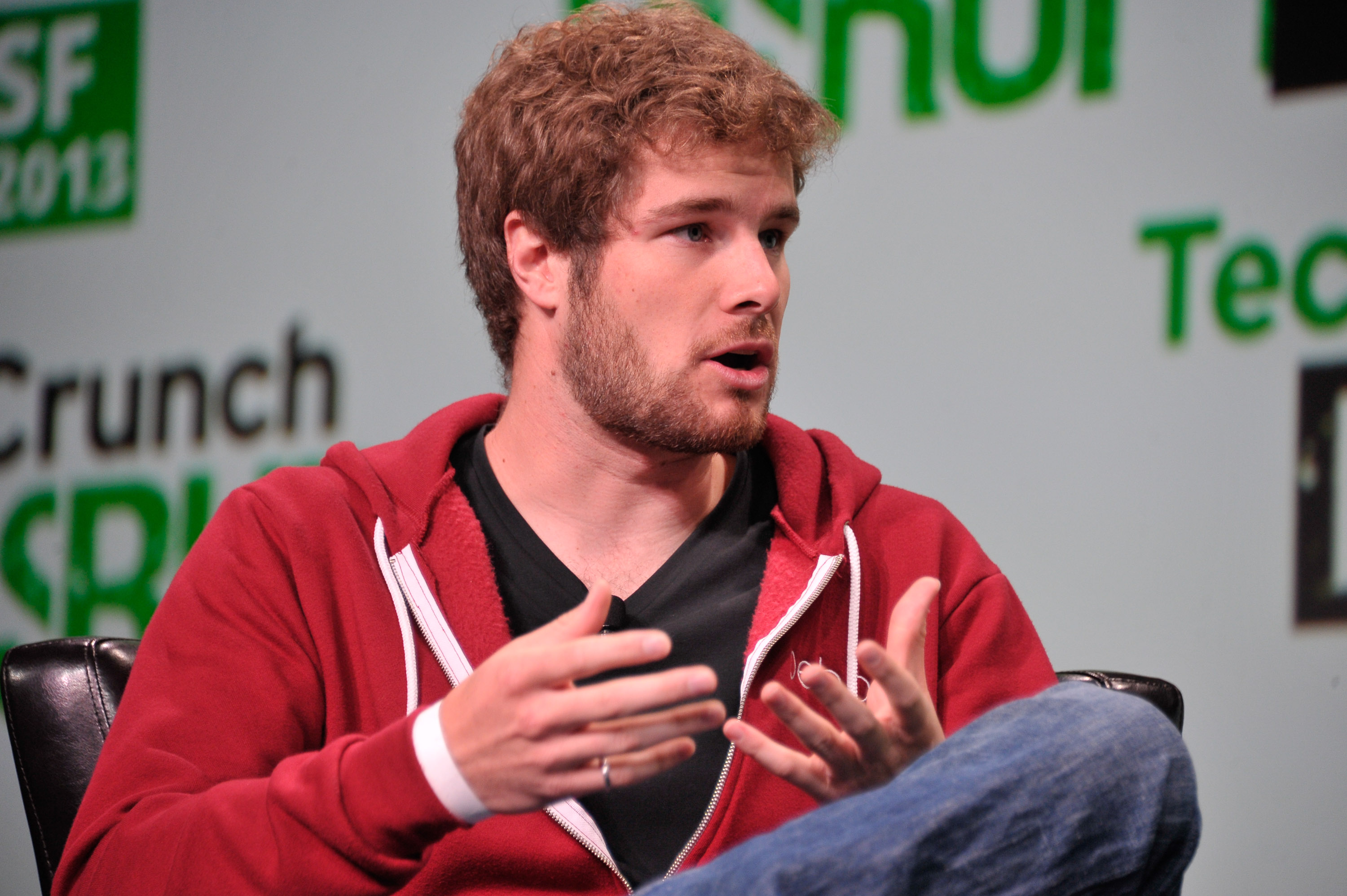
Eric Migicovsky
Eric Migicovsky is a Canadian hardware entrepreneur who invented the Pebble smartwatch in 2012, raising $10.26M on Kickstarter in the most-funded campaign of its time. After Pebble's $40M sale to Fitbit in 2016, he served as a Y Combinator partner, then co-founded Beeper — a universal messaging app that sparked a major Apple antitrust investigation before selling to Automattic for $125M in 2024. Now back to his roots, he's reviving the Pebble brand under Core Devices with fully open-source hardware and software.
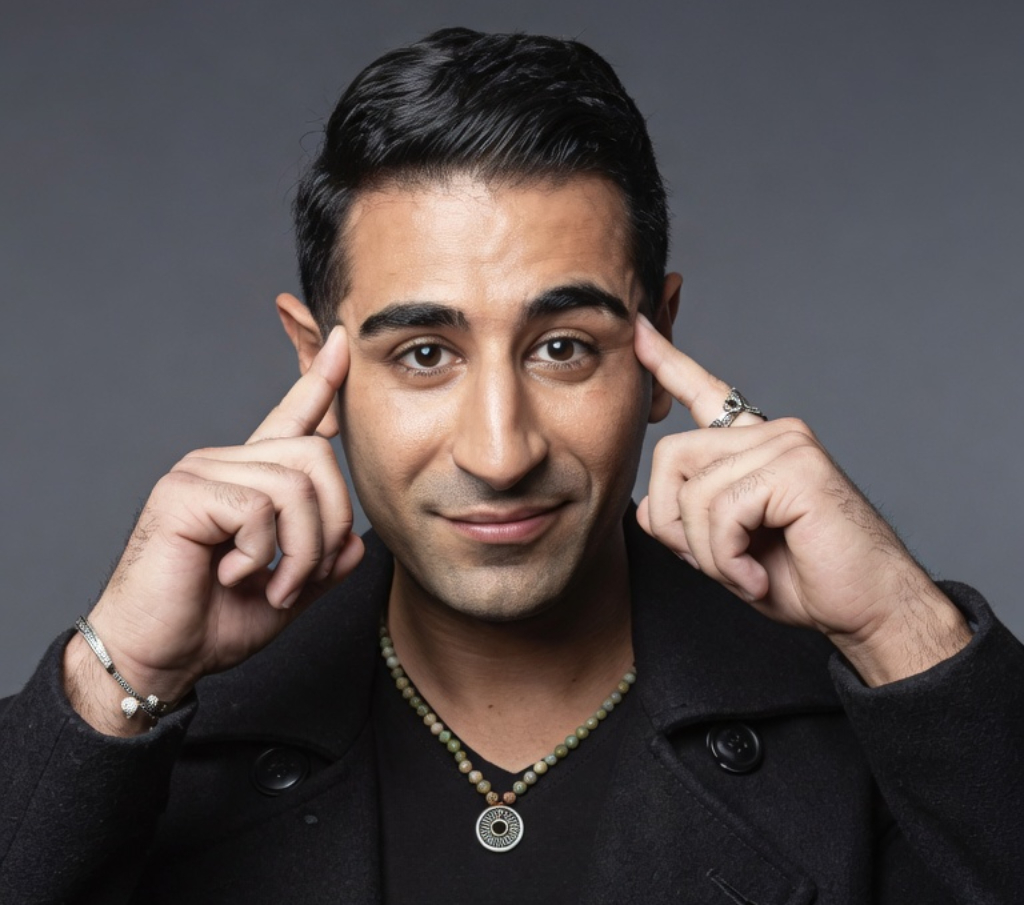
Arman Assadi
Arman Assadi is a serial entrepreneur, AI founder, and copywriter who left Google in 2014 with a one-way ticket to Cuba and never looked back. He co-created the EVO Planner (the most-funded planner in crowdfunding history), built 13 different seven-figure product launches for clients like Neil Patel and Jeff Walker, and now leads Steno.ai — an AI digital twins platform backed by Tony Robbins that lets experts scale their voice and personality across web, mobile, and SDK. He co-hosts the Alfalfa Podcast and has spent a decade on a mission to democratize wisdom.
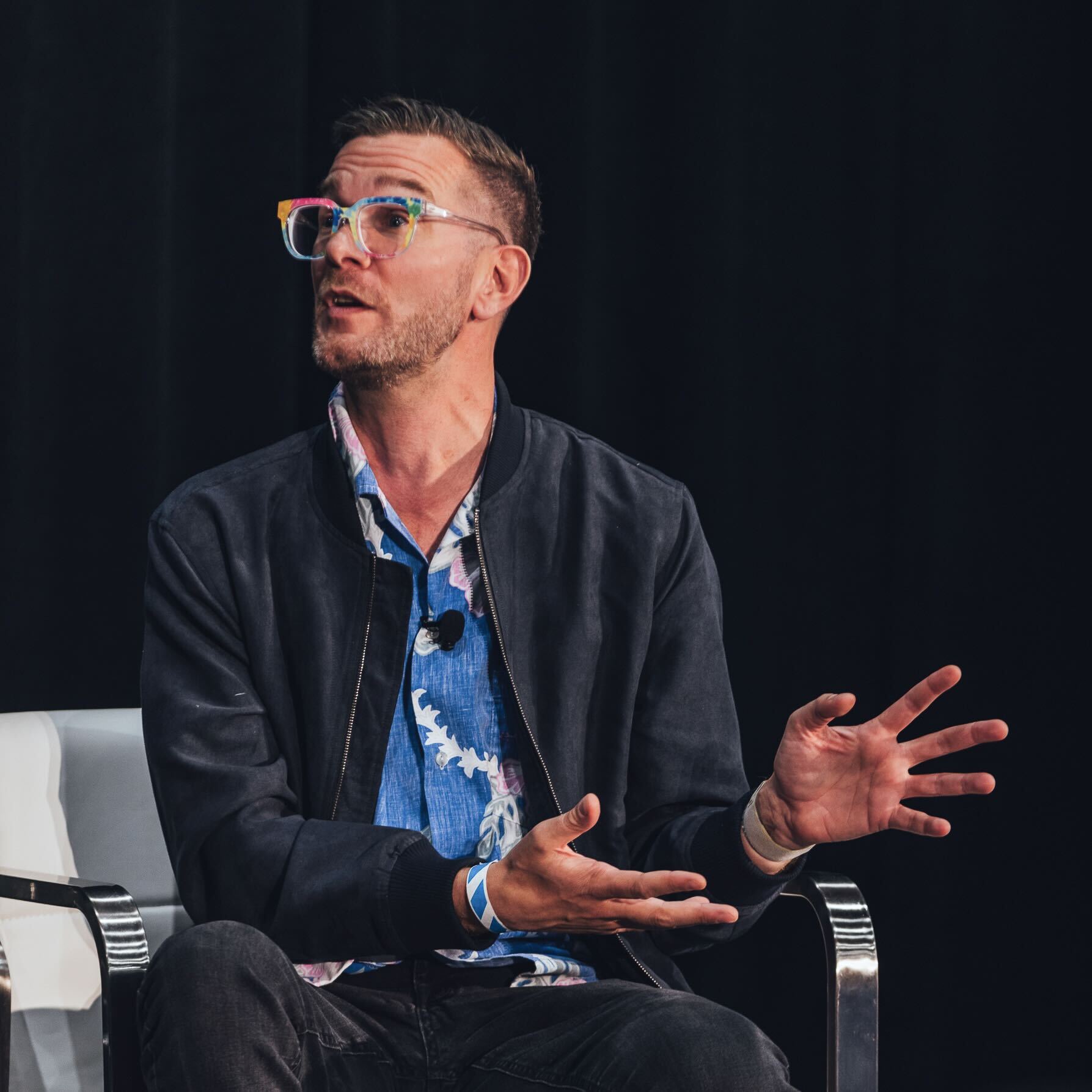
Haje Jan Kamps
Haje Jan Kamps is a Dutch-born journalist, serial founder, and pitch coach who turned a decade covering startups for TechCrunch into an AI-powered pitch deck review service. Best known for his long-running 'Pitch Deck Teardown' series analyzing real decks from companies that raised $125K to $500M, he now runs Pitch Guide - an AI tool that reviews startup pitch decks against 250+ criteria. A former hardware founder (Triggertrap), VC portfolio director (Bolt), and prolific author of 8+ books, he brings rare operator-journalist-investor perspective to early-stage startup fundraising.

O-Boy Satellite Smartwatch
O-Boy is the world's first satellite-connected emergency rescue smartwatch, built for adventurers and professionals who operate beyond cellular coverage. Designed by Belgian studio Futurewave for startup LifeLineSat, it lets you send GPS-pinpointed rescue signals, custom messages, or live location tracking directly via satellite - no phone required. Think of it as the emergency button the wilderness has always needed, worn on your wrist.
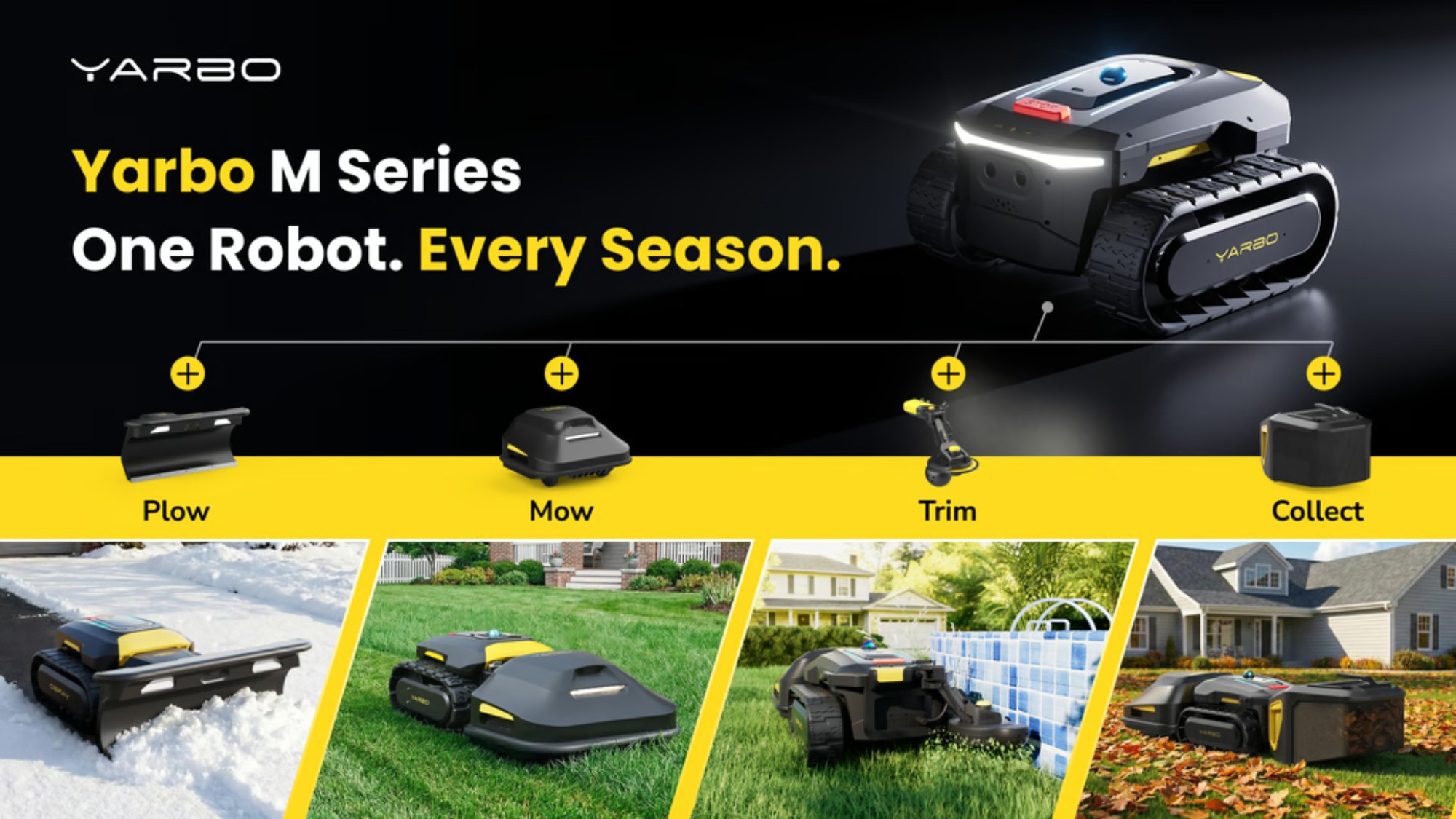
Yarbo M Series Robot
Yarbo M Series is a modular, autonomous yard robot that replaces four seasonal machines - lawn mower, snow blower, leaf collector, and edge trimmer - with one tracked, wire-free platform. Unveiled at CES 2026 and raising $2.6M on Kickstarter (26x its goal), the M Series uses nRTK GPS, LiDAR, and onboard AI to navigate without buried boundary wires, handles slopes up to 35 degrees, and operates year-round from -13F to 113F.