infrastructure
(210)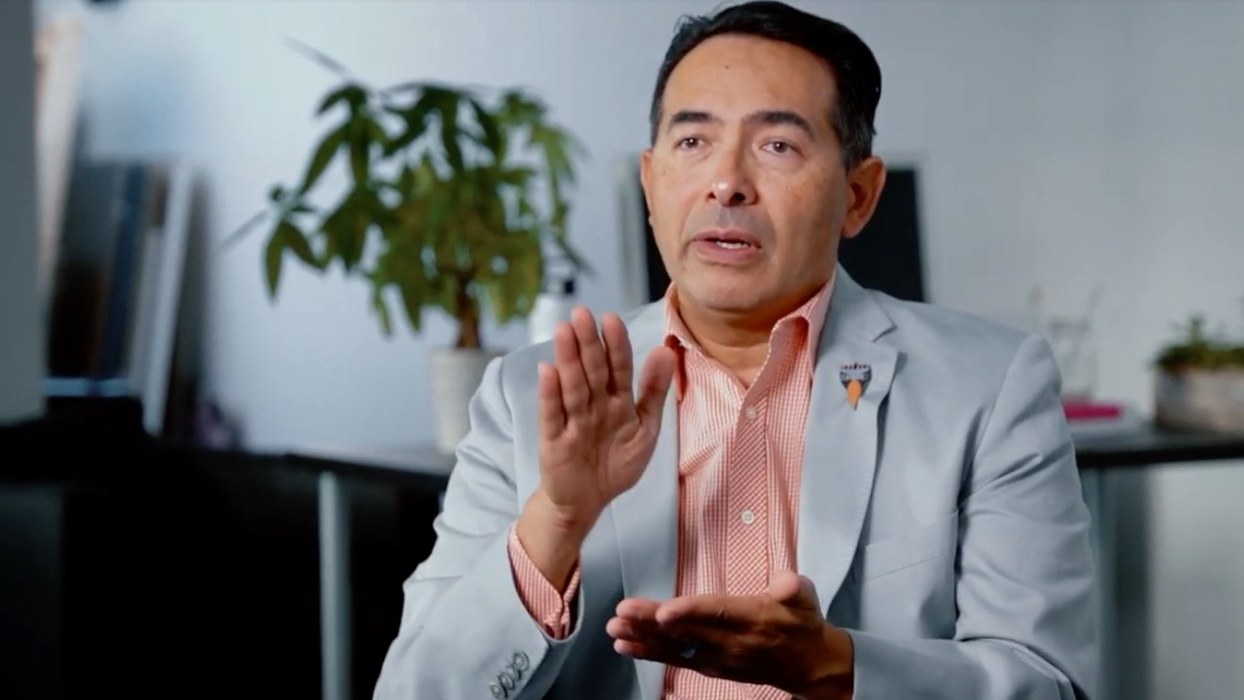
Jesús M. Vargas and the education of a small fish
A factory worker’s son took a structural engineering degree west, then built an Oakland consulting firm. Along the way, Jesús M. Vargas learned that a career depends on who helps you find your footing - and who you help next.

William Ferguson Jr. and the education of a town
He built The Ferguson Group around the practical problems of local government. A scholarship bearing his name carries that work into the next generation of city and county leaders.

Vulcan Materials Company: The value of staying close
Rock is cheap. Moving it is expensive. Vulcan Materials Company built its business around that stubborn fact - and keeps finding ways to make proximity pay.
Xylem: Think before you dig
A sewer in Indiana explains Xylem’s wager: better information can make old infrastructure do more. The water company sells the pumps, sensors, treatment systems and software that turn that idea into working machinery.

Brookfield owns the things the future needs
The cloud needs a power plant. A pension needs decades of income. Brookfield has built a business putting those two needs in the same room.

Tutor Perini builds big. Getting paid is the plot twist.
Tunnels, hospitals, casinos. Tutor Perini takes on construction at a scale few firms pursue. Its recent turnaround reveals the less visible job: turning complicated contracts into cash.

Parsons makes the complicated work
A metro, a missile defense network, a contaminated airfield. Parsons works where separate systems have to behave as one - and its own setbacks show how hard that promise is to keep.

Jacobs makes the future work underground
Before a city can grow or an AI factory can think, somebody has to solve the water, power and engineering. Jacobs has built a business around those inconvenient details.

Genoveva Arellano and the power of staying in the room
A Rolodex helped her start a business. Three decades of public meetings, freeway construction and rail projects reveal what Genoveva Arellano built from those first introductions.
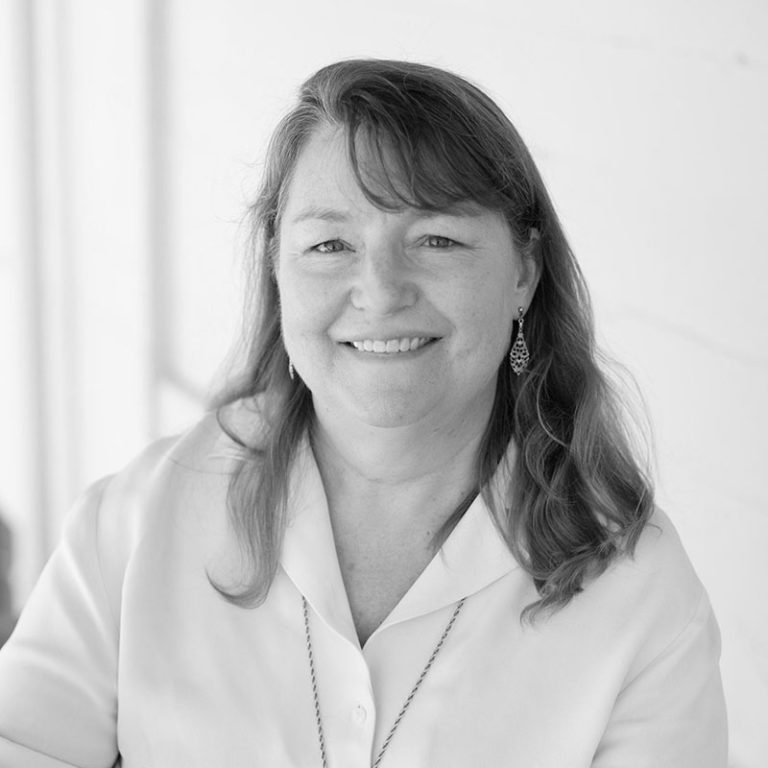
Sybil Hatch and the engineering of being understood
She worked on foundations and soil stability before founding Convey. Sybil Hatch’s second career puts an engineer’s attention to work on the space between a public project and the people it affects.
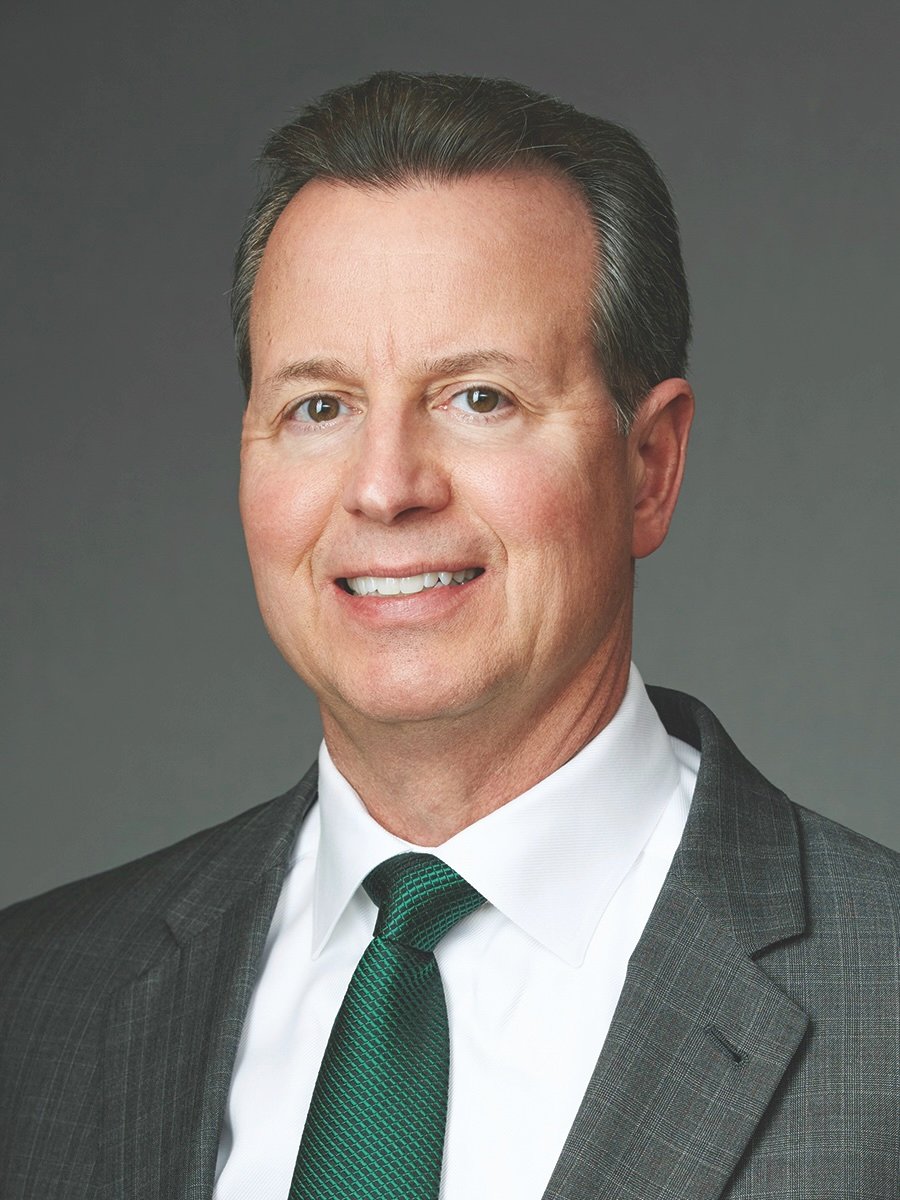
Gary Smalley and the unfinished business of building
Before he became Tutor Perini’s CEO, Gary Smalley spent decades following the money through construction. Now he is responsible for turning billions of dollars of promised work into places people can use.
Troy Rudd and the price of a promise
He rose through finance to lead a business built on engineering judgment. At AECOM, Troy Rudd is betting on shared expertise and artificial intelligence - while an old contract tests his promise of a lower-risk future.
Bob Pragada and the art of making things work
A Navy engineer who kept Camp David running now leads Jacobs through a different kind of reconstruction. His career connects the discipline of service with the physical demands of the AI age.
Scott Salmirs and the value of being overlooked
He left Wall Street’s facilities departments for a janitorial services company. At ABM, Scott Salmirs has spent two decades making a case for the work that keeps everyone else working.

Sixth Street buys time.
A football club needs cash today. An insurer thinks in decades. Sixth Street builds the deals that bring those two clocks together.

Steve Butler and the business of the missing connection
He built a mobile-tower business, then turned to the electricity grid. At Symphony Infrastructure Partners, Steve Butler is applying a familiar idea to a different network: bring the builders, the capital and the long-term responsibility together.
Rod Drury and the trouble with staying small
He helped move the small-business ledger into the cloud, then turned to the connections missing closer to home. Rod Drury’s story runs from a Wellington apartment to Queenstown infrastructure - and, in 2026, a reckoning over accountability.

HCSS catches the cost of yesterday.
A construction job can lose money long before the office notices. HCSS puts the estimate, the crew, and the daily cost report into the same conversation.
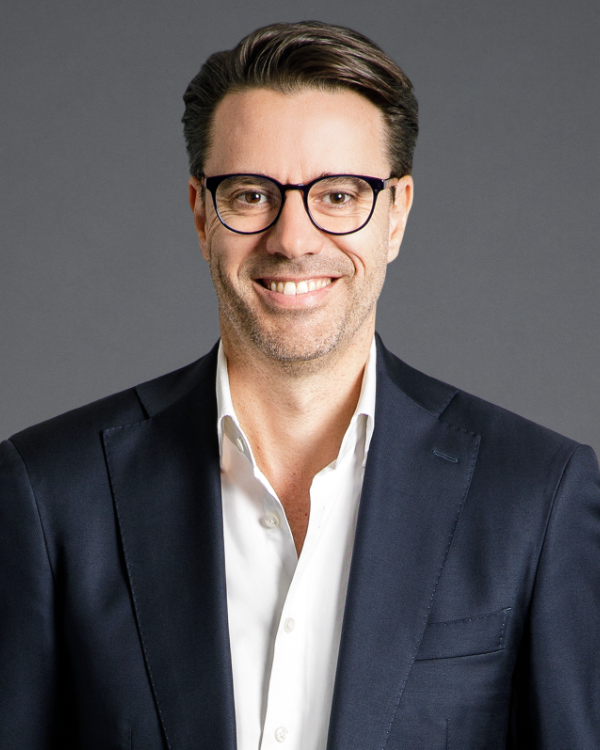
Chris Green and the value of a place to park
He grew up on an Australian farm and went on to lead Macquarie’s global real estate business. At GreenPoint Partners, Chris Green is putting land, technology and the people who run them into the same investment.
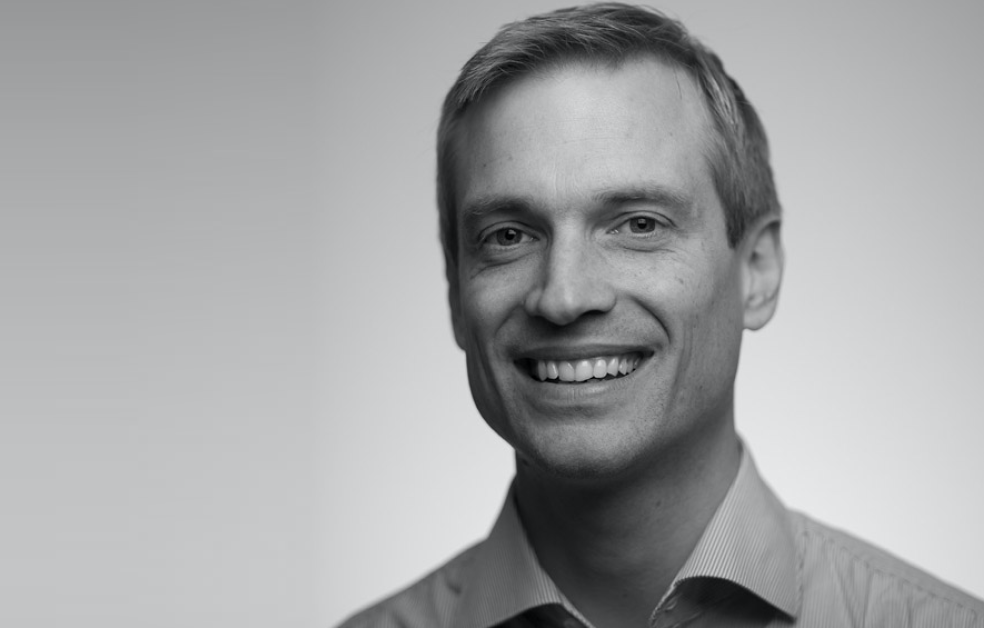
Hanno Blankenstein and the distance between seeing and doing
From a Flight Simulator plug-in to industrial computer vision, Hanno Blankenstein has kept returning to one question: how does a better view become a better decision? At Unleash live, the answer has to work in the field.

Matt Rosenthal and the value of looking down
A phone call about labeling sewer videos became SewerAI. Matt Rosenthal’s next question is what cities should do with everything they can now see.
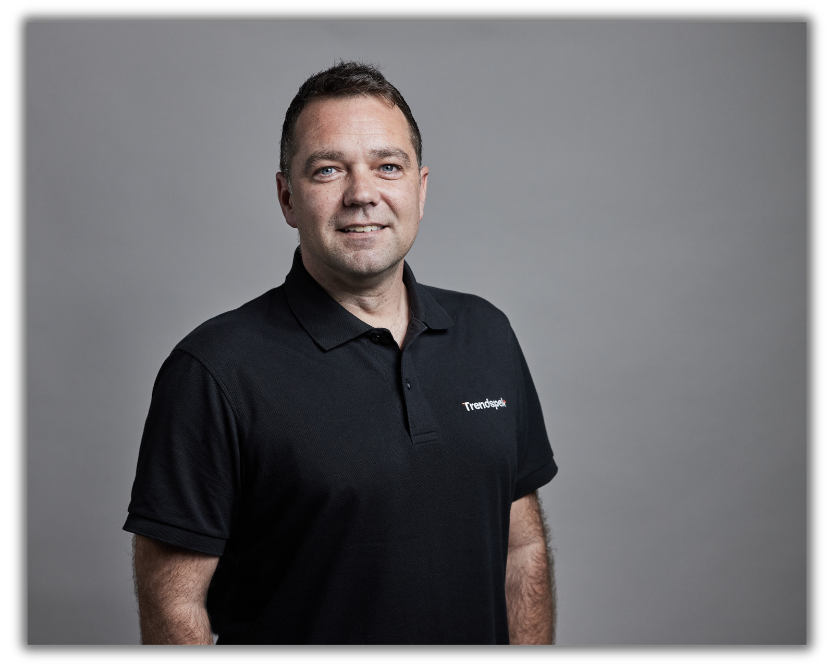
Derek Feebrey and the buildings that need a logbook
He wanted to fly a jumbo jet. After years in a Qantas cockpit, Derek Feebrey found a second calling: helping bridges, ports and buildings keep a record that survives the people who look after them.
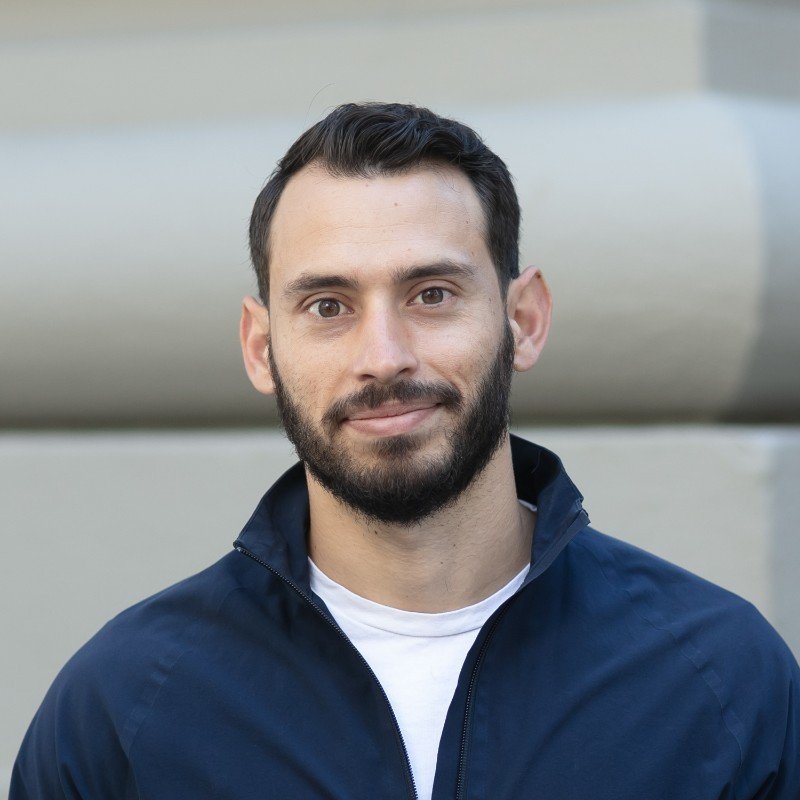
Dimi Kellari and the trouble with a perfectly good design
Before co-founding Neion Bio, Demetrios (Dimi) Kellari studied why aircraft designs persist and helped build systems for solar energy and autonomous roads. His career keeps returning to a practical question: when should you improve the machinery, and when should you change the design?

Prozeal Green Energy: First, move the mud.
Solar panels are the visible part. Prozeal’s business lives in the roads, permissions, power lines and financing that make industrial clean energy possible.
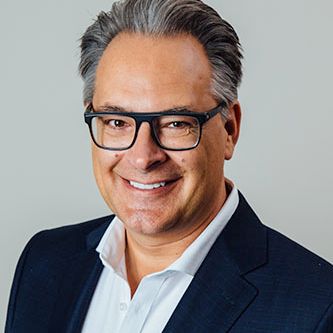
Elroy Gust and the business of coming back
An elevator needs another service visit. A water utility needs another day of reliable operation. Elroy Gust has built Newlook Capital around the work that keeps returning.
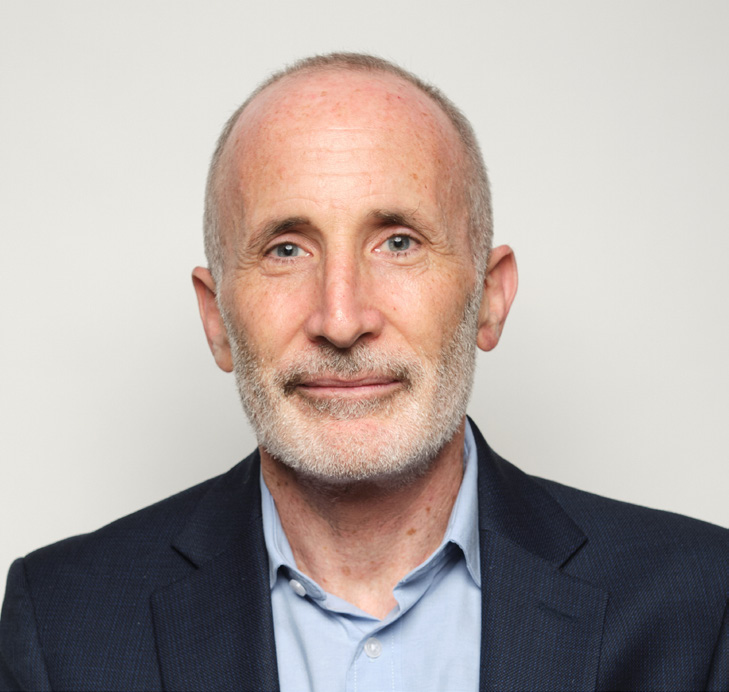
David Feingold and the business beneath the surface
Before a house comes a road. Before a crypto mine comes a power connection. David Feingold’s career follows the work underneath the finished product - and the questions that come with managing other people’s money.
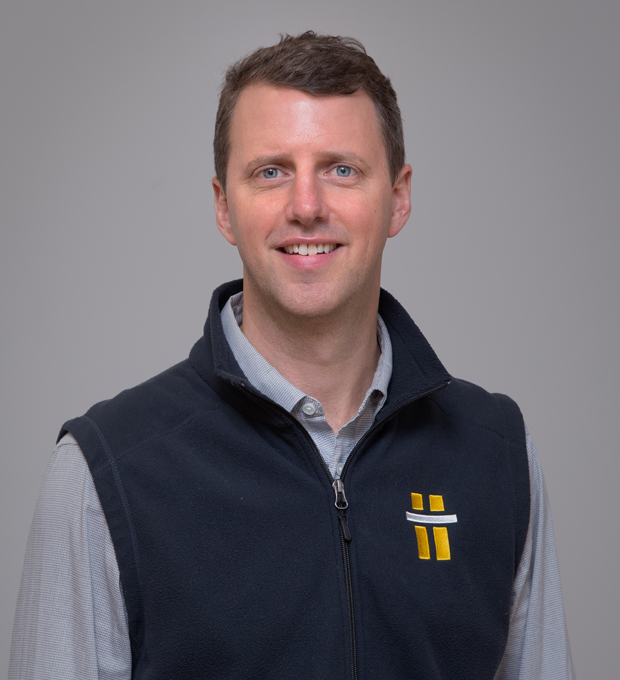
Geoff Dillon and the art of going unnoticed
He moved from New York finance to the roads of the Midwest. At Heritage Construction + Materials, Geoff Dillon is building a business around work most people notice only when it goes wrong.
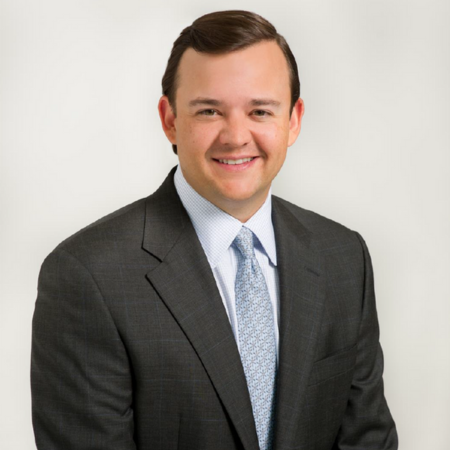
Brad Morgan and the business of taking your time
At Platform Partners, Brad Morgan has helped build an investment firm designed to keep its options open. His work with founders shows what can happen between buying a business and deciding to sell it.
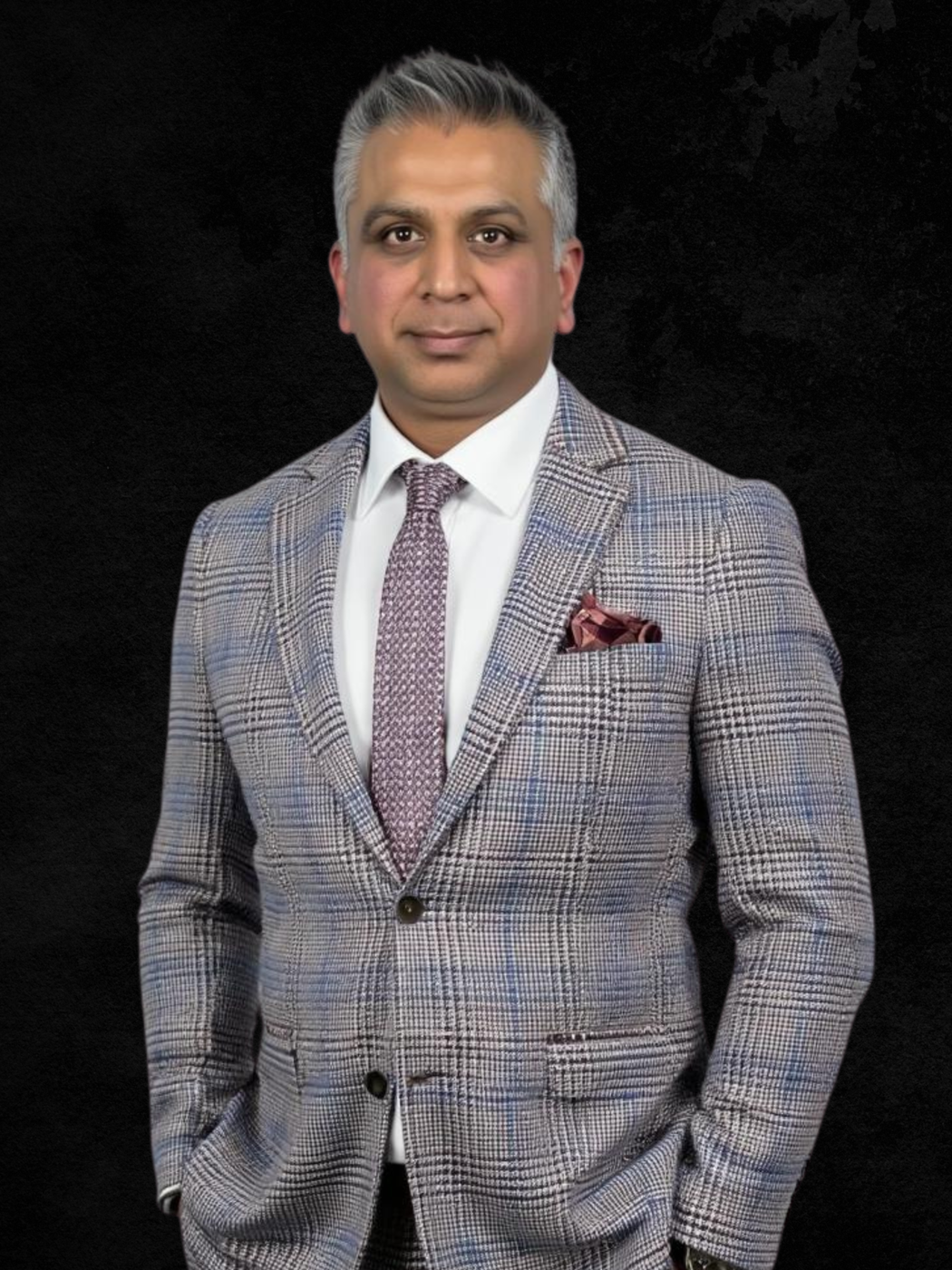
Rupesh Amin and the business of showing up
A ferry can cross the Salish Sea in 70 minutes. Building a service people can depend on takes longer. For Conqora founder Rupesh Amin, Hullo puts a career in infrastructure to a very public test.
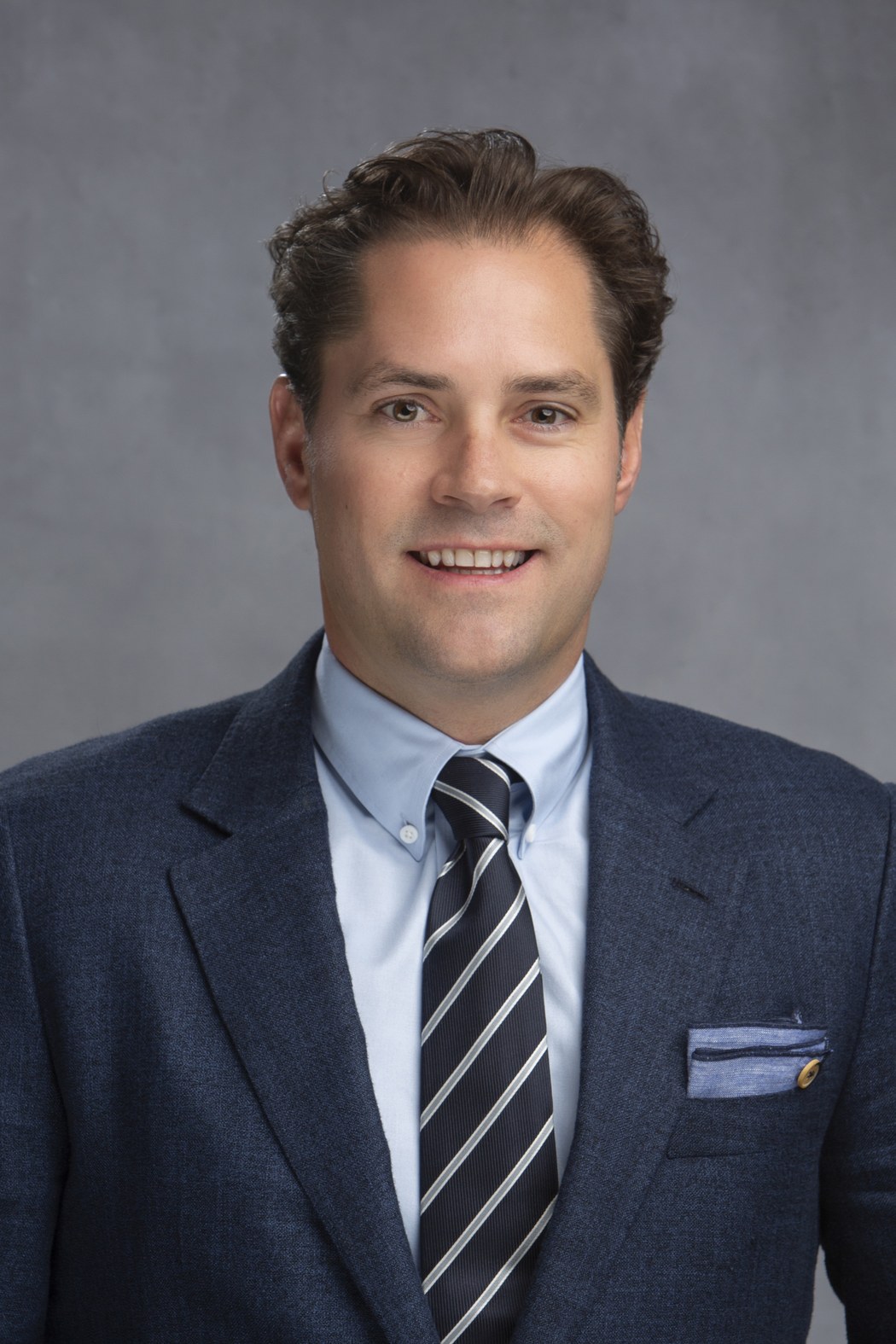
Jay Fields and the business of getting closer to the ground
Jay Fields expanded his father’s steel distribution business into manufacturing, real estate and a record label. A purchase from his father’s former employer offers a useful place to begin.