wharton
(200)
Adam Moelis and the price of a little suspense
Adam Moelis built Yotta around a clever bargain: make saving feel like winning. His path from Wall Street to a banking crisis, and now ten-minute dates, reveals the appeal and the limits of designing around human behavior.

Albert Katz and the art of getting out of the way
He once turned up for a finance interview in his only dress shirt. Now the Flagler Health co-founder is learning a different business skill: building a company that can do more without him doing everything.
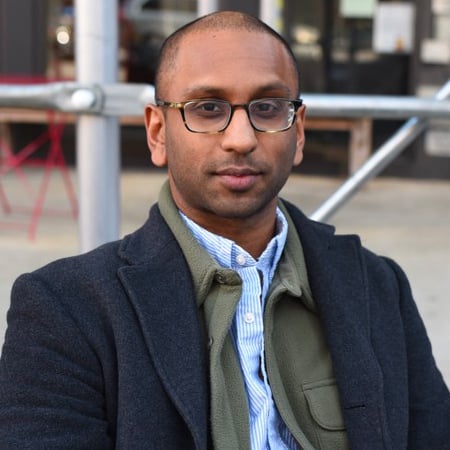
Vasu Prathipati and the business of paying attention
Two failed products, 150 customer interviews, and a company that kept changing its mind. From MaestroQA to Rippit, Vasu Prathipati has built a career around hearing what businesses miss.
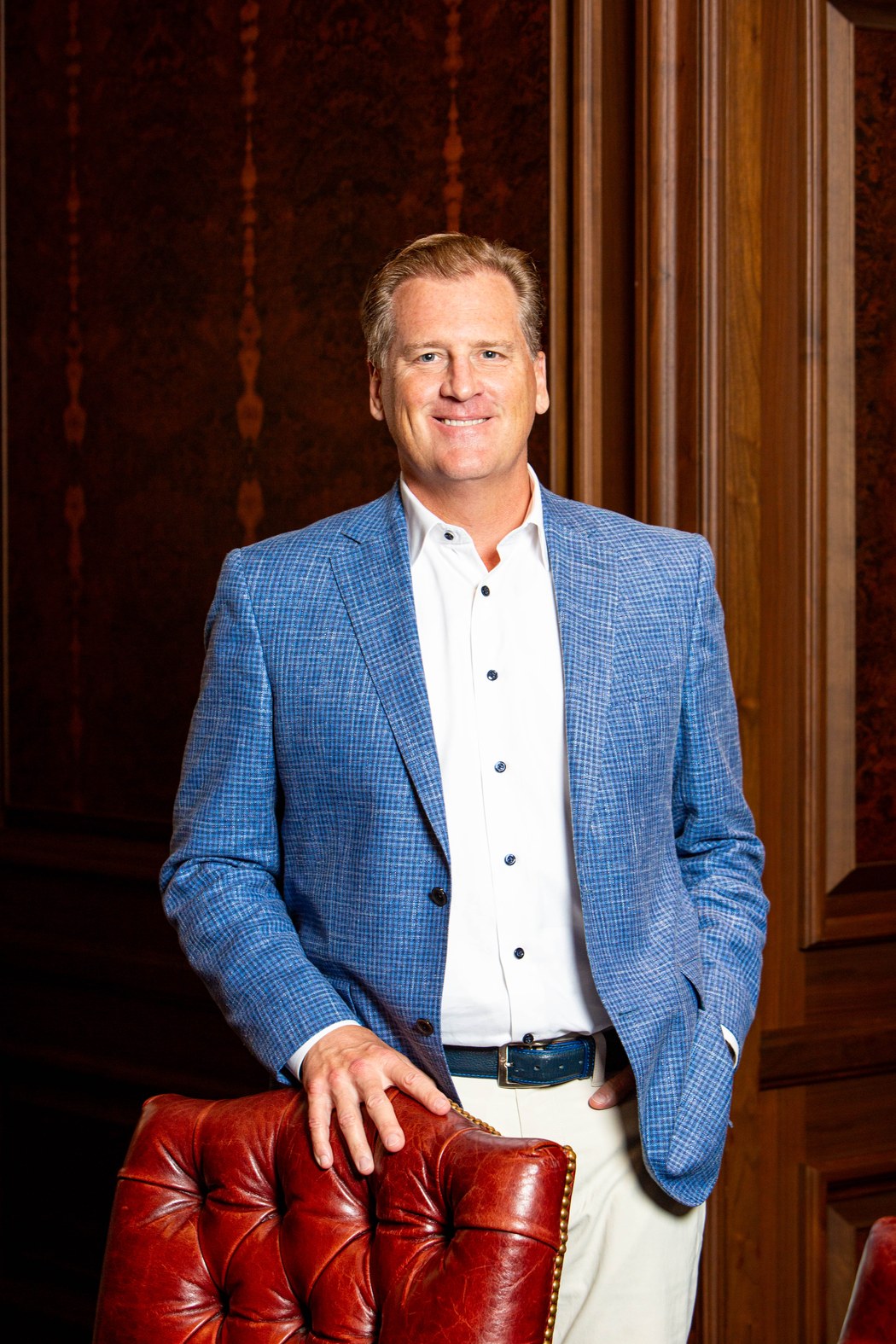
Rick Bates and the Art of Being Wrong
The SingleCare co-founder built RxSense after years in the operating seat. His more revealing lessons involve a delayed product launch, colleagues who challenge him, and students invited to rethink the company’s homework.

Julia Cohen Sebastien and the Work Nobody Mentioned
Julia Cohen Sebastien gave a name to “quiet caregiving” and helped build Grayce around the responsibilities employees carried out of sight. Her story runs from corporate strategy to a six-year venture and a carefully announced handoff.
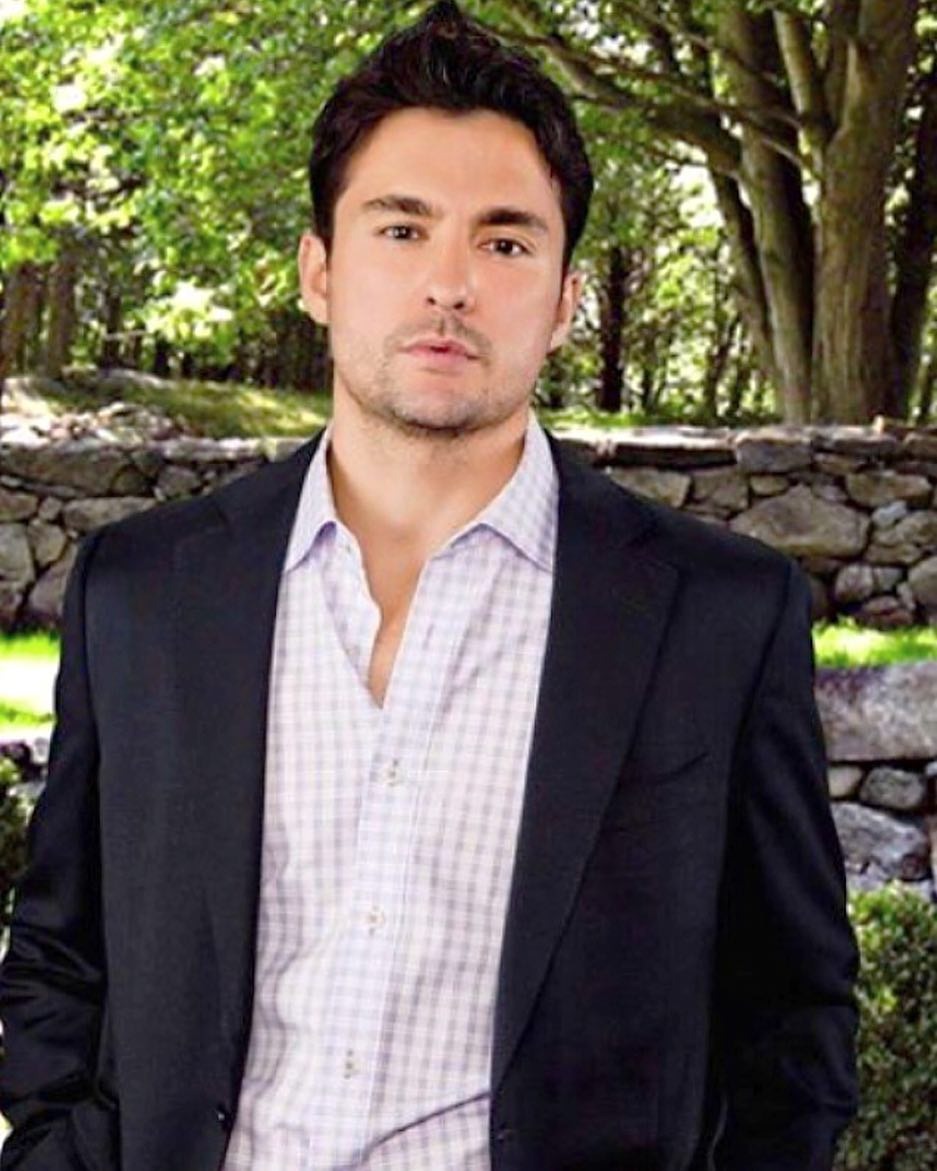
Why the internet led Nathaniel Stevens back to the car lot
A search-ad experiment at his family’s Ford dealership became Yodle. After the company’s $342.4 million sale, Nathaniel Stevens kept working on the same question: what does a local business need to compete?
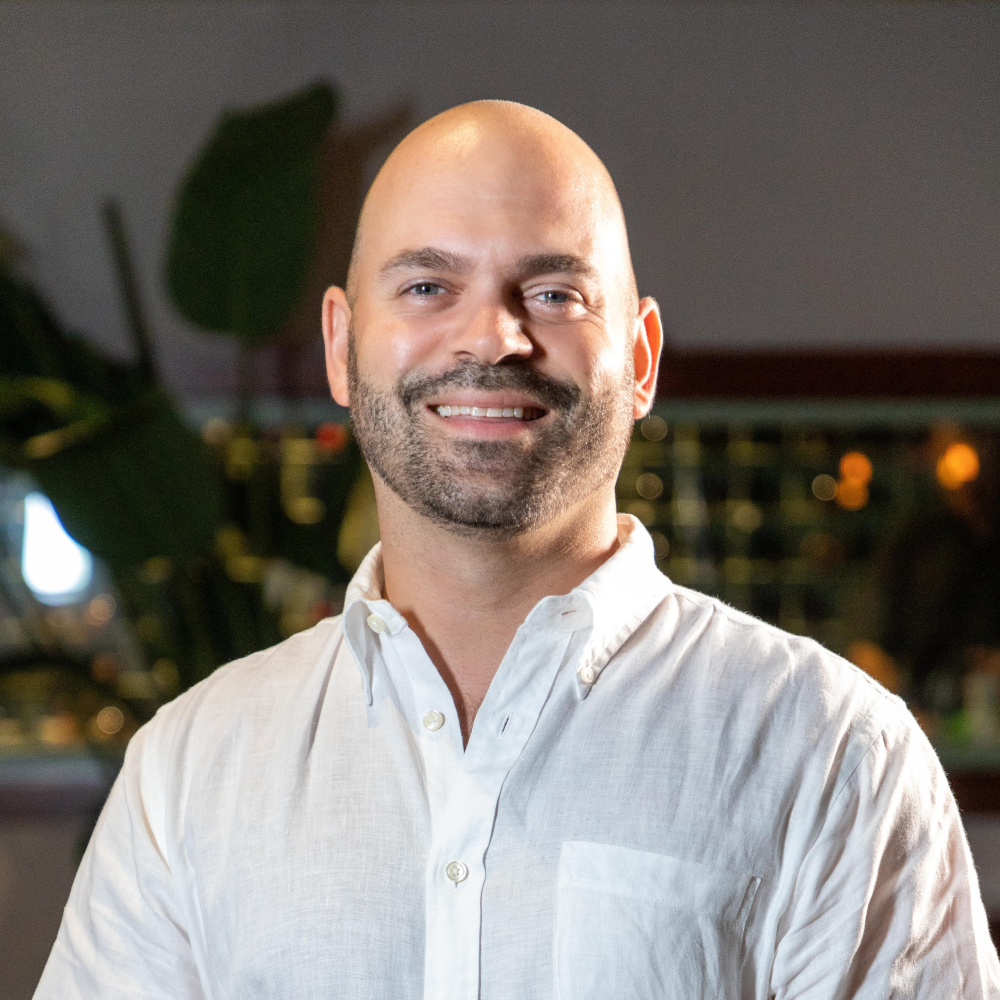
Carlos Vega and the price of waiting
Before Tesorio, Carlos Vega financed businesses waiting to get paid. Then he began asking why they were waiting in the first place.

Jaclyn Chen and the fine print of a better working life
The Benepass co-founder learned finance on Wall Street and leadership by selling an idea people could dismiss. Her answer to an everyday corporate frustration starts with a simple question: can employees actually use what they have been given?

Aris Saxena and the Case for a Bigger Room
Before Solstice, there was a debate partner and a college hallmate. Now Aris Saxena is building an AI marketing business with Yiwen Li - and the meetings have spilled into the hallway.

Mitchell Weisman and the value of an empty box
From LifeStreet to Innervate, Mitchell Weisman has kept returning to the part of advertising people actually see. His career follows a persistent question: how much better could it work if you kept testing?

Eric Shoykhet and the Price of Paying
At Atom Finance, Eric Shoykhet went after the cost of knowing. At Link Money, he is going after the cost of paying. Both began with a familiar financial service and an awkward question about its price.

Perry Steiner’s business of putting things together
From an internet company’s IPO to the assembly of Xactus, Perry Steiner has worked on both sides of the deal. His recurring challenge is making the pieces work together after the signatures are dry.

Vidur Mahajan and the Business of Getting Along
He ran the family business, went to Wharton, and built a company around a problem most pitches hurry past: making other people’s software work together. The CARPL founder’s career is a study in useful connections.

Abhishek Begerhotta and the Value of a Changed Plan
A mathematics PhD gave way to IBM. A cancelled project gave way to 314e. Abhishek Begerhotta’s career has grown through the work that a change of plans leaves behind.

Antonio Carrillo and the art of going back to the factory
After Wharton, Antonio Carrillo chose manufacturing over consulting and banking. At Arcosa, he spent eight years changing what the company owned - a transformation that ended with CRH’s $8.5 billion acquisition.

Anthony Noto and the education of an operator
From Army football to the NFL, Twitter and SoFi, Anthony Noto kept trading expertise for unfamiliar responsibility. His latest assignment is to make a financial institution useful enough to earn a place in everyday life.
Ryan Feit and the four-year wait to open a door
Ryan Feit helped change the rules of startup investing. Then the SeedInvest co-founder had to build a business while waiting for those rules to arrive.
Paul Taubman and the phone that kept ringing
After nearly 30 years at Morgan Stanley, Paul Taubman went out on his own. The clients followed. Building a firm meant finding an answer to a simple problem: there was only one of him.

Rajat Mishra and the distance between an idea and a room
From Microsoft code to a business built with his wife, Prezent co-founder Rajat Mishra has kept returning to one question: how do you help a good idea get heard?
Jon M. Huntsman Sr. and the Price of a Handshake
He started with egg cartons, built a chemical business through acquisitions, and kept asking what a promise was worth. Jon M. Huntsman Sr.’s story runs from a Wharton scholarship to factories, family and the money he sent back out.
Alan B. Miller and the advantage of starting again
A hostile takeover cost him one company. In 1979, Alan B. Miller started another with six employees and a telephone. The longer story runs through Brooklyn, advertising, basketball and a business school built for the people coming next.

Will Matson and the art of keeping the local name
He went from investment strategy in New York to buying plumbing and HVAC businesses. At Apex Service Partners, Will Matson is testing how much a national company can grow around the people and names a neighborhood already knows.
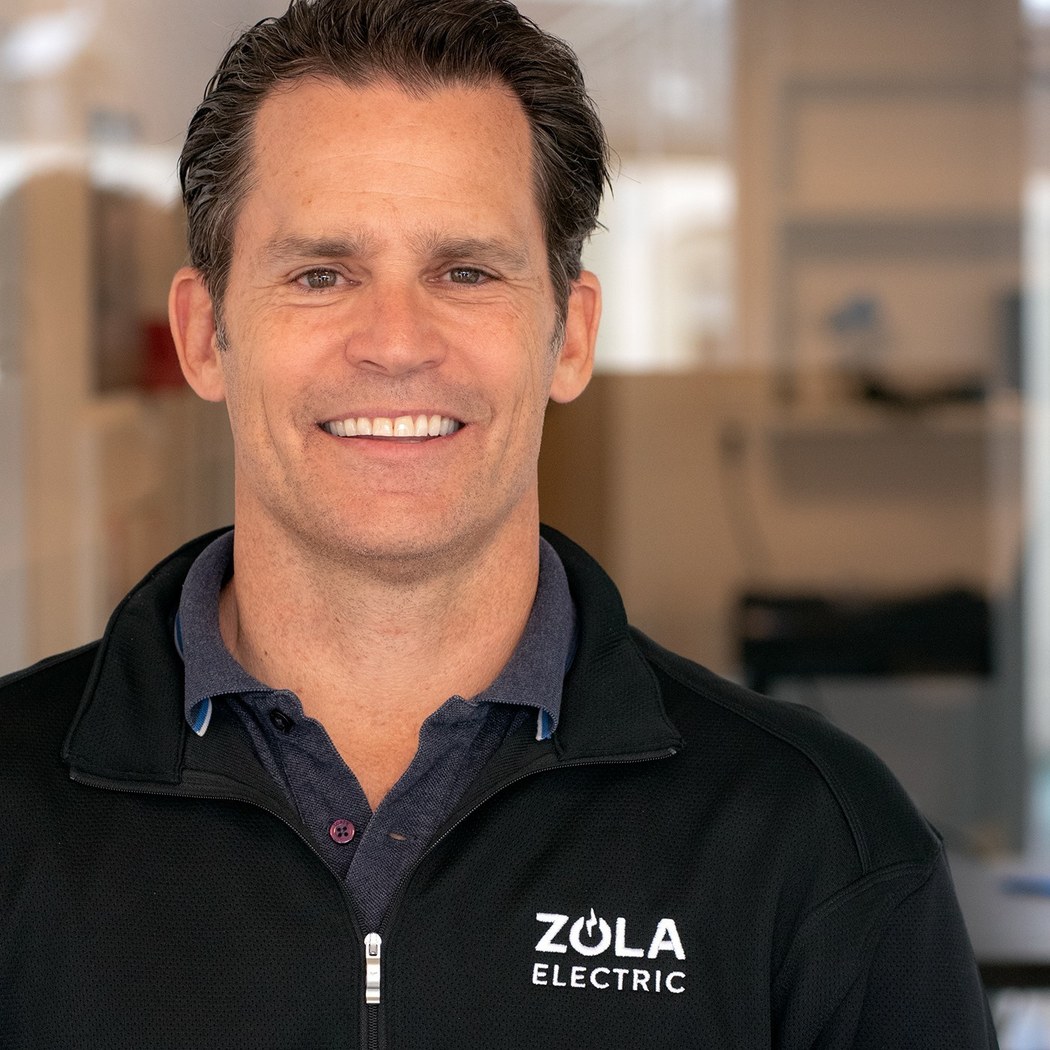
Bill Lenihan and the work after the light comes on
A visit to Tanzania pulled Bill Lenihan from the investor’s view of a business into the daily work of delivering electricity. At ZOLA iNTELLIGENCE, he is building around everything a solar panel cannot do by itself.

Howard Yeh and the trouble with being good on paper
The Healthcare.com co-founder learned to build financial models before he learned to speak up. Two decades of starting companies later, he is still working on what happens once you get into the room.
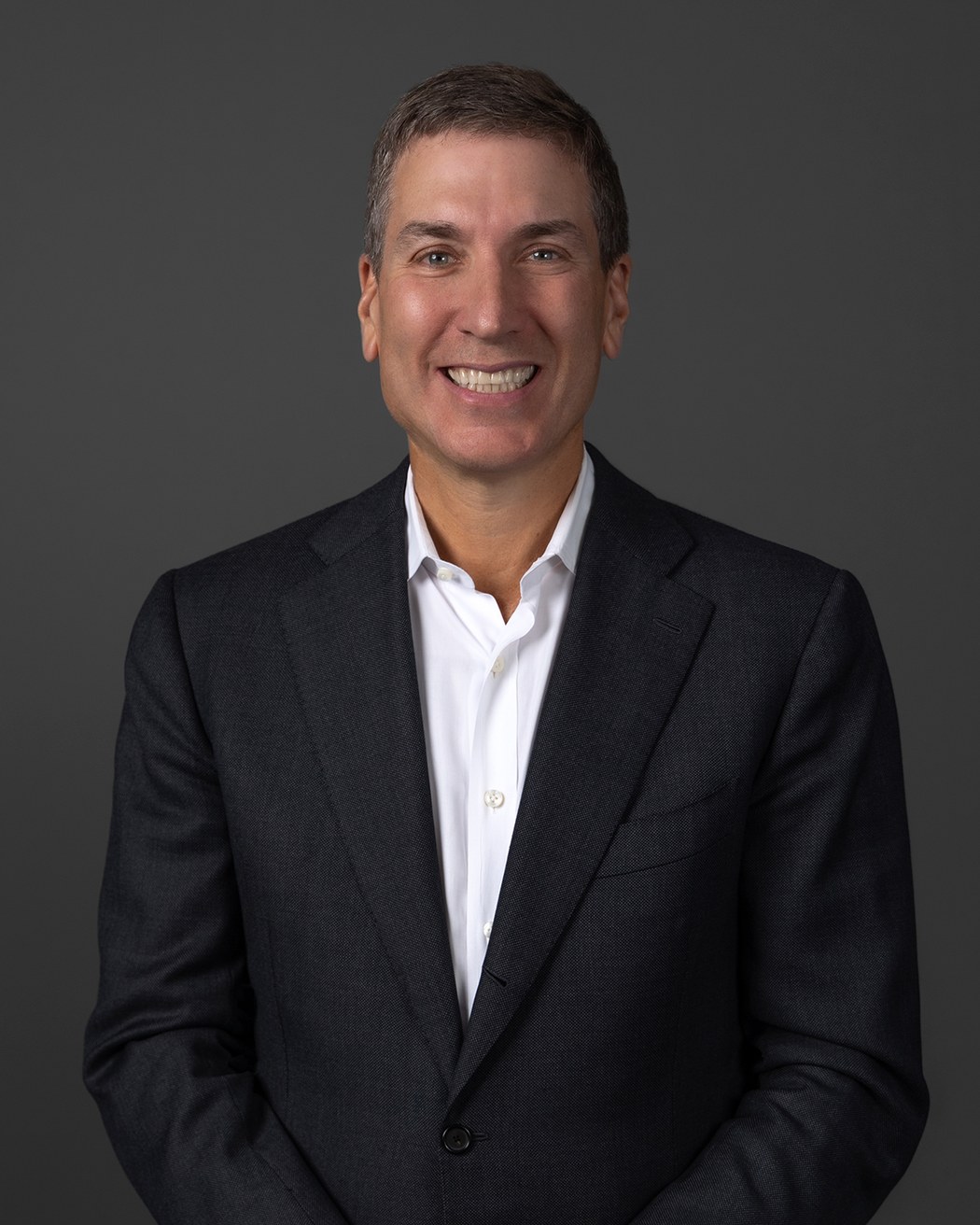
Paul J. Taubman and the calls that followed him
After nearly 30 years at Morgan Stanley, Paul J. Taubman left the institution. Clients kept calling. Building PJT Partners meant turning those personal relationships into something that could outlast a single banker.
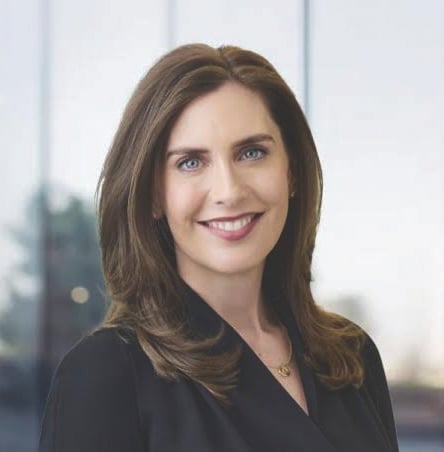
Angela Aman and the eleven-day introduction
She became the first person outside the Kilroy family to lead its real estate company. Her introduction came with an earnings call in 11 days - and an office market that demanded a fresh look at every building.
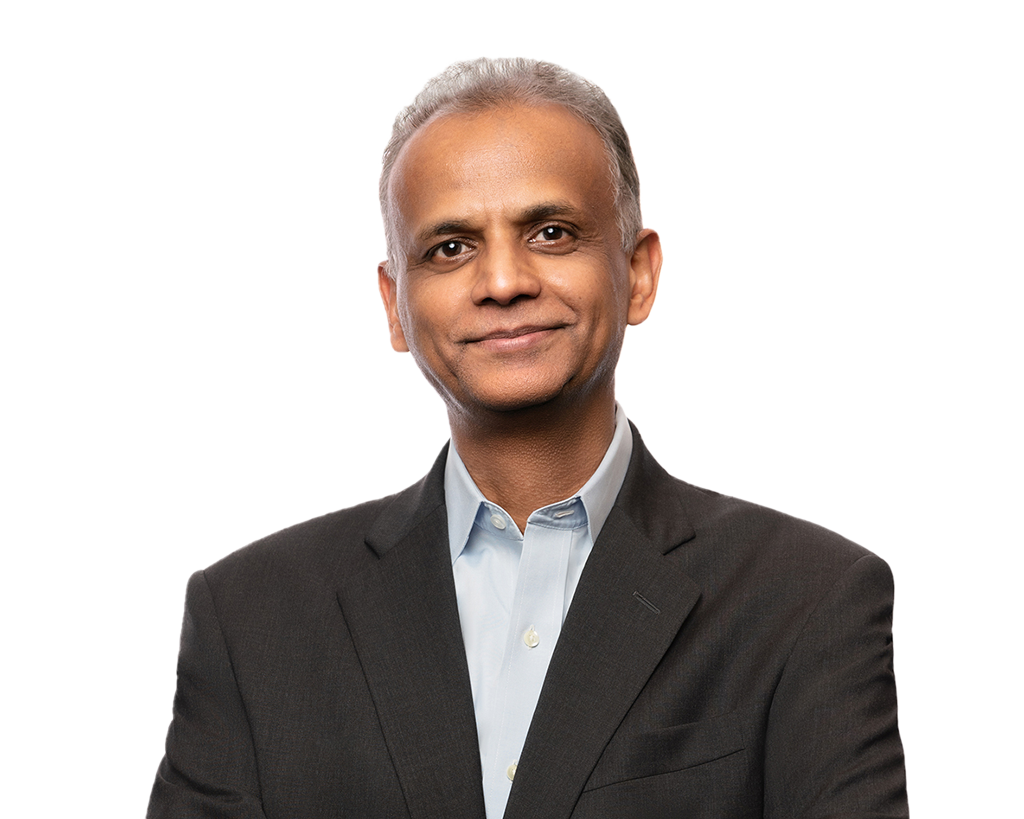
Ashish Masih and the arithmetic of a second chance
An engineer by training, Encore Capital Group’s CEO has spent years connecting portfolio decisions to the people who must live with them. His career follows the difficult work between a financial model and a repayment conversation.

Rick Williams and the curious advantage of sharing the top job
For 15 years, Rick Williams shared Primerica’s chief executive role with John Addison. Their partnership carried the business through an IPO and into a succession that left Williams with a different seat at the same table.
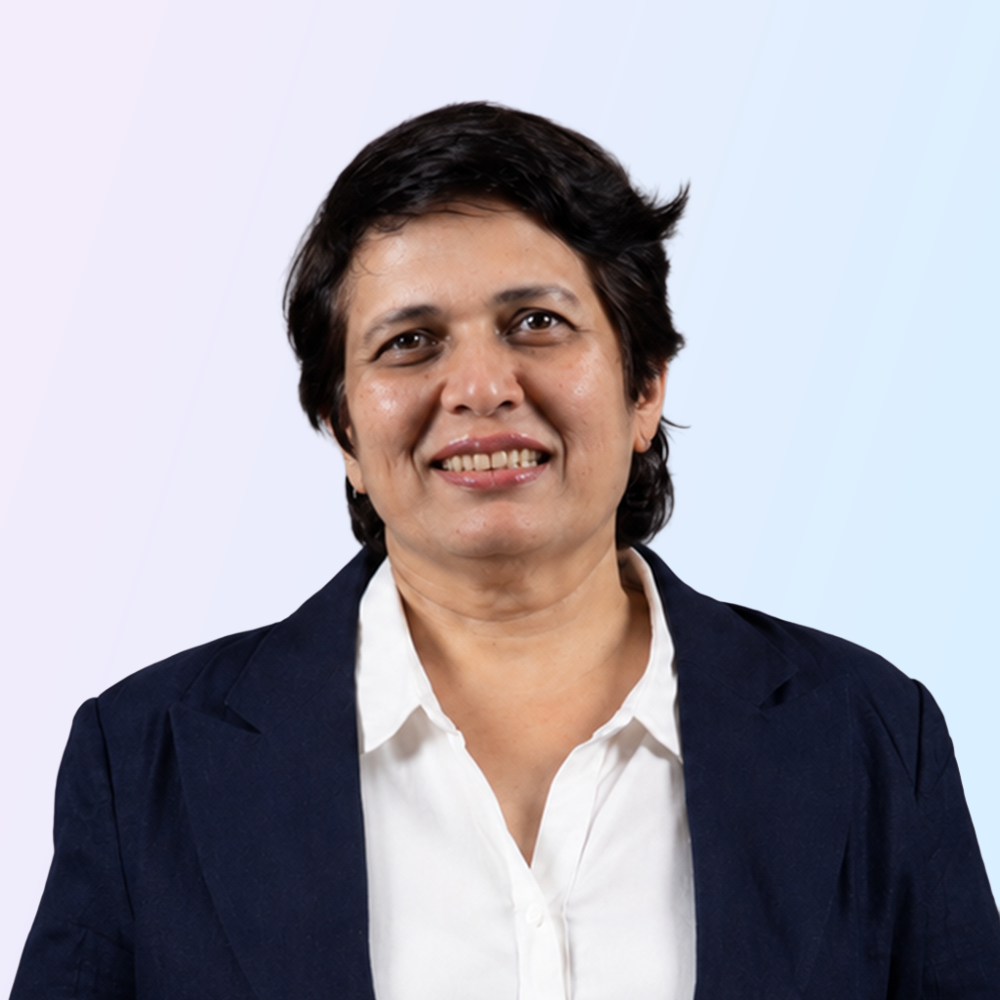
Samidha Garud and the art of becoming less necessary
She built her career by keeping complex work moving. As Kanerika grows, its co-founder and CEO is learning to give other leaders the room to make it move without her.

Jeremy Gurewitz and the Trouble with Being a Star
Before he co-founded Solace, Jeremy Gurewitz wrote about the people who win applause and the people who keep a company standing. Now he has a larger enterprise to build - and to protect.