diagnostics
(68)
The Marketing Problem That Begins When the Science Is Too Good
Samba Scientific hires people who can read the paper, question the claim and still build the campaign. The wager is simple: in biotech, fluency is not decoration - it is the shortest route from a complicated product to a credible lead.
Bioscribe knows what to say between breakthroughs
Biotech companies can spend years waiting for their next big announcement. Bioscribe has built a communications business around the science, people, and progress in between.

TOBY is following cancer’s chemical trail
A urine sample, a mass spectrometer, and an algorithm: TOBY is betting on a less invasive route to disease detection. Its early prostate results show both the appeal and the difficult business of telling a useful signal from a false alarm.

Five Engineers, Twenty-Five Pounds and a Workshop for Medicine
Team Consulting nearly disappeared before it found its lane. Four decades later, its employee-owners build the unglamorous machinery behind better injections, longer-lived transplant organs and an ear clinic that fits in a hand.
The Software Behind the Test Results Nobody Can Afford to Lose
Clinisys sits in the quiet, high-stakes gap between a specimen arriving and an answer going out. Its next act is to turn decades of specialist lab software into one cloud platform - without breaking the workflows that already move billions of tests.
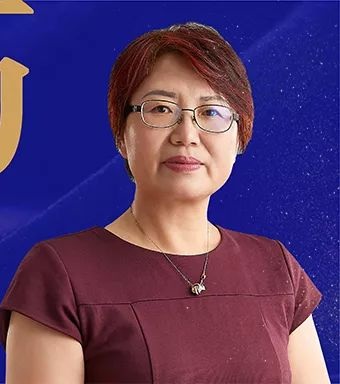
Huafen Liu Built the Missing Middle of Clinical Mass Spectrometry
After two decades inside Pfizer, Roche and SCIEX, Huafen Liu left the multinational track to solve an unglamorous problem: making an exacting laboratory craft work the same way, every day. Her answer was not one machine, but a system around the machine.
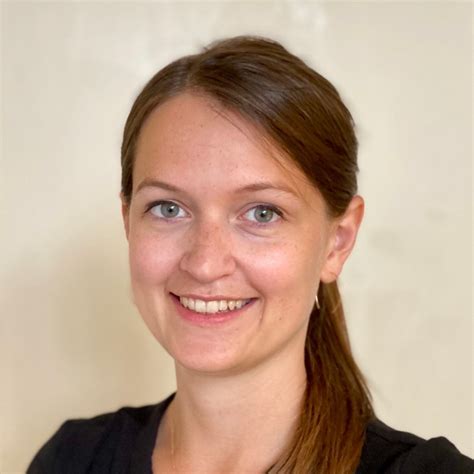
Anne Jensen Has Spent a Decade Turning Cell Motion Into Executive Momentum
She began by engineering ways to read rare cells in blood. At Cytovale, Anne Jensen has carried that same eye for signals from the research bench into the decisions that shape a growing diagnostics company.
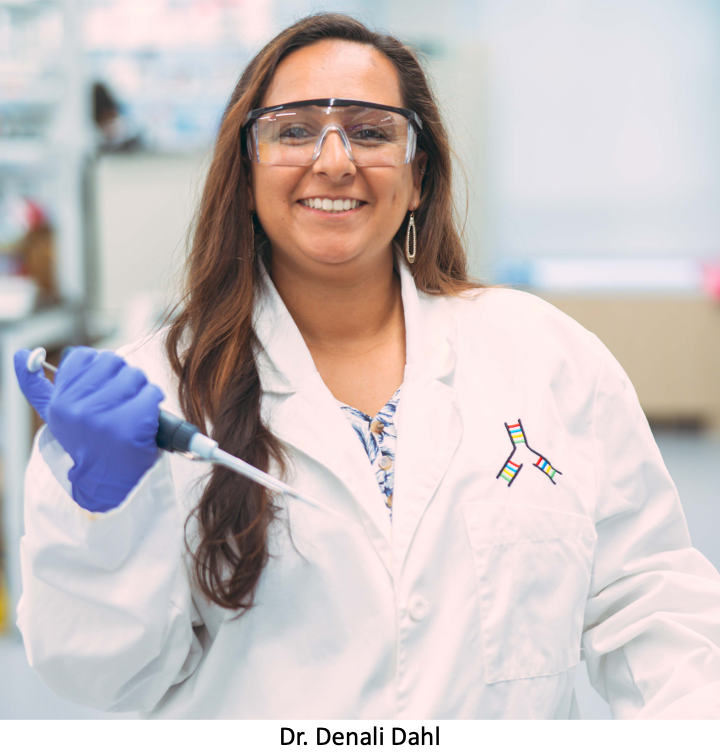
Denali Dahl Turned a Class Assignment Into a Company Built for the Hard Part
She never planned to run a business. Then a Duke project refused to remain a project, and Denali Dahl learned to translate laboratory precision into the stubborn work of building Kalia Health.
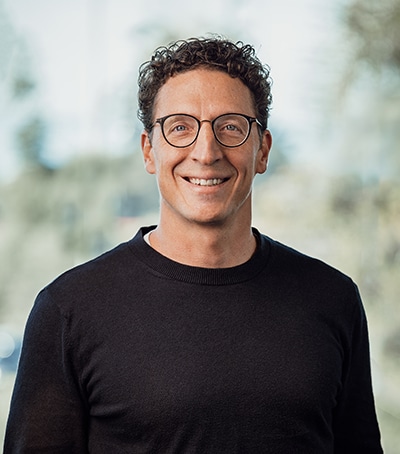
Cary Gunn Keeps Asking Silicon to Do More
The Air Force officer turned photonics founder helped move light onto chips, then carried the same insistence on small, fast systems into diagnostics and preventive care.

Tom Cirrito Is Giving Away the Blueprint - and Betting on the Factory
The Varro CEO spent years learning how biotech protects its secrets. Now he is testing a stranger proposition: publish the playbook, manufacture the difficult part, and let a wider community invent the uses.

Junction Is Selling the Boring Plumbing Behind At-Home Healthcare
Digital-health companies want to launch lab testing and connect hundreds of devices. Junction does the unphotogenic work in between - integrations, requisitions, logistics, reminders and results - so customers can ship care instead of another six-month infrastructure project.

The Pregnancy Test That Could Catch a Killer Before the Doctor Does
Preeclampsia kills tens of thousands of mothers a year, mostly because no one catches it in time. A team that started as classmates in Durham and Kampala wants to move that first warning from the hospital lab to the bathroom shelf.
The Minneapolis Shop That Turns Lab IP Into Real Companies
Most venture firms write checks and wait. Invenshure hires the scientists, licenses the patents, and builds the company itself - one hard problem at a time.
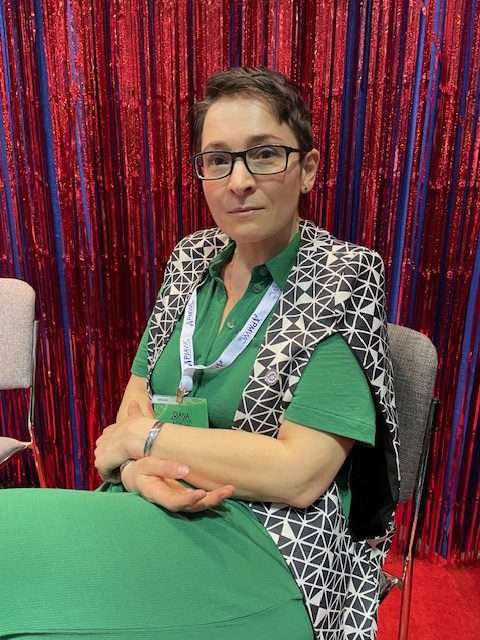
Diana Abdueva Is Teaching Blood to Keep Better Notes
The computational biologist behind Aqtual has spent two decades learning how to pull useful signals from noisy biology. Now she is building a company around a deceptively simple idea: the blood carries a running record of what the body is doing.
The Tiny Florida Fund Reading Every AI Healthcare Deck
Intelligence Ventures is turning an inbox full of early-stage pitches into a map of AI healthcare - then using that map to place small, concentrated bets on founders whose data may outlast the hype.

The Fund That Bets on People Who Read Physics Papers for Fun
Eric Schmidt's Palo Alto firm has spent fifteen years funding PhDs who want to rebuild the physical world - from SoFi and Uber to gene editors and metal-bending robots. Its bet: the boring industries are about to move fast.
The Firm That Bets on the Toolmakers, Not the Cure
For nearly four decades, Ampersand Capital Partners has skipped the lottery of drug discovery and quietly backed the companies that make the drug discovery possible. In May 2026 it closed a $1.5 billion fund in a single day.

The Company That Turned a Dead Battery Into an 80-Year Business
For 79 years Schumacher Electric has sold the same quiet promise - your battery will not leave you stranded. The bet now is that the promise scales from a dead sedan to an electric car.
The Health Company Hiding in Your Kitchen, Your Lab and Under Your Skin
Abbott built a $44.3 billion business by showing up everywhere health becomes measurable - from a breakfast shake to a glucose curve to a repaired heart valve. Its breadth is the strategy, and the complication.
Dashlabs.ai
Dashlabs.ai is a Manila-based health-tech company (YC W21) that builds end-to-end, cloud-based software for medical laboratories and clinics. Its DIY laboratory information system connects lab machines, patient records, billing, and results into one platform, and it rose to prominence powering the Philippine Red Cross through millions of COVID-19 RT-PCR tests. Today it serves diagnostic labs, hospitals, dialysis centers, veterinary clinics, and corporate health programs across the Philippines.
Healthlane
Healthlane is an African preventive-health company (Y Combinator W20) that pairs a mobile app with a network of diagnostic laboratories to give people personalized health checkups and screening. Founded by Alain Nteff and Dr. Agbor Ashumanyi Ako, it grew out of the maternal-health service GiftedMom with a goal of catching disease early rather than treating it late.
NOSO LABS
NOSO LABS builds AI agents for field-service technicians in home-services trades - starting with HVAC, plumbing, electrical, and pest control. Its agents automatically follow up on unsold estimates over text, sync notes to the CRM, and route complex jobs to a back-office dashboard, aiming to recover revenue that would otherwise slip through the cracks without adding headcount. Founded in 2025 by Winston Chi and Alex Xi, the San Francisco company is part of Y Combinator's Summer 2025 batch.
Russ Lebovitz
Russ Lebovitz is the co-founder and CEO of Amprion, a precision brain diagnostics company that built the first commercial seed amplification assay for detecting misfolded alpha-synuclein - the protein at the root of Parkinson's disease and other synucleinopathies. An MD/PhD trained at Washington University in St. Louis and a former research physician at Baylor and Fox Chase Cancer Center, Lebovitz spent years chasing prions after the mad cow scare, then pivoted the same detection science toward common neurodegenerative diseases. His SYNTap test won an FDA Breakthrough Device Designation and is now used in clinical trials and patient care to spot brain disease years before symptoms appear.
Sasan Amini
Sasan Amini is the co-founder and CEO of Clear Labs, a San Carlos genomics company that turns next-generation DNA sequencing into a push-button diagnostic for food safety and infectious disease. An Iranian immigrant who left Tehran at 22, he earned a PhD in genomics at Princeton, worked in advanced research at Illumina, and in 2014 set out to make sequencing simple enough for any lab to run. When COVID-19 hit, Clear Labs pivoted its automated platform into SARS-CoV-2 surveillance and reached more than half of U.S. public health labs.
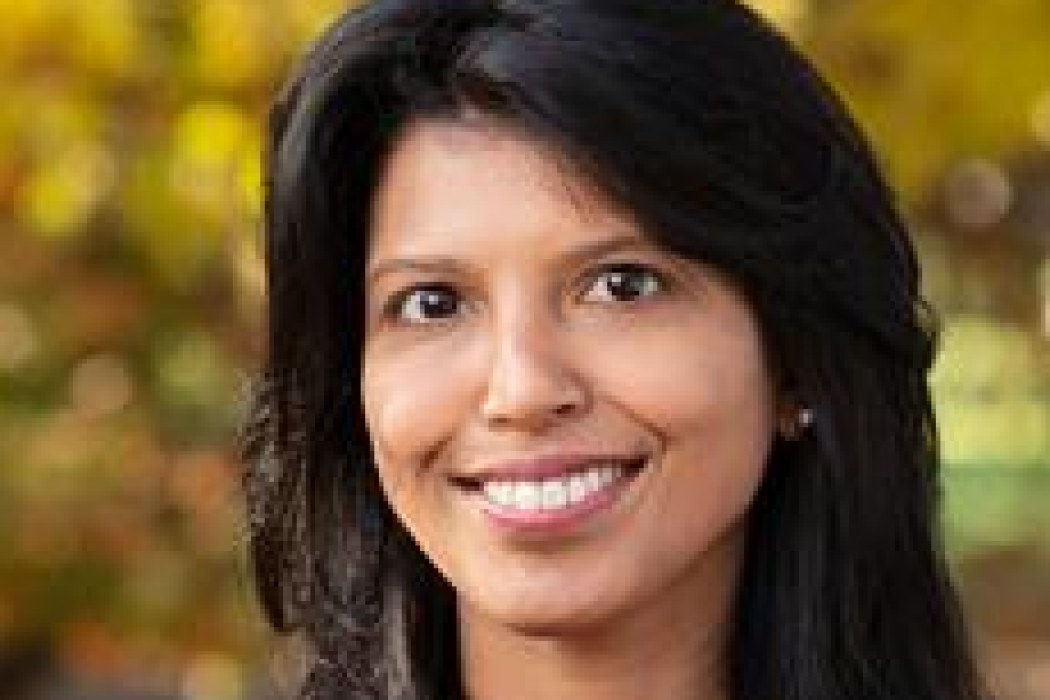
Sheena Menezes
Sheena Menezes is the co-founder and CEO of Simple HealthKit, a Milpitas, California digital health company delivering accurate, affordable at-home diagnostics, treatment, and follow-up care. A biochemist with a PhD from UC Santa Barbara, where she discovered a novel tRNA methylase, she built her career in in-vitro diagnostics before founding Simple HealthKit to close socioeconomic gaps in healthcare access. Born and raised in Kuwait with Indian-Portuguese roots, she has been recognized by Fierce Healthcare as one of its Most Influential Minority Executives in Healthcare and named to Inc.'s 2025 Female Founders 500.
Galatek
Galatek is a Singapore-based automation and AI company building intelligent infrastructure for two sectors where precision and data integrity matter most: life sciences and advanced semiconductor manufacturing. It pairs robotics and machine vision with software - its Abio platform unifying ELN, LIMS, SDMS and lab automation, and its InteVega AI vision platform - to run smart labs and inspect chips. Led by CEO David Tian, Galatek raised roughly US$30 million in a Series A round announced in December 2025 to expand across Europe, North America and Southeast Asia.

Ash
Ash (poweredbyash.com) is a New York-based health technology company that gives healthcare organizations a customizable, white-label platform for at-home diagnostic testing. Founded in 2019 as a direct-to-consumer sexual health testing service for the LGBTQ+ community, Ash pivoted to a B2B model that lets health plans, digital health companies and public health agencies launch branded testing programs across 100+ biomarkers in all 50 states. The company handles kit design, a vetted lab network, multilingual patient engagement, logistics and real-time reporting through one API, and has shipped more than 500,000 kits while helping organizations close care gaps and improve HEDIS and Star Ratings measures.
GlycanAge
GlycanAge is a UK-registered, Croatian-founded longevity biotech that measures biological age by analyzing glycans - sugar molecules attached to immune-system antibodies. Built on roughly two decades of glycobiology research led by Professor Gordan Lauc, the company turns a finger-prick blood sample into a report on how fast a person is aging at the molecular level, plus a specialist consultation to guide lifestyle changes. It sells directly to consumers and is expanding its glycan biomarkers into hospitals and preventive-care systems.
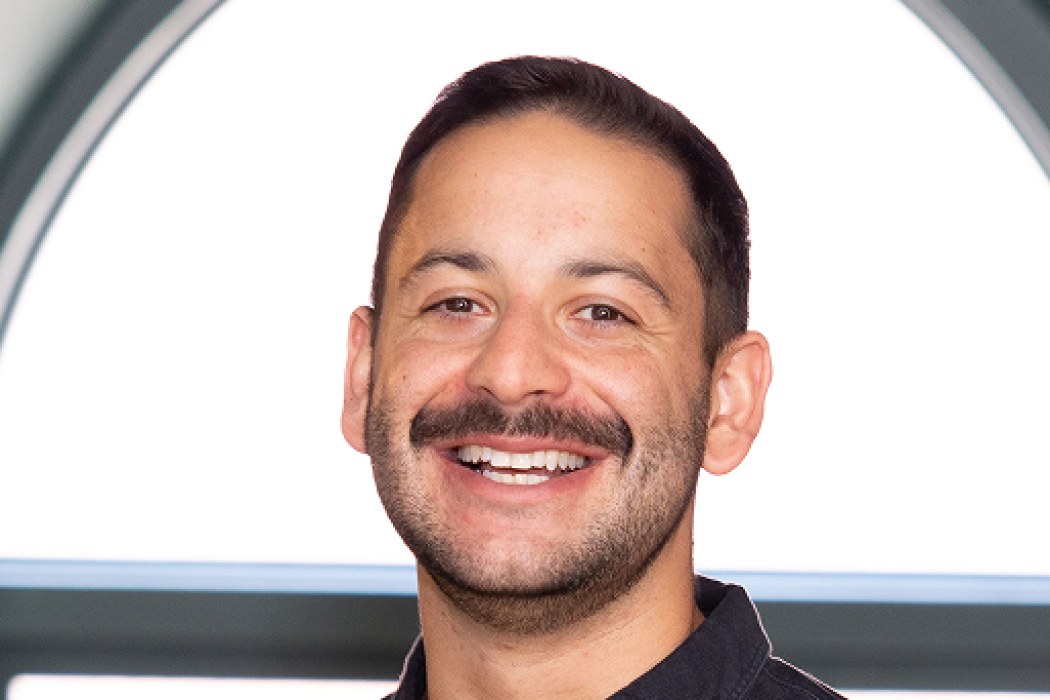
David Stein
David Stein is the co-founder and CEO of Ash (formerly Ash Wellness), a New York-based B2B platform that lets healthcare organizations run their own at-home testing programs. He launched the company out of Cornell Tech's MBA program in 2019 after a frustrating personal experience getting sexual health testing, first building a direct-to-consumer brand for the LGBTQ+ community and then pivoting to white-label infrastructure for providers and payers during COVID-19. Today Ash handles kit design, a CLIA/CAP-certified lab network, logistics, and patient-facing software across all 50 states, and has shipped more than a million test kits.
Oova
Oova is a New York-based women's health company that brings lab-grade hormone testing into the home. Founded in 2017 as a Mount Sinai spinout by Dr. Aparna (Amy) Divaraniya, Oova combines urine test strips, smartphone scanning, and AI to quantitatively measure LH, E3G (estrogen metabolite), and PdG (progesterone metabolite), giving women personalized daily insights for fertility, PCOS, cycle health, and perimenopause. The FDA-registered platform is used by consumers and integrated with hundreds of fertility and women's health clinics through a HIPAA-compliant provider dashboard.