fundraising
(80)
Entertainment Promotions: The book was only the beginning
Entertainment turned the coupon book into a meeting place for shoppers, merchants and fundraisers. The paper is gone. The bargain between them is still the business.

Impala maps where the money goes.
A nonprofit founder spent 18 months finding the right funders. Impala turns that scavenger hunt into a map of grants, organizations, and the people connecting them.

Ideals makes room for the deal.
Before a company changes hands, its secrets have to. Ideals turns that awkward exchange into a controlled workspace - and makes a business out of the details everyone else wants to skip.

Why George Ruotolo Still Wants Your Friends in the Room
For more than five decades, George C. Ruotolo Jr. has worked on the delicate business of asking people to give. His enduring concern is the volunteer who believes in a cause, writes a check, and would rather do almost anything than ask a friend for money.

Jeff Roman and the Power of Starting With One
Before co-founding EPIC, Jeff Roman helped turn an international cause into a personal invitation: feed one child. His career follows the work required to make a big idea small enough to act on.
Ruffalo Noel Levitz works the space between yes and showing up
A college can win a student’s attention and still lose the enrollment. Ruffalo Noel Levitz built a business around those awkward gaps - and the work required to close them.

Kalyan Varma’s education in asking
Before Almabase, Kalyan Varma was a student calling graduates to help classmates pay their fees. He has spent the years since working out what makes people answer - and what a university owes them in return.

Sian Morley-Smith and the art of keeping people connected
Before ToucanTech, there was a business-school community, a biology degree and a sketchbook full of animals. Sian Morley-Smith’s career keeps returning to the same practical question: how do you help people stay in touch?

Jay Love and the Gift That Comes Back
After decades building fundraising software, Jay Love became preoccupied with what happened after the donation. His answer shaped Bloomerang, a planned succession, and a $4 million gift to his own university.

Nima Roohi Sefidmazgi and the useful art of being told no
Before Blooming Health, Nima Roohi Sefidmazgi worked on recycled asphalt and an app that spotted potholes. His path to a funded company runs through an old engineering problem: how to turn a promising idea into something people will trust.

Himanshu Anand and the business of being useful
After engineering, technology and investment banking, Himanshu Anand founded Anplify to help other people execute their deals. His story turns on a practical question: who does the work before the handshake?

Equity makes the money talk.
A funding round makes a headline. Equity asks what happens next - and turns the business of startups into a conversation you can actually use.
Venture Unlocked opens the other side of the table
Every venture capitalist needs capital, too. Samir Kaji’s podcast and newsletter examine the less glamorous decisions that turn an investor into a fund manager.
Hive Founders puts the business before the pitch
An eight-week accelerator for women founders tackles the awkward gap between building a product and persuading someone to fund it. The useful part is what happens before the investor meeting.

FoundersBoost asks for six weeks. Your equity stays yours.
The global startup program charges no fees and takes no equity. Its real price is six weeks of work, awkward questions and a much shorter pitch.

Unicorn of India puts the paperwork behind the pitch
Unicorn of India offers Indian founders a route to investors, with company formation, mentoring and practical business support alongside the pitch. Its most revealing proposition is that an idea needs more than an audience.

Expara teaches founders what the cheque cannot buy
The Singapore venture firm puts investing and teaching in the same room. Its most useful lesson is how to make a business understandable to the people being asked to fund it.

TECHARENA sells the meeting after the pitch
Eight people watched its first cinema final. Today, TECHARENA fills a football arena by putting founders, investors and potential customers within talking distance.
PedalStart bets on the work between cheques
A pitch can win a meeting. PedalStart’s wager is that repeated work on customers, pricing and hiring can turn that meeting into a business worth backing again.

New Silk Roads knows what happens after the grant
Across Cairo, Tunis, and Amsterdam, this consultancy helps good intentions survive contact with funding, institutions, and everyday work. Its most useful product may be the connection between them.

INNOVACT makes the case for waiting to raise money
In Reims, the public incubator puts proof, customers and financing in a deliberate order. Its most useful lesson for founders may be knowing when to leave investors waiting.
SquadLocker and the surprisingly expensive order of one
A team uniform looks simple until somebody has to collect the sizes, chase the payments and find the missing jersey. SquadLocker built its business around giving that somebody their evening back.
Paciolan knows who came back
A ticket gets you through the gate. Paciolan helps venues turn that brief encounter into the next visit, the next season, and sometimes the next donation.

Tessitura: The arts organizations that built their own software company
An opera house authorized $5 million to make ticketing and fundraising talk to each other. Seven arts organizations turned the result into Tessitura, a nonprofit technology cooperative serving more than 800 institutions.
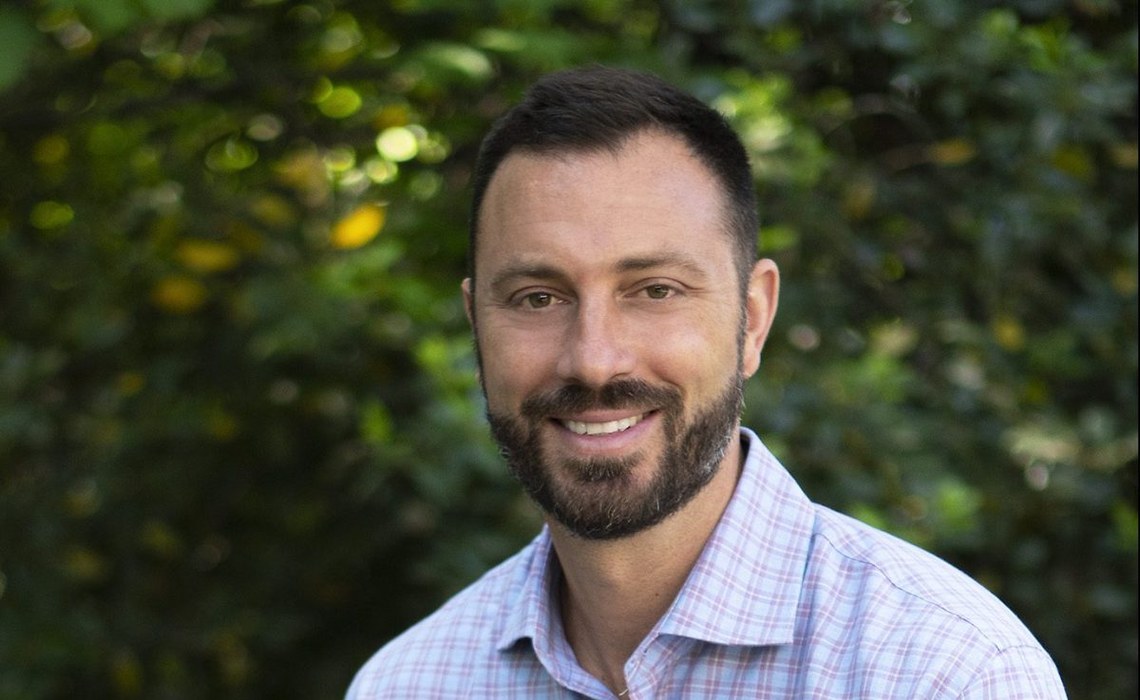
Brian Marks Turned a Box of Unsold T-Shirts Into Bonfire
A failed campaign left Brian Marks with a box of shirts nobody wanted. He kept the lesson, removed the inventory risk and built Bonfire around a simple promise: let the cause matter more than the logistics.

EPIC's Odd Advantage: The Handshake Before the Megaphone
Most agencies sell a specialty. EPIC sells coordination - the unfashionable work of getting message, media, donors, developers and deadlines to behave like one team.

The Lobbying Firm That Learned to Run the Whole Room
NorthStar Strategies does not stop at opening doors in Trenton. It lobbies, runs associations, stages events, raises money, and explains infrastructure projects to the neighbors - a small firm's answer to problems that refuse to stay in one lane.

NWF Strategies and the campaign work nobody applauds
Before a campaign can win votes, somebody has to fix the handoffs. NWF Strategies builds the fundraising, data, and support systems that turn political ambition into an operation.

SGR Consulting knows who should be in the room
Before a campaign can win votes, someone has to fund the work. SGR Consulting has built a business around the people, plans and follow-through that make the ask possible.

HelpGood knows a good cause needs a better invitation
A bear, a pair of Nobel laureates, and a campaign with no paid media budget: inside the agency that turns worthy causes into things people actually join.