sporting-goods
(48)
Sportsman’s Warehouse bets on the right shelf
The outdoor retailer is cutting inventory, sharpening local assortments, and finding new uses for old space. Its turnaround shows why selling more gear is only half the job.
Academy Sports + Outdoors sells the whole weekend
A fishing rod, a first baseball glove, a pair of serious running shoes. Academy’s $6 billion business rests on keeping all three customers in the same store.
DICK’S Sporting Goods put the store back in play.
A climbing wall is an odd thing to put in a shop. For DICK’S Sporting Goods, it explains a business built around getting people off the sidelines - and the expensive challenge of taking that idea global.

Steve Lawrence and the second pair of shoes
Before he became Academy’s CEO, Steve Lawrence was a customer buying gear for his son. His task now is to keep the store useful as the people who shop there grow more ambitious.

The Pro's Closet Gets a Second Ride
The used-bike retailer closed after a venture-funded expansion. Its return offers a practical lesson in what to keep, what to shrink, and who should own the inventory.

The bicycle built for two people who need a little space
da Vinci Designs lets tandem riders coast independently. Inside a Denver bicycle business built around a small mechanical freedom with surprisingly human consequences.
Santa Cruz Skateboards has a hand in your nostalgia
A batch of fiberglass boards became a business. A blue hand became its calling card. Santa Cruz now sells the past alongside hardware built to take another beating.
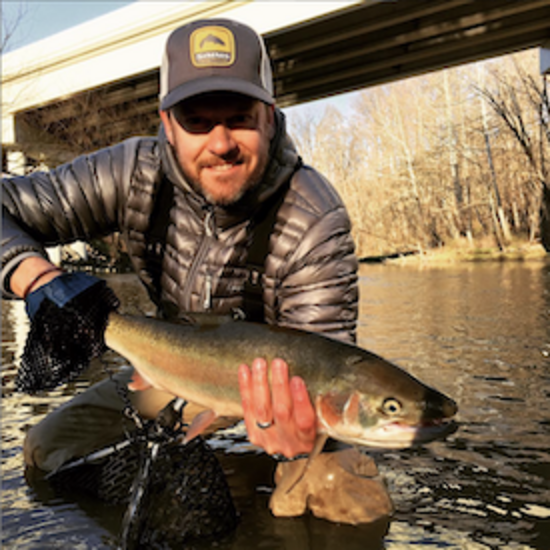
Strick Walker Built a Career by Making Brands Mean Something
Across Patagonia, Spindrift, Merrell, Simms and now M72, Walker has kept returning to one useful question: does the brand's story match what the organization actually does?
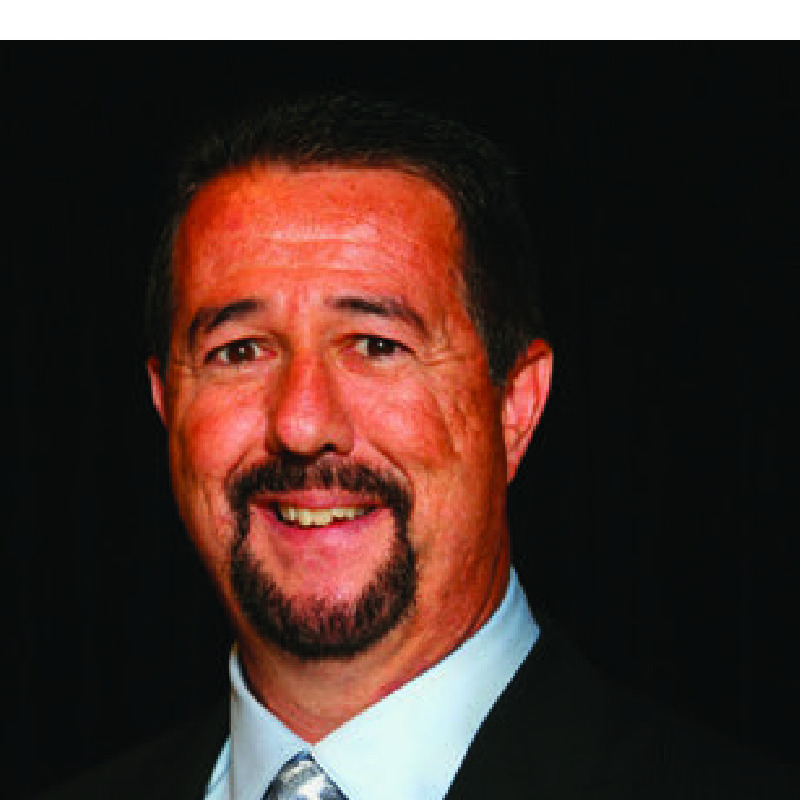
Marc MacRae Built a Retail Career Like a Coach Builds a Team
Across four decades in sporting-goods retail, Marc MacRae has treated merchandising, mentoring and football coaching as versions of the same job: put people in the right position, then help them win.

Donna Finelli and the Local Advantage
After building brands Canadians encounter every day, Donna Finelli took on a harder brief: make a national sporting-goods network feel unmistakably local. Her answer begins with the people who sharpen the skates, fit the gear and know the town.

SVP Sports Built a 40-Year Retail Business on One Unfashionable Skill: Buying What Other Stores Miss
The Toronto retailer does not manufacture the sneaker or own the team logo. It wins in the less glamorous middle - spotting supplier deals, buying volume and turning leftover uncertainty into a reason to come back.

How Source for Sports Made Local Ownership Its National Advantage
The Canadian sporting-goods network found a middle lane between the big-box chain and the lonely independent: pool the buying power, share the technology, and let local owners keep the whistle.

CCM Hockey Turned Scrap Steel Into a $600 Million Bet - Now It Has to Fit Everyone
The Canadian brand survived a dead bicycle boom, an automobile detour and a parade of owners by learning one useful trick: turn a player’s irritation into equipment. Its new owners are betting that the next growth market is not another pro endorsement, but everyone hockey gear was never properly shaped to fit.

The Racecar Driver Who Made Football's Lightest Helmet - and Landed in 30 NFL Locker Rooms
Nicholas Esayian bought a bankrupt racing-helmet business from a legend, halved the weight of a football helmet, and now has Virginia Tech calling his Apache the best-rated helmet it has ever put on a crash rig.
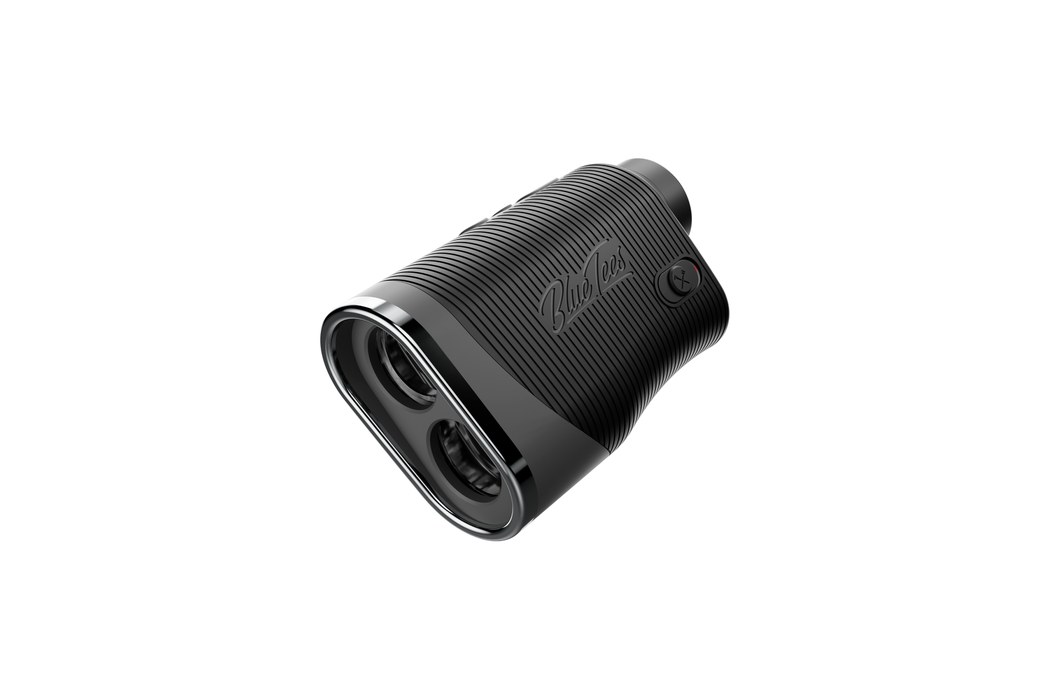
The Broken Rangefinder That Built a Golf-Tech Brand
Three childhood friends were sick of choosing between $400 rangefinders and cheap ones that fell apart. So they built the middle - and turned a golfer's annoyance into a brand sold in thousands of shops.
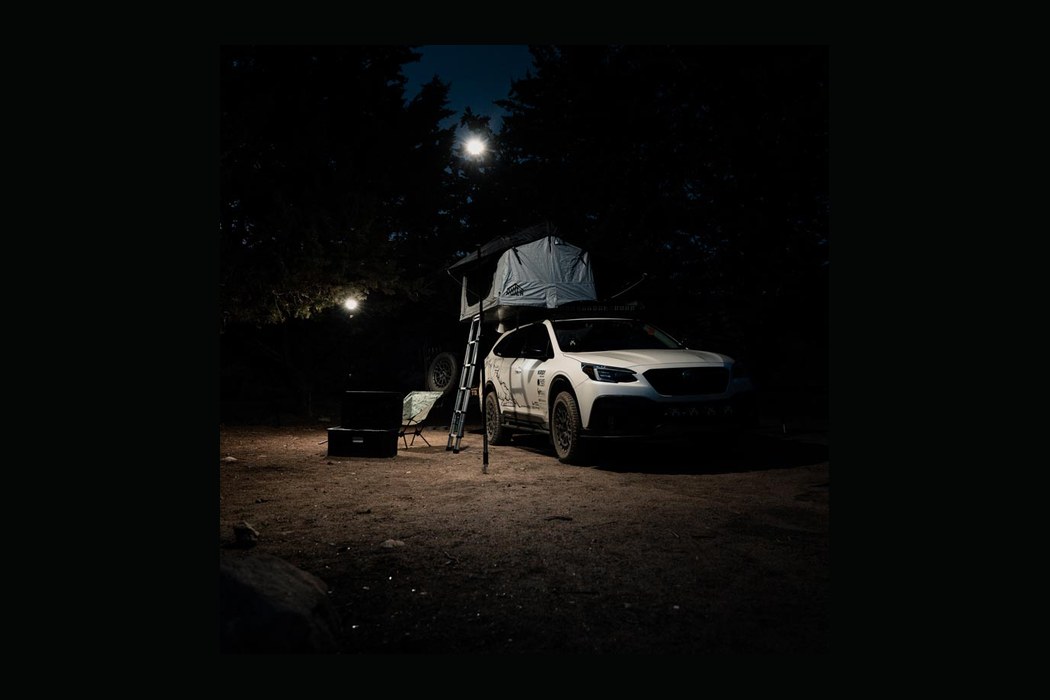
The Utah crew that put the campsite lantern on a nine-foot pole
Devos Outdoor turned a small annoyance - a dim lantern sitting on a picnic table - into a telescoping product line that first responders and overlanders now hang their evenings on.

The Jersey Factory That Still Makes Its Own Light
For 50 years Princeton Tec has done the unfashionable thing: keep the whole flashlight - the plastic, the tooling, the assembly - under one New Jersey roof. Here is why a 40-person shop still bets on American-made light.

The Kid Who Wired His Bed, Then Wired Everyone's Bike
A dad rigged LEDs to his son's twin bed. The son bolted them to his bike instead. Two decades later, Brightz sells the glow that turns a parking-lot bike ride into an after-dark parade.

The $110 Million Backpack Named After a Bogart Movie
A father who sold Army-surplus goods and a son who studied design at IIT built one of America's most recognizable everyday-adventure brands - then sold it to the world's largest luggage company for $110 million.

Forty Outdoor Brands, One Dragonfly, and a $1.125 Billion Bet on Craftsmanship
Fox Racing, CamelBak, Bushnell, Simms - Revelyst is the maker collective quietly running the gear behind your weekend. Here is how a Vista Outdoor spinoff became a $1.125 billion private-equity prize, and what it is building next.

The Soccer Catalog That Learned to Outfit the Whole Team
Sports Endeavors began with a teenager who could not easily buy the right cleats. Four decades later, the company sits where fandom, youth-team logistics and specialty retail meet - with a 200,000-square-foot fulfillment engine behind the screen.
DICK'S Is Turning the Sporting-Goods Store Into a Playing Field
A $300 bait-shop bet became a sports retail platform. Now DICK'S is testing a larger idea: the store as clubhouse, playground, media set and front door to a global sneaker business.

Cannondale Built a Bike Brand by Refusing to Draw the Normal Bike
From a loft above a pickle factory to a one-legged fork and radar-equipped road bikes, Cannondale has spent 55 years making engineering visible. The oddness is not decoration - it is the business strategy.

REI Sold America a Lifetime Membership to the Outdoors - Now the Co-op Has to Prove It Still Fits
REI became the outdoor store for people who wanted more than a transaction: advice, a dividend and a vote. With 26 million members and $3.54 billion in annual sales, its next climb is making cooperative ideals work at chain-store scale.

Jeff Dunn’s Merchandising Playbook: Go Narrow, Get Local, Stay Ready
After 25 years inside Walmart and Sam’s Club, Jeff Dunn arrived at Sportsman’s Warehouse with a deceptively simple brief: stock the gear that matters, in the places and seasons where it matters most.

The 99-Year-Old Skate Company Turning Fit Into Hockey’s Next Product
Bauer changed hockey by fastening the blade to the boot. Nearly a century later, it is trying to own every millimeter between the player and the ice.

How a Ski Store Thrives in a City That Barely Freezes
Sun & Ski Sports started as a Midwest ski warehouse, moved to Houston in 1980, and built a four-decade business on one bet: the customer buying a snowboard in December wants a paddleboard in June.

BSN SPORTS
The low-profile Texas company that outfits 150,000 school and college teams - and quietly became the biggest name in Nike and Under Armour team gear.

goodr
How a self-funded brand turned $25 running shades - the kind with names like Flamingos on a Booze Cruise - into a sport-eyewear company doing roughly $47 million a year.
Sportsman's Warehouse
How a single Utah outfitter turned camo, cartridges and reloading powder into a $1.2 billion business - and why its edge is the stuff Amazon can't ship.