The story Blue Tees Golf likes to tell about itself starts with a small, deeply relatable failure. A few friends who loved golf went looking for a rangefinder - the little laser device that tells you exactly how far you are from the pin. They found two kinds. There were the premium models from legacy brands that ran $400 or more, and there were cheap ones on Amazon. They bought cheap. After a couple of rounds, the eyepiece popped off. They bought another. It broke too.
That is a mundane consumer annoyance, the kind most people grumble about and forget. This group did not forget. They asked a more useful question: why is it so hard to buy a rangefinder that is both good and affordable? The gap they were staring at - decent product, sane price, modern look - became the entire premise of a company. Blue Tees Golf now sells laser rangefinders, GPS speakers, handheld devices, and a wall of accessories, largely direct to consumers, and its gear sits on shelves at Dick's Sporting Goods, PGA Superstore, and more than 1,600 regional pro shops.
High-quality rangefinders don't have to be expensive.
What they actually built
A middle nobody was serving
The core insight is boring and powerful: in a lot of categories, the cheap option is bad and the good option is overpriced, and almost nobody sits comfortably in between. Golf optics was exactly that. Blue Tees decided the middle was the whole opportunity - build a rangefinder that felt premium, worked accurately, looked modern with a southern-California sensibility, and cost roughly half what the incumbents charged.
The founders were not hobbyists winging it. Their backgrounds spanned industrial design, ecommerce, business development, and finance - the exact mix you need to design a product, sell it online, and keep the unit economics from collapsing. Roughly six months after they started, the first rangefinder shipped. It sold. Then it kept selling.
The math of the pitch
Why the price is the product
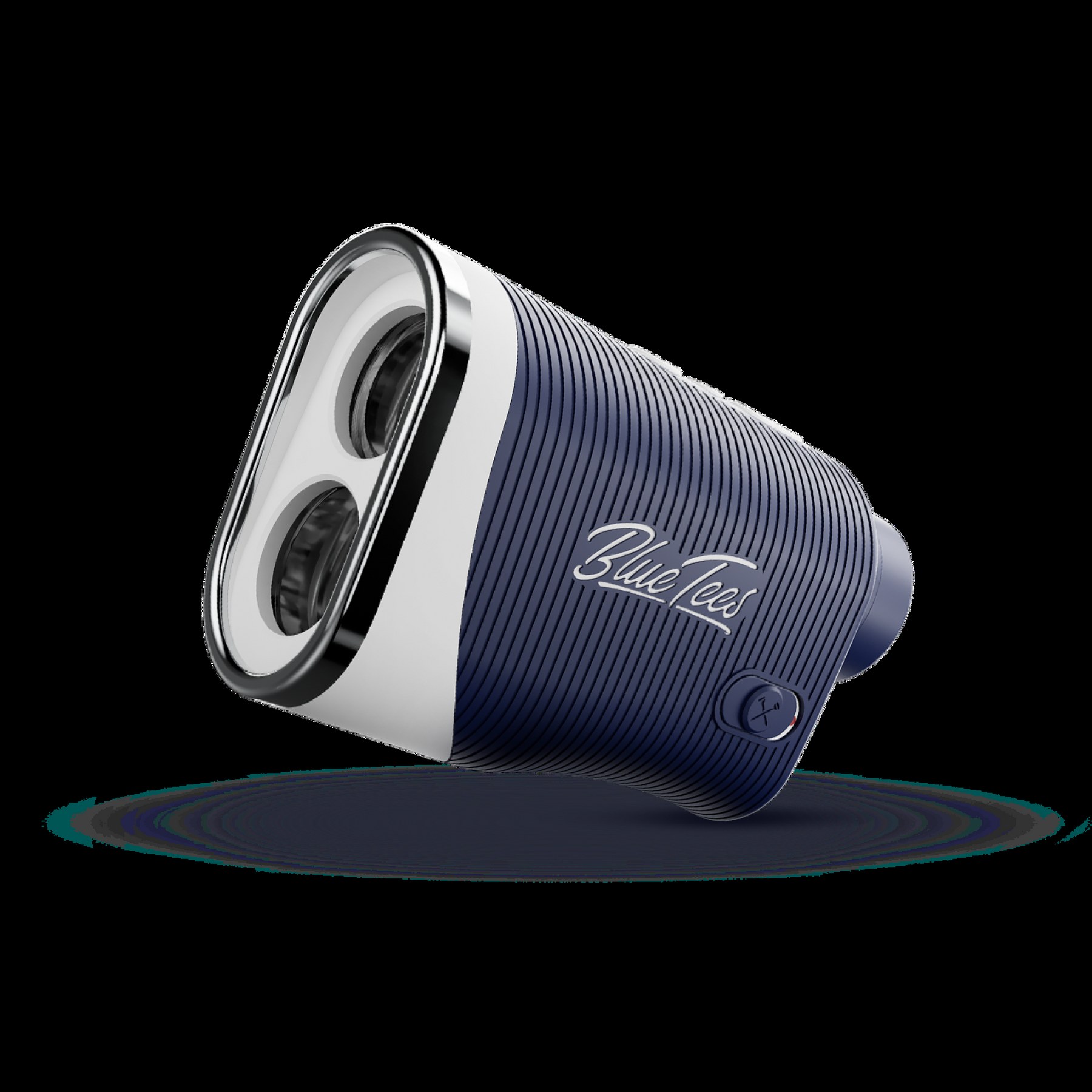
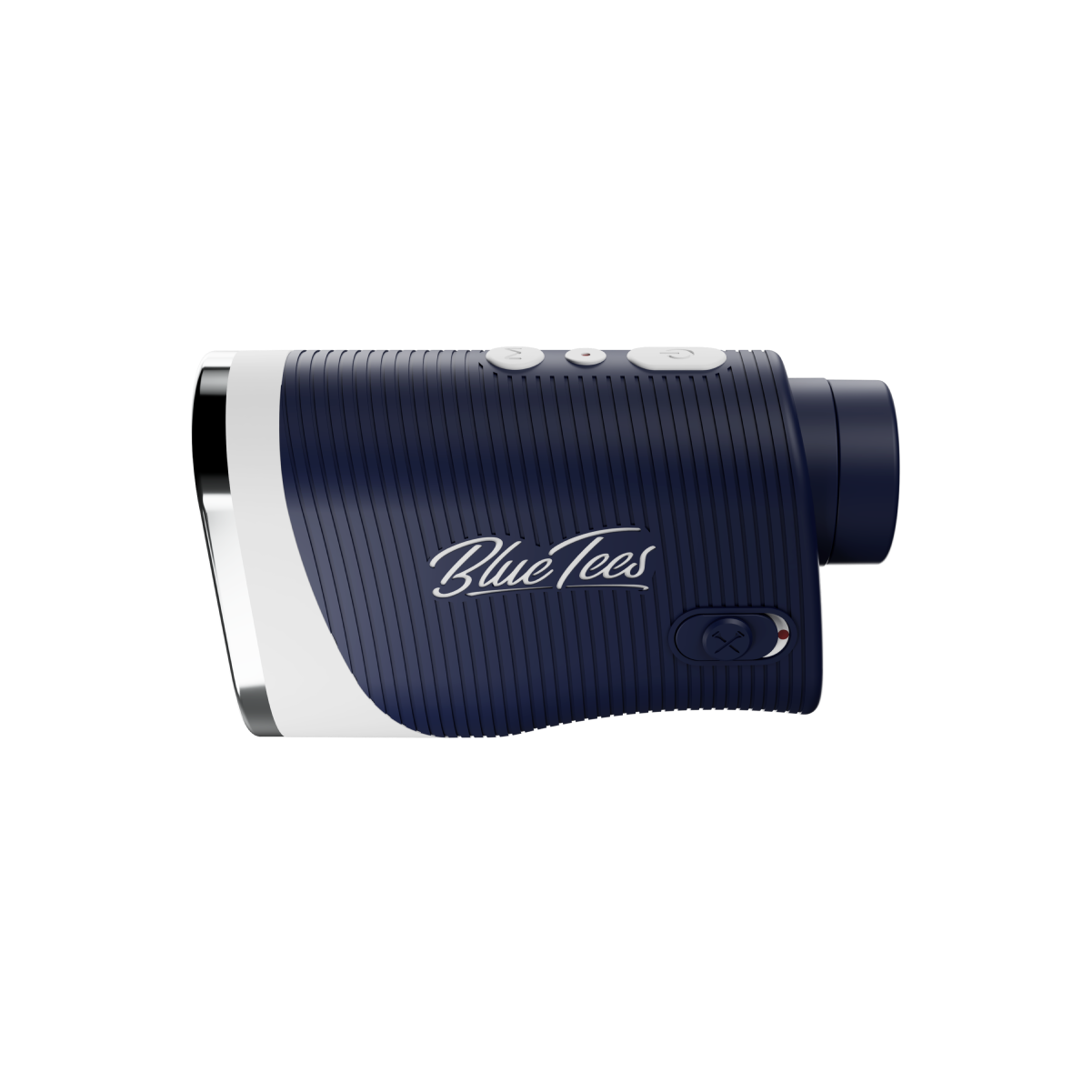
It is tempting to describe Blue Tees as a technology story, but the more honest framing is that it is a pricing-and-design story. The features on the flagship Series 3 Max+ - 1,000-yard range, 6x magnification, flag-lock with a pulse vibration when it grabs the pin, and a slope switch you can toggle off to stay tournament legal - are competitive with the big names. The difference customers actually feel is at checkout.
That slope switch is a small design decision that quietly widens the market. Slope readings, which adjust for uphill and downhill shots, are not legal in tournament play. Cheaper devices often bake it in permanently; premium ones let you switch it off. By including a toggle, Blue Tees made one device work for the weekend player who wants the help and the club competitor who cannot use it. One SKU, two audiences.
Who it is for
Everyone except the pros
Golf marketing usually chases tour players and the aspirational glow around them. Blue Tees pointed the other way. Its language is about beginners, veterans, and weekend golfers - people who want the same tools the pros use without being told they need to earn them first. The brand voice leans fun and accessible rather than elite, and it built an audience to match, including a following of roughly 70,000 on Instagram.
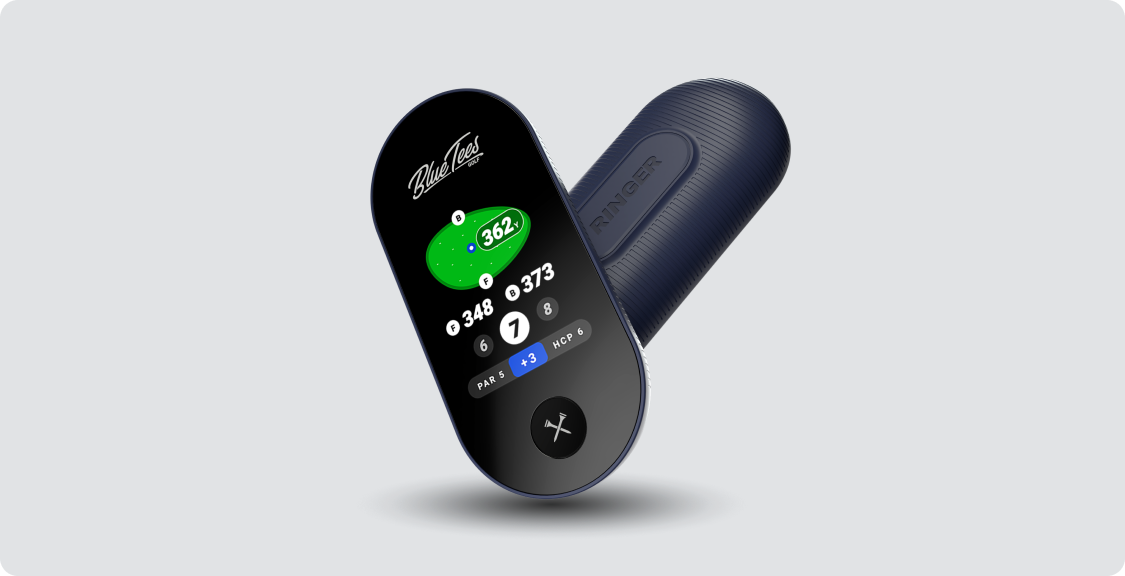
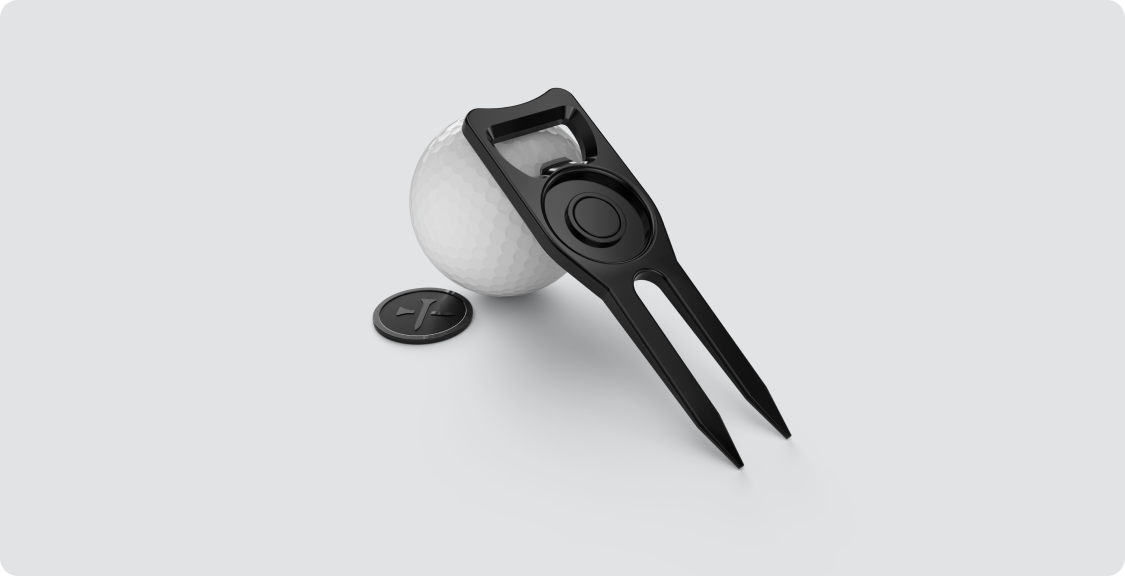
That customer focus also shapes the catalog. Beyond rangefinders, Blue Tees sells the Player+ touchscreen GPS speaker, which pipes 360-degree sound while pulling course data from a library of more than 42,000 courses; the Ringer handheld GPS; the Rainmaker portable launch monitor; and a long tail of accessories - magnetic towels, a 6-in-1 divot tool, cases, headcovers, and hats. A GAME app ties the devices together into something closer to an ecosystem than a single gadget.
How it makes money
Direct first, then everywhere
The business model started where a lot of modern brands start: direct to consumer, on Shopify, with heavy use of influencer and social marketing. Selling direct kept margins healthier and put the brand in control of the story. But hardware wants distribution, and Blue Tees did not stay online-only. It pushed into wholesale - Dick's Sporting Goods, PGA Superstore, and a deep bench of regional pro shops - reaching more than 3,000 doors.
Find a category where the cheap thing is bad and the good thing is overpriced. Then own the middle.
Notably, the growth appears to have been funded largely without a splashy venture round. Reporting on the company points to working-capital financing from Assembled Brands - money against receivables, inventory, and purchase orders - rather than equity dilution. For a physical-product business, that is a meaningful choice: it means the founders scaled by financing the inventory cycle instead of selling off ownership to do it.
The credibility flywheel
Awards, then partners, then shelves
Challenger brands in golf face a trust problem: the sport is traditional, and buyers are wary of names they do not recognize. Blue Tees chipped at that with outside validation. The Series 3 Max won an ING Industry Honors Award for Product Ingenuity in 2022 - the kind of third-party stamp that reassures a skeptical pro-shop buyer.
Partnerships did the rest of the legitimizing. In 2023 the company put out a co-branded box set with TaylorMade tied to the Stealth 2 driver launch. It struck deals with course-management operators Troon and Invited (formerly ClubCorp), which plugged the brand into networks of prominent private clubs. Each of those relationships tells a wary buyer the same thing: serious people in golf take this company seriously.
Where it sits in the market
The value slot in a premium aisle
The rangefinder and golf-GPS aisle is crowded with established names - Bushnell, Garmin, Nikon, Precision Pro, TecTecTec. Most compete on optics, glass quality, and brand heritage. Blue Tees competes on a different axis: value plus design plus a friendlier attitude. It is not trying to out-spec Bushnell for the tour bag. It is trying to be the obvious pick for the golfer who wants 90 percent of the device for half the money and does not want to feel like a rounding error to the brand selling it to them.
There are real limits to the model. Competing on price invites more competitors to do the same, and hardware margins are unforgiving when you are the affordable option. Distribution through big retailers brings scale but squeezes the healthy direct margins that made the early business work. And moving from a hero product to a connected ecosystem - apps, speakers, launch monitors - means competing against Garmin-scale software and support expectations. None of that is fatal. All of it is the next set of problems a brand earns by succeeding at the first one.
The short version
A timeline
Founded. Childhood friends, tired of breakable, overpriced rangefinders, decide to build a better one.
First rangefinder ships. About six months in, the debut laser launches and the direct-to-consumer brand takes off.
ING innovation award. The Series 3 Max earns an Industry Honors Award for Product Ingenuity.
Partners and retail scale. A co-branded TaylorMade box set; deals with Troon and Invited; distribution grows to thousands of doors.
Connected ecosystem. Series 3 Max+ and the Player+ GPS speaker launch alongside the GAME app.
Lineup expansion. Captain Pro / Captain Air rangefinders and the Rainmaker launch monitor extend the range.
Strip away the golf and what is left is a repeatable move. Spot a category where consumers are forced to choose between bad-and-cheap and good-and-expensive. Build the honest middle. Make it look like something people want to own, not settle for. Sell it direct to keep control, then let the retailers and partners come to you once the product proves itself. It started with an eyepiece falling off in a fairway. It turned into a company you can find in thousands of shops.