In 2020, two hardware collectors in Los Angeles kept running into the same small annoyance. They spent their days inside a hobby soaked in style - sneakers, streetwear, anime, custom PC builds photographed like fashion editorials - and then they looked down at the one object their hands touched all day. A keyboard. Basic black. Maybe white if the brand felt adventurous. Rustin Sotoodeh and Kha Lu decided that gap was the whole business, and named it Higround.
The pitch is almost too simple to sound like a company: your setup is part of your outfit, so why does the keyboard look like office equipment? Higround’s answer was to make the first-ever graphic gaming keyboard - not a black slab with a logo, but a deck of dye-sublimated art you’d actually want photographed. Then they did the thing that changed the category. They sold it like a sneaker.
01What Higround actually does
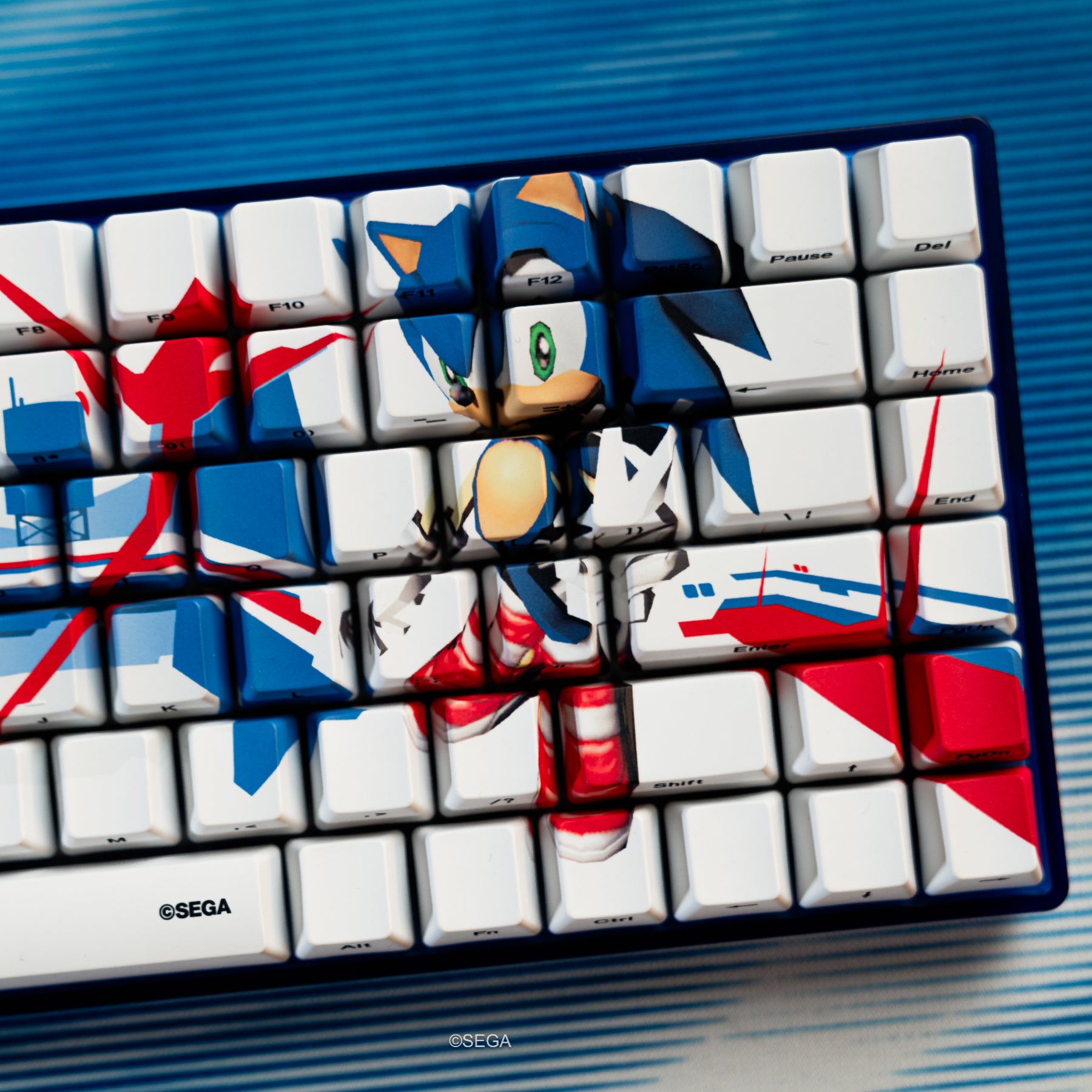
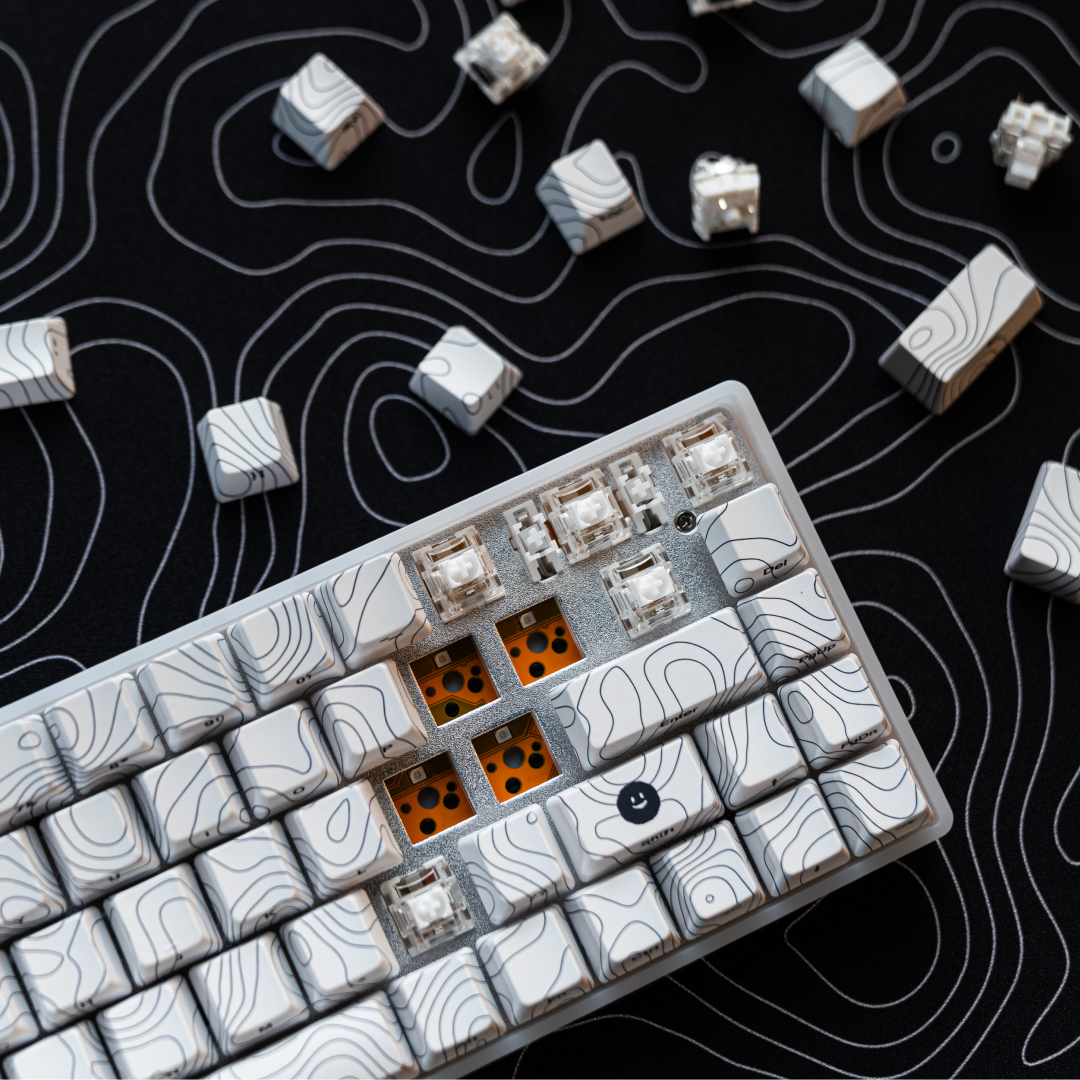
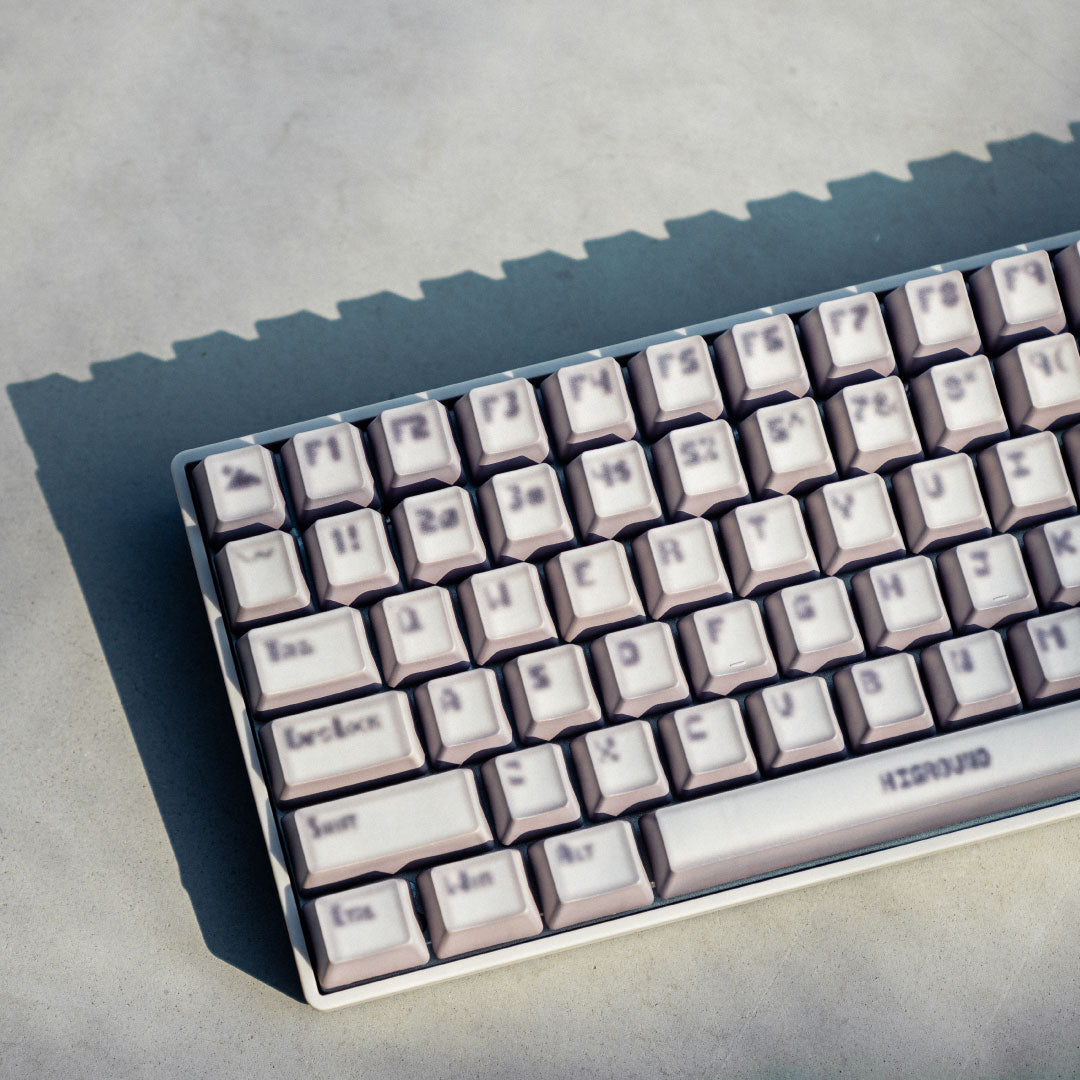
Keyboards, sold like streetwearHiground designs and sells mechanical keyboards, keycaps, switches, mice, mousepads and apparel, direct to consumers on Shopify. The mechanics underneath are legitimate enthusiast fare: PBT dye-sublimated keycaps so the graphics never rub off, silicone dampening for the sound, hot-swappable and custom switches, and a range of layouts - 65%, 75%, 96% - for people who care about desk real estate. The Basecamp line is the workhorse; the 65HE adds Hall-effect adjustable actuation for competitive players; the Summit line is the enthusiast-grade, premium-materials tier.
But specs are the price of entry, not the point. The point is that a Higround keyboard carries a story - a color theme, an artist, a piece of licensed IP - and it arrives as a limited drop that can, and often does, disappear before lunch.
02Who buys a keyboard in ten minutes
The customer is a fan, not a shopperThe audience sits at an intersection that used to be treated as two separate rooms: gamers, keyboard enthusiasts, anime and pop-culture fans, and streetwear collectors - largely Gen Z and younger millennials who already understand the ritual of camping a release. Higround didn’t have to teach them how a drop works. It just gave them a new category to drop on.
That overlap is the entire founding insight. As Sotoodeh put it, “People who browse StockX understand street culture. And so does the gaming audience, but the link between those two has rarely been brought together.” Higround is that link, sold at 12PM PT on a Friday.
There is a discipline hiding inside the hype. Higround’s design language is specific - the founders point to Y2K and retrofuturism, “the era Kha and I grew up playing video games in” - and it repeats across drops so the brand stays recognizable even when the license changes. The result is a customer who trusts the aesthetic before they know what the next collab is. They’re not buying an anime; they’re buying Higround’s read on it.
03The problem it solves
Identity, not input latencyMost gaming hardware is sold on a fear: that your gear is slowing you down. Polling rates, actuation points, gram weights. Higround solves a different problem, one the spec-sheet brands mostly ignored - the desk you spend hours at every day says nothing about who you are. For a generation that expresses identity through what it wears and watches, a blank keyboard was a missed sentence.
So Higround treats design as the feature. Each collection is built around a theme and released as a story, which is why the company describes itself less like a manufacturer and more like “the expression of elevated gaming culture.” The keycaps happen to type. They’re also the reason you bought them.
04How it’s different from the competition
Culture as a moatThere is no shortage of keyboard companies. Wooting owns the performance conversation with Hall-effect wizardry; Keychron and NuPhy win the enthusiast-value crowd; Razer, Logitech, Corsair and SteelSeries own the big-box shelves. Almost all of them compete on the same axis: how the board performs and what it costs.
Higround competes on a different axis entirely - what the board means. The moat isn’t a switch nobody else can source; it’s a release calendar of licensed collaborations and a community that treats each one as a collectible. That’s much harder to clone than a spec, because it’s built out of taste, timing and relationships.
05Products and the collab machine
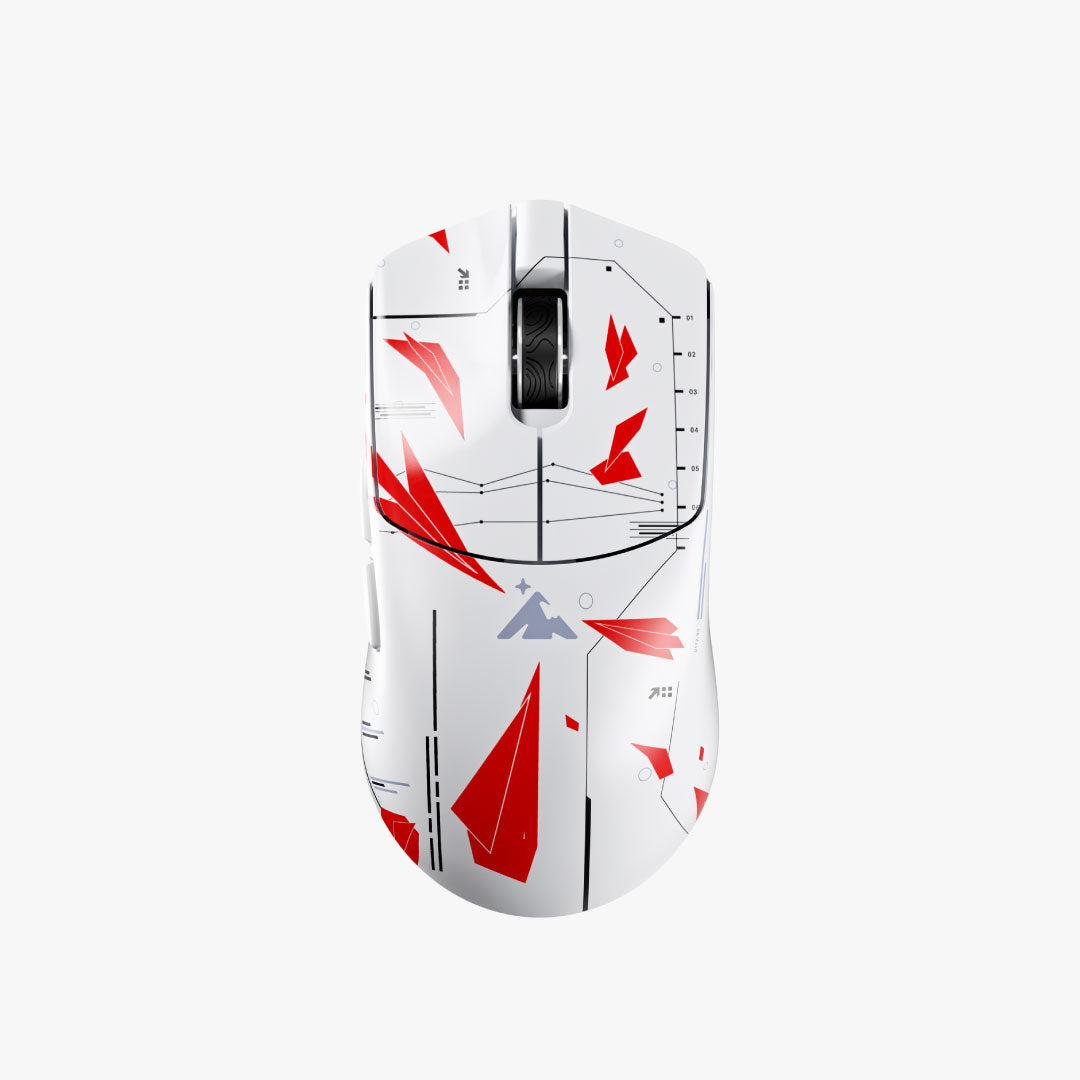
A licensing deal is a release dateThe Basecamp series (65, 65HE, 75+, 96+) covers the core keyboards; the Summit series goes premium; the YUMA wireless mouse and a growing mousepad range round out the desk. But the recognizable Higround product is the collaboration. The list reads like a con floor: Attack on Titan, Naruto, One Piece, Pokemon, SEGA’s Sonic, Halo, Minecraft, Apex Legends, K-pop group aespa, and early crossovers with ComplexLand and Beats by Dre.
Each capsule is engineered as an event. The Pokemon collection, launched with The Pokemon Company International in December 2023, put the Poke Ball, Charizard, the Eeveelutions and Mewtwo onto Base 65 and Summit 65 boards and matching mats. The Attack on Titan capsule bundled two keyboard designs, two keycap sets and a printed jelly bag - then reportedly sold out in under ten minutes. Turn enough licenses into drops and the drops become a calendar; turn the calendar into a business.
Basecamp Series
65, 65HE, 75+ and 96+ layouts. PBT dye-sub keycaps, silicone dampening, Hall-effect actuation on the HE.
Summit Series
The enthusiast tier - premium materials tuned for a higher-end feel and sound.
YUMA Mouse
Lightweight wireless mouse, the brand’s push beyond keyboards into a full desk.
Keycaps & Mats
Standalone PBT keycap sets, switches, wrist rests and graphic mousepads in L and XL.
06The business model, and the exit
Direct, scarce, community-fedHiground’s engine is unglamorous on paper and effective in practice: a Shopify storefront, limited-edition drops in deliberately scarce quantities, email and SMS through Klaviyo and Postscript, and a Discord full of people who want to be first to the next release. No sprawling retail footprint, no discount treadmill - just owned channels, a small team, and a customer who shows up on purpose.
It worked fast enough to attract a buyer. In October 2021, barely a year after launch, esports and lifestyle organization 100 Thieves acquired Higround - the org’s first-ever acquisition, and a notable one: an esports company’s opening M&A move was a keyboard brand, not a game studio or an apparel label. Higround has continued to operate as an independent brand, and brought on former HyperX executive Baron Lee to lead product development. Terms were not disclosed.
07What you could copy - and where it breaks
The steal-able playbookThe Higround template is portable. Find a commodity category everyone sells on specs. Add a cultural story and design people want to be seen with. Release in scarce drops so urgency does the marketing. Build owned channels - a Discord, an email list - so you don’t rent attention from ad platforms. Let a small team punch far above its headcount because the community does the distribution.
The caveat is that none of it works without taste and the licenses to back it. Scarcity applied to a product nobody desires is just low inventory. The collab calendar depends on IP holders saying yes, which depends on the brand being credible enough to represent Pokemon or Attack on Titan without embarrassing them. Copy the mechanics and you get an empty drop; the hard, uncopyable part is being the brand those partners - and those fans - actually want in the room.
Where it fits in the market is its own answer to the question. Higround sits at the top of the desk, not the top of the leaderboard - a premium, design-first slice of a peripherals market otherwise organized around performance and price. It doesn’t need to out-spec Wooting or out-shelf Corsair, because it’s selling something those brands mostly leave on the table: the feeling that your gear is yours. Backed by 100 Thieves and a lineup of blue-chip licenses, that niche has proven surprisingly defensible.
That is the quiet lesson of a seven-person company that reset a hardware category from a warehouse in Los Angeles. The keyboard was always going to be a commodity. What Higround manufactured was a reason to care about it.