In November 2016, a headphone arrived with a peculiar proposition. It looked much like a Sennheiser HD 650, sounded much like one, and cost roughly $200. The Massdrop x Sennheiser HD 6XX was aimed at people whose ears had expensive ambitions and whose wallets preferred moderation. The first 5,000 units sold out within two hours. Even the checkout struggled to keep up.
- Massdrop pooled enthusiasts’ demand to negotiate purchases.
- Drop turned that audience into a market for collaborative hardware.
- Keyboards and accessories made personal taste part of the product.
- Standalone sales ended in March 2026; select products moved to other channels.
The headphone that made the argument
The interesting detail was what Massdrop left alone. Specialist reviewer Tyll Hertsens found the HD 6XX and HD 650 measured essentially alike within measurement error. The differences included a dark-blue finish, a shorter cable and plainer packaging. The community already admired the underlying headphone. There was little reason to redesign its sound simply to announce a new model.
That distinction made Drop useful to audiophiles. It could work with an established manufacturer on a version tailored to a knowledgeable audience, with fewer obstacles between wanting the product and affording it. The purchase still required judgment: an open-back headphone leaks sound and belongs in a different setting from a commuter’s noise-cancelling pair. A bargain has a job description, too.
Sold out within two hours.
HD 6XX launch · November 2016
A club with a checkout
Massdrop began in 2012. Steve El-Hage and Nelson Wu had known the pleasures and irritations of online hobby communities; public company histories also identify Will Bright as a co-founder. Forums contained people who could debate equipment in exquisite detail. Organizing those people into a reliable purchase was considerably less elegant.
The original mechanism was straightforward. Members expressed interest, the company negotiated with suppliers, and sufficient buyers unlocked a group price. Each customer could buy one headphone or keyboard while the manufacturer saw a larger order. The platform earned money selling goods. Its extra ingredient was a public conversation about which goods deserved to exist on the shelf.
One early snag was painfully human. El-Hage described shoppers waiting for others to join so the lowest price would be guaranteed. A customer proposed a conditional commitment: reserve a place, but charge only if the target price was reached. Participation became less of a gamble. The lesson was specific: ask why someone hesitates before adding another button.
“They eventually got used to it, and signups rebounded.”Steve El-Hage, on introducing mandatory accounts
Supplier trust carried another cost. Account requirements and reduced search visibility helped vendors protect their pricing, but introduced friction for shoppers and sacrificed discovery traffic. These were negotiated trade-offs, rather than free benefits of having a community. Someone still had to persuade both sides to participate.
- 01DiscussMake preferences specific
- 02GatherEstablish shared demand
- 03BuildWork with manufacturers
- 04RefineUse owners’ feedback
The keyboard gets a wardrobe
In April 2019, Massdrop became Drop. Contemporary coverage described a move toward a product company, with Drop Studio helping turn community ideas into collaborations. The audience was substantial: audioXpress reported 6.9 million active users at the rebrand. That historical community figure should not be mistaken for today’s customer count.
By Corsair’s July 2023 acquisition announcement, customized keyboards, designer keycaps and desktop accessories accounted for most of Drop’s business. Corsair described more than 120 keycap sets. The company had found customers for whom a keyboard was something to compose: layout, switch feel, sound, color, and occasionally a small declaration of allegiance.

The October 2023 CSTM80 made that idea tangible. Its magnetic top case could be exchanged, while hot-swappable switches and optional plates and weights offered further adjustments. Gasket mounting and internal foam addressed typing feel and sound. Drop’s expertise lay in assembling these enthusiast preferences into an approachable product, then supplying ways to alter it.
A barebones purchase was a starting point with missing parts to budget for. The assembled version supplied a working keyboard; extra cases, keycaps and other upgrades created further purchases. This made commercial sense for a taste-driven brand. It also meant customization could quietly become a hobby with its own shopping list.
From hobby to Hogwarts
Drop occupied the space between ordinary electronics retail and specialist enthusiast shops. Buyers could pursue customization without sourcing every component themselves. Keychron, Glorious and smaller keyboard vendors offered alternative routes; headphone buyers could shop directly with audio brands. Drop’s particular appeal was the combination of established partners, distinctive versions and an audience already conversant in the details.
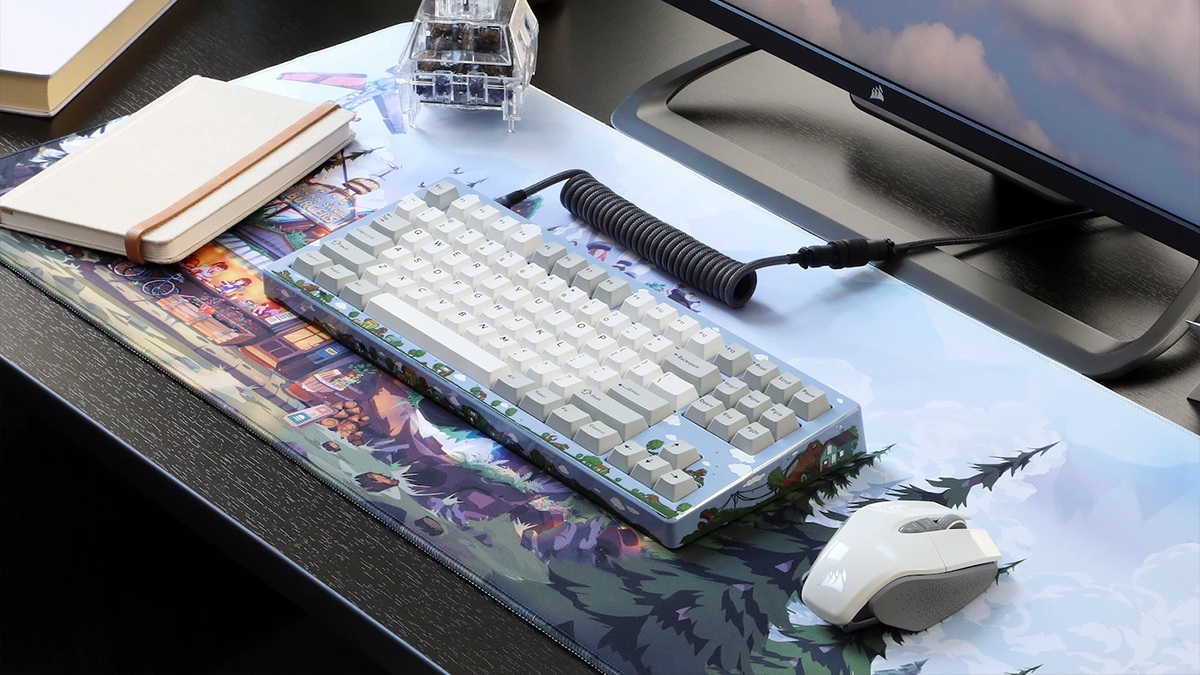
Licensed collections extended that approach into fandom. In August 2025, Drop announced Harry Potter keyboards, desk mats and artisan keycaps with Warner Bros. Discovery Global Consumer Products. The house-themed CSTM80 keyboards launched at $249. Here the product solved a different problem: expressing a personal attachment through an object used every day. Practicality and theatricality shared the same USB cable.
The shop closes; the name stays
The journey took capital: a $6.5 million Series A in 2014 and a $40 million Series B in 2015. Corsair’s 2023 announcement concerned an acquisition of certain assets, with financial terms undisclosed. None of those facts, by themselves, explain the later store decision.
Drop announced that standalone ecommerce would end March 31, 2026, with final orders March 25. Today, Drop.com presents Corsair gaming collaborations. Its Help Center directs buyers to Corsair, Amazon and Best Buy for select products. Owners retain a support destination; shoppers should check the actual retailer’s listing rather than assume the old catalog survives.
For another business, the useful experiment is small enough to copy: choose a knowledgeable group, ask for precise preferences, and test whether interest becomes a purchase commitment. It needs suppliers who can meet that demand and customers willing to accept the timing and product trade-offs. If everyone wants a different specification, needs immediate delivery, or simply wants the cheapest available item, the arithmetic becomes harder. The crowd can help write the brief. A viable shop still has to deliver it.
Follow the next chapter
Drop’s collaboration hub ↗ · Owner support ↗ · LinkedIn ↗ · X ↗ · Instagram ↗ · Facebook ↗ · Firmware on GitHub ↗
Corsair’s acquisition announcement ↗ · El-Hage on building with users ↗ · The store transition ↗
Watch the hardwareCSTM80 review and component upgrades - Toasty DIY ↗
CSTM80 review and sound test - Chetty Studios ↗