Walk into almost any American drugstore and you will find a shelf of affordable wellness gear - a sonic toothbrush that costs a third of the name-brand one, a diffuser with color-changing lights, a bottle of coconut oil for your hair. A surprising amount of it traces back to one brand, Pursonic, and one address in Manhattan's Chelsea neighborhood that a single family has occupied since 1971.
Pursonic is not a venture-backed startup with a founder myth and a splashy launch. It is the in-house label of Samsonic Trading Co., a distributor that spent four decades placing other companies' electronics on retail shelves before deciding to build a brand of its own. The result is a catalog that reads like an entire drugstore aisle compressed into one company: toothbrushes and brush heads, diffusers and essential oils, hair dryers, skin oils, and grooming tools - more than 800 active SKUs in all.
The OriginA toothbrush on television
The story most people never hear starts with QVC. Samsonic had been in the distribution business since 1971, representing consumer brands and moving product through mass retailers and the independent drug and housewares channel. In 2012 it launched Pursonic and put its first sonic toothbrush in front of a television audience. The device did what sonic toothbrushes do - the brand advertises up to 40,000 strokes per minute - but at a price that undercut the premium incumbents. Demand followed, and the single product became a category.
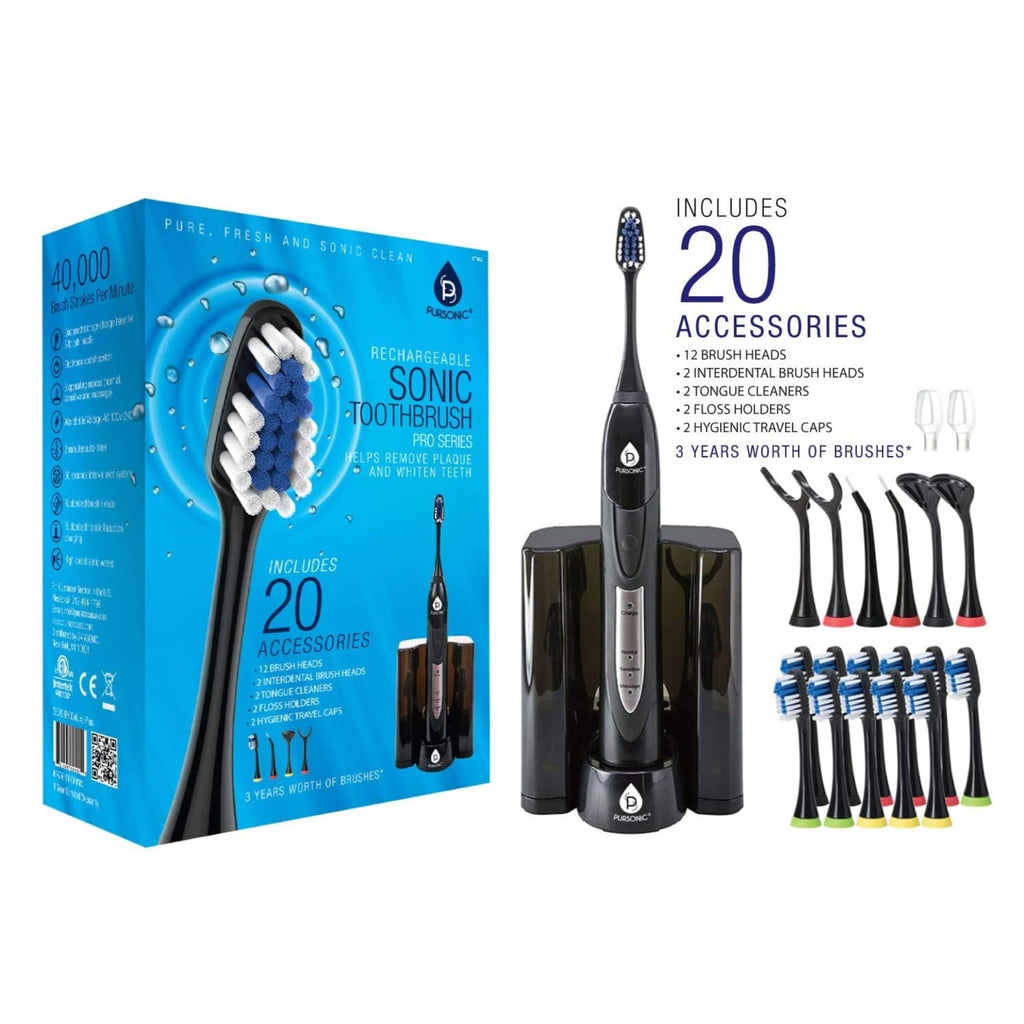
That television debut matters because it explains the shape of everything that came after. A distributor already knows the buyers. It knows how a planogram works, how to hit a price point, how to keep a shelf stocked. So when the toothbrush hit, Pursonic did not have to invent a supply chain - it already had one. New categories were a matter of adding SKUs, not building a company.
From oral care to the whole bathroom
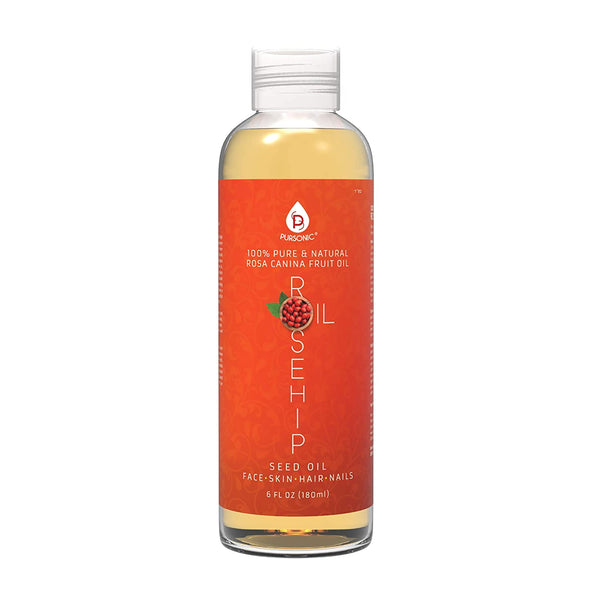
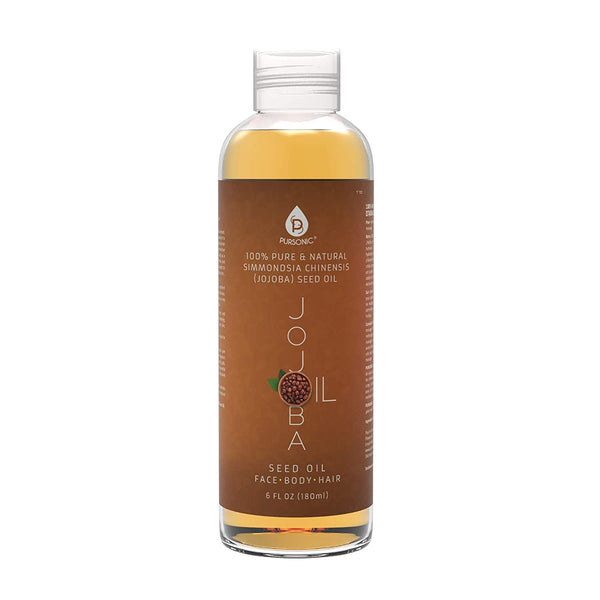
Pursonic today spans several categories that all sit comfortably in a medicine cabinet or on a vanity. Oral care remains the anchor: rechargeable sonic toothbrushes, some with UV sanitizers and multiple modes, plus eco-friendly manual brushes and a steady business in replacement heads. Around it grew an aromatherapy line - ultrasonic diffusers with LED lighting and multi-hour mist, paired with multi-packs of essential oils to run through them. Then came natural carrier oils for skin and hair, and a personal-care range of hair dryers, styling tools, and grooming gear.
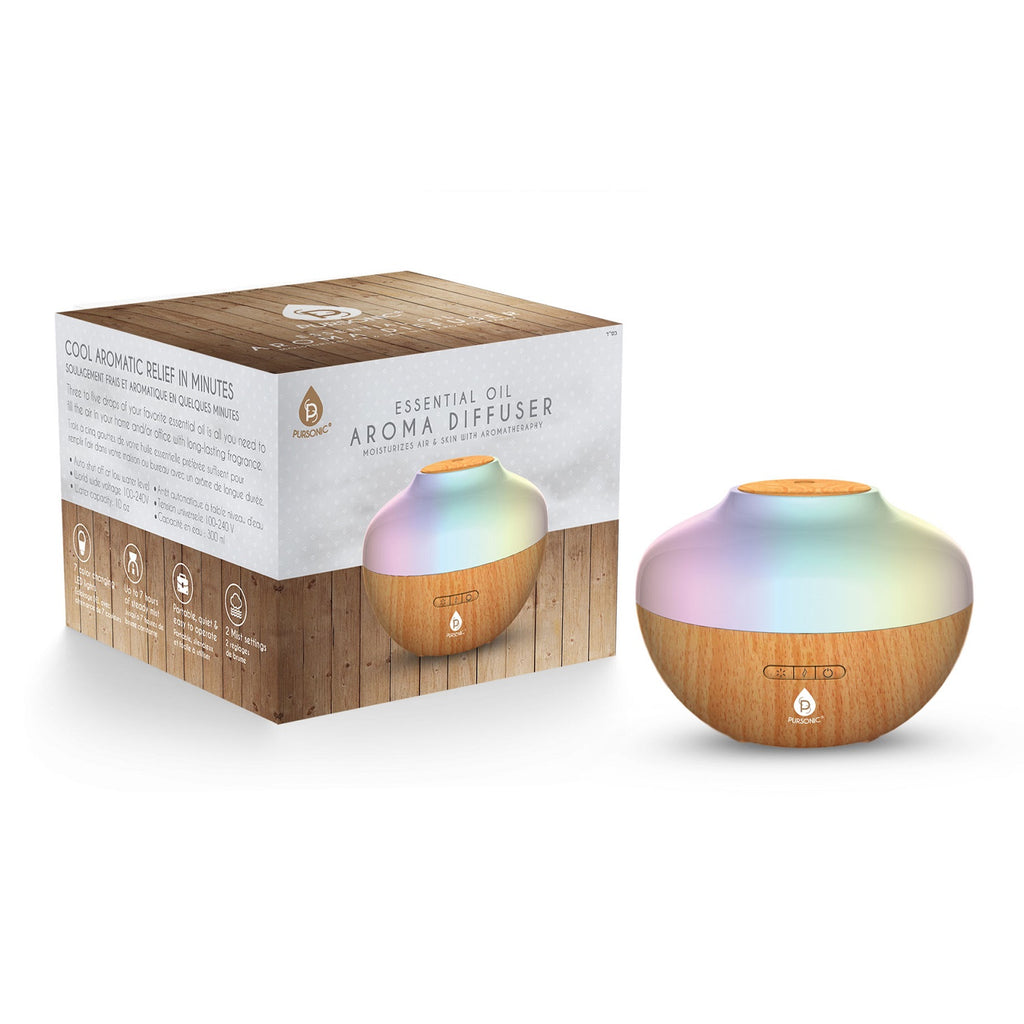
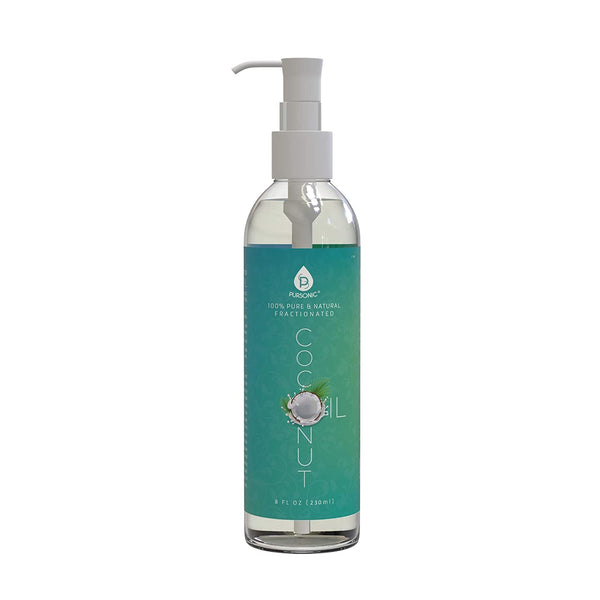
"Our products are unique for their flavors, scents, herbs, their health appeal, their multi-use capability, simple elegant look and their uniqueness."Pursonic, on its own catalog
The ModelRazor-and-blades, wellness edition
Look closely and a pattern emerges. Nearly every hero product in the Pursonic catalog sells a consumable behind it. The sonic toothbrush needs new brush heads. The diffuser needs essential oils. The result is a catalog that behaves like a classic razor-and-blades business, except the razors are diffusers and toothbrushes and the blades are oils and heads. It is not glamorous, but it is durable: a customer who buys one diffuser becomes a repeat buyer of small, high-margin refills.
The distribution runs three ways at once. There is wholesale retail - Walmart, Macy's, Office Depot, Barnes & Noble, B&H, and the independent drug and housewares stores that Samsonic has served for decades. There is the marketplace layer, chiefly Amazon. And there is direct-to-consumer through the pursonicusa.com Shopify store, which reclaims the customer relationship that retail and marketplaces otherwise keep.
Where it fits in the market
Pursonic does not try to beat Philips Sonicare or Oral-B on prestige, or premium diffuser makers on design. It competes on price and breadth. Against oral-care incumbents it is the accessible tier; against boutique aromatherapy brands it is the value option that already sits on a national shelf. That positioning is only possible because of the parent company underneath it. Samsonic has spent more than fifty years learning how to source, price, and distribute physical goods - the un-photogenic capability that most direct-to-consumer startups spend their funding trying to acquire.
The moat here is not a patent or a brand cult. It is distribution - the boring machine that has been running on 28th Street since 1971.
That is also the honest limit of the model. A distribution-first brand competes on availability and price, not on the kind of loyalty that lets a company charge a premium. It works when you already have the shelf and the sourcing relationships. It works less well for a newcomer trying to build the same thing from scratch, without the retail buyers on speed dial or the decades of sourcing that make an 800-SKU catalog manageable rather than chaotic.
The TimelineFive decades, one block
What a builder can copy
The most useful lesson from Pursonic is not about wellness at all. It is about sequence. Most consumer brands start with a product and spend years fighting for distribution. Samsonic did the reverse - it owned distribution first and added the brand once the pipes were already built. If you are a distributor, an agency, or anyone sitting on a set of relationships and a working supply chain, your own label may be a warm start rather than a cold one. And the bundle - a device that quietly sells a consumable - is a flywheel any catalog business can borrow.
Fifty-plus years on, the company is still on the same Chelsea block, still family-run, still adding SKUs. It is not a story about a breakout hit or a nine-figure raise. It is a story about a boring, durable machine - and the toothbrush that finally gave it a name of its own.