consumer-electronics
(233)
HSAD North America makes the ordinary matter
A refrigerator that will not fit. Ice that deserves a nickname. A billboard written for aliens. Inside the agency that turns LG’s product details into reasons to pay attention.

Ian Kung and the case for a better pen
After years at HP and Apple, Ian Kung co-founded Adonit to give tablet users a more precise way to work. The pen was small; the decisions behind it reached from Taipei to Texas, app developers, and customers around the world.
Veeraj Chugh and the trouble with everyday things
A disappointing webcam sent Veeraj Chugh from Uber into consumer hardware. At Opal Electronics, his ambitions now reach beyond the little camera that started it.

Richie Zeng and the Case for Listening Together
At Berkeley, Richie Zeng and Nelson Zhang found friendship in music. With Wearhaus, they tried to make headphones leave room for someone else.

Ari Naim and the distance between here and there
A museum scare gave Ari Naim a very personal reason to think about location. His career would span digital recorders, wireless tags, a $140 million company sale, and a film about his father.

Hanneke Faber and the art of the unfamiliar
A diving scholarship took her from the Netherlands to Texas. A career spent studying everyday purchases took her to Logitech, where the next question is what people will want to put their hands on.
RadioShack found the dial again.
The store that taught America to tinker is betting on retro radios, independent dealers, and a familiar name. Its second act asks a surprisingly practical question: what, exactly, did people miss?

Wayne Huang and the long road to a watch worth keeping
Before Amazfit, there were Linux systems, tablets and a business that needed a loan guarantee. Wayne Huang’s career traces the patient, sometimes awkward work of turning engineering experience into a name customers choose.
Aníbal Madrid and the Case for a Smaller Internet
A new niece gave the Chilean engineer a reason to build a phone for children, and an oversized prototype sent him to Shenzhen. SoyMomo grew from the question he carried with him: how much technology does a child actually need?
Daniel Chin and the value of a missing port
He built HYPER around the awkward gaps between a device and the person using it. After the Targus acquisition, Daniel Chin returned with BMX - and another reason to rethink what goes in a laptop bag.
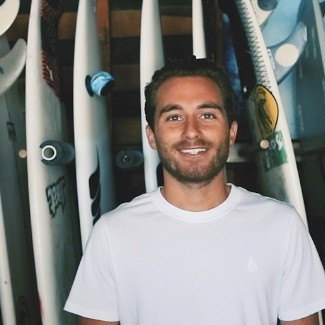
Stevie Patsis and the art of taking music somewhere it shouldn’t go
A surfer with a family connection to electronics manufacturing, Stevie Patsis built Speaqua around a practical wish: take the music along. The interesting part is everything that had to happen after the wish.

Steven Yang and the fortune in the forgotten plug
He left Google to make a better replacement battery. Fifteen years later, Anker’s founder is asking how much of the home should depend on someone else’s computer.

Foxconn makes AI a factory job
The company behind the iPhone is putting its manufacturing machine to work on AI servers. Its real product has always been the ability to make something complicated, again and again.
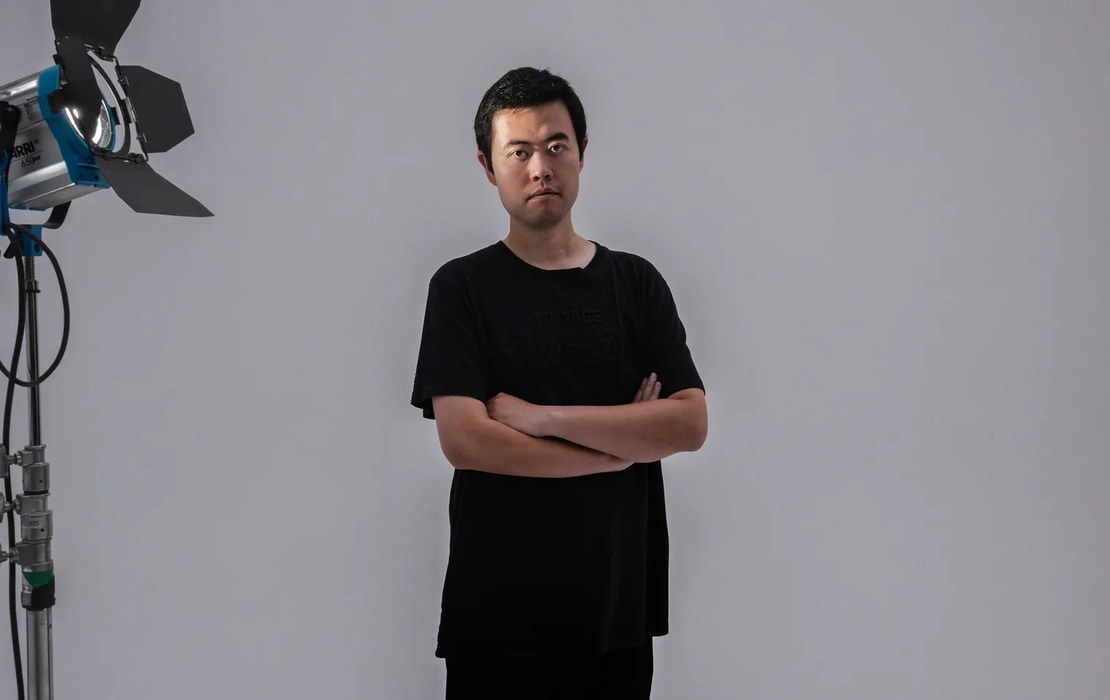
Jesse Lyu and the problem with a very simple button
A love of synthesizers helped lead Jesse Lyu to the orange rabbit r1. The harder part has been teaching the computer behind the button to do what people ask.
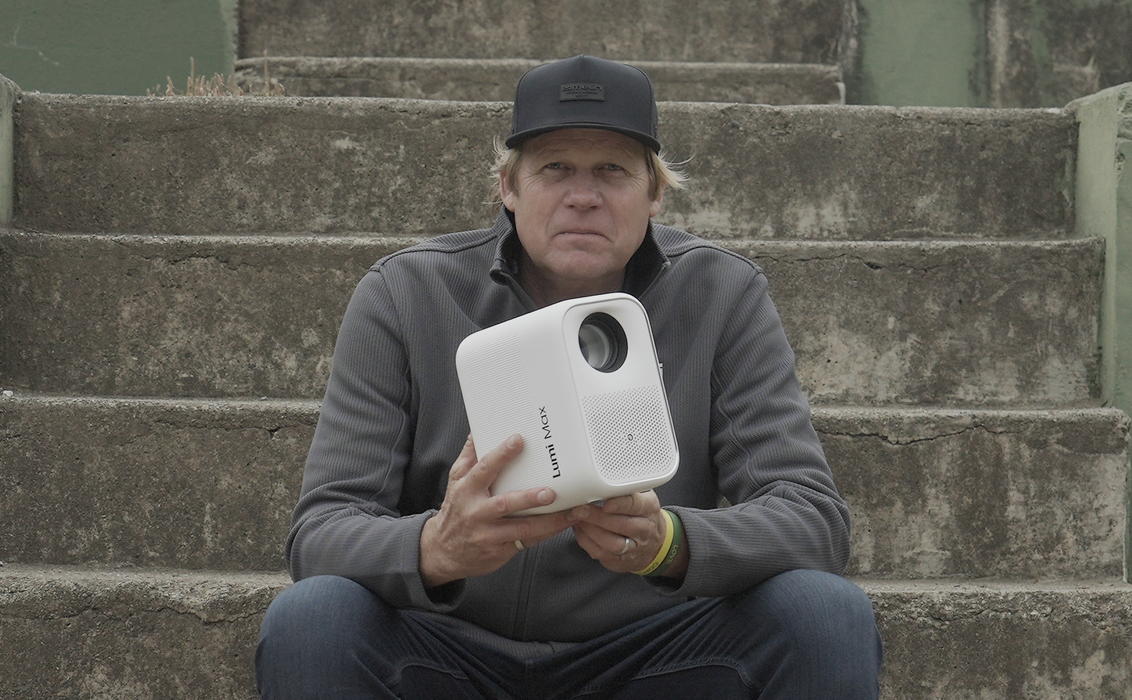
Paul Crandell and the Trouble With a Television
After helping market Red Bull and GoPro, Paul Crandell wanted a movie screen that would fit his adventure van. Lumi grew from that small problem - and a career spent bringing people together around their favorite pursuits.

Corie Barry and the education of a reluctant CEO
She learned commerce at her parents’ art booths and chose accounting for its order. At Best Buy, Corie Barry built a career by taking on work she had not planned to do - including the top job.
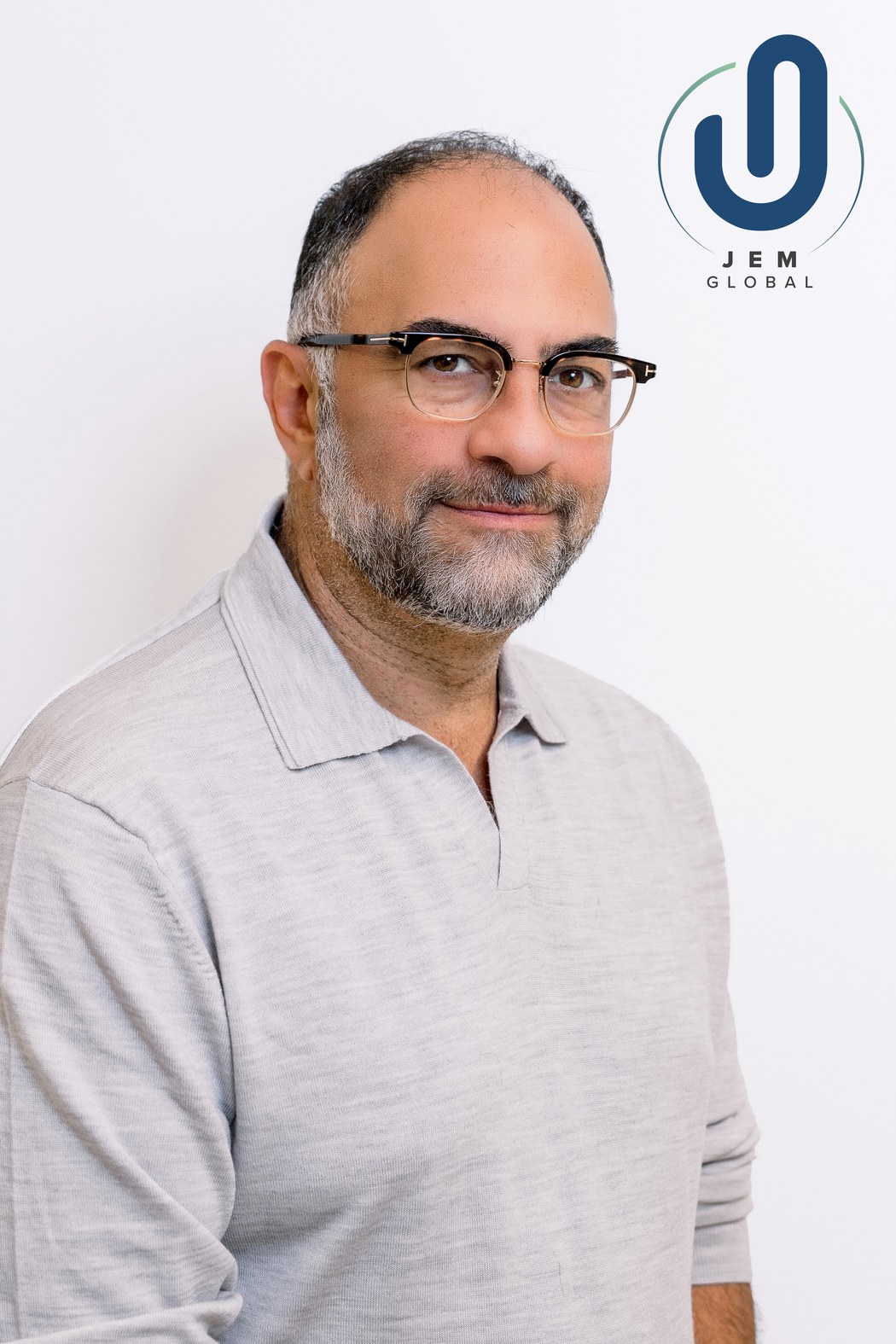
Why Elie Chemtob Starts With a Name You Already Know
The JEM Global co-founder has spent decades getting everyday electronics onto retail shelves. His wager: a familiar name still has work to do, provided someone builds something useful underneath it.

Julio Juan Sánchez Sánchez and the Trouble With Selling Everything
Four brothers began with office supplies in Benidorm. Julio Juan Sánchez Sánchez helped turn that business into Energy Sistem, then spent his career explaining why a technology company needs to know exactly whom it serves.

Tomonori Tsuji and the price you cannot Google
A shopping search engine sounds like a software problem. In Jakarta, Tomonori Tsuji built Pricebook around the people, shops and conversations that a search box could miss.
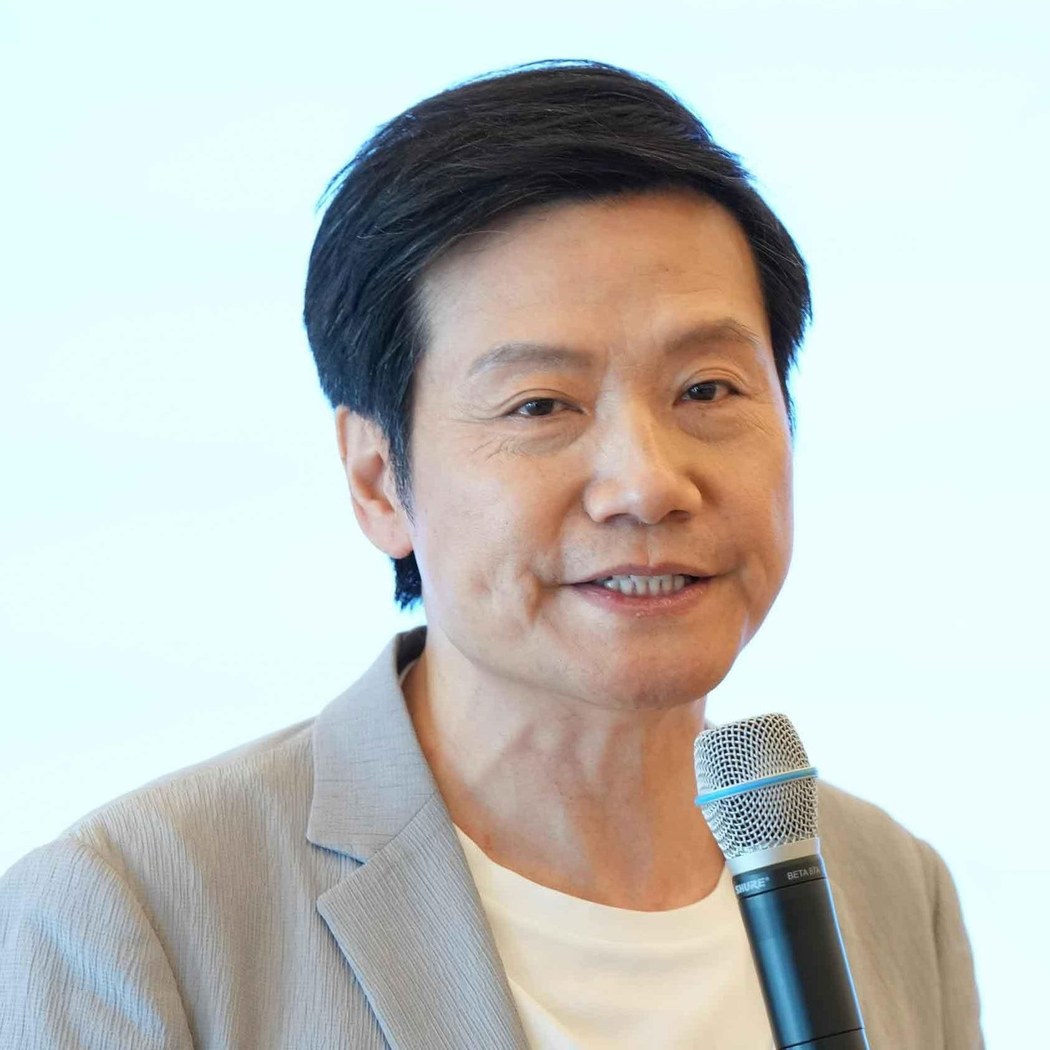
Why Lei Jun Keeps Starting Over
At 40, Lei Jun co-founded Xiaomi. At 51, he took on electric cars. Behind both decisions sits an older ambition, formed in a university library, and an unusually public willingness to be a beginner again.

Bill Crutchfield and the Art of Explaining the Obvious
Bill Crutchfield nearly lost his car-stereo business because he knew too much about stereos. Learning what his customers didn’t know became the work of a lifetime.
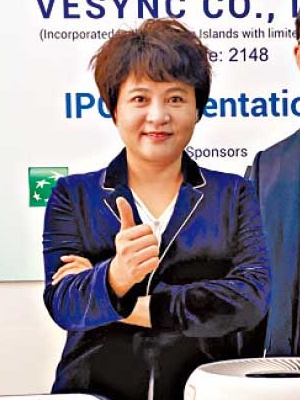
Yang Lin’s $653 million case for small things
A law graduate built VeSync around the appliances people reach for every day. Her next decision was less ordinary: after taking the company public in Hong Kong, Yang Lin helped take it private again.

Wei-Shin Lai and the trouble with things that almost work
A pair of headphones, a kitchen table, and a stubborn eye for awkward design. The AcousticSheep co-founder keeps finding things that could work better - most recently, a chess scorebook for her daughter.
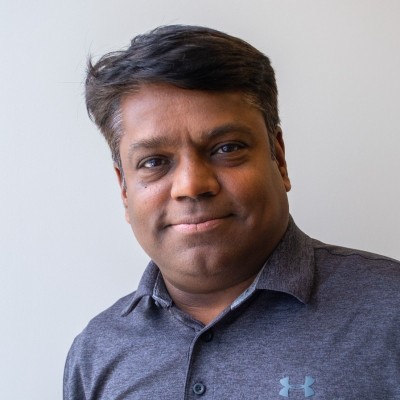
NB Patil’s second act began with an unfinished product
After 22 years at Bose, NB Patil helped buy and license the technology behind a discontinued product. At Ozlo, the work has become a test of what an engineer keeps, what he changes, and what he owes the people who use it.
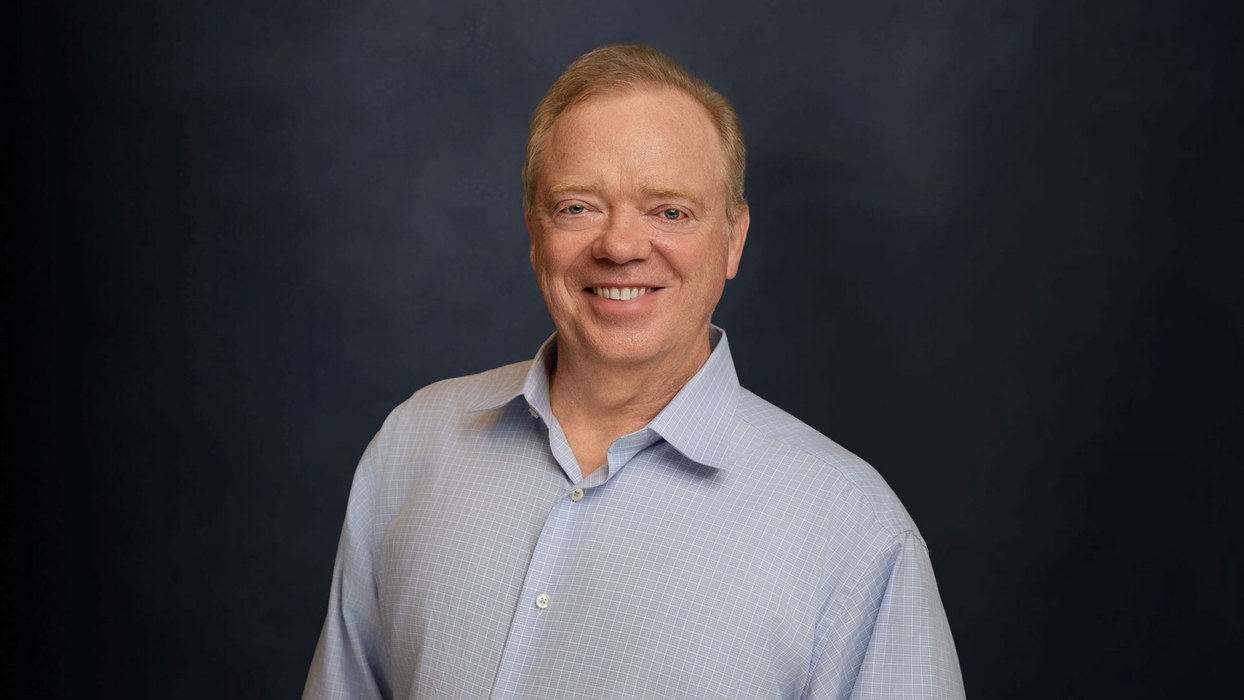
Anthony Wood and the trouble with watching television
He wanted an easier way to record Star Trek. Three decades, a lost DVR battle and a detour through Netflix later, Anthony Wood has built a business around deciding how television reaches the living room.
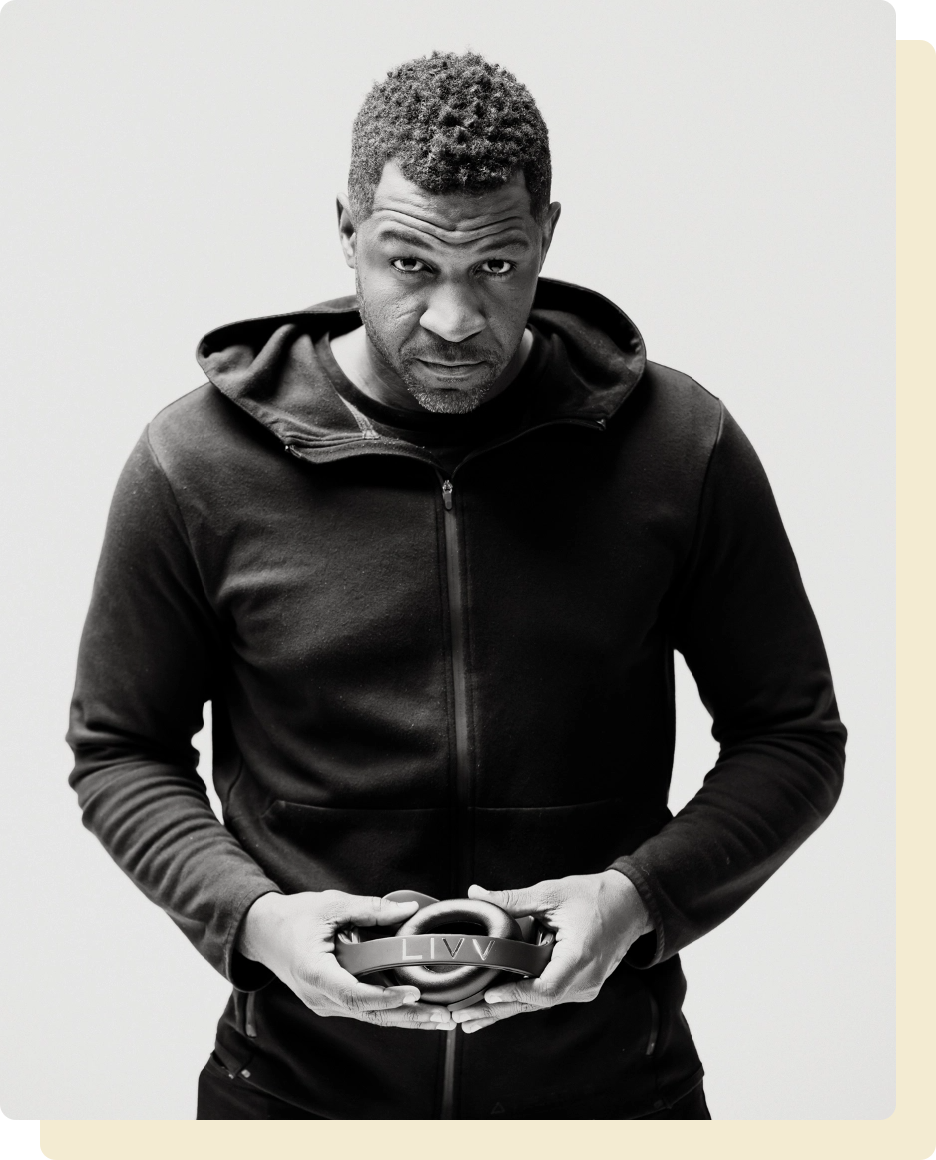
Mark Clayton Had Good Hands. His Headphones Had Other Plans.
The former Ravens receiver spent years learning how to make headphones stay put. Building LIVV Audio meant starting over, listening to unwelcome feedback, and finding a use for the patience football had taught him.
Samuel Ohev-Zion and the price of belonging
Before he put BLU on a phone, Samuel Ohev-Zion knew how to get one onto a shop counter. His career turns on a deceptively simple question: how much should joining the smartphone world cost?
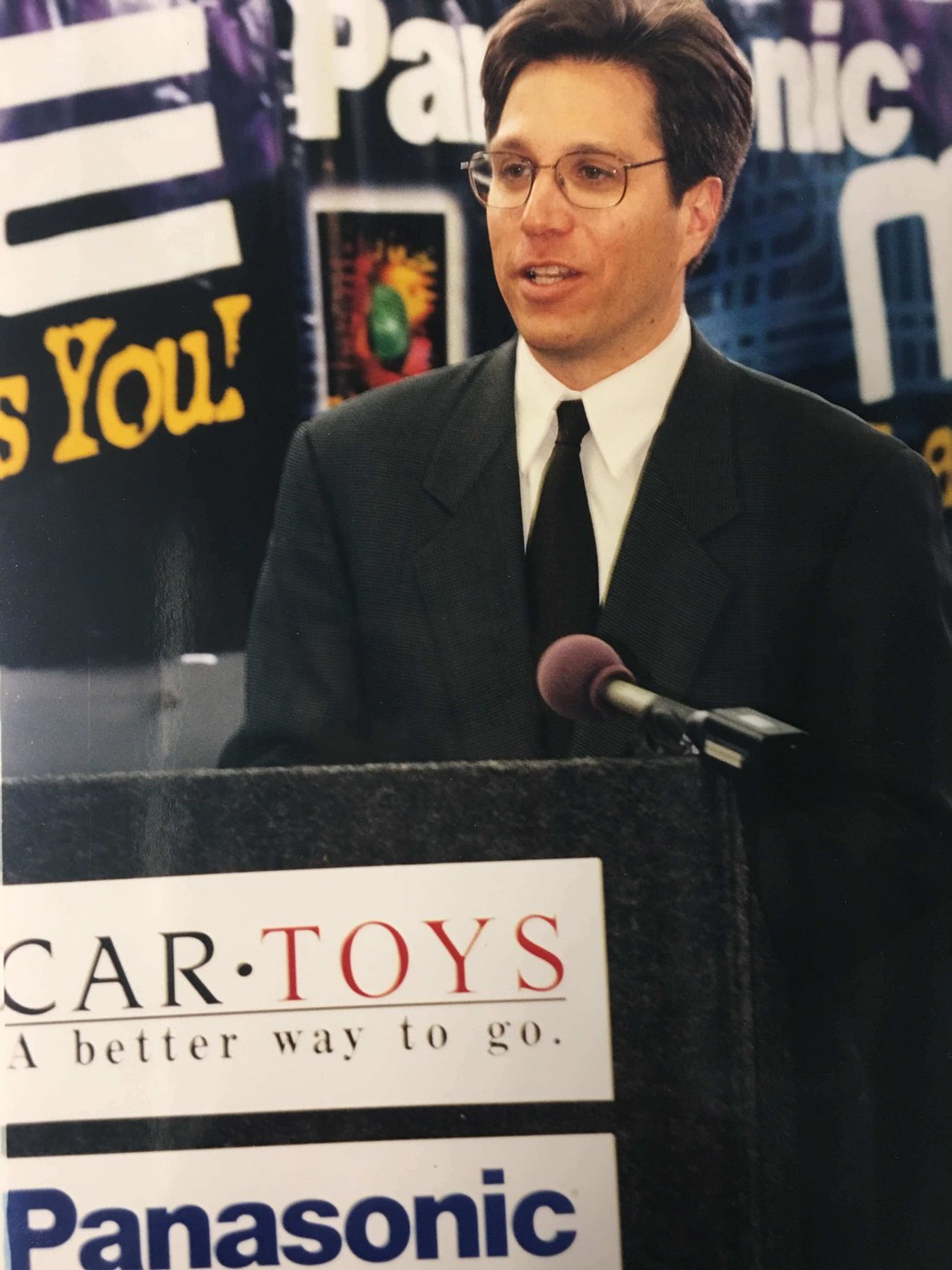
Dan Brettler and the Things That Outlast a Store
He built Car Toys from a Bellevue shop into a four-state chain. His work with Cindy Brettler on Seattle housing offers another way to measure what a founder leaves behind.
John Martino II and the price of starting again
The synseer founder keeps returning from retirement with another company to build. His advice to entrepreneurs begins with an awkward question: what is this opportunity really costing you?
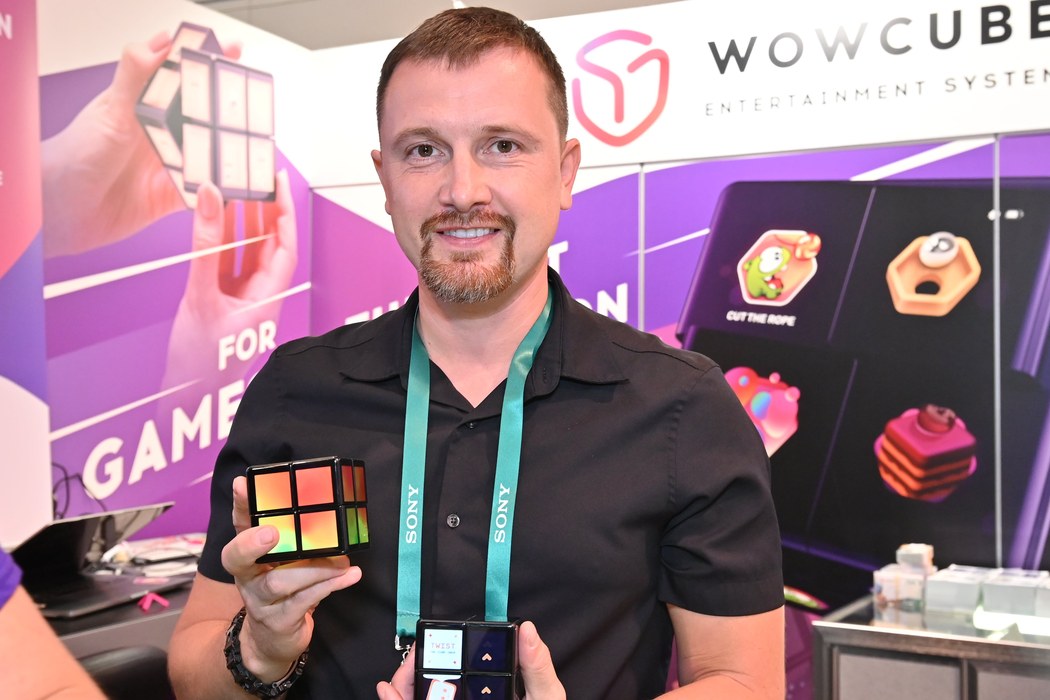
Max Filin and the trouble with a simple twist
After years in consumer electronics, Max Filin joined a team trying to put video games on a cube. Bringing it to market meant learning how much work can hide inside a quarter turn.