food-tech
(144)
Sharebite makes lunch do two jobs
A company meal can feed an employee and fund hunger relief. Sharebite built a business around making both happen in the same transaction.

e squared bets on the work nobody wants to do
From grocery aisles to the solo business back office, e squared backs companies that take work off someone’s hands. Its evolving thesis asks a blunt question: who will trust the software enough to let it operate?
Hungryroot sells a smaller to-do list.
The grocery company found room to grow by taking decisions off the dinner table. First, it had to stop trying to make everything itself.
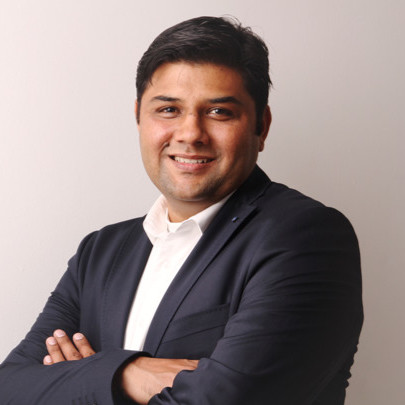
Manmit Shrimali and the Value of a Failed Experiment
Before he co-founded Turing Labs, Manmit Shrimali helped companies make sense of their data. Then he found a more stubborn problem: persuading them to learn from what went wrong.

Kevin Yu and the missing instructions for dinner
He could help build a world of dragons, but a three-course dinner defeated him. SideChef founder Kevin Yu has spent the years since turning the kitchen into a place where beginners get a fighting chance.

Jon Goldsmith and the Trouble With Dinner
He helped build DoorDash while still in high school. At Local Kitchens, Jon Goldsmith took on the harder part of dinner: getting different people, different recipes, and different appetites to work together.

Put a kitchen in the incubator
You Can Group took the scenic route from photo marketing to food innovation. Its most revealing idea was a kitchen where students could cook, build, and test what came next.
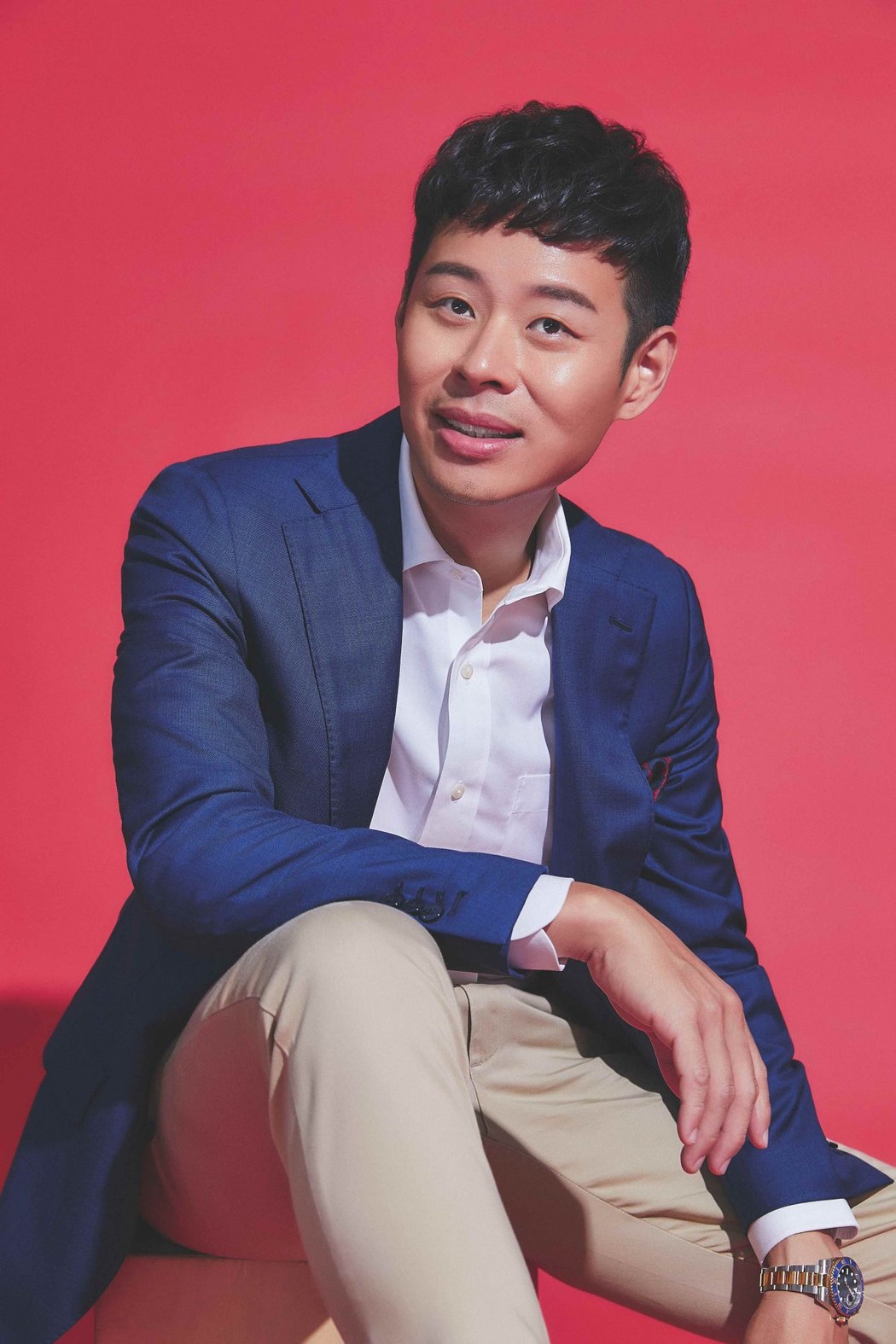
John Cheng and the unexpected afterlife of a sugar factory
He joined the family business to learn how the sugar was made. At Innovate360, John Cheng has turned a manufacturer’s facilities and relationships into a starting point for other food founders.

Ankush Grover and the restaurant nobody had seen
He joined Faasos in 2012 and became Rebel Foods’ global CEO in July 2025. In between, Ankush Grover helped rethink what a restaurant needs to be when dinner comes to the customer.

80 Acres Farms grew the salad. Could it grow the business?
It put farming under LEDs, brought greens to national grocery shelves, and kept building. Then the money stopped. The rise and wind-down of 80 Acres Farms reveal the distance between growing a crop and sustaining a company.

Salted Takes Dinner Beyond the Dining Room
A two-year cauliflower-wing experiment explains Salted better than the phrase “ghost kitchen.” This restaurant group is betting that delivery deserves its own recipes, its own systems, and a reason to order again.
Farmer’s Fridge makes room for a better lunch.
A salad in a vending machine sounds like a punchline. Farmer’s Fridge built a national business by taking the unglamorous part - getting fresh food to hungry people - seriously.
Niya Gupta and the price of a better lunch
From Singapore rooftops to cultivated pork in New Jersey, Niya Gupta keeps returning to the same question: can a different way of growing food earn its place at an ordinary table?
Alan Lai and the price of knowing
A bag of chia seeds in Uganda gave Alan Lai a question he could not leave alone. His answer became ProfilePrint, an ingredient-scanning business built around the people who still make the final call.
Eran Baniel and the art of getting a second act
Before he co-founded Incredo with his chemist father, Eran Baniel put Romeo and Juliet on a stage shared by Israelis and Palestinians. His later career took a different kind of persuasion: asking the food industry to make less sugar taste like more.
Henrik Bennetsen and the distance between an idea and a business
From a Danish music career to virtual worlds, drywall robots and butter made without farming, Henrik Bennetsen keeps returning to the same problem: getting an invention into everyday life. The Savor co-founder now works on the business of physical AI at Formant.
Licious sells meat. Trust is the hard part.
A chicken order is a small act of faith. Licious built a cold chain to earn it - then discovered that an online meat brand also needs a shop window.

Calo puts healthy eating on autopilot
The Bahrain-born company turned the daily chore of eating well into a meal subscription. Its retreat from Britain reveals how much work sits behind that simple promise.
KK Fund bets on the people who know the way in
A Singapore venture firm connects early-stage Asian startups with capital, industry knowledge and a Japanese investor network. Its most useful lesson: a promising market is easier to enter when somebody already knows the door.
VentureFuel wants your next big idea to come with a customer
From enterprise AI to cottage cheese, VentureFuel connects established organizations with startups that can solve a specific problem. Its most interesting move is making the buyer part of the experiment from the beginning.
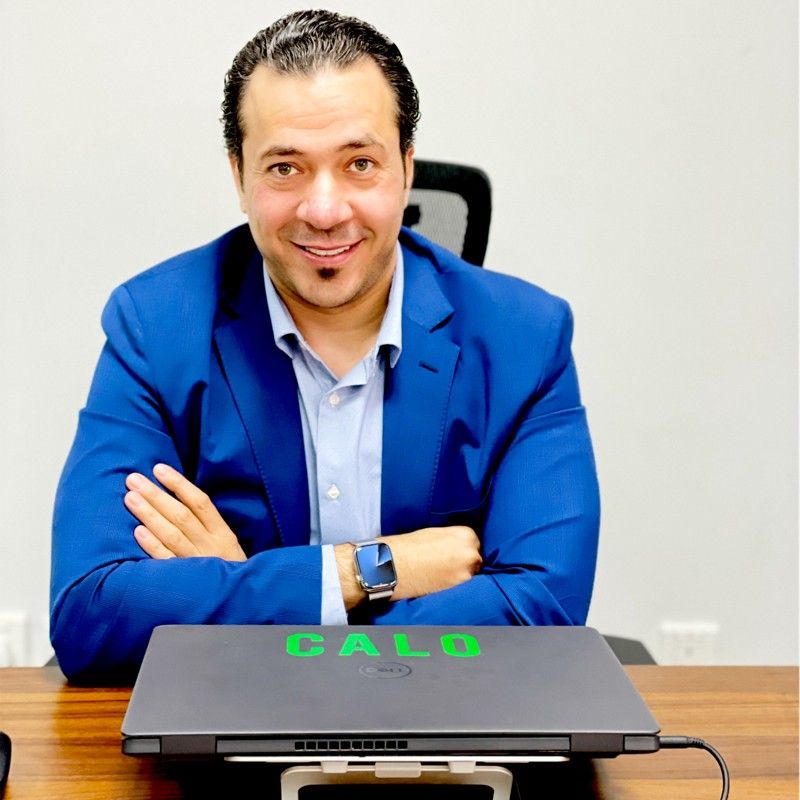
Majed Mehdi and the school that travels with the team
Before becoming Calo’s Chief Business Officer, Majed Al Mehdi worked his way through restaurant operations. His account of leadership begins with a simple test: what happens when the people you have helped start helping others?
Ahmed Rawi and the business of wanting more
A wedding photo booth, a football app, and a $2,000 experiment led Ahmed Rawi to Calo. His next lesson arrived after the company crossed into Britain: ambition also needs a return ticket.
Mori wants your strawberries to wear silk
A failed dessert experiment led to an edible protein coating. Mori is turning the silkworm’s oldest trick into extra time for food - and room to manoeuvre for the businesses that move it.

Bowery Farming grew the salad. Could it grow the business?
Bowery put leafy greens under LEDs, taught software to tend them, and reached grocery shelves. Its 2024 closure exposed the expensive distance between a working farm and a working business.
kencko sells the smoothie that skips the freezer
A rotten-fruit problem became a shelf-stable food business. Now kencko’s real test is getting its little packets into everyday routines - and the right supermarket aisle.

Smallhold closed its farms. The mushrooms kept selling.
A Brooklyn startup made gourmet fungi a spectacle, then learned how expensive the spectacle could be. Its second act asks whether a national mushroom brand needs to own the farms.
Local Kitchens solved the dinner argument. Growth was harder.
One kitchen, several cuisines, one bill: Local Kitchens made family dinner easier to agree on. Its expansion and subsequent closures reveal how much harder it is to make the restaurant itself work.
Lunchbox and the customer who got away
Restaurants cook the meal. Delivery apps often keep the relationship. Lunchbox wants to put both back on the restaurant’s side of the table.
The Seven-Minute Avocado and the Billion-Dollar Question
Food Rocket promised groceries before impatience could become a plan. For two years, it made the corner store feel obsolete - then discovered that speed, like champagne, is delightful precisely because somebody is paying dearly for it.
Arram Sabeti Put Lunch on a Spreadsheet - Then Learned to Leave the Table
He arrived in the Bay Area with a founder's ambition and briefly scooped ice cream. Then one tedious office chore became a company - and, years later, the company became only one chapter of a stranger creative life.