san-francisco
(2,346)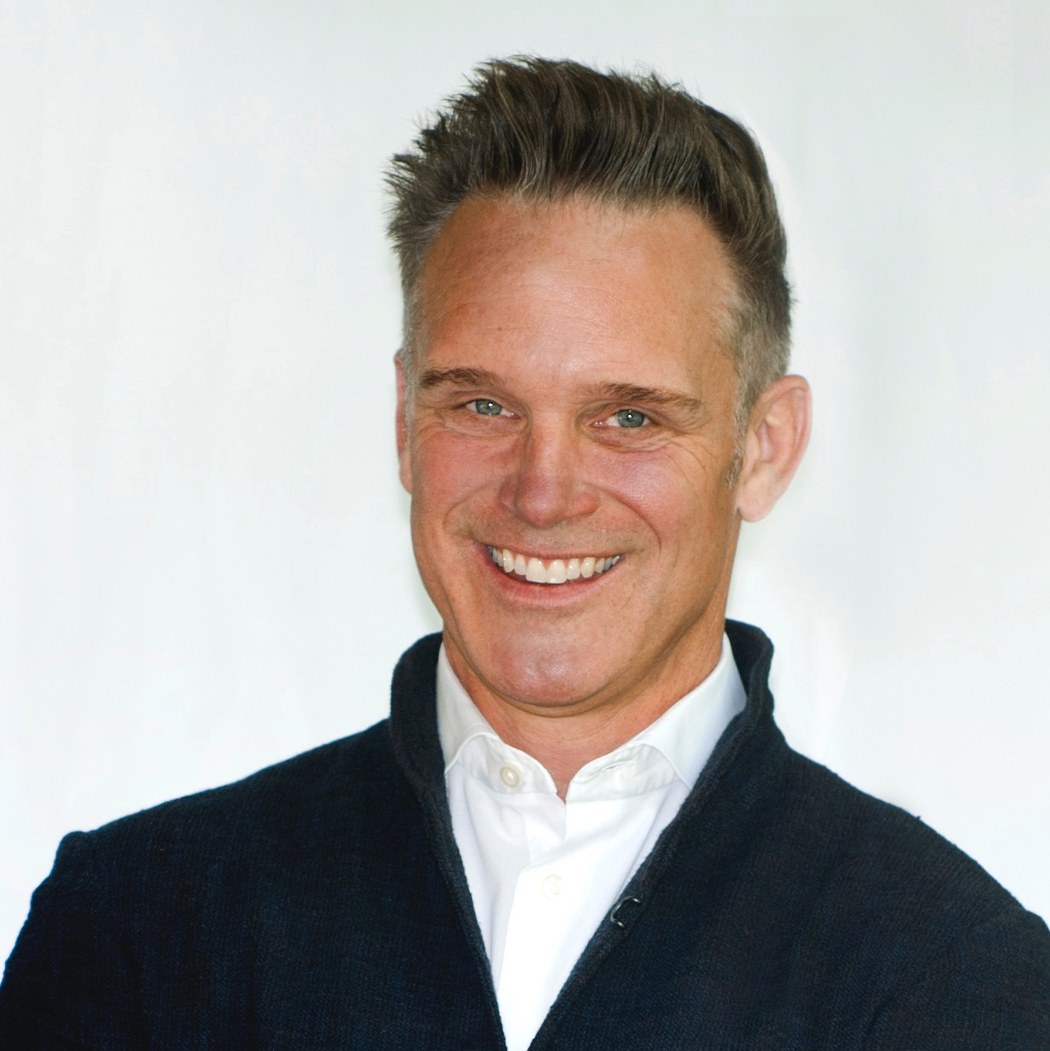
Steve McBee’s second theory of power
He built the firm that became Signal Group, then left Washington to change the energy business. Now Steve McBee is asking why an industry with commercial momentum still struggles to organize political power.
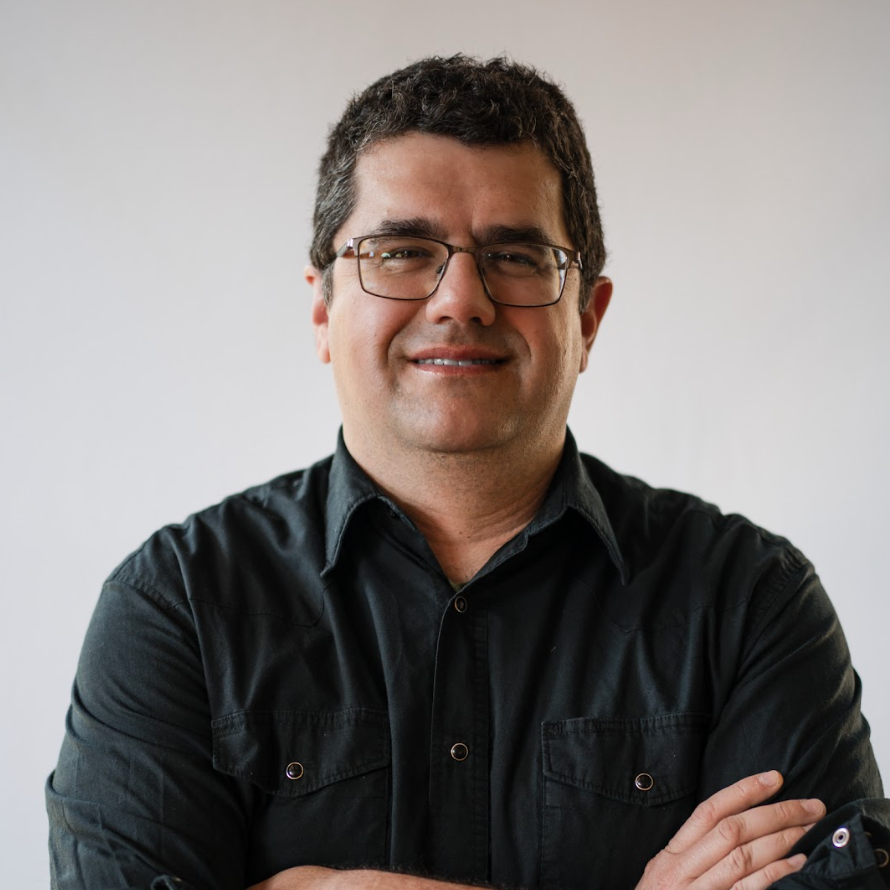
Dimitri Dadiomov and the meeting that wouldn’t end
A weekly gathering with yellow-highlighted bank statements helped send Dimitri Dadiomov into business. The Modern Treasury co-founder has spent the years since trying to make money easier to follow - and recently changed his own job to keep building.
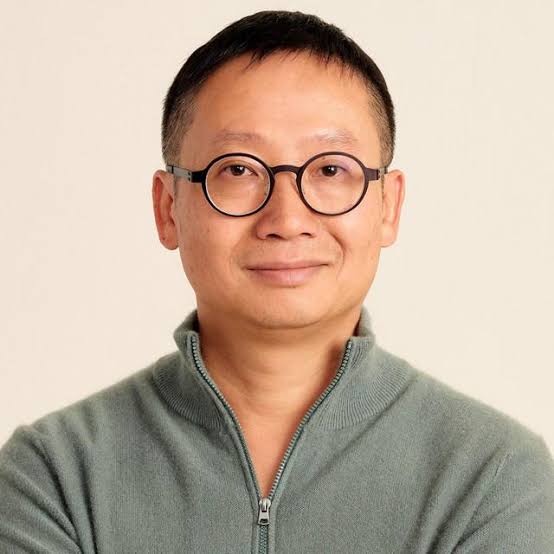
JJ Zhuang and the business of giving time back
He helped turn a small email startup into Outlook Mobile, then wrestled with the logistics behind Instacart. Now JJ Zhuang is asking what happens when software becomes easier to build than the ideas behind it.
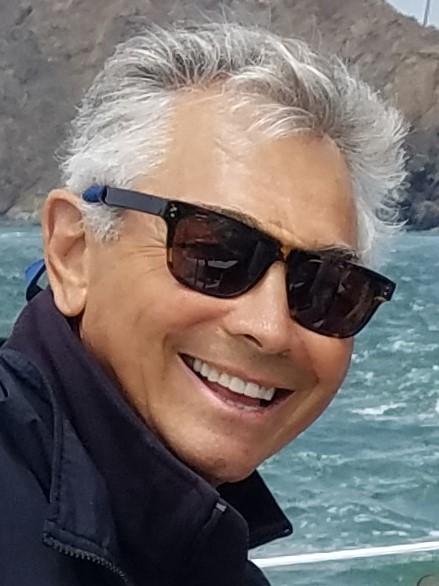
Ron Young keeps finding the right crew
From an America’s Cup campaign to a social network for marketers, Ron Young has spent his career bringing specialists together. His other regular appointment is a sailing luncheon, where the introductions keep coming.

Sarah Segal and the art of getting out of the way
She spent years learning which stories deserved attention. Building Segal Communications brought a harder assignment: creating a business that could carry on without her in every conversation.
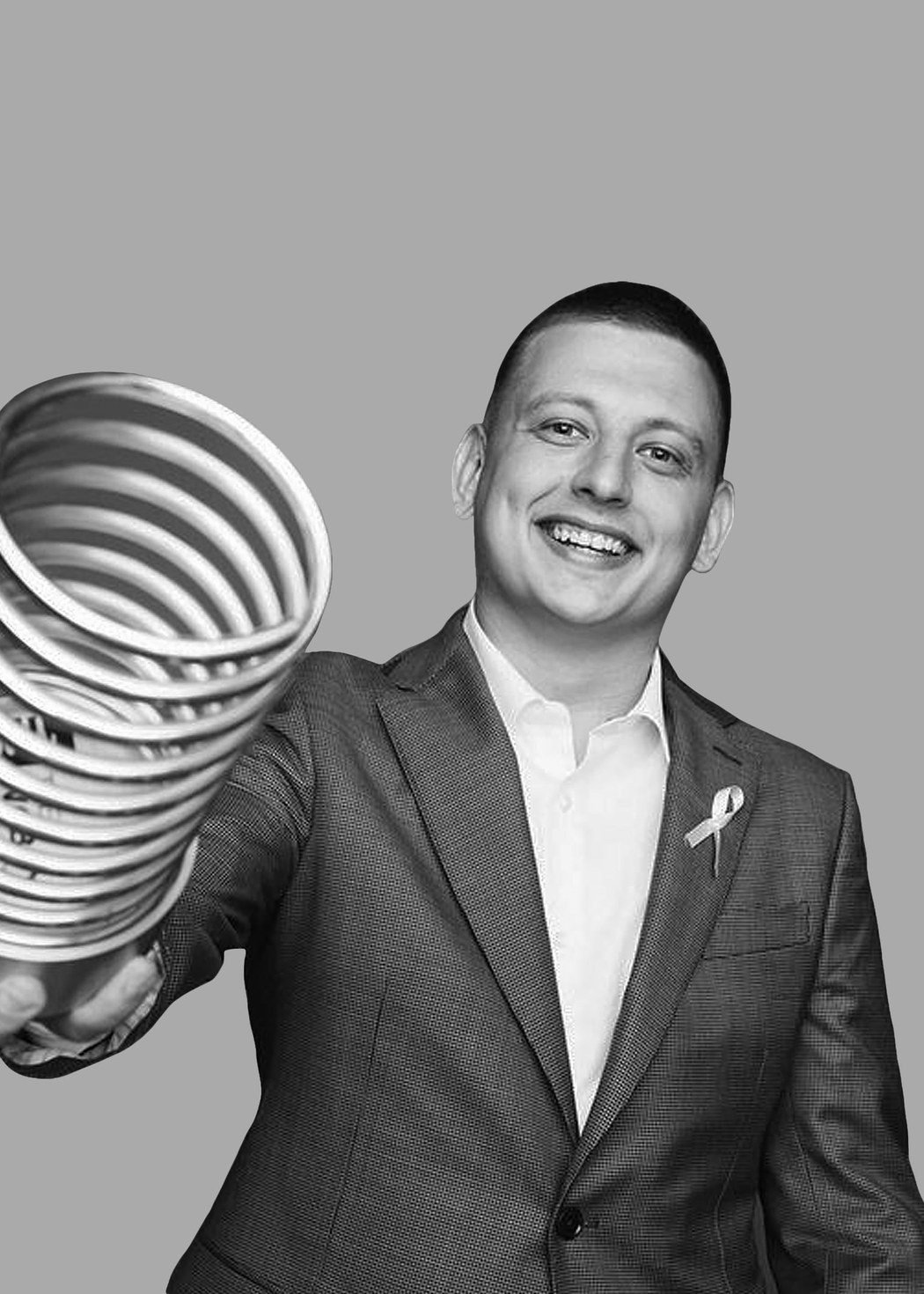
Kirill Lazarev’s education in other people’s businesses
A watch-selling website gave Kirill Lazarev a way into design. A decade later, the founder of Lazarev.agency is applying the same business curiosity to the promises AI products make.
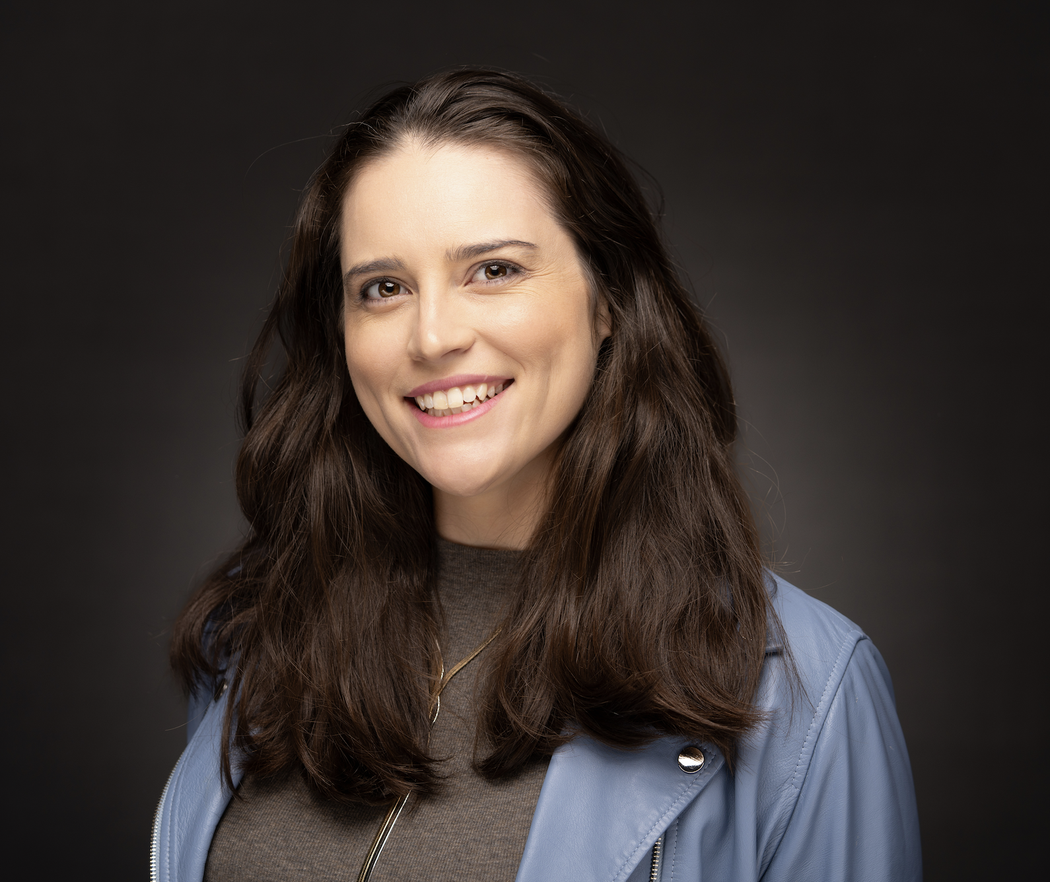
Dori Wilson and the trouble with a beautiful chart
She co-founded Thorntale to help people tell stories with data. Her work since then keeps returning to a harder question: what makes a number worth trusting?
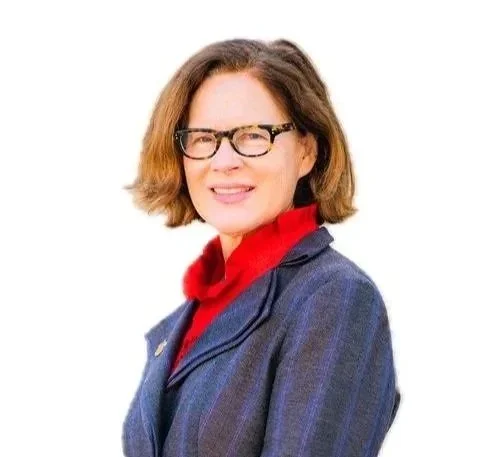
Thea Selby and the case for taking the bus
A marketing founder asked San Francisco’s politicians to ride Muni for 22 days. The experiment helps explain a career spent getting people into the same conversation - on transit, in publishing and around the Lower Haight.
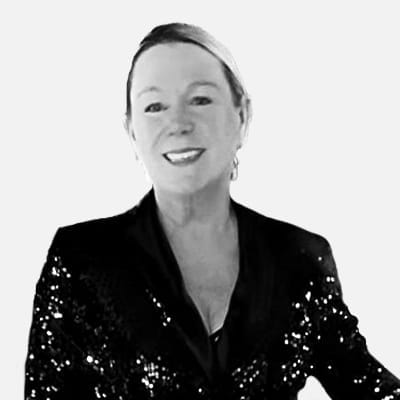
Kathleen Shanahan and the business of being understood
A London business trip in 2008 captures Kathleen Shanahan’s early ambition for BOCA. Her work since has joined technology storytelling to the practical demands of running an agency.
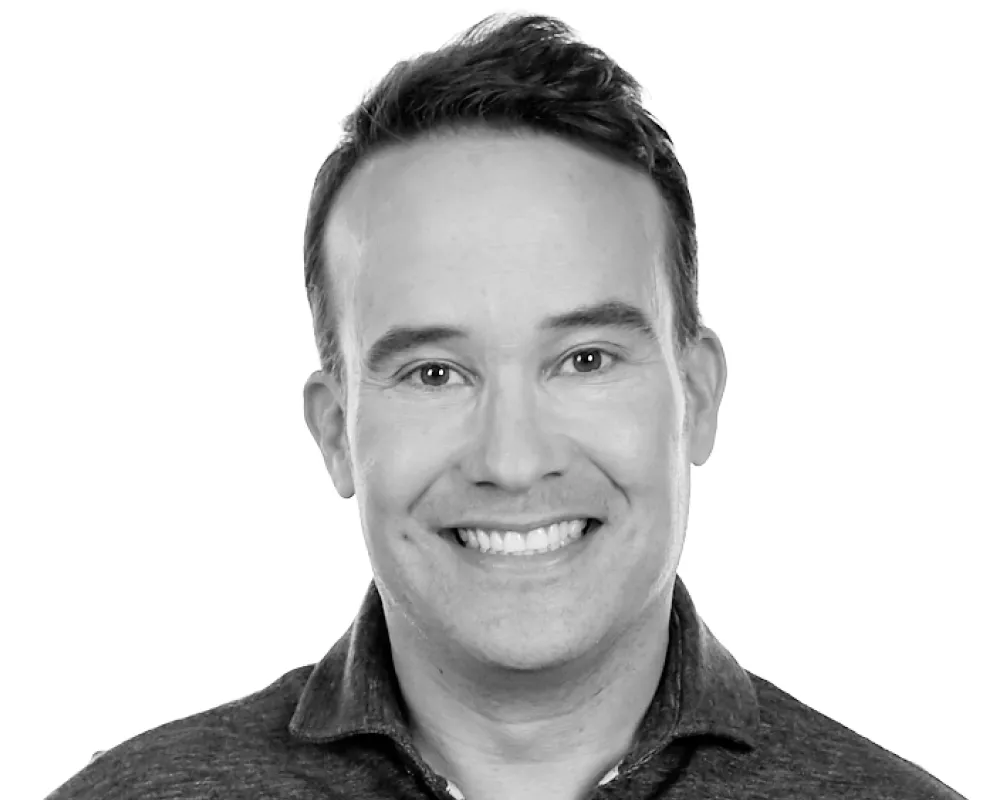
Tom Chavez and the Problem With Being Three Years Early
He helped companies make better use of customer data. Now the Ketch co-founder wants people to have a say in what happens to it - and has learned how long a good idea can wait for its customers.
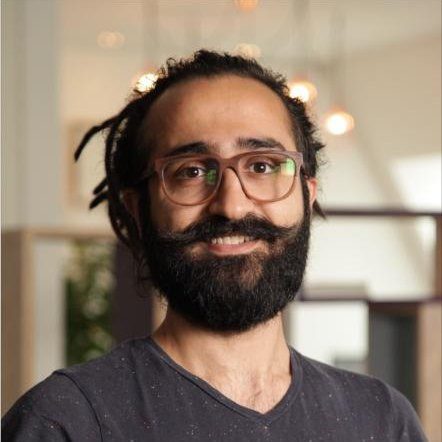
Gercek Karakus and the Cost of Free
A cloud credit package worth $500,000 looked like a gift. For Raklet founder Gercek Karakus, the bill that followed became one chapter in a longer education: how to build a software company that can pay its own way.
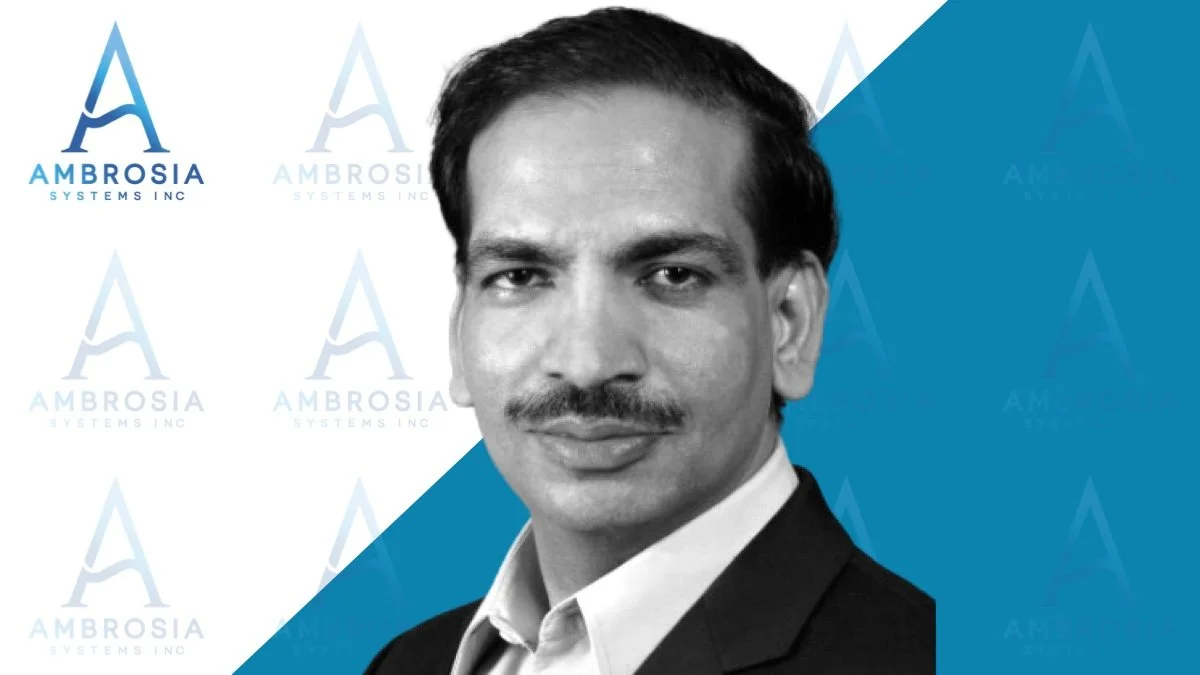
Piyush Gupta and the $1,000 opening to a bigger world
An engineer, a watch, and a distributor’s first order. Ambrosia Systems founder Piyush Gupta’s story follows the practical work of making technology easier to use, afford, and reach.
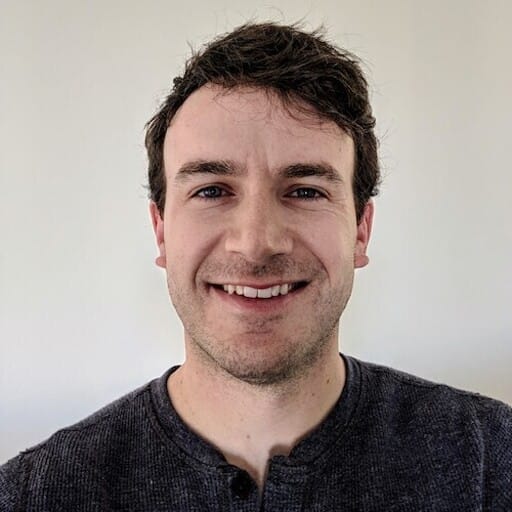
Ryne Saxe and the long way to a simpler dollar
Before Eco, Ryne Saxe studied atoms and negotiated technology deals. His education in money began earlier, watching his father do business on the strength of his word.
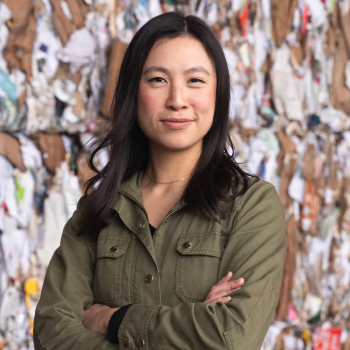
Rebecca Hu-Thrams and the second life of everything
An empty margarine tub was useful in Rebecca Hu-Thrams’s childhood home. At Glacier, she is applying the same idea to a much larger pile of things people have finished with.

Shannon Wu Wants the Computer to Let You Get On With Your Life
Before OpenHome, Shannon Wu helped bring decentralized identity and finance to market. Now she is building voice technology around a familiar conviction: people should have more say in how their tools work.
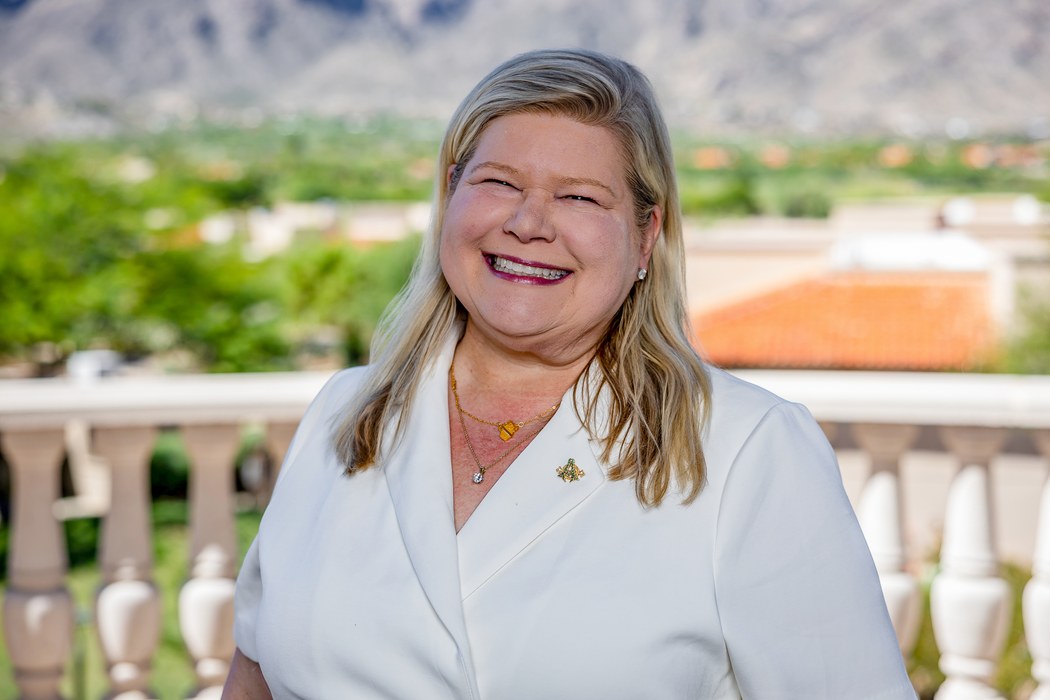
Jennifer Johnston and the case of the missing schoolchildren
At Franklin Templeton, Jennifer Johnston reads the future of public finance in school rolls, city budgets and the decisions of local leaders. Her own career has kept returning to the institutions that hold a community together.
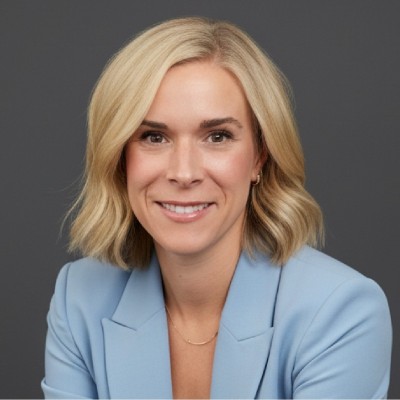
Iska Saric and the art of saying just enough
Before she spoke for Mark Zuckerberg, Iska Saric captained a rowing team and explained Google hardware. Her career offers a close look at the work behind a very public voice.
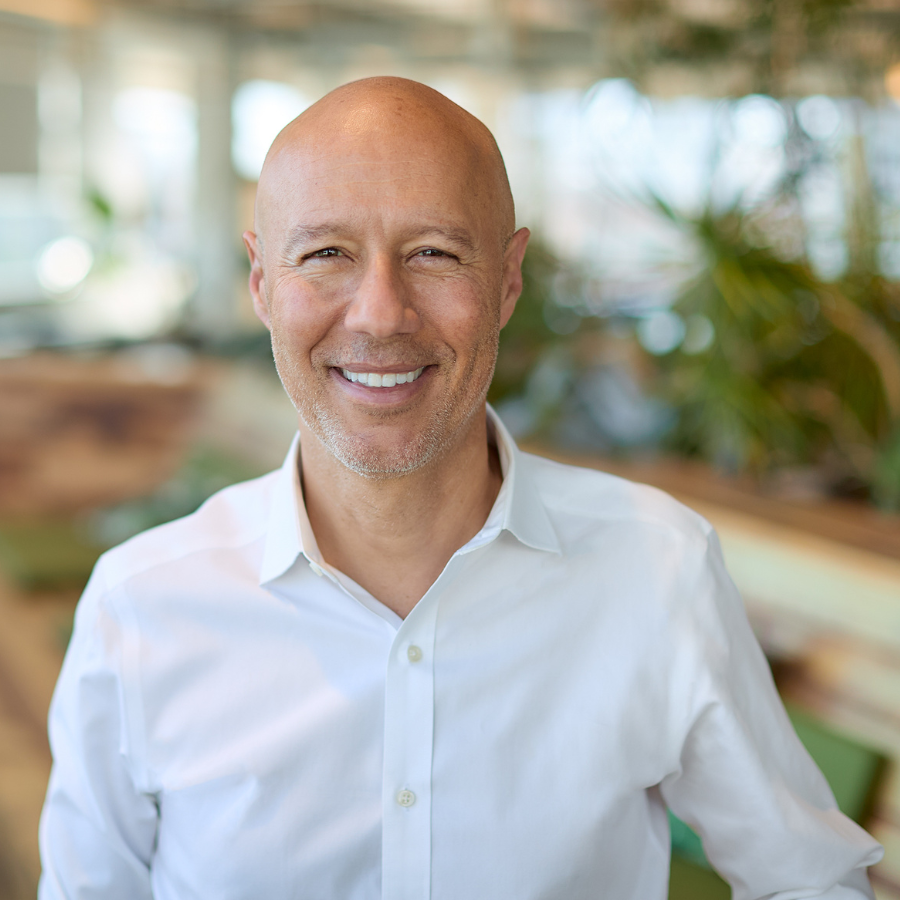
David Risher and the trouble with good enough
A paper route, a locked library and a cancelled ride help explain Lyft’s CEO. David Risher has spent his career asking why things that almost work still let people down.
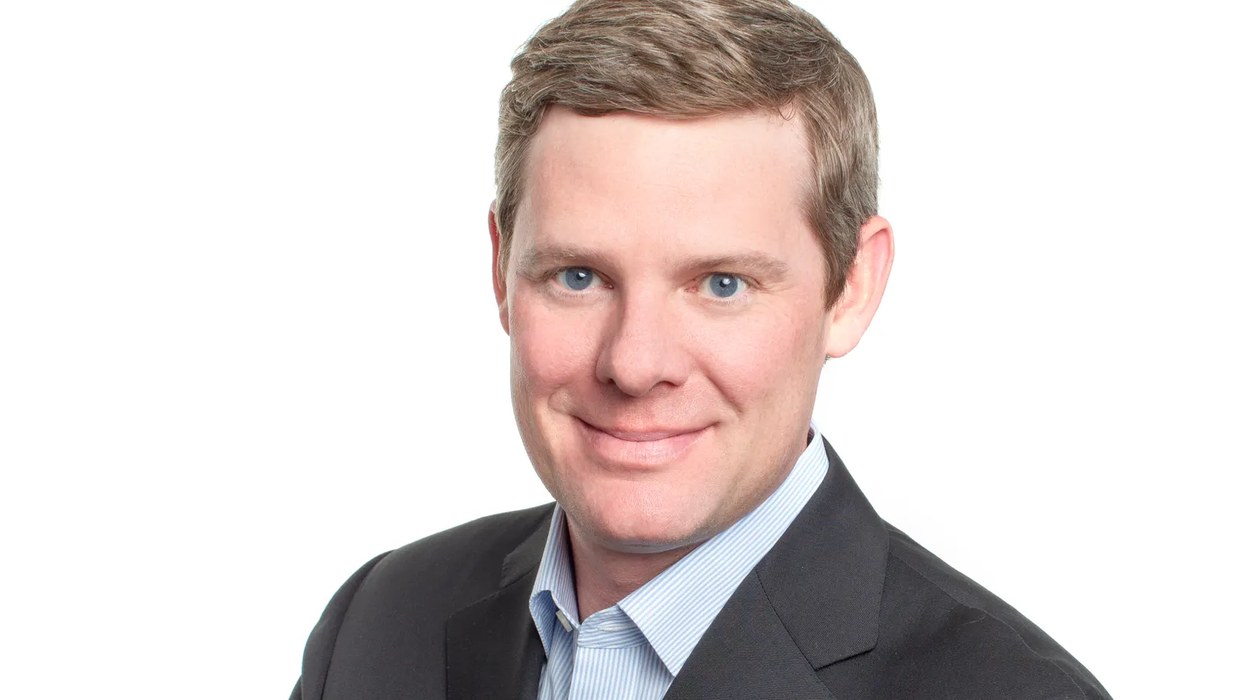
Ryan McInerney and the distance between shopping and paying
He spent years learning how people bank, then a decade learning how Visa works. Now Ryan McInerney is testing how much of the checkout people will hand over to a machine.
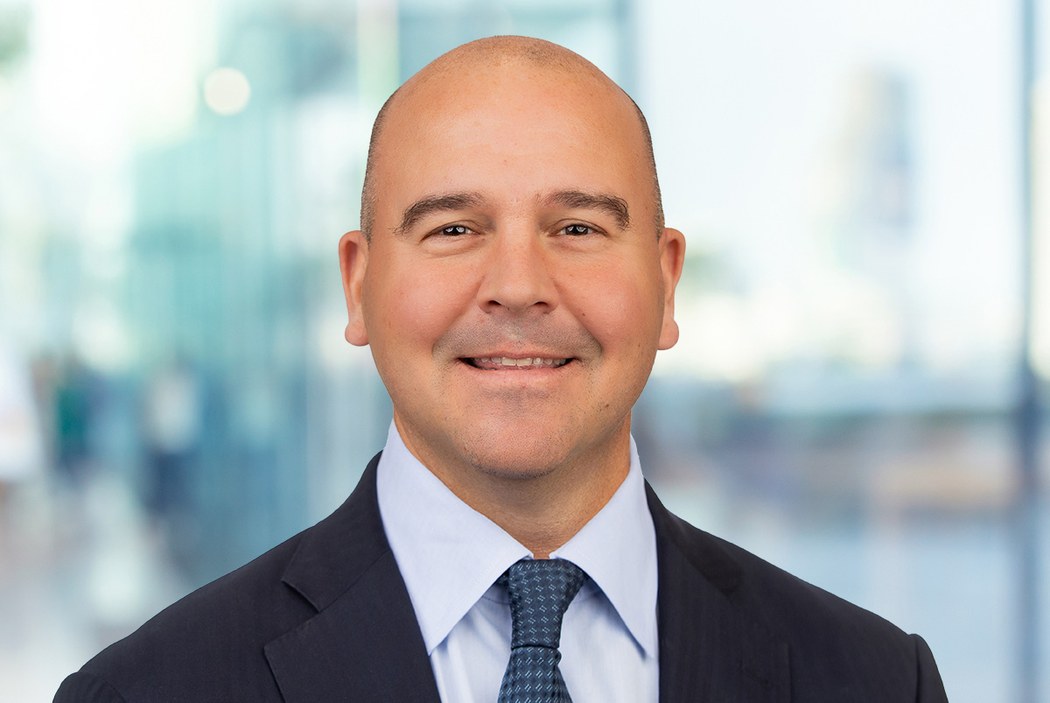
Dan Letter and the art of taking the middle chair
After two decades inside Prologis, Dan Letter inherited the CEO job through a five-year handover. Now the civil engineer is putting a warehouse company’s land, roofs and power connections to a broader test.
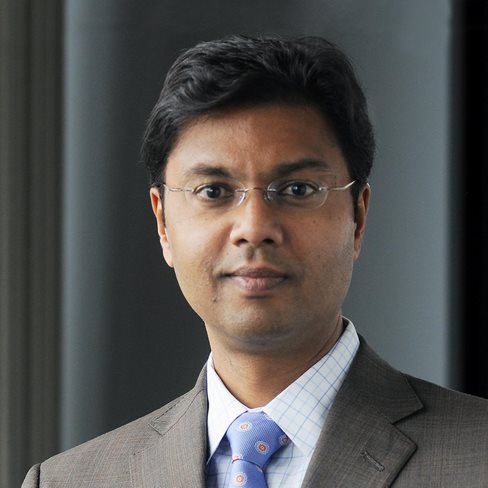
Saum Sutaria and the art of leaving a number unchased
After 18 years advising other people’s businesses, Saum Sutaria took responsibility for running Tenet. His rise at Tenet is a story of succession, restraint, and the decisions that survive the presentation.
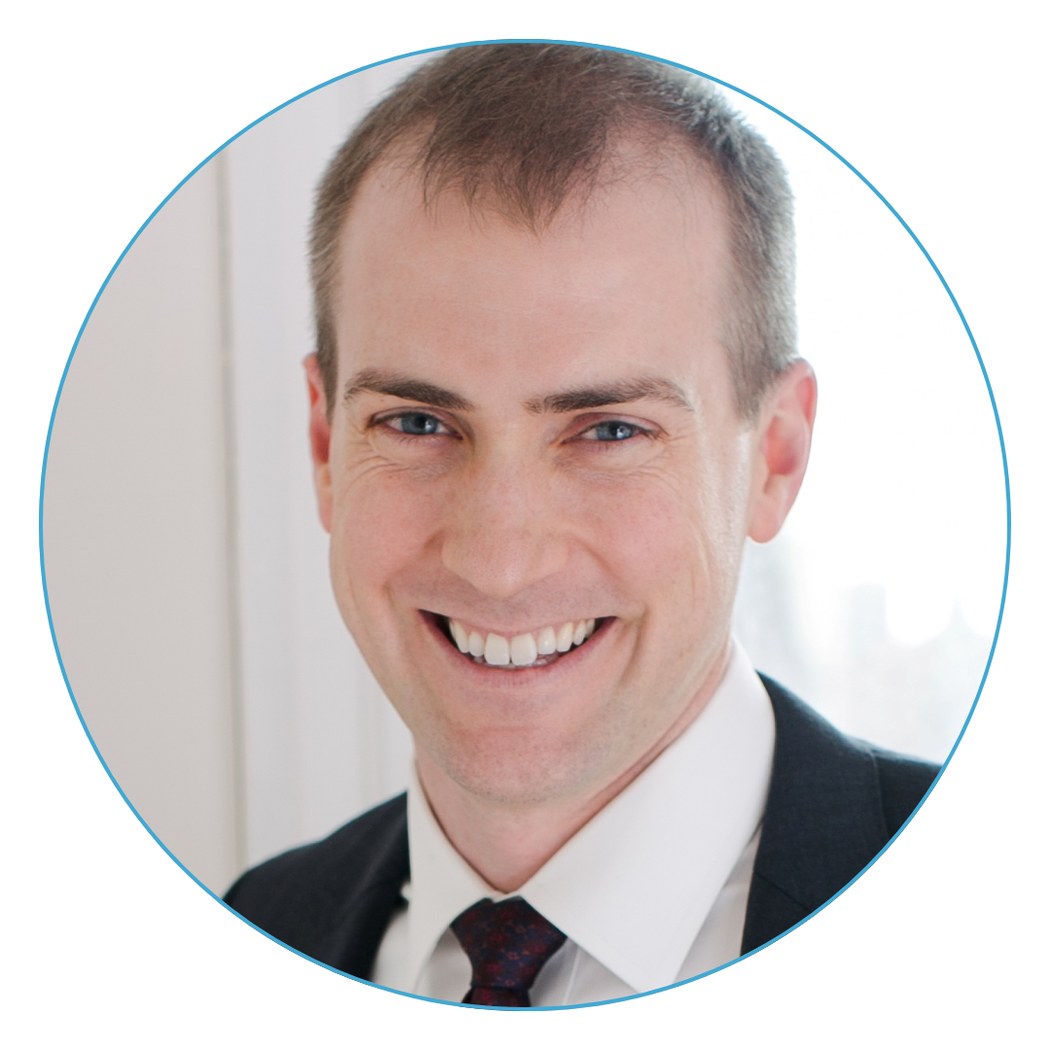
Andy Lunsford and the Trouble with Having a Plan
A privacy lawyer kept seeing companies scramble after a breach. At BreachRx, Andy Lunsford is working on the less glamorous question that follows the alarm: who does what next?
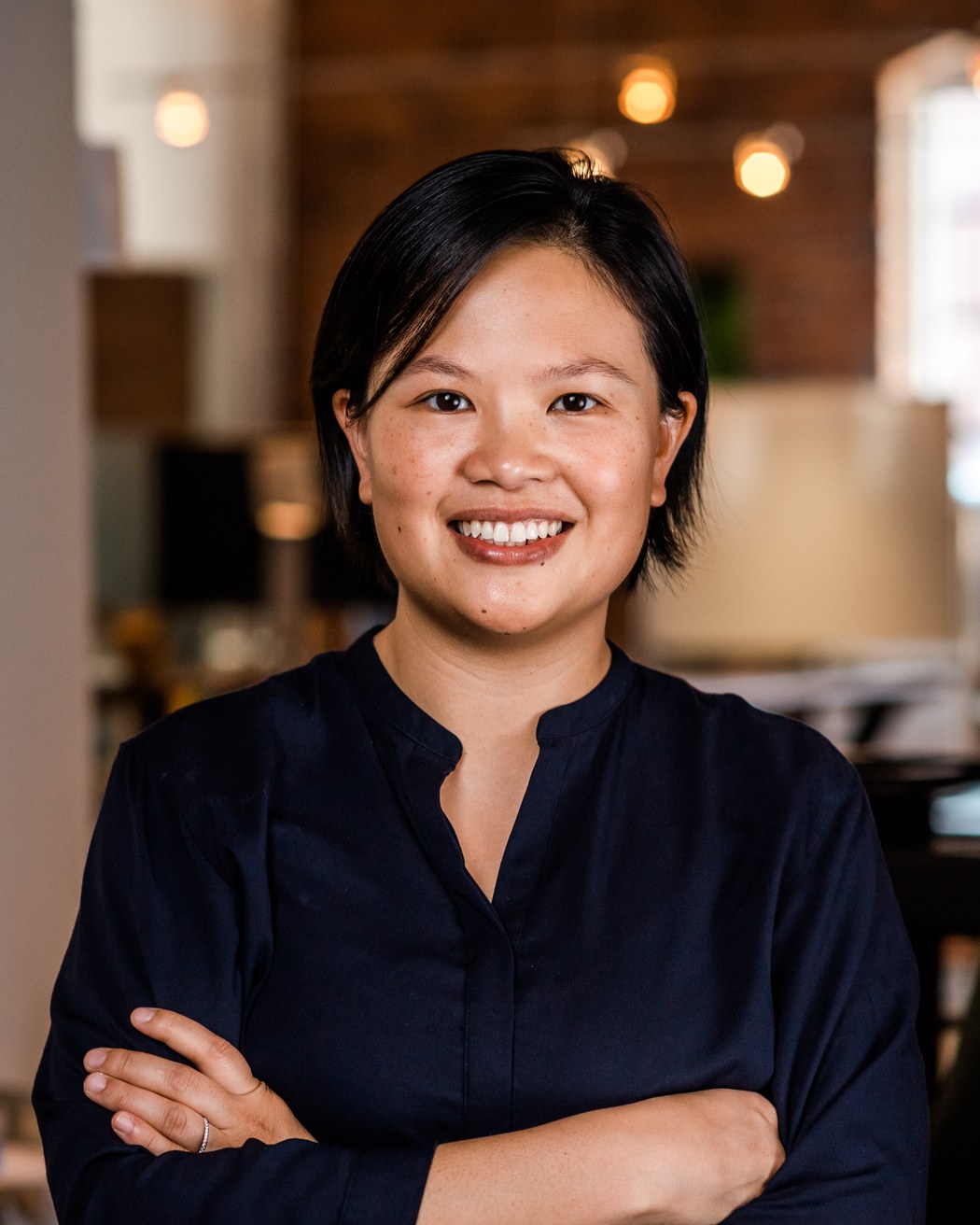
Kyna Fong and the advantage of staying close
Before she co-founded Elation Health, Kyna Fong was a table tennis champion, a teenage office manager, and a Stanford economist. Her career has kept bringing her back to the same question: what happens when an idea meets the person who has to use it?
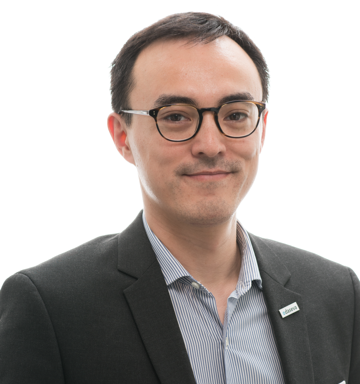
Sovan Bin and the business of being trusted
A hiring mix-up sent a business graduate into software. Sovan Bin stayed, became a Salesforce architect, and built Odaseva around a question his customers could not afford to leave unanswered: what happens to the data?

Patrick Hogan and the Business of Waiting
He grew up around lumber, built software for customer conversations, then returned to an old construction problem: getting paid. At Handle.com, Patrick Hogan is connecting the paperwork that keeps money from moving.
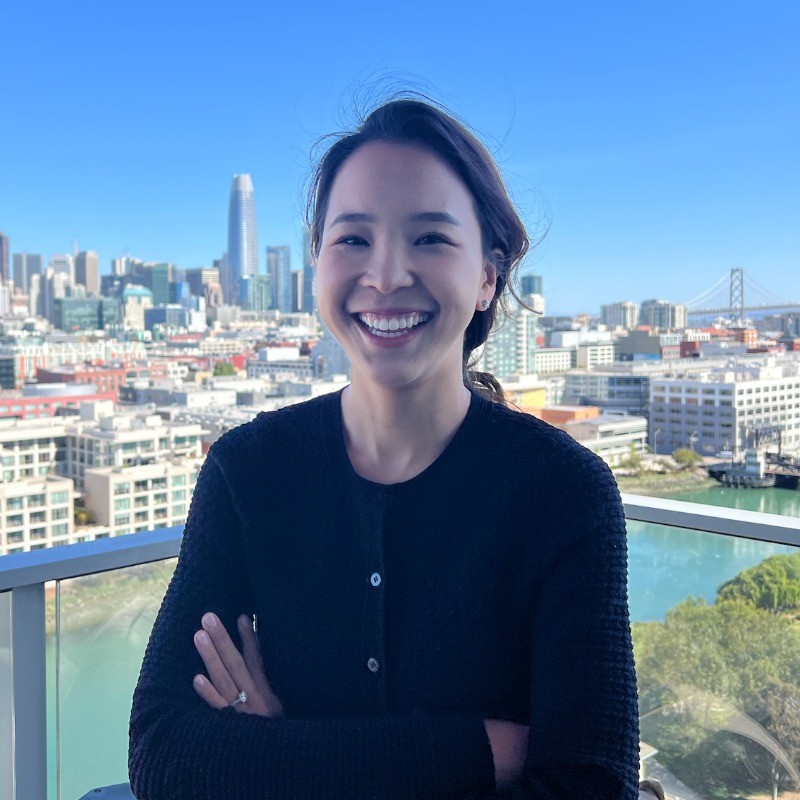
Yunha Kim and the art of changing her mind
She left Wall Street, built Locket, walked away from Stanford, and sold Simple Habit to make room for her next company. Yunha Kim’s career makes a case for knowing when to move on.

Jack Jay and the surprisingly ordinary shape of the future
Jackson Jesionowski built Persist around people waiting for a chance to build. At Open Droids, he is taking that same argument into the physical world, one wheeled robot at a time.
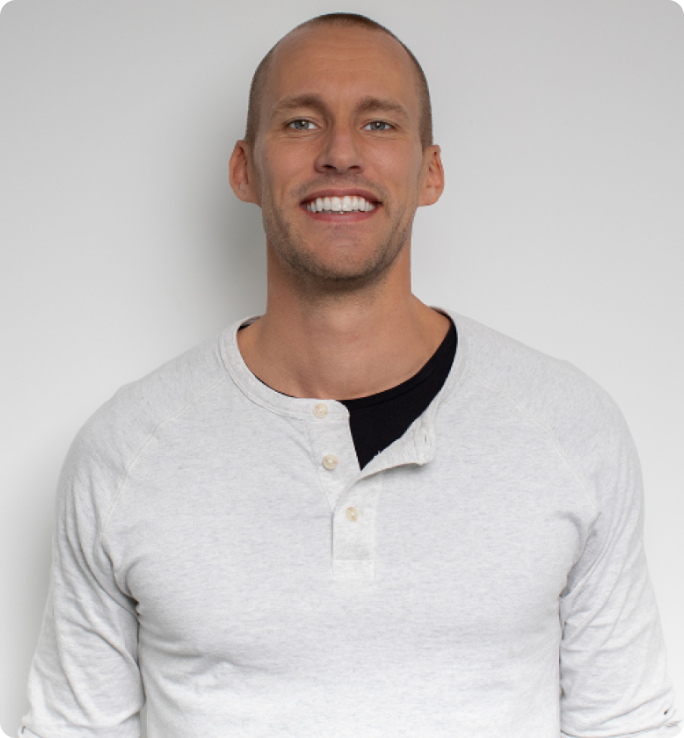
Christian Wiklund and the bug that would not stay small
A crashing app in Poland helped give Christian Wiklund his next company. After Skout, the unitQ co-founder turned an expensive lesson in listening into a business of its own.
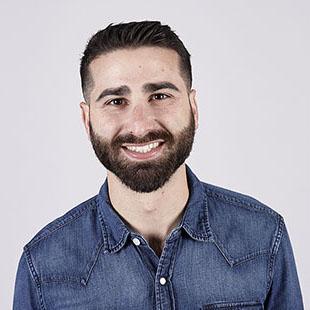
Jordan Nemrow and the trouble with a good idea
A music startup taught Jordan Nemrow the cost of building before listening. At Woflow, he turned his attention to the work people were already tired of doing.

Robert Fenton went west. The office went everywhere.
The Qualio founder moved from Ireland to San Francisco to learn how to build a global company. He has spent the years since making geography less important for everyone else.