servicenow
(90)
I.T. Solutions fixes the space between systems
A clinical batch can travel through sophisticated software and still get stuck in a spreadsheet. I.T. Solutions builds its business around the handoffs that enterprise technology leaves unfinished.

Technogen makes the handoffs work
Enterprise software can do remarkable things. Technogen works on the less glamorous problem: getting the systems, people, and processes around it to cooperate.
Neev makes the handoffs work.
The expensive part of enterprise software often lives between the applications. Neev Systems has built a business connecting the pieces - and, sometimes, handing the team back to the customer.

Michael Vadini and the price of keeping faith
At TITAN, Michael Vadini gave investors more shares and reduced his own stake. Through SignUpGenius, the family business behind Glew, and Infocenter’s sale to Insight, his career keeps returning to the people behind the systems.

Yevgeny Dibrov and the value of looking closer
Before Armis became a $7.75 billion acquisition, Yevgeny Dibrov was asking security chiefs what they could not see. His route from Rehovot to ServiceNow runs through a stubbornly personal habit: staying close enough to hear the answer.

Ripton Solutions and the art of leaving software alone
Ripton Solutions sells a practical promise: get more from ServiceNow without rebuilding it. Its most revealing projects show exactly when that rule needs to bend.

SGS Technologie makes the paperwork move
A $396,840 county website contract reveals the business behind SGS Technologie: turning the slow, awkward machinery of organizations into software people can actually use.

Arohak makes the handoffs work
A laptop with three names. An order trapped in a portal. A file crossing an ocean. Arohak builds its business around the awkward spaces between enterprise systems.

Everforth’s $630 Million Bet on Working Together
ASGN bought specialists. Everforth wants them to think as one. Inside a $4 billion technology business betting that the hard part of AI is getting the rest of the company to work with it.

Armis and the machines hiding in plain sight
A hospital counted its connected devices. Armis found roughly twice as many. Inside the cybersecurity company that turned an incomplete inventory into a $7.75 billion acquisition.

Palni makes the software worth using
The enterprise already has the software. Palni works on the awkward part: connecting the data, fixing the workflow, and getting people to use it.
Blue Mantis makes complexity somebody’s job.
The former catalog reseller now sells the work that follows the purchase: securing systems, untangling cloud bills, and keeping a growing business running.

Seth Ravin and the expensive habit of starting over
Seth A. Ravin built Rimini Street around a question software buyers rarely get to ask: what if we kept what already works? Two decades, a public listing and a long legal fight later, he is asking it again in the age of AI.

Brendan O’Connor and the trouble with a trusted cloud
After a decade at Salesforce, Brendan O’Connor discovered how much he still had to learn at ServiceNow. That uncomfortable lesson became AppOmni - and a career spent asking who really has the keys.

Infocenter makes the handoff work
A home-care company had 15,000 sheets of paper to move every month. Infocenter’s answer explains the business behind its ServiceNow practice - and why the work keeps going after launch.
SDI Presence Makes the Invisible Work
Cities run on systems most people never see. SDI Presence keeps those systems working - and is using the work to open a new door into tech.
Crossfuze makes the software earn its keep
Buying ServiceNow is the easy part. Crossfuze tackles the harder job: turning an expensive platform into shorter queues, clearer decisions, and work that actually moves.

Sakon finds the money hiding in your phone bill
A waived fee. A forgotten circuit. A phone still assigned to someone who left. Sakon connects the records that let telecom waste hide in plain sight.

GlideFast makes the handoff work
Buying enterprise software is the easy part. GlideFast built a business around what happens next: getting people, systems and stubborn old processes to work together.

Raleigh’s AI Cut IT Costs 66%. Do Residents Win?
Raleigh reports a cheaper internal service desk with ServiceNow AI. The next test is whether that efficiency reaches residents—and whether a person is still there when automation fails.

Tarun Thakur and the question that followed the data
He sketched a company on paper napkins, sold it, and came back with a harder question: who can do what with your data? Tarun Thakur’s path from Datos IO to Veza is a story about permissions, customers, and learning to loosen your grip.

Blayne Shell and the long route to a short answer
From outsourcing sales to customer experience and nearshore technology, Blayne Shell’s career follows a stubborn business problem: getting people the help they came for.
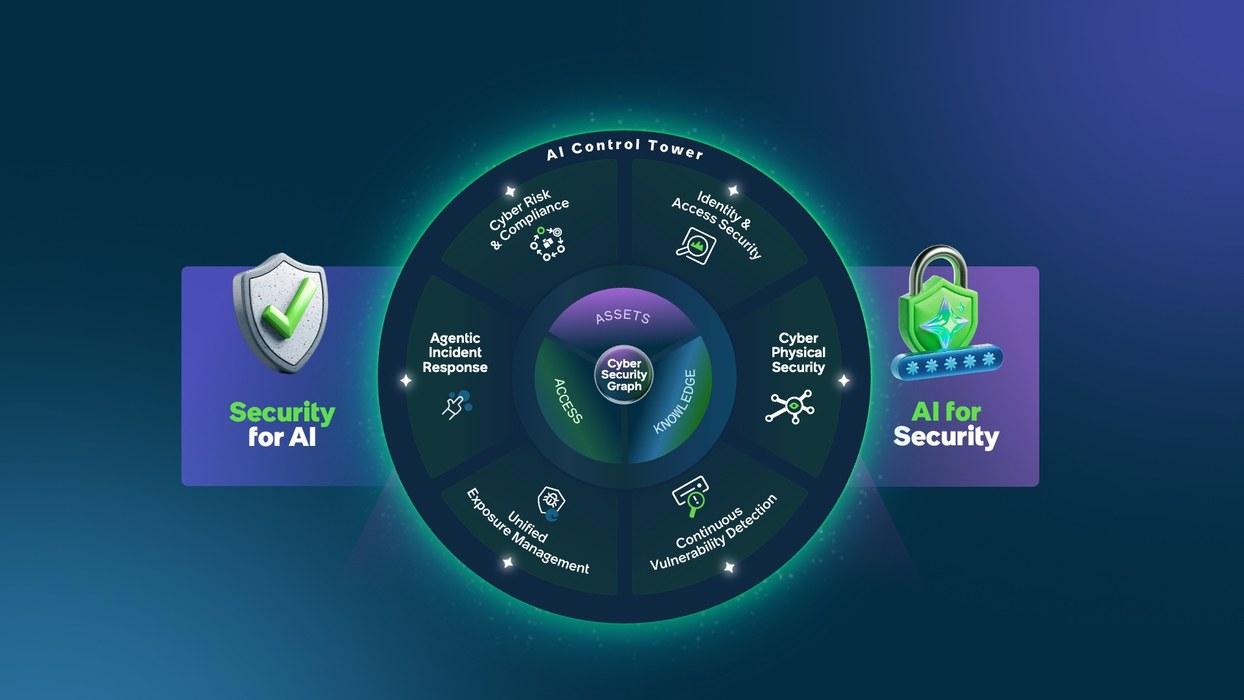
ServiceNow Autonomous Security Has Two Launch Dates
ServiceNow’s August launch puts remediation tools in buyers’ hands. Four headline AI capabilities are due in December—and the work of deciding who may act starts now.

India’s AI Spending Soars. Governance Misses the Meeting
ServiceNow reports a 119% jump in India’s enterprise AI investment, yet only 22% report testing, auditing and risk-assessment processes. The next spending decision turns on who gives agents permission to act—and who can stop them.
Nuvolo makes the building remember
A desk, a medical device and a leaking refrigerator have something in common: somebody has to know their history. Nuvolo puts that memory to work - and Trane Technologies paid $352.6 million upfront to buy it.
Clear Skye puts identity security where the work already happens
The company built identity governance inside ServiceNow. Its wager: people will make better access decisions when security shares an address with their everyday work.

NuAxis Innovations and the art of making government less trying
Twenty-two agencies. One service desk. NuAxis Innovations built its federal IT business around a deceptively difficult task: making technology work for the people obliged to use it.
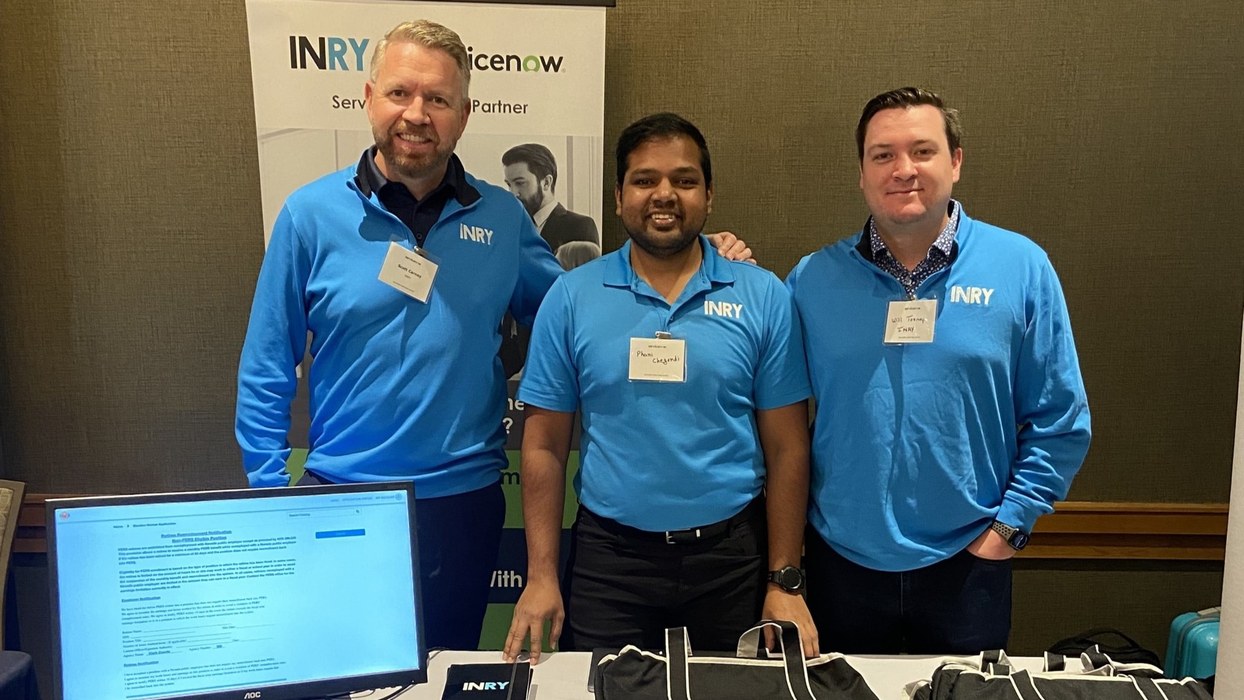
INRY’s Six-Week Portal Swap Put Requests on the Fast Track
INRY replaced its employee portal in six weeks and reports 60% shorter median submission time for self-service allocation requests. The telling question is what happens after an employee hits send.

data.world and the trouble with knowing too much
A company can own mountains of data and still struggle to answer a simple question. data.world built a business around the missing connections - and ServiceNow bought it for the age of AI.
NetImpact Strategies and the Art of Keeping the Old Machine Running
Government software rarely gets the luxury of a clean slate. NetImpact Strategies has built a business around the less glamorous question: what can you improve while the mission keeps moving?