servicenow
(15)
Raleigh’s AI Cut IT Costs 66%. Do Residents Win?
Raleigh reports a cheaper internal service desk with ServiceNow AI. The next test is whether that efficiency reaches residents—and whether a person is still there when automation fails.
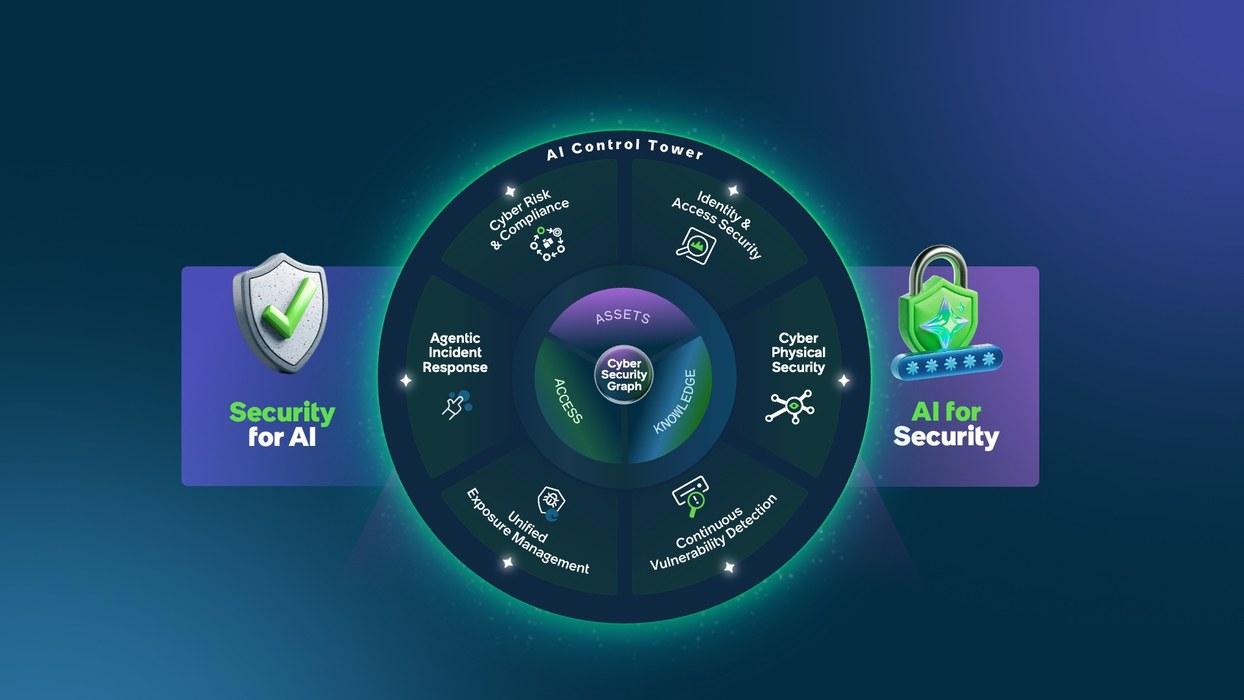
ServiceNow Autonomous Security Has Two Launch Dates
ServiceNow’s August launch puts remediation tools in buyers’ hands. Four headline AI capabilities are due in December—and the work of deciding who may act starts now.

India’s AI Spending Soars. Governance Misses the Meeting
ServiceNow reports a 119% jump in India’s enterprise AI investment, yet only 22% report testing, auditing and risk-assessment processes. The next spending decision turns on who gives agents permission to act—and who can stop them.
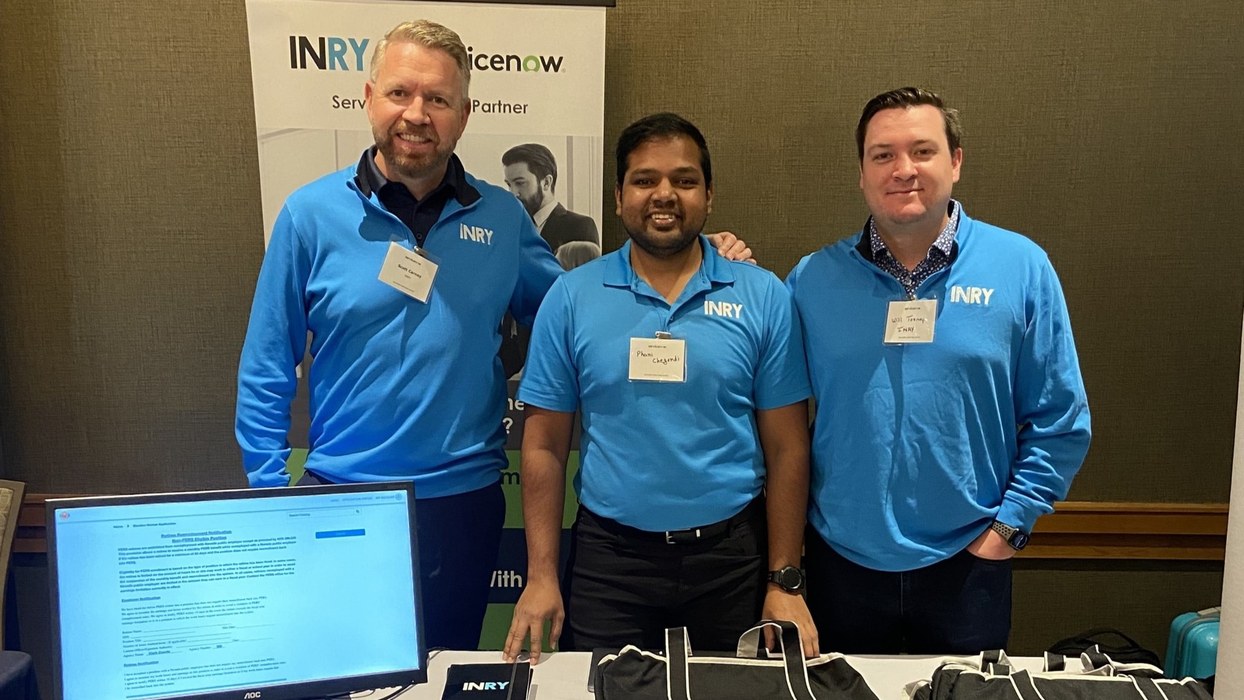
INRY’s Six-Week Portal Swap Put Requests on the Fast Track
INRY replaced its employee portal in six weeks and reports 60% shorter median submission time for self-service allocation requests. The telling question is what happens after an employee hits send.

Aramco Digital’s ServiceNow Deal Takes On 50-Country Sprawl
Aramco Digital wants a common way of working across an ecosystem spanning more than 50 countries. Its ServiceNow agreement puts AI, customer service, shared services and legacy ERP on the same agenda—with the results still to come.

Notion vs ServiceNow and the War for Where Work Lives
One grew from the bottom up, adopted by individuals who never asked IT for permission. The other grew from the top down, running the workflows that keep the Fortune 500 upright. They are converging on the same question: where should work actually live?

Thena Bets B2B Support Belongs in Slack, Not a Portal
A Mountain View startup thinks the support ticket is the wrong shape for B2B, and it is squaring up against ServiceNow, HubSpot and SAP to prove customers would rather get help where they already talk.

Why Customer Support Software Is Having an Identity Crisis
SAP, ServiceNow, Gorgias, Kayako, Supportbench and Thena are all chasing the same promise - support that resolves itself. Here is who is actually building it, and who is just bolting AI onto an old inbox.

How InvGate, ServiceNow, Gladly and TeamSupport Split the Help Desk
Four service platforms, four arguments about what support should actually feel like. One bets on tickets, one on the enterprise machine, one on the person, one on the account - and buyers are picking sides.
Help Desk Software Split in Two, and B2B Won
For twenty years every company bought the same ticket queue. Now B2B support has walked out of the inbox and into Slack, and a new class of tools is racing to catch it.
When Breaches Cost Ten Million, ServiceNow and Accenture Bet on the Machines
On June 29, 2026, ServiceNow and Accenture announced a joint suite of AI-powered services designed to help enterprises migrate off legacy risk platforms and adopt agentic AI for cybersecurity and risk management. The offering pairs Accenture's managed security services with the ServiceNow AI Platform to deliver unified integrated risk management, third-party and operational technology risk management, proactive compliance, and an AI-powered migration path. The announcement responds to a threat landscape where U.S. data breach costs hit a record $10.22 million per incident in 2025 and AI is compressing the vulnerability-to-exploitation window from months to hours.
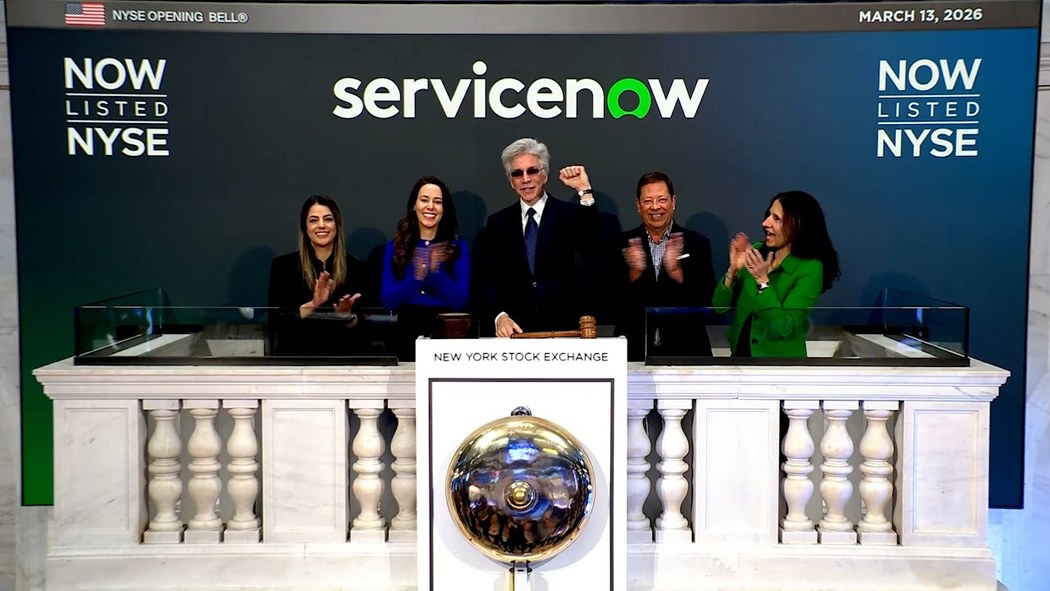
Is ServiceNow a Casualty of the AI Transition? A Deep Dive Valuation
In this episode of the Liam Highland portfolio, the host runs a complete deep-dive valuation of ServiceNow after its stock dropped 18% in a single session on its Q1 2026 earnings—the biggest one-day fall in its history—leaving it down 43% year to date and 57% off its ~$220 billion peak. The analysis argues the sell-off is not about near-term numbers (ServiceNow beat guidance, raised its full-year outlook, grew subscription revenue 22%, and holds a 97% renewal rate) but about the market repricing the company's 'terminal value' on fears that AI agents could commoditize the workflow layer. Using a seven-layer enterprise data stack and a software repricing matrix, the host builds bear, base, and bull cases with specific share-price ranges, then lays out four signals (demand, profit, AI monetization, and the moat) plus four dated earnings checkpoints to test which scenario the data confirms.
A Billion Dollars Walks Into a Marketplace and Asks AI to Behave
On May 6, 2026, at its Knowledge 2026 conference in Las Vegas, ServiceNow announced that its transactions through AWS Marketplace had surpassed $1 billion, a milestone the company framed as proof that enterprises have moved from experimenting with AI to operationalizing it at scale. Alongside the number, ServiceNow and AWS unveiled a platform expansion that pairs the ServiceNow AI Control Tower with Amazon Bedrock AgentCore to give mutual customers a single governance architecture for deploying, auditing, and scaling AI agents across security, IT operations, and telecommunications workflows.
When the Workflow Met watsonx: Two Giants Go Hunting for AI's Missing Foundation
On June 11, 2026, ServiceNow and IBM announced an expanded multi-year collaboration aimed at clearing two of the biggest obstacles to enterprise AI at scale: brittle legacy applications and ungoverned, AI-unready data. The companies will deliver joint solutions across three pillars — application modernization, enterprise data governance, and autonomous infrastructure operations — pairing the ServiceNow AI Platform with IBM tools including IBM Bob, watsonx.data, Red Hat Ansible, Instana, and HashiCorp Terraform and Vault. The solutions are expected in the second half of 2026.

ServiceNow Knowledge 2026: The Blueprint for Agentic Business
At ServiceNow's Knowledge 2026 conference, product chief Amit Zavery and a roster of executives, partners, and customers lay out the company's blueprint for the 'agentic business' — an enterprise architecture in which AI agents sense data, decide with business context, act through workflows, and secure every identity, all on a single governed platform. The keynote spans live demos with CVS Health (building a pet-insurance app via 'vibe coding,' an autonomous HR role-transfer, and a coordinated 'autonomous workforce' resolving software-license spikes), a partnership expansion with Google Cloud, and a security push built on the Armis and Veza acquisitions, all anchored by ServiceNow's Context Engine and AI Control Tower.