semiconductors
(277)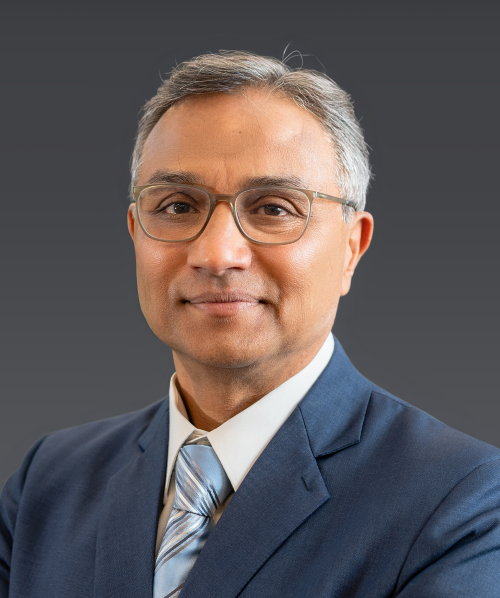
Rahul Patel and the art of making the pieces talk
He moved from designing chips to explaining why they mattered. After Broadcom and Qualcomm, Rahul Patel is bringing the same instinct to Synaptics: connect the engineering, the people, and the product.
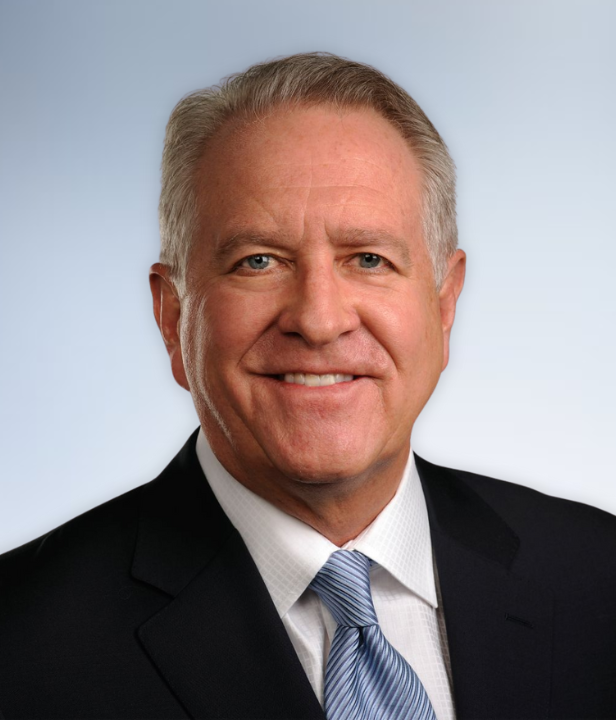
Bill Brennan and the case for slowing down
The Credo chief executive spent years building a business between the chips. Now his pitch for AI infrastructure involves purple cables, quieter connections, and a surprising argument for doing less work on each optical channel.

Phil Brace and the trouble with retirement
Eighteen months away from work were enough. After a career in chips, storage and connected devices, Phil Brace returned to the semiconductor business - and took Skyworks into its combination with Qorvo.
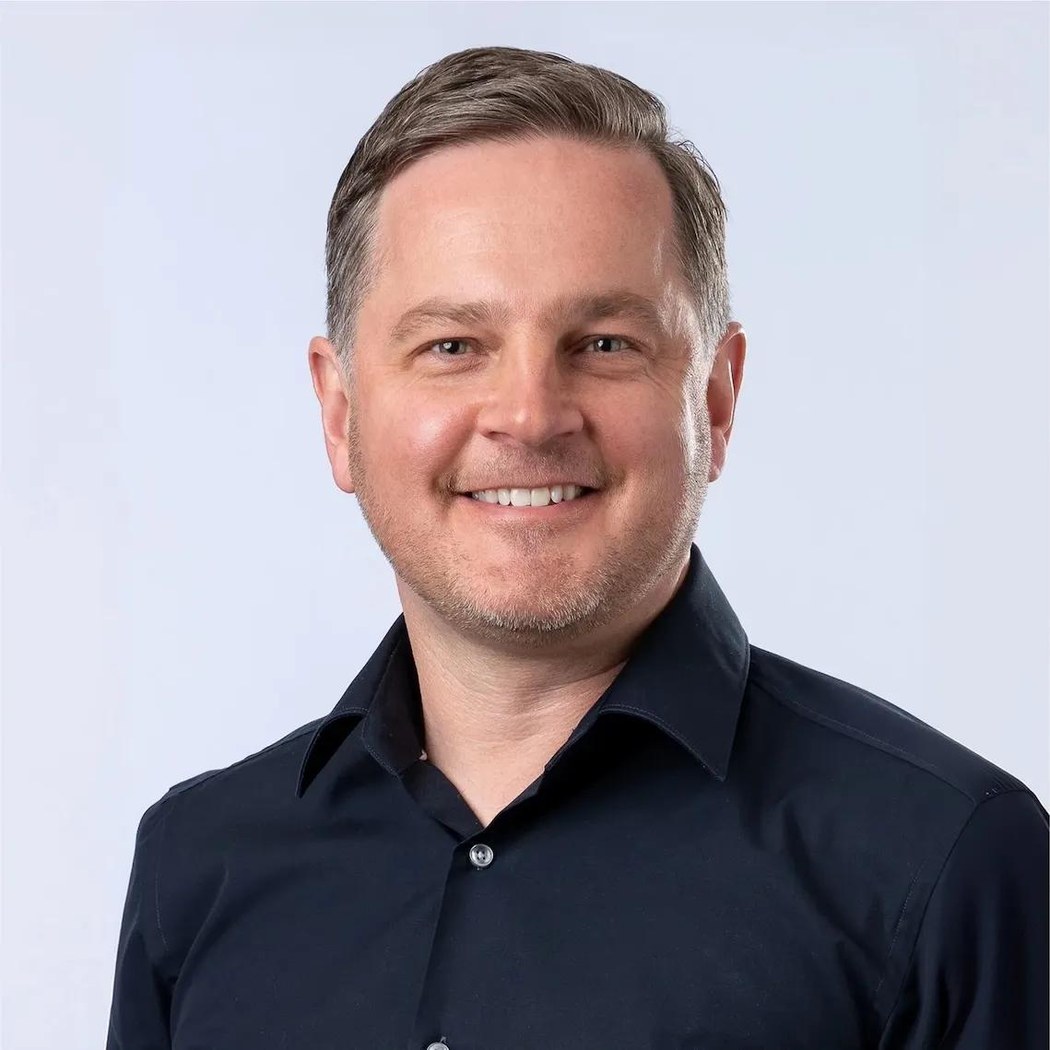
John Forsyth and the things you never notice
From Psion handhelds to the sound inside a smartphone, John Forsyth has built a career beneath the surface of portable technology. At Cirrus Logic, the next chapter reaches from Austin to an Italian engineering team.

Microsemi made the chips you can't go back to fix
A satellite is a terrible place to discover a cheap component. Microsemi built a business around that problem - then became part of Microchip in a deal valued at roughly $10 billion.
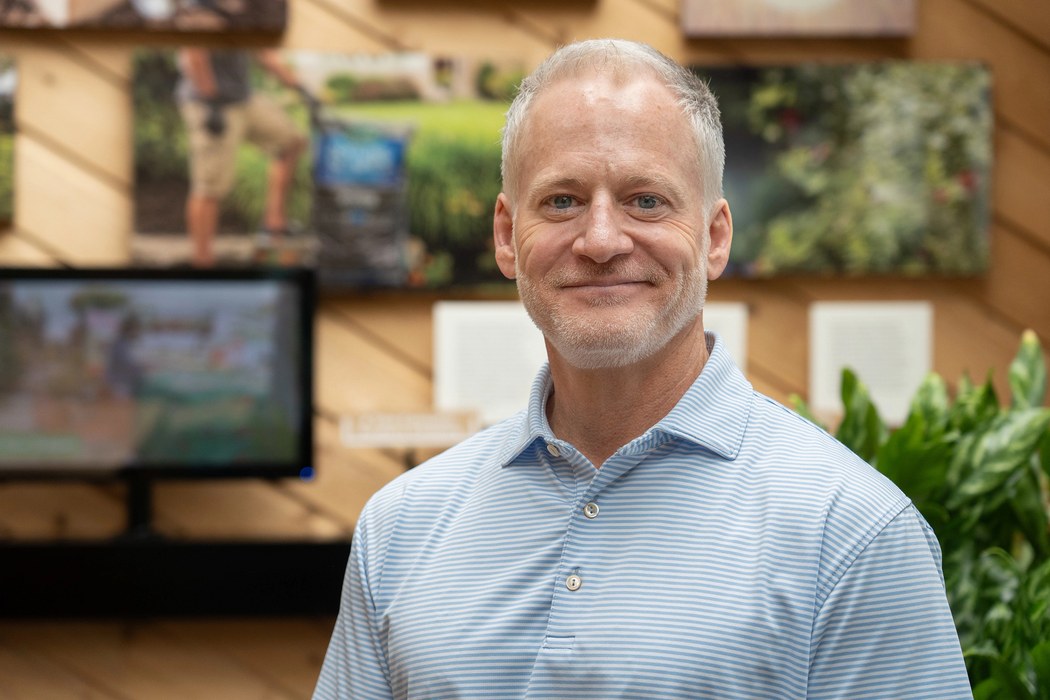
Nate Baxter and the unexpected education of a lawn company
After a career at Intel and Tokyo Electron, Nate Baxter brought an engineer’s eye to ScottsMiracle-Gro. Now its president and CEO, he is testing how a company built on lawns and gardens can change the way it works without losing the people who buy its products.
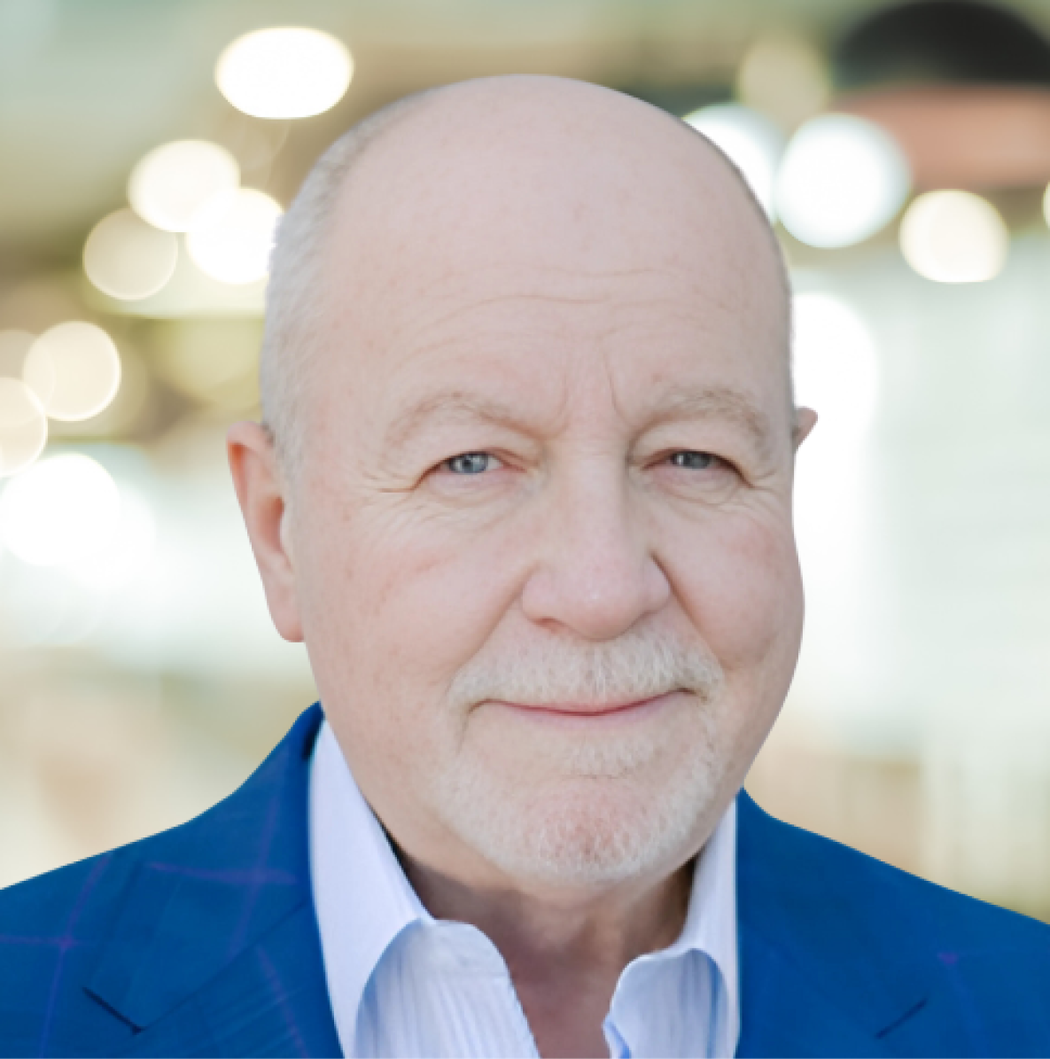
James Peterson and the art of putting things together
He built Microsemi through acquisitions, then helped rally a university’s donors. For the executive known as Jimmy P, a closing bell was rarely the end of the work.
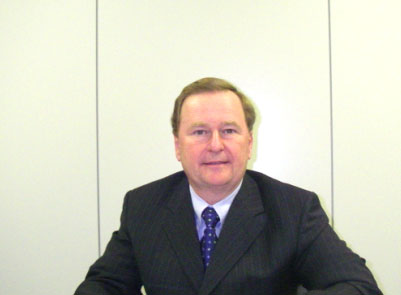
Lothar Maier and the business of taking the long view
At Linear Technology, Lothar Maier built a career around patient engineering, selective markets and products with long working lives. His story runs from model airplanes in Milpitas to a $14.8 billion acquisition and a seat on SunPower’s board.
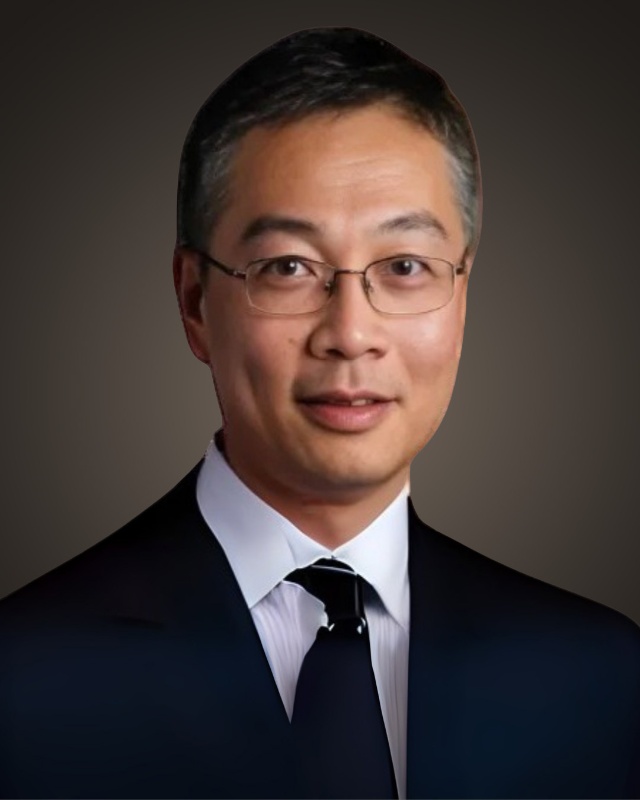
James Xiao and the machinery behind the machines
After 19 years at Applied Materials, James Xiao took charge of UCT, a supplier to the equipment makers he knew from the inside. His next chapter runs through factory floors, customer relationships and a plan called UCT 3.0.
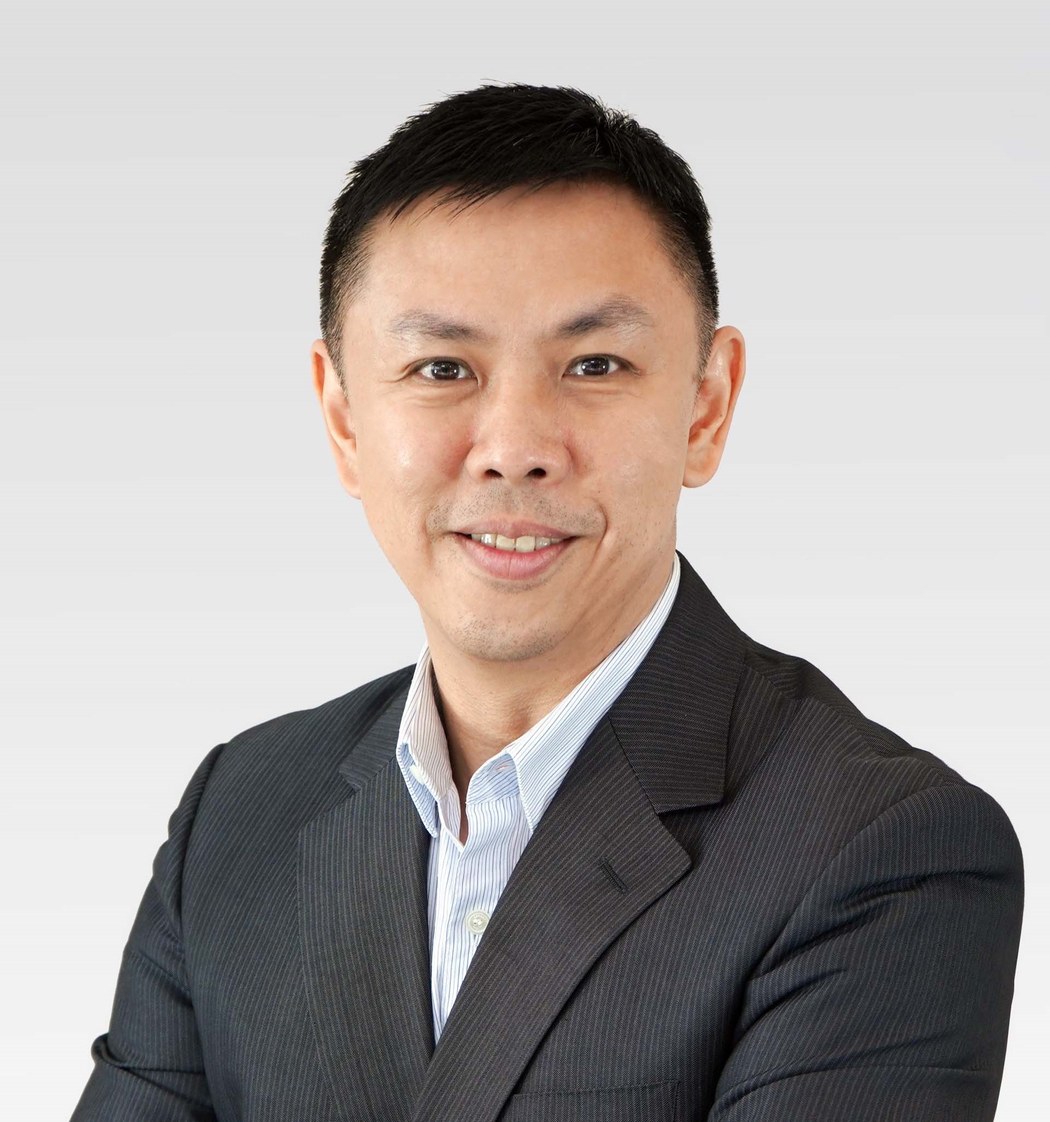
Toshio Nakama and the value of finding out early
Before a chip becomes silicon, someone has to find its mistakes. S2C co-founder and former CEO Toshio Nakama built a career around giving engineers an earlier chance to do just that.
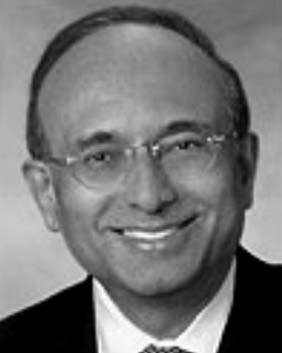
Ashok Sinha and the education of a solar cell
Before founding Sunpreme, Ashok Sinha spent decades learning how to make silicon behave. His career connects an Oxford telegram, the machinery behind computer chips, and a solar cell with work for both sides.
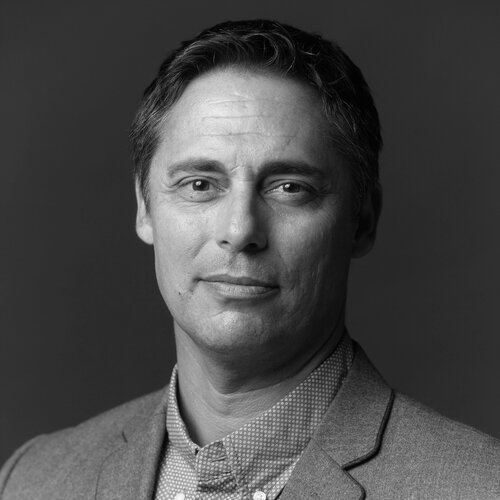
David Lazovsky and the cost of keeping AI waiting
Before co-founding Celestial AI, David Lazovsky built a materials research company and took it public. His next bet was on moving data with light - a pursuit that brought him, and the business, into Marvell.

Oleg Khaykin and the value of walking away
From semiconductor factories to the networks behind the data center boom, Oleg Khaykin has built a career around making the pieces fit. At VIAVI, the acquisitions he completes tell only part of the story.
The chip was small. The idea was bigger.
Linear Technology built a business around the analog problems digital products could not escape. Its most useful lesson was knowing when a better chip was worth paying for.
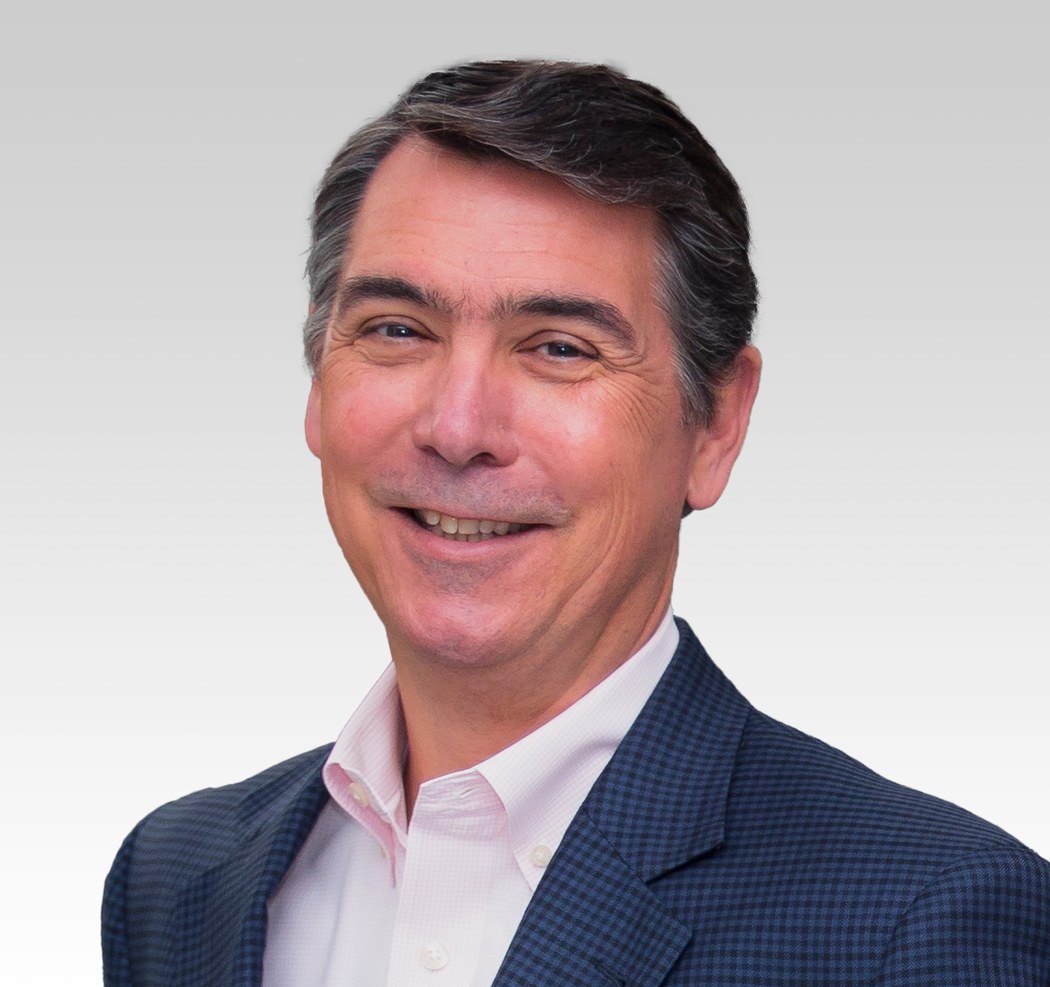
Bob Bruggeworth and the art of getting people to play together
An electrical engineer became a factory manager, then led the merger that created Qorvo. Now on the Skyworks board, Bob Bruggeworth carries a lesson that travels well beyond semiconductors: talent needs a team.
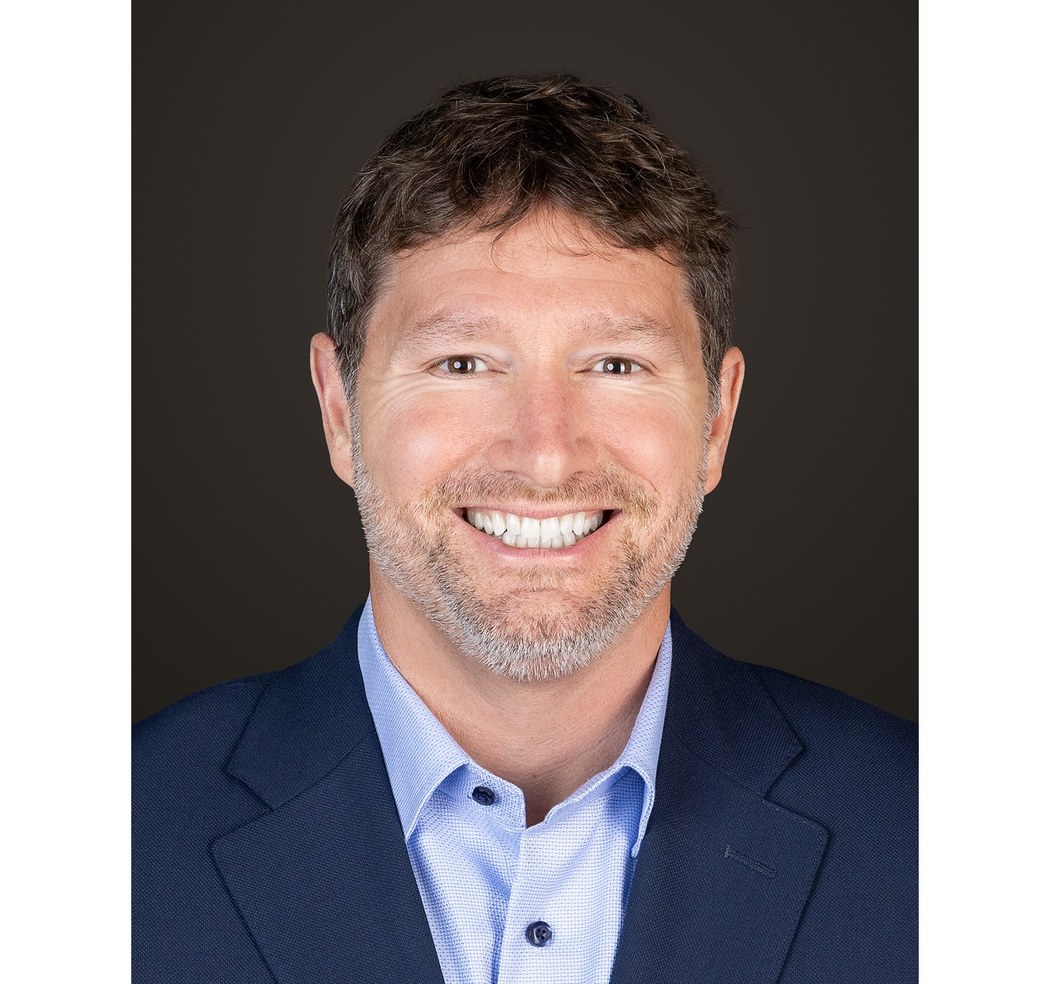
David Reeder and the value of taking the long way home
An Arkansas upbringing, a decade abroad, and a career crossing factory floors and finance departments brought David Reeder to Entegris. His next test lies in the small things that determine whether a chip works.

Altera gives silicon a second chance
Its chips can change their circuitry after they leave the factory. Now, after a decade inside Intel, Altera is making a change of its own.
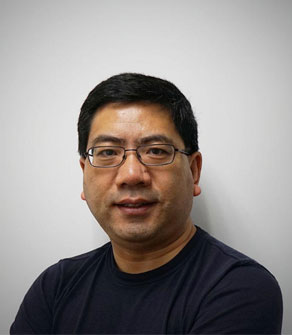
Tim Ding and the Business of Being Taken for Granted
From space physics to storage chips, Tim Ding has spent his career working beneath the surface. At PETAiO, his ambition rests on a demanding proposition: the data must come back intact.
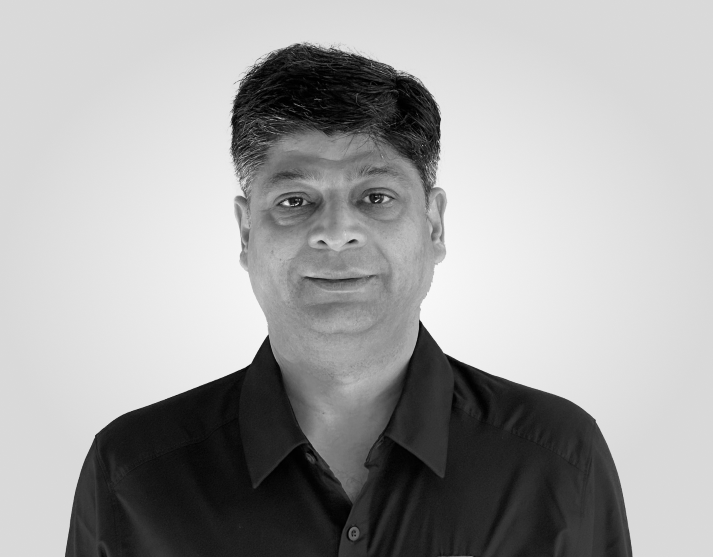
Sachin Gandhi and the distance between two data centers
After two startup acquisitions, Sachin Gandhi is building Retym around an easily overlooked part of AI: the connections between its machines. His route runs through chip engineering, company operations and the patient work of getting silicon into customers’ designs.
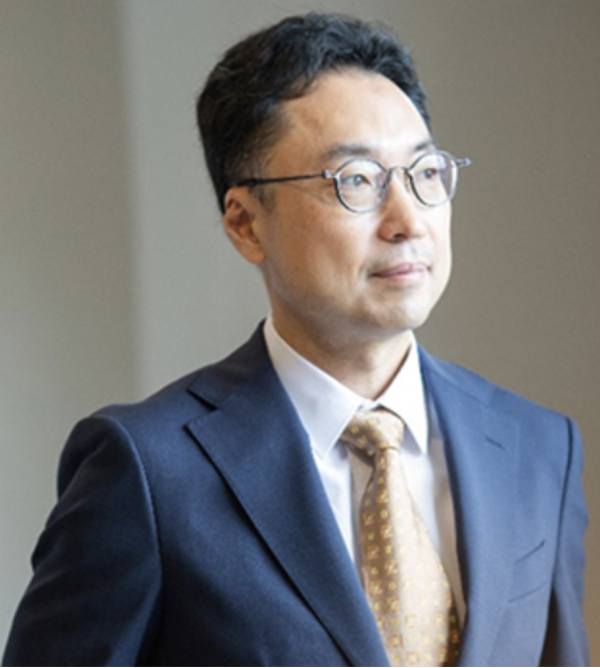
Il (Will) Park and the art of leaving room
After designing server CPUs, mobile systems and memory solutions at IBM, Samsung and SK hynix, Il (Will) Park founded Primemas. His next proposition: give chip designers a foundation they can reuse, and give data centers memory they can share.
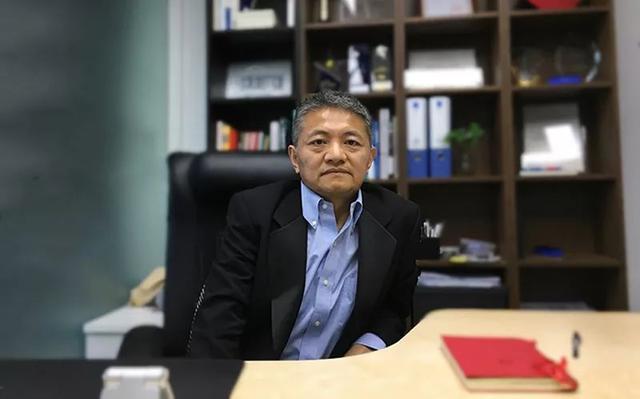
Li Jianwen and the art of changing a chipmaker's mind
Before founding Denglin Technology, Li Jianwen paused an attractive idea and went looking for a better one. His path from GPU engineer to company builder runs through customer visits, software decisions and the less glamorous business of delivering chips.
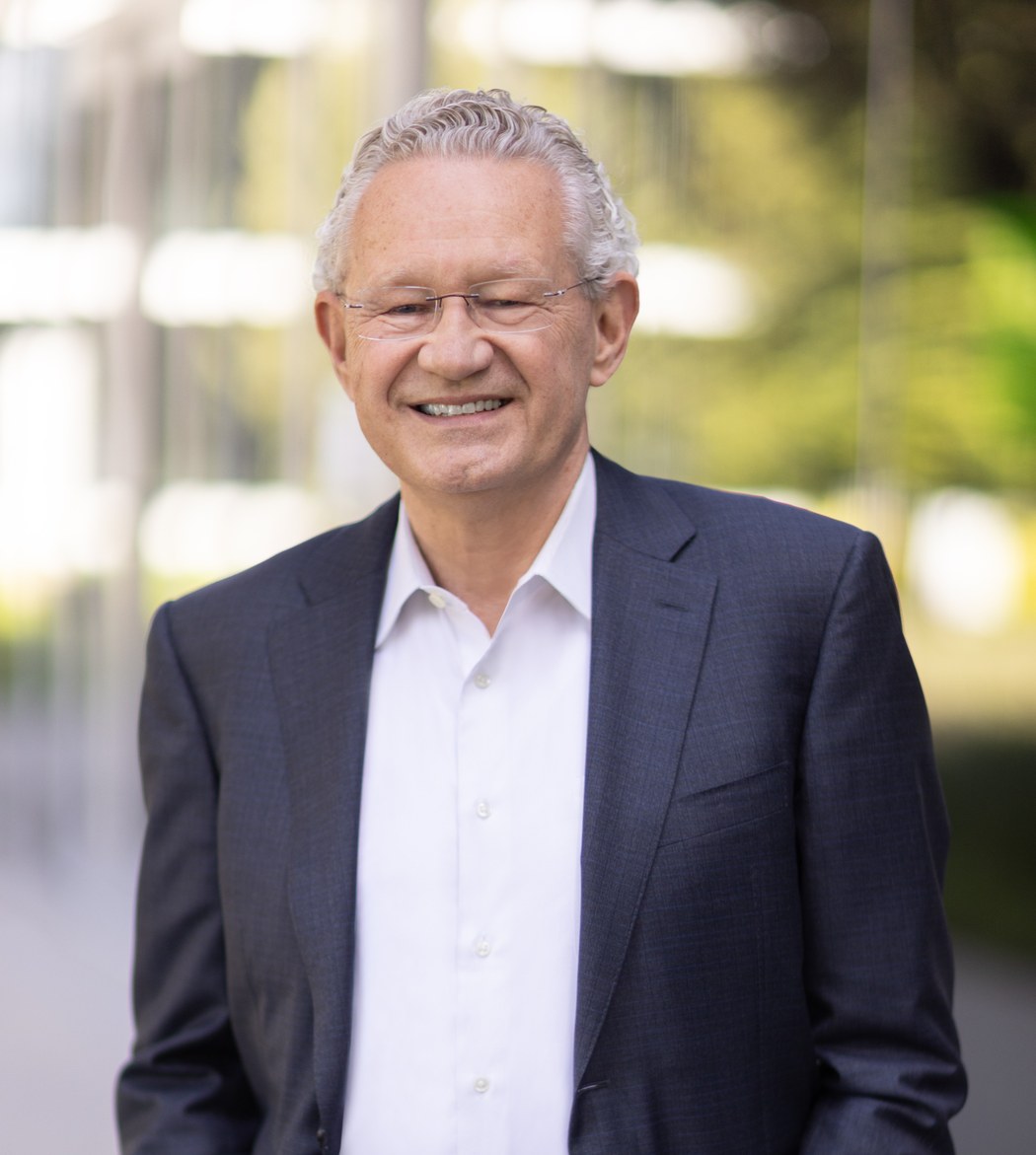
Aart de Geus learned to leave room
He helped teach computers to design chips. But the Synopsys co-founder’s ideas about building a company owe something to a different pursuit: playing the blues.
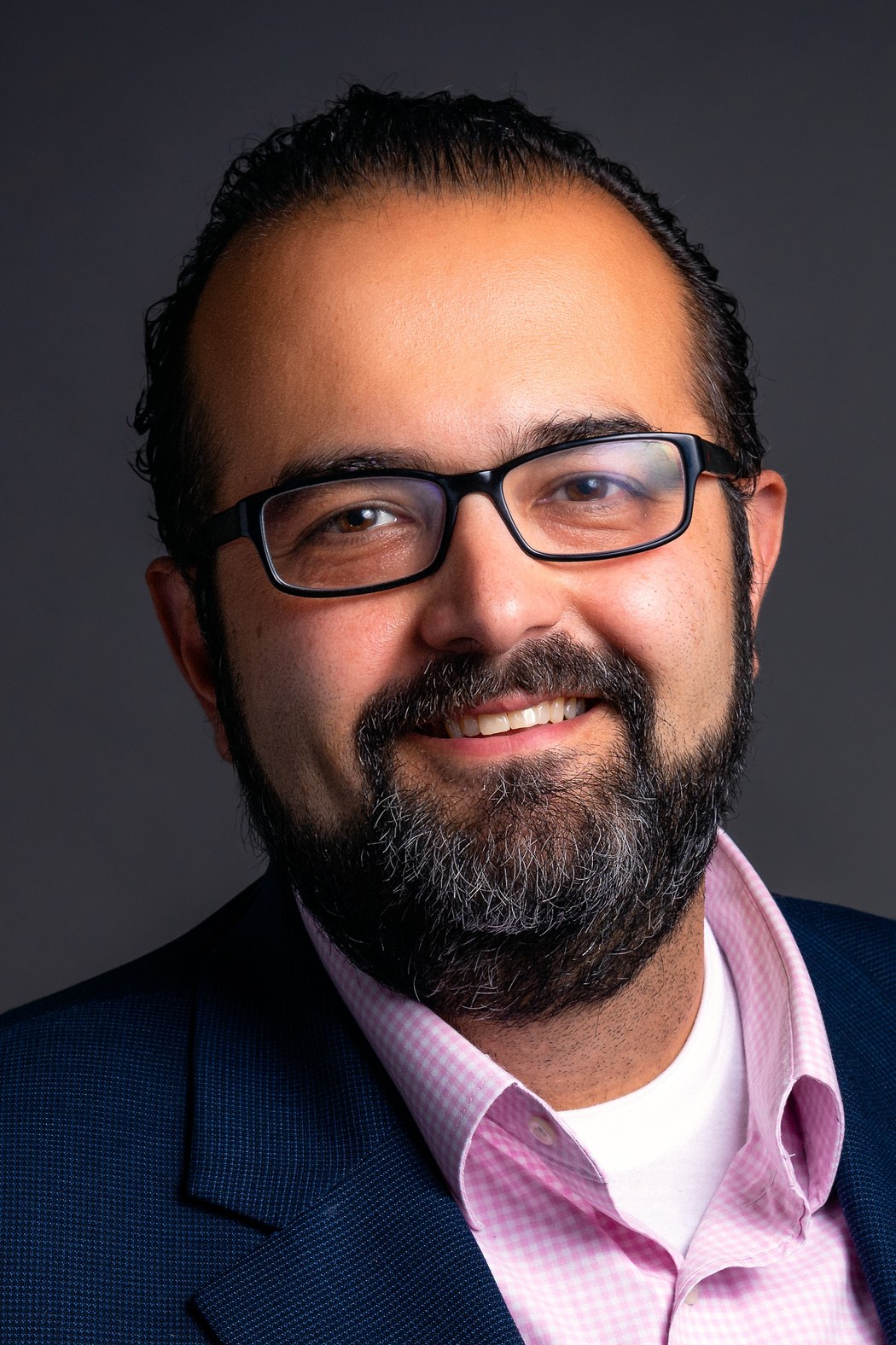
Alaa Halawa and the Six-Month Assignment That Kept Going
A temporary move to Silicon Valley became a career in company building. From semiconductor strategy to venture investing and Salma Health, Alaa Halawa has kept taking on a different part of the job.
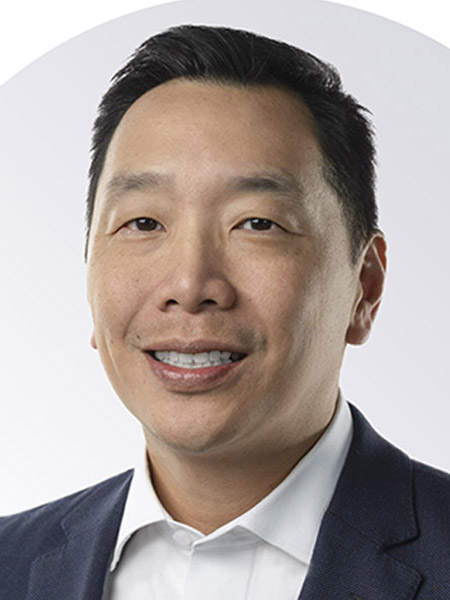
David Li and the summer that did not last
After CMC Materials was sold to Entegris, David Li announced plans for a summer of downtime. His next chapter runs through a family research legacy, a classroom and the reshaping of Ingevity.

Entegris makes the invisible count
A chip can survive a brilliant design and still lose to a contaminant. Entegris built a business around that awkward fact - supplying the materials, filters and protective worlds that help silicon make it through the factory.
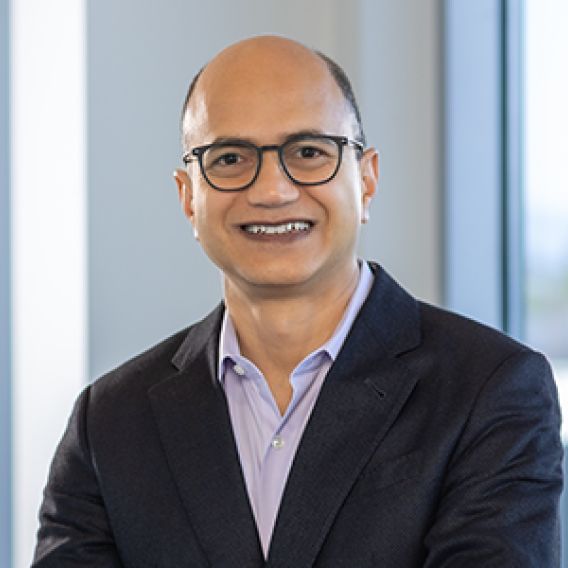
Raghib Hussain and the value of a second beginning
After building Cavium and helping steer Marvell toward data infrastructure, Raghib Hussain took on an older company with a fresh start. At Altera, his wager is that programmable chips need a more predictable business behind them.
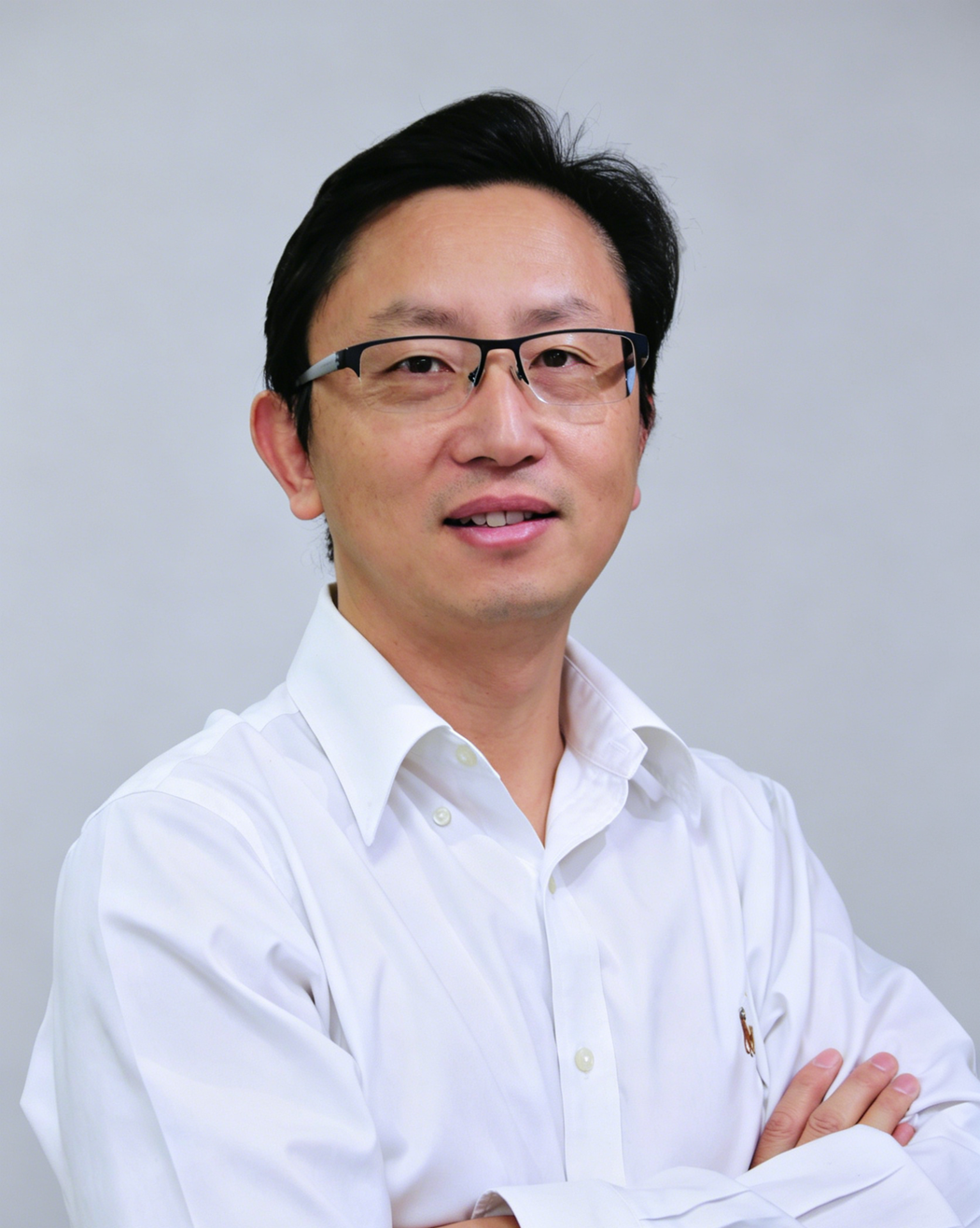
Hui Tian and the Art of Getting the Signal Through
He began by studying the noise inside camera chips. At Axbio, Hui Tian brings the same attention to a larger system: the people, materials and manufacturing decisions that turn an idea into a working device.
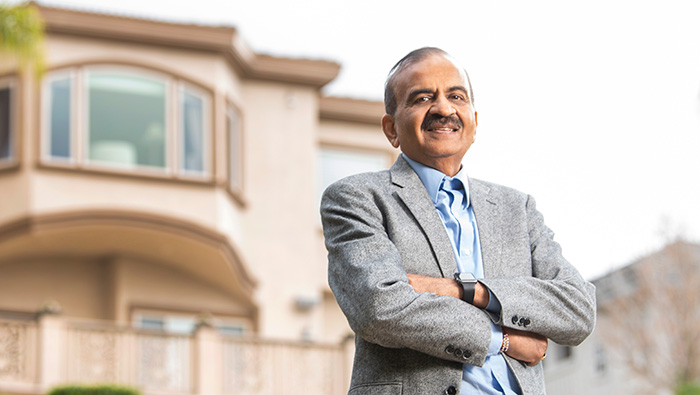
Prem Jain and the Trouble with Being Early
His first startup had technology customers weren’t ready to buy. Decades later, the Pensando co-founder had learned to ask a more useful question: when will they be ready?

Sandisk made memory small. The stakes got big.
The name on your camera card now supplies the infrastructure behind AI. Its next challenge is making an unpredictable memory business behave more predictably.
Micron Technology: AI has a memory problem
The processor gets the applause. Micron makes the memory that keeps it working - and its shift from PC upgrades to AI infrastructure reveals where computing is getting stuck.