openai
(88)
Yash Patil and the case for a machine with one job
Before Applied Compute, there were text-message tools, campus apps, and a bubble-tea machine. Yash Patil’s next project asks what AI can learn from the particular way a company works.

Claudia Laurie and the business of coming back
A fashion internship led Claudia Laurie toward software. After co-founding Prive and selling it to Recurly, she is still working on the same question: what makes a customer return?
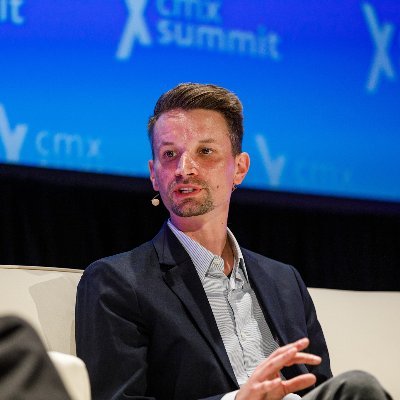
Jason Boehmig and the trouble with paperwork
He learned to code because legal work had too many clicks. After building Ironclad and handing over the CEO job, Jason Boehmig is taking the same impatience to OpenAI’s legal business.

Masayoshi Son keeps moving the finish line
He planned to hand over SoftBank in his sixties. Then artificial intelligence gave Masayoshi Son another reason to stay - and another future to finance.

Arka Dhar and the trouble with a good idea
At Lift12, Arka Dhar learned that knowing what to do was only half the job. From Zinier to OpenAI and Google DeepMind, he has kept returning to the difficult business of turning intelligence into something people can use.
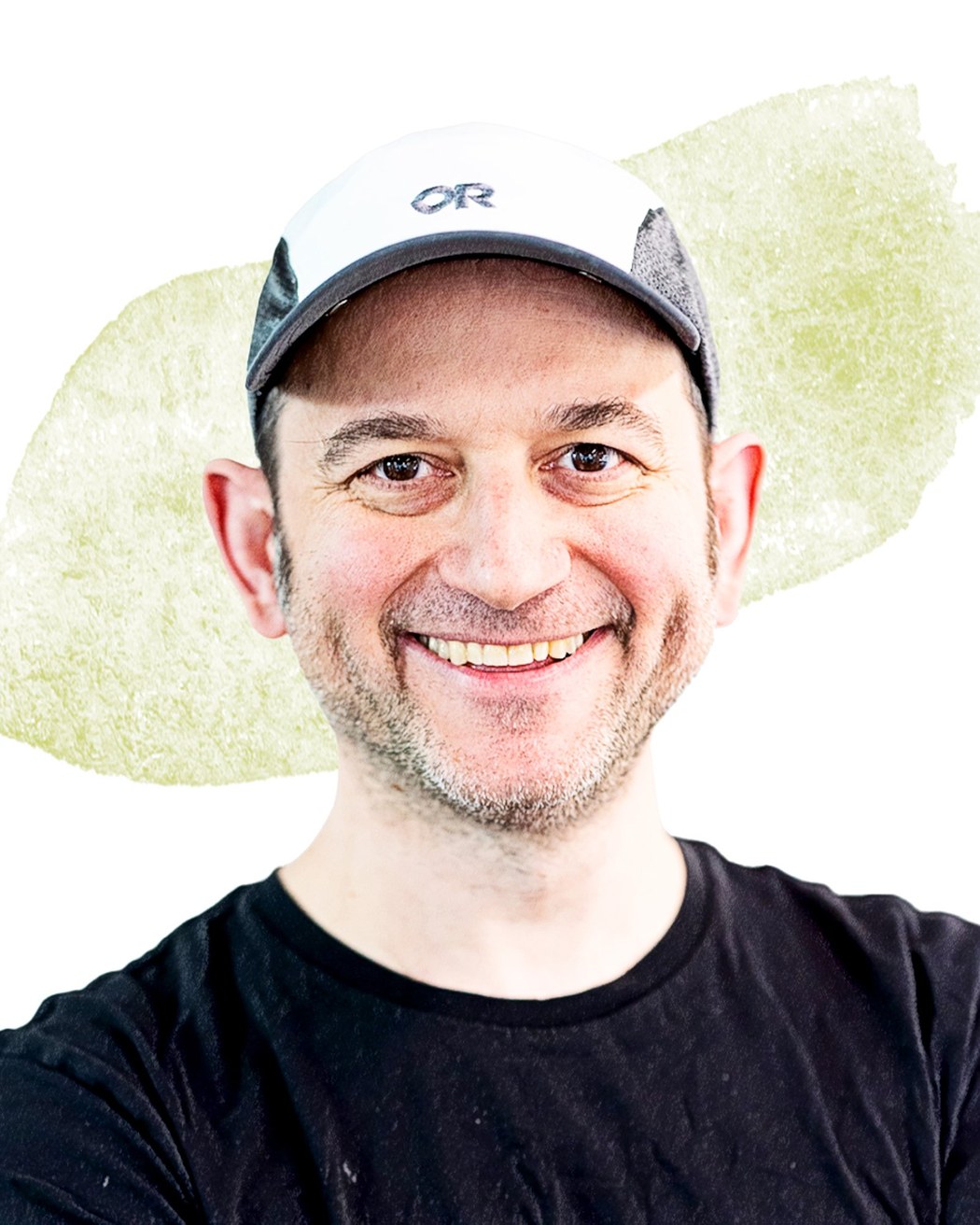
Noam Shazeer and the Art of Making Machines Talk
He helped give language models their modern architecture, then left the lab to see whether people would actually talk to them. His route from Google to Character.AI, back to Gemini, and on to OpenAI began with a crayon chart on a wall.
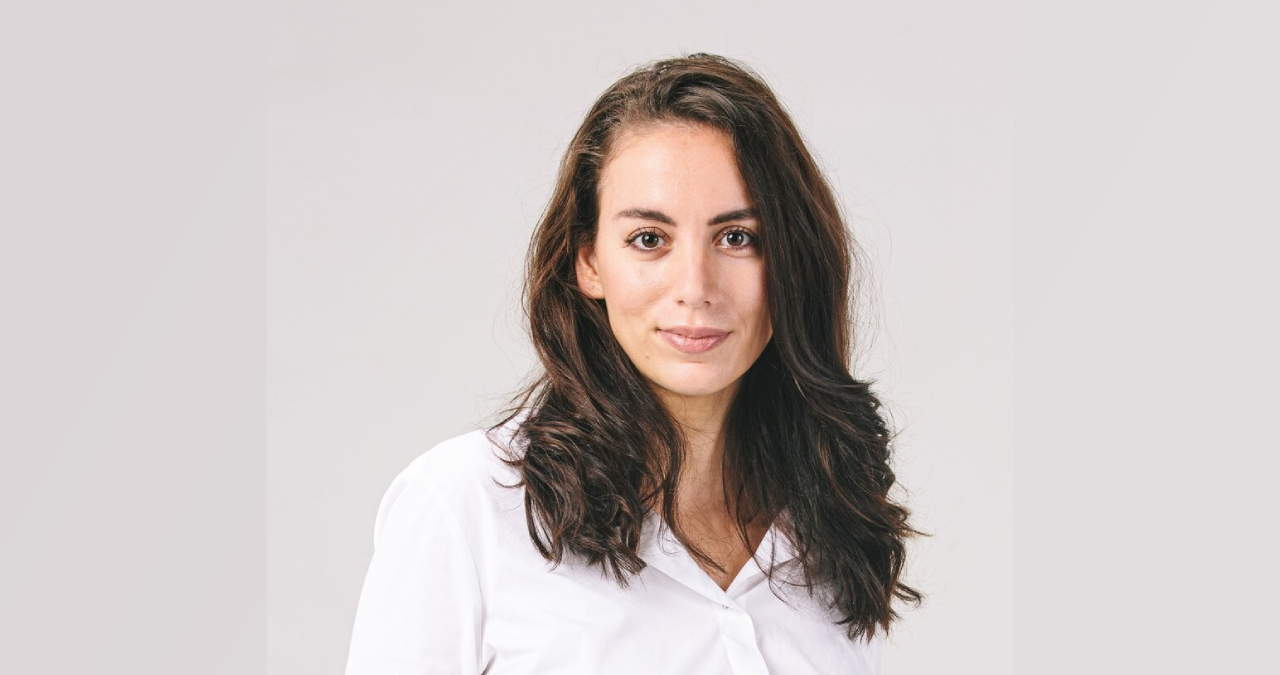
Mira Murati and the Question of Who Gets to Steer AI
She helped bring ChatGPT into everyday life. Now the engineer from Albania is building a lab around a more demanding question: how much control should the people using AI actually have?
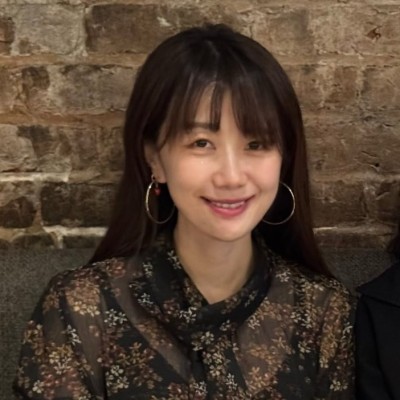
Lilian Weng and the Art of Learning in Public
She taught a robot hand to solve a Rubik’s Cube, helped build OpenAI’s safety systems, and turned her private learning notes into a public map of modern AI. After co-founding Thinking Machines Lab, she returned to OpenAI in 2026 to work on how research itself might accelerate.

The engineer behind the uptime
Kyle Kosic helped keep GPT-4 training steady, joined xAI at its launch, and now works on personal AI at River. His career follows the infrastructure that makes ambitious models possible.
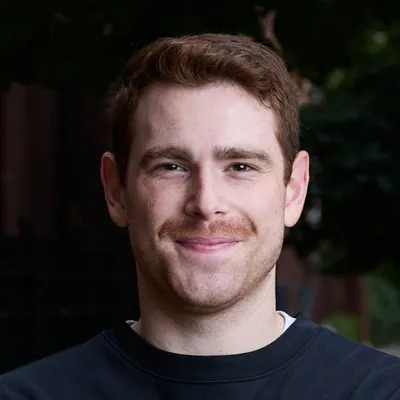
Logan Kilpatrick and the Art of Opening the Door
From a community college computer lab to NASA lunar software, OpenAI and Google DeepMind, Kilpatrick has followed a persistent idea: powerful tools matter most when people can use them.

Peter Steinberger and the Art of Building What He Wants to Use
After 13 years making PDF software, Peter Steinberger returned to the keyboard with a simpler brief: make something useful, then let people play with it. His WhatsApp experiment became OpenClaw, an open project with a life far beyond one laptop.
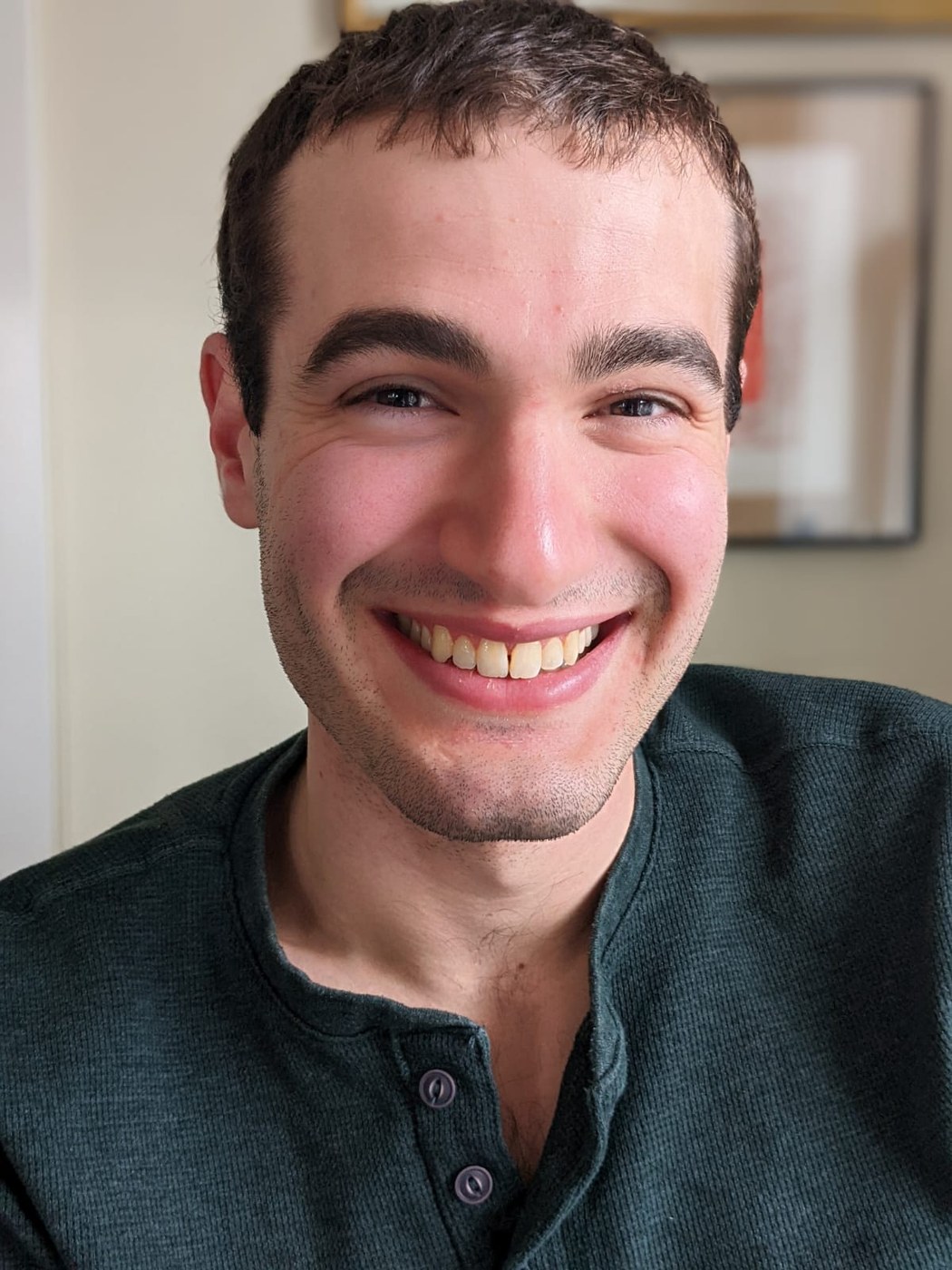
Luke Metz Learned to Teach Machines to Learn
A cardboard quadcopter, a robot built for tea, and years spent asking whether software could learn how to learn. That curiosity carried Luke Metz from Google Brain to ChatGPT, Thinking Machines Lab and Meta.

David Luan and the Computer That Takes the Next Click
At Adept, David Luan asked an unusually practical question of artificial intelligence: could it use the software already on our screens? After taking that wager to Amazon, he left in 2026 with another experiment in mind.
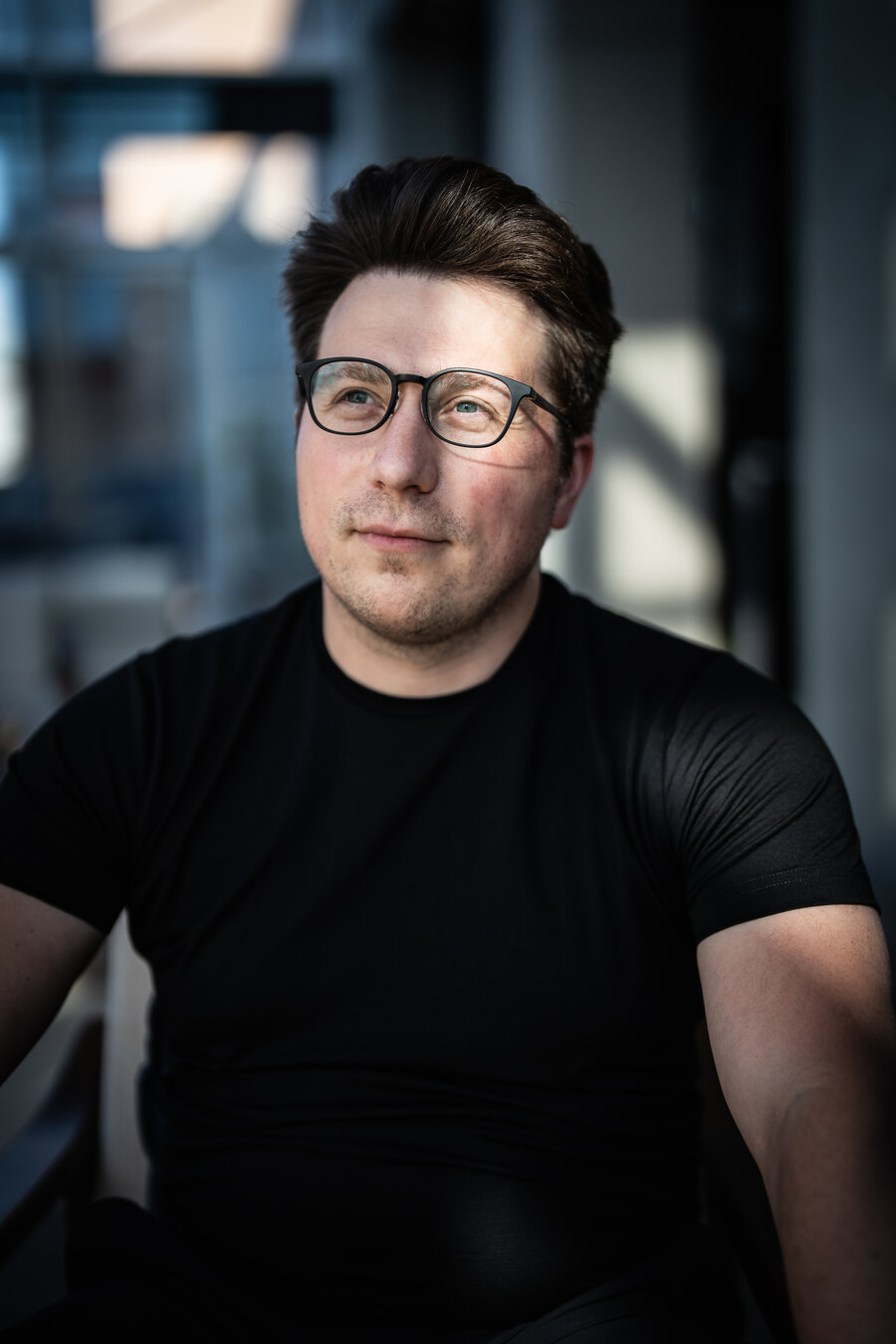
Igor Babuschkin Wants AI to Remember Who It Works For
After helping build AlphaStar, Grok and the machinery behind xAI, the physicist turned founder is asking a more personal question: who gets to shape the intelligence we use?
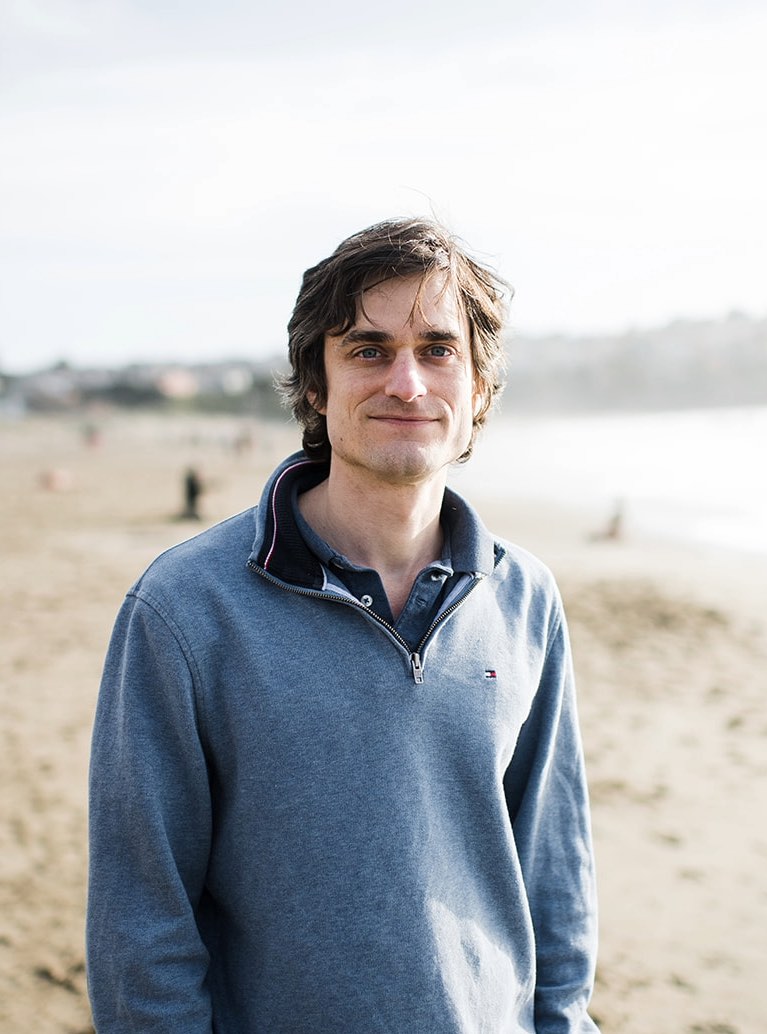
John Schulman and the Art of Teaching Machines What We Mean
He began with a robot that tied knots, helped turn human feedback into ChatGPT's manners, and now wants powerful models to be easier for people to shape. John Schulman's career is a study in making intelligence less mysterious and more steerable.

Durk Kingma and the Quiet Machinery Behind Modern AI
Before generative AI became a spectacle, the Dutch researcher helped invent two of the methods that made it practical. His career is a study in quiet leverage: change the machinery, and the whole field moves.
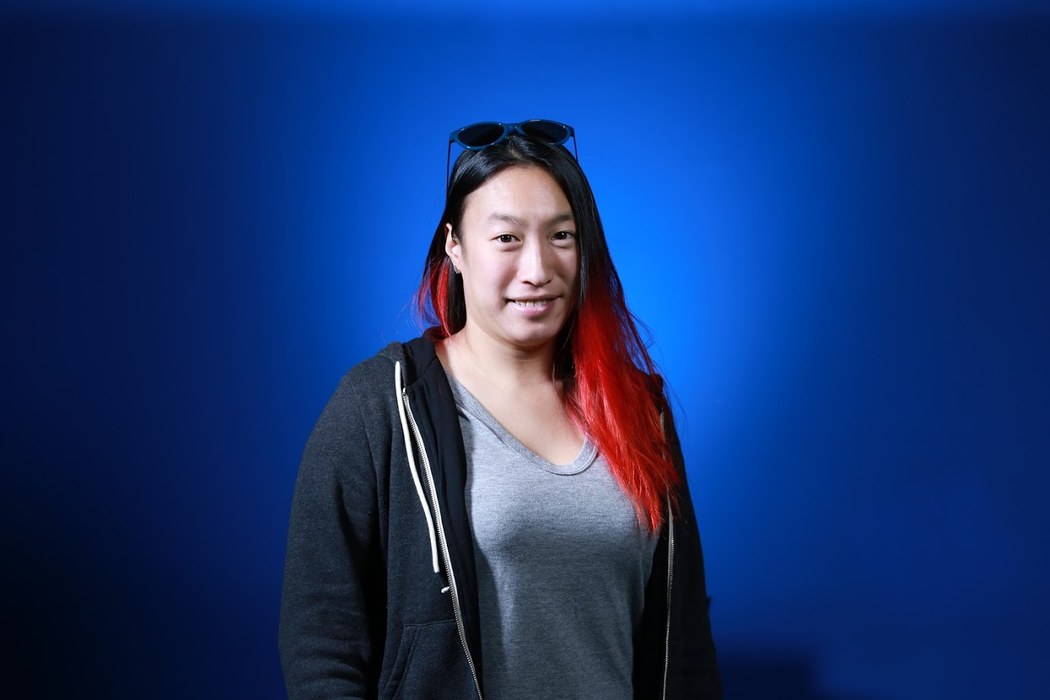
Vicki Cheung and the Art of Building Before the Blueprint
Before the office, before the laptop, sometimes before the company, Vicki Cheung has made a career of arriving early - then listening closely enough to build what people actually need.

Chris Olah Wants to Read the Mind We Built
For more than a decade, the Anthropic co-founder has pursued one stubborn question: if neural networks can surprise their makers, can we learn to see what they are actually doing?

Sam McCandlish Found a Ruler for Intelligence - Then Tried to Build the Guardrails
A physicist trained to see depth in flat surfaces helped turn neural-network growth into something measurable. Now Anthropic's Chief Architect works on the harder sequel: making immense systems useful, legible, and governable at once.

Pamela Vagata Built the Roads AI Learned to Travel
Before AI became a public spectacle, Pamela Vagata was building the machinery that let thousands of engineers put it to work. Now, at Pebblebed, she is betting on the people constructing what comes next.

ChatGPT Pro Closes the Door on New Power Users
OpenAI has paused new subscriptions to its $200 Pro tier amid demand for Astra. Existing customers keep access, but leaving the plan could mean waiting to get back in.

ChatGPT Ate the Blank Page
The chatbot that made prompting a household verb now wants to search, draw, speak, study, code, and finish the errand. Here is how to use its sprawling toolbox without handing it your judgment.
OpenAI Bet the Company on a Cost Curve It Couldn't Escape
A nonprofit lab discovered that intelligence needs industrial-scale capital. Eleven years, 900 million weekly ChatGPT users and a $122 billion funding round later, OpenAI is testing whether mission control can survive commercial gravity.

SonicJobs Wants to Kill the Redirect - the 12 Seconds Where Job Hunts Go to Die
Ninety-five percent of job seekers quit before they finish applying. SonicJobs built an AI agent to do the quitting-worthy part for them - and turned the recruitment industry's worst funnel into its pitch.

The Firm That Funds the Things That Probably Won't Work
Vinod Khosla left a top-tier partnership to write checks nobody else would. Two decades and one $50 million OpenAI bet later, the willingness to be wrong looks like a strategy.
The Fund That Bet the House on the Future
SoftBank Investment Advisers manages the biggest technology funds the world has ever seen. After a decade of writing nine-figure checks into startups, it is now pointing that firepower at one thing: the full stack of artificial intelligence.

CoreWeave
The crypto-mining startup that became the picks-and-shovels supplier of the AI boom - renting Nvidia GPUs to the labs building the future, one megacluster at a time.
SoftBank Group Corp.
SoftBank began as a software wholesaler and became a telecom operator, a startup financier and now an aspiring owner of the AI stack. Its latest wager ties models, chips, data centers and robots into one capital-intensive system.
Gradual Runs The Community Behind OpenAI And Perplexity
The startup collapsed events, courses, and forums into one branded platform - and quietly won over the AI labs everyone else is chasing. Founder Jerry Li built it out of a side-project mailing list for engineers.
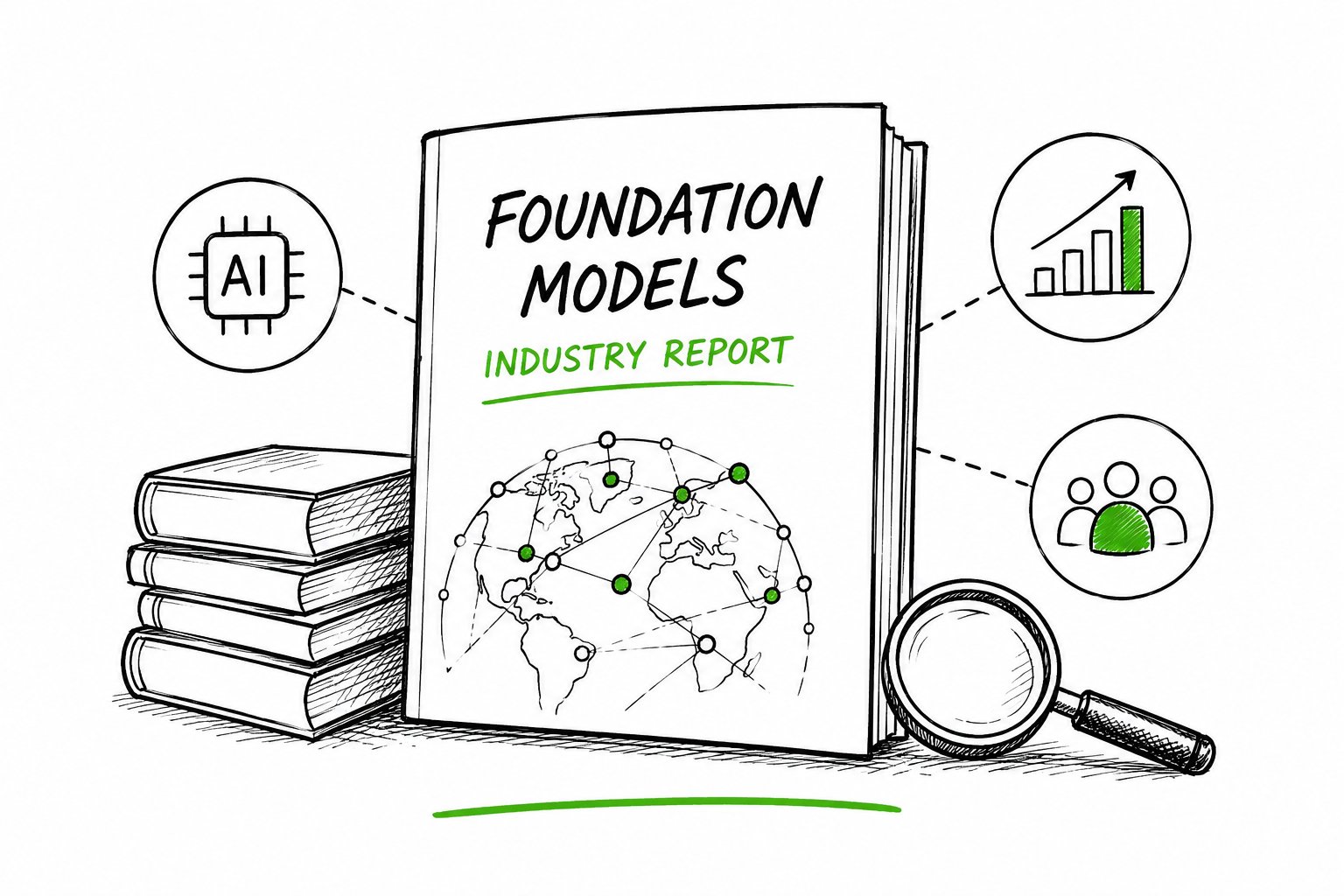
Foundation Models: The Industry Report
A deeply researched report on the foundation model industry as of mid-2026: a sector where two labs, OpenAI and Anthropic, capture roughly 89% of startup AI revenue; where hyperscaler capital spending has tripled to an estimated $725 billion a year; where inference has overtaken training as the dominant cost; and where open-weight Chinese models now trail the closed frontier by only months. The report maps market structure, competitive strategy, the economics of scale, regulation, and where value is migrating up the stack.