digital-marketing
(717)
Michael Chapin and the long way back to FTD
FTD bought his former employer. He built From You Flowers. Two decades later, Michael Chapin took charge of both businesses - with local florists at the center of his next test.

Put a kitchen in the incubator
You Can Group took the scenic route from photo marketing to food innovation. Its most revealing idea was a kitchen where students could cook, build, and test what came next.

Izu Aginwa and the Business That Kept Asking to Exist
Before he co-founded Riches & Saint, Izu Aginwa kept sending prospective clients elsewhere. His route from a Nigerian childhood and campus leadership to a California agency began with people asking for help he already knew how to give.
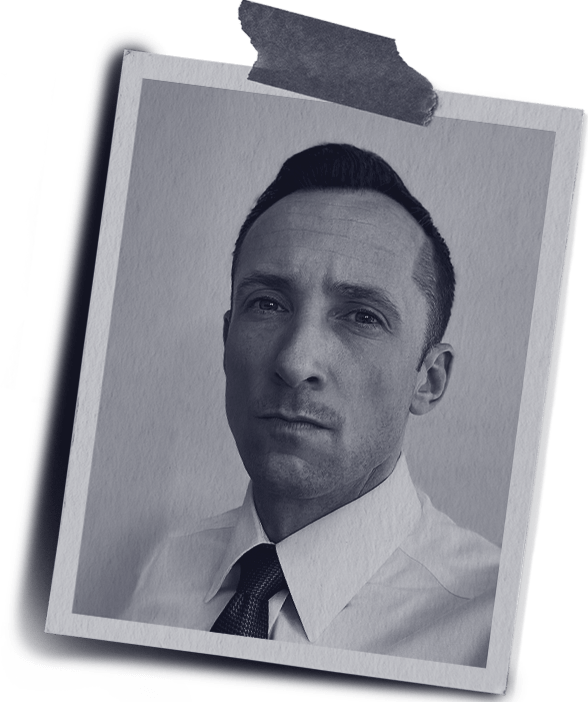
Evan Lamont and the business of getting people through the door
At 22, Evan Lamont handled personnel and accreditation for the U.S. Olympic trials in Long Beach. His career since then has followed a related problem: helping the right people find their way to a business.
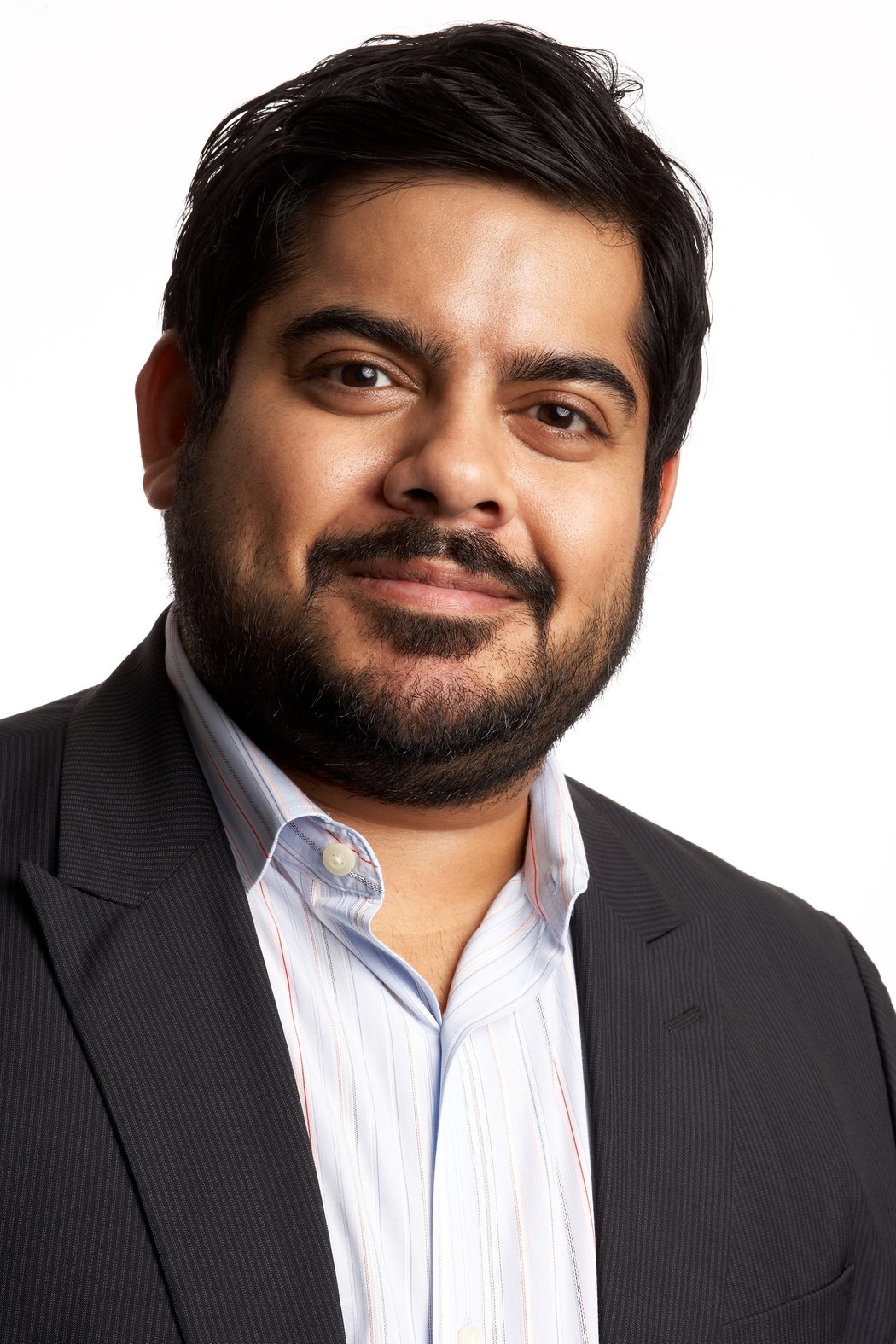
Nick Sheth and the work after the big idea
At Gap, Nick Sheth helped make shopping fit the phone in a customer’s hand. At ScaleCreative, he turned his attention to the creative work piling up behind the screen.
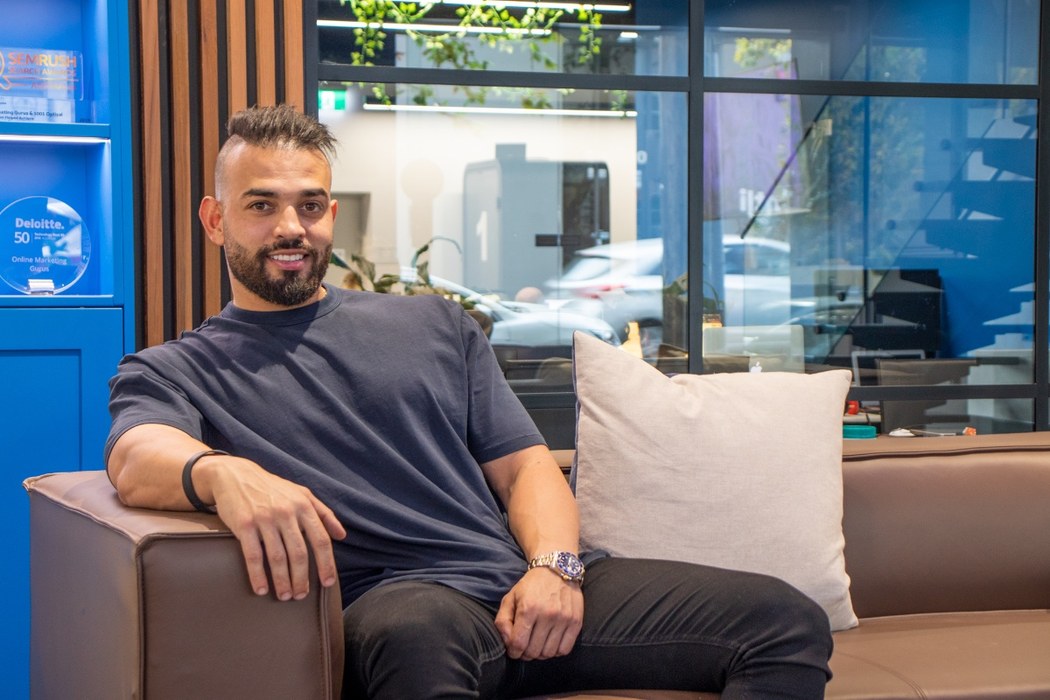
Andrew Raso and the trouble with being everyone’s friend
Andrew Raso built Online Marketing Gurus by finding common ground. Growing it across borders meant learning when a friendly conversation had to become a difficult one.
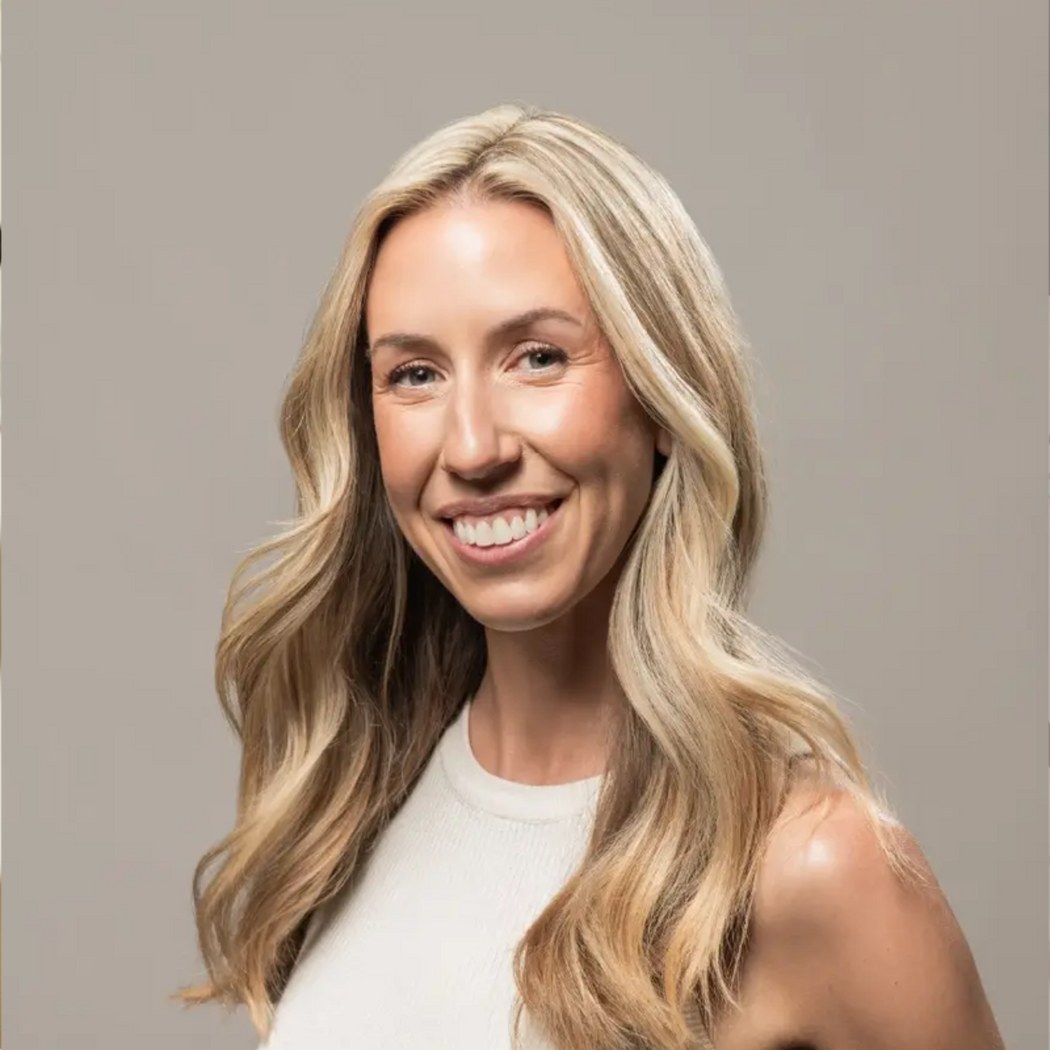
Lindsay Nahmiache and the business that brought her back
A job search that went nowhere led Lindsay Nahmiache to build Jive PR + Digital. Selling the agency gave her an exit; buying it back gave her a different idea of what she wanted from it.
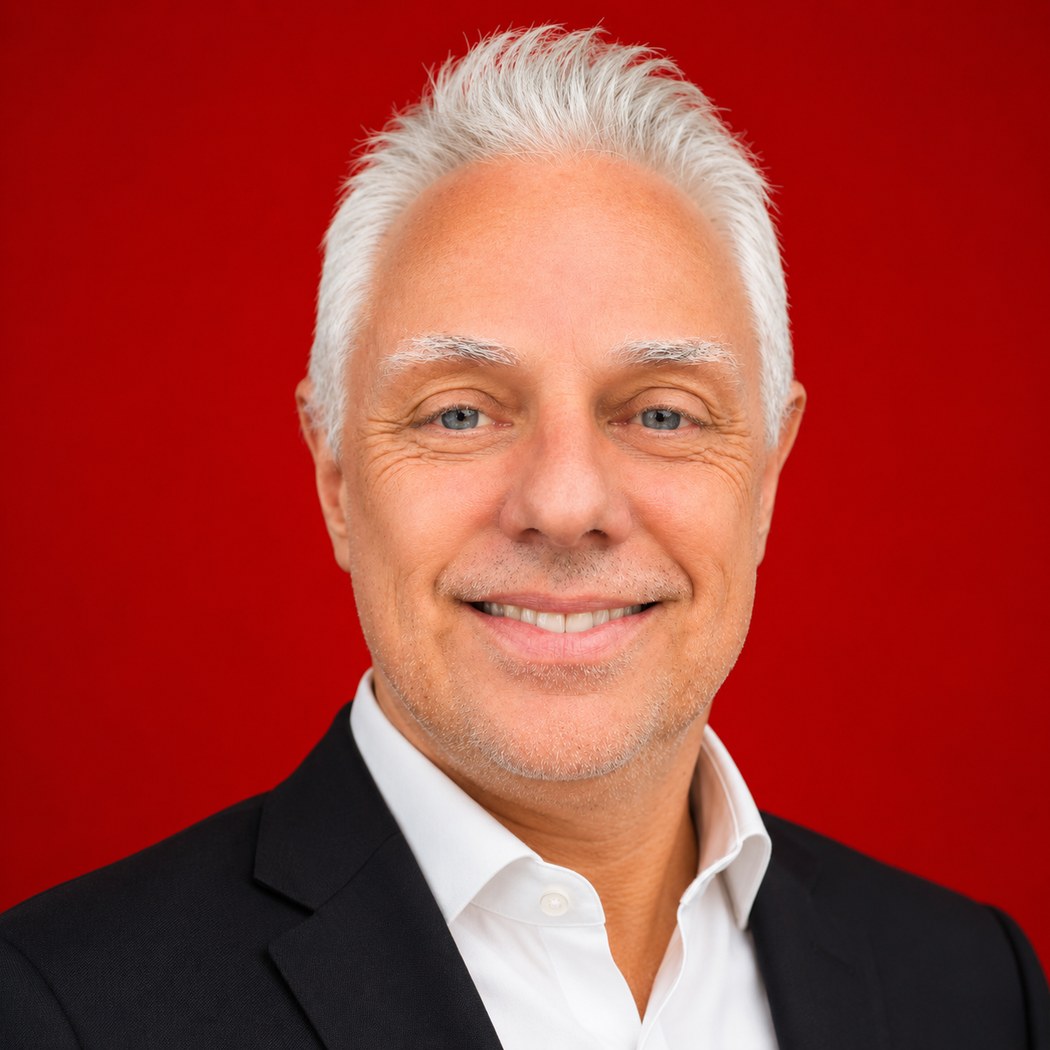
Damon Frank and the business after the introduction
From Venture IAB to Talent Branded, Damon Frank has worked on what happens after a person catches your eye: the programme, the promotion and the offer that gives attention somewhere to go.

Barbara Zenz and the art of making the complicated useful
From Silicon Valley technology campaigns to marketing for independent alarm dealers, Barbara Zenz has built her work around a practical question: what will help the customer take the next step?
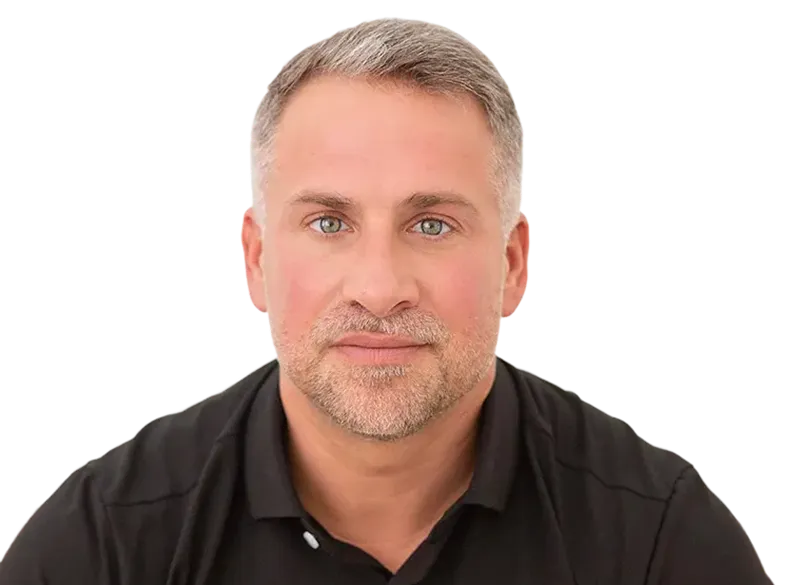
Jeff Roman and the Power of Starting With One
Before co-founding EPIC, Jeff Roman helped turn an international cause into a personal invitation: feed one child. His career follows the work required to make a big idea small enough to act on.
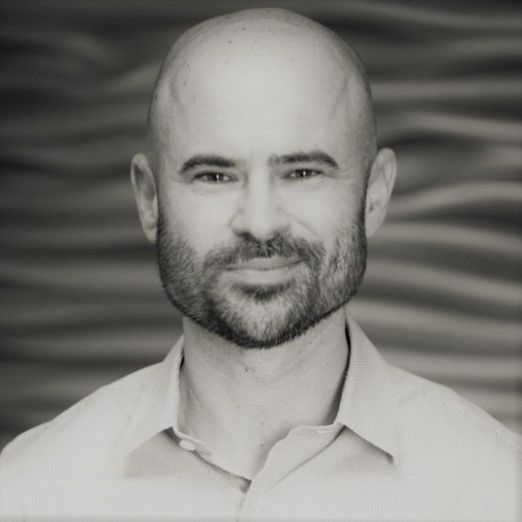
Dennis Kirwan Asked AI How to Beat His Company. It Had Notes.
The Dymic Digital co-founder has sold soda from a backpack, started over on the phones and rebuilt after a major client left. Now he is asking harder questions about the evidence behind a good pitch.
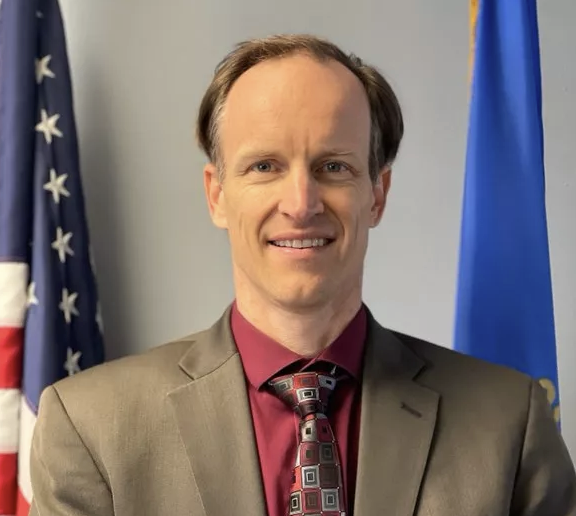
John Carley and the long road to the next audience
John Carley founded Trinet Internet Solutions in 1995. His route from web development to overseas ministry training and the South Dakota Senate follows a persistent interest in getting a message heard.

Josh Wilhelm and the question before the design
Before the logo, the website or the marketing plan, Josh Wilhelm wants to understand the customer. The LightHouse Graphics founder has carried that habit from design work into business radio and, more recently, AI automation.
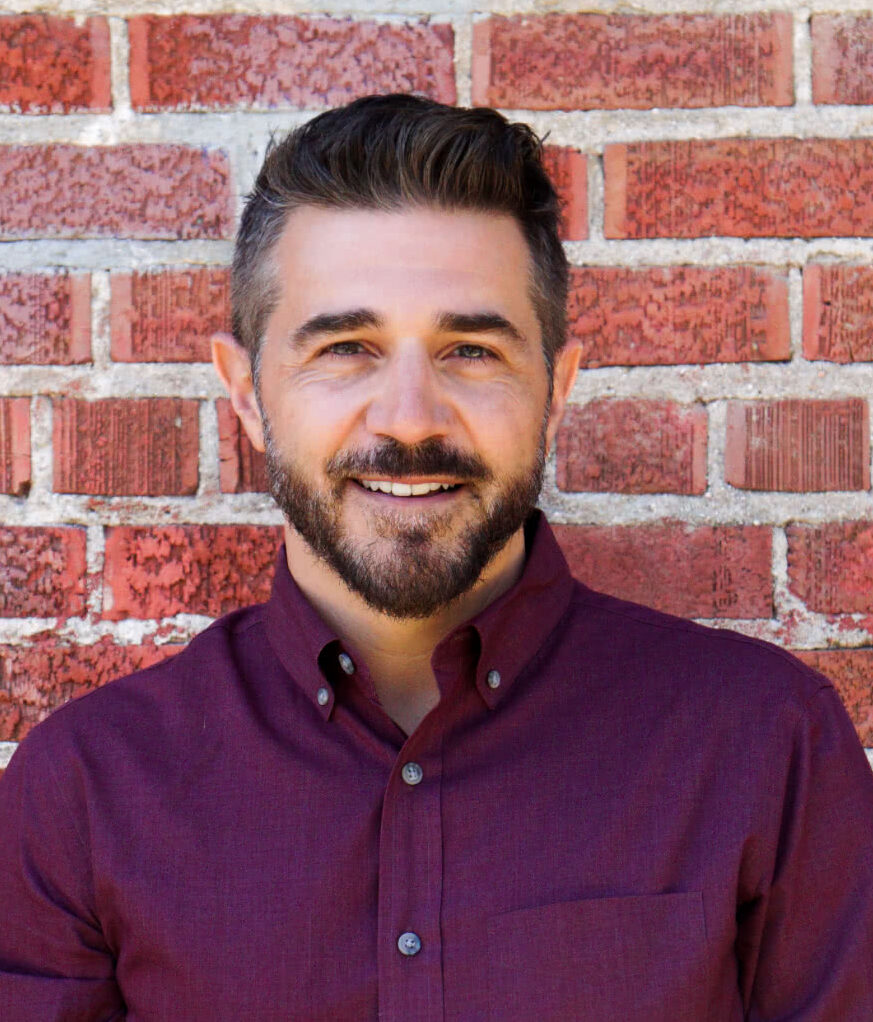
Michael Bellavia and the serious business of being playful
A puppet march, an animated sports show, and a bear with something to say. The HelpGood founder’s career follows the curious route from making characters entertaining to making public causes inviting.
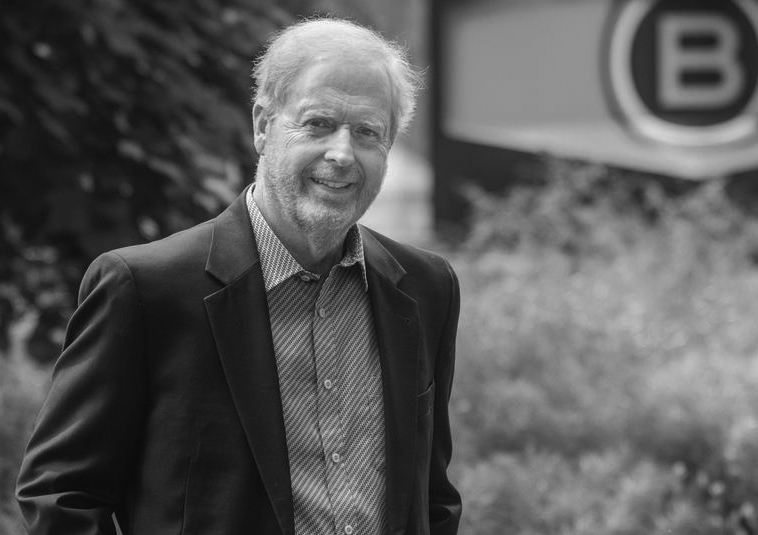
Michael J. Brunner and the business of saying hello
Before a new employee got far at Brunner, there was a meeting with Michael. The Pittsburgh agency founder built a career around a deceptively demanding idea: people should know one another, know the numbers, and share in the work.
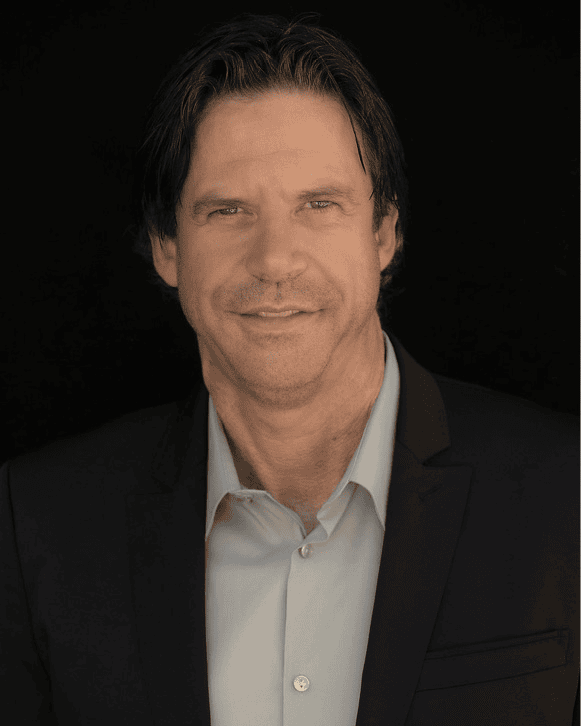
Branden Chambers and the second life of a good idea
From underwater fairy tales to Cheech & Chong, Branden Chambers learned to give familiar material another audience. At The Chambers Group, he brings that production background to the family marketing business he runs with his brother Eric.
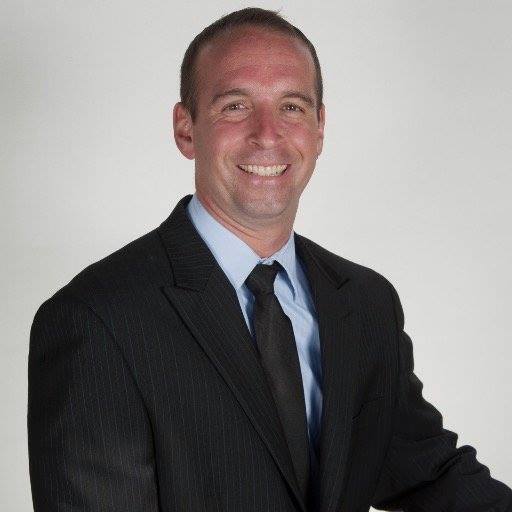
Golden Ashby and the tweet that became a boarding pass
A Twitter invitation took Golden Ashby onto a global board. His career since offers a more personal account of social media: the meetings it makes possible, the teams it takes to keep going, and the trust that survives a change of platform.

Cara Federici and the art of making a hotel keep its promise
She went to Los Angeles to become a television anchor. A job at The Standard sent Cara Federici into hotels instead - and taught the founder of The Madison Melle Agency to connect a brand’s appearance with the work behind it.

Jeffrey Rosenthal and the value of being in the way
From shopping-cart ads to checkout dividers, the NALA founder has spent decades finding room for local businesses. His work with YPO and charitable partners reveals another interest: giving people a reason to meet.
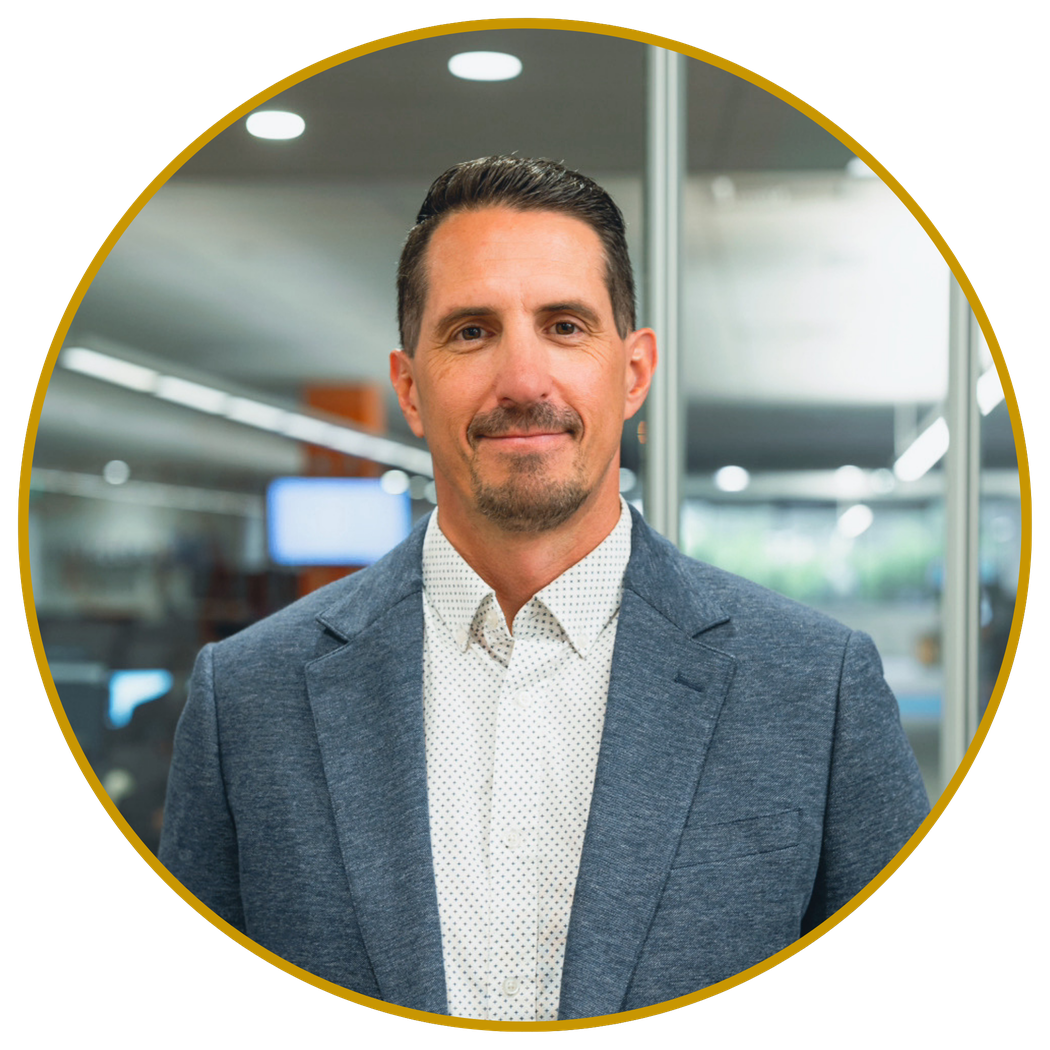
JB Kellogg and the advantage of being a beginner
Before he co-founded Madwire with his father, JB Kellogg talked his way into a website project he did not yet know how to build. That willingness to learn on the job runs through a career shaped by football, small businesses, and family.
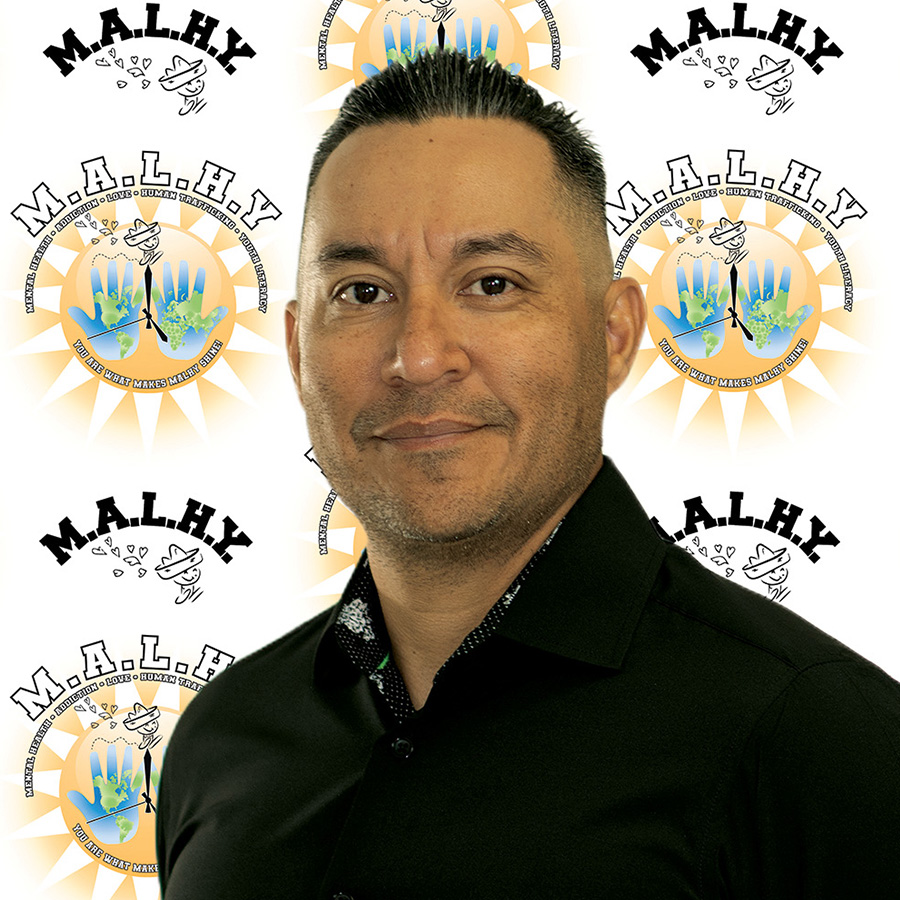
Jimmy Caudillo and the business of staying in business
The Think Creative co-founder has worked across automotive retail, marketing and software. His most revealing advice begins with a less glamorous ambition: keep the business alive, then make the next useful move.

Krishna Yadav and the Trouble With First Impressions
The founder of Branding Marketing Agency has spent years helping small businesses present themselves online. His own account of learning to speak confidently with clients reveals how personal that work can become.
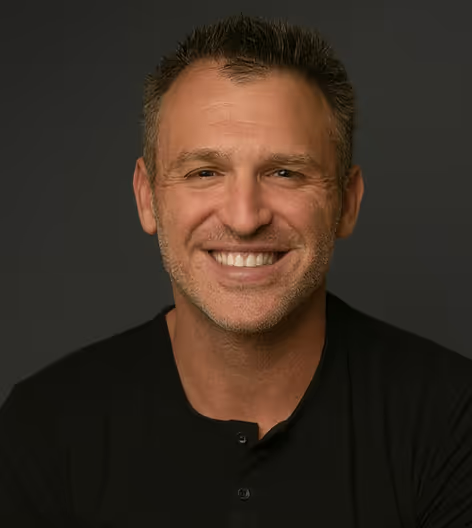
Brandon Fishman learned how to sell. Then the bills arrived.
He co-founded Internet Marketing Inc., built VitaCup, and returned to agency life with Prime Team. Along the way, Brandon Fishman discovered how quickly a growing business can run short of cash.

Eric Chambers and the Second Life of a Good Idea
Before he became co-CEO of The Chambers Group, Eric Chambers helped turn comedy records into animation and video-game fandom into television. His route through the family business follows a recurring question: what makes someone keep watching?

Dmytro Piskaryov’s second set of instructions
He helped build Netpeak from the inside, moving from PHP development to the CEO’s chair. Now, in Toronto’s nonprofit sector, Dmytro Piskaryov is putting his experience with systems and people to a different use.

Ben Behrooz and the business of showing up
Before Ben Behrooz built Branding Los Angeles, he sold newspapers, worked in restaurants, and learned how stories travel. His agency now spans five US markets, but his idea of a useful brand still comes back to people and place.
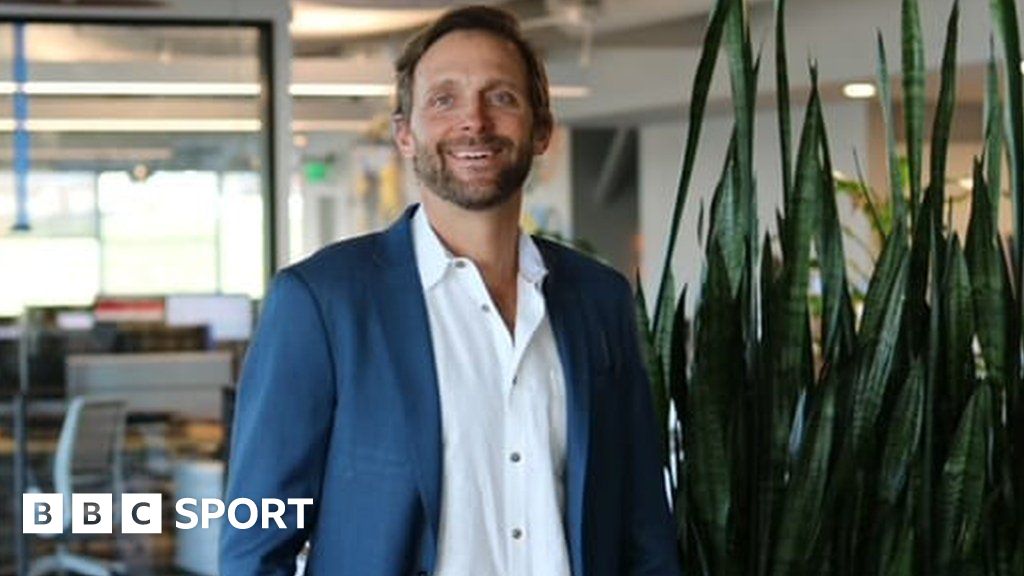
Brett Cravatt and the value of a second pair of eyes
Brett Cravatt left law, built Centerfield with Jason Cohen, and carried the partnership into Swansea City. Across those turns runs a practical question: what can two people see that one might miss?

Katie Wagner and the art of becoming unnecessary
She spent 15 years telling other people’s stories on television and radio. At KWSM, Katie Wagner has been learning a different craft: building a company whose story can carry on without her in every scene.

Abstrakt Marketing Group sells the meeting before the sale
A commercial painter needed more doors to open. Abstrakt started with the size of the building - and built a business around doing the prospecting other companies keep putting off.

Miles IT and the art of keeping work moving
A paperboard mill, a retiring developer, and a pile of envelopes reveal what this business technology company is really selling: fewer interruptions between an idea and a finished job.