In Reggio Emilia, a kitchen acquired some unusual neighbours: 3D printers, laser cutters, sensors, and Arduino electronics. Officucina, created for the Food Innovation Program, put culinary equipment beside the tools of a maker workshop. A student could investigate an idea, build a prototype, and discover what happened when the two met. For You Can Group, the Bologna entrepreneurial group behind the program’s nonprofit partner, this room offers a useful clue. Follow the equipment and its sprawling collection of businesses begins to make sense.
- The business: ventures and services connecting food, digital communication, and design.
- The people: entrepreneurs, business partners, and learners who need practical ways to develop ideas.
- The lesson: put knowledge, tools, and a real business problem within reach of one another.
01 / First, a photograph
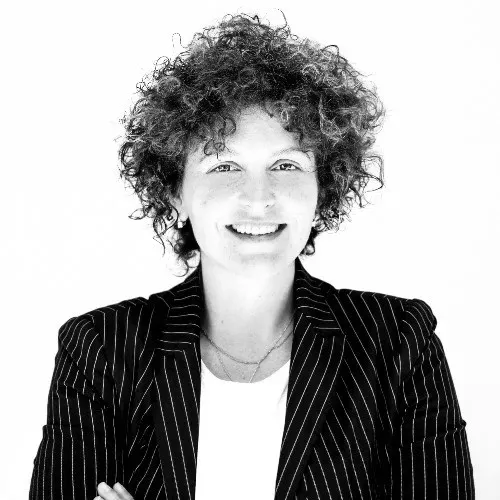
The story starts in 2003 with Andrea Magelli and Sara Roversi’s first company. Lifeinaclick worked in digital and emotional marketing: photographs, branded experiences, concerts, conventions, and road shows. Its portfolio records work involving three editions of the Olympic Games and torch relays. Before the food programs, the founders were already in the business of bringing people, experiences, and communication together.
Food widened the canvas. SoSushi brought Japanese restaurant formats into the portfolio. Dolcevita explored self-service Italian ice cream. Tortellino adapted Bologna’s pasta tradition to food on the move, including a San Francisco location described in contemporary coverage. These were experiments in how a familiar appetite might fit a different setting. The restaurant, its packaging, its identity, and its operations all needed attention.
That range explains the company’s place in the market. A founder might approach an accelerator for mentoring or a creative agency for branding. You Can Group’s published offering brings those activities close to the work of creating food businesses. It sits where venture development, creative services, and food-sector knowledge overlap.
02 / A classroom with something cooking
The founders describe their travels between Bologna and San Francisco as an inspiration for Future Food Institute. The distinction matters: the institute is a nonprofit spin-off of the entrepreneurial group. Its purpose extends into research, education, and sustainable food systems. The connection gives the story continuity without turning every activity into the same company.
Through the institute, the Food Innovation Program took shape with the University of Modena and Reggio Emilia and the Institute for the Future in Palo Alto. Its first edition ran in 2015. The later curriculum described a twelve-month master’s with three stages bearing wonderfully candid names: inspiration, aspiration, and perspiration.
- 01InspirationStudy + foresight
- 02AspirationTravel + exchange
- 03PerspirationBuild + test
A curriculum that eventually asks the hands to join in.
Lectures and foresight training supplied ways to think. International exploration supplied different contexts. Officucina supplied somewhere to make things. The curriculum also included company challenges, entrepreneurial mentoring, and dedicated design-thinking coaching for teams. The practical advantage is easy to understand: an idea encounters equipment, collaborators, and a brief before it becomes somebody’s expensive conviction.
In a 2016 interview, Roversi called food “a global language.” Her explanation reached beyond cuisine to the social, environmental, and economic effects of food choices. That helps explain why the group’s educational interests range beyond opening another restaurant. Food becomes a meeting point for disciplines that otherwise occupy separate rooms.
“Innovation is a cooperative effort.”Sara Roversi · 2015 company case study
03 / The work behind the appetite
The group’s service menu includes less glamorous ingredients: administration, recruitment, supplier selection, location scouting, training, and operations. Alongside these sit web development, branding, photography, communications, and events. For a food entrepreneur, that combination addresses a familiar problem. A good product still needs a workable business around it.
Different participants use different parts of this arrangement. A company can seek creative or operational expertise. A startup can seek mentoring and connections. A learner can pursue education through an associated program. Future Food Accelerator, launched by Roversi and Tree founder Antonio Perdichizzi, was designed to connect food startups with businesses and the broader food ecosystem.
The commercial logic runs through ventures and professional services, with restaurant franchising among the historical formats. Educational partnerships bring another kind of participation. A useful reading of the model is that capabilities can travel between projects: the people who understand a brand launch may also understand an event, a restaurant concept, or a student challenge.
Partner-funded scholarships announced for the Food Innovation Program’s 2016 edition. An aggregate award pool, not a tuition price.
04 / Keep the numbers attached to the story
The second program edition announced fifteen international students and €100,000 in scholarships from partner companies. Those figures describe a specific educational undertaking. They make the resources behind the classroom visible.
The restaurant history carries a different financial lesson. Brainspark reported completing a 50.1% acquisition of the SoSushi-related You Can Group S.r.l. holding in June 2012, for stated consideration of €751,500. In September 2015, its successor Clear Leisure wrote its remaining €100,000 SoSushi investment value down to zero. The acquisition price and later accounting loss belong to that restaurant investment. Neither measures the broader ecosystem’s present value.
Placed together, these episodes resist a tidy success narrative. Building an attractive format, selling a stake, and sustaining value under subsequent ownership are separate achievements. The education story deserves the same discipline: count the cohort and scholarships, then examine what participants actually make.
05 / Copy the proximity
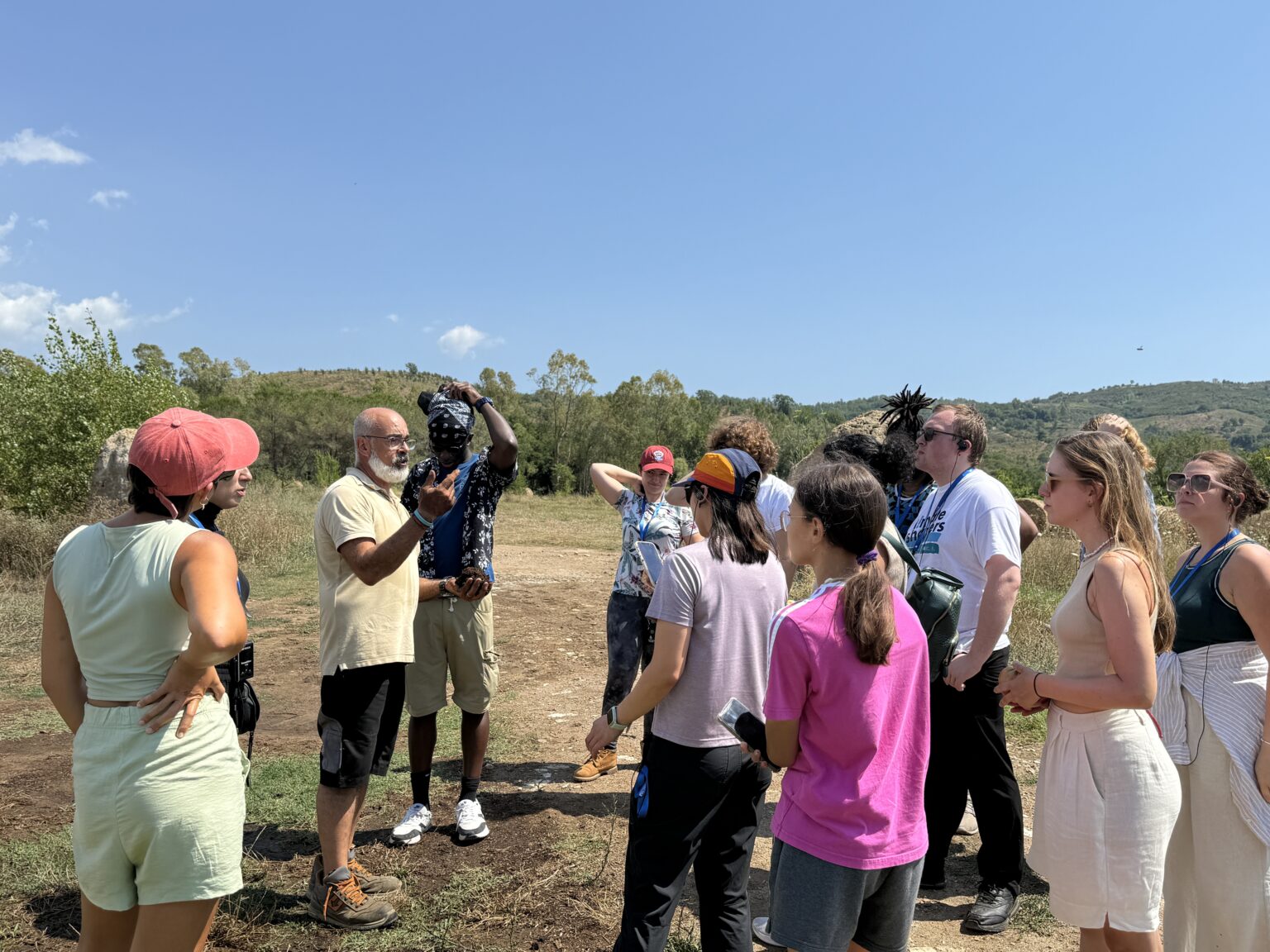
In June 2019, FAO signed a formal partnership with Future Food Institute covering education and sustainable food systems. By July 2025, the institute was reporting regenerative agriculture and women’s entrepreneurship programs at Paideia Campus in Pollica. These are developments in the spin-off’s work, extending the learning thread beyond the original Bologna ventures.
The part another organization can copy is practical: bring people with different knowledge together, give them a concrete problem, and make room for a prototype. This demands equipment, facilitation, business participation, and time. Where those conditions are absent, a meetup alone cannot deliver the same experience. Officucina makes the requirement beautifully literal. Somebody has to provide the kitchen.