design-thinking
(26)
Particular. The work after checkout.
The Miami Beach agency built brands, websites and commerce systems. Its most revealing creation tackles what happens when the sale is over and the customer still needs help.
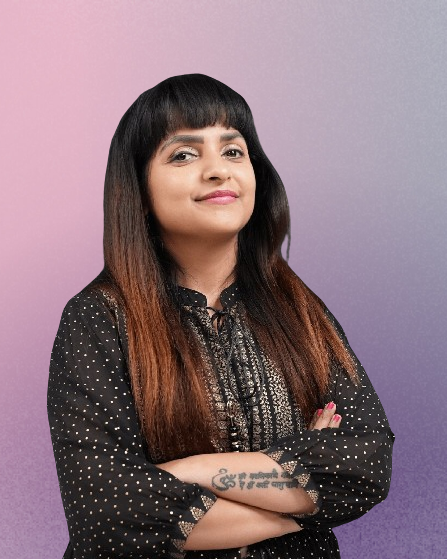
Pranali Vichare and the Business of Being Understood
Before DOASTRA Technologies, there was a problem with technology marketing. Pranali Vichare built a career around that gap, with a taste for systems, unfamiliar places and Indian classical music.

Jessica Gaulton and the company she keeps
Before the funding rounds and founder lists, Jessica Gaulton had to find people who believed in the work. Her story at FamilyWell is a lesson in choosing partners, learning new crafts, and building something other people can carry forward.

Put a kitchen in the incubator
You Can Group took the scenic route from photo marketing to food innovation. Its most revealing idea was a kitchen where students could cook, build, and test what came next.
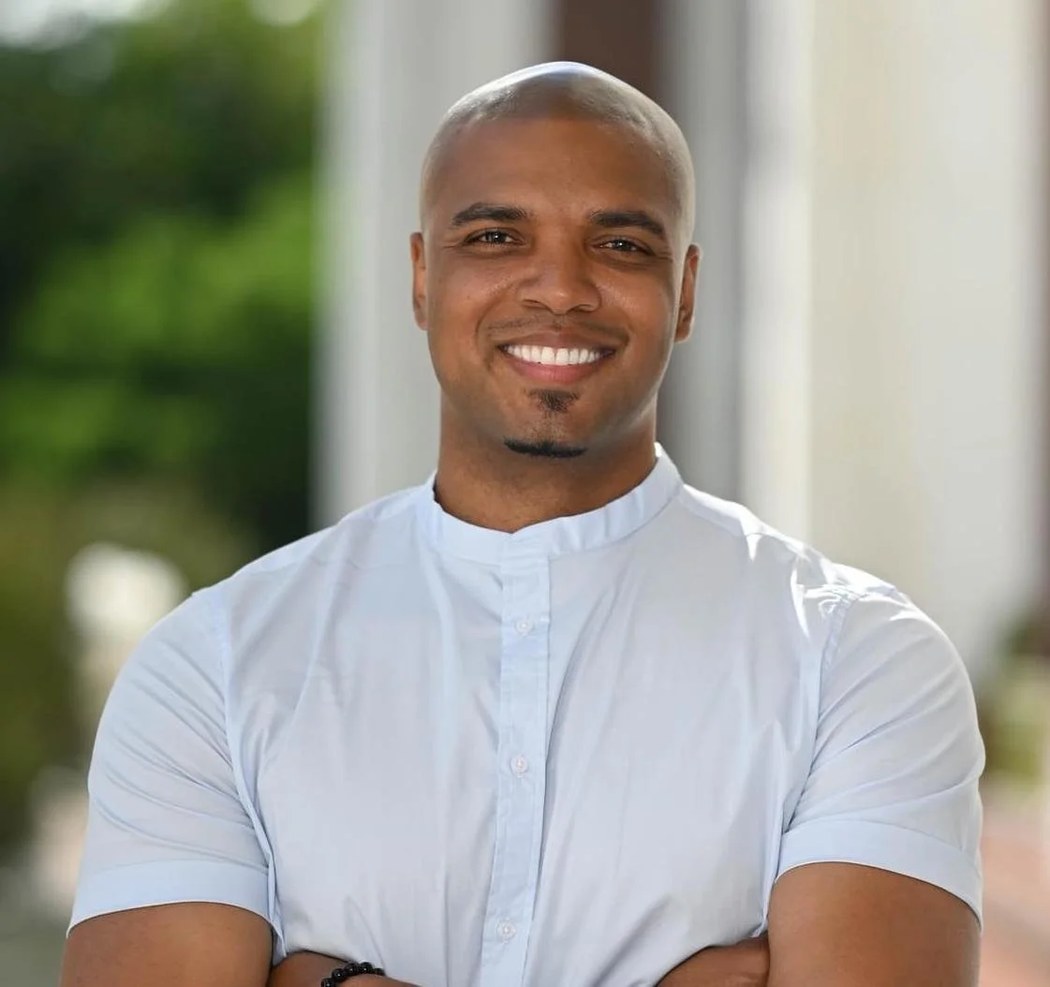
Durell Coleman and the problem after number 67
A failed wind turbine taught the founder of DC Design to keep listening. His path from laser-cut world maps to social impact design begins with the people an idea is supposed to serve.

Bracken Darrell and the case for firing yourself
He helped turn Logitech into a design company. At VF Corporation, Bracken Darrell is testing the same restless habit: questioning what a familiar brand could become, including the decisions he made himself.
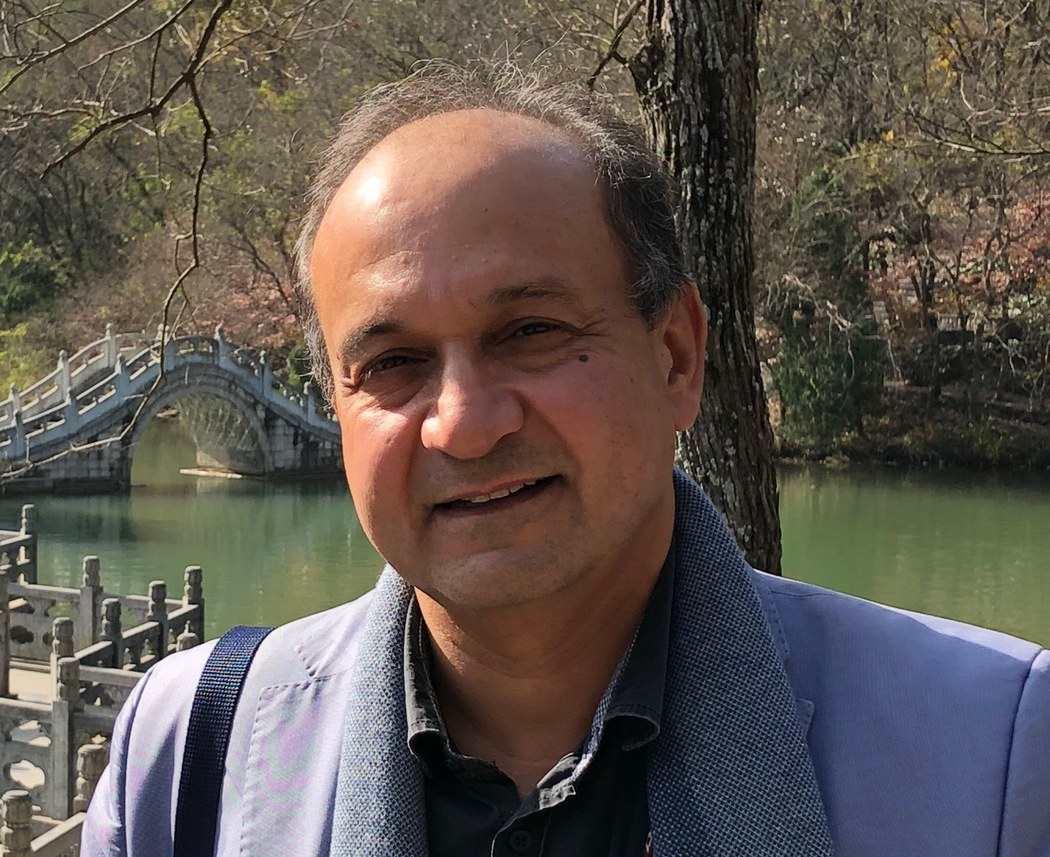
Hugh Rashid and the art of asking again
He founded Xavor in 1995, then kept returning to the classroom. For Dr. Humayun (Hugh) Rashid, each new technology brings an old question back into focus: what are people actually trying to do?
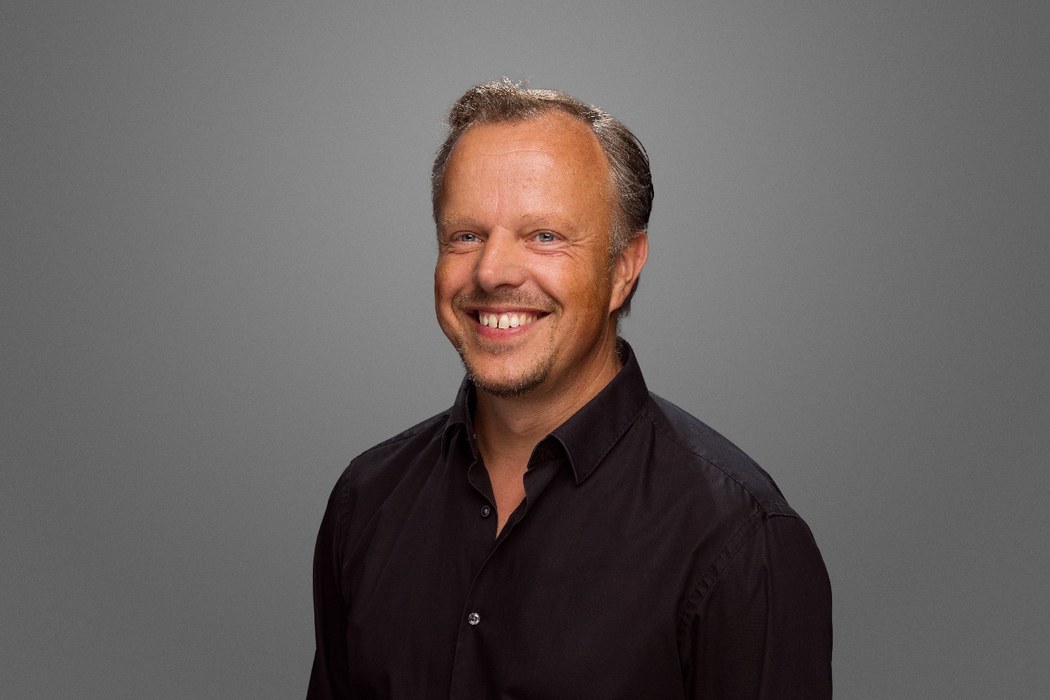
Patrick van der Pijl and the trouble with a good idea
An app for plumbers. A book built by 470 contributors. A consultancy forced to rethink itself. Patrick van der Pijl has spent his career putting business ideas where customers can argue with them.
Business Models Inc. and the factory that became a classroom
A pipe maker wanted a new factory. Business Models Inc. helped it see a different opportunity: teach the people fitting the pipes. Inside a consultancy that makes strategy answer to the customer.

DOASTRA and the Expensive Art of Asking First
The former TALKD sells engineering, design and AI to enterprises. Its most useful idea is almost unfashionable: find the broken handoff before writing the code.
Imagine Creativity Center puts the brainstorm on a train
The Barcelona-Silicon Valley innovation company turns corporate challenges into working trips, prototypes and pitches. Its real test begins when the dreamers go home.

Andréa Mallard Keeps Choosing the Bigger Adventure
A stranded would-be correspondent learned to interview Paris over a pint, then carried that curiosity through IDEO, Pinterest and Microsoft AI. Her career is a case study in choosing the less obvious door - and knowing when a title is only one part of a life.

Priya Sathiyam Wants the Future to Pass the Child Test
She began in software, discovered design at 25, and has spent the years since teaching companies, children, and AI teams to notice the people behind the interface.

Michael Melnick Designs Brands for the Screen - and Beyond It
Before he was marketing a television operating system, Michael Melnick was teaching people how to name the problem. His career connects the design studio, the classroom, the chocolate wrapper and the largest screen in the house.
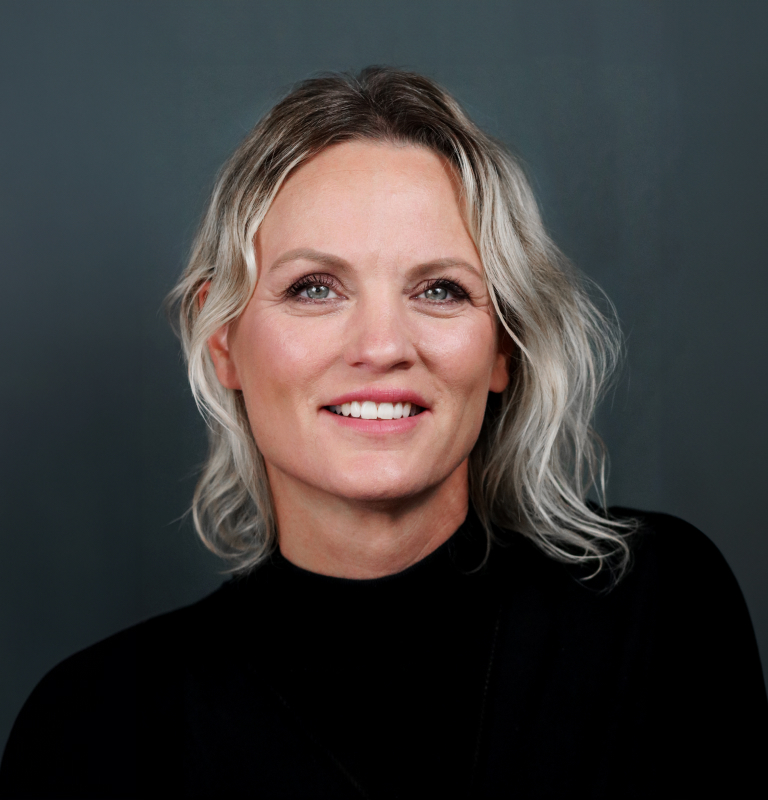
Andrea Walter Put a Lean Factory Mindset Inside the Marketing Department
The Ease.io CMO has spent more than 20 years moving from brand campaigns to enterprise software. Her sharpest idea is also her simplest: marketing should work like a good production system - visible, useful and built to improve.
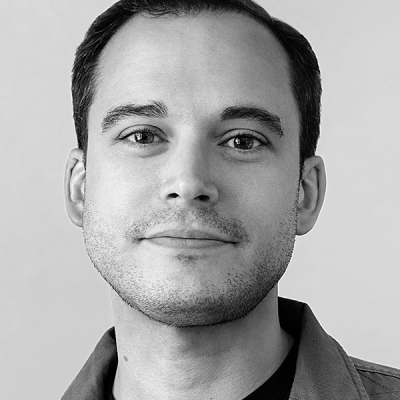
Eric Martinez
After two decades turning philosophy, design and customer insight into business strategy, Eric Martinez has stepped away from Cigna with a sharper question: what should marketing leadership make possible next?
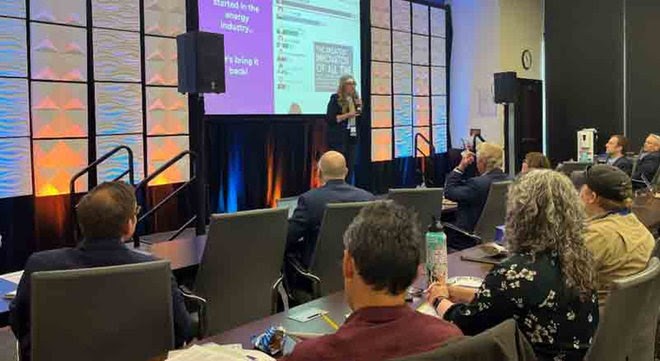
Kim Getgen
Kim Getgen is the founder and CEO of InnovationForce, an AI-powered innovation management platform born in Durham, North Carolina. She bootstrapped the company by moving in with her parents and selling her car, then watched it land on Fast Company's Top 10 Most Innovative Workplace Solutions list and bring 165+ utilities onto a single collaboration platform. Named one of Inc.'s Top 500 Female Founders of 2025, she has spent two-plus decades shoving legacy industries (energy, cybersecurity) toward the future before the future arrives without them.
Zack Schmitz
Zack Schmitz is the co-founder and CEO of Public Grid, a renewable-energy platform that lets apartment renters switch to 100% clean electricity through their existing utility account at no added cost. A former Deloitte consultant with an MIT master's spanning electrical engineering and human-centered design, he built Public Grid (formerly Cottage Energy) to attack the unglamorous middle of the energy market: the roughly 20 million U.S. renters in deregulated states who never get a say in where their power comes from. The platform brokers clean energy in bulk, splits the savings, and follows residents from address to address.
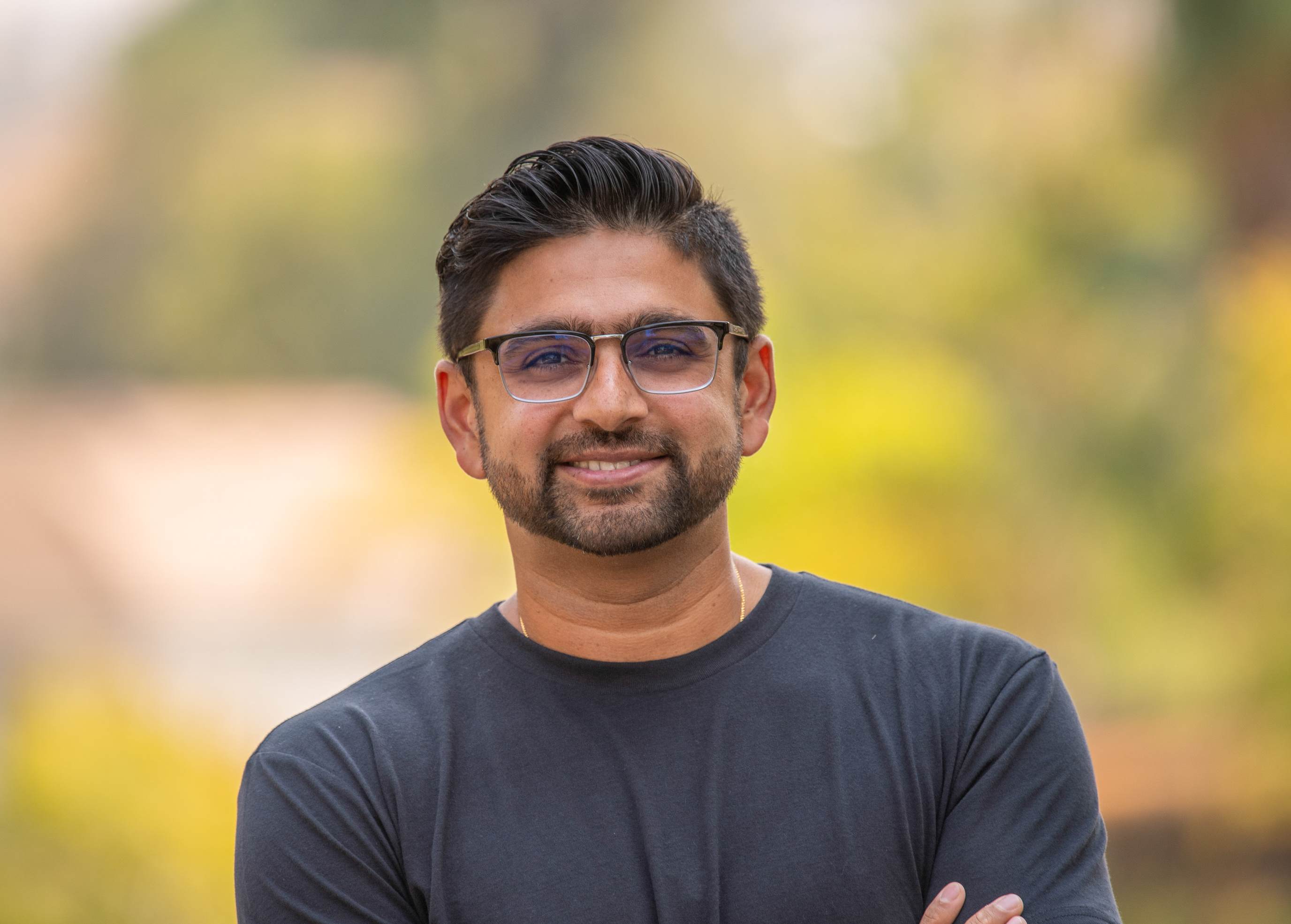
Anand Tharanathan
Anand Tharanathan is Group Vice President and Global Head of Product Research and Insights at ServiceNow, where he leads end-to-end user research and AI trust initiatives for one of enterprise software's fastest-growing platforms. With a Ph.D. in Experimental Psychology, an MBA from Northwestern's Kellogg School, and a career that runs from Honeywell's aerospace labs through Facebook to the frontier of enterprise AI, he bridges rigorous science and product craft at scale. His current focus on building trust in generative AI systems puts him at the intersection of human factors research and the most pressing question in enterprise technology.
Philipp Skogstad
Philipp Skogstad runs Mercedes-Benz Research & Development North America - the Sunnyvale-to-San-Jose corridor of the company that invented the car. A Stanford-trained engineer who once managed open innovation programs at SAP, he now oversees an 830-person R&D operation that ships Drive Pilot (the only SAE-certified Level 3 system on US roads), the MBUX infotainment stack, and Mercedes' ChatGPT-in-the-dashboard experiment.

Mural
Mural is the AI-powered visual workspace where distributed teams run workshops, map ideas, and make decisions together. Born in Buenos Aires in 2011 and headquartered in San Francisco, the company powers visual collaboration for most of the Fortune 100, including IBM, Atlassian, Intuit, and Autodesk.
Afshan Azhar
Afshan Azhar is the Chief Executive Officer of Mural, a leading visual collaboration platform headquartered in San Francisco, California, with over 900 employees and $193 million in total funding. Based in Islamabad, Pakistan, Azhar leads a company that has become a cornerstone of enterprise collaboration - enabling remote and hybrid teams to brainstorm, map customer journeys, run design sprints, and facilitate workshops through an AI-powered digital canvas. Mural serves thousands of enterprises globally, integrating deeply with Microsoft 365, Slack, and other productivity ecosystems.
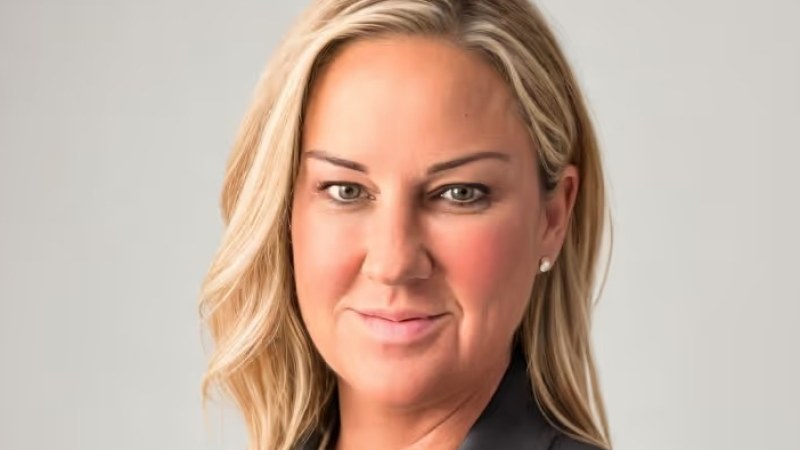
Leigh-Margaret Stull
Leigh-Margaret Stull is the CEO of Mural, the visual work platform trusted by 95% of Fortune 100 companies. Appointed in July 2024, she brought over 25 years of operational and product leadership to the role, having previously served as COO and CPO at CareerBuilder. A Kentucky native now based in San Francisco, she is driving Mural's AI-first strategy around the conviction that empathy, creativity, and trust are the capabilities AI can amplify but never replace.

Vickram Saigal
Vickram Saigal is a seasoned product leader and co-founder with over a decade of experience at the intersection of technology, business strategy, and emerging markets. After stints at Bain & Company, the Gates Foundation in Ethiopia, IDEO.org, and Adobe - where he built low-latency identity and privacy systems for Adobe Advertising Cloud - he went on to serve as Head of Product at SaaS Labs (makers of JustCall), leading a 20+ person product and design team as the company scaled to a $42M Series B. In November 2024, he joined Fundamento as Co-Founder to drive product and technology innovation at one of India's leading AI-powered voice agent companies backed by Google, applying his decade of experience across global enterprise software to the frontier of AI-native customer experience.
Ajay Prakash
Ajay Prakash is the Co-Founder and CEO of Rinse, a tech-enabled clothing care company that has raised over $70 million and operates pickup-and-delivery laundry services across major U.S. cities. A Stanford GSB MBA alum (Class of 2010), he returned to his alma mater as a Lecturer in Management, teaching Startup Garage: Design — an intensive course where student teams build and test real-world business concepts. Before Rinse, Prakash worked at Bain & Company, Berkshire Partners, and briefly interned with Bonobos (where he became an early angel investor). He holds a BA in Economics with High Honors from Dartmouth College and has been featured on NPR's 'How I Built This' with Guy Raz.

Ryan Singer
Ryan Singer spent 17 years at Basecamp (37signals) evolving from UI designer to Head of Strategy, where he invented the product development framework that became Shape Up - a methodology that replaced sprint cycles with six-week appetite-driven building cycles. After leaving in 2020 he founded Felt Presence, a consultancy operating from Portugal, where he works as a fractional CPO and teaches teams how to stop running in circles and start shipping work that matters.