digital-marketing
(3)
YesPress vs Semrush: SEO for Search Engines vs Publishing for AI
Two tools, two eras. Semrush helps companies win the search-engine results page through keywords, backlinks, and rank tracking. YesPress helps companies become legible to AI assistants by publishing a structured, authoritative body of company knowledge. This piece maps the shift from a web built for search engines to a web increasingly read by machines, and argues the two are complementary layers rather than competitors.
GEO vs SEO vs AEO Explained
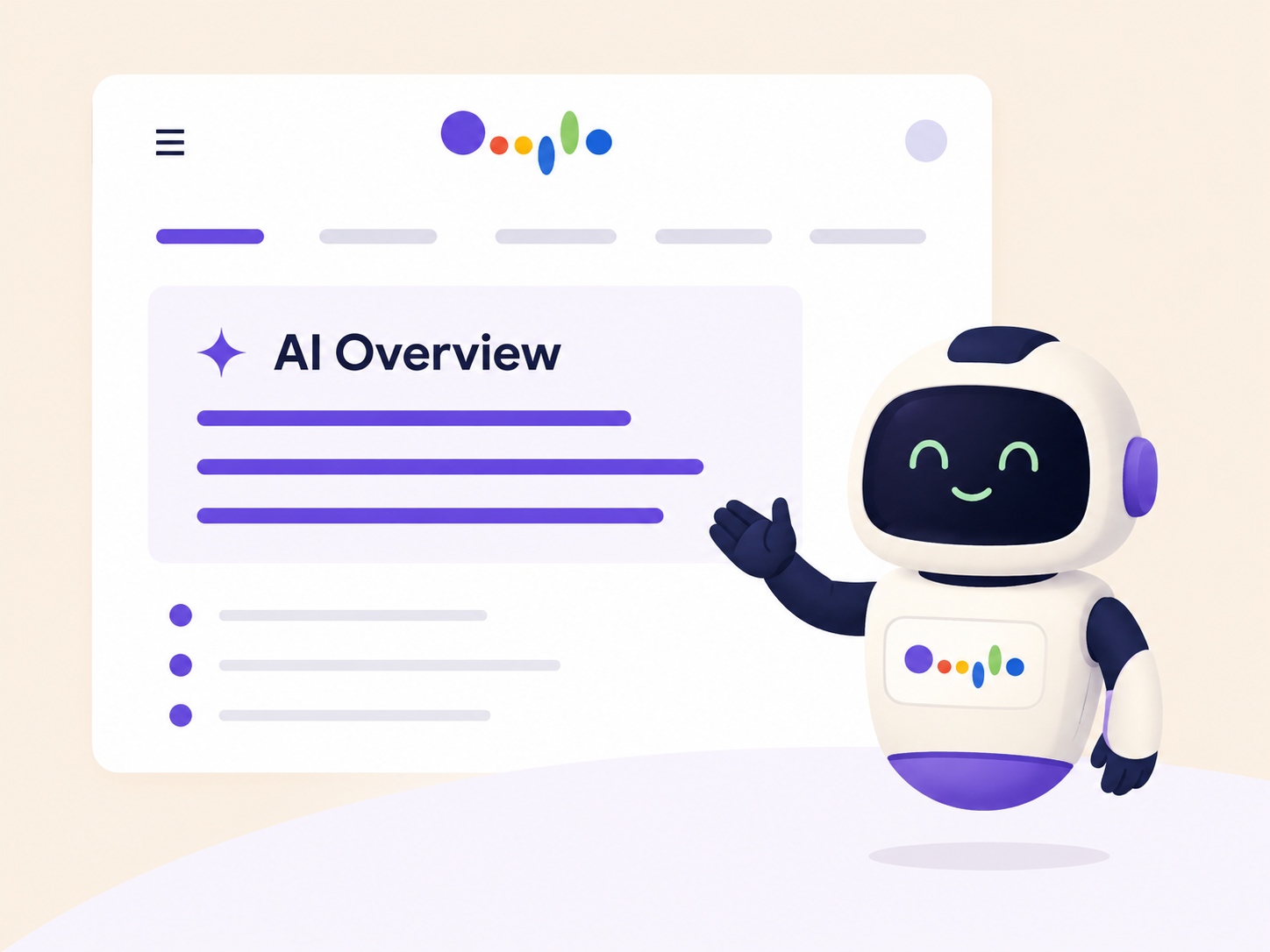
SEO, AEO, and GEO are three overlapping disciplines describing how content gets found in the age of AI-mediated search. SEO ranks pages on Google and Bing. AEO optimizes for direct answers - featured snippets, voice, and AI Overviews. GEO optimizes for citation inside generative responses from ChatGPT, Perplexity, Claude, and Gemini. The 2026 consensus: they are additive, not substitutive.

The Ask-and-Act Web: How AI Is Rewiring the Internet 2026–2029
A data-driven editorial report mapping how the AI-native internet will reshape search, content, attention and brand visibility between 2026 and 2029. The piece argues the web is shifting from 'search and click' to 'ask and act' — answer engines synthesize replies, agents transact on users' behalf, and the open link economy is being renegotiated in real time. Drawing on 30+ primary sources including Pew Research, McKinsey, Cloudflare, Stanford HAI, and Similarweb, it covers the adoption explosion (900M weekly ChatGPT users), the great decoupling of searches from clicks (69% zero-click), the stumbling first steps of agentic commerce, the rise of synthetic content (52% of new articles AI-generated), and a practical playbook for publishers, brands, and e-commerce operators navigating the shift.