it-services
(92)
The Company That Put Gas Pipelines and Résumés Under One Roof
Blackstone Technology Group spent decades learning where complicated operations break. Its answer is an odd but coherent pair: find the humans who can fix the system, then build the software that makes one stubborn industry run.

TMT Teaches the IT Department How to Sell
Robin Robins built a business around a problem technical skill cannot fix: finding the next customer. Now part of Kaseya, TMT is taking its campaigns, coaching and peer pressure into a bigger arena.

Fujitsu wants to modernize the world. First, earn its trust.
The Japanese computing veteran is turning decades of engineering into a growing business in AI and modernization. Its hardest assignment is proving that the institutions buying its technology can trust what happens next.

Capsitech wants to put the back office on speaking terms
From accounting software to a technology institute in Jodhpur, Capsitech is building around one stubborn business problem: the work that falls between people, systems and skills.

Storm Technologies and the business of making IT behave
A laptop order is the easy part. Storm Technologies has built its business around the awkward work that follows: getting devices deployed, keeping people working and putting old equipment back to use.

Adarsh Katyal Built VARITE for the Work Between the Work
For 25 years, the VARITE founder has worked in the unglamorous machinery of enterprise talent - matching people, programs and trust across borders. His record offers a useful lesson: durable companies are often built where coordination matters more than applause.
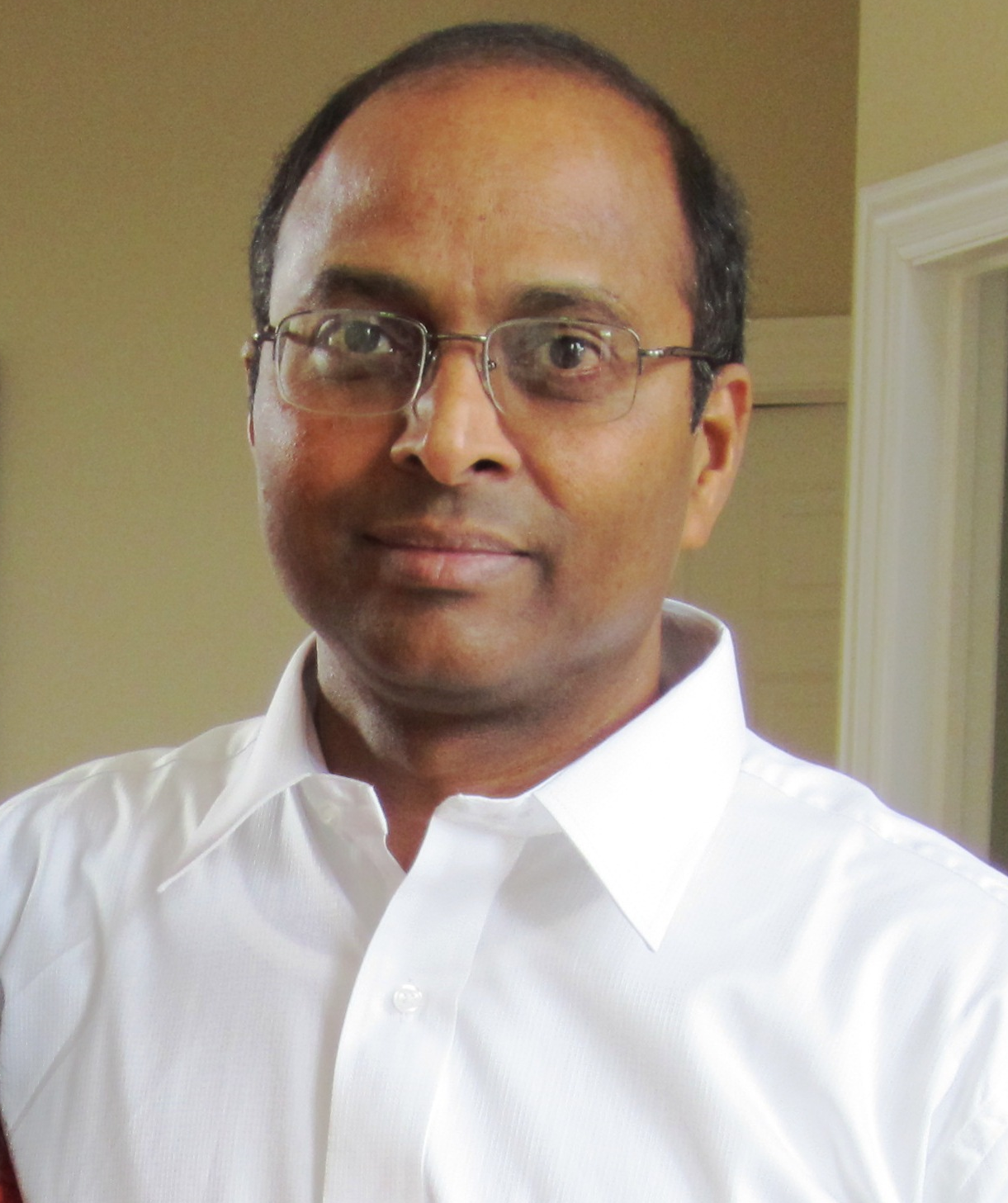
Prasad Rao Built a Career by Finding Better Words for Hard Problems
Before the awards, public listings and decades in enterprise technology, a Telugu-medium engineering student solved a vocabulary problem with three improvised words. That instinct - work with what you have, then make the system better - still explains Prasad Rao's career.

Baljeet Chhazal Is Building for the Part After the AI Demo
After years spent inside the machinery of Oracle, ERP and supply-chain transformation, the Calfus co-founder is betting that enterprise AI will be judged by what survives contact with production.

Rajiv Khattar Built a Career in the Work Between Talent and Technology
For more than 17 years at Agama Solutions, the Bay Area executive has worked where software delivery, client trust and technology talent meet. His record offers a quiet lesson in the value of staying close to the work.

Anjali Yadav and the Quiet Machinery Behind a Tech Company
Her public footprint is spare, but the work around it is substantial: people, process and the long operational shift from IT consulting to enterprise AI.
Rajiv Pendyala Built a Career in the Work Between the Software and the Sale
For three decades, Rajiv Pendyala has worked the seam where technical projects meet commercial trust. His long tenure at Infotech Spectrum offers a practical study in the quiet machinery of IT services.
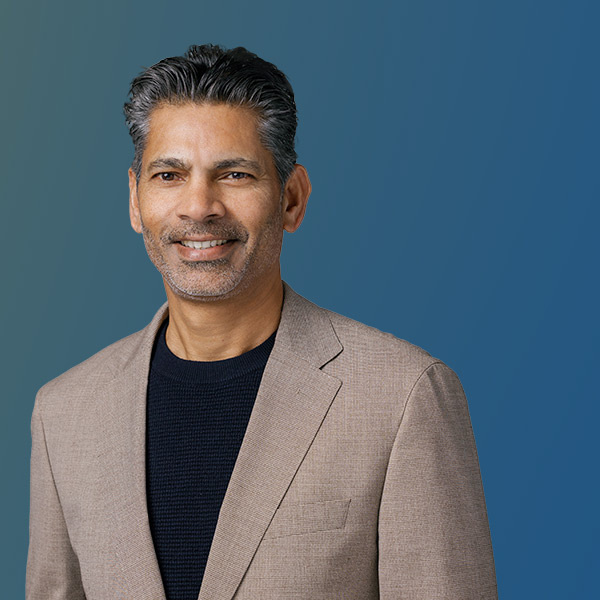
Karan Yaramada Chose the Long Game - Then Built for Every Next Wave
He left consulting in 2003, worked without a paycheck, and built Jade Global past $100 million without outside funding. His real product was never a technology stack. It was staying useful while the stack kept changing.
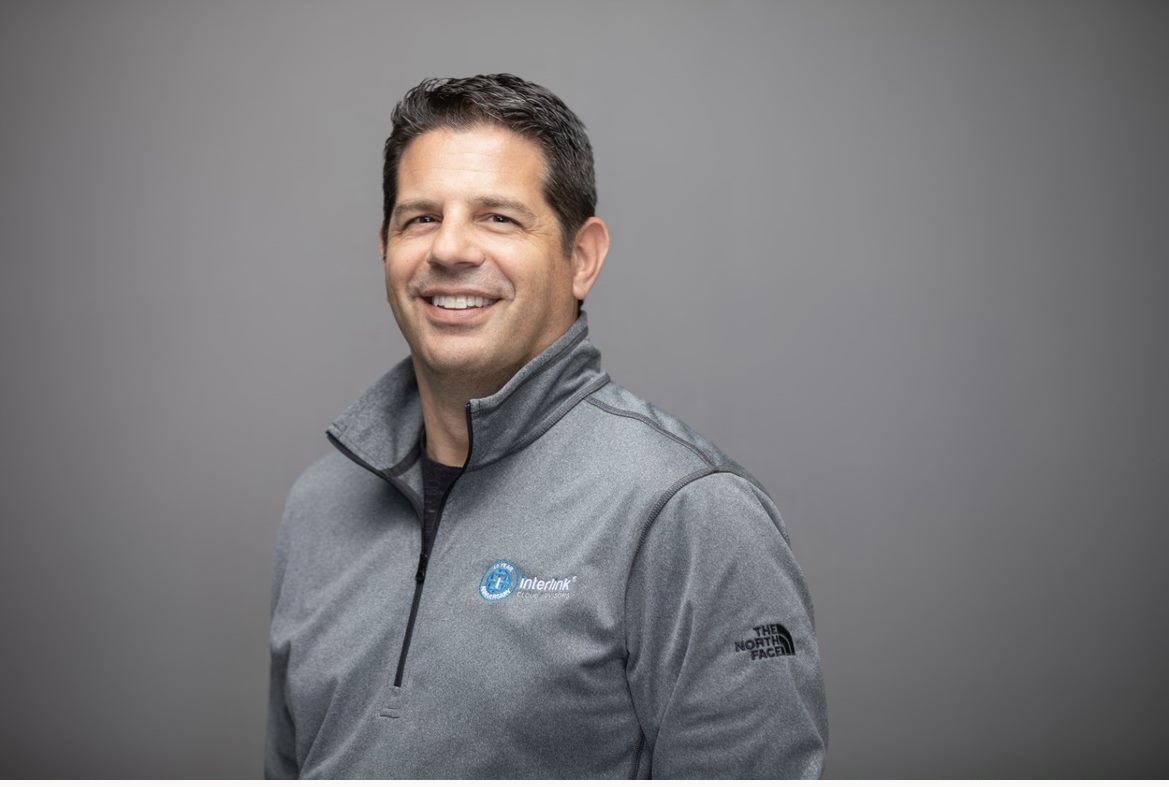
Matt Scherocman Built a Cloud Company With a Scout's Compass
He learned leadership in Scouting, learned the channel at Microsoft, and built Interlink around a durable idea: technology earns its keep only when people can actually use it.

The Firm That Made 'Accelerate Change' a $6 Billion Playbook
For more than two decades, Tailwind Capital has bought the boring, essential companies that keep infrastructure, supply chains and IT running - then quietly compounded them.

The Software Shop Behind the Gas Bill
Webmyne spent two decades doing the broad work of a digital agency. Its most revealing product is much narrower: software that helps Indian gas distributors turn meters, bills and customer requests into one working system.

Insight Built an $8.2 Billion Business Selling Tech. Now It Wants to Make It Work.
The Fortune 500 company grew up shipping hard drives. Its next act is harder: becoming the accountable layer between enterprise buyers, cloud giants, AI systems and the stubborn machinery already in place.

The Mexican Software Company That Made Nearshore a Strategy
Long before nearshoring became a boardroom buzzword, Softtek built an international IT business around proximity. Now the Mexican company is testing whether that human advantage can survive an agentic turn.

The 36-Year-Old Engineering Firm Turning Enterprise AI Into Actual Work
Xoriant spent three decades doing the unglamorous engineering beneath enterprise software. Now a private-equity-backed acquisition run is turning that foundation into a broader bet on applied AI, modern platforms and the testing required to trust them.
The 49-Year-Old Software House Quietly Wiring the Global Enterprise
Systems Limited began with a used mainframe and an awkward problem: Pakistan barely had a software industry. Today it earns about 91 percent of group revenue in foreign currency by making the world's biggest enterprise platforms work in the places where failure is expensive.

Peeyush Dubey Is Rebranding An IT Giant One Chess Move At A Time
The CMO betting that a 1,500-year-old board game can do what another billboard cannot - make a global IT services brand impossible to ignore.

The 30-Year-Old Phone Company That Quietly Became an AI-Era IT Shop
It started as the technology arm of a regional Bell telephone company. Three decades and a private-equity buyout later, CBTS runs cloud, security, and communications for 3,000-plus businesses - and it wants to be the partner that makes its clients look good.

The 36-Year-Old Engineer Behind the AI Everyone Else Is Pitching
Persistent Systems spent decades doing the unglamorous engineering beneath other companies' software. Now that AI has made architecture fashionable, its old habit of building what must actually work looks newly valuable.

Wipro’s 80-Year Pivot: From Cooking Oil to Enterprise AI
The Indian company that began with vegetable oil now runs critical technology for banks, hospitals, manufacturers and retailers. Its next reinvention is harder: making AI useful across the enterprise without losing the delivery discipline built over eight decades.

The Company Enterprises Call When Their Tech Stack Stops Speaking English
Presidio has built a multibillion-dollar business translating a messy universe of clouds, networks, security tools and AI pilots into systems that companies can actually run. Its real product is accountability.

Hexaware Technologies
How a spin-off from an Indian computer-training business became a 32,000-person, AI-first services firm - and pulled off the biggest technology-services IPO in over a decade.

Virtusa
The 1996 startup that bet enterprises would move their software off-premise now runs on an 'Engineering First' creed - and is wiring generative AI into banks, insurers and hospitals that can't afford to guess.

Cognizant
Cognizant built a $21.1 billion business by doing the unglamorous work behind modern companies. Now it wants to own the last mile between an impressive AI demo and a system a bank, hospital or factory can actually trust.

Tech Mahindra
The Mahindra Group's software arm turned a British Telecom side project and a rescued fraud case into a 148,000-person, 90-country IT services house - now betting the next chapter on agentic AI.

Paresh Vankar
For Paresh Vankar, the future of B2B marketing is neither a louder story nor a shinier tool. It is the disciplined work of turning technology, data and human understanding into business meaning.
Coforge
The former NIIT Technologies spent years learning the machinery of airlines, banks and insurers. Now, with 45,000-plus people and an expanding stack of AI platforms, Coforge is trying to turn that institutional memory into software that can act.