telecom
(58)
Jaymie Scotto Cutaia and the story at the other end of the cable
Before founding JSA in 2005, Jaymie Scotto Cutaia learned to follow a story from a television newsroom into the machinery of the internet. She has spent two decades giving that hidden world a public voice - and asking who else should have the microphone.
Hoonartek makes old data useful again
Banks and telecom operators have plenty of data. Hoonartek’s business is making it agree, arrive on time, and support decisions someone can explain.
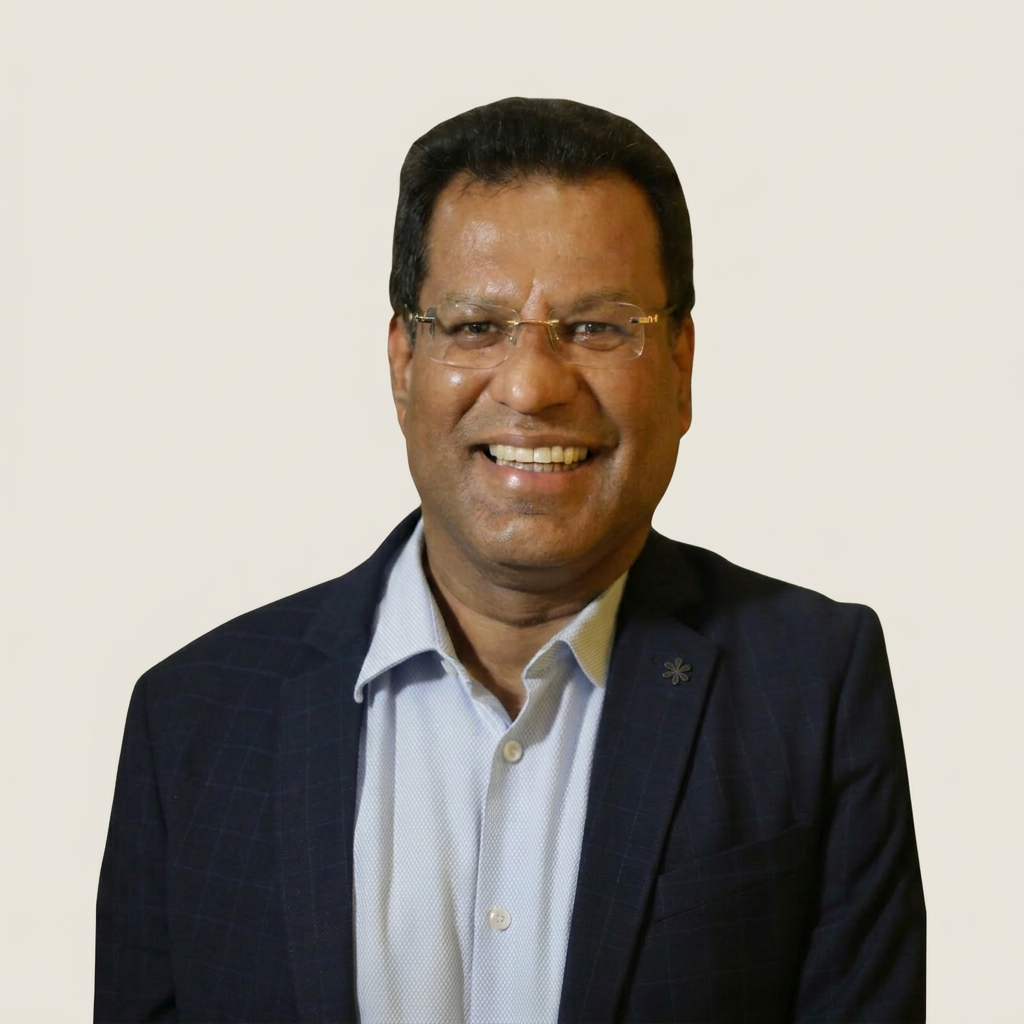
Rajesh Chandiramani and the business of starting again
He returned to Tech Mahindra because he knew the people. Now, at Comviva, Rajesh Chandiramani is asking familiar businesses to learn unfamiliar habits.
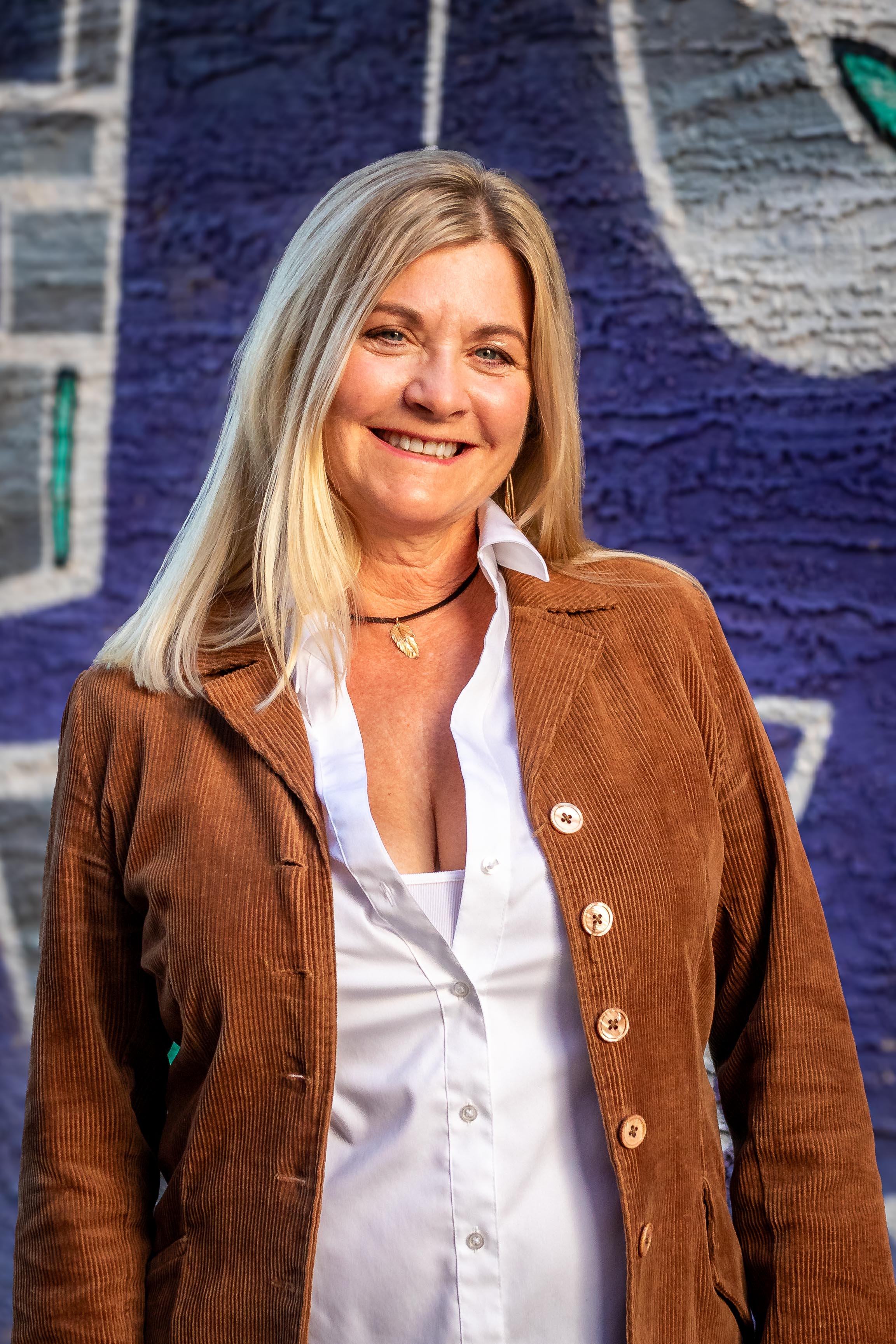
Cat McIntosh’s Second Act Runs on Less Data
A former coffee-shop owner and resort marketer is now selling telecom operators a counterintuitive proposition: give customers the video they want by sending their phones less of it.
The Colorado Startup Teaching Your Phone to Diet on Netflix
Video eats the wireless network alive. A husband-and-wife team on Colorado's Western Slope built AI that puts it on a diet - on the device, before it ever clogs the tower.

The Kiosk That Ate 2,000 AT&T Stores
How Farid Virani turned one mall cart into the biggest AT&T retailer in the country - and what he did with the money once he got there.

The Japanese Company That Turned Points Into a Country-Sized Ecosystem
One membership, one currency, seventy-plus services. Rakuten built its empire not by winning a single market, but by making customers unwilling to leave any of them.
Tech Mahindra
The Mahindra Group's software arm turned a British Telecom side project and a rescued fraud case into a 148,000-person, 90-country IT services house - now betting the next chapter on agentic AI.

REVE Systems
For more than two decades, a company born in Dhaka has quietly wired the plumbing behind millions of internet phone calls - one softswitch, one dialer, one SMS gateway at a time.

Jio Platforms
How a telecom upstart turned cheap data into an operating system for daily life in India - and why the world's biggest investors bought in.

Intense Technologies
A quiet Hyderabad software house has spent three decades building the plumbing behind your phone bill, your bank statement and your insurance onboarding - and selling it back to some of the world's largest companies.

Ericsson
The 149-year-old Swedish firm that helped write the rules of 5G now has to prove those networks can grow again - under a new CEO and an AI-driven cost squeeze.
Enghouse Systems
How a quiet Markham software company turned buying unloved businesses into a decades-long compounding machine - one contact center, video platform, and telecom system at a time.

AVOXI Wants Your Business Call to Stop Looking Like Spam
The 25-year-old Atlanta voice company sells phone numbers in more than 150 countries. Now it is betting that the hardest problem in business calling is not connecting - it is getting people to pick up.
Broadvoice
CX Built For Where Your Business is Going Next. Broadvoice replaces overbuilt, underperforming communications platforms with cloud calling, contact-center, and AI tools built for small and mid-sized businesses.
AVOXI
AVOXI delivers unmatched cloud voice coverage that's orchestrated by software. It's the only platform you'll ever need.

Arimac Digital
Arimac Digital is a full-stack digital product engineering company founded in Sri Lanka in 2011 and now operating out of Colombo, Dubai and beyond. It builds enterprise-grade web, mobile, AI, immersive and robotics products for global brands across fintech, telecom, aviation and consumer sectors - clients include Emirates, Etihad, Coca-Cola, Tesco, Visa and Ooredoo. With 400+ specialists, 850+ solutions delivered and a claimed 330 million+ digital lives reached, Arimac positions itself as one of South Asia's leading engineering-led digital studios, and made headlines building Diyazen, Sri Lanka's first humanoid robot.
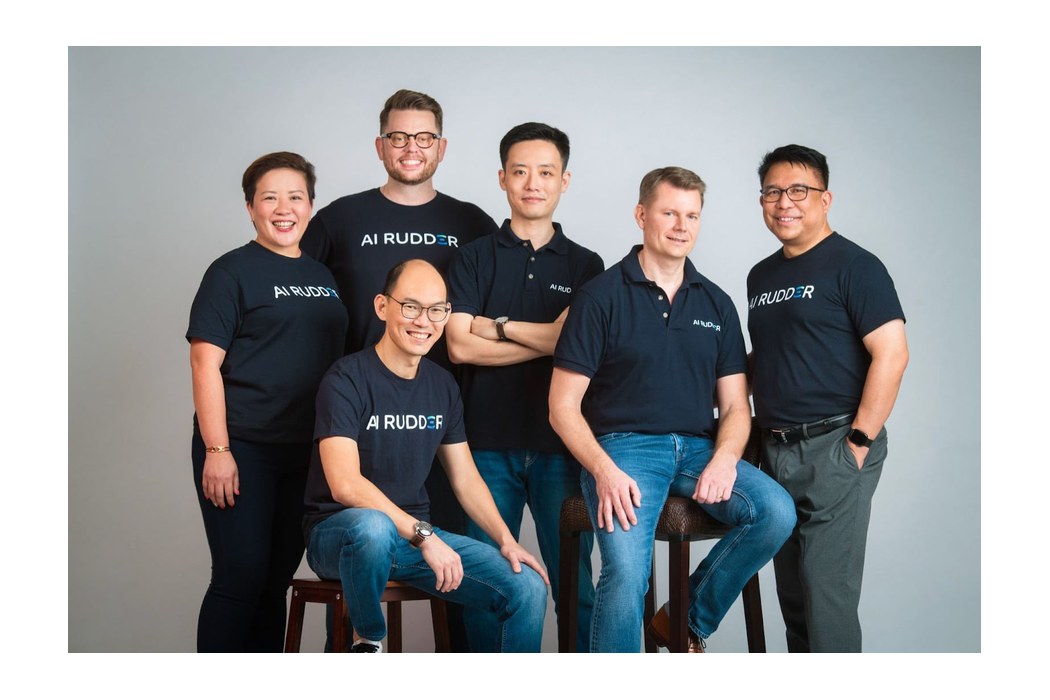
AI Rudder
AI Rudder is a Singapore-based voice AI company that automates high-volume customer phone calls and chats for banks, lenders, insurers, e-commerce and logistics firms. Its human-sounding voice agents handle payment reminders, verification, surveys, telemarketing and customer service across 15+ languages and regional accents, letting enterprises scale contact-center work without adding headcount. Backed by Sequoia, Tiger Global and Coatue, it serves 500+ enterprise clients concentrated in Southeast Asia and Latin America.
Sytex
Sytex is an Argentine SaaS platform that digitizes and automates field infrastructure operations for telecom, energy, construction, and oil & gas teams. Companies use it to design workflows, run them in the field on a mobile app, verify evidence with AI, and turn every action into a single source of truth - replacing the Excel-and-email sprawl that slows down network rollouts and maintenance across nine-plus countries.
Novosol
Novosol is a Singapore-based mobile advertising and customer-engagement company behind moLotus, a patented GSM-based mobile video interaction platform. moLotus delivers personalized, interactive video messages directly to any mobile handset - no app download or data connection required - and can push millions of messages a day. Working through telecom operators such as Airtel, Vodafone, Indosat and Telkomsel, Novosol helps banks, retailers, automakers and consumer brands automate customer relationship processes while opening a new advertising revenue line for the carriers themselves.
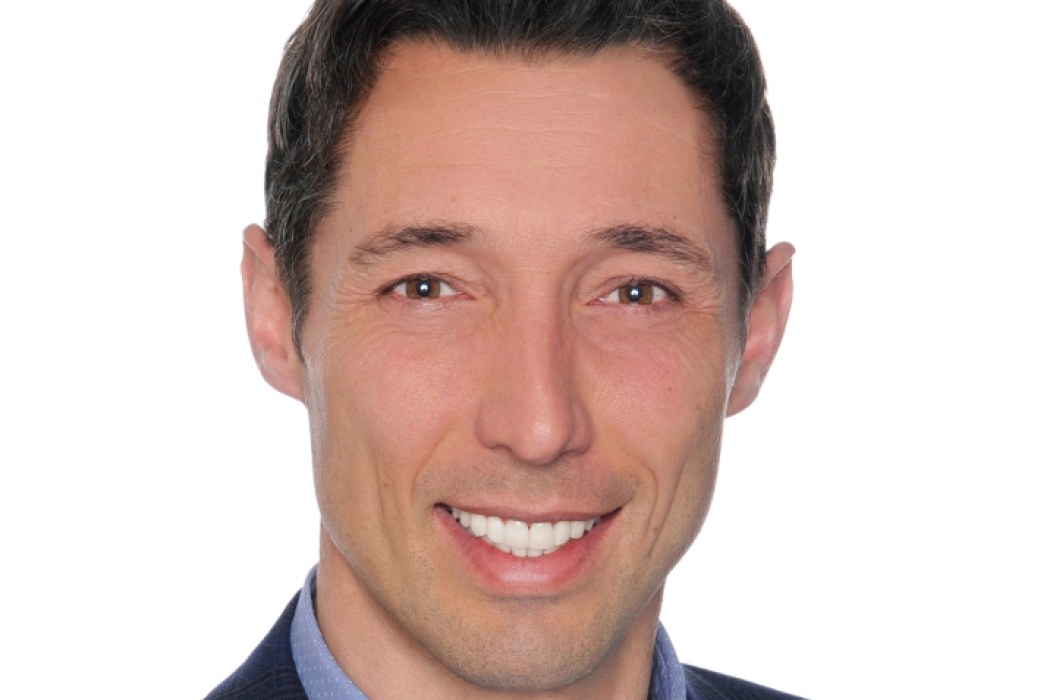
Thomas Cottereau
Thomas Cottereau is the CEO and co-founder of SightCall, a San Francisco-based platform for AR-powered live visual assistance used by enterprises in insurance, manufacturing, healthcare and utilities. A telecom engineer who helped build early internet infrastructure at UUNET and MCI WorldCom, he started SightCall in 2008 in a friend's basement and spent five years turning a video prototype into an enterprise SaaS platform, later moving his family to the Bay Area and winning HP as an early flagship customer. Under his leadership SightCall raised roughly $58 million and grew into a global company serving customers across every continent.
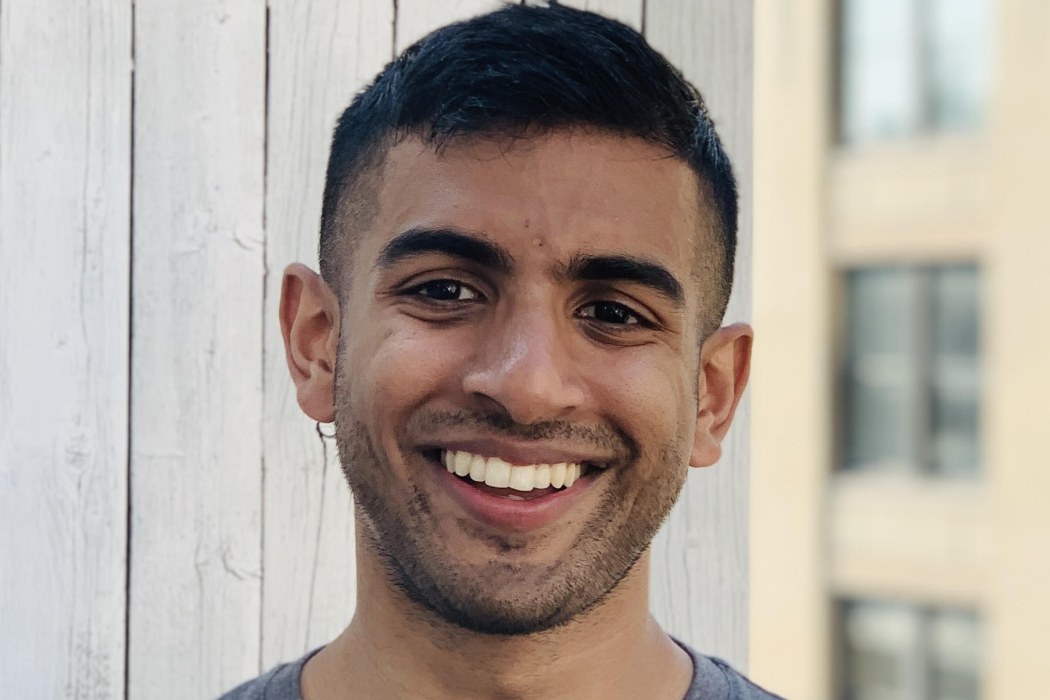
Dennis Thankachan
Dennis Thankachan is the co-founder and CEO of Lightyear, a New York software company that automates how enterprises buy and manage telecom and network services. A former Goldman Sachs banker and hedge fund investor at PointState Capital, he built a thesis around telecom while investing in the sector, then left finance in 2019 to fix an industry he describes as a multi-trillion-dollar market with almost no happy customers. Under his leadership Lightyear has raised roughly $48.6 million, closed a $31 million Series B led by Altos Ventures in 2024, and serves customers including Palo Alto Networks, Five Guys, Pandora Jewelry, and Teladoc.

Lightyear
Lightyear is a New York-based enterprise software company building a 'Telecom Operating System' that digitizes how large organizations buy and manage network services. Founded in 2019 by Dennis Thankachan and Ryan Schrack, the platform automates telecom procurement, network inventory management, and bill consolidation across a marketplace of 1,000+ carriers, replacing a process that has traditionally relied on phone calls, spreadsheets, and weeks of waiting. It serves 300+ enterprises and 5,000+ users, including Palo Alto Networks, Five Guys, Alo Yoga, Pandora Jewelry, and Teladoc.

TechSee
TechSee is an Israel-based enterprise software company that uses computer vision, augmented reality and multimodal generative AI to add sight to customer service. Its Sophie AI platform lets customers and technicians point a smartphone camera at a device so the system can recognize the product, diagnose the issue and guide a step-by-step fix - either fully self-service or as an assist for a human agent. Founded in 2015, TechSee works with global brands such as Verizon, Vodafone, Orange and Telus to raise first-call resolution and cut costly truck rolls.

Megan Mackh
Megan Mackh is Vice President of Commercial Sales at Salesforce, where she leads teams driving customer success across cloud solutions. A Stanford and UC Berkeley Haas School of Business alumna, she spent nearly 15 years at Google - rising through AdWords, inside sales, and ultimately heading Global Telecommunications Partnerships for Google Cloud across 60+ telco partners worldwide. Named to CRN's Women of the Channel in 2020 and 2021, she is known for building high-performing teams and taking bold leaps into leadership from an unusually early age - she managed 18 people at AT&T at 22. She is currently pursuing a Doctorate in Public Health at Johns Hopkins Bloomberg School of Public Health.
Giuseppe Incitti
Giuseppe Incitti is the CEO of Sitetracker, the Montclair, New Jersey enterprise software company whose platform helps utilities, telecom operators, and EV charging companies manage the deployment and lifecycle of high-volume infrastructure assets. Since taking over in 2016 he has grown the company from about 30 employees to roughly 400 and raised more than $200M in equity and debt, including a $66M Series D in 2022. A Stevens Institute engineer who started in investment banking at Morgan Stanley and JPMorgan before operating roles at TIBCO and MongoDB, Incitti is a vocal advocate that digital transformation is no longer optional for the companies building the grid, the network, and the charging stations of the next decade.
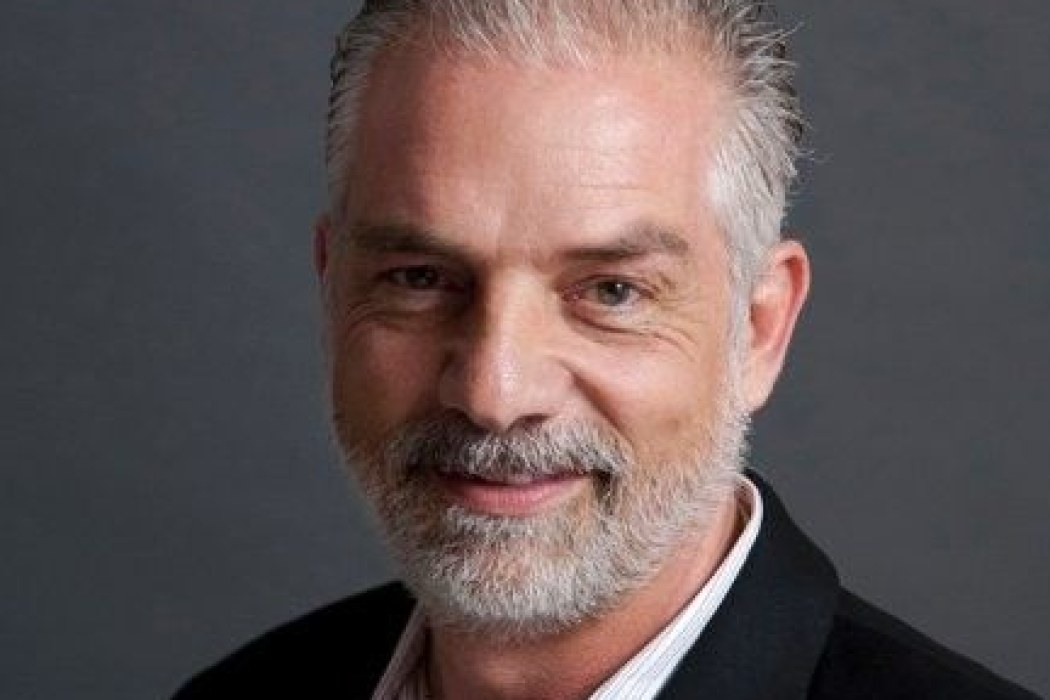
Kurt Dobbins
Kurt Dobbins is the founder and CEO of Nrby, a New Hampshire company building AI-driven predictive network intelligence for broadband and telecom operators. A serial entrepreneur and networking engineer with more than three decades in the industry, he previously founded Ellacoya Networks (acquired by Arbor Networks) and Deep Information Sciences, and earlier served as technical director at Cabletron Systems. He is the named inventor on more than a dozen networking and communications patents and describes himself as a lifelong builder of ideas that challenge convention and reshape industries.
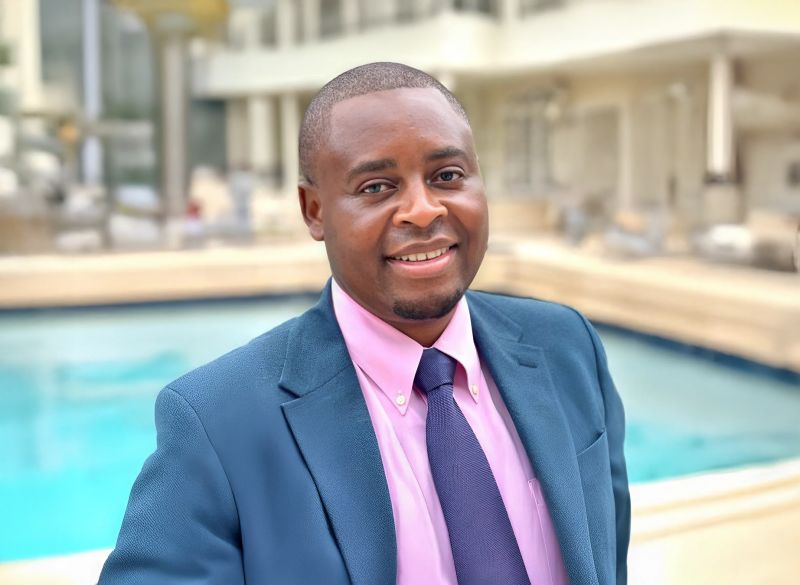
Tashinga Musiyazviriyo
Tashinga Musiyazviriyo is the Founder and CEO of The Singular, a Johannesburg-based digital transformation company building purpose-driven IoT, AI, and private 5G network solutions across industries including mining, telecommunications, manufacturing, smart cities, and healthcare. With a career forged inside Ericsson's core network engineering teams and a deep grounding in mobile network design and performance, Tashinga brings both technical precision and entrepreneurial drive to the challenge of connecting Africa's industries to the future.

Clad
Clad is project management and billing software purpose-built for infrastructure. It unifies project operations and finance so telecom operators and construction subcontractors can track production in the field, automate invoicing and payments, manage vendor compliance, and handle 811 utility locate requests - all in one place. Founded in 2022 by ex-Instagram product manager Jason Rudin and backed by Y Combinator (W23), Clad aims to help the companies rebuilding America's internet and power networks build faster and get paid faster.
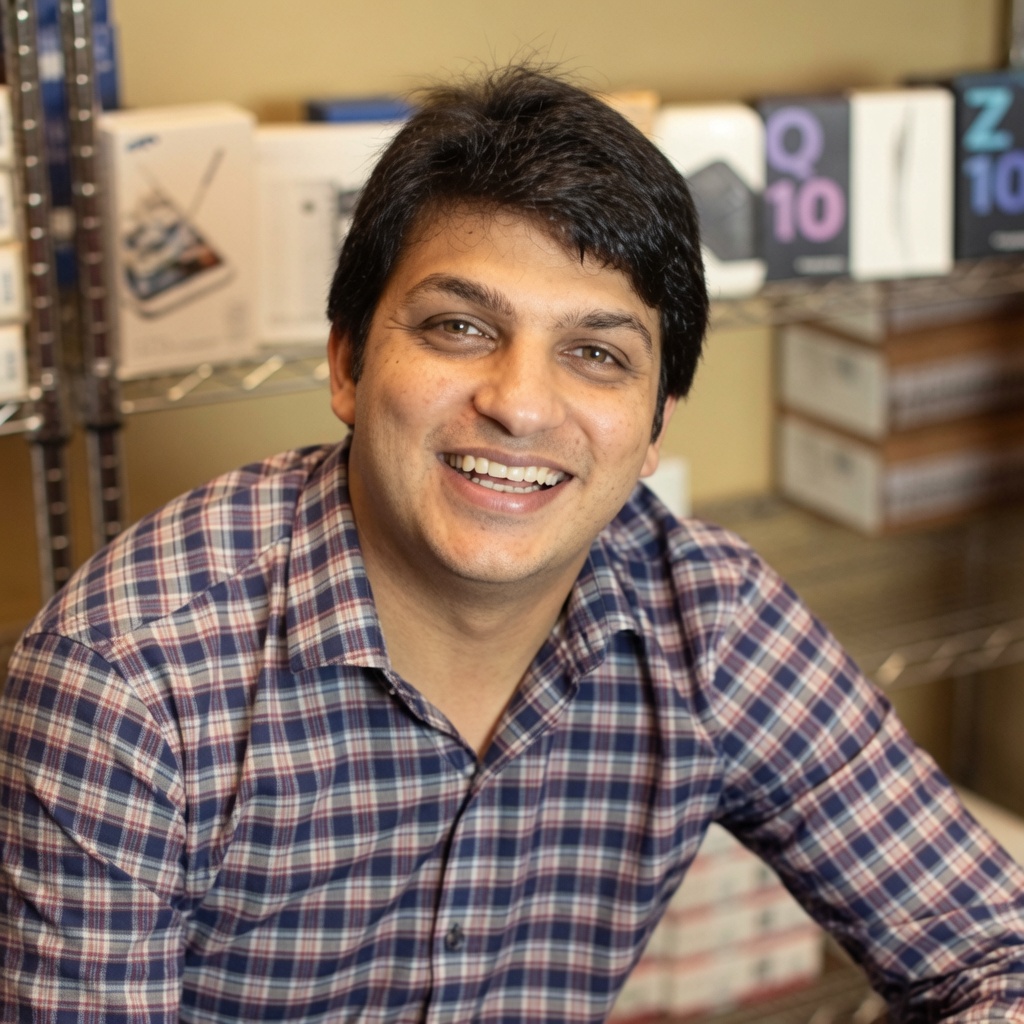
Ahmed Khattak
Ahmed Khattak is the founder and CEO of US Mobile, the only American carrier built natively on the public cloud that lets customers ride and switch between all three major networks (Verizon, AT&T, T-Mobile) on demand. A Pakistani immigrant who landed on an F1 student visa, he spent a decade clawing US Mobile to $100M in annual recurring revenue, then doubled it to $200M in nine months. Before that he co-founded GSM Nation, a $130M unlocked-phone marketplace that taught him how the carriers really make money.