raleigh
(12)
ACCESS Newswire Bet $43.5 Million on Becoming the Messenger
The Raleigh company spent years helping public companies file the paperwork. Then it bought a rival, took a painful write-down, sold the old business, and placed one quiet bet: communications teams would rather have one platform than six vendors.

Tim Willis Keeps Betting on the Space Between Blinks
He built TearScience from a treatment idea into a company acquired by Johnson & Johnson. Then the engineer returned to the same tiny surface with a new question: can an eye drop learn to stay put?
Roger Dewey Put the Tiny SIM Card in Charge
For decades, telecom treated the SIM as a passport. Roger Dewey saw a pocket-sized computer - and built a company around letting it make decisions.
The Eye Drop That Refuses to Blink Away
A serial dry-eye entrepreneur who already sold one eye-care company to Johnson & Johnson is betting that the fix for dry eye is not a better drop - it is a drop that simply stays put.

The Raleigh Holding Company Building a Wellness Stack in Plain Sight
MDO Holdings started with a gym and grew into something harder to label: part operator, part investor, part landlord. Its most revealing product may be the connective tissue between the businesses it owns.

Matt Eiswerth Makes Biology Move
His career has crossed factories, consumer brands and a growth-stage company. At Novonesis, the common thread is the quiet discipline of turning plans into products customers can count on.
Vontier
The company you have never heard of runs the fuel pumps, tool trucks and traffic lights you pass every day - and it is quietly betting all of them on the messy middle of the energy transition.

Pendo
The companies winning the AI era ship software people genuinely love to use. Pendo surfaces where users and agents struggle and then helps you act on it, turning experience gaps into business results.
Peter Millar
Peter Millar is a Raleigh, North Carolina-based luxury lifestyle apparel brand founded in 2001 around a single cashmere sweater. It has grown into a full men's and women's collection spanning tailored clothing, sportswear, resort wear and technical golf apparel, sold through its own retail stores, e-commerce site, and premium wholesale channels such as golf pro shops and department stores. Owned by Swiss luxury group Richemont since 2012, Peter Millar pairs classic American style with performance fabrication and also operates the golf-lifestyle brand G/FORE, which it acquired in 2018.
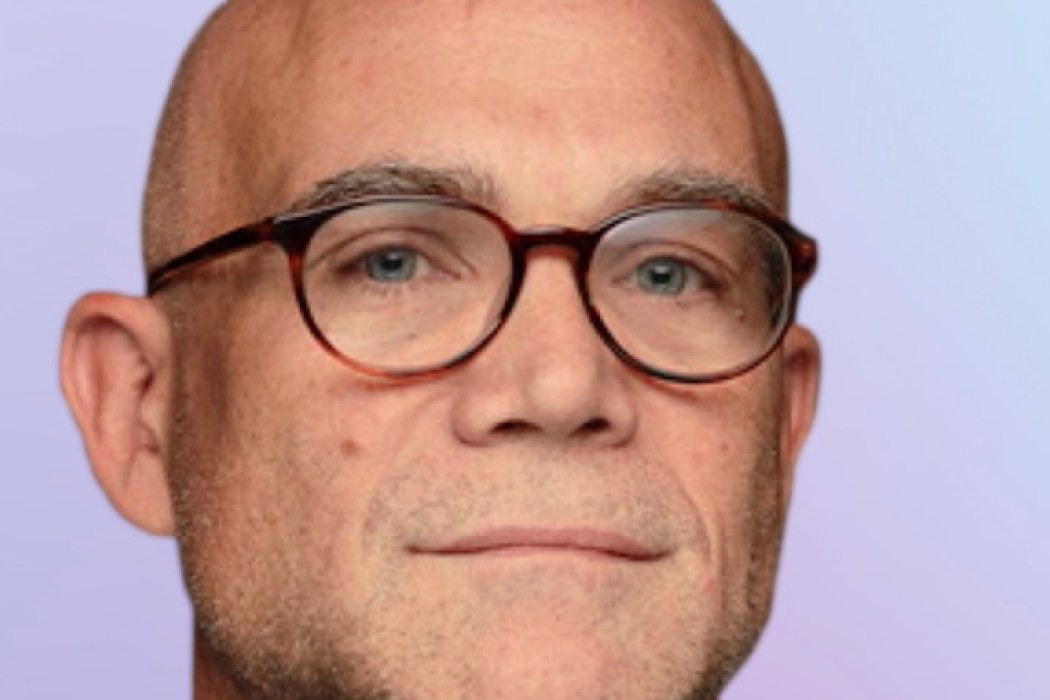
Chris Mahl
Chris Mahl is President and CEO of Pryon, a Raleigh-based enterprise AI company building a retrieval-augmented generation platform that turns unstructured enterprise data into accurate, source-attributed answers. With more than two decades in enterprise software, he was part of the early leadership teams at Salesforce and Informatica, later ran revenue and operations as CRO at Botkeeper and Opentron Labworks, and held an executive role at Right Media Exchange before it was acquired by Yahoo. He focuses on scaling go-to-market and operations for technology companies and positions Pryon at what he calls the 'knowledge layer' of the AI stack.
DynPro Inc.
DynPro Inc. is a Raleigh, North Carolina-based global IT consulting and services firm founded in 1996. It helps Fortune 500 and mid-market organizations orchestrate fragmented data, processes and customer experiences across enterprise platforms, with practice areas in Process Transformation, Data & Integration, and Automation & Advanced Analytics. DynPro implements and integrates SAP, Salesforce, Workato, Snowflake and related cloud ecosystems, and complements delivery with IT staffing and talent solutions from offices in the United States, United Kingdom, India and Morocco.
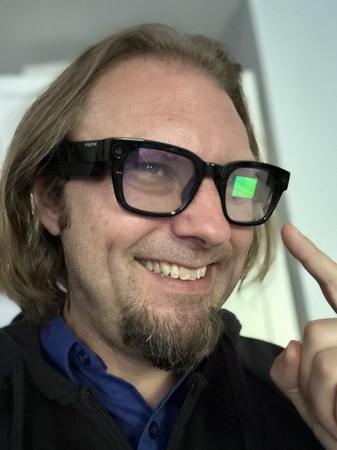
Alex Westner
Alex Westner is the co-founder and CEO of Xander, a Raleigh-based startup building AR smart glasses that print live captions of in-person conversations directly into the wearer's field of view. An MIT Media Lab-trained audio engineer who spent nearly two decades shipping sound software (including the Emmy-winning iZotope RX, nicknamed the Photoshop for Sound), Westner now turns his obsession with the cocktail party problem into a self-contained, no-cloud, no-phone device that helps people follow conversations they can no longer fully hear.