biopharma
(78)
The Company Selling Confidence Before a Medicine Can Be Sold
A drug can work perfectly and still fail to reach patients. OPEN Health built a global consultancy around the awkward middle - the evidence, access, education, and human judgment that turn a scientific result into a confident decision.

The Tiny Agency Behind the Footnotes
Kay Square Scientific turns clinical data into the papers, posters and expert conversations that medicine runs on. Its advantage is not size, but a small remote team with long memories, advanced degrees and an almost fussy respect for the footnote.
IDBS and the science of getting four weeks back
BioIVT says IDBS helped it deliver research data at least four weeks faster. The company’s bigger bet: better lab records can speed the journey from experiment to manufacturing - and give AI something trustworthy to work with.
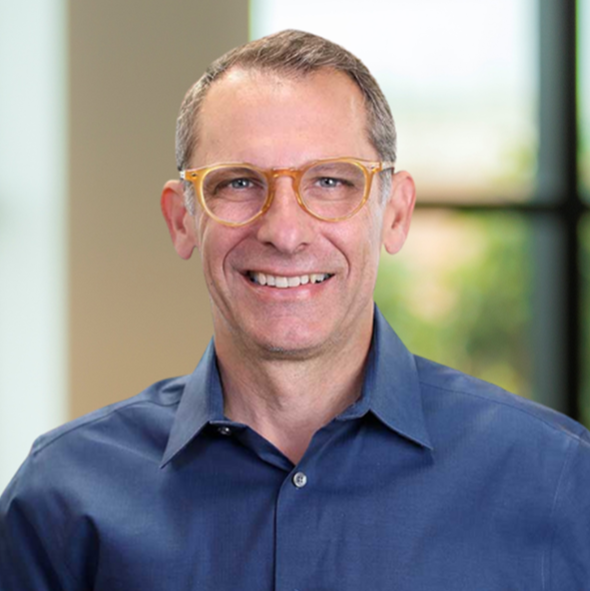
Joshua Grass Is Building a Second Life for Shelved Science
After two biotech exits and 15 years inside BioMarin, Joshua Grass is betting that some promising medicines stall for organizational reasons, not scientific ones. His new company, Mendra, raised $82 million to find those overlooked programs and carry them farther.

James Posada Kept Following the Signal
The Resolve Therapeutics founder has spent a career moving between the lab bench and the deal table. His through-line is unusually consistent: find the signal, understand the mechanism, and build around it.
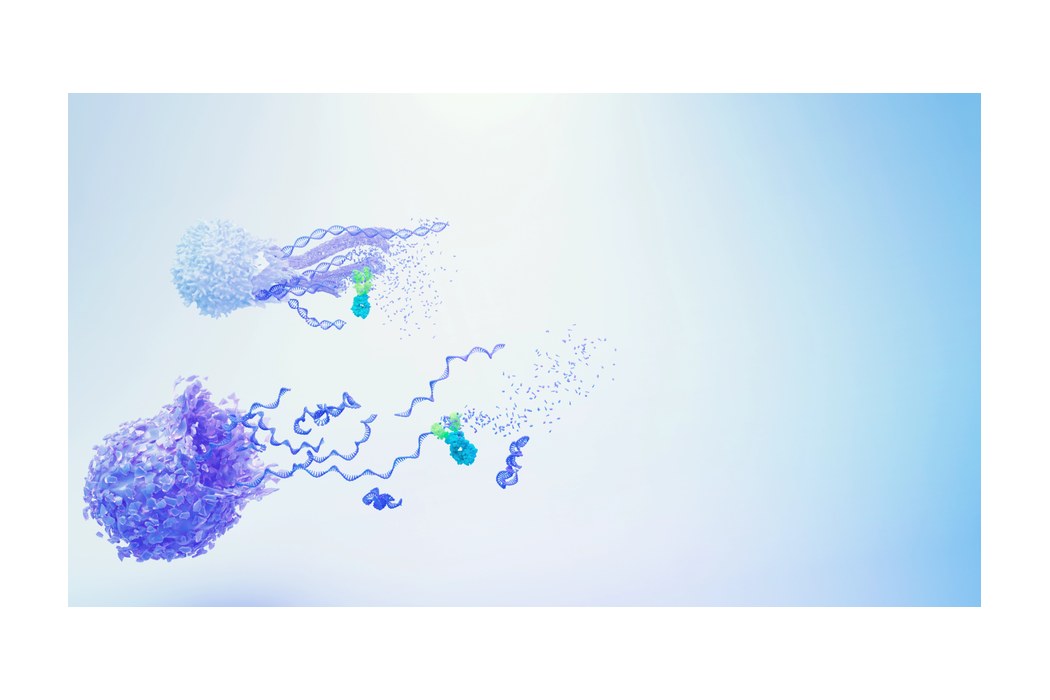
Resolve Therapeutics Missed the Headline Endpoint - Then Built a Smarter Trial From the Miss
The tiny Miami biotech spent years testing a simple idea: digest inflammatory RNA instead of suppressing the immune system. Its first big readouts were messy - and the useful part was hiding inside the miss.
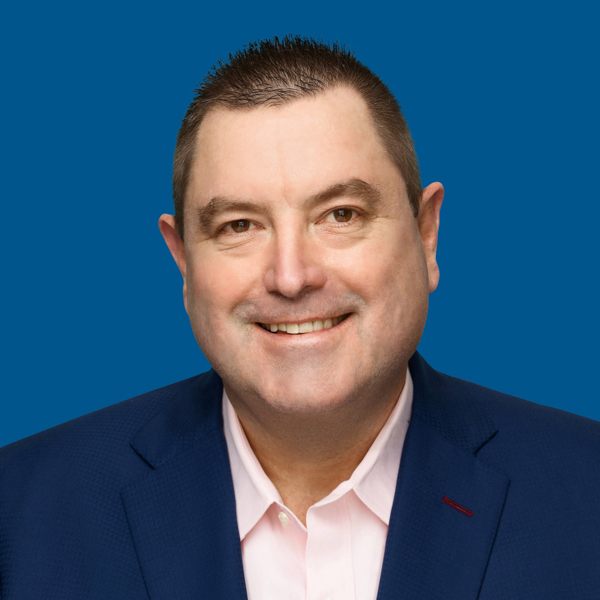
Craig Hopkinson Turns Deep Science Into Medicines That Reach People
A doctor by training who now runs research, development and medical affairs at one of neuroscience's most watched biopharma companies - and keeps the patient at the center of every decision.
THREAD Moved the Clinical Trial to the Patient's Kitchen Table
For decades a clinical trial meant a patient driving to a site. THREAD bet the visit could come to them instead - and then bought four companies to prove it.
The COPD drug you breathe from a mist, not a puff
A three-person startup out of San Diego is betting that millions of COPD patients can't work an inhaler - and that a mist they can simply breathe will win a market the pharma giants keep buying up.
The Company Teaching Drug Trials to Stop Drowning in Their Own Data
A clinical trial can generate data from a hundred different sources. eClinical Solutions built the plumbing to make it all speak the same language - and now it is handing the busywork to AI agents.
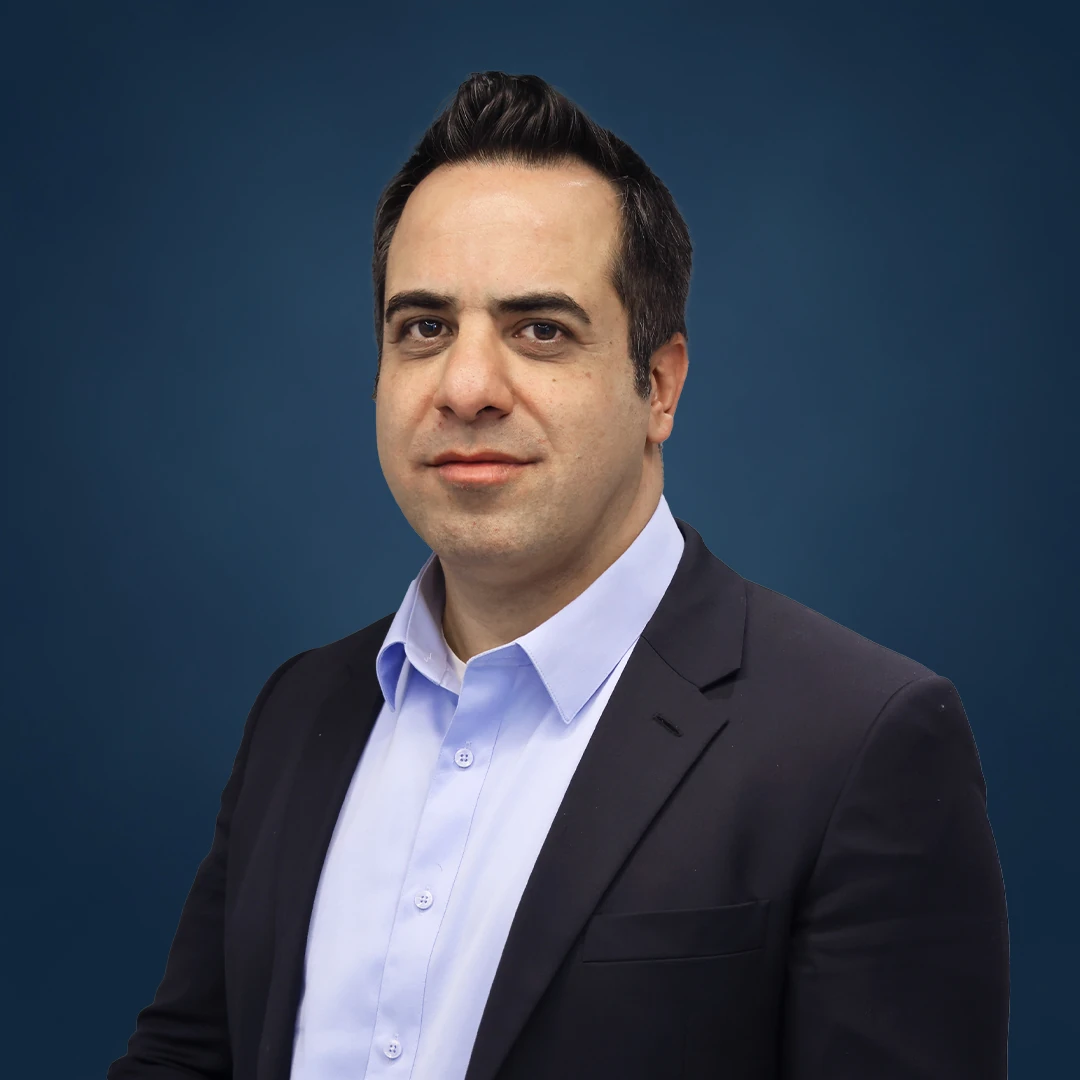
Reza Rezaei Built a Career at the Handoff Between Science and Sales
A veterinarian and animal scientist learned to translate laboratory detail into commercial trust. After a decade climbing Cyagen's ranks, Reza Rezaei now leads the company from the junction of research, customers and scale.

Brian Taylor Is Turning the Lab Into a Flexible Operating System
After a career scaling antibody production and biomanufacturing systems, the SmartLabs CEO is betting that the next research breakthrough may depend on something less glamorous: a laboratory that can change as quickly as the science.

Aron Knickerbocker Built a Career by Following the Data
The Aulos Bioscience CEO has spent three decades moving closer to the work - from the lab, to the deal table, to the small teams where one clear decision can redirect an entire company.
Novartis Cut Away an Empire to Bet on Five Ways of Making Medicine
The Swiss giant spent years shedding businesses until only innovative medicines remained. Now its growth depends on turning five scientific platforms into treatments that health systems will pay for - and patients can actually reach.

Amy Mahery Learned the Business by Moving Toward the Hard Parts
Her career began with a rugby conversation in an airport lounge. Two decades later, the Moderna marketing chief still treats curiosity, range and access to information as operating tools.
The 176-Year-Old Startup That Sells Science by the Milligram
It began as a candy-flavored worm medicine in a Brooklyn brick house. Today Pfizer is racing to replace its Covid windfall with cancer drugs and weight-loss pills before the patents run out.
The 245-Year-Old Drugmaker Betting Its Next Act on Six Big Swings
Takeda began as a medicine shop in Osaka in 1781. Now a new CEO must turn a sprawling global portfolio, a $30 billion-plus revenue base and six late-stage programs into the company’s next generation of growth.

GSK
After spinning off toothpaste and painkillers, GSK placed a sharper bet on the immune system. Its next chapter is being written in vaccine vials, long-acting HIV medicine and a newly enlarged cancer pipeline.
Sanofi
The 53-year-old French drugmaker is narrowing its bets to immunology, vaccines and a faster pipeline. The wager is that better biology, selective dealmaking and factory-scale AI can turn scientific focus into repeatable growth.
Merck
KEYTRUDA made Merck an oncology powerhouse. Now the 135-year-old drugmaker is spending, partnering and inventing its way toward a future that cannot depend on one medicine.
UCB
UCB spent decades shedding its industrial past to become a specialist in the brain and immune system. Now five medicines, two ambitious acquisitions and a new Georgia factory are testing whether focus can scale.

Neurocrine Biosciences
One movement-disorder medicine turned a San Diego research shop into a multibillion-dollar biopharma. Now Neurocrine is spending that advantage on rare endocrine disease, psychiatry and the difficult biology between brain and body.
Respiree
Respiree is a Singapore-founded digital health company (an A*STAR spin-off) building clinically validated AI that pairs FDA-cleared cardio-respiratory wearable sensors with software to track lung and heart biomarkers over time. Its 1Bio platform helps hospitals, health systems and biopharma detect patient deterioration - such as COPD flare-ups and heart failure - days in advance, powering remote patient monitoring, clinical decision support and decentralized clinical trials across Asia-Pacific, Australia and the United States.
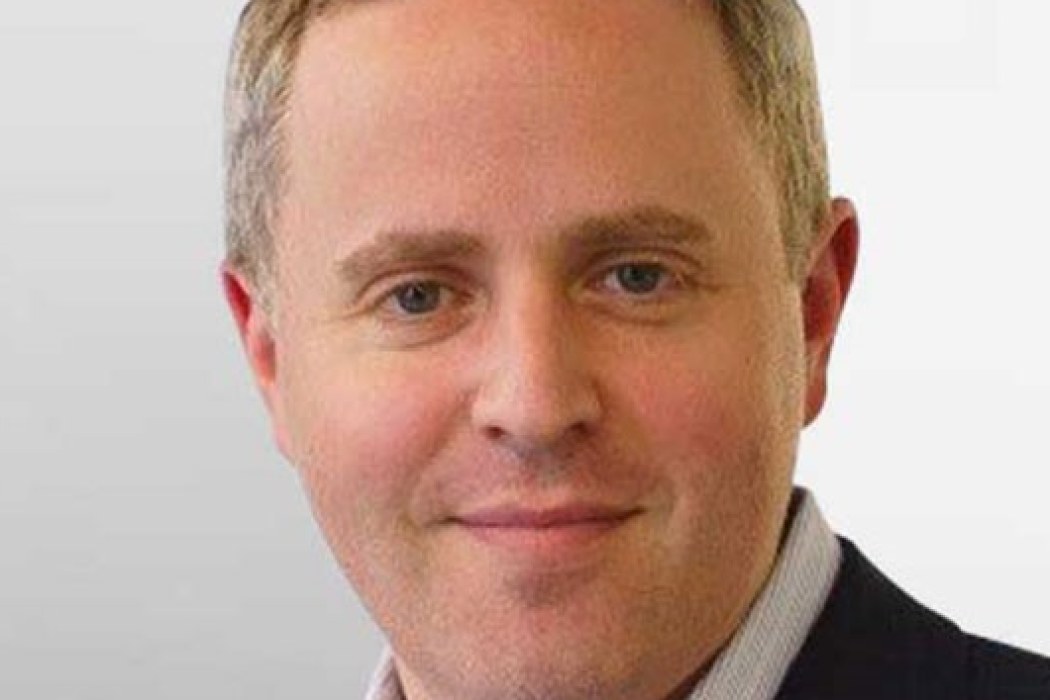
Bryan Stuart
Bryan Stuart is the Chief Executive Officer and a director of Atavistik Bio, a Cambridge, Massachusetts biotechnology company building precision allosteric small molecule therapeutics on its Atavistik Metabolite-Protein Screening (AMPS) platform. He joined in July 2023 after more than two decades leading biopharma companies, including roles as CEO of Fulcrum Therapeutics, Yarra Therapeutics, and Kastle Therapeutics. Under his leadership Atavistik has raised a $120 million Series B in December 2025, later extended to $160 million, to advance its lead programs for hereditary hemorrhagic telangiectasia and myeloproliferative neoplasms toward the clinic.
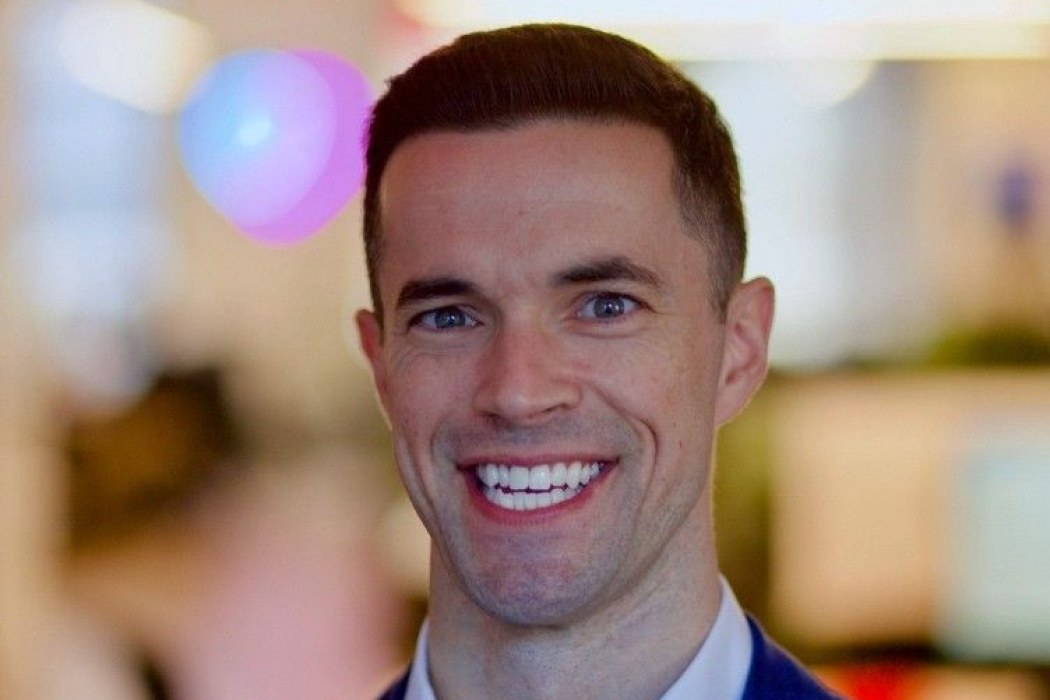
Danny Sigurdson
Danny Sigurdson is the founder and CEO of Courier Health, a New York-based technology company that builds a purpose-built patient CRM and experience platform for life sciences companies. After more than a decade in enterprise software - including a role as VP of Sales at ActionIQ and client leadership at Applied Predictive Technologies - he started Courier Health in 2020 to close the gap between specialty medicine approvals and the patients who never start or stay on treatment. The company has raised $70.5M to date, most recently a $50M Series B led by Oak HC/FT.
Castor
Castor is a health-technology company that builds a cloud-based eClinical platform for running clinical trials - from electronic data capture (EDC) and eConsent to eCOA/ePRO and real-world evidence. Founded in 2012 in Amsterdam by physician-researcher Dr. Derk Arts, Castor set out to replace clunky, expensive trial software with a self-service, researcher-friendly system. Today it supports more than 15,000 studies across 90+ countries and is used by leading CROs and biopharma companies, while pushing decentralized trials and practical AI (Castor Catalyst, built with Google Cloud) into mainstream research.

Courier Health
Courier Health is a New York City software company building the first patient relationship management (CRM) platform purpose-built for life sciences. Its AI-powered system connects fragmented data across biopharma commercial teams to orchestrate the patient journey - from education and enrollment through benefits, prior authorization, therapy initiation, and adherence - helping patients with chronic and rare diseases start and stay on treatment. The company raised a $50M Series B led by Oak HC/FT in April 2026.

Intelligencia AI
Intelligencia AI is a New York-based artificial intelligence company that helps pharmaceutical and biotech organizations predict the probability of technical and regulatory success (PTRS) for drug candidates. Its patented SaaS platform harmonizes more than 1.5 billion clinical and biological data points to score how likely a drug is to advance through clinical phases and win regulatory approval, with reported prospective accuracy above 80%. The company gives R&D, business development, and portfolio teams transparent, explainable AI to de-risk investment decisions in drug development.

Leal Health
Leal Health (formerly TrialJectory) is an AI-powered treatment decision-support platform that gives cancer patients and their oncologists an unbiased, single point of access to FDA-approved therapies and clinical trials matched to a patient's exact diagnosis. Founded in 2017 and headquartered in New York, the company built a patented, generative-AI engine that reads thousands of trials and treatment options, then matches patients in a roughly two-minute intake. It has facilitated millions of treatment matches across 22+ cancer types, is free for patients and clinicians, and earns revenue from biopharma partners and health plans. In February 2026 Leal Health was acquired by Nexus Precision Health.

NeuShen Therapeutics
NeuShen Therapeutics is a clinical-stage biotech developing novel small-molecule and gene-therapy treatments for central nervous system disorders such as schizophrenia, depression and epilepsy. Founded in 2021 by Joan Huaqiong Shen, MD, PhD, and headquartered in Shanghai with an R&D center in the Boston area, the company runs a pipeline led by NS-136, a selective M4 receptor positive allosteric modulator for schizophrenia, and NS-041, a highly selective KCNQ2/3 activator for epilepsy and depression.