serial-entrepreneur
(343)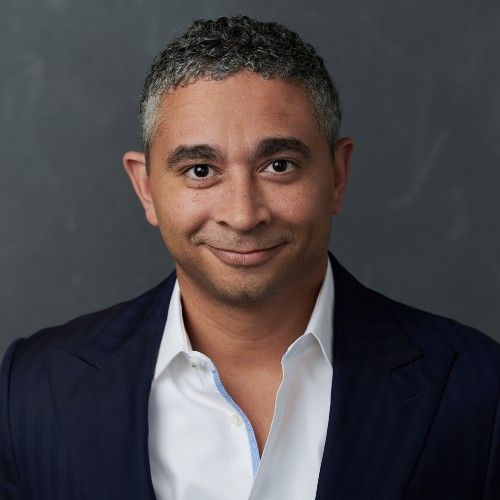
Felix Rodriguez Has Never Been Good at Being Finished
A childhood among small business owners taught Felix Rodriguez to follow the money and the unfinished work. Three technology exits, a finance startup and its eventual wind-down made that education considerably more complicated.
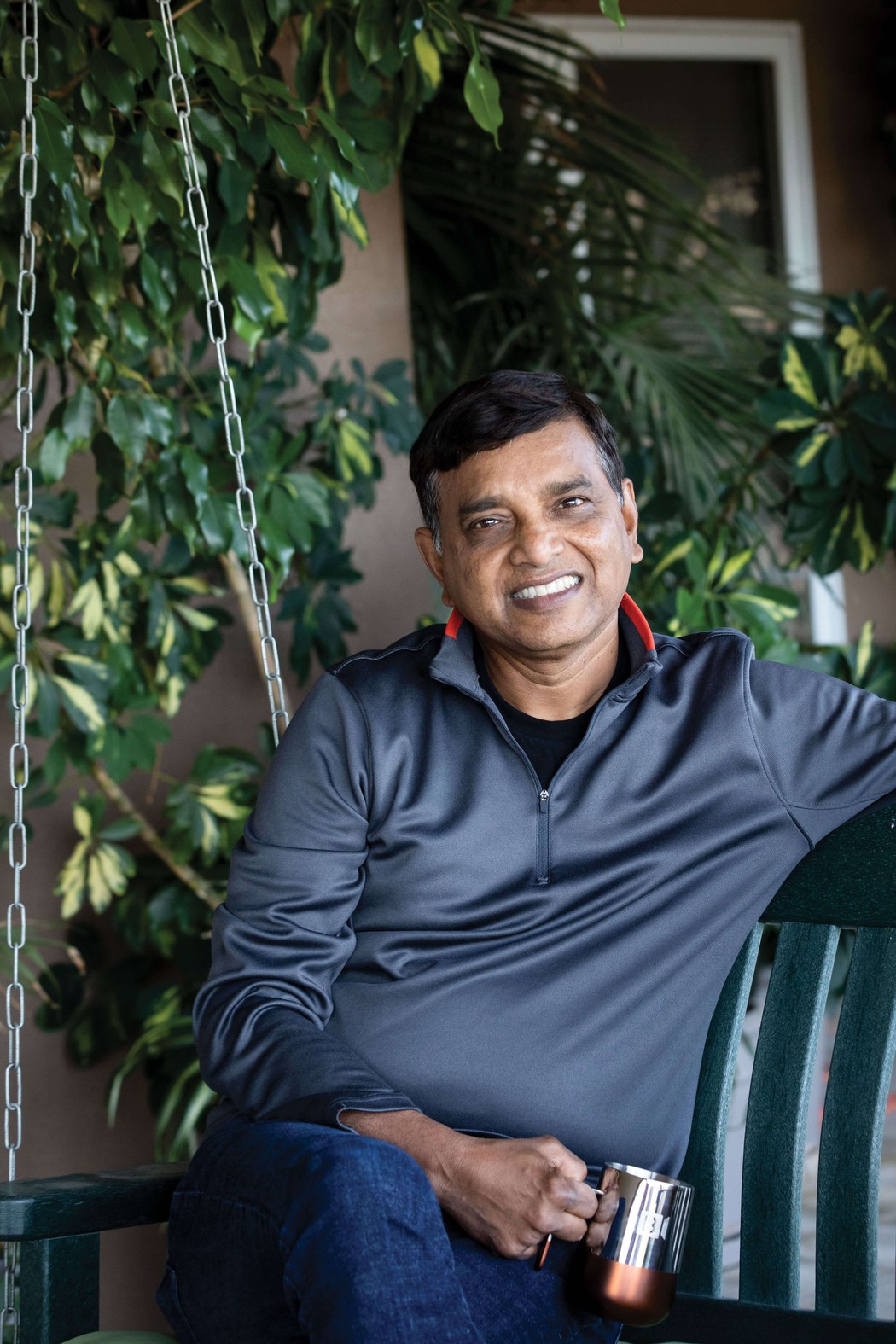
Krish Ramakrishnan and the art of changing the plan
Before BlueJeans connected incompatible video systems, Krish Ramakrishnan learned to connect a company’s ambitions with what customers actually needed. His career runs through Internet Junction, Topspin, a dog park, and a recurring willingness to reconsider.
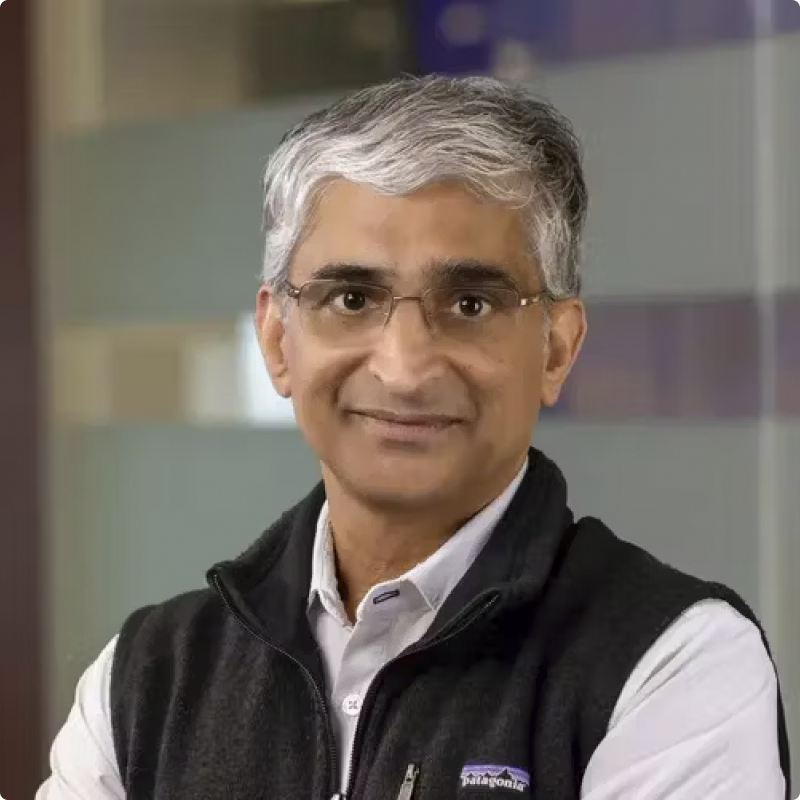
Murali Aravamudan and the problem with one more button
Before co-founding nference, Murali Aravamudan worked on telephone networks, mobile video and televisions that could understand a conversation. His career keeps returning to a familiar frustration: getting the machine to do more of the work.
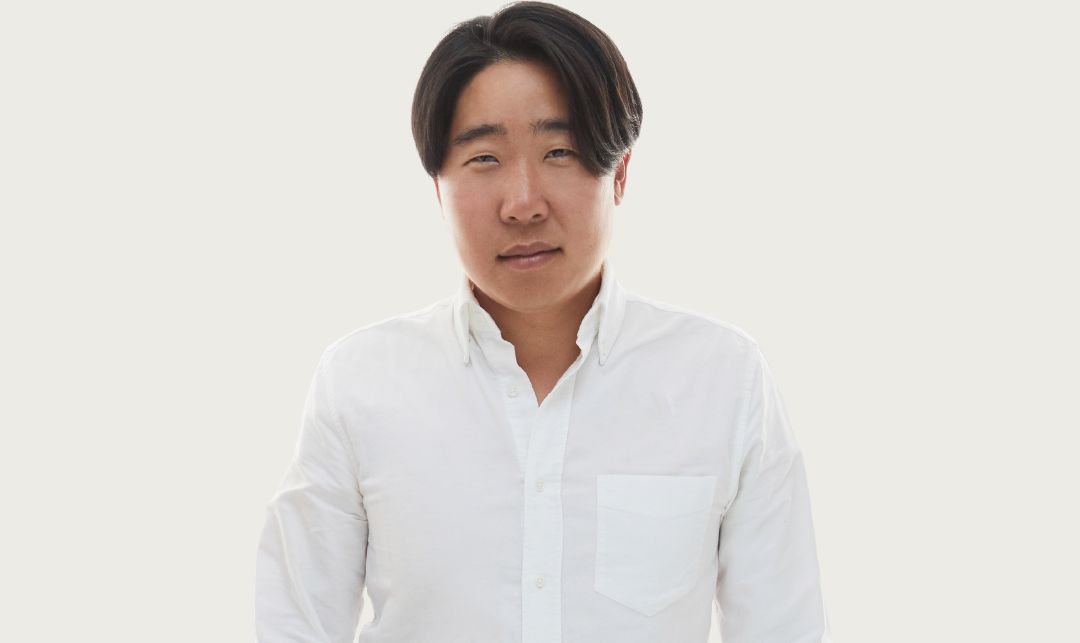
Brian Ree and the $40 question
Brian Ree built DAILYLOOK to make getting dressed easier. Keeping the company alive meant asking customers to put a price on the help.

Scott Carver went fishing. The work followed.
The PlanSource founder retired in 2019, then brought his software experience to the river. At onWater, a lifelong interest in fishing became another company to build.
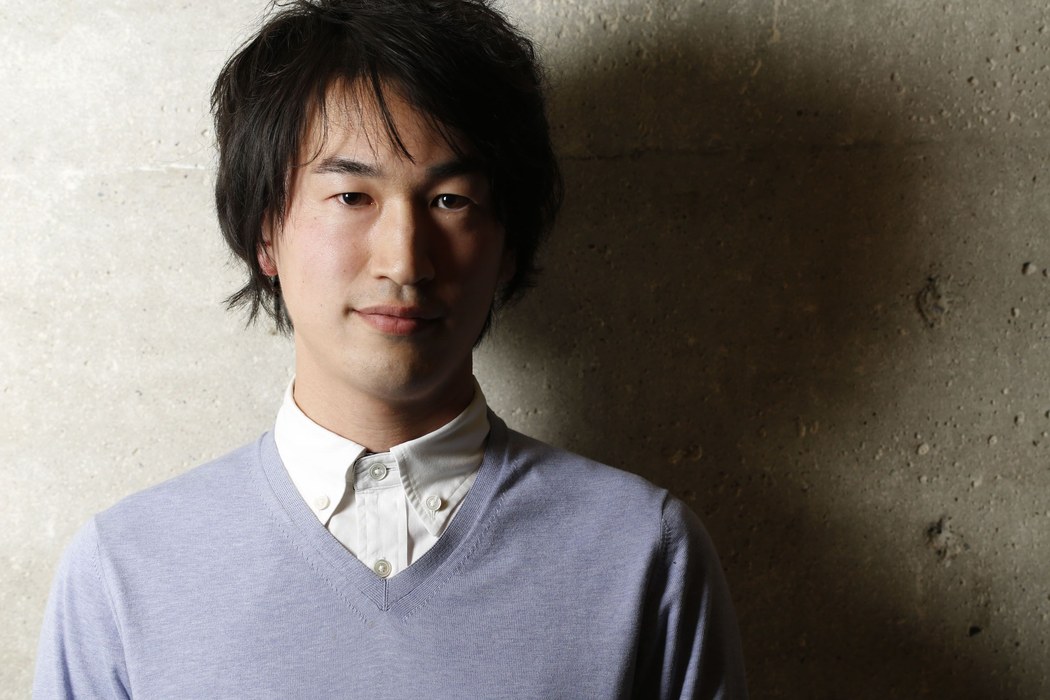
Yo Shibata and the Art of Staying in the Game
After building apps, selling companies and backing other founders, Yo Shibata chose a problem he wanted to keep working on. At Tailor, that means giving businesses more say in how their software works.

Alicia Navarro and the business hiding inside the business
She built Skimlinks by letting go of the product she meant to sell. With FLOWN, Alicia Navarro is following another problem she encountered herself: finding the space to do work that matters.
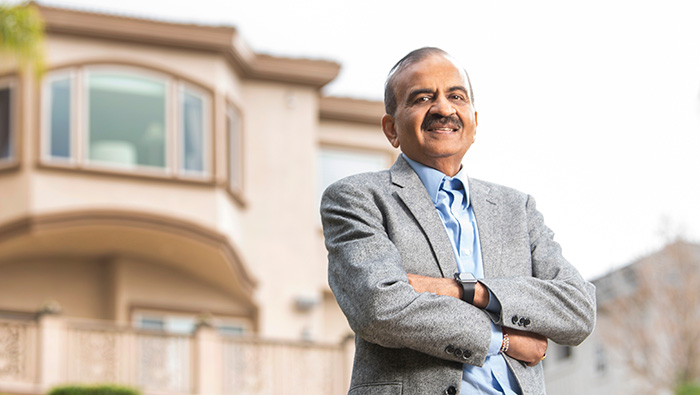
Prem Jain and the Trouble with Being Early
His first startup had technology customers weren’t ready to buy. Decades later, the Pensando co-founder had learned to ask a more useful question: when will they be ready?
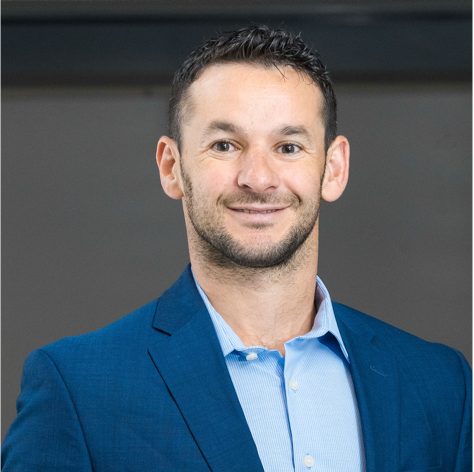
Al Goldstein and the Business of Starting Again
A refugee childhood, an online lender, a sports bar that went wrong. Al Goldstein’s career keeps returning to the same question: who is being overlooked, and what would it take to serve them?

Stu Sjouwerman and the Trouble Between the Keyboard and the Chair
After building antivirus software, Stu Sjouwerman found a problem the code could not solve: people could be persuaded to let attackers in. That observation became KnowBe4, and his next venture asks another question about human behavior - what customers really mean when they speak.

David A. Steinberg and the art of changing seats
A switched dinner card brought David A. Steinberg next to John Sculley. Three decades of selling, a bankruptcy and a second public company explain what he did with the introduction.

Adrian Ryan and the information hiding in plain sight
At flydocs, Adrian Ryan helped airlines put aircraft records to work. Now the co-founder and former CEO is building RoadHow around what drivers know - with a familiar team and a different set of wheels.
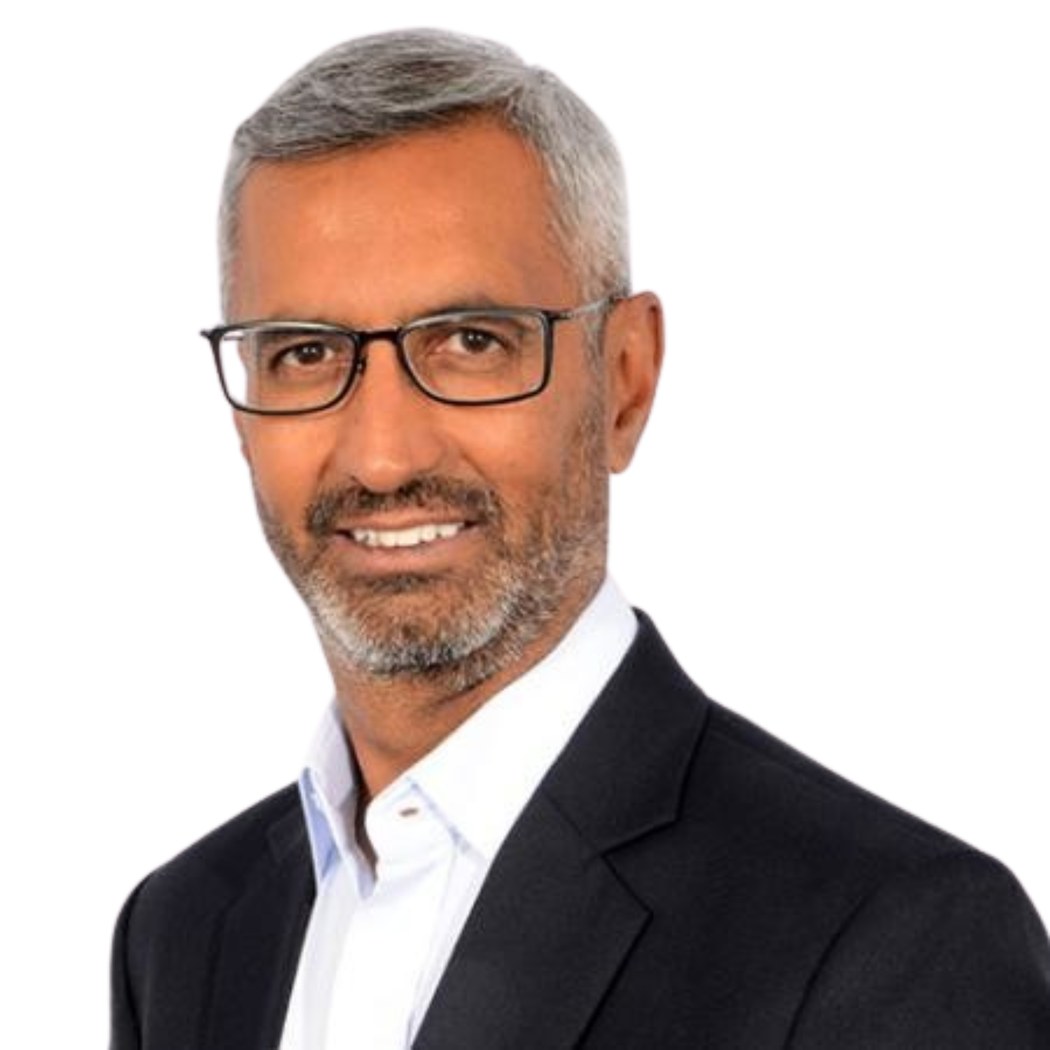
Kirit Ruparelia and the business worth building twice
He sold United Clearing in 2006 and founded Nextgen in 2007. Kirit Ruparelia’s second act grew around a familiar promise: help mobile operators make sense of the bill, then be there when they need an answer.

David Sosna Keeps Asking What Happens Next
He helped banks spot fraud, then helped them understand their customers. After 13 years leading Personetics, David Sosna is back with a new company and a familiar concern: useful information that arrives too late to be useful.
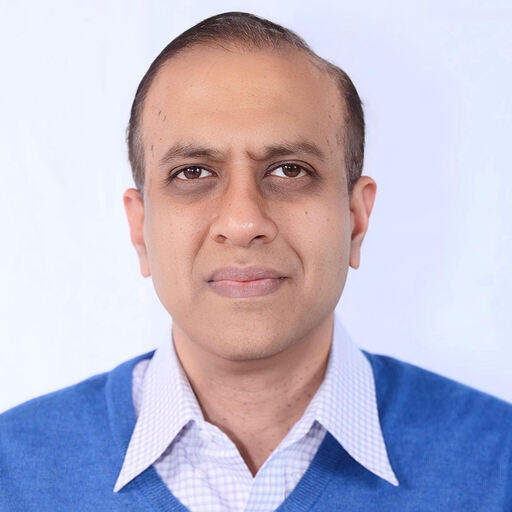
Muddu Sudhakar Keeps Coming Back to the Waiting Room
From storage networks to Aisera to Salesforce, Muddu Sudhakar has spent his career finding the places where enterprise work gets stuck. His latest project returns to a familiar queue: the IT help desk.
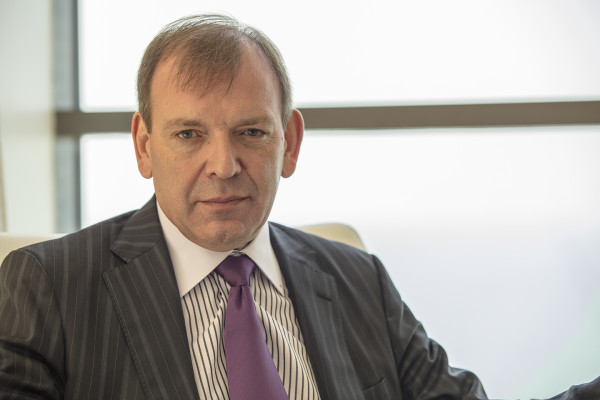
Alan Matthews and the resignation that became Rapid7
When a colleague tried to quit, Alan Matthews reached for a blank sheet of paper. The company that followed grew out of a career spent writing software, starting businesses, and asking what makes people stay.
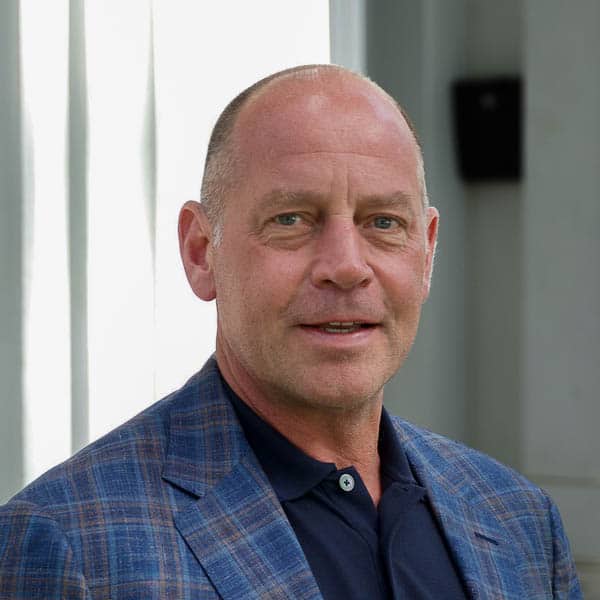
Tony Miller and the art of leaving a company behind
He helped build Definity, Carol and Bind, then watched each find a new owner. For the founder of Lemhi Ventures, a successful exit has repeatedly become the beginning of another working life.
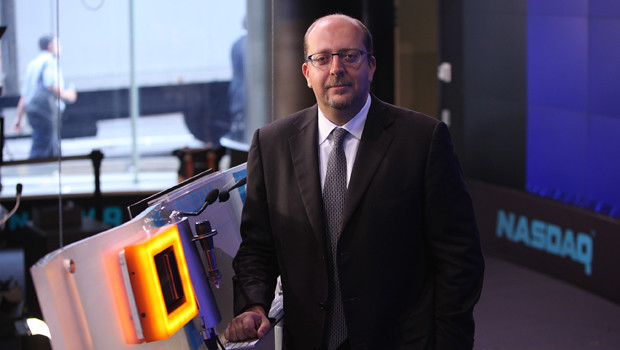
Zorik Gordon and the business of making life less complicated
From online games to local advertising, home repairs and Certemy, Zorik Gordon keeps returning to the same question: how much work should a customer have to do? His career offers a revealing answer, and a few changes of plan along the way.
Amir Ashkenazi and the art of changing his mind
A guitar lesson gave the Shopping.com and Adap.tv founder an idea for working together online. Then he had to decide whether the company he had built was solving the right problem.
Andy Hill and the business of staying power
He built startups, led retail teams, and found that making money left another problem to solve. At Sundial, Andy Hill is putting an operator’s experience to work for founders, their families, and businesses built to endure.
KG Ganapathi and the problem hiding in plain sight
He began with drones that could count warehouse stock. Listening to customers led SK “KG” Ganapathi toward a larger question: how do you make the inventory record agree with the world?
The Forty-Year Game Behind NinjaOne
At 12, Christopher Matarese and Sal Sferlazza pooled their money for a strategy board game. Four decades and several exits later, the same partnership controls a profitable IT company valued at $12.3 billion.

David Albert Kept Waiting for the Future. Then He Put It in an iPhone Case.
For decades, David Albert carried the same stubborn idea: serious medical signals should travel. One homemade video, one accidental LinkedIn share and an iPhone 4 finally gave the idea somewhere to go.
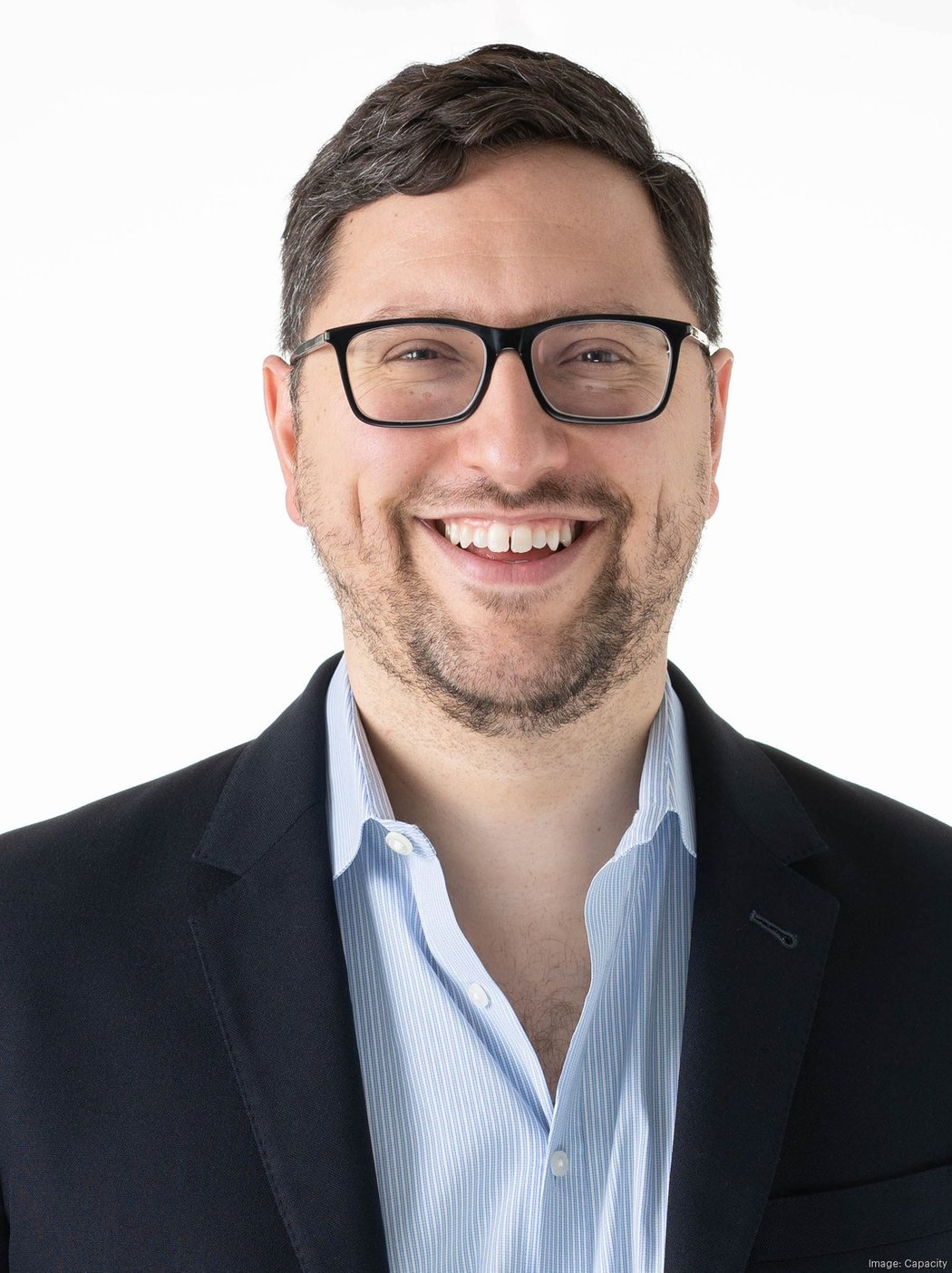
David Karandish Learned to Take the Punch - Then Built for the Next One
A Google update once turned a $127 million acquisition unprofitable in two hours. The St. Louis founder answered with a lesson in controlled failure, patient reinvention and a second company built to outlast the platform beneath it.

Mark Brosso and the Business of Making Messy Data Speak
Three healthcare-data companies, two exits, and one recurring problem: Mark Brosso has spent a quarter-century turning disconnected records into decisions people can use.
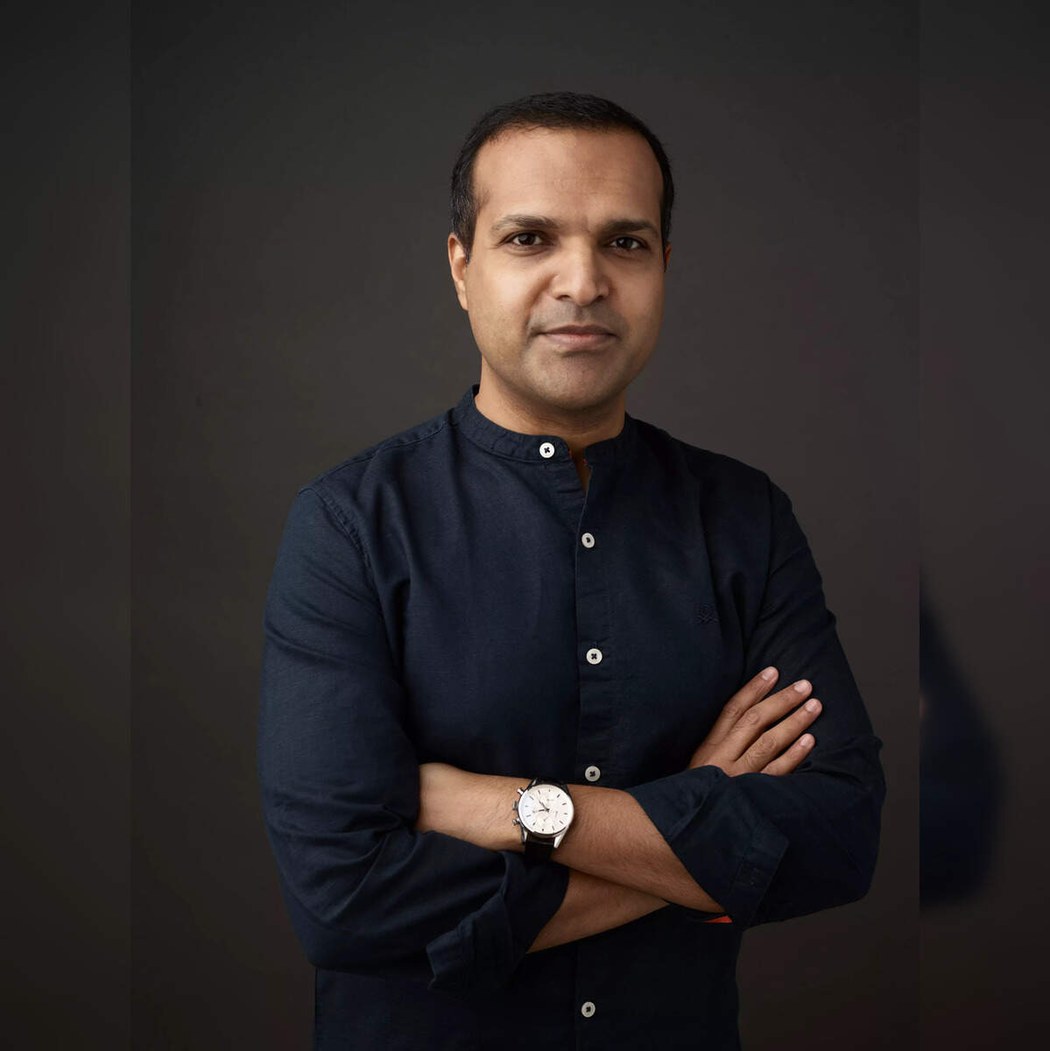
Ranjan Reddy and the Price of a Stranger’s Face
He sold his first startup after barely a year. Then he spent the next decade chasing a harder question: how can the internet know whom to trust without making honest people prove themselves at every door?
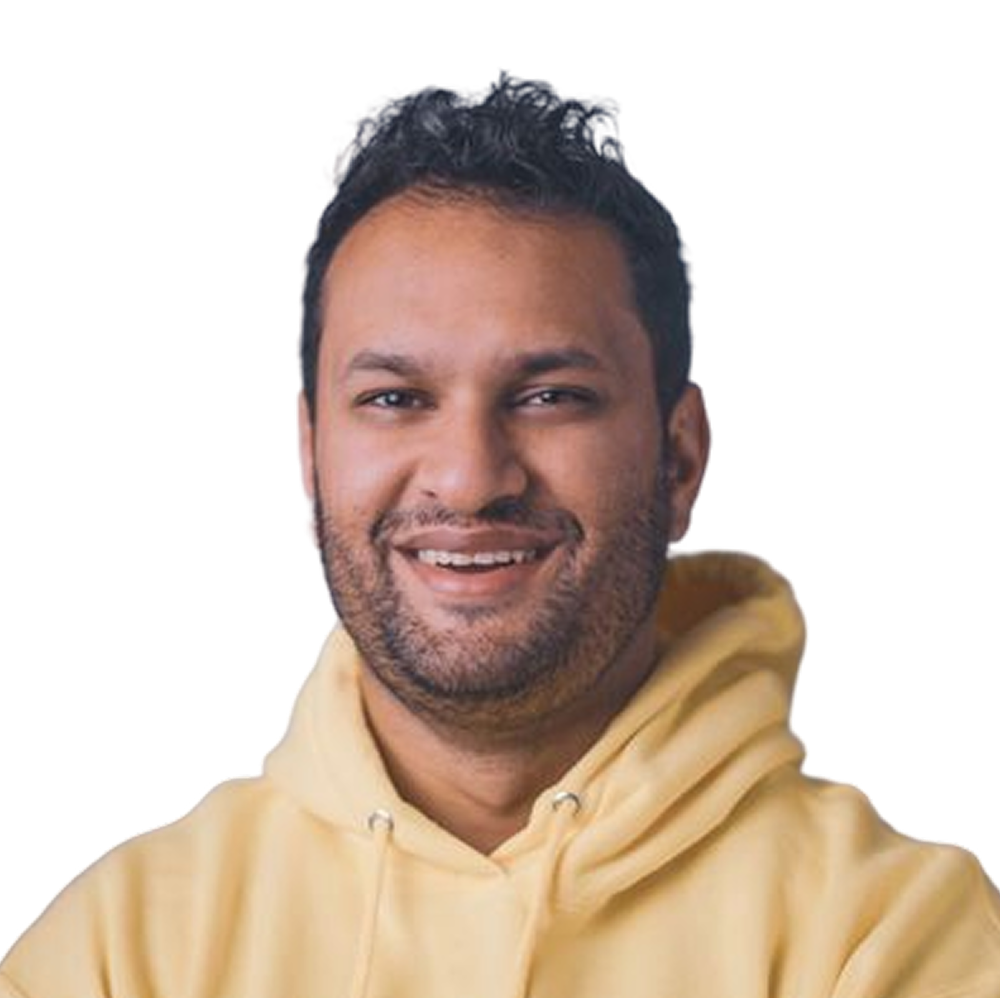
Fahad Hassan Wanted One Honest View of His Money. Then He Built Range.
A household spreadsheet sent the repeat founder back to first principles. His answer was Range - a flat-fee financial platform now betting that software and advisers can share the same desk.

Uri Raz Bet on the Call Before the World Picked Up
A fourth-time founder built Tango for the moment when video calling felt faintly futuristic. The more revealing story is what he did after messaging moved on without him.
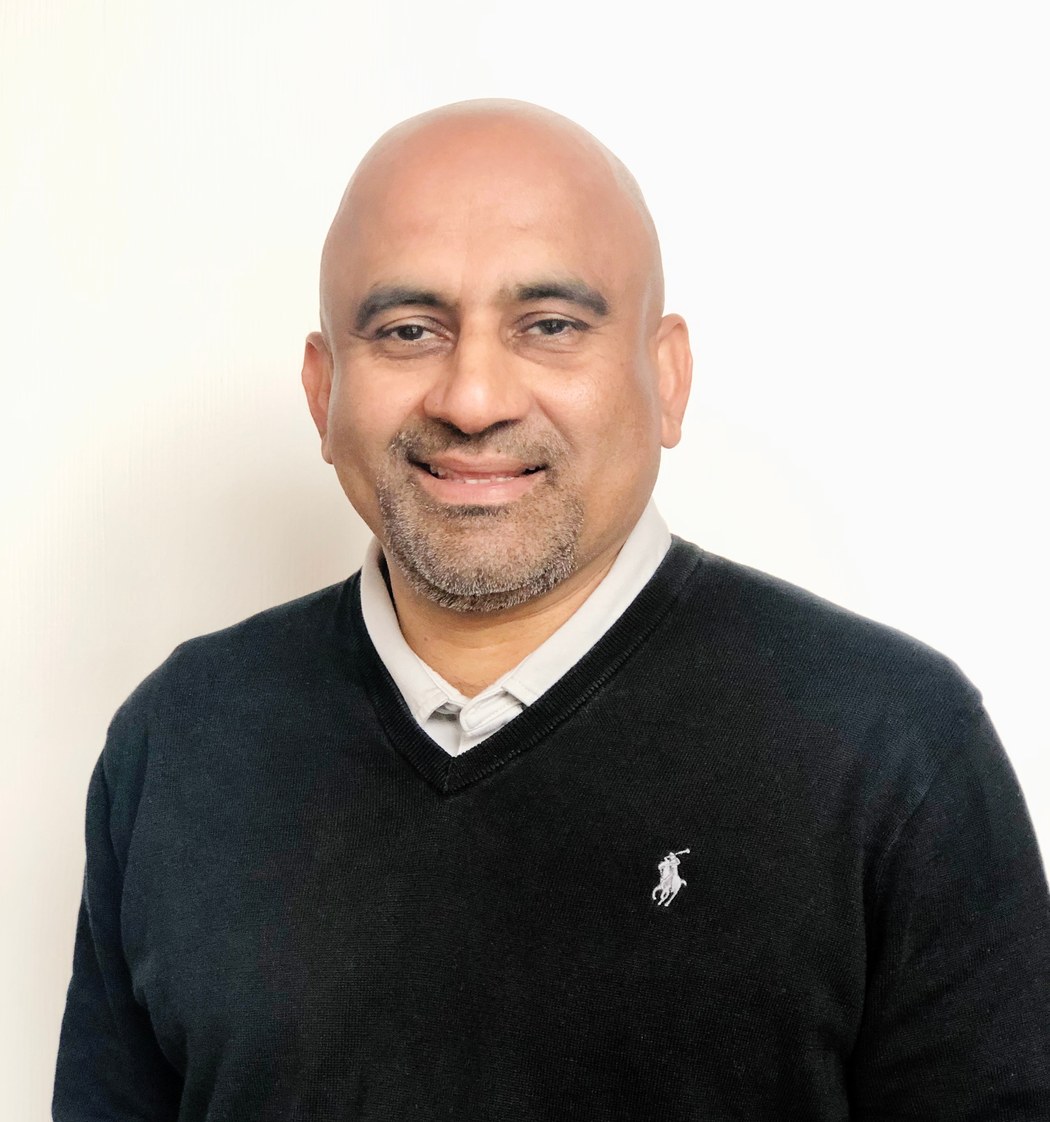
Gaugarin Oliver Built a Career Around the Signal Inside the Noise
From speech recognition to media intelligence and enterprise AI, Oliver has spent decades turning unruly information into useful decisions - then carrying that habit from Boston boardrooms back to the place his family calls home in southern India.

Kira Makagon Has Been Thinking Three Moves Ahead Since She Was a Girl
Before she ran products, sales, marketing and operations at RingCentral, Kira Makagon learned to beat the boys at chess. Her career has followed the same discipline: see the board, build the team and make the next move count.