construction
(88)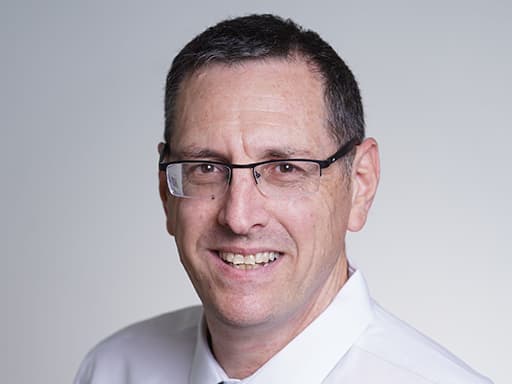
Amit Birman and the business of letting go
After years of financing things that get built, Amit Birman took charge of Shikun & Binui. His next move was to ask which businesses the builder could afford to keep.
Atkore sells the parts. Time is the product.
Behind the walls of electrification sits a less glamorous business: getting conduit, cable and supports onto the job. Atkore has built its pitch around the minutes between delivery and installation.
JM builds the home before the home.
The Nordic developer has spent decades taking control of the steps that precede a front door. Now it is testing how much better building can do for a hesitant housing market.
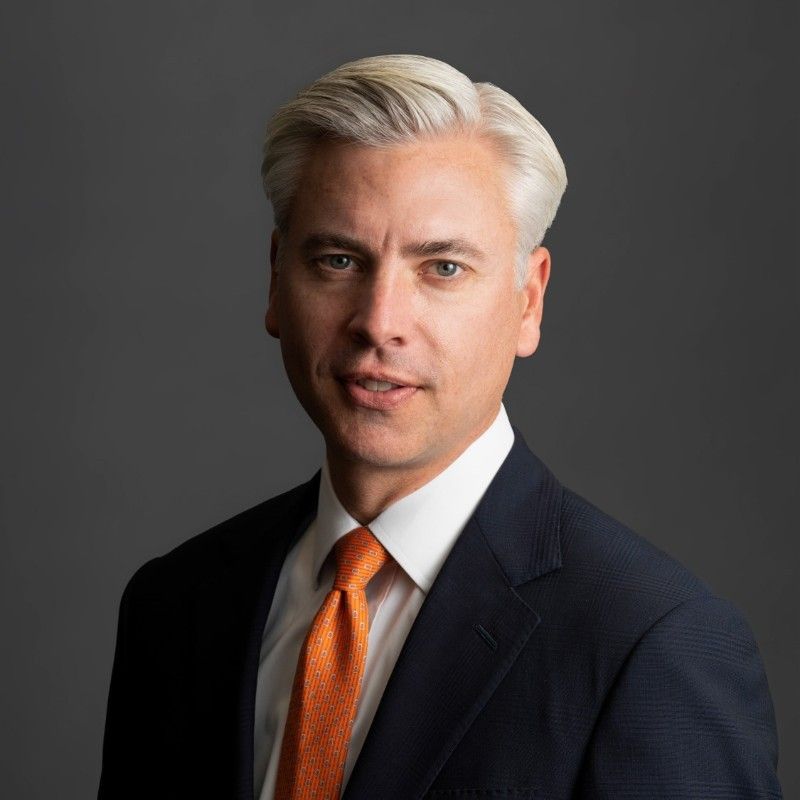
Timothy Boswell and the value of a temporary address
After years financing, combining and operating WillScot’s businesses, Timothy Boswell became CEO in January 2026. His next test is making a sprawling rental network work as precisely as the projects that depend on it.
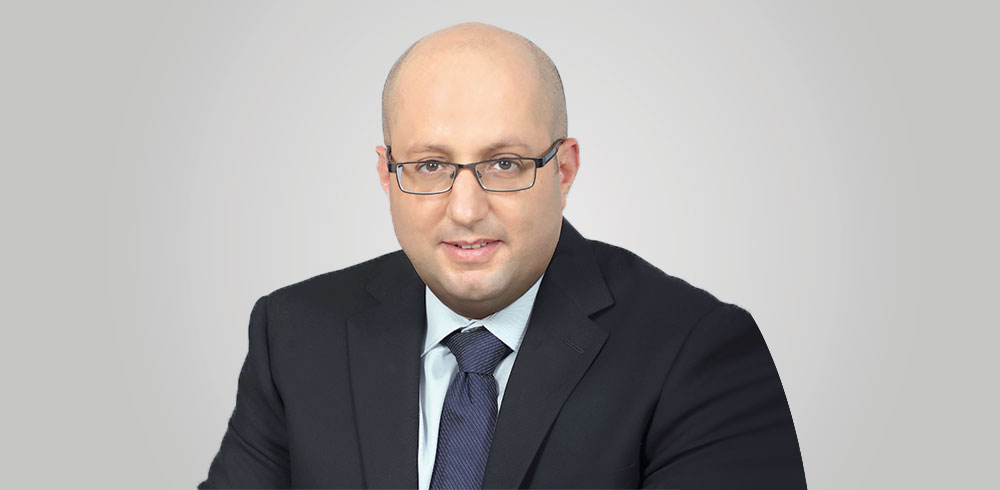
Tamir Cohen and the price of a second act
He helped negotiate the purchase of Shikun & Binui, became its chairman and CEO, then left amid a dispute over its direction. Now Tamir Cohen has bought into YBOX, carrying a dealmaker’s experience into another Israeli property company.
EquipmentShare found the key to idle iron.
A contractor’s spare excavator became the starting point for a national rental network. EquipmentShare’s bigger bet: connect the machine, the operator and the person who can keep both working.
James Hardie wants the whole exterior.
The siding maker bought its way onto the deck. Now comes the harder job: making a houseful of brands work together.

The builder that stays.
Shikun & Binui builds roads, homes and water infrastructure. Its most revealing projects come with a second job: keeping them working for decades.
The little pieces holding the big things together
Simpson Manufacturing built a business around the joints most of us never see. Its story runs from a knock at the door to a seven-story earthquake test - and a $2.3 billion year.

United Rentals makes money when ownership makes no sense
A machine earns its keep when it works. United Rentals built a business around everything that happens before, after, and in between.

The machine you don’t have to own
Sunbelt Rentals built a business around a simple inconvenience: the equipment you need today may be useless to you next month. Its next act is helping customers figure out the whole job.

Fluor learned to build the contract first.
A plant can be assembled from 215 shipped modules. A profitable project takes something harder: agreement on who carries the risk. Fluor has spent years relearning the difference.

US LBM got big. The lumberyard stayed local.
More than 100 acquisitions turned regional building suppliers into a national business. US LBM’s wager is that the person behind the counter still matters as much as the company behind the truck.
Stanley Black & Decker is learning what to leave out.
The company behind DEWALT and CRAFTSMAN built a vast tool business. After a $6.6 billion inventory pileup, its next chapter depends on making that business simpler - and its tools more useful.
Tutor Perini builds big. Getting paid is the plot twist.
Tunnels, hospitals, casinos. Tutor Perini takes on construction at a scale few firms pursue. Its recent turnaround reveals the less visible job: turning complicated contracts into cash.

Lennar wants to keep the line moving.
The homebuilder has spent decades simplifying what buyers choose. Now it is changing what a builder owns - and paying a price to keep houses selling.
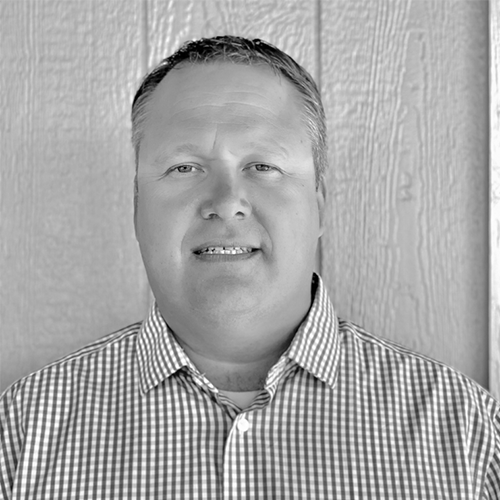
Brice Neiman and the work behind the walls
He started in the field in Lincoln and became CEO of CDM Investment Group. Across that journey, Brice Neiman kept returning to the people who made the work possible.
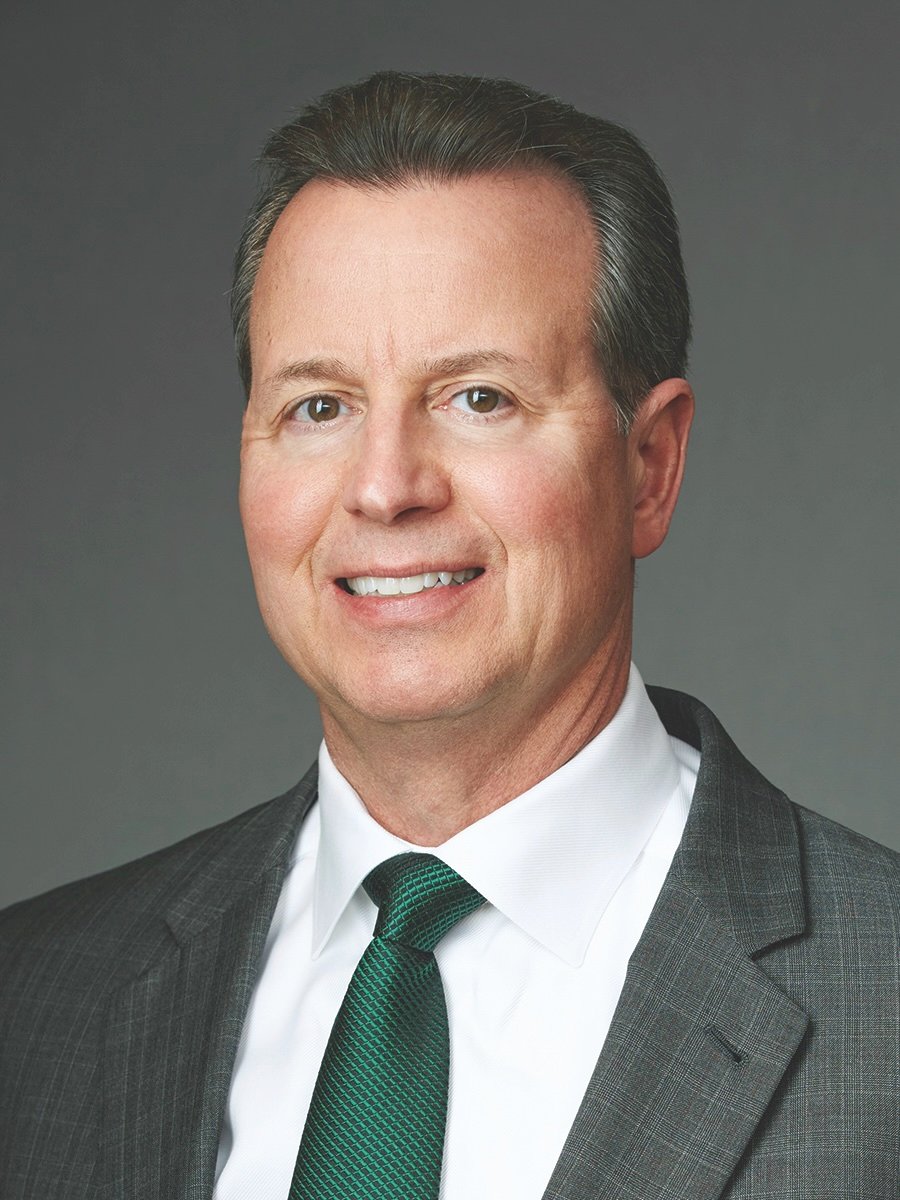
Gary Smalley and the unfinished business of building
Before he became Tutor Perini’s CEO, Gary Smalley spent decades following the money through construction. Now he is responsible for turning billions of dollars of promised work into places people can use.
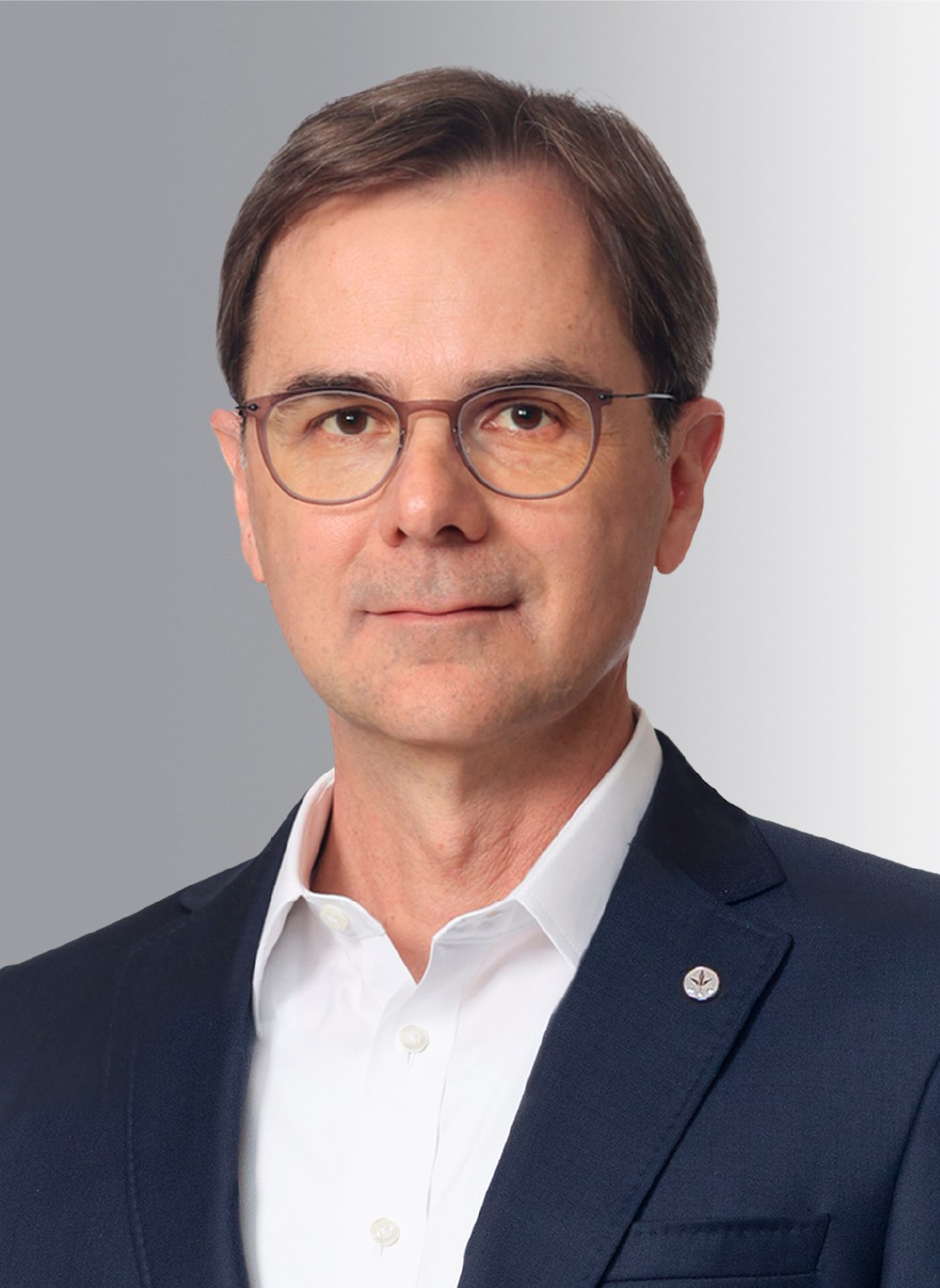
Jim Breuer and the long way to the top
Before he became Fluor’s CEO, Jim Breuer spent half his career on assignments outside the United States. His next assignment is to turn that accumulated experience into growth that survives contact with a construction site.
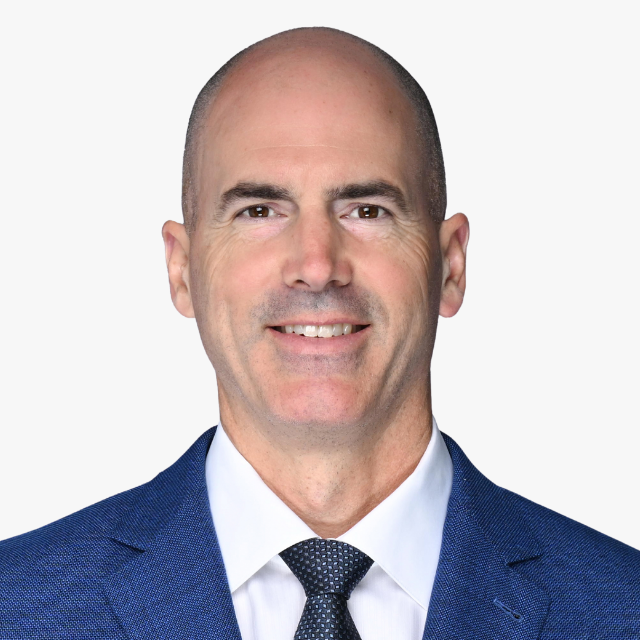
Dan Peyovich and the hands behind the cloud
He started as a carpenter. Now, as Dycom’s CEO, Dan Peyovich is expanding the business that builds digital infrastructure - and arguing that the future still needs people who know how to work with their hands.
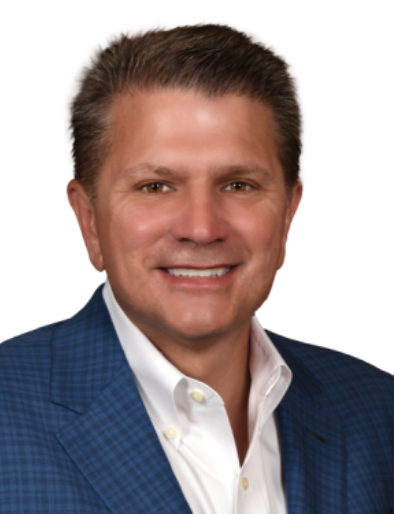
LT Gibson’s very big bet on staying local
He started US LBM with 16 locations in 2009. As the business grew into a national network, LT Gibson kept returning to a deceptively difficult question: how much should a local company change when someone buys it?
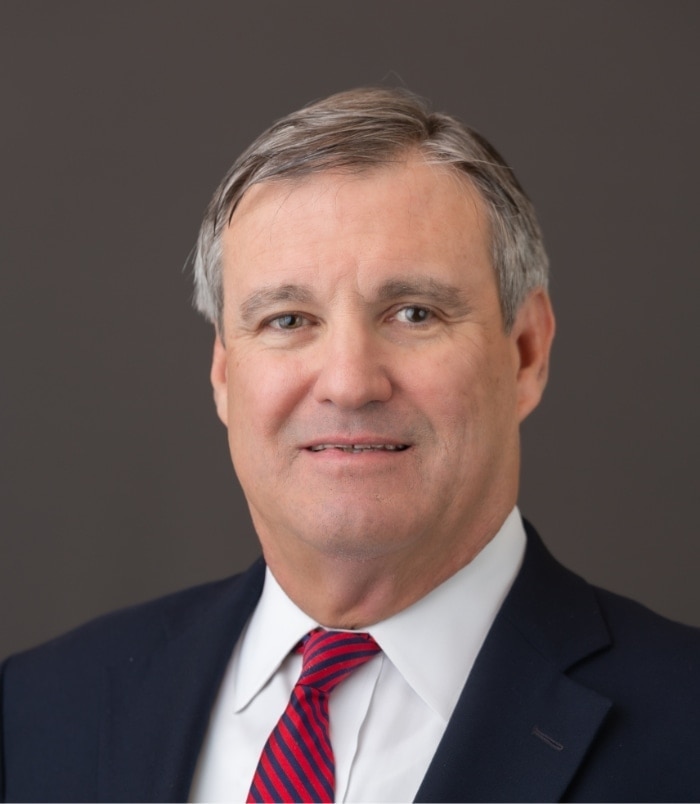
Brian Lane and the art of leaving room
At Comfort Systems USA, Brian Lane has built a national business around local judgment. The next test is making room for a construction boom without promising more than his people can deliver.
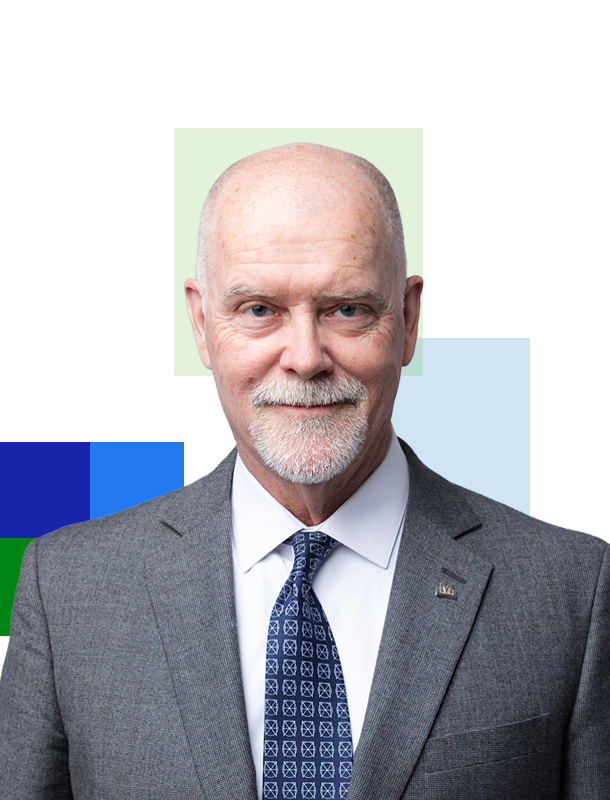
Michael McKelvy and the distance between a drawing and a building
An architect by training, McDermott’s chairman and CEO has spent his career crossing the line between design and construction. His recurring concern is what happens when the people on either side start talking.

Acumatica APAC: Let everyone in.
An ERP system gets more useful when the people doing the work can actually use it. Acumatica’s Asia-Pacific operation brings that idea to growing businesses - with a pricing model that changes the conversation.

The part with four names
HAL, Inc. makes software for the moment a shipment becomes somebody else’s problem. Its big idea: keep the identity of every little thing intact.

SketchUp lets everyone in on the plan.
A drawing is useful only if someone else understands it. SketchUp built a business around that small problem - and followed it all the way to the construction site.
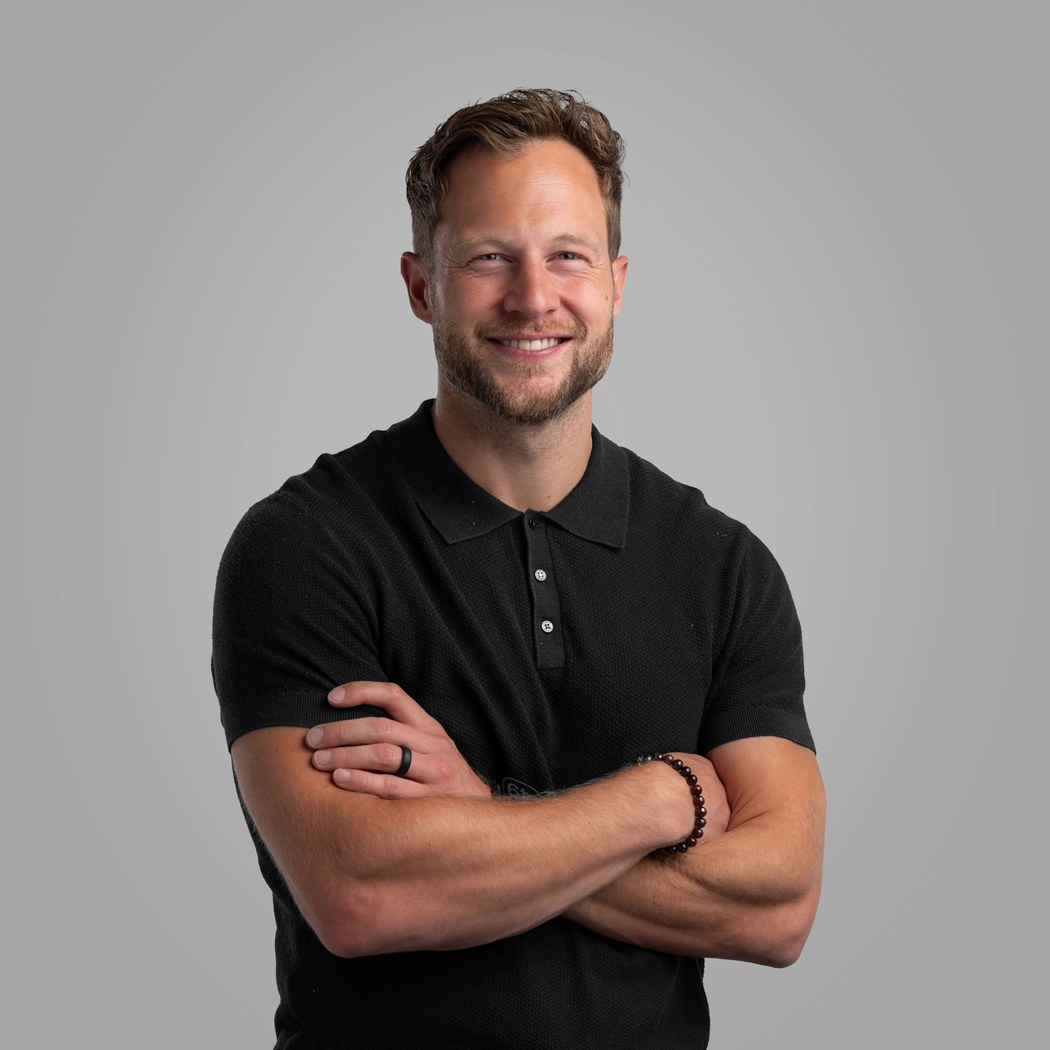
Andrew Hansen and the Business Hiding in Plain Sight
He knew the construction business from the inside. With SitePartners, Andrew Hansen turned that familiarity into a company devoted to helping industrial businesses explain what they do - and why people should care.

SAC Incorporated makes the pieces fit
A pipe is easy to notice. The work that makes it fit is easier to miss. SAC Incorporated has built its business around that gap.
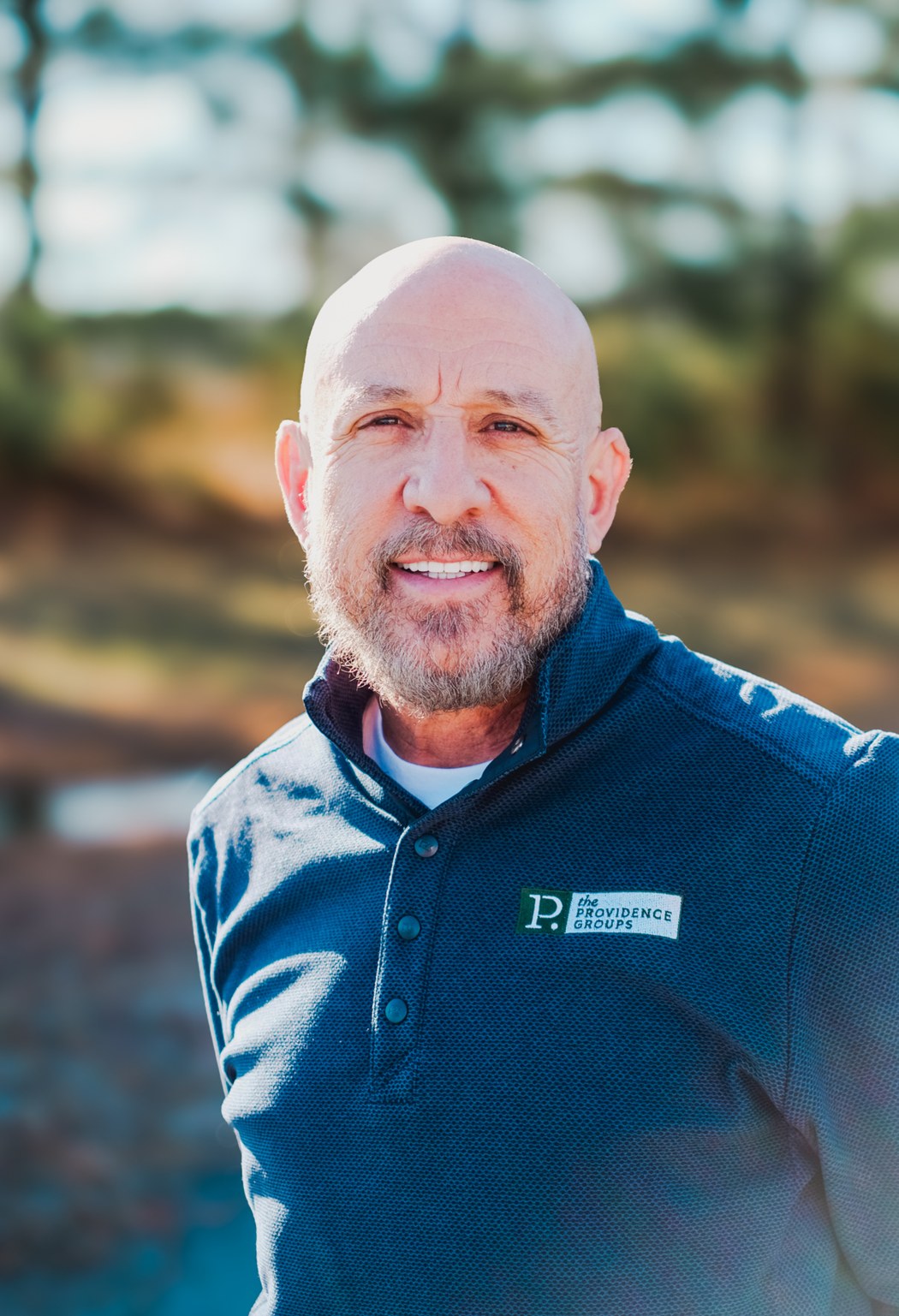
Douglas Cox and the business of giving people room
A salon suite is a small space with a large promise: a business of your own. Douglas Cox’s Tennessee family office brings that idea into a portfolio of builders, service businesses and an incubator designed to help other founders get started.
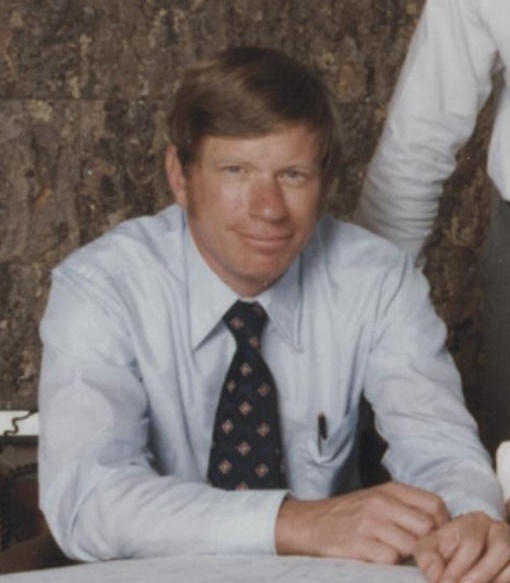
Rosser B. Edwards and the Architecture of a Handoff
A rejected promotion helped lead to Webcor. Rosser B. Edwards’s longer story is about passing a construction company, hard-earned knowledge and practical help into other hands.