arizona
(21)
Tanner Ainge and the value of staying close to home
A basketball surname brought Tanner Ainge attention. A career in deals, a turn in public office, and a bet on the businesses of the Intermountain West explain what he has chosen to build.

Arizona Commerce Authority sells the state. The hard part is making it work.
A factory needs more than an address. Arizona’s economic development organization connects the land, people, suppliers, and capital that turn a relocation pitch into a working business.

David Anderson and the Art of Leaving the Room
He learned to prepare the stage for presidents, then built an Arizona agency with Roger Hurni. The harder assignment came later: giving other people room to lead.
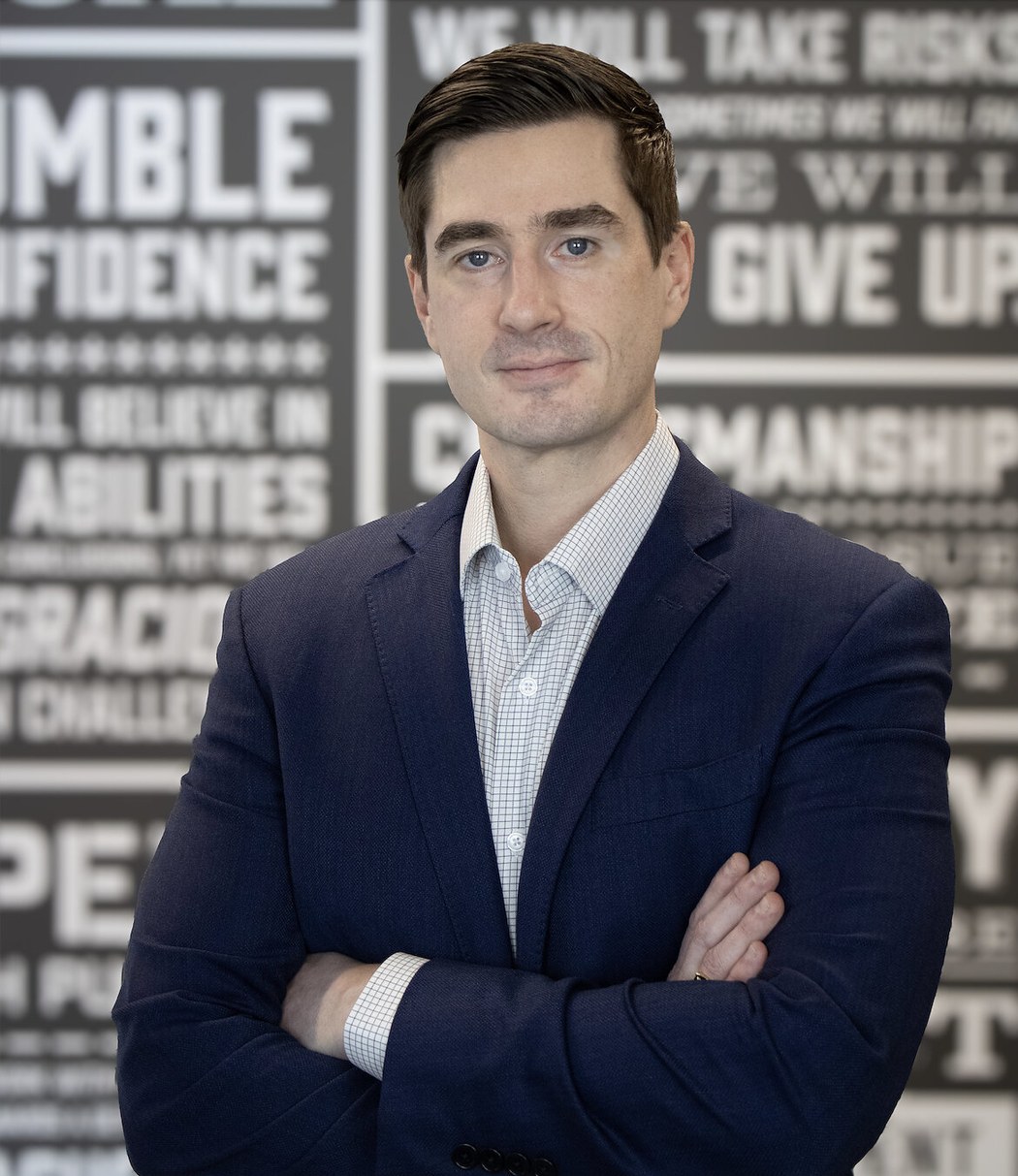
Chase Lane and the art of coming home differently
Before taking charge of his family’s Phoenix agency, Chase Lane studied how complicated organizations work. Now the former Air Force officer is applying those lessons to a business where the family name comes with unfinished business.

Antidote Health wants you to use the insurance you buy
The telehealth startup became an insurer with a practical wager: make the first conversation with a clinician easy, inexpensive, and part of the plan. The interesting business is what happens after that call.

The Insurance Plan That Learned the Hard Part Was the Paperwork
Pooja Ika built a Medicare Advantage insurer around a simple complaint: coverage can be generous and still be miserable to use. A 2021 application fight and a renewed 2026 enrollment freeze show just how much of this business turns on the machinery behind the benefits.
The Barnhart Company and the 30-Minute Rule for Public Trust
On Arizona's biggest public projects, the decisive technology may be a hotline, a bilingual survey and a clock. This small Phoenix firm turns public attention into an operating system.

The Agency That Put a Dashboard Where the Pitch Deck Used to Be
FabCom’s real product is not an ad. It is a tightly wired system in which research, creative, code, media and measurement are forced to share the same room.

Luna Grill Wants Your Weeknight Dinner
The Mediterranean chain is selling relief from the shopping, chopping and washing up. Its next test is making a family kitchen work at the scale of 62 restaurants.

Megan Simoes Spent 13 Years Learning Every Room - Now She Runs the Hallway Between Them
A graphic designer became a developer, an integrator, a president and, in July 2026, Chief of Staff to Nextiva's CMO. The through-line is not title collecting. It is the patient craft of making specialists work as one team.
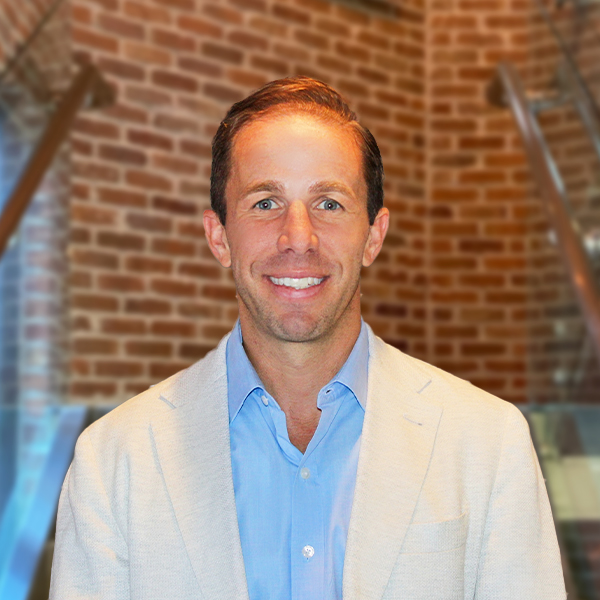
Joshua Simon Bet on the Strip Mall. Then He Made It a Community Strategy
He started SimonCRE in a bruised market with no outside equity. Sixteen years later, Joshua Simon is still making the unfashionable case that physical retail is civic infrastructure with a cash register.

The Software That Weaponizes a HIPAA Loophole Against the Records Department
Every personal injury case stalls in the same place: waiting on a records clerk who has no reason to hurry. Arctrieval turned a line of HIPAA regulation into a stopwatch that providers can't ignore.
Shareh Ghani Turned Behavioral Health Into a Data Problem Worth Solving
From the ACT teams of Maricopa County to the C-suite of a national managed care company, Shareh Ghani built a career on a stubborn idea: that good care and good data are the same project.

Magellan Health
It started as a chain of psychiatric hospitals in Georgia. Fifty-plus years later, Magellan Health decides how millions of Americans get their mental health care approved - and after a $2.2 billion round trip through Centene, it is about to be on its own again.
Josh Tabaj
Josh Tabaj is the Chief Marketing Officer and one of four co-founders of Branded Bills, the Arizona headwear and apparel company that turned a hand-branded leather patch into a national custom-merchandise business. Branded Bills started around 2015 in a Mesa garage with a branding iron, a knife, and roughly $1,000 from each founder; its first patch hat went to a South Dakota brewery. The company grew from state-pride hats into a vertically integrated operation that sources and produces its own headwear, runs a custom and corporate-branding division, sells officially licensed collegiate gear, opened its first physical store inside the Phoenix Suns' Footprint Center in 2022, and moved into a 96,000-plus square foot Tempe headquarters in 2025. Tabaj handles the marketing side of that machine - the brand voice, the customer story, and the argument that a logo deserves better than a screen print.

Branded Bills
Branded Bills is an Arizona-based premium headwear and apparel company that started in a garage in 2015 with a branding iron, a knife, and a leather patch hat. It grew from one-of-one state-pride caps into a direct-to-consumer and business-to-business brand offering custom and stock hats, apparel, and corporate branding. The company has sold more than $50 million of product, employs roughly 200 people, and operates the first Branded Bills retail store inside the Phoenix Suns' Footprint Center.

Axio Education
Axio Education is an AI-native learning platform, spun out of Arizona State University's Luminosity Lab in 2023, that helps colleges and universities design, deliver, and improve courses. It combines LMS, CRM, and SIS capabilities with agentic AI to compress course development from months to minutes, deliver personalized learning pathways, and give faculty real-time insight into how students are doing - while keeping instructors in creative control.

Nest Health
Nest Health is a New Orleans-based value-based care company that brings primary medical, behavioral, and social care directly into the homes of families on Medicaid. Founded in 2021 by Dr. Rebekah Gee and Rebecca Kavoussi, the company offers 24/7 in-home and virtual visits at no additional cost to eligible families, treating the whole household - children, parents, and postpartum mothers - under one roof. Its model has reduced emergency room use, doubled vaccination rates, and delivered a two-to-one return for payer partners across Louisiana and Arizona.

Prenda
Prenda is an Arizona-based education company that gives everyday adults - called guides - the software, curriculum, training, and support to open and run small, tuition-free K-8 microschools of 5 to 10 students out of homes, libraries, and community spaces. Founded by Kelly Smith after he started a learning club around his kitchen table, Prenda partners with state-credentialed institutions and school-choice programs so families pay little or nothing, while students learn at their own pace through a 'connect, conquer, collaborate, create' day built around mastery and student agency.
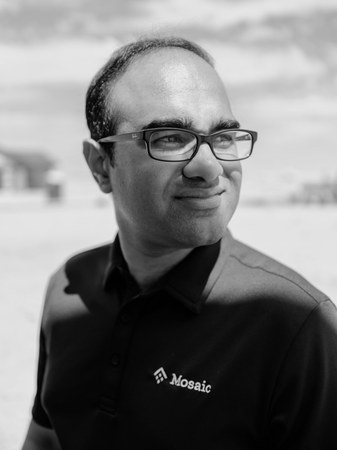
Salman Ahmad
Salman Ahmad is the co-founder and CEO of Mosaic, a Phoenix-based, tech-enabled general contractor reinventing how build-to-rent homes get planned and built. He grew up in a construction household, then stacked degrees in computer science from Arizona State, Stanford, and a PhD from MIT before deciding the most interesting unsolved software problem was the most analog industry there is: pouring foundations and framing walls. Mosaic's software platform, Mosaic Hub, coordinates contractors, schedules, and payments so homebuilders can offload construction the way startups offloaded servers to AWS.

Justine Davis
Justine Davis is the VP of Developer Marketing, Community, and Developer Relations at ServiceNow, where she oversees a developer community of more than one million members and shapes the narrative of ServiceNow as a global developer platform. With roots in digital marketing and a career arc that ran through Hotwire, Atlassian (over nine years), and Postman, she has built a reputation for translating complex technical products into language that resonates with developers and enterprise buyers alike. Based in Scottsdale, Arizona, she is known for her candid takes on developer marketing, her emphasis on showing rather than telling, and her belief that DevRel and Developer Marketing are two sides of the same coin.