subscription
(65)
Deferit gives the electricity bill a payment plan
The bill arrives on Tuesday. Payday is Friday. Deferit built a business in the awkward space between the two - then added credit reporting and a team that haggles over phone bills.

kencko sells the smoothie that skips the freezer
A rotten-fruit problem became a shelf-stable food business. Now kencko’s real test is getting its little packets into everyday routines - and the right supermarket aisle.
Little Spoon turned a lost shelf into a seat at the family table
A stalled supermarket deal sent Little Spoon straight to parents. Their replies helped turn fresh baby purées into a business that now follows children from the first bottle to the lunchbox.

Ladders put a price on escaping the job-search queue
A $100K salary filter made Ladders a specialist. A team that fills out applications for you reveals what it now sells: fewer wasted evenings.
Joy Parenting Club and the Business of the Next Question
A baby outgrows almost everything. Joy is betting that a trusted person to ask will survive the next growth spurt - and the one after that.

The Soup That Refused to Stay on the Shelf
Grocers would not take Nicole Centeno’s whole soup line. She found her customers online instead - then, a decade later, bought the manufacturing muscle to serve other food businesses.
The Landlord You Never Had
After years of renting, Jorey Ramer bought a house and discovered the hidden job that came with it: being the superintendent. Super built a subscription, a service network and an app around giving that job to someone else.

Glo Wants You to Keep Your Yoga Teacher. Lose the Commute.
Glo began with three filmed yoga classes and a familiar Los Angeles problem: traffic. Eighteen years later, its paid library faces a harder test - giving people a reason to return when so much wellness content is free.
Giraffe360 wants one house visit to do seven jobs
A robotic camera gets the attention. The more interesting business is the subscription that turns a property scan into photographs, floor plans, tours and a ready-made marketing kit.
Beuhi Built a Home Candy Factory for the Edibles Generation
A New Jersey team wants a machine that presses out infused gummies, chocolates, and hard candies - your botanicals, your dose, about forty minutes - in every kitchen. Here is the pitch, and where it gets complicated.

How the Company That Made Korea's First Radio Quietly Became a Software Business
It started by building Korea's first radio in a country still rebuilding from war. Nearly 70 years later, LG's fastest-growing money comes from the software inside the TV, not the TV itself.

The Fertility Nurse Who Turned a Broken Vitamin Aisle Into a Women's Health Company
A fertility-clinic nurse kept getting asked the same question about vitamins she couldn't answer well. So she built the answer - a personalized supplement company with a clinician on the other end of the chat.

The Dog Whisperer and the IoT Guy Killed the Buried Wire
A GPS collar, a mandatory subscription, and a celebrity dog trainer walked into the $400M pet-safety market. Here is how Halo Collar turned a family tragedy into hardware people keep buying.

The Meditation App That Told You to Get Up and Move
Most meditation apps ask you to sit still and shut up. Open wants you breathing, moving, and - strangest of all for the category - doing it with other people.
The Company Betting Your Cleaning Spray Can Fight the Plastic Crisis
Grove Collaborative turned a frustration with plastic-wrapped soap into a plastic-neutral retailer. The turnaround since is a lesson in what it costs to actually mean it.
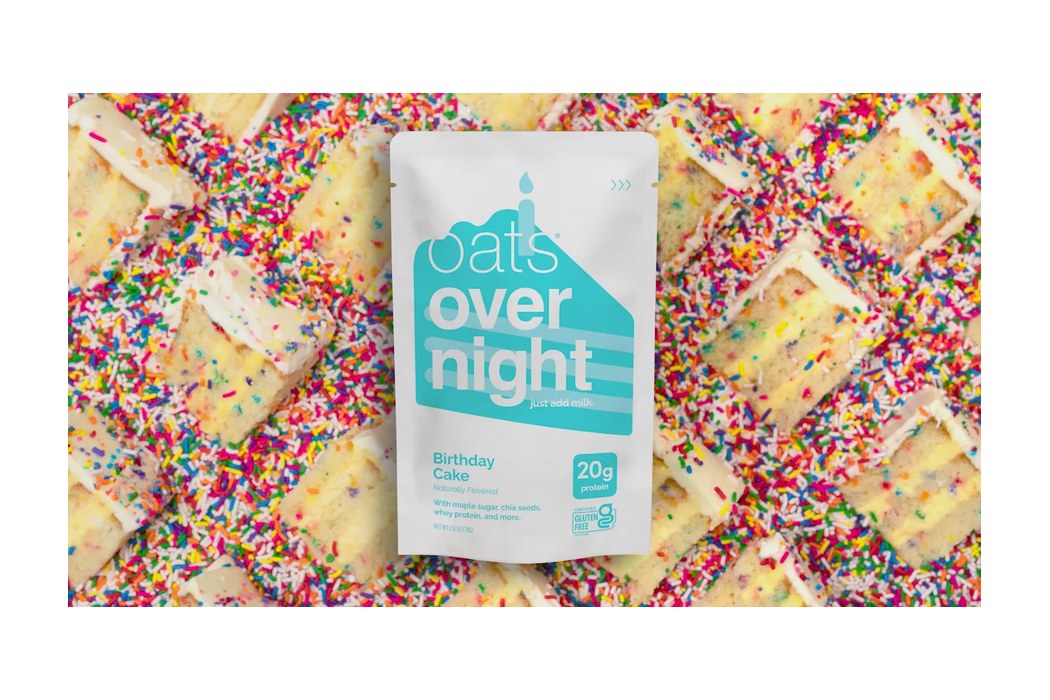
The Card Shark Who Bet It All on Breakfast
Brian Tate spent twelve years grinding high-stakes poker tables. Then he took his winnings, a shaker bottle, and a stubborn idea - that oatmeal could be worth waking up for - and built a business doing more than $200 million a year.

The Company That Turned 30 Billion Old Documents Into Your Family Story
It sells subscriptions to the past. With 30 billion records, the largest consumer DNA database around, and a growing stack of AI, Ancestry has quietly become one of the most durable businesses in consumer tech.

The Caracas Startup That Turned English Into a Subscription
It started with $700, a sofa in San Francisco, and a bet that people learning English still want a human on the other end of the line. Two million students later, Open English is the accent Latin America practices in.

How Two Golf Buddies Sold America Clear Skin at 2 A.M.
Guthy-Renker turned late-night television into a direct-to-consumer machine - Proactiv, Meaningful Beauty, JLo Beauty - by pairing a famous face with a subscription box decades before subscriptions were cool.
The Diet That Invented Group Therapy Now Writes Prescriptions
It taught a generation to count points and lean on each other. Then a weekly shot changed the math - so WeightWatchers went to the doctor.
Cengage Group
The company that once filed for bankruptcy owning the textbook now rents you every book it makes for the price of one - and it is quietly rewiring how students, libraries, and job-seekers learn.

Churned
Predictive AI built to prevent churn for high-volume subscriptions. Churned tells you exactly which subscribers are about to leave, what to offer them, and triggers the action automatically.

Top Road
Top Road is a Sydney-based, Y Combinator-backed startup that gives creators no-code payment and analytics tools to turn custom GPTs into revenue-generating apps inside the OpenAI GPT Store. Its GPT Tools action lets builders add subscription paywalls, collect emails, whitelist users, and track usage - without writing code. The company says it has enabled more than USD 300K in subscription revenue for GPT builders.

Adore Me
Adore Me is a New York-based intimates brand that set out in 2011 to sell well-made bras and lingerie at prices a student could afford, and ended up rewriting how the category is merchandised. Founded by Harvard MBA Morgan Hermand-Waiche, the company paired a wide size range (30-46 bands, A-I cups) with a monthly membership, an at-home try-on box, and an unusually large in-house engineering group in New York and Bucharest that built roughly 15 internal tools for planning, sourcing, and personalization. It reached an estimated $250 million in sales and more than 1.2 million active customers before Victoria's Secret & Co. acquired it in a deal announced November 2022 at $400 million cash upfront plus earnouts, closing January 2023. Adore Me became the only US lingerie brand certified as a B Corporation in 2022. Under its parent it has since narrowed: the founder departed in August 2025, the VIP subscription that defined the model ended in February 2026, and Victoria's Secret recorded a $120 million impairment on the business that same quarter.

Fabletics
Fabletics is a membership-based activewear brand founded in 2013 and headquartered in El Segundo, California. Built on a VIP subscription model that pairs monthly credits with data-driven personalization, it sells women's and men's activewear, footwear, swimwear, loungewear, and medical scrubs across e-commerce and 120+ retail stores. In 2025 the company crossed $1 billion in annual revenue with more than 3 million active customers, roughly 2.7 million of them VIP members.
Shinesty
Shinesty is a Boulder-born, Denver-based direct-to-consumer apparel brand built around one idea: make the world take itself less seriously. Best known for its cheekily named Ball Hammock pouch underwear and Boob Hammock bralettes, the company pairs proprietary soft fabrics and a supportive pouch design with an irreverent brand voice and outrageous themed party clothing. Founded in 2014 by University of Colorado Boulder friends, Shinesty has sold more than 12 million pairs of underwear, runs a monthly underwear subscription, and landed on the Inc. 5000 list of fastest-growing U.S. companies.
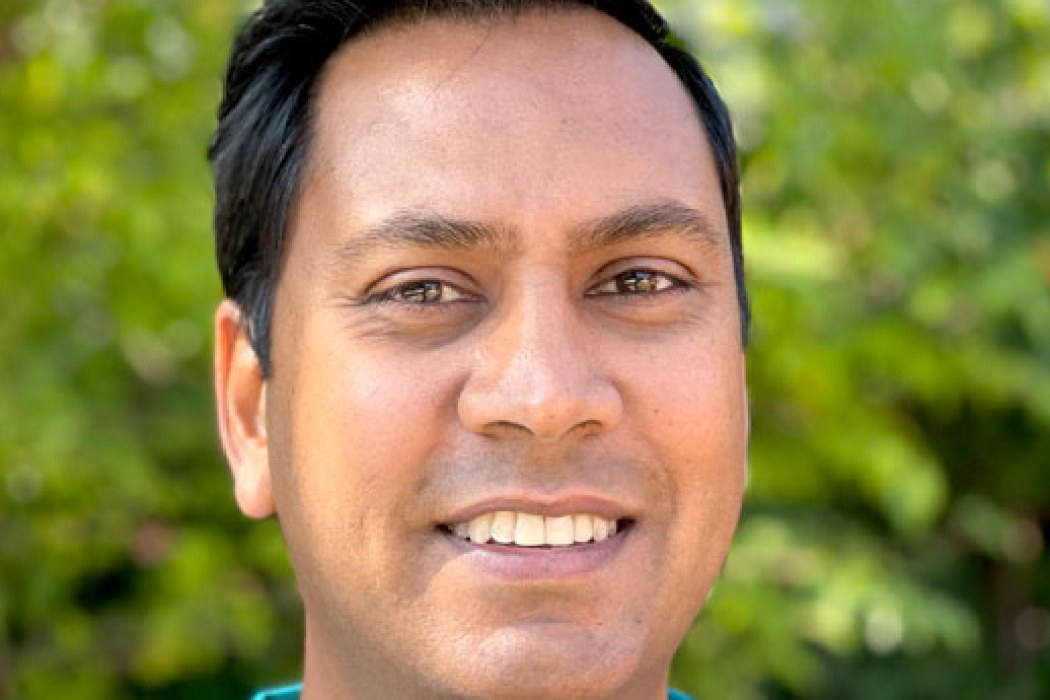
Vishwas Prabhakara
Vishwas Prabhakara is the co-founder and CEO of Honey Homes, a membership service that gives homeowners a dedicated, salaried handyperson for recurring maintenance and repairs. A Carnegie Mellon and Harvard Business School graduate, he spent 15-plus years in Silicon Valley product and operations roles - including ESPN, Digg, Yelp Reservations, and a stint as COO of the fintech Digit - before starting Honey Homes in 2021 with his wife Avantika and two other co-founders. The company operates across the San Francisco Bay Area, Los Angeles, Dallas-Fort Worth and beyond, and has raised more than $21 million from investors including Khosla Ventures, Pear VC and Era Ventures.

FloSports
FloSports is an Austin-based direct-to-consumer sports streaming company that broadcasts underserved and niche sports - wrestling, cycling, track and field, motorsports, gymnastics, grappling, hockey and more - with the depth typically reserved for major professional leagues. Founded in 2006 by brothers Martin and Mark Floreani, the subscription platform streamed roughly 40,000 live events in 2024, reached more than 23 million viewers, and reported record revenue and sustained profitability ahead of its 2025 Series D round led by Dream Sports.

Honey Homes
Honey Homes is a membership service that gives busy homeowners one dedicated, fully-employed handyman to handle repairs, upkeep, and small projects, all coordinated through a mobile app. Founded in 2021 in the San Francisco Bay Area, the company pairs each member with a consistent, background-checked handyman for their neighborhood and manages proactive home maintenance, on-demand fixes, and trusted vendor referrals under a single subscription.
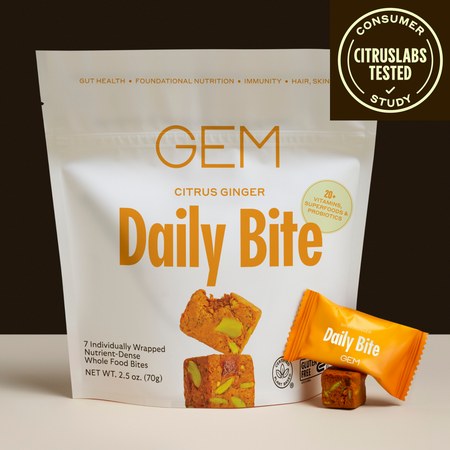
GEM
GEM is a Los Angeles-based wellness company that reimagines the daily multivitamin as a whole-food bite rather than a pill or gummy. Founded in 2018 by Sara Cullen, GEM packs 20+ vitamins, minerals, superfoods, prebiotics, probiotics and microalgae into a single real-food chew, sold mainly through a subscription model plus retail and Amazon. Its pitch is 'food is medicine' - transparent, plant-based, and traceable nutrition for people who distrust synthetic supplements.