enterprise-software
(2,797)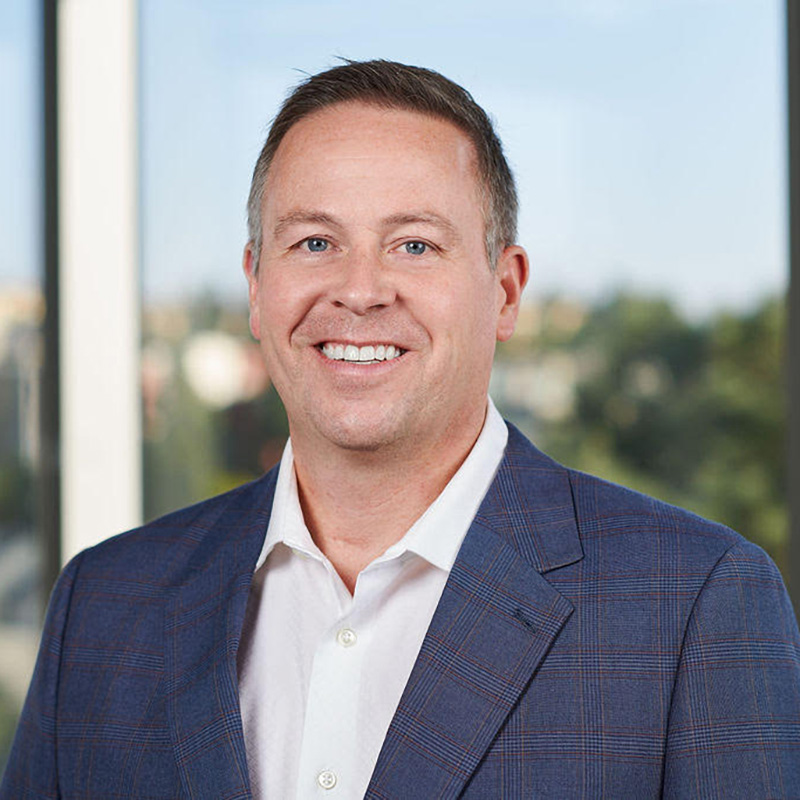
Doug Winter and the business inside a three-ring binder
A mismatched pitchbook helped give Seismic its purpose. Doug Winter spent fifteen years building the company around that problem, then handed over the CEO role with a lesson about keeping people close.

Sam F. Khashman’s case for less work
A customer helped give ImagineSoftware its name. A quarter-century later, its founder is still asking how much unnecessary work a piece of software can remove.

Kumar Chivukula and the Work After the Code
At Adobe and Symantec, Kumar Chivukula learned how much work stands between writing software and shipping it. At Opsera, he is building a business around that stubborn distance - and watching AI make it matter all over again.

Ray Hein and the expensive art of starting again
Before he co-founded Propel, Ray Hein put nearly $1 million of his own money into a startup that closed. His next company grew from a different habit: asking better questions before building the answers.
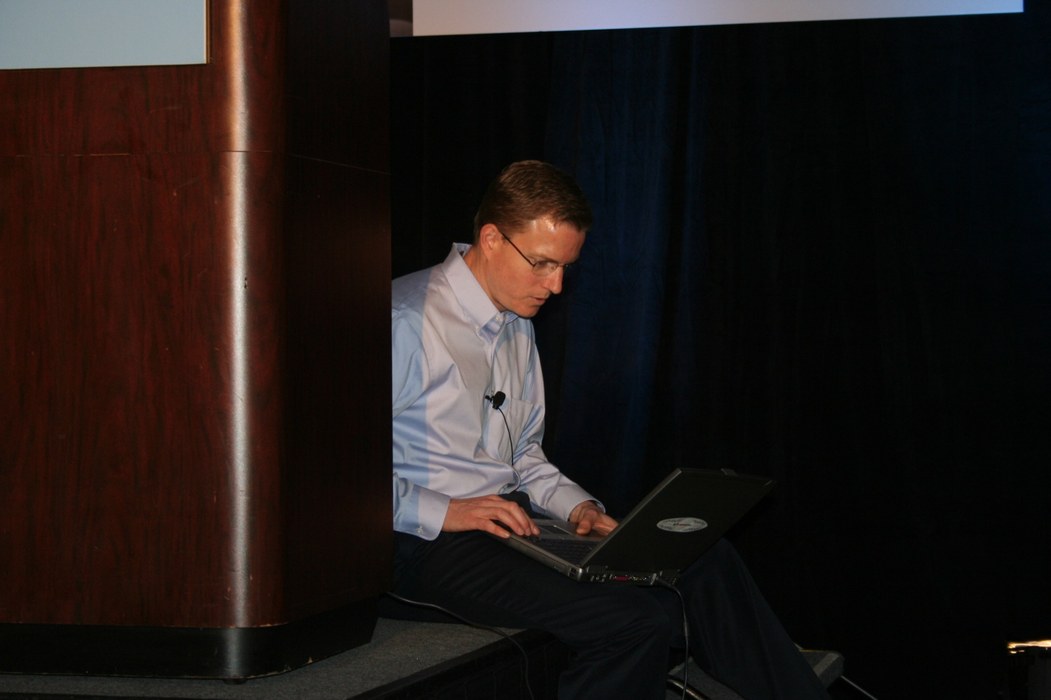
John Roberts Asked for Six Months. Then He Opened the Code.
After years building proprietary business software, John Roberts wanted to try a different bargain: let people inspect the code and help improve it. SugarCRM was the experiment; X2Engine became his second attempt.

Paulo Rosado and the price of changing your mind
Missed deadlines gave Paulo Rosado an idea: software should be easier to change. He spent 24 years leading OutSystems to test it, then changed his own job.
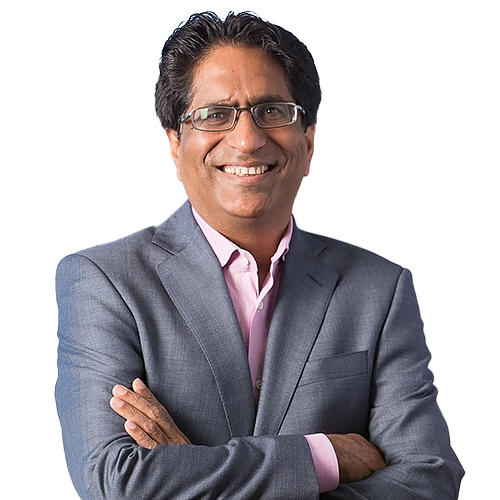
Subhash Makhija and the Art of Being Too Early
He co-founded GEP to bring procurement onto the internet. The customers needed more than software - and that awkward discovery helped shape the company he still leads.

Will Saville and the Art of Changing the Recipe
He trained in hospitality, built a software company and handed over the CEO’s chair. Will Saville’s next chapter returns to a familiar problem: helping people get something useful from the tools in front of them.

Scott Killoh Keeps Finding the Trouble Between the Screens
From publishing software to Nymbus and now Flare, Scott Killoh has kept returning to the same business problem: getting new technology to work inside institutions that already have plenty of it.
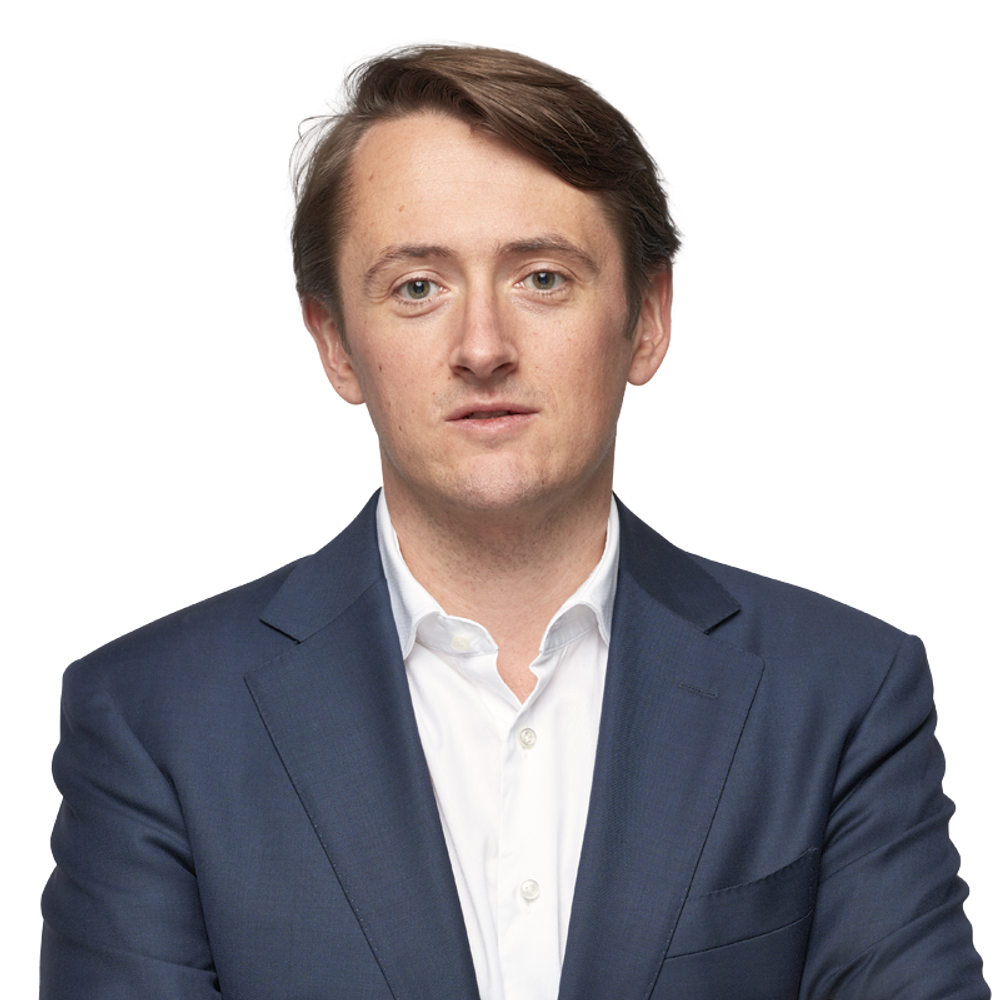
Felix Van de Maele and the value of agreeing on a word
A Belgian researcher set out to help people agree on what their data meant. Eighteen years later, the co-founder of Collibra is asking the same question of machines that can act for themselves.
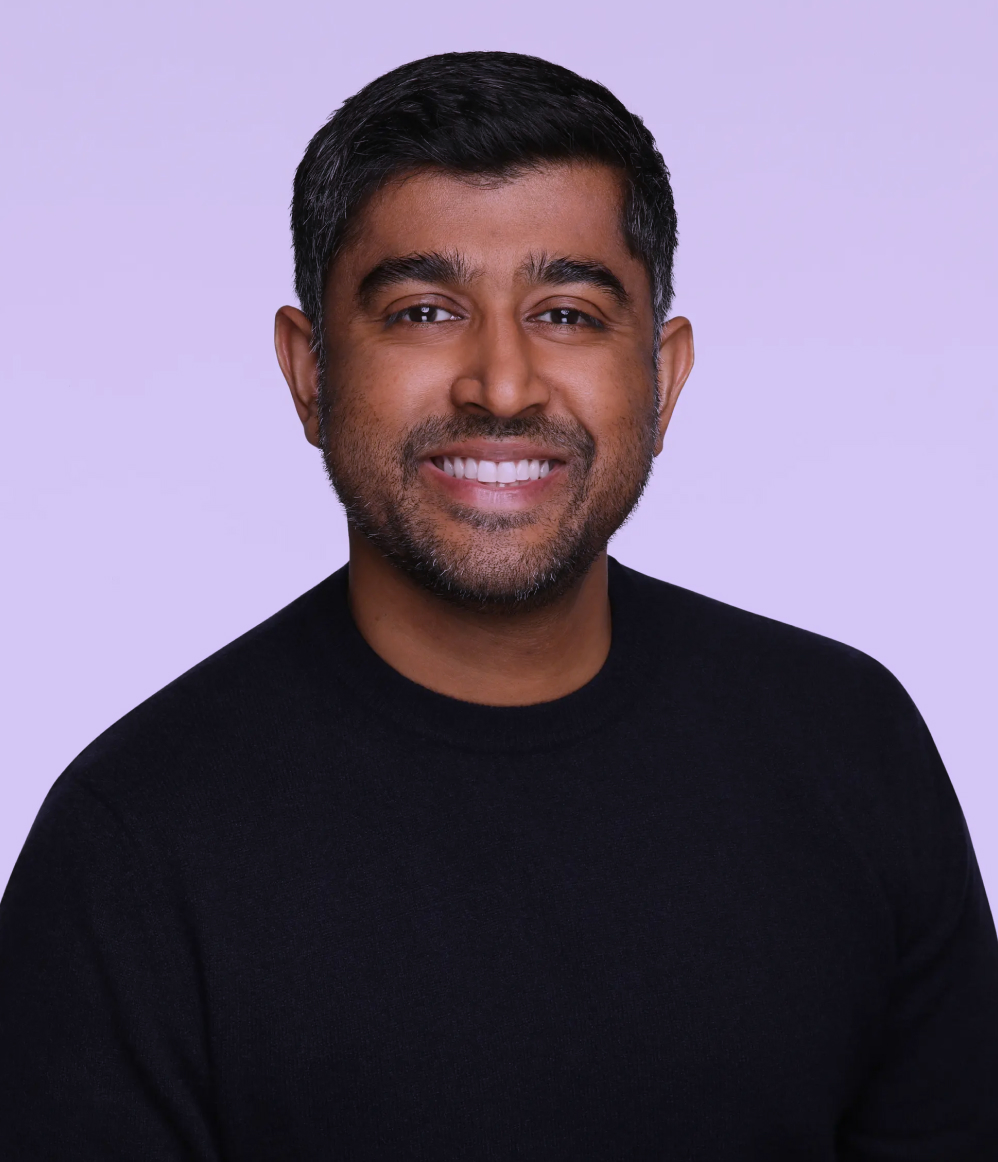
Amrit Santhirasenan and the price of a good decision
He trained in computer science, became an actuary, and built hyperexponential to solve a problem he had lived with for years. His next wager is that better software can give human judgment more room to work.

Jon Darbyshire and the Trouble With Being Finished
He helped build Archer, sold it to EMC, and tried life on the other side of the table. With SmartSuite, Jon Darbyshire returned to a familiar problem: getting the work, and the people doing it, into the same picture.

Itschak Friedman and the Long Way to $14 a Share
Before Abbott bought STARLIMS for $123 million, its founder bought more shares in a falling market. His next chapter at LionBird brings decades of building laboratory software to the work of helping other founders.
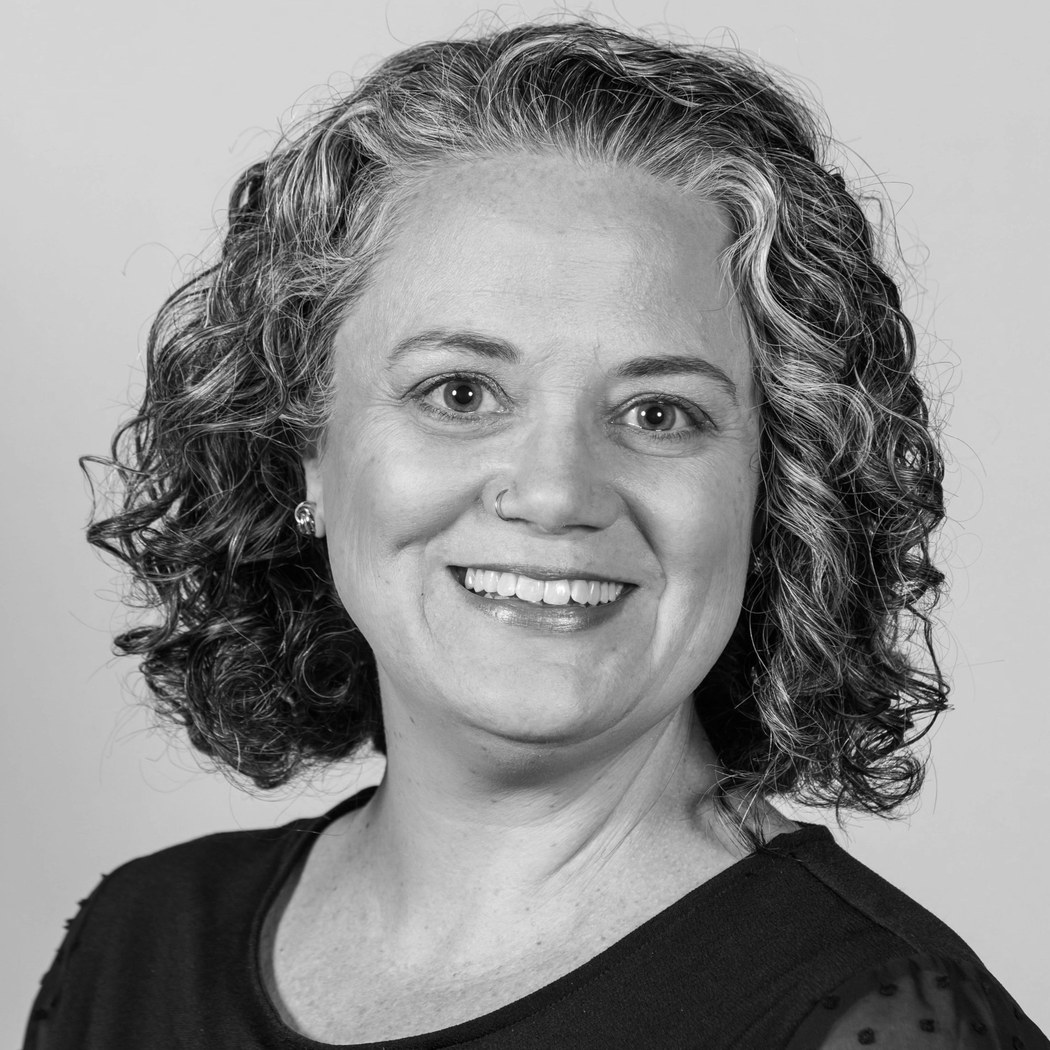
Heidi E. Morin Had a Poster. Then She Had a Company.
Before she founded Parity Healthcare Analytics, Heidi E. Morin was trying to solve a problem at work. A conference poster, an unexpected reunion and a fondness for budgets trace the route from department leader to software CEO.
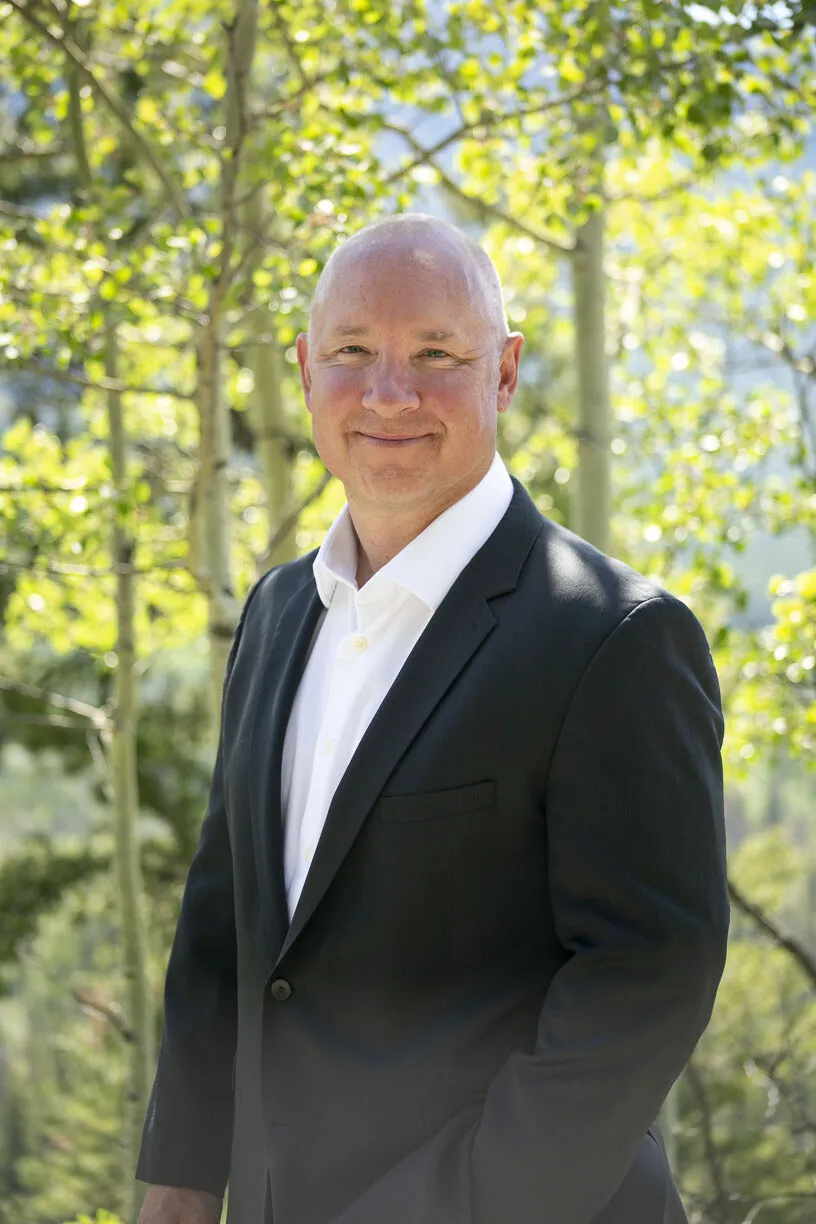
David Hauser and the promise that has to survive Monday
Bits In Glass began in 2002 with a complaint about consulting. David Hauser has spent the years since building a business around the harder part of technology: getting it to work for people.

Nien-Ling Wacker and the trouble with finding things
A physicist confronted a familiar office problem: the answer was somewhere in the files. Her response became Laserfiche, and a career spent making information easier to use.

Harald Grumser and the trouble with a sheet of paper
He spent 29 years leading Compart, helping information travel between systems that struggled to understand one another. His next chapter brought the same practical instinct to founders, colleagues and the region around Böblingen.
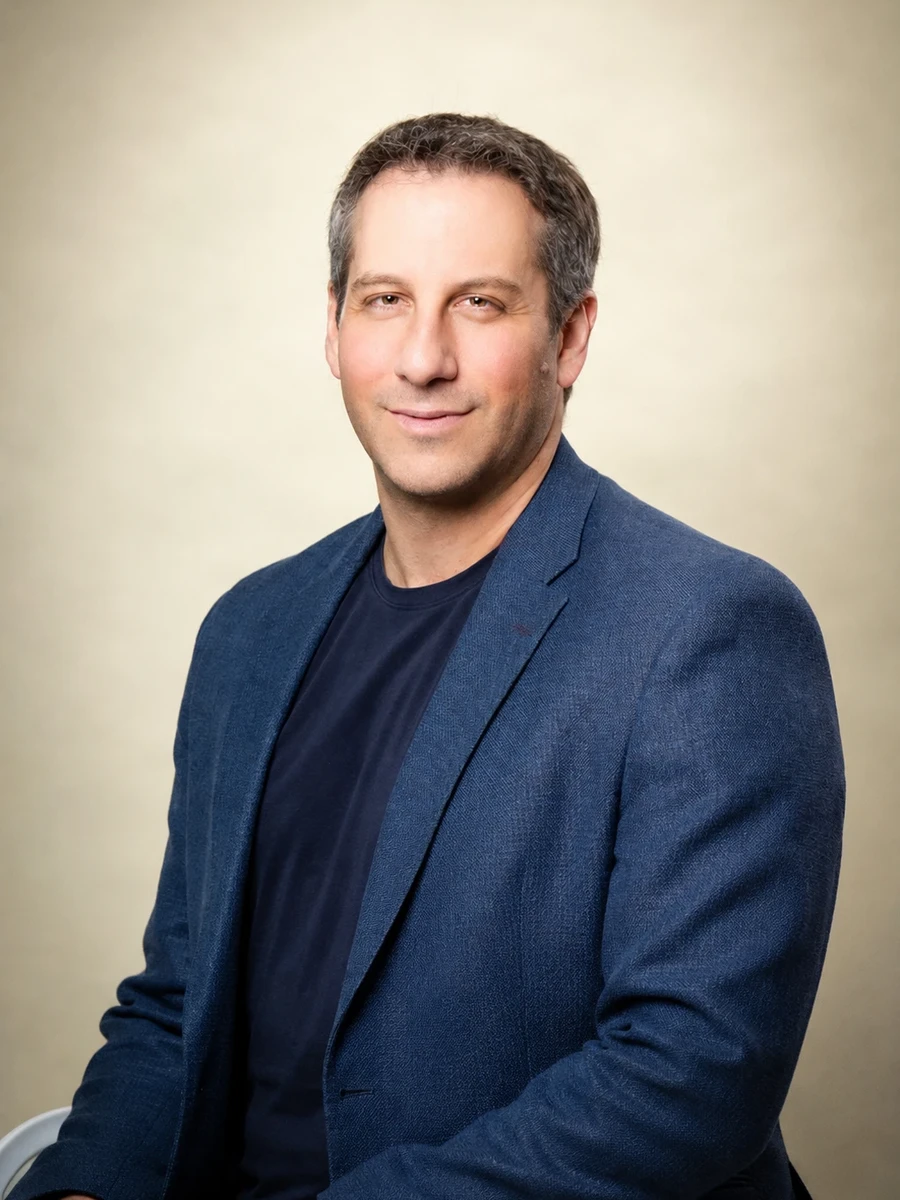
Daniel Shimmerman Knows the Org Chart Is Only Half the Story
Varicent's co-founder built a business around the mechanics of selling. His career since IBM's acquisition - and a podcast about parenting across generations - reveals a lasting interest in the people behind the process.

Andy Yin and the Three-Day Problem
A software fault once took Andy Yin three days to find. The Cloudwise founder has spent the years since trying to give that time back - first to programmers, then to the businesses depending on them.

Tom Chavez and the Problem With Being Three Years Early
He helped companies make better use of customer data. Now the Ketch co-founder wants people to have a say in what happens to it - and has learned how long a good idea can wait for its customers.

Jakob Freund and the business between the boxes
Jakob Freund turned a Berlin consultancy into Camunda by paying attention to the handoffs everyone else had to live with. Now he is asking where AI belongs in the process, and who gets to decide what it can do.
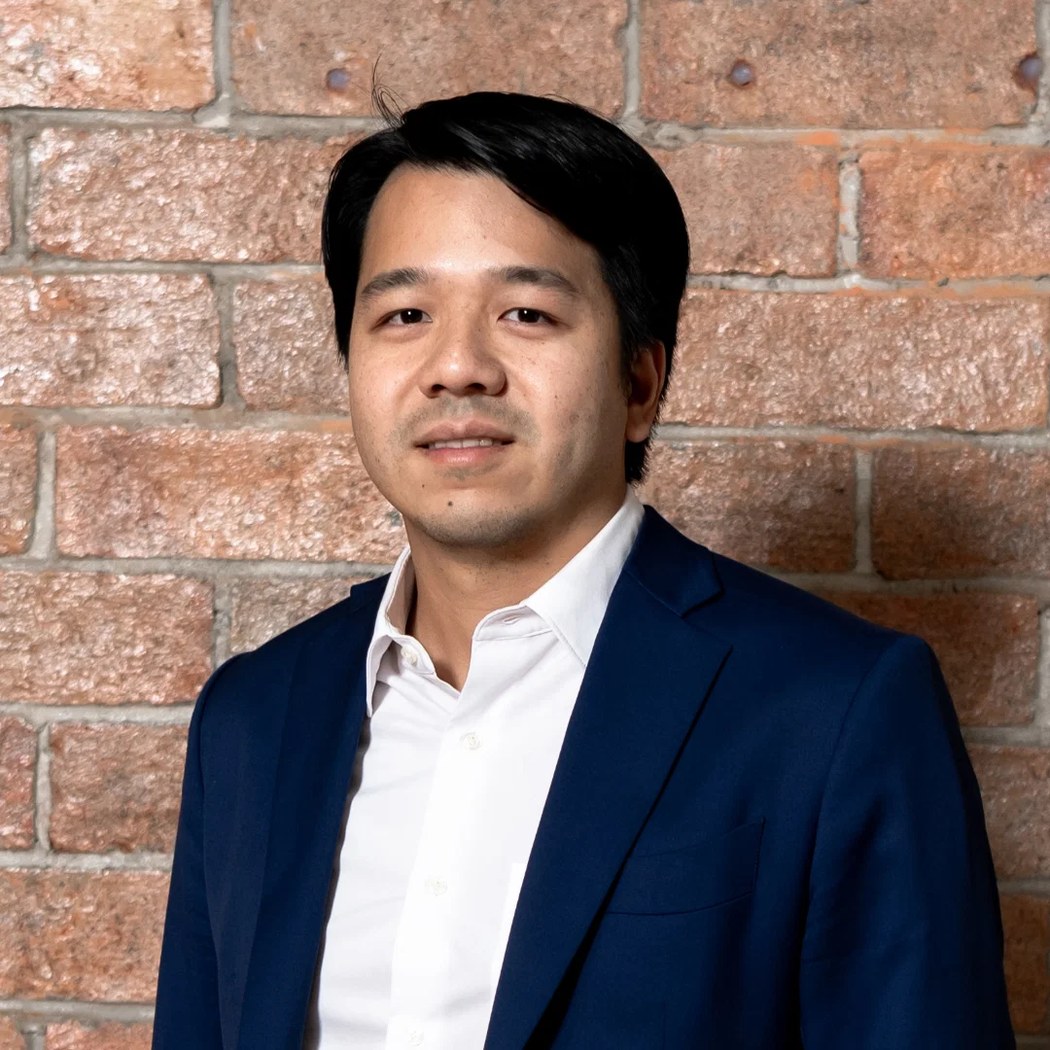
Korawad Chearavanont’s $5 million permission slip
His parents set a price for leaving Columbia. He met it. A decade later, the founder behind Eko and Amity is still working on the harder bargain: building a global software business from Thailand.
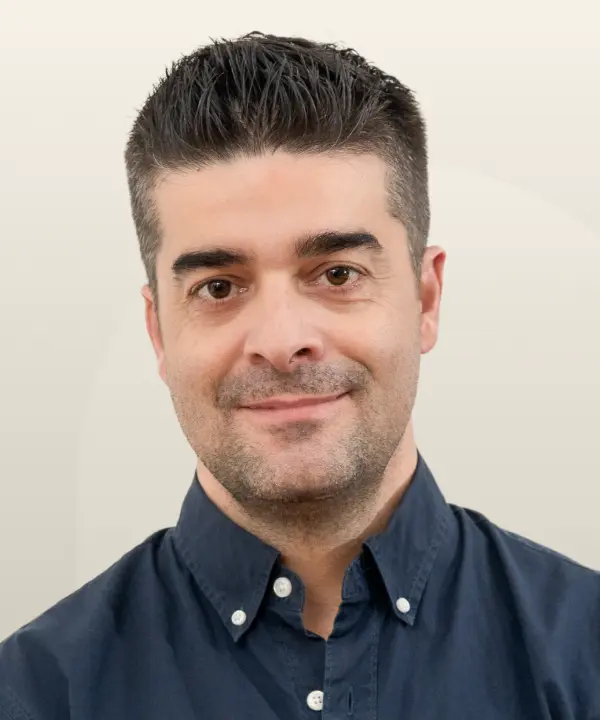
Israel (Srulik) Dvorsky’s education in starting small
Before he led TailorMed, Srulik Dvorsky nearly chose the saxophone and accepted an engineering assignment meant to last 50 hours. His career has kept returning to a practical question: what can you learn by getting close enough to the work?

Web Sun and the art of sharing the wheel
An introduction became a partnership. Twelve years later, Komodo Health’s co-founder and co-CEO is still adapting to the demands of building a company with other people.
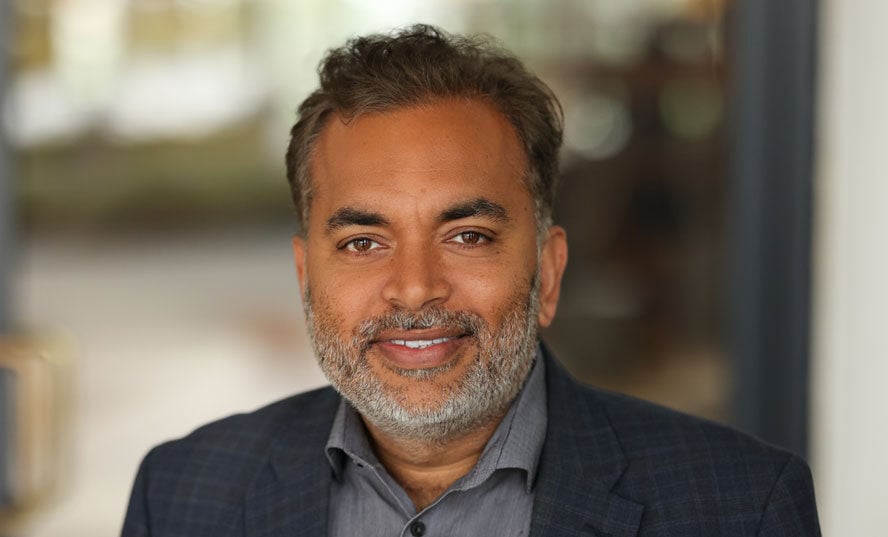
Sachin Nayyar and the trouble with one company
For years, Sachin Nayyar ran Securonix and Saviynt at the same time, with Dallas at one end of his commute and Los Angeles at the other. His career keeps returning to a deceptively simple question: who should be allowed in?
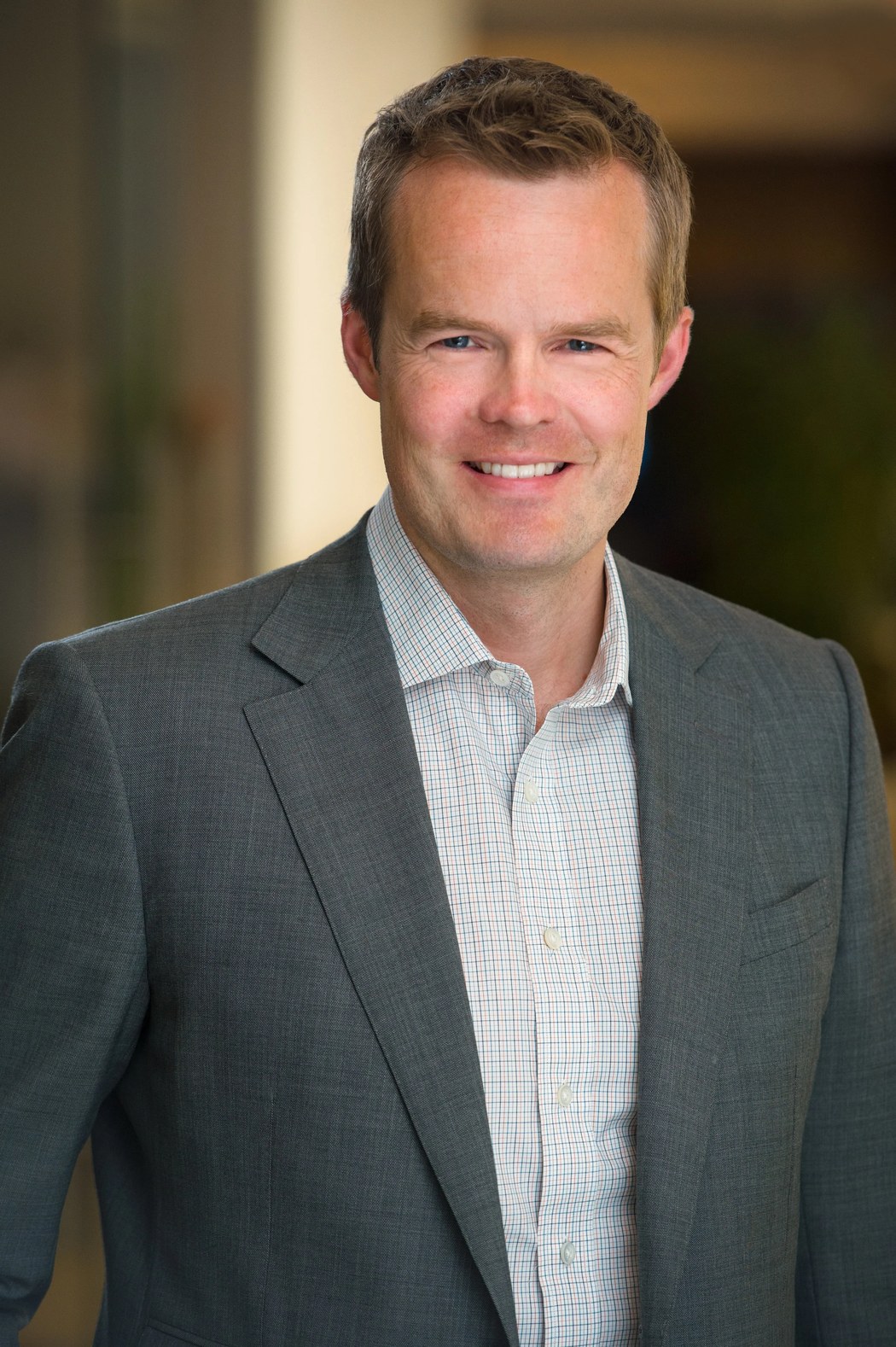
Jack Kokko and the fear of the missing fact
A young analyst’s worry became a business: what if the crucial detail was in the document he had not read? From Oulu to AlphaSense, Jack Kokko has spent years trying to give that question a better answer.
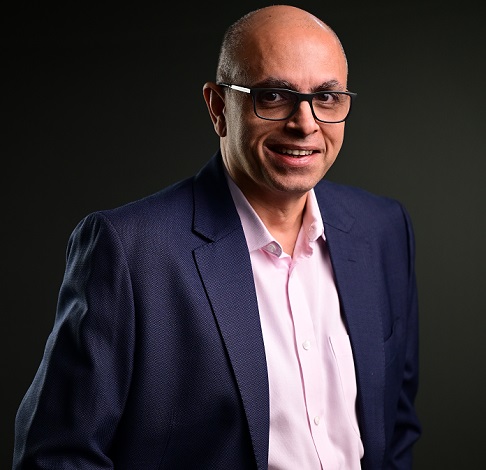
Janak Vakharia and the Numbers That Wouldn’t Agree
Janak Vakharia started building construction software in Mumbai in 1994. Three decades, a difficult UK entry and several product rebuilds later, Xpedeon’s co-founder is still closing the gap between the building site and the finance office.

Carlos A. Baldor Sr. and the Company That Kept His Birthday
He left Havana at 17, became an engineer and co-founded a Tampa business with $100 in working capital. Carlos A. Baldor Sr. spent nearly five decades building BST Global - and prepared for the day his sons would take over.
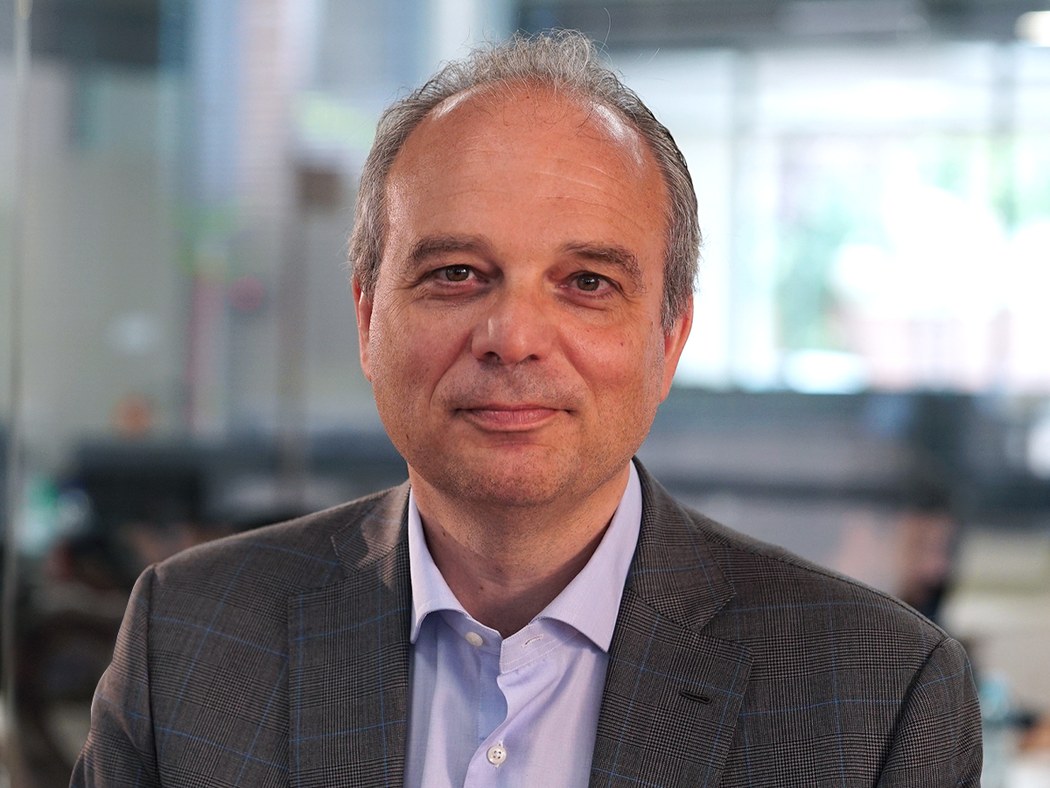
Edoardo Narduzzi keeps moving the finish line
The Mashfrog founder began in financial journalism, built technology companies and wrote about a changing economy. His most revealing habit is what happens when he reaches a goal: he sets another.

Bob Hammer and the value of keeping things
He spent two decades building Commvault around a simple bet: businesses would keep making data, and someone would have to look after it. His next chapter takes that patience into AI investing and education.