bioelectronics
(8)
Nicolas Vachicouras Bet the Brain’s Next Interface Would Feel Less Like Hardware
He spent a decade making electrodes softer, thinner and easier to deploy. Now the Swiss engineer behind Neurosoft Bioelectronics is building a company around a deceptively simple idea: the best interface with the brain may be the one that behaves least like a machine.
How Neurosoft Plans to Read Your Brain Without Cutting Into It
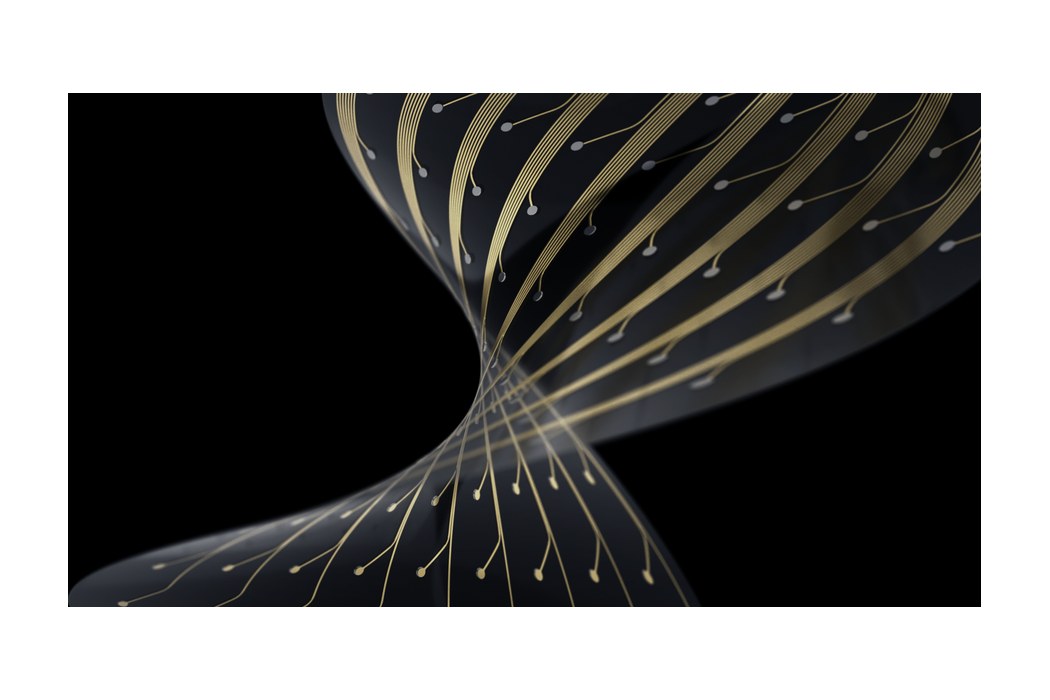
Neurosoft Bioelectronics built a stretchable brain interface up to 100,000 times softer than the metal grids surgeons use today - and put a 64-channel version on the cortex of epilepsy patients. Here is how an EPFL lab experiment became a $20 million bet on reading the brain without carving into it.

Xin Du
Xin Du (Steven Xin Du) is the founder and CEO of WONZ Technology, a medical-device and digital-health startup building consumer devices for smokers and non-invasive bioelectronic products. A trained scientist with postdoctoral research experience tied to Dana-Farber Cancer Institute and Harvard Medical School, Du crossed from the lab into venture capital as a founding partner of Niniu Capital and founder of Neeo Fund before starting WONZ in 2020. He splits his world between a San Francisco base and a Hong Kong-registered company, running a small team that has filed more than a hundred patents and raised through Series A.

WONZ Technology
WONZ Technology is a digital health company built around one goal: helping the world's roughly 1.5 billion smokers cut their exposure to the harmful byproducts of combustion. Founded by Xin (Steven) Du in 2020, WONZ pairs hardware - heat-not-burn smart devices sold under the CIGPAL brand - with digital intervention software, an exhaled-CO tester, and AI-guided coaching. Its proprietary WHC (WONZ Heat Currents) thermal distillation technology is designed to reduce inhalation of more than 90% of the main harmful substances in cigarette smoke while easing cravings and withdrawal. The company holds over 100 patents and has raised more than US$13 million from investors including XVC.

Ben Woodington
Ben Woodington is the co-founder and CEO of Coherence Neuro, a deep-tech company building SOMA-1, a button-sized, MRI-safe brain-computer interface that listens to and electrically modulates brain tumors from the inside. A Cambridge-trained chemist-turned-engineer who once built smart inhalers and minimally invasive spinal-cord interfaces, Woodington pivoted his neurotechnology to oncology after realizing almost no one was applying neural-interface engineering to cancer. He argues electricity should become the fourth pillar of cancer therapy alongside surgery, drugs, and radiation, and raised a $10M seed in late 2025 to take the work toward first human trials.
MJ Antonini
MJ Antonini is the co-founder and CEO of NeuroBionics, an MIT spinout building hair-thin, flexible bioelectronic fibers that thread through blood vessels to reach deep neural structures - delivering deep brain stimulation without opening the skull. A Harvard-MIT Health Sciences and Technology graduate who trained in both medicine and engineering, he turned a decade of fiber research from Polina Anikeeva's MIT lab into a venture-backed company that raised an oversubscribed $10M seed round to push toward first-in-human trials.
Steve Xu
Steve Xu is a board-certified dermatologist turned medtech founder who runs Sibel Health, the Chicago company commercializing ICU-grade wearable sensors that now monitor patients in more than 20 countries. A physician-engineer trained at Rice, Harvard, and the London School of Economics, he splits his life between the clinic, the lab at Northwestern's Querrey Simpson Institute for Bioelectronics, and a startup chasing a single line: Better Health Data for All.
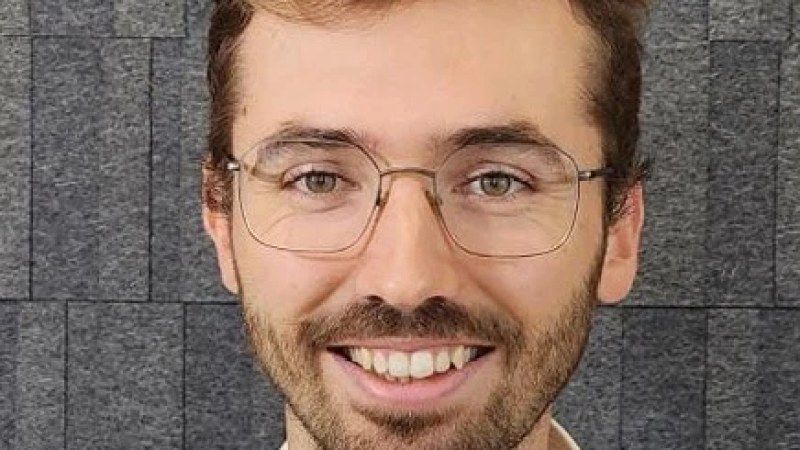
Paul Le Floch
Paul Le Floch is the co-founder and CEO of Axoft, a Cambridge neurotechnology company building brain implants out of a material so soft it behaves like brain tissue. A Harvard-trained materials scientist and Forbes 30 Under 30 honoree, he bet that the way to read the brain better was not to borrow chips from the semiconductor industry but to invent a new material from scratch. The result, Fleuron, is up to thousands of times softer than conventional probes yet can carry over 1,000 sensors. Axoft has now implanted its device in 11 patients and raised a $55M Series A to push toward FDA trials.