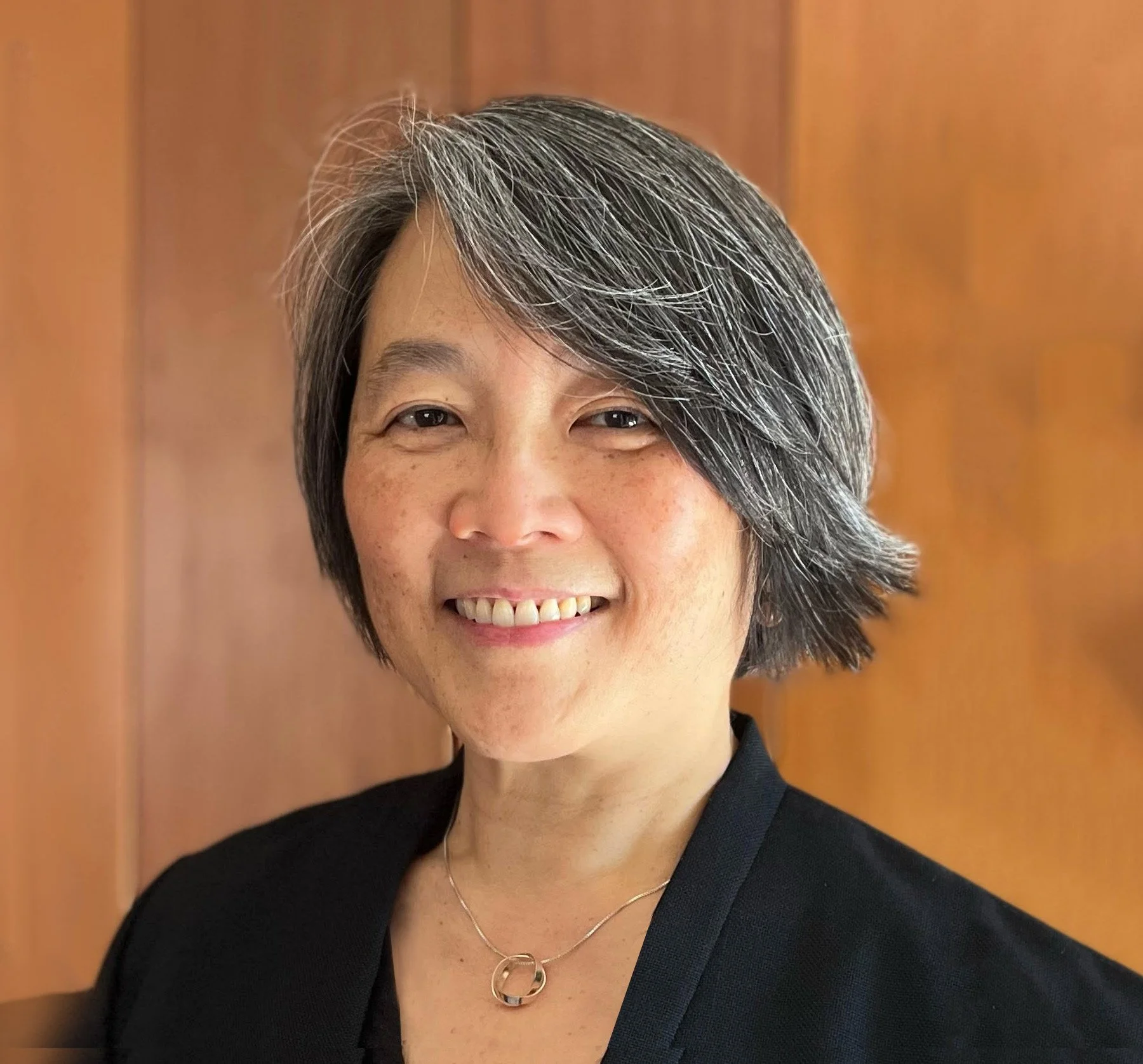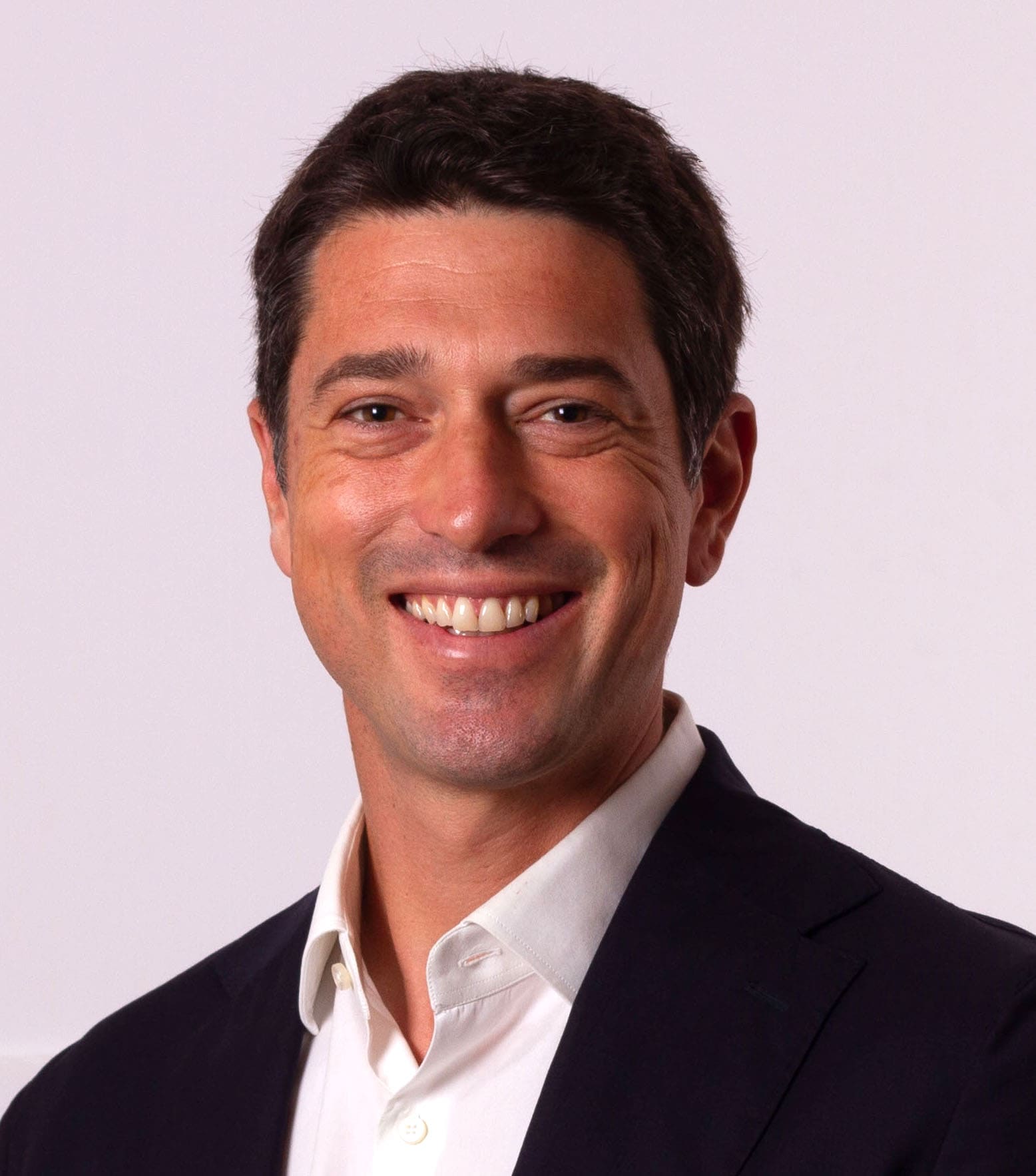
Wei-Wu He is a scientist, inventor, entrepreneur and investor who serves as Executive Chairman and CEO of Human Longevity, Inc., the San Francisco Bay Area precision-health company that pairs whole-genome sequencing with advanced imaging and blood analytics to catch age-related disease early. Trained as a molecular biologist at Baylor College of Medicine with an MBA from Wharton, he was among the first scientists at Human Genome Sciences before building OriGene Technologies into a major research-tools business. Over three decades he has founded or funded dozens of biotech companies through his venture fund Emerging Technology Partners, and he now channels that experience into the science of extending healthy human lifespan.
Cheng Zhang is the co-founder and CEO of Character Biosciences, a precision-medicine biotech that flips traditional drug discovery on its head by starting with patients instead of targets. Trained in mathematics and philosophy at Duke and shaped by years at UBS, Oliver Wyman, and Pfizer, Zhang built Character around a proprietary database of thousands of patients with age-related macular degeneration, combining genomics, longitudinal clinical data, retinal imaging, and machine learning to reclassify common diseases of aging into genetic subtypes. In 2025 the company raised an oversubscribed $93 million Series B to move its lead eye-disease candidates into the clinic.
Daehwan Kim is a computational biologist and software engineer whose genome-alignment tools - TopHat, HISAT and HISAT2 - are cited more than 78,000 times and are used by researchers worldwide to read DNA and RNA data. A former Michael L. Rosenberg Assistant Professor in the Lyda Hill Department of Bioinformatics at UT Southwestern Medical Center, he co-founded Omphalos Lifesciences, where he invented L++, a high-level programming language meant to describe living systems the way C++ describes machines. His goal is a fully programmable, simulatable virtual cell.
Biotia is a New York-based health-tech company that fights infectious diseases by combining next-generation DNA sequencing with AI-driven software. Its metagenomic platform identifies bacteria, fungi, parasites and viruses - plus antimicrobial-resistance markers - from a single sample against a curated database of more than 16,000 microbial species. Spun out of the Jacobs Technion-Cornell Institute at Cornell Tech and operating a CLIA-certified lab in New York City, Biotia turns a single microbiome test into an actionable clinical report to help providers diagnose hard-to-detect infections and support pathogen surveillance from the hospital to outer space.
BostonGene is a Waltham, Massachusetts biotechnology company that applies AI-driven multiomics to cancer. Its Tumor Portrait platform integrates DNA and RNA sequencing with immune and tumor-microenvironment analysis into a single test, producing molecular profiles that help oncologists select therapies and help pharmaceutical partners design trials, identify biomarkers, and accelerate drug development. Founded in 2015 and led by CEO Andrew Feinberg, the company reached unicorn status in 2022.
Character Biosciences is a precision medicine company developing targeted therapies for progressive polygenic diseases, starting in ophthalmology with age-related macular degeneration (AMD). By pairing human genetics with longitudinal clinical and retinal imaging data from thousands of consented patients - and layering AI-enabled biomarker analysis on top - Character reclassifies broad diagnoses into genetically defined subtypes so it can design drugs that target the root drivers of disease progression. Its lead programs, CTX114 (a complement inhibitor for geographic atrophy) and CTX203 (a lipid regulator to prevent progression to advanced AMD), are advancing toward the clinic on the strength of a Series B that grew past $110 million.
Colossal Biosciences is a Dallas-based genetic engineering company using de-extinction science - ancient DNA, CRISPR gene editing, and reproductive technology - to revive lost species like the woolly mammoth, thylacine, dodo, and dire wolf, and to apply the same tools to protecting endangered wildlife. Co-founded in 2021 by tech entrepreneur Ben Lamm and Harvard geneticist George Church, it became Texas' first decacorn with a $10.2 billion valuation and has spun out companies in computational biology and plastic degradation.
Embleema is a New York- and France-based healthcare technology company that builds a unified real-world data and evidence platform for clinical research. It aggregates clinical, genomic, and patient-reported data from electronic medical records, wearables, biospecimens, and patient apps into regulatory-grade datasets, and uses no-code protocol tools plus dynamic consent to help pharmaceutical sponsors, research sites, and patient groups run non-interventional and Phase IV studies faster and at lower cost. Founded in 2017 by Robert Chu, the company started with a patient-driven health blockchain and its analytics stack has been used by the FDA for genomic regulatory review.
Stellaromics is a Boston-based spatial biology company building tools that map gene expression in three dimensions inside intact tissue. Spun out of the labs of Karl Deisseroth (Stanford) and Xiao Wang (MIT/Broad Institute), the company commercializes its Pyxa platform, which uses proprietary STARmap and RIBOmap chemistry to deliver multiplexed 3D spatial transcriptomics and translatomics in tissue sections up to 100 microns thick at subcellular resolution. It targets researchers in neuroscience, oncology and immunology who need to preserve native tissue architecture rather than rely on flat 2D thin-section methods.
Complete Genomics is a San Jose-based life-science technology company and the Americas arm of MGI. Founded in 2005 as a pioneer of affordable whole-human-genome sequencing, it develops and sells next-generation sequencing instruments, reagents, and analysis software built on its proprietary PCR-free DNBSEQ (DNA nanoball) technology. The company aims to drive down the cost of sequencing - from the landmark $5,000 genome to sub-$100 - and supplies researchers, clinical labs, and biotech companies with a full workflow spanning sample prep, library construction, sequencing, and data analysis.
DNA Script is a French life-sciences technology company that pioneered Enzymatic DNA Synthesis (EDS) and built the SYNTAX System, the first benchtop DNA printer that lets researchers make custom DNA oligonucleotides on-site in hours instead of waiting days for outsourced orders. Founded in 2014 in Le Kremlin-Bicetre near Paris, the company aims to make biology programmable by putting rapid, template-free DNA production directly on the lab bench.
Karius is a Redwood City, California life-sciences company that turns a single blood draw into a broad infectious-disease diagnosis. Its flagship Karius Test uses microbial cell-free DNA (mcfDNA) sequencing, metagenomics and AI to detect more than 1,000 pathogens - bacteria, DNA viruses, fungi and parasites - often within a day of receiving a sample. Founded in 2014 out of Stephen Quake's lab at Stanford, the company aims to give clinicians a fast, non-invasive alternative to invasive biopsies and slow cultures, with a focus on the immunocompromised patients who need answers most urgently.
Allelica is a genomics software company building the tools that move polygenic risk scores (PRS) out of the research lab and into routine clinical care. Its cloud platform lets labs and health systems develop, validate, and apply PRS across multiple ancestries, and its clinical test AbsoluteDx combines rare-variant (monogenic) and genome-wide (polygenic) risk in a single report. The company's stated priority is equity - building risk scores that work for patients regardless of genetic ancestry - and its multi-ancestry coronary artery disease work was cited in the 2026 ACC/AHA cardiovascular prevention guidelines.
Aqtual, Inc. is a Hayward, California precision medicine company that reads epigenetics, gene regulation and transcriptomics from a single blood draw. Its proprietary active-chromatin cell-free DNA (cfDNA) platform captures circulating chromatin to survey hundreds of thousands of regulatory sites, integrating DNA, epigenetic regulation and protein-DNA binding in one blood-based assay. The company is first commercializing a test that predicts which therapy will work for rheumatoid arthritis patients, with a broader pipeline spanning oncology, immunology, cardiovascular, metabolic and neurological disease. Aqtual has raised roughly $47M to date, including a $31M Series B in July 2025.
ARNA Genomics US Inc. is a San Francisco-based biotechnology company developing multiomics liquid-biopsy technology for early cancer detection. Its lead assay, ARNA Breast, analyzes cell-free DNA and plasma enzyme activity from a routine blood draw to flag early-stage breast cancer, with proof-of-concept studies reporting sensitivity above 90%. Founded in 2013 and led by CEO Egor Melnikov, the company raised a $3.5M Series A in 2020 to fund clinical validation.
Clear Labs is a San Carlos, California genomics company that builds Clear Dx, a fully automated next-generation sequencing platform. It turns whole genome sequencing - normally a slow, expert-heavy lab process - into a push-button diagnostic used by food manufacturers and public health labs to detect pathogens like Salmonella and Listeria, characterize SARS-CoV-2 and TB, and identify bacteria and fungi from clinical specimens, often with next-day results.
Human Longevity, Inc. is a San Diego- and South San Francisco-based genomics and precision-health company founded in 2013 by genome-sequencing pioneer J. Craig Venter, Peter Diamandis, and Robert Hariri. It pairs clinical-grade whole genome sequencing with whole-body MRI, hundreds of blood biomarkers, and AI analytics - delivered through its Health Nucleus platform - to detect cancer, cardiovascular disease, and other age-related conditions before symptoms appear. After a decade building one of the world's largest longitudinal genotype-phenotype datasets, the company in 2026 launched a $599 clinical-grade whole genome report and spun out Human Life Foundation Models, Inc. to build large-scale AI foundation models for longevity science.
Paragon Genomics is a Fremont, California biotechnology company that makes it faster and cheaper to read the parts of a genome that actually matter. Its patented CleanPlex amplicon sequencing technology turns tiny or degraded DNA and RNA samples into sequencing-ready libraries in a few hours, powering targeted next-generation sequencing for cancer research, infectious-disease surveillance, inherited-disease testing and agricultural genomics. Founded in 2015 and backed by an $8M Series A, the company sells both ready-to-use and custom NGS panels to more than 300 labs worldwide.
Solena is an agricultural biotechnology company that reads the microbiome of farm soil the way a doctor reads a blood panel. Farmers mail in a soil sample; Solena sequences the DNA of the microbes living in it, scores the soil's biological health with its MISS index, and its Prometheus platform turns that data into AI-driven prescriptions for what to apply, when, and how much. The goal is fewer synthetic inputs, healthier soil, better yields, and eligibility for carbon and regenerative-agriculture incentives.
Niamh O'Hara is the co-founder and CEO of Biotia, a New York healthtech company that pairs next-generation DNA sequencing with AI to identify pathogens causing hard-to-diagnose infections. An evolutionary biologist by training, she spun the company out of Cornell Tech with Weill Cornell geneticist Christopher Mason, runs a CLIA-certified metagenomics lab in Long Island City, and is building what she calls a global microbial sequence database to catch outbreaks before they spread.
Todd Dickinson is the CEO and a board member of Stellaromics, a Boston biotech commercializing 3D spatial biology born from Karl Deisseroth's Stanford lab and Xiao Wang's work at MIT and the Broad Institute. A Tufts-trained analytical chemist who did his PhD under David Walt, he spent more than 20 years turning genomics inventions into products: over a decade at Illumina during its rise as the DNA-sequencing leader, commercial work on Bionano Genomics' Irys nanochannel arrays, and CEO stints at Dovetail Genomics and Arc Bio, which he merged into Cantata Bio in 2022. At Stellaromics he raised $80 million in Series B (led by Catalyst4 with Stanford University Ventures) to launch Pyxa, the first commercial platform that reads gene expression inside intact tissue up to 40x thicker than conventional methods.
Algorithmic Biologics is a Bengaluru- and Delaware-based deep-tech company that treats molecular testing as an information-processing problem. Founded by molecular-computing researcher Dr. Manoj Gopalkrishnan, its patented Tapestry platform uses compressed sensing and combinatorial pooling to run large-scale DNA/RNA/protein tests with far fewer reactions - screening many samples at once and only zooming in where a signal exists. The approach first proved itself as an award-winning, regulator-approved COVID-19 pooling solution and now targets affordable genomics, multiplexed diagnostics, and accelerated assay design.
Fauna Bio is an AI-driven drug discovery company that mines roughly 100 million years of evolved disease resistance in mammals to find new human therapies. Founded in 2018 in the San Francisco Bay Area, it combines comparative genomics, a proprietary animal biobank, and machine learning - through its Convergence and Fauna Brain platforms - to translate the biology of hibernators and other resilient species into drug targets for conditions like obesity, heart failure, neurodegeneration, and retinal disease. Its work has attracted a partnership with Eli Lilly worth up to $494 million.
Genomelink is a consumer genomics platform - a self-described 'DNA App Store' - that lets people upload raw DNA data from services like 23andMe, AncestryDNA, and MyHeritage to unlock 400+ trait reports and deep ancestry breakdowns without buying another test kit. Operated by AWAKENS, Inc. and based in Berkeley, California, the company was founded by three genomics specialists from Japan who built it into one of the largest independent DNA-analysis sites while pushing into AI-powered genealogy (YourRoots) and clinical screening (T1D Scout).
Sentieon builds ultra-fast, highly accurate software for analyzing DNA and RNA sequencing data. Its pipelines - DNAseq, DNAscope, TNseq, and TNscope - replace the open-source GATK workflow with matching or better accuracy while running many times faster on ordinary CPUs, no specialized hardware required. Founded in 2014 and based in the Bay Area, the company has won top honors in multiple precisionFDA and DREAM challenges, and its tools are used by pharma, clinical labs, sequencing platform makers, and genomics researchers worldwide to turn raw reads into trustworthy variant calls quickly and cheaply.
James Lu is the co-founder and CEO of Helix, a population genomics company he helped launch in 2015 with Justin Kao and Scott Burke. An MD/PhD trained at Baylor College of Medicine with chemical engineering degrees from Stanford, Lu built his career at the intersection of machine learning, electronic health records, and genetics. He argues that the genome should sit alongside blood pressure and cholesterol as a core clinical input - the difference being that your genome never changes. Under his leadership Helix runs one of the largest clinical sequencing labs in the US and the Helix Research Network, and its GenoSphere dataset links more than 500,000 clinico-genomic records.
Jonathan Wang is the co-founder and CEO of Watershed (Watershed Informatics / Watershed Bio), a Cambridge-based biocomputing platform that lets biologists run complex multi-omics analyses without writing code. An MIT computer scientist who once built a high-frequency trading hedge fund out of his dorm room, Wang co-founded Domeyard before pivoting to biology in 2019, applying the speed-obsessed engineering culture of quant finance to the sprawling data problem of modern drug discovery. Watershed raised a $14.5M Series A led by Canvas Ventures in 2023 and aims to become the dominant biocomputing platform for the world's scientists.
Marilyn Matz is the CEO and co-founder of Paradigm4, the Waltham, Massachusetts company behind SciDB, an array-native computational database built for the tangled, multi-dimensional data of genomics, clinical research, and imaging. She launched it in 2010 with database legend and Turing Award laureate Mike Stonebraker to move his MIT research into the hands of working scientists. Decades earlier she left MIT to co-found Cognex, now a global machine-vision powerhouse, where she ran worldwide engineering and later a business unit. A two-time technical founder who codes the deep infrastructure and still sells to the customer, Matz has spent a career making impossibly large scientific data explorable, reproducible, and fast.
Jun Ye is the co-founder, president and CEO of Sentieon, a Mountain View bioinformatics company whose variant-calling software has swept the precisionFDA Truth and Consistency Challenges. A Stanford-trained electrical engineer with more than 50 U.S. patents, he previously co-founded Brion Technologies (acquired by ASML in 2006) and Founton Technologies (acquired into Alibaba in 2012), and taught at Stanford as a consulting professor for fourteen years.
Arima Genomics is a Carlsbad, California biotech commercializing Hi-C technology - sequencing methods that reveal the 3D structure of the genome. Its research kits help scientists assemble chromosome-scale genomes and study chromatin architecture, while its clinical brand Aventa Genomics turns the same proximity-ligation chemistry into FFPE-friendly cancer tests for fusions, rearrangements, and other structural variants conventional NGS often misses.