entrepreneur
(701)
Michael Liebowitz and the price of knowing what people want
Before he took charge of Douglas Elliman, Michael Liebowitz built a career around the details that make a deal work. His next wager joins the arithmetic of risk with the very human business of finding a home.
Chad Richison and the trouble with payday
He returned to Oklahoma with a payroll idea and financed it with a loan and credit cards. Nearly three decades later, Chad Richison is still trying to remove the work between a person and a paycheck.

Anthony Hsieh and the trouble with retiring
He built mortgage companies, sold them, and set out to fish the world. Then loanDepot’s founder came back to the desk, with another turnaround to attempt.

Karan Chaudhry and the Cost of Not Listening
Before Sprouts.ai, Karan Chaudhry built ways to hear customers and help viewers find their next video. His latest company brings that same question to enterprise sales: what happens when a business finally understands the people on the other side?

Gabriel Otte and the trouble with owning things
At Dinari, Gabriel Otte is trying to make stock ownership travel. His other calling, as an Orthodox deacon, keeps a different question close: what should people do with the money and power they hold?

Sam Glines and the Cost of Being Early
He co-founded Norse to help businesses see cyber threats sooner. His rise, public battles, and 2016 exit reveal the difficult distance between an early warning and a company that can pay for it.

Idan Plotnik and the trouble with moving faster
Selling Aorato to Microsoft gave Idan Plotnik a new problem to solve: how to ship software quickly without losing track of its risks. At Apiiro, that question has followed him into the age of AI-written code.

Micah Bergdale and the art of getting aboard
From ferry tickets to electric rentals, the Bytemark co-founder keeps returning to the awkward moment between wanting to go somewhere and actually leaving.

William Polkinghorn and the education of a second-time founder
A Rhodes scholar, a former pitcher, and the co-founder of Driver, William Polkinghorn has learned that building a company asks different questions from earning a degree. At Need, he is building again.

Bill Deng and the small matter of getting paid
After a decade at Visa and Ant, Bill Deng built XTransfer around a problem small exporters knew too well: making a sale abroad could be easier than collecting the money. His answer brings banks, trade documents and an unusually practical use of AI into the same conversation.

Yarden Gross and the art of seeing what comes next
A childhood on Lake Galilee, a detour through car diagnostics, and a surfing trip led Yarden Gross back to shipping. At Orca AI, his ambition for autonomous vessels begins with helping the people already on the bridge.

Christopher Hopper and the Seven-Month Problem
A school roof in Kenya sent Christopher Hopper down an unexpected path: building software for the work that happens before the panels go up. The Aurora Solar co-founder’s story runs from village electrification to a company used to design millions of solar projects.
Vignan Velivela and the cost of standing still
He worked on lunar rovers and self-driving cars. At AtoB, Vignan Velivela turned his attention to another transportation problem: the money that takes too long to arrive.
Dave Grannan Keeps Coming Back to the Human Problem
He helped phones listen, gave a camera sixteen eyes, and returned to voice AI. Across Dave Grannan’s career, the difficult part has been getting an ingenious machine to do something people actually need.

Narayanan Ram and the Picture That Wouldn’t Go Away
Before PurpleTeal, Narayanan Ram built a business around stopping online video and keeping the frame. His route from chips to streaming software reveals the engineering, partnerships and persistence behind a founder’s career.

Mike Zhang and the Art of Choosing Who Gets Your Money
He started by selling video games online to help his parents buy a home. From Airsoft Megastore to Good Money and altHQ, Mike Zhang’s career keeps returning to the people on the other side of a transaction.
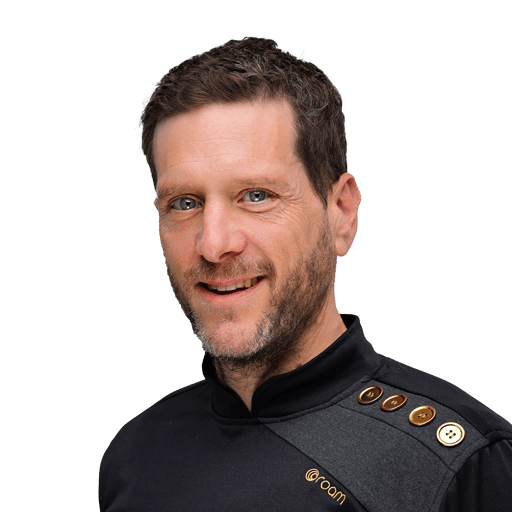
Howard Lerman Wants His Hallway Back
He helped build Yext into a public company. With Roam, Howard Lerman is chasing something he remembers from its earliest days: the quick conversation that never needed a calendar invitation.

Jessica Powell and the art of taking things apart
She helped Google explain itself, then wrote a novel about Silicon Valley’s absurdities. At AudioShake, Jessica Powell is working on a different kind of deconstruction: giving people access to the sounds inside a recording.

Andrew Mason and the Art of Leaving the Chair
Groupon fired him. Descript got a successor he chose. Between those two exits, Andrew Mason learned to follow the useful side project - and kept his sense of the ridiculous.

David Sisk and the billion-gallon idea that began over coffee
An Army engineer, a theology graduate and an oilfield technologist share one résumé. At Streamline Innovations, David Sisk has put that unusual education to work on gas, water and the business of keeping treatment plants running.

Josh Bruno took the long way to the corner office
Before he built Hometeam, Josh Bruno spent months learning the jobs a pitch deck tends to leave out. His career offers a practical question: what happens when a founder takes the work personally?

Brigham Hyde and the uses of a winding road
A chemistry graduate became an analyst, a founder, an investor and an operator. Now leading Atropos Health, Brigham Hyde brings each of those careers to the same table.

Kylan Gibbs and the Art of Keeping a Conversation Alive
He began with a question about human behavior and helped build a company around characters that could answer back. Now the Inworld AI co-founder is working on the less theatrical business of making those conversations fast, affordable, and worth having.

Prem Gururajan and the Trouble With Getting There
A difficult family commute sent the Waterloo engineer from casino software into public transit. At RideCo, his idea now faces the daily test of getting people where they need to be.

Bruce Springer and the Art of Passing the Ball
He helped build WebMD, returned to the business of filling shifts, and handed Prolucent to a new CEO. Bruce Springer’s career keeps coming back to the same question: how do you help a team work together?
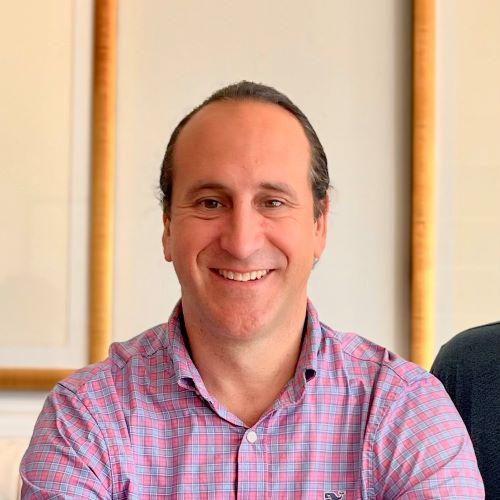
Sedarius Tekara Perrotta and the trouble with knowing too much
From a Romanian think tank to enterprise AI, Shelf’s co-founder has kept returning to the same problem: useful knowledge is surprisingly easy to lose. His answer begins with the work most people would rather hand to somebody else.
Sharon Segev and the Value of a Second Visit
At Alicanto, Sharon Segev built marketing tools for small merchants. His work at Ruti and Feel carried a related question into boutiques and online shopping: how can technology help a business build a personal relationship?

Warren Johnson and the deal that stayed in the family
He built W Communications by following his appetite for business, from club nights to restaurant investments. Then Warren Johnson sold a majority stake to a trust for the people who worked beside him - and kept going.

Eric Goldreyer keeps finding a better way to get away
From a camp waterslide to classroom portfolios and vacation rentals, Eric Goldreyer has built a career around what people do together. His latest chapter, Savvy, brings him back to a familiar question: how do you help travelers find a place to stay?

Paolo Kalaw and the art of getting out of the way
He built laboratory businesses, then turned to the software that connects them. For EviSmart founder Paolo Kalaw, the recurring question is how people learn to do more without doing everything themselves.