cleantech
(129)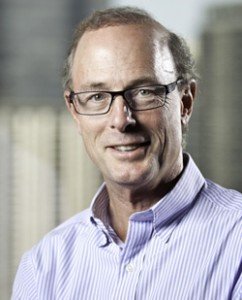
Michael Ahearn and the price of patience
A lawyer, an investor and a factory that took four years longer than planned. How First Solar’s co-founder helped turn a difficult manufacturing process into a business, then returned when growth stopped being the answer.
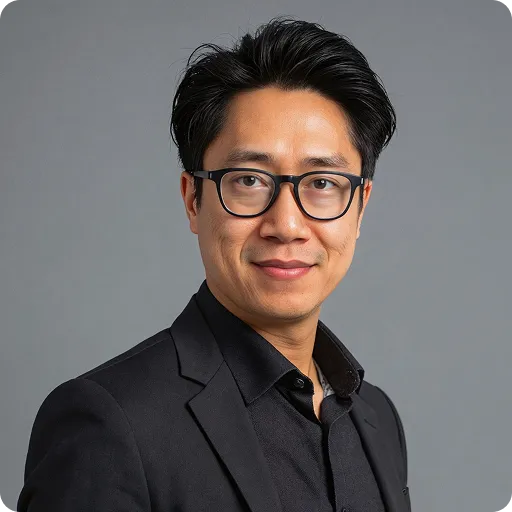
Josh Wong’s Unfinished Business With the Grid
Josh Wong sold his first grid software company to GE, then returned to the same demanding customers with ThinkLabs AI. His career is a study in what happens when an engineer finds a problem he cannot leave alone.

Lisa Ann Pinkerton and the art of getting a good idea heard
A theater graduate became an environmental reporter, then built a cleantech communications firm after a recession-era layoff. Lisa Ann Pinkerton has been finding new audiences ever since.
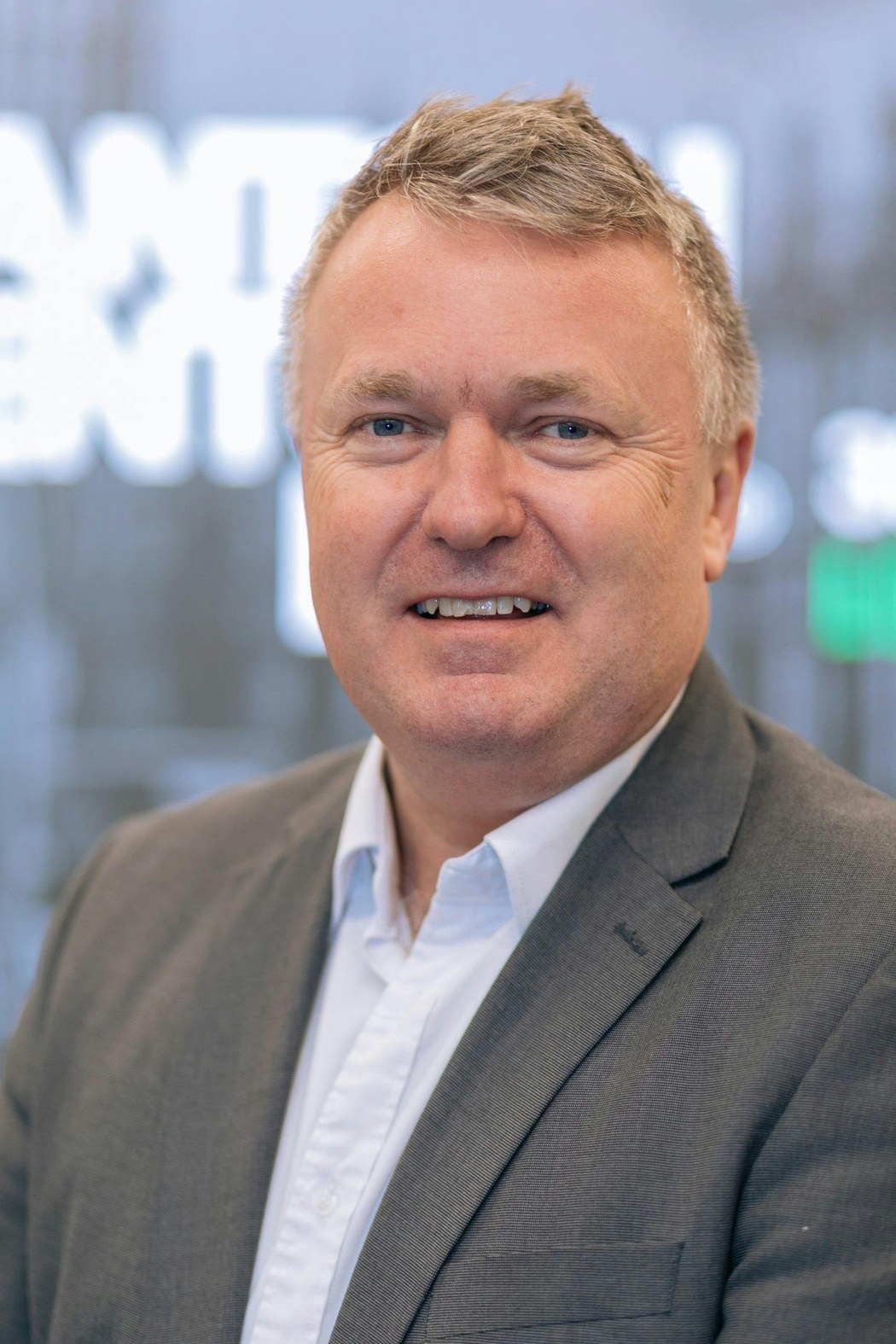
Martin Garratt and the value of the right introduction
Before a clean technology can change anything, somebody has to buy it. Martin Garratt built Cambridge Cleantech around the often overlooked business of getting the right people into the same room.

Raghav Narayan and the cost of waiting
After more than two decades at Volvo Group, Raghav Narayan co-founded Aprisium to bring contamination testing closer to the action. His second act turns on a practical question: what could a business do differently if it knew sooner?
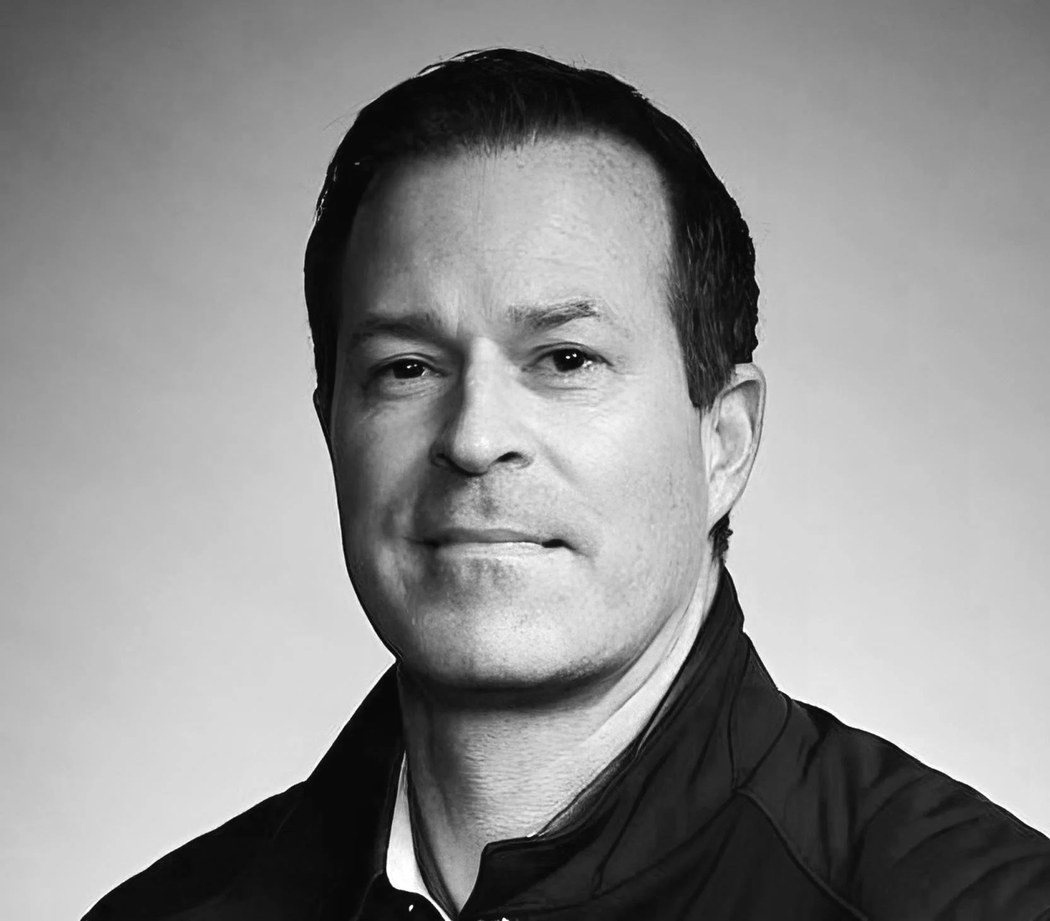
Volker Berl started with atoms. Then came companies.
Before founding New Age Ventures, Volker Berl helped turn chemistry into a board game. His route from Strasbourg laboratories to New York investing still runs through the practical business of putting things together.
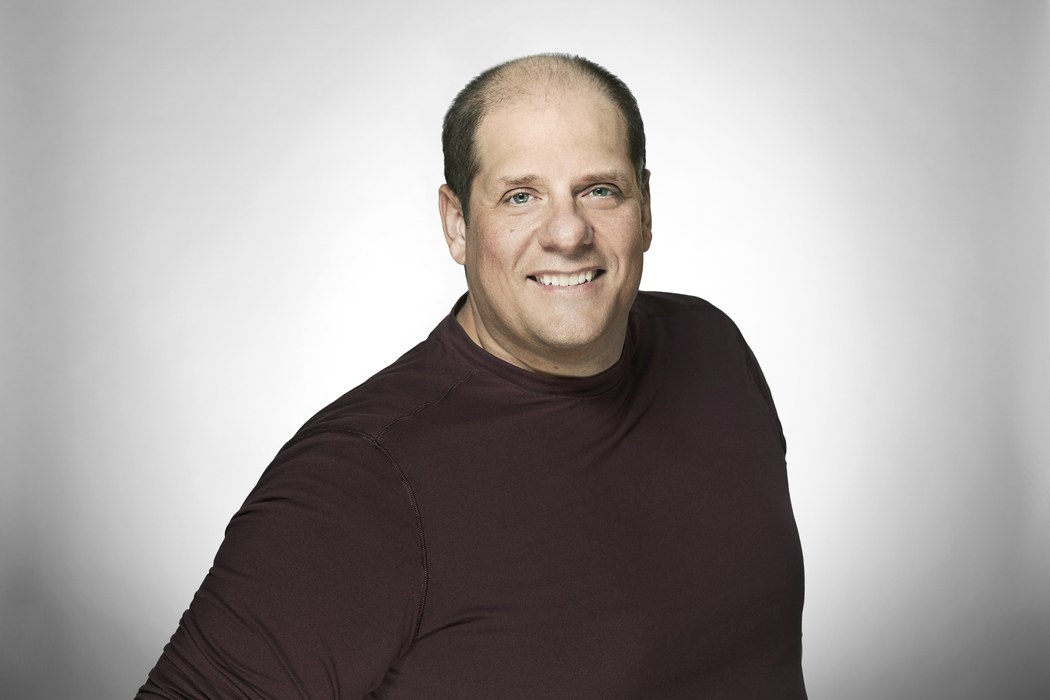
Mario Venditti and the distance between an idea and a business
From cybersecurity operations to concrete, ocean buoys and aircraft cabins, Mario Venditti keeps returning to the work that comes after invention. At Montreal’s Innovobot, he pairs early-stage investment with the engineers and operators needed to bring technology to market.

Entlaq Holding wants Egypt’s startups to outgrow the paperwork
A Cairo consultancy connects founders, investors and policymakers. Its wager: a promising business needs a working ecosystem as much as a working product.
MaRS Discovery District: Great science needs a buyer
Toronto built a place where research could meet money. MaRS’s harder assignment is getting promising technology through the door of its first paying customer.
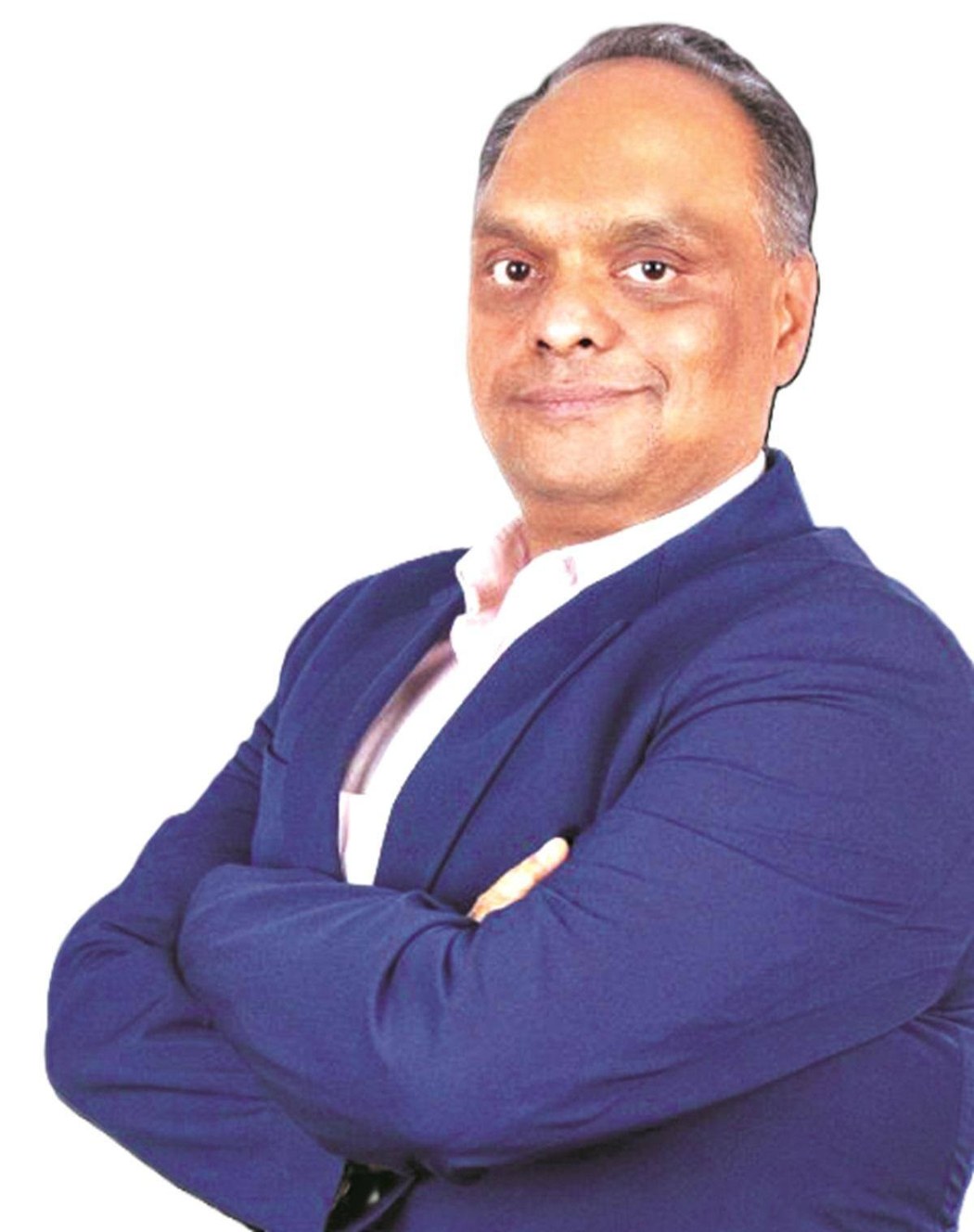
The laptop that would not leave
Nitin Gupta and his brother Rohan went looking for a responsible way to retire an old laptop. They ended up building Attero, and a career spent finding the industrial value in things other people had finished with.
Sterling Communications invites the critic inside
A water utility’s unhappy customers offer a useful way to understand this technology PR agency: sometimes the most persuasive story is a look behind the scenes.

Technica Communications knows what to say before the plane can fly
A delayed test flight. A heat pump with three weeks to make an impression. Technica Communications turns complicated technology into stories that give customers and investors a reason to pay attention.

Altitude Accelerator asks the awkward question: who will buy it?
The Brampton nonprofit helps technology founders turn promising inventions into businesses customers will pay for. Its next move brings more investors into the room.
Cambridge Cleantech knows who you need to meet
A smart air brick, a Japanese builder and methane trapped in water: Cambridge Cleantech connects climate inventions with people who can buy, test or fund them. Its business is making the next introduction count.
ClimateLaunchpad wants you to win a customer
The climate start-up competition offers free coaching, takes no equity and hands out prizes. Its most useful lesson is knowing when applause is getting in the way.

Rockies Venture Club makes the pitch the beginning
The Colorado angel network has built a business around what happens after the applause: teaching investors, checking the numbers, and assembling enough capital to make a deal.
LVenture Group put venture capital on the platform at Rome Termini
Inside a railway station, LVenture Group paired startup money with five months of hands-on help. Its journey into Zest reveals the harder part: turning promising companies into cash.

At Dalhousie’s ideaHUB, the next business starts on a workbench
Hardware founders need somewhere to build, test and change their minds. Inside Dalhousie’s Emera ideaHUB, shared labs and engineering advice help turn promising research into physical products.
Entrepreneur Futures Network gets founders ready for the hard questions
Before the pitch comes the practice. The Berkeley-born nonprofit turns volunteer expertise into structured help for student startups, clean-energy innovators and the organizations backing them.

The Last AA You'll Ever Buy
A Park City company put a USB-C port on the side of a AA battery. Its bet: you'll buy one, then never buy that battery again.
The Generator You Can Run in the Bedroom
A father-and-son engineering team wants to replace the gas generator with a box that makes hydrogen from powder and water - quiet enough to sit next to a CPAP machine.

He Built the Zillow for Land - Then Wood Mackenzie Bought the Whole Map
LandGate turned 200-plus public datasets into a value score for nearly every acre in America. Ten years later, the company that data centers and grid developers lean on to pick sites got bought by Wood Mackenzie.
The Startup That Turns Factory Exhaust Into a Power Plant - and Bills Nobody For It
Up to 58% of the energy fed into heavy industry escapes as waste heat. Kanin Energy built a business model that catches it, converts it to power, and hands the factory a check instead of an invoice.

Aprisium
Aprisium is a Singapore deeptech startup that builds on-site, real-time contaminant detection systems for water and other fluids. Using patented electrochemical sensors paired with AI analytics, it lets water utilities, industrial manufacturers, data-center operators and shipping firms detect pollutants - including heavy metals and PFAS - at the source in minutes rather than shipping samples to a lab and waiting days. The company raised an oversubscribed US$7M Series A in 2024 and deploys across Singapore, the Philippines and Australia.

Hydraloop
Hydraloop is a Dutch water technology company that makes compact, in-home and in-building water recycling systems. Its certified, chemical-free devices collect and clean up to 85% of a household's water - from showers, baths, washing machines and air-conditioning condensation - and return it for toilet flushing, laundry, garden irrigation and pool top-up, cutting fresh water use and sewage output by up to 45%. Founded in 2015 by Arthur Valkieser and Sabine Stuiver, the company won CES 2020's 'Best of the Best' award and a 2022 UN WIPO Global Award, and sells decentralized greywater systems to homeowners, developers and the hospitality sector worldwide.
Steve Bisset
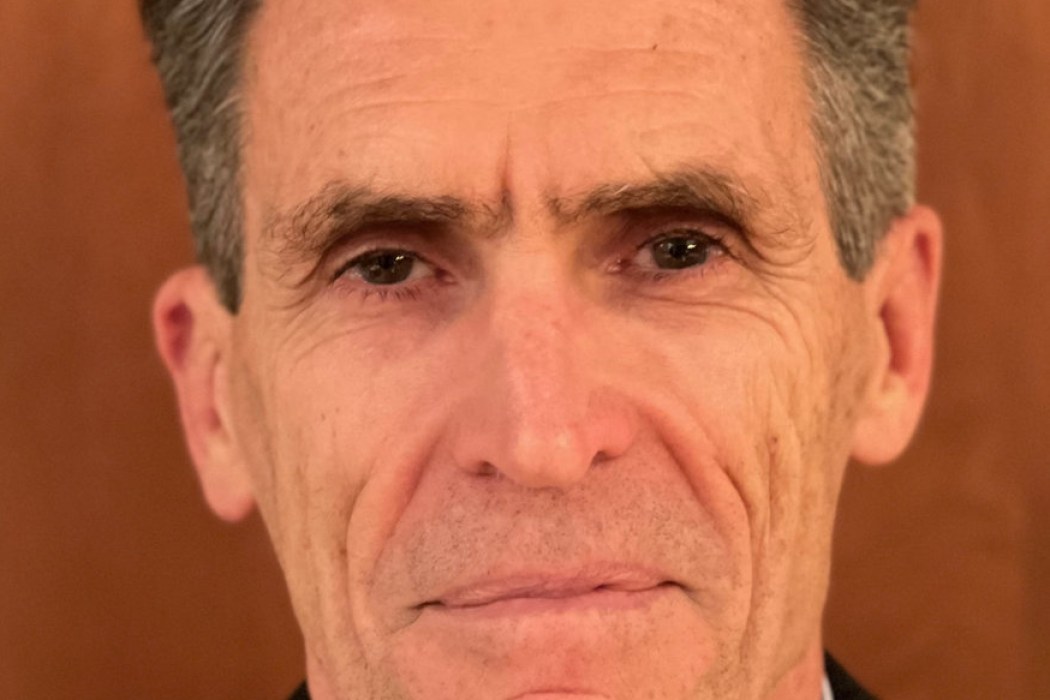
Steve Bisset is an Australian-born engineer and serial founder who has built two companies four decades apart in two different industries. In the 1970s he left an 18-month stint at Intel - where his first assignment was finding the first working 8080 chip in a tray of parts - to start Megatest out of his bedroom with $10,000 of vested stock and a housemate from Caltech. Megatest grew into a semiconductor test equipment company, survived the 1985 industry collapse that cut it from 450 people to about 200, listed on NASDAQ in 1993, and was acquired by Teradyne in 1995 for $245 million. In 2009 he co-founded Terrajoule, now Terrajoule Energy Inc. in Palo Alto, on a deliberately unfashionable premise: pair concentrated solar heat with pressurised hot-water storage and a reciprocating steam engine, a machine nobody had manufactured commercially since the 1950s. Terrajoule raised an $11.5 million Series A in 2013 led by New Enterprise Associates with Air Liquide, and Bisset continues to pursue low-cost dispatchable solar as an alternative to PV-plus-battery, with work extending into India.

Polymateria
Polymateria is a London-based materials science company that has developed Biotransformation, a masterbatch additive that lets everyday polyolefin plastics fully biodegrade in the open environment within about a year - breaking down into a wax that microbes consume, leaving only CO2, water and biomass with no microplastics. Its technology underpins the BSI PAS 9017 standard and is sold to converters and brands worldwide through its consumer-facing Lyfecycle brand.
SensorFlow
SensorFlow is a Singapore-based proptech company that uses wireless IoT sensors and AI to help hotels monitor, analyze and automate their energy use - primarily air-conditioning. Its retrofit-ready hardware installs in minutes with no upfront cost and typically cuts HVAC energy consumption by around 30%, letting properties lower operating costs and carbon emissions while keeping guest rooms comfortable. Founded in 2016 and backed by investors including Openspace Ventures and Gaw Capital, the company serves hospitality brands across Asia-Pacific and beyond.

6K
6K is a North Andover, Massachusetts advanced materials company that uses its proprietary UniMelt microwave plasma technology - which reaches roughly 6,000 degrees, hence the name - to produce battery cathode materials and additive-manufacturing metal powders faster, cleaner, and with fewer processing steps than conventional methods. Spun out of research at MIT and the University of Connecticut, the company operates through two divisions, 6K Energy (battery cathode active materials) and 6K Additive (sustainably sourced metal powders), and is building a domestic U.S. supply chain for critical materials backed by federal grants and more than $348 million in venture funding.
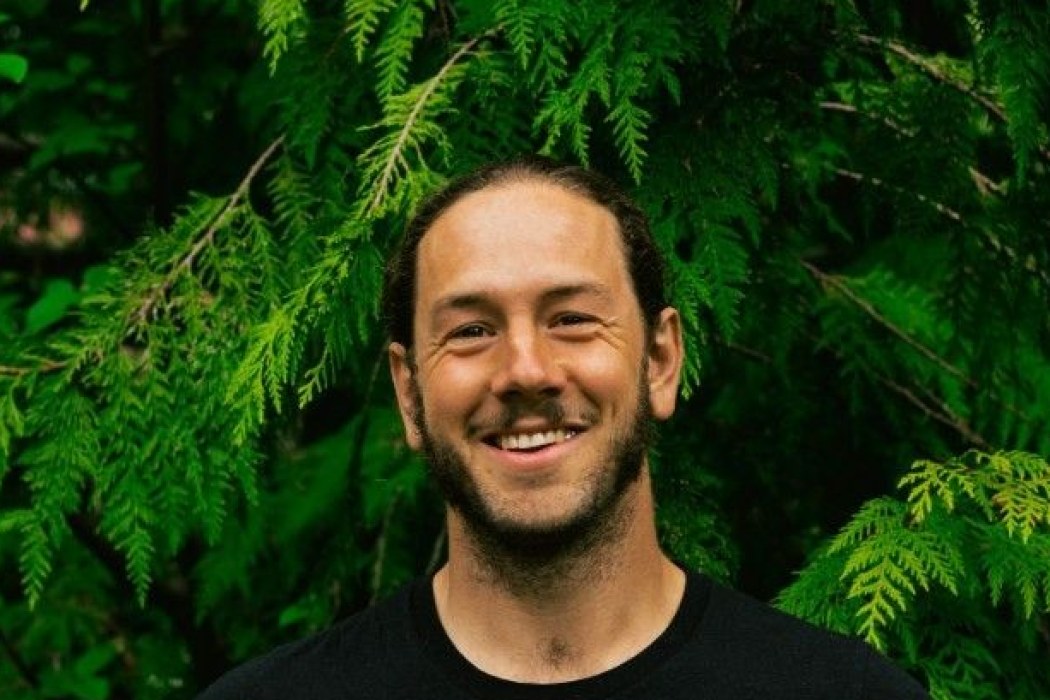
Bryce Jones
Bryce Jones is the CEO and co-founder of Flash Forest, a Toronto-based cleantech startup that uses autonomous drones, AI, GIS mapping and biodegradable seed pods to replant forests faster and more cheaply than traditional hand-planting. A former tree planter and biology graduate from British Columbia, Jones launched Flash Forest in 2019 after seeing how far reforestation methods lagged behind industrial logging technology. The company's stated goal is to plant one billion trees by 2028, with a focus on land that is unsafe or uneconomical for human crews, including post-wildfire terrain.