anthropic
(59)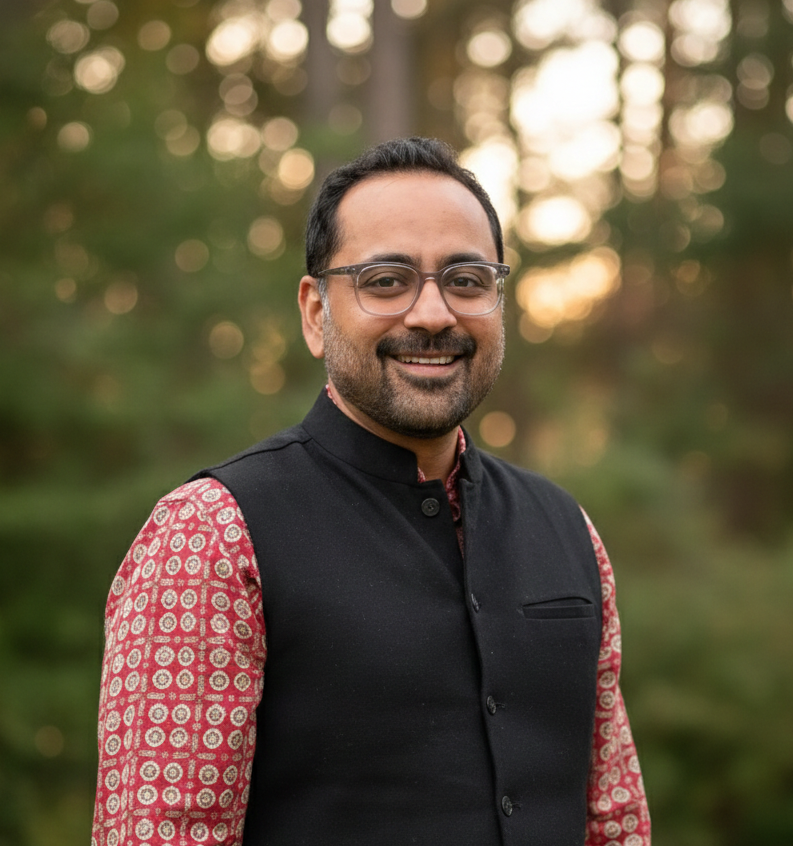
Amandeep Khurana and the sale that happened before he arrived
A technical book once did the selling before Amandeep Khurana joined the call. From co-founding Okera to bringing Claude into enterprises, he has kept returning to the same question: what makes a customer willing to bet on you?
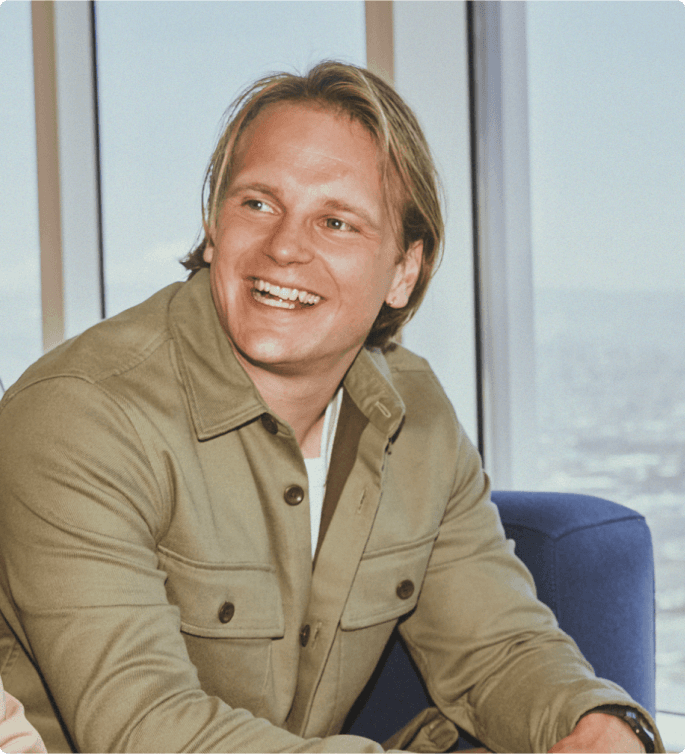
Rune Kvist and the weight of a promise
He helped bring Anthropic’s models to market. Now, at the Artificial Intelligence Underwriting Company, Rune Kvist is building the audits, standards and insurance that could make AI easier to trust.
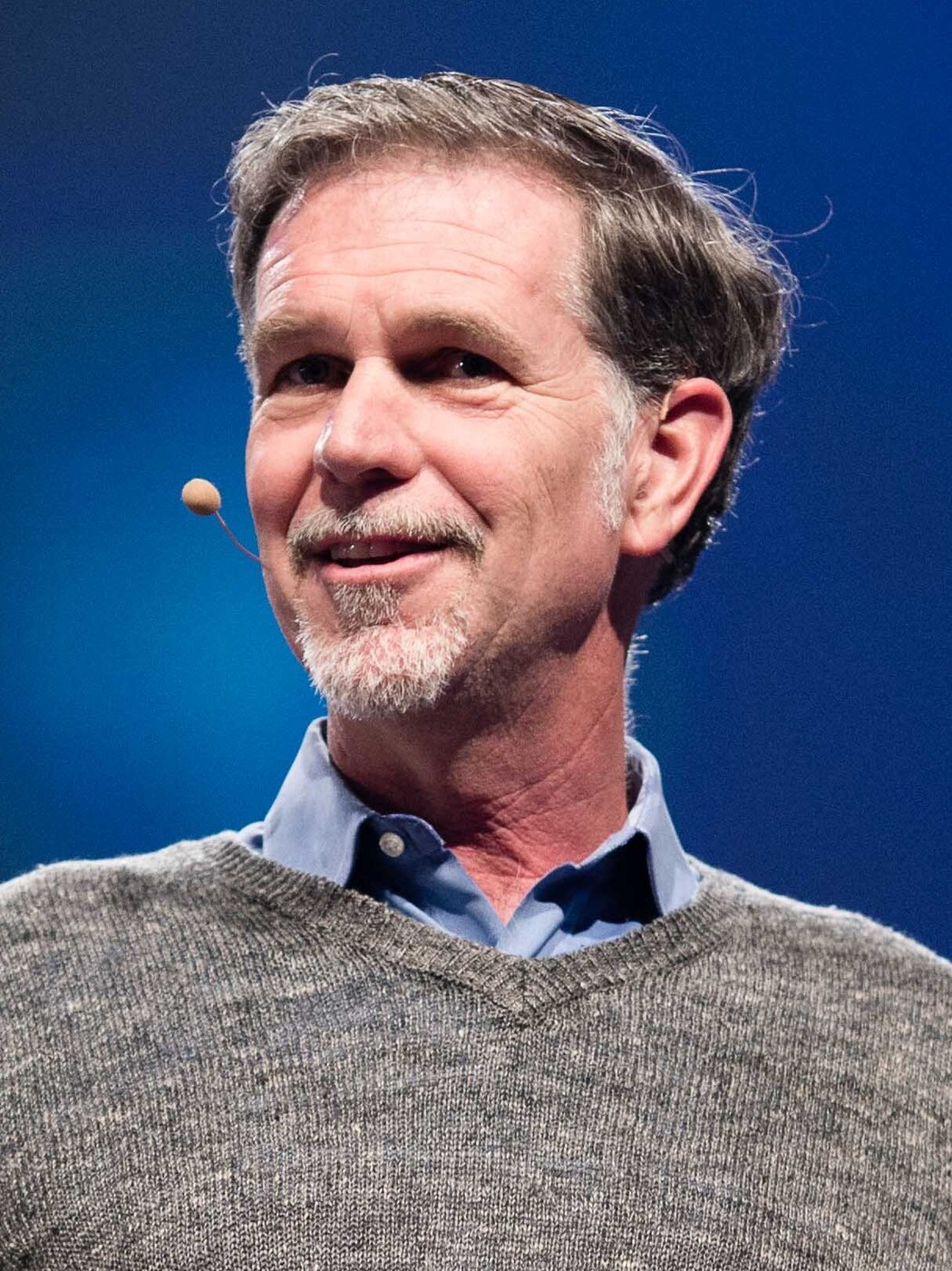
Reed Hastings and the trouble with getting good at something
Netflix taught Reed Hastings how success can harden into habit. His next chapter runs through classrooms, artificial intelligence and a Utah mountain, with the same awkward question: when should the rules change?
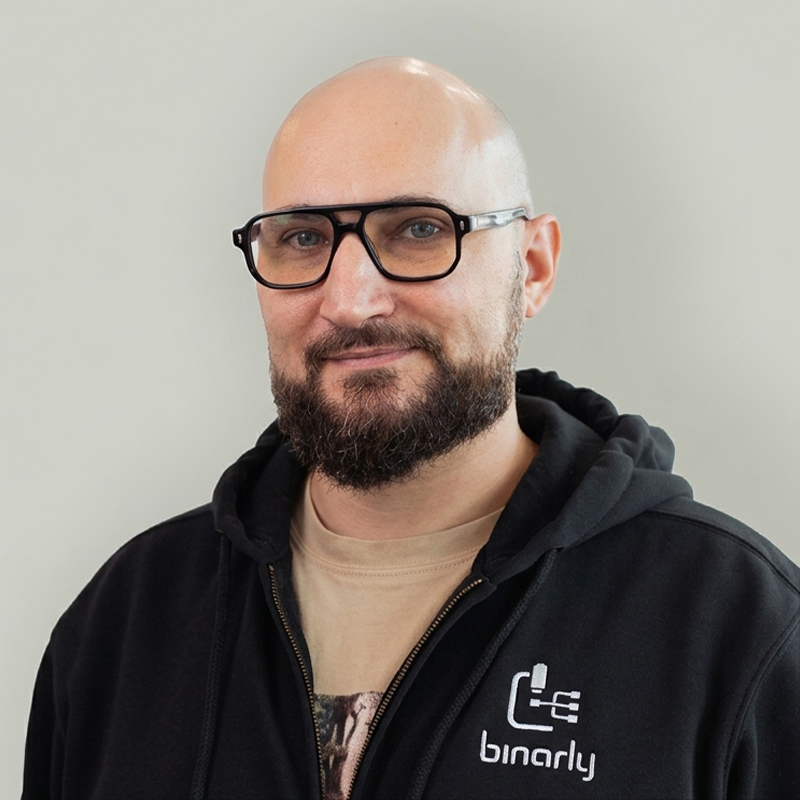
Alex Matrosov and the trouble before the screen lights up
A boot logo, a borrowed key, a question nobody had asked closely enough. Binarly founder Alex Matrosov has spent his career examining the code that runs before the rest of the computer gets a say.
Raza Habib and the advantage of changing your mind
Before ChatGPT arrived, Raza Habib saw better AI becoming a threat to his own business. A two-day experiment redirected Humanloop - and began a longer argument about who gets to build software.

Jordan Fisher and the problem with easy levels
An experiment in making impossible-looking video games led Jordan Fisher into the checkout aisle. The Standard AI co-founder now works on a harder question at Anthropic: what makes a machine worth trusting?
Provectus puts AI where the work gets stuck
A pastry order, a hundred-page risk report, a support ticket: Provectus builds AI around the awkward business chores that hold everything else up. Its proposition is a working system, with the keys handed to the customer.
Ben Mann Keeps Asking What Happens Next
He helped build GPT-3, then helped found Anthropic. His current workshop tests what Claude can do - and what happens when a promising demonstration meets ordinary people.
The Little Terminal Experiment That Changed Boris Cherny’s Job
He wrote a TypeScript book, helped reshape Facebook Groups, and moved to Japan for a relationship. Then a small experiment in Anthropic’s terminal became Claude Code - and gave him a new question: what should engineers do when writing code is no longer the slow part?

Sam Blackshear and the Art of Making Bugs Harder to Write
He built Move to give digital assets the rules that physical objects already have. After taking that idea from Meta to Sui, the engineer has turned back toward the problem that started his career: finding flaws before anyone can use them.
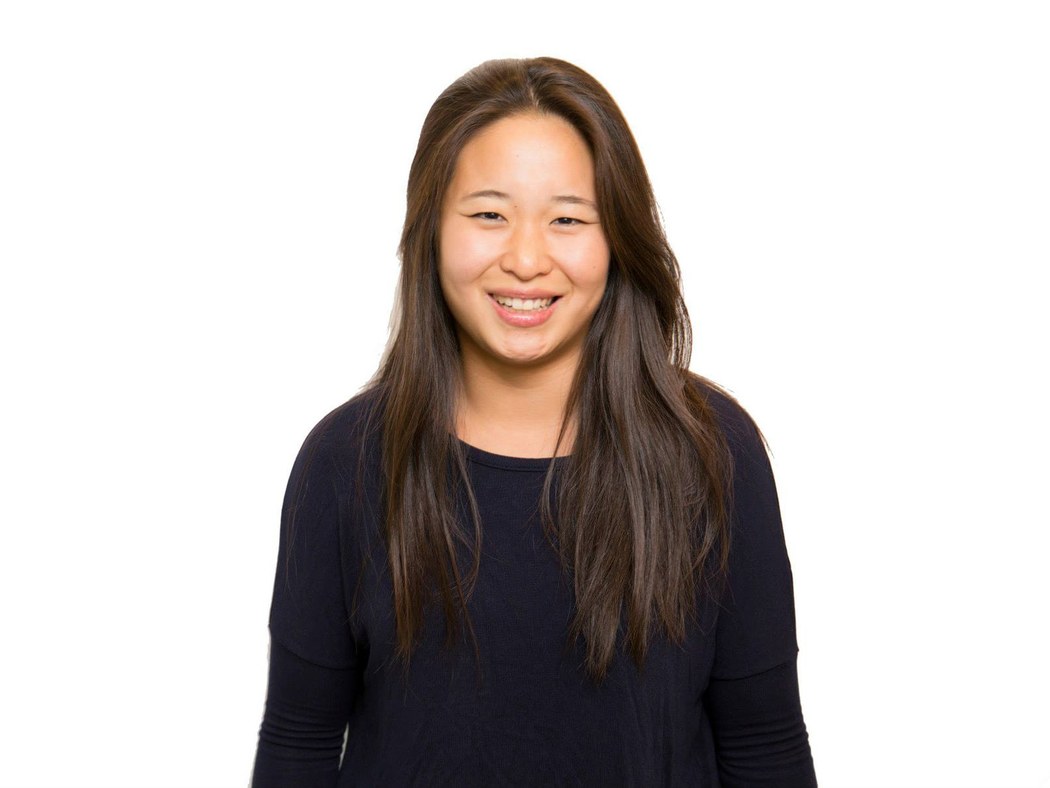
Andi Peng and the art of asking what people want
From a Yale classroom and the White House to robot learning and a frontier AI startup, Peng has kept returning to one difficult question: what does the person on the other side of the machine actually want?
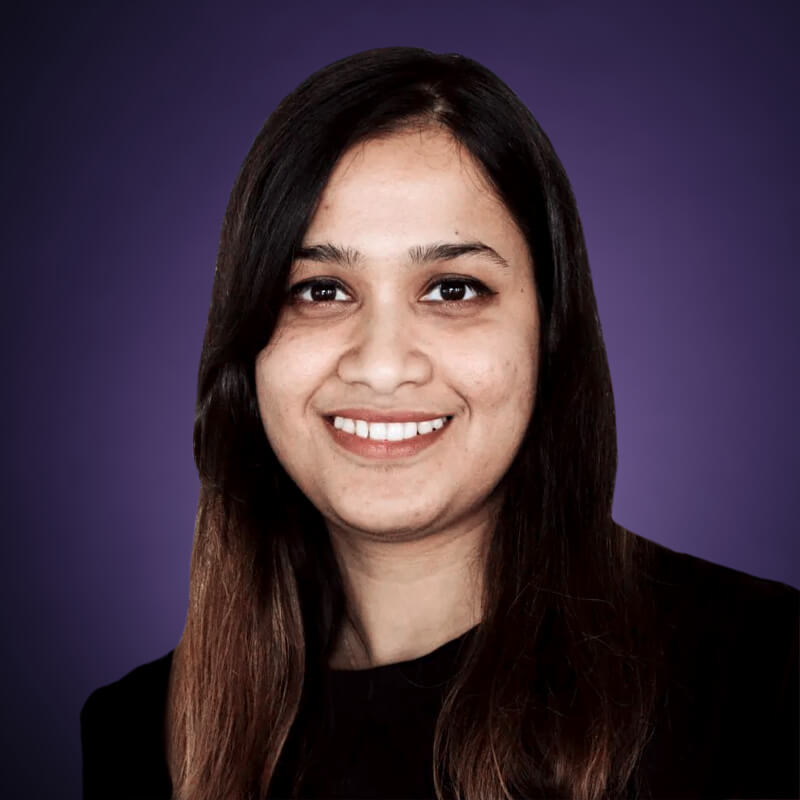
Niki Parmar and the Questions That Kept Changing Her Course
She helped write the 2017 Transformer paper, then co-founded two AI companies. Her path from Pune to Anthropic has been guided by a habit of following the next problem.
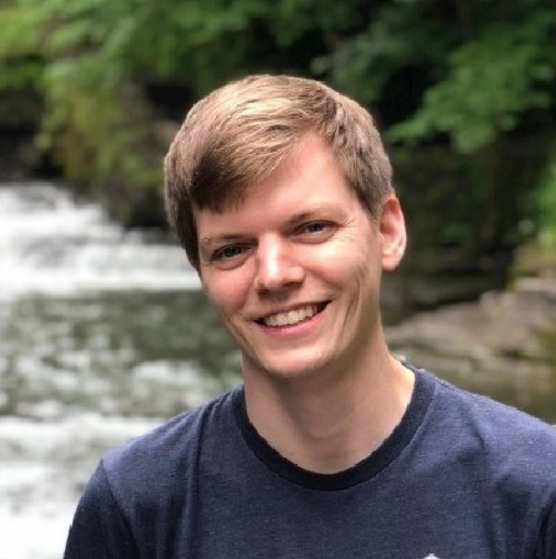
Ross Nordeen and the Weight of a Computer Room
He helped turn Tesla’s machine learning ambitions into hardware, then co-founded xAI and helped bring its Colossus cluster online. After becoming the last non-Musk co-founder to leave, he joined Anthropic to focus on compute.
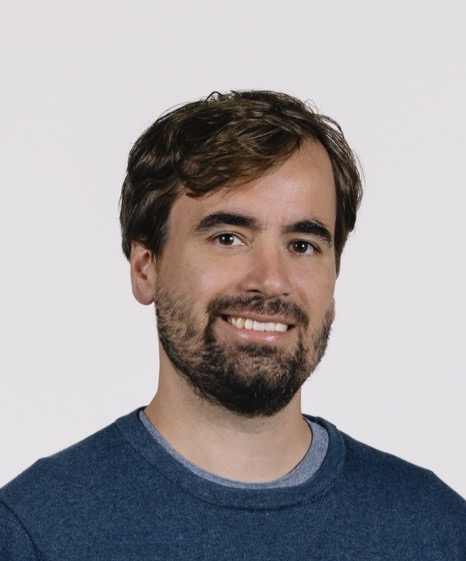
Durk Kingma and the Quiet Machinery Behind Modern AI
Before generative AI became a spectacle, the Dutch researcher helped invent two of the methods that made it practical. His career is a study in quiet leverage: change the machinery, and the whole field moves.

Benjamin Mann and the Long Detour to a Safer Machine
He left a comfortable engineering career, changed course after one unsettling book, and helped build both GPT-3 and Anthropic. Now Ben Mann works where product ambition and AI caution keep sharing the same desk.

Chris Olah Wants to Read the Mind We Built
For more than a decade, the Anthropic co-founder has pursued one stubborn question: if neural networks can surprise their makers, can we learn to see what they are actually doing?
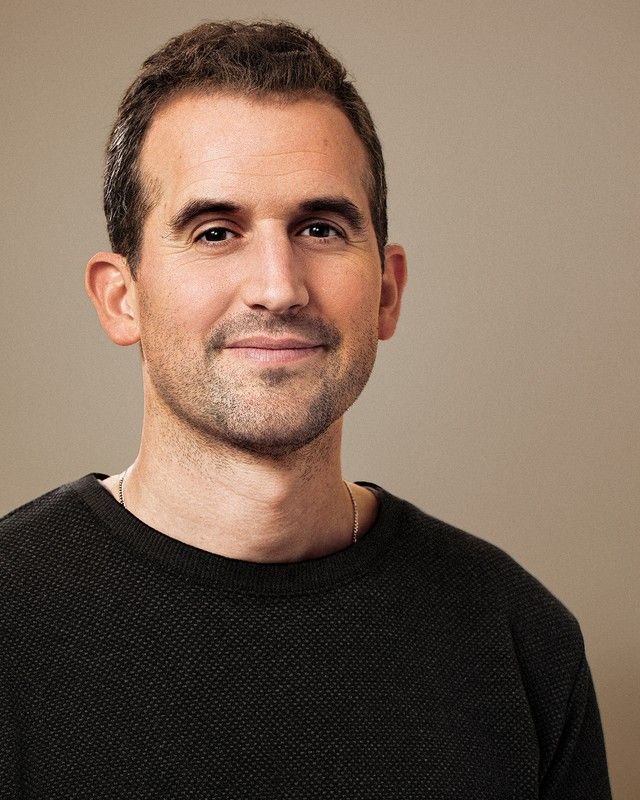
Tom Brown Put Down His Armor - Then Picked Up the Compute
He spent eight years learning how to build startups, then chose to become a novice again. A decade later, the former group-dating founder is responsible for the machinery beneath Claude.
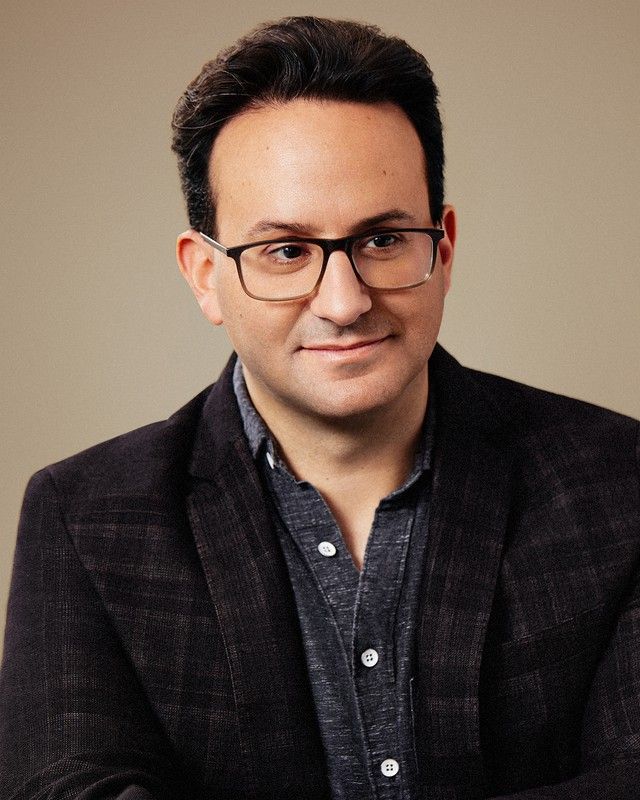
Jared Kaplan Found a Law for Intelligence. Then Came the Fine Print.
A physicist went looking for equations that could keep researchers honest. He found curves that helped remake artificial intelligence - and inherited the harder problem of deciding what their ascent permits.
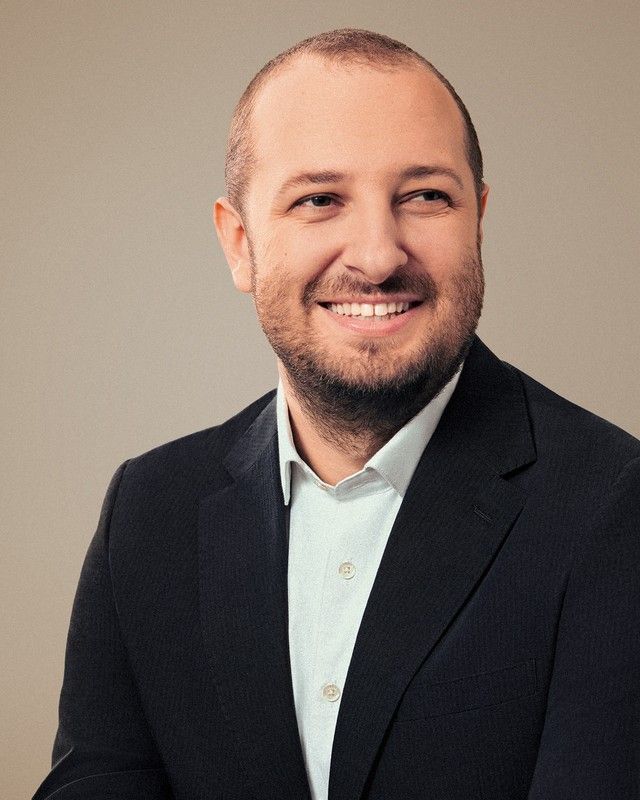
Sam McCandlish Found a Ruler for Intelligence - Then Tried to Build the Guardrails
A physicist trained to see depth in flat surfaces helped turn neural-network growth into something measurable. Now Anthropic's Chief Architect works on the harder sequel: making immense systems useful, legible, and governable at once.
Nimble Gravity puts AI to work on the unglamorous stuff
Ice orders, funeral flowers, wildlife tracking: Nimble Gravity’s client work makes a practical case for AI and better data. Its next test is bringing that approach deeper into banking and insurance.

Give Claude the Whole Assignment
Claude has grown from a careful chatbot into a workbench for writing, research, code and files. It rewards people who bring context, judgment and a job worth finishing - but its shifting usage limits still demand a little housekeeping.
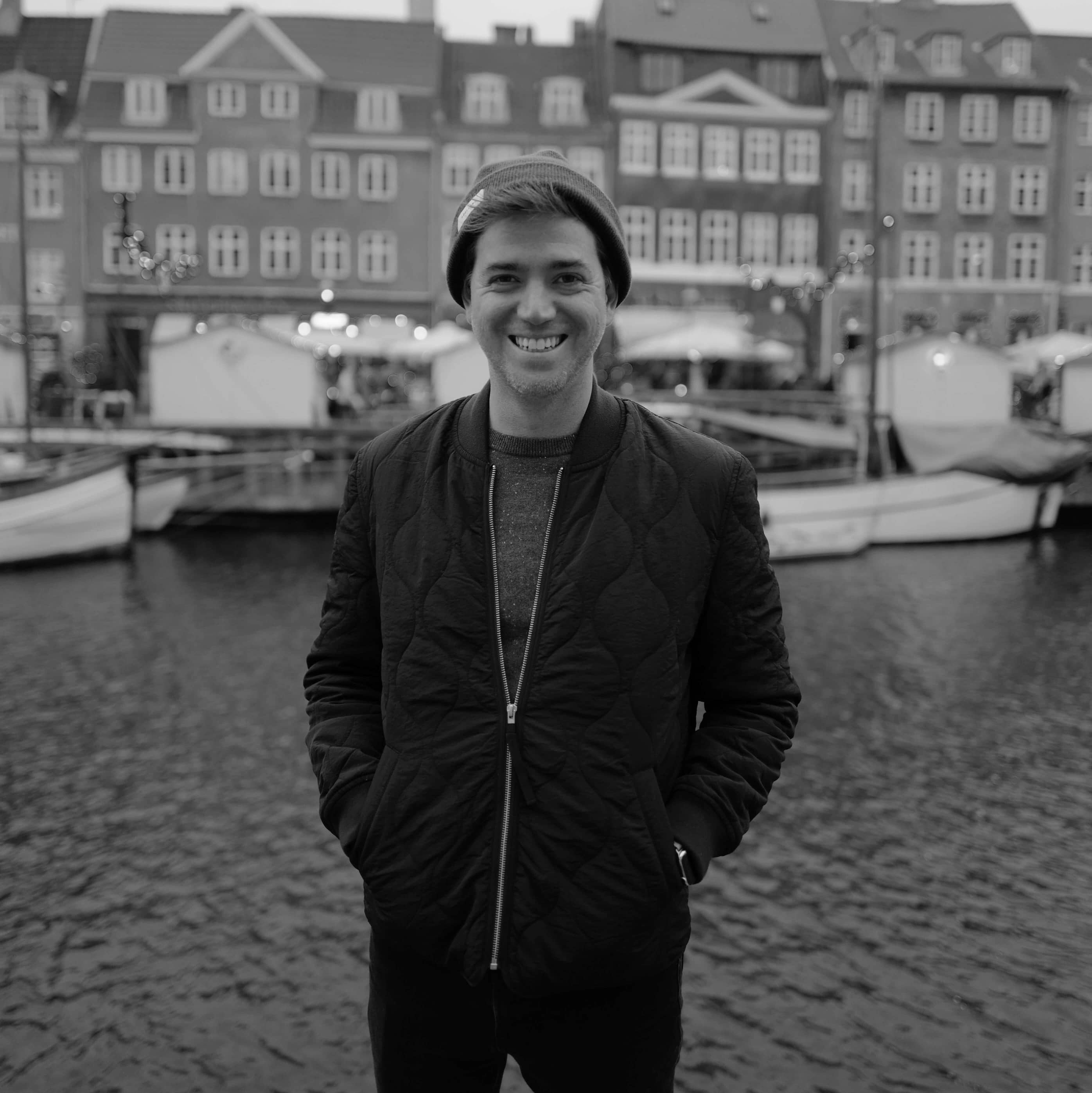
Brandon McGraw Is Teaching AI to Make Sense to People
Before taking on OpenAI's consumer and hardware marketing, Brandon McGraw spent years translating new technology into ordinary language - and two years building an AI journal that could remember the person using it.
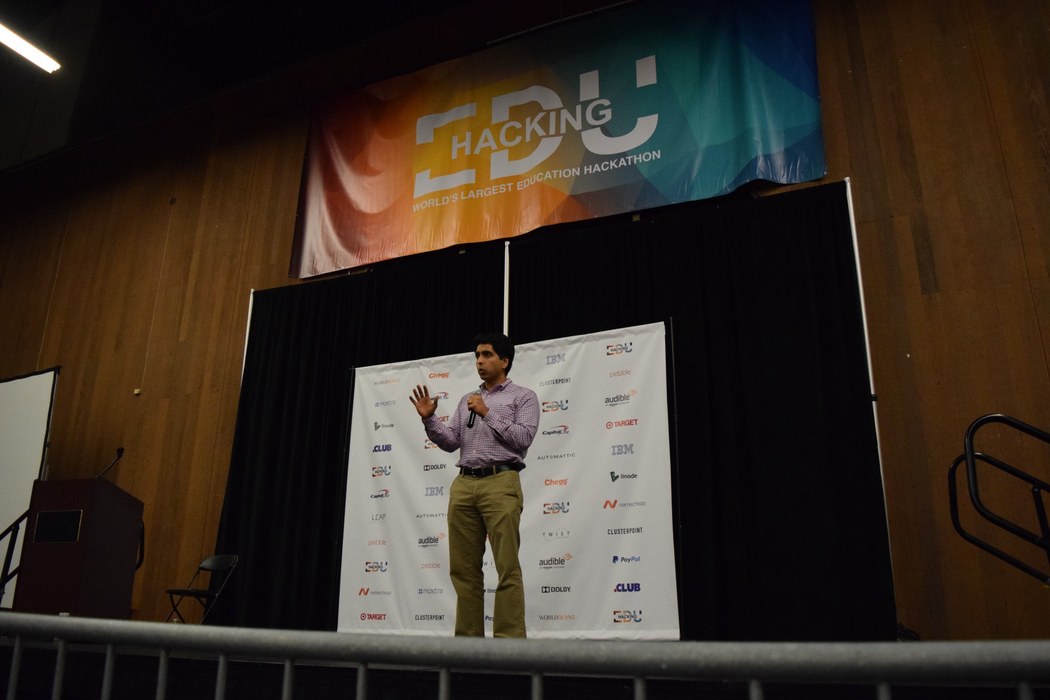
Sal Khan on Job Shock: How AI Will Reshape Work and Learning
In this podcast interview, Khan Academy founder Sal Khan discusses his forthcoming book 'Job Shock' and his growing concern that AI-driven automation will dislocate entire categories of workers—call center staff, drivers, and even software engineers, designers, and product managers—over the next three to five years. He argues that safe jobs are those that lean into human connection (teaching, nursing, hospitality, sales), describes how Khan Academy is transforming internally with AI agents (running a ~$1.2M/year Anthropic bill), and unveils the Constellation Institute, a new accredited program offering a full degree for under $10,000 that emphasizes 'durable skills' like communication, collaboration, creativity, and critical thinking, co-designed with employers such as McKinsey, Bain, Google, Microsoft, Replit, and Accenture.
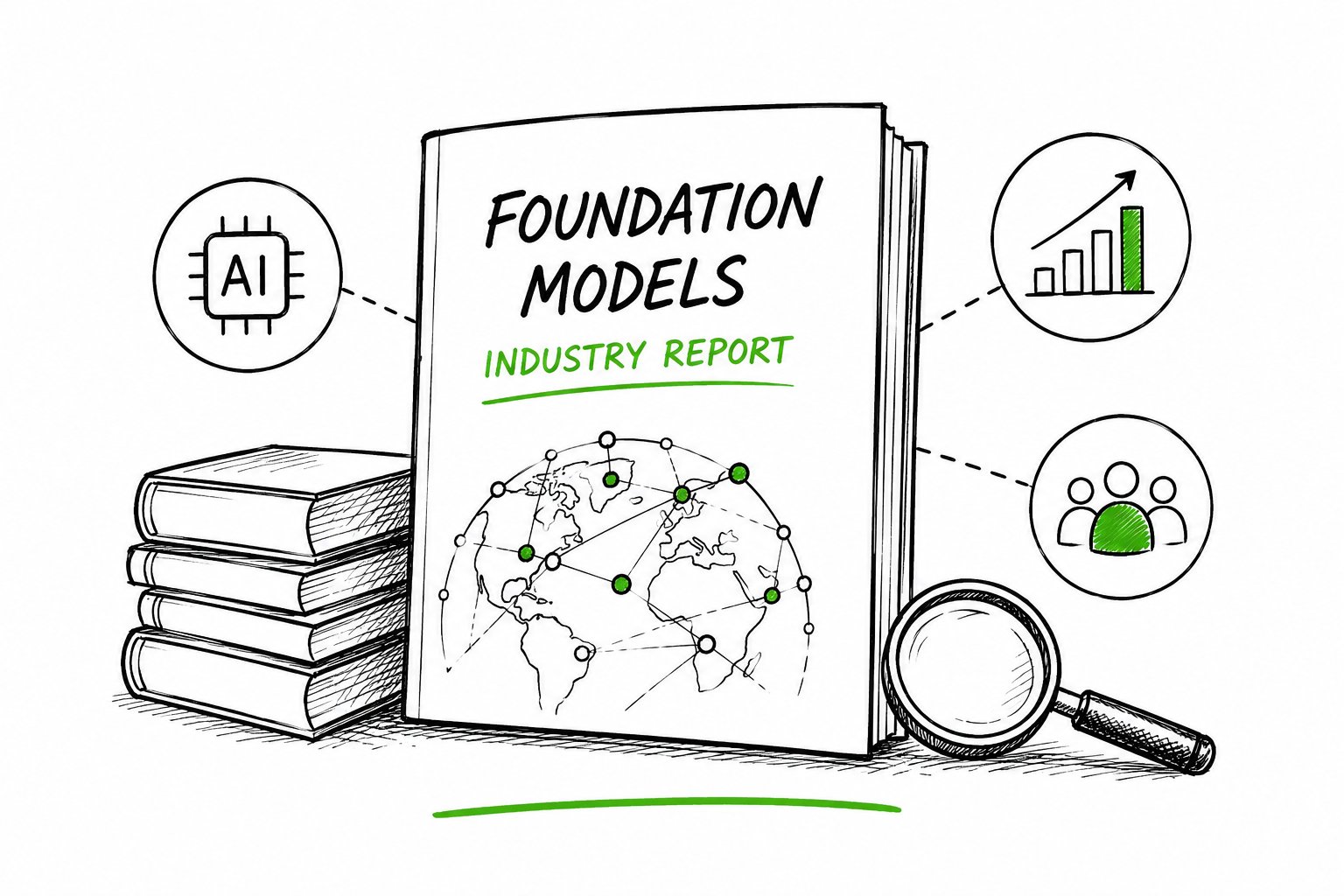
Foundation Models: The Industry Report
A deeply researched report on the foundation model industry as of mid-2026: a sector where two labs, OpenAI and Anthropic, capture roughly 89% of startup AI revenue; where hyperscaler capital spending has tripled to an estimated $725 billion a year; where inference has overtaken training as the dominant cost; and where open-weight Chinese models now trail the closed frontier by only months. The report maps market structure, competitive strategy, the economics of scale, regulation, and where value is migrating up the stack.
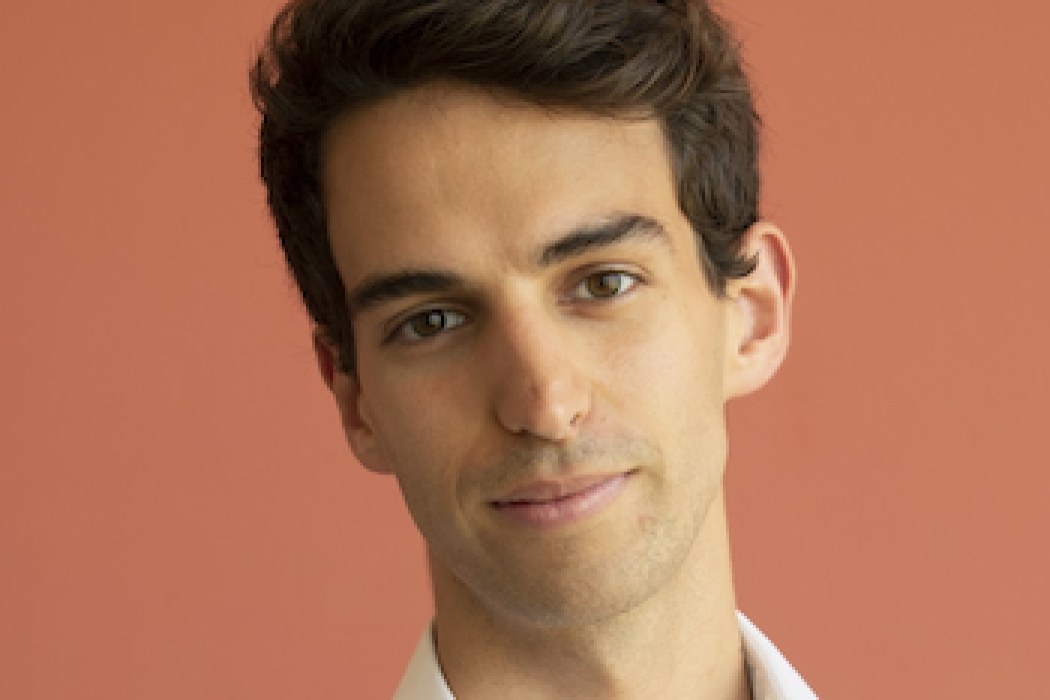
Davide Asnaghi
Davide Asnaghi is the co-founder and CEO of Diode Computers, a startup rebuilding how printed circuit boards are designed and manufactured. An Italian-born engineer trained at UC Berkeley, he spent years building hardware at Apple's Special Projects Group and medical-device companies before starting Diode to replace legacy EDA tools with open-source, AI-friendly software: a Python design language backed by a Rust compiler that turns requirements into manufacturable circuit boards in a fraction of the usual time. Diode raised an $11.4M Series A led by Andreessen Horowitz and partners with Anthropic to make Claude a more capable electrical engineer.
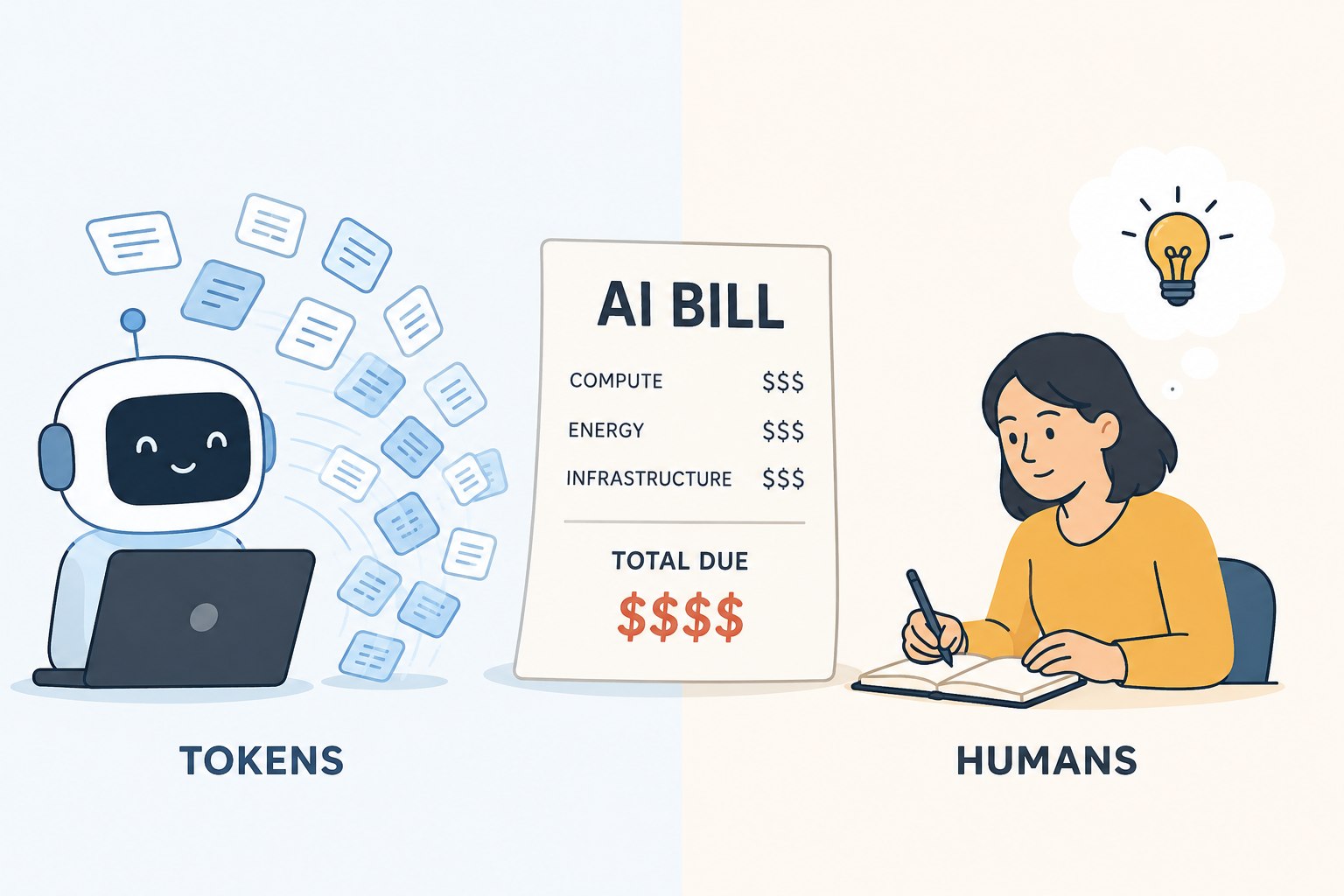
The AI Bill Has Come Due: Tokens vs. Humans
This documentary-style video traces how artificial intelligence went from a cheap labor-replacing miracle to a runaway cost center. After ChatGPT's 2022 launch, companies raced to adopt AI and cut tens of thousands of jobs across tech and fast food. But forced internal adoption, token-based performance metrics, and a status-driven culture of 'token maxing' inflated demand far beyond real need. Combined with data-center component shortages and canceled construction projects, token prices more than doubled between late 2025 and mid-2026. Giants like Microsoft, Meta, Uber and Nvidia are now confronting AI bills that rival or exceed the human labor they replaced, and with Anthropic and OpenAI expected to go public and raise prices, enterprises are being forced into an unprecedented choice: tokens or humans.
Claude for Teachers
On July 14, 2026, Anthropic launched Claude for Teachers, giving verified K-12 educators in the United States a full year of free premium access to its AI assistant. The offer bundles teaching skills built with learning scientists, a Learning Commons connector carrying academic standards for all 50 states, nine classroom tool integrations, and FERPA-aligned data terms. It arrives amid a scramble among Google, OpenAI and Khan Academy for the American classroom, and reopens an old debate: what happens to a generation that grows up asking instead of searching.
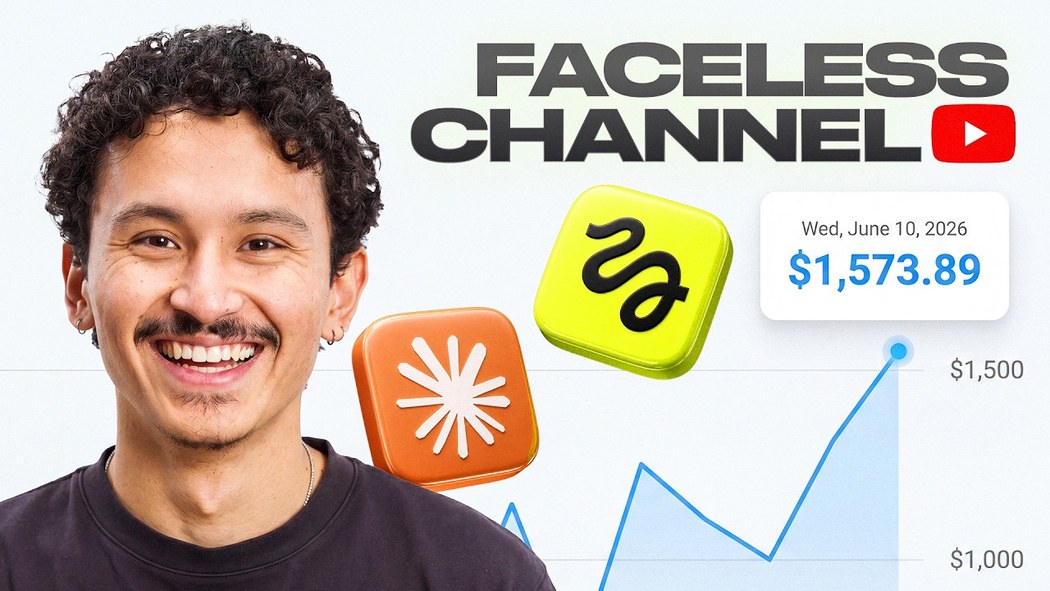
How I Cloned a $40K/Month Faceless YouTube Channel With AI in 20 Minutes
In this tutorial-style video, a creator named Adio sets out to reverse-engineer a faceless YouTube channel called Bright Side that reportedly earns nearly $40,000 a month, and attempts to recreate its cinematic educational format using AI in roughly 20 minutes. He walks through a three-step workflow that pairs Anthropic's newest model, Claude 3 Opus 5, with an MCP-based generation engine to analyze a viral channel, write an original script, and produce a full 5-minute AI documentary complete with visuals, voice-over, music, and editing from a single prompt. He then generates two more videos, packages thumbnails and metadata, schedules uploads, and argues that YouTube monetizes valuable AI content while blocking only lazy, low-quality spam.
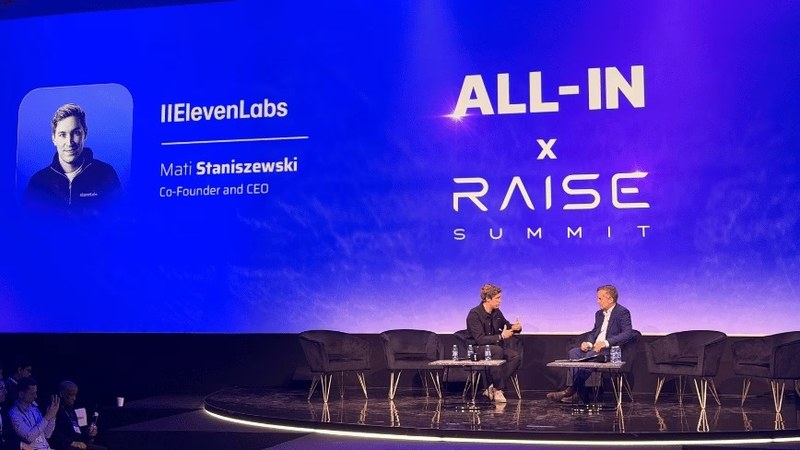
The AI-Native Empire: ElevenLabs and Legora on the All-In Stage
Recorded live at the RAISE Summit inside the Louvre, this two-part All-In Podcast conversation, hosted by Jason Calacanis, features ElevenLabs co-founder and CEO Mati Staniszewski and Legora founder and CEO Max Junestrand. Staniszewski details how ElevenLabs raced from a research project to roughly $600 million in annual revenue in under three years, why the company runs on small engineer-embedded teams with zero product managers, how it protects voices from impersonation while paying creators over $22 million, and how it out-competes frontier labs like OpenAI and Anthropic on voice. Junestrand explains how Legora is compressing the trillion-dollar legal-services market with AI agents, growing 50% quarter-over-quarter for seven straight quarters, deploying 'forward-deployed lawyers,' and disrupting legacy players like LexisNexis and Westlaw.
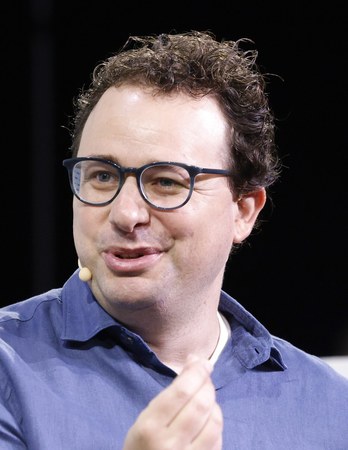
Dario Amodei
Anthropic co-founder and CEO Dario Amodei sits for a wide-ranging interview at what the host calls the center of the AI universe. He describes the felt experience of running the fastest-growing company in the industry as a 'smooth exponential' that feels like accelerating away from Earth at relativistic speed. Amodei explains why Anthropic bet on enterprise and coding over splashy consumer apps, recounts why he left OpenAI (a loss of trust, not merely a safety disagreement), and defends the company's controversial choices: working with the Department of Defense while drawing red lines against mass surveillance and autonomous weapons, warning about entry-level white-collar job loss, and holding back Mythos, a cyber model so capable that early testers called it a 'super weapon.' Throughout he returns to a single thesis: respond to AI's accelerating power rationally and steadily, never 'yo-yoing' between complacency and panic.