crowdfunding
(24)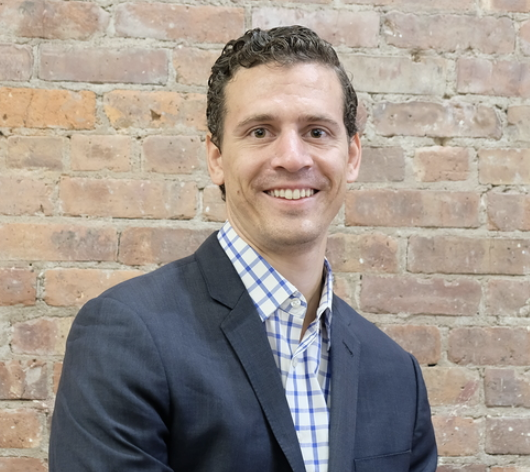
Matt Rodak Built a Lender From the Borrower's Side of the Desk
A teenage landscaping route taught Matt Rodak what a renovated house could do for a block. Years later, his own borrowing headaches gave him the blueprint for Fund That Flip - and a decade-long lesson in turning risk into useful infrastructure.
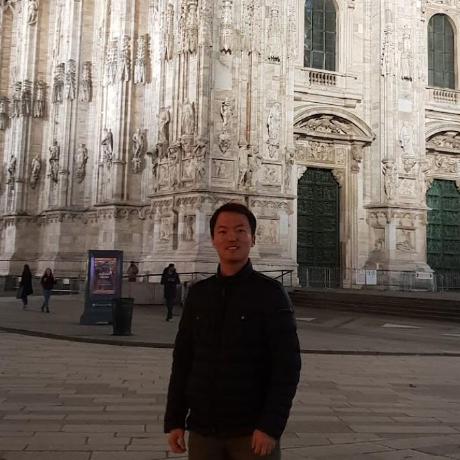
Yulduck Sung Put a Programmer’s Logic Inside an Italian Shoe
He began as a mobile-game programmer, learned the shoe trade inside E-Land’s European operation, and spent six months hearing no from Italian factories. The business that followed runs on an unlikely pairing: old-world craft and the restless logic of software.

Genuio Took the Logo Tax Off Italian Shoes - Then Korean Feet Rewrote the Product
A former Italy-based fashion employee spent six months hearing no from factories, then raised roughly KRW 2.08 billion on two sneaker campaigns. The useful trick was not merely cutting out middlemen - it was letting Korean customers correct an Italian product.

The Wedding Registry for Shelter Pets Is Run by an NFL Referee
John Hussey officiated Super Bowl XLV. His day job is a Seal Beach platform that has routed more than $100 million to 4,600 animal rescues - by selling them dog food instead of taking a cut of their donations.

Ohsnap Broke Its First Hit - Then Built the Hardware Playbook Founders Should Copy
A $466,820 Kickstarter win nearly became a global returns nightmare. Ohsnap paid for the lesson, rebuilt the grip and turned obsessive iteration into a phone-accessory business - and a second act in mobile gaming.
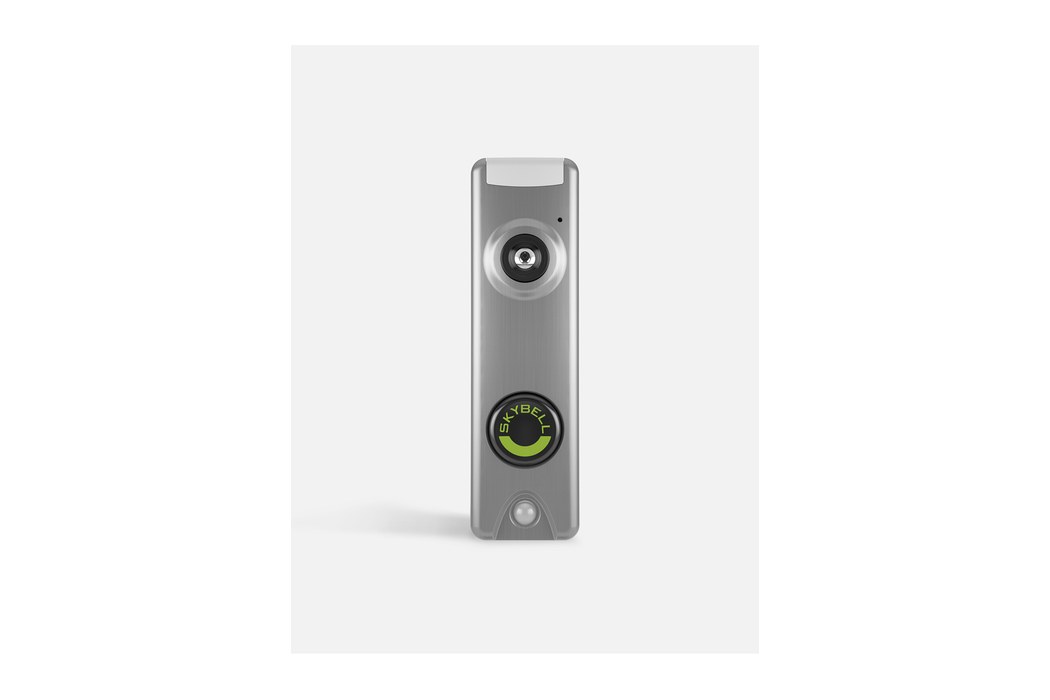
The Doorbell That Rang Before Ring
It crowdfunded $600K, out-patented its rivals, and put two million cameras on America's doorframes - then Amazon bought Ring and everything about the doorbell wars got louder.

The Company That Sold Apple's Missing Ports Back to Apple's Fans
When Apple stripped the ports off the MacBook Pro, 30,000 people paid HYPER more than $3 million to put them back. That was the whole business plan - and it worked.
MAAK Built Gear for the Front Line. Then 568 Backers Took It Outdoors.
A Santa Barbara hardware team took its frontline power system to Kickstarter, raised 20 times its goal, and learned that the real product was not a battery. It was everything the battery could connect to.

The Printer Jammed. So They Ripped Off the Nozzle and Started a Company.
A jammed 3D printer, a $30,000 Kickstarter ask, and $2.3 million later - how three toymakers turned a mistake into the pen that draws in mid-air.

DonorsChoose
A Bronx history teacher wanted books his students couldn't afford. Twenty-five years later, the website he built has moved more than $1.6 billion into America's classrooms - one crayon, microscope and field trip at a time.

Kickstarter
Kickstarter made the crowd a gatekeeper for creative work. Now it is trying to solve the less romantic part of the bargain - everything that happens before the campaign opens and after the funding meter turns green.

Kitabisa
Kitabisa is Indonesia's largest donation-based crowdfunding platform, founded in 2013 to 'connect kindness.' Through its website and mobile app, individuals, NGOs, and companies raise money transparently for medical bills, disaster relief, social causes, and religious giving such as zakat and wakaf. Beyond fundraising, Kitabisa has expanded into mutual-aid protection with Saling Jaga and a licensed insurance arm, positioning itself as a broad social-finance ecosystem for more than 250 million Indonesians.
Stake
Stake is a Dubai-based digital real estate investment platform that lets people buy fractions of income-generating property from as little as AED 500. Investors earn passive rental income and capital appreciation while Stake handles sourcing, acquisition, management and exit. Regulated by the DFSA in the UAE and the CMA in Saudi Arabia, the platform serves more than two million users across 181 countries and has expanded from Dubai into Saudi Arabia, Abu Dhabi and US industrial real estate.

VentureCrowd
VentureCrowd is one of Australia's original equity crowdfunding platforms, launched in Sydney in 2013 out of alternative investment manager Artesian. It lets everyday and wholesale investors put money - from as little as A$250 - into early-stage startups, property developments and impact-focused ventures that were once the preserve of institutional venture capital. Led by co-founder and CEO Steve Maarbani, a former PwC partner and corporate lawyer, the platform has channelled over A$300 million into private companies, construction projects and sidecar funds, positioning itself as a bridge between the Australian 'crowd' and high-growth private markets.

AngeLink
AngeLink is a women-led social crowdfunding platform based in Naples, Florida, that bills itself as the first fintech fundraising site powered by women. It pairs a zero-platform-fee model with an AI tool called AI-Wizard that helps people write more compelling fundraiser stories, plus fraud review and mobile-first design. Positioned as a GoFundMe alternative, it targets the reality that most crowdfunding donors and organizers are women, and aims to raise money for medical bills, emergencies, small businesses, and community causes.

Tirios
Tirios is an Austin-based proptech platform that lets everyday investors buy fractional shares of single-family rental homes for as little as $100. It uses AI to source and underwrite properties, records ownership on blockchain via tokenization, and manages the homes end-to-end - collecting rent, paying expenses, and distributing quarterly dividends. Founded in 2021 by former Icahn Enterprises executive Sachin Latawa, Tirios is SEC-qualified under Regulation A+ and pitches itself as a vertically integrated, low-fee way to make real estate investing accessible to millennials and first-time investors.

Gerry Poirier
Gerry Poirier is the founder and CEO of AngeLink, billed as the world's first social crowdfunding platform powered by women. After more than two decades on Wall Street trading floors at Credit Suisse and Lazard, where she was often the only woman in the room, she built an AI-driven, fraud-resistant fundraising platform that has grown to roughly 55,000 active users across 100 currencies and raised over $7.3 million in seed funding. A Wharton-trained, globe-trotting risk-taker based in Naples, Florida, she also runs the AngeLink Community Foundation, a 501(c)(3) making direct impact grants.

Jerming Gu
Jerming Gu is the Taiwanese founder and CEO of CANDY HOUSE, the company behind SESAME, the smart lock that clamps onto an existing deadbolt and turns a smartphone into a key. He started the company as a Stanford mechanical engineering master's student in 2014 with co-founder Jongho Shin, then turned a 3D-printed dorm-room prototype into a Kickstarter phenomenon that raised roughly $1.4 million in 2015. After a decade building a dominant smart-lock business in Japan - including funding from ITOCHU and a strategic alliance with lock maker MIWA - he relaunched CANDY HOUSE in the US and Canada in 2025 with a lineup spanning SESAME 5, face recognition, palm-vein biometrics and Matter-compatible hubs.

Mark Russell
Mark Russell is the founder and CEO of HyperSciences, a Spokane, Washington company turning a piece of aerospace exotica - the ram accelerator - into a tool that drills through rock up to ten times faster than a conventional rig. A former Blue Origin lead engineer on the crew capsule and a self-described third-generation miner, Russell fires projectiles at hypersonic speed every few seconds to crack rock for geothermal energy, mining and tunneling, and to lob payloads toward space through his sister venture Pipeline2Space. He raised roughly $9.6 million from thousands of small investors and won early backing from NASA and Shell.
Oleksiy Lubinsky
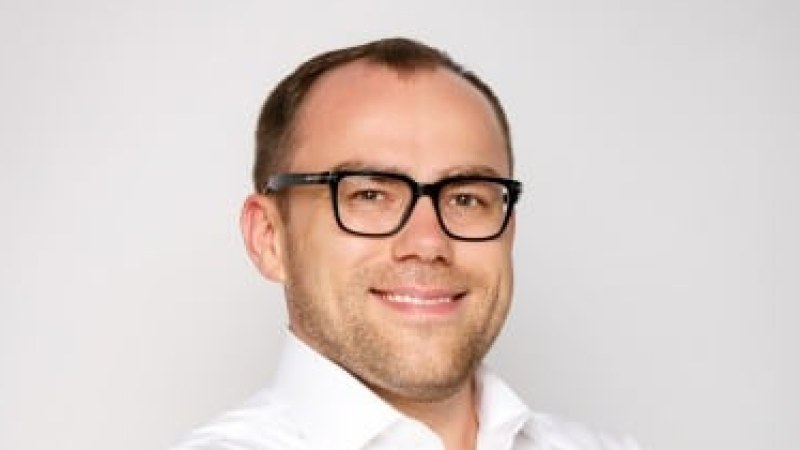
Oleksiy Lubinsky (also known as Alex Lubinsky) is the co-founder and CEO of Rentberry, a San Francisco-based platform that automates the long-term rental process from search and custom-offer negotiation to digital leases, rent payments and maintenance. A Ukrainian native and UC Berkeley economics graduate who came out of investment banking, he sold his first company, the networking app City Hour, in 2015 before launching Rentberry that same year. He has pushed the company through one of crypto's most-talked-about ICOs, an AI rebrand, and serial equity-crowdfunding rounds, framing Rentberry as a bid to strip the friction, fees and middlemen out of renting.
Ezra Goldman
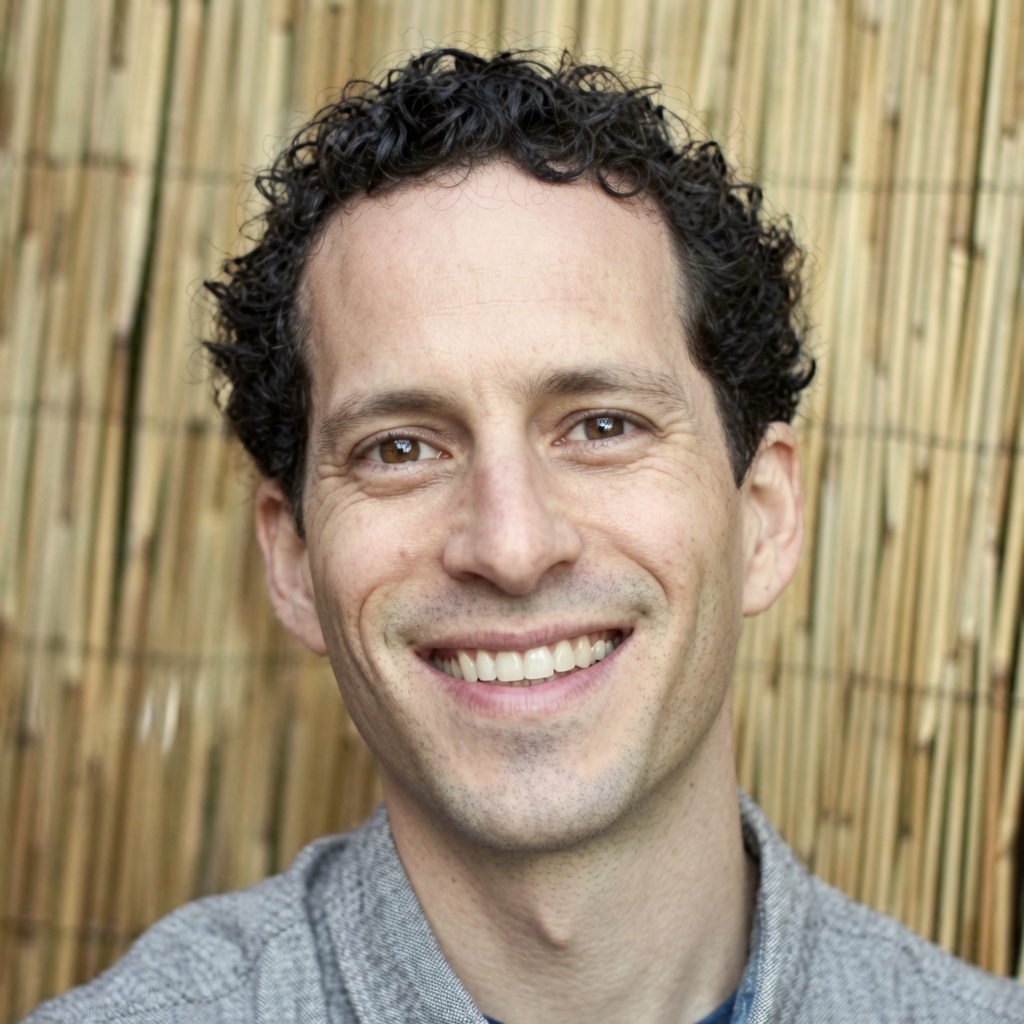
Ezra Goldman is the co-founder and CEO of Upshift, a San Francisco-based company reinventing how city dwellers access cars. Rather than owning or leasing a vehicle full-time, Upshift members subscribe to a car that appears at their door when needed and vanishes when they don't - a fractional model that eliminates insurance headaches, maintenance costs, and the guilt of a depreciating asset sitting idle 95% of the time. Goldman brings 25+ years of shared-transportation obsession to the role, starting with a communist-themed campus bikeshare in 1999, through an MIT master's in urban planning, a PhD stint in Copenhagen studying why Danes ride bikes, and stints at City CarShare and ReachNow before building Upshift into a platform backed by MINI (BMW), Ford, and thousands of crowdfunding investors.
GoFundMe
GoFundMe is the world's largest social fundraising platform, where individuals, communities, and nonprofits raise money for everything from medical bills and tuition to disaster relief. Founded in 2010, it has helped people raise over $40 billion through nearly 200 million donations.
Sarah Wood
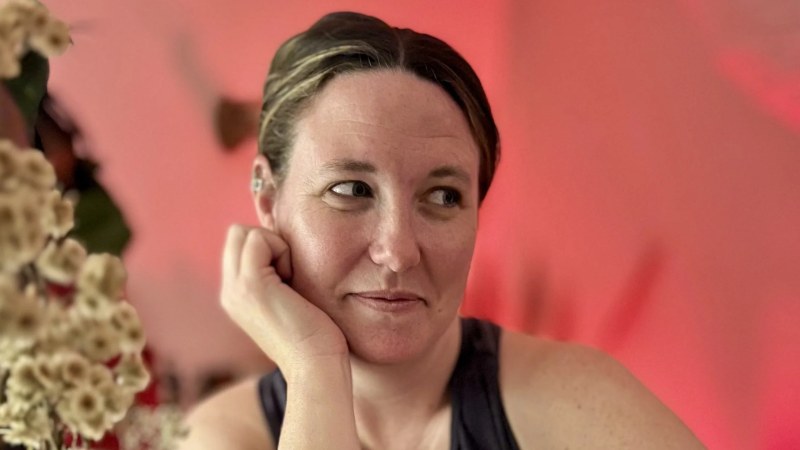
Sarah Wood is a Senior Executive Business Partner at GoFundMe and the founder of Easy Living Collective, a household management company supporting working women and caregivers. A 15-year veteran of Google across roles in learning & development, program management, people operations, and Google.org, she brings operational depth and a people-first philosophy to everything she touches. Based in Los Angeles, she has been instrumental in GoFundMe's partnerships supporting women-owned businesses recovering from the 2025 LA wildfires.
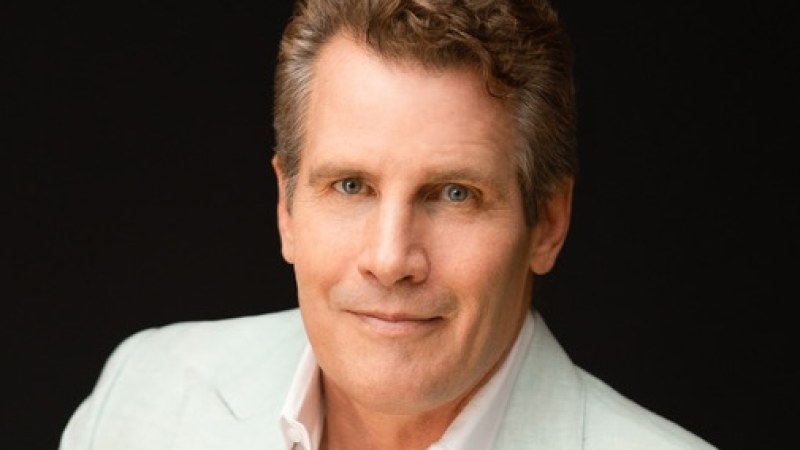
Scott Cahill
Scott Cahill is the co-founder and former CEO of LEXI, an intelligent enterprise IoT platform headquartered in Lebanon, Ohio. He built the company from a smart lighting passion project into a universal wireless building automation system that claims up to 90% cost savings over competitors. Over 7.5 years he led LEXI through a $2.6M seed round, a $3.5M pre-Series A, and multiple equity crowdfunding campaigns, accumulating $5.5M raised and a $30M valuation by 2024. In 2024 he handed the CEO role to Hans Bukow to accelerate LEXI toward IPO, while remaining as an advisor.