e-commerce
(166)
Stephanie Bleau Took Retail Lessons Back to the Classroom
After three decades spent turning customer insight into retail decisions, the former Reitmans and Bentley executive is teaching a new generation how strategy survives contact with real life.

The Bottle That Works Like a Mom, From a Team That Ran Medela
A former Medela executive and a Harvard-MBA operator spent more than a decade re-engineering the baby bottle. The pitch is simple: make the bottle behave like the breast so babies stop refusing one for the other.
Abt Built One Store. Then It Outlasted Everyone Who Built a Thousand.
A family-owned retailer in the Chicago suburbs has spent nearly 90 years betting everything on one store - dancing fountain, saltwater shark tank and all - while national chains opened, expanded, and disappeared around it.

The Agency That Shipped the First Banner Ad - And Then Refused to Die
Organic built the web's first banner ads in the mid-90s, went public at the peak, nearly vanished in the crash, and got bought by Omnicom. Three decades on it is still standing - now a Cincinnati-run agency trying to make advertising both good-looking and accountable.
The 18th Street Camera Shop That Refused to Become a Website
A Holocaust survivor opened a camera counter on 34th Street in 1974. Fifty years later his shop is a rental house, a photo lab, a B2B supplier and a YouTube school - and it still keeps the lights on at one address in the Flatiron District.
The Boston bank that only speaks fluent brand
A boutique bank that refuses to do anything but consumer deals just got a lot bigger. Here is how a Boston firm turned brand obsession into a specialty M&A practice - and why Origin Merchant Partners bought in.

The Turkish Word for Owner Became a Verb
Turkey's biggest marketplace started with 2,700 classified ads in 2000. A quarter century later, 'sahibinden' is how the country buys a house, sells a car, and rents an apartment - so much so that the name stopped being a website and started being a habit.

The Qatari Delivery App That Turned a Business-School Project Into a Billion-Riyal Exit
A university idea from HEC Paris became Qatar's first billion-riyal tech exit. Here is how Snoonu built a delivery machine that food, groceries and everything else now runs through.

Steve Kerdock Sells the Story Behind the Circuit Board
For 25 years he has marketed the invisible layer of technology - the components, the distribution, the supply chain. At Arrow Electronics he is trying to make it visible.
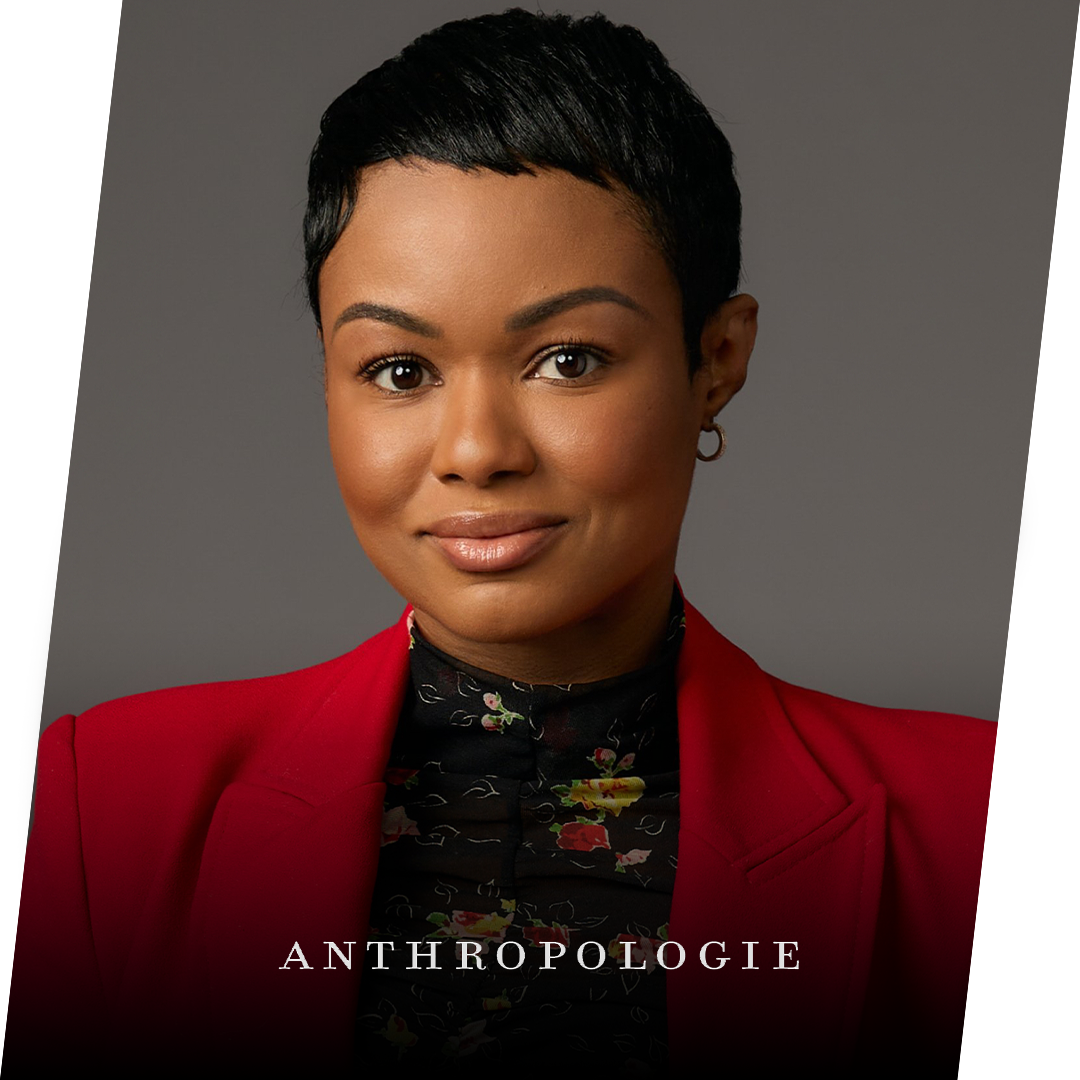
The Marketer Turning Anthropologie's Feeling Into a Formula
She spent two decades learning how brands make people feel something. Now she runs the marketing for one of retail's most feeling-driven brands - and she wants the data to prove the feeling is working.
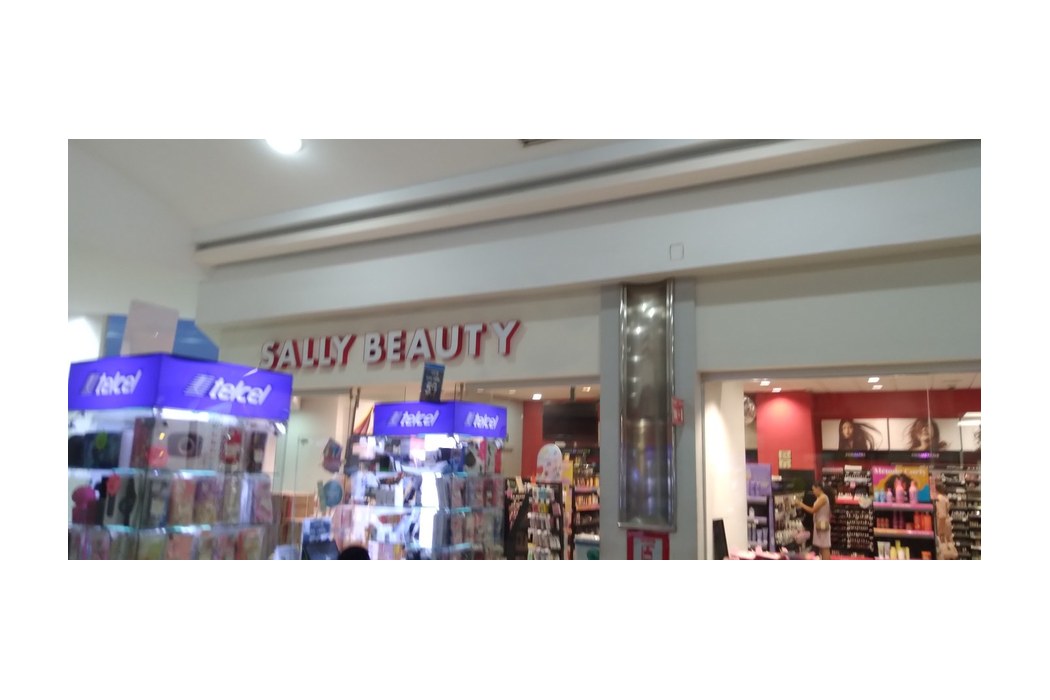
The store that sells hair color to the person doing your hair - and to you
One of America's largest beauty-supply chains sells the same professional hair color to salon pros and to the customers coloring their own roots at home. Here is how a 1964 New Orleans shop became a two-sided, 5,000-store beauty distributor.

The Sneaker Shop That Runs Its Own Radio Station
How a single Baltimore shoe store became a 250-location fixture of American sneaker culture - and why it plays its own soundtrack.

How a Ski Store Thrives in a City That Barely Freezes
Sun & Ski Sports started as a Midwest ski warehouse, moved to Houston in 1980, and built a four-decade business on one bet: the customer buying a snowboard in December wants a paddleboard in June.
IKEA
How a Swedish teenager's mail-order side hustle became the world's largest furniture retailer - and why the whole thing runs on flat boxes, cheap Allen keys, and a foundation that answers to no shareholder.

Sur La Table
The 1972 Pike Place kitchen shop that turned selling whisks into teaching dinner - and survived a pandemic bankruptcy by betting the store on the class.

ButcherBox
How a founder who once lost investors' money built a half-billion-dollar meat company on a Kickstarter, a trash bag of grass-fed beef, and a refusal to take venture capital.
Church & Dwight Co., Inc.
It started with baking soda in 1846. Nearly two centuries later, the quiet New Jersey company behind Arm & Hammer has turned buying other people's brands into a business worth more than $25 billion.

Signet Jewelers
One Ohio company quietly owns Kay, Zales, Jared, Blue Nile and Banter - and rings up roughly one of every three engagement rings sold in America. Meet the $6.8 billion machine behind the moment you got down on one knee.

Cristina Ceresoli
She has spent more than twenty years teaching legacy retailers to fall in love with data - and consumers to fall in love with brands. At Rebel Athletic, the marketing chief is aiming both talents at the world of crystals, sparkle and competitive cheer.

Bateriku.com
Battery Replacement & Roadside Assistance Anywhere in Malaysia - enjoy free delivery as fast as 30 minutes, free inspection and free installation.

Aruna
Aruna is Indonesia's largest integrated fisheries commerce platform, connecting small-scale coastal fishermen directly to domestic and global seafood buyers through a digital supply chain. Founded in 2016 by three Telkom University students, it removes layers of middlemen, uses local agents and mobile tools to onboard fishers, and pairs commerce with traceability, cold chain, and sustainability programs. The company operates across most of Indonesia's coastline and exports to dozens of countries under a 'People, Profit, Planet' mission.
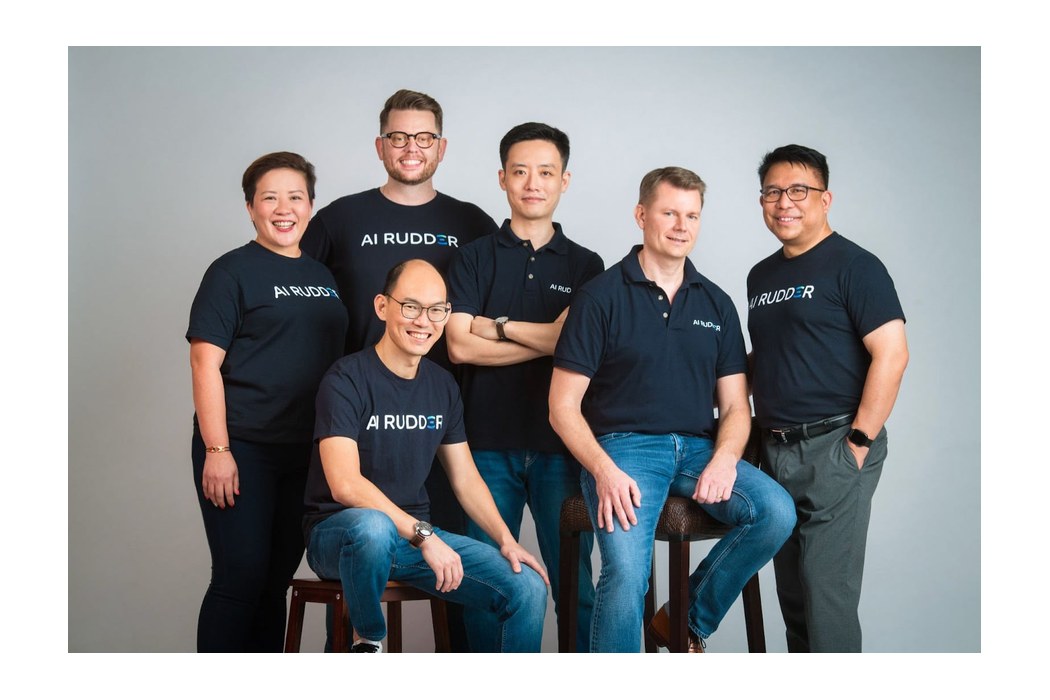
AI Rudder
AI Rudder is a Singapore-based voice AI company that automates high-volume customer phone calls and chats for banks, lenders, insurers, e-commerce and logistics firms. Its human-sounding voice agents handle payment reminders, verification, surveys, telemarketing and customer service across 15+ languages and regional accents, letting enterprises scale contact-center work without adding headcount. Backed by Sequoia, Tiger Global and Coatue, it serves 500+ enterprise clients concentrated in Southeast Asia and Latin America.

David Gallon
David Gallon is a marketing executive who leads brand and integrated marketing for Tory Burch, the New York luxury fashion house. He joined the company in 2016 and rose through digital, social, and brand roles to Chief Marketing Officer, North America. His path runs from local TV newsrooms to teen retail at Aeropostale and into luxury fashion, giving him a storyteller's instinct for how a brand shows up across social, e-commerce, and physical stores.
Bezel
Bezel is a Y Combinator (W25) startup that generates studio-quality photos and videos of apparel on photorealistic AI human models. Fashion and e-commerce brands upload a clothing image, pick a preset model, and get shoot-ready stills and video in seconds - replacing shoots that cost thousands of dollars and take days. Founded in 2025 in New York by Kashyap Achar, the company positions itself as an on-demand content engine for brands that need constant creative variety for ad testing.
Bikry App (Bizrise Technologies YC W20)
Bikry, built by Bizrise Technologies (Y Combinator W20), is a no-code direct-to-consumer platform that lets Indian retailers and small business owners launch an online store in minutes at 0% commission. It bundles a shareable catalog, 40+ digital payment options, and 35+ pan-India delivery partners so shop owners can sell through WhatsApp and social media without building a website or paying marketplace fees.

QUIK
QUIK is a Maracaibo-born super app that lets Venezuelans pay, save, shop and get food or groceries delivered in about 30 minutes, all from one phone. Its stablecoin-backed wallet lets users hold and spend in a currency that holds its value in a country long battered by inflation, while its QUIK Pro side gives merchants the software to run their storefront, inventory and logistics. Backed by Y Combinator in the Winter 2022 batch, it was the first startup from Maracaibo to be accepted into the accelerator.

Topship
Topship is a Lagos-based digital freight forwarder that lets African businesses and individuals ship parcels, cargo and freight to and from more than 150 countries. Founded in 2020 and part of Y Combinator's Winter 2022 batch, it functions as an asset-light shipping layer - booking, tracking, insurance and, increasingly, an AI shipping assistant - aimed at the merchants who move goods across borders but were previously stuck with informal agents and opaque pricing.

YC Ventures
YC Ventures is a Dubai-based diversified investment company built on a maritime core. It owns and operates dry-bulk ships, manages technical and crew operations for a wider fleet, and recycles the returns into technology ventures spanning maritime fintech (Shipfinex), marine e-commerce procurement (Shipskart), lithium energy storage (Terranova), and youth leadership education. Led by Group CEO Yasovardhan Chinni, the group works across the UAE, India, Singapore, Nigeria and the USA under the operating idea of owning the asset, running the voyage, and compounding the capital into the next venture.

Drew Eakins
Drew Eakins is a marketing leader in the outdoor industry and the marketing chief for Reima's North America business, the 80-year-old Finnish children's outdoor clothing and footwear brand. Based in Colorado, he has spent more than a decade building outdoor brands, with earlier stops at Cotopaxi, Hestra Gloves, and Great Trango Holdings. He is known for connecting technical outdoor products with the audiences who actually use them, and for leaning into brand storytelling, wholesale partnerships, and channel strategy.

GudangAda
GudangAda is an Indonesian B2B e-commerce marketplace founded in 2019 that connects manufacturers, distributors, wholesalers and retail stores across the country's fragmented fast-moving-consumer-goods supply chain. Alongside its marketplace it offers logistics, merchant tools and financing so small retailers can source, order, pay and receive goods in one app. After scaling to roughly half a million SMEs and about $6 billion in transaction value on more than $135 million of venture funding, the company retrenched from its capital-intensive FMCG model and pivoted toward beauty and personal-care retail under its Kaka Beauty brand.