YC Ventures buys the ship first, then backs the software that runs it
A Dubai group built ship management into a fleet it owns outright, then spent the cash flow on fintech, e-commerce and lithium energy. The bet: operators make sharper investors than financiers.
A cargo ship is a strange thing to fall in love with. It is slow, expensive, and spends most of its life somewhere you will never see it. But it also does something most assets can't: it earns money the moment it leaves port, every port, for twenty years. YC Ventures noticed this before it noticed anything else. The Dubai group started where most maritime investors would rather not - inside the engine room - and built out from there.
The tagline the company uses is blunt: "Real assets. Real operators. Real motion." Strip out the poetry and you get a specific claim. YC Ventures does not take passive positions in shipping. It owns the vessels, runs the commercial voyages, manages the crew and the maintenance, and only then reinvests the returns into things that look nothing like ships - a blockchain platform, a marine e-commerce marketplace, a lithium battery business. The order matters. Cash first, then bets.
01 / THE MODELOwn the steel, then compound it
Most investment firms are organized around money moving in one direction: raise a fund, deploy it, wait, return it, raise the next one. YC Ventures runs a loop instead. The firm describes it in four moves - own the asset, operate the voyage, manage the detail, recycle the capital into the next win. In practice that means the freight a bulk carrier earns this quarter is what funds the software venture next quarter.
There is a reason this reads like an operating manual rather than an investment thesis. The people running YC Ventures came up through ship management, not finance. Group CEO Yasovardhan Chinni built Nan Lian Ship Management into a working maritime business before the holding company existed. That background shows up in the language the firm uses about itself: operators who built the group "from the hull up."
02 / THE FLEETFour ships with names, not just IMO numbers
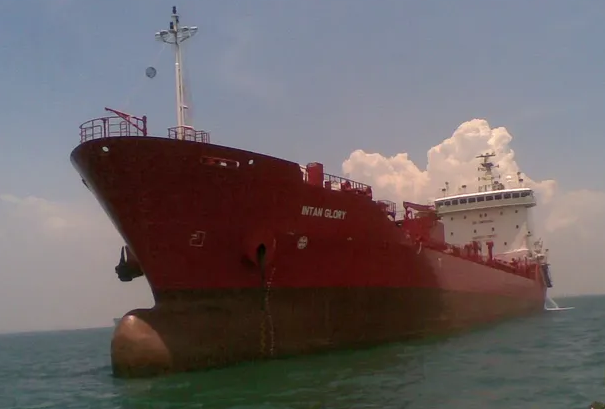
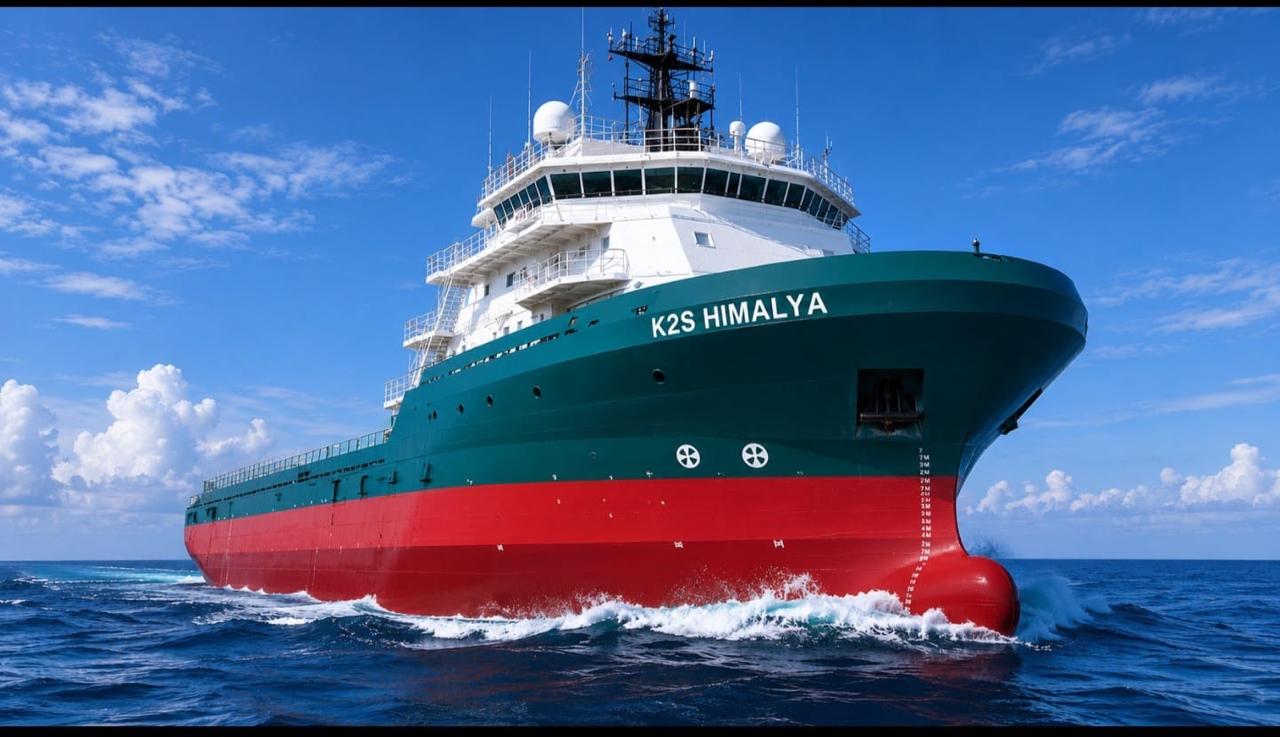
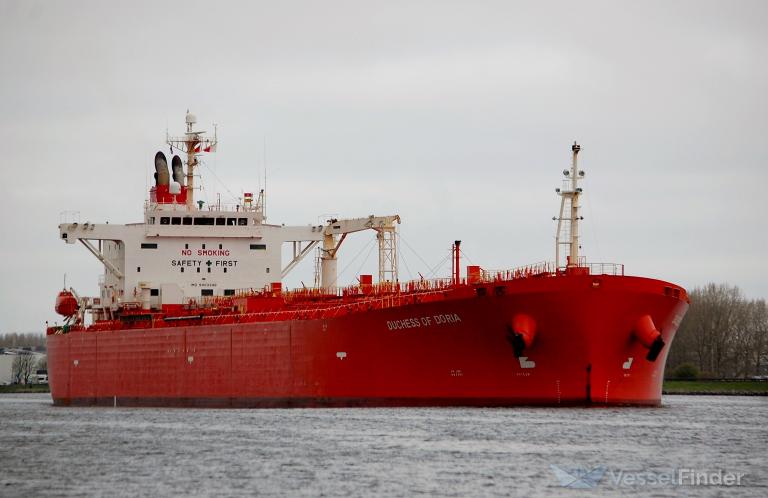
The owned fleet is small and specific: YC Aequor, Intan Glory, Duchess of Doria, and K2S Himalaya. These are not abstractions on a balance sheet. YC Aequor is a real bulk carrier, IMO 9433107, trackable on public ship-tracking sites as it moves between ports. The commercial side of the operation runs under the Aequor name, focused on dry-bulk voyages; the technical and crew side runs under Seaknotiq and Nan Lian.
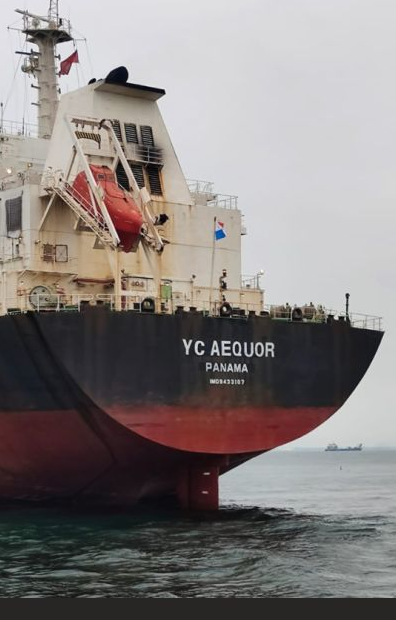
Splitting the business this way - Aequor for the money, Seaknotiq for the machinery - is not just branding. Commercial shipping and technical management are genuinely different disciplines, and most groups are good at one and outsource the other. YC Ventures keeps both inside the house, which is the whole point of owning rather than renting the value chain.
03 / THE VENTURESWhat a shipping company does with spare cash
Here is where the story stops being about boats. The returns from the fleet fund a portfolio that reaches into four sectors, and each venture solves a problem the founders hit while running ships. That is the tell of an operator-led investor: the bets are downstream of real complaints.
Shipfinex
Blockchain platform for fractional ship ownership via Maritime Asset Tokens. Raised $1.5M seed in 2024.
Shipskart
Marine procurement marketplace across 40+ countries and 500+ partners. Reports ~20% cost cuts.
Terranova
Lithium technology and energy storage - inverters, industrial UPS, battery packs and EV cells.
Start Young CEO
Youth leadership and entrepreneurship program run alongside the operating businesses.
The most interesting of these is Shipfinex. Buying a ship is a game for people with millions to spare; Shipfinex wants to slice that ownership into tokens that retail and institutional investors can buy, trade and sell. In November 2024 it closed a $1.5M seed round, with Chinni among the backers alongside Gaurav Mehta of Best Oasis and Vivek Seth of ADNOC Logistics & Services. It has since partnered with tokenization firm Tokeny and is working with Dubai's virtual-assets regulator, VARA, on a compliant token market.
Shipskart came earlier and from a plainer irritation: marine procurement is a mess of phone calls, PDFs and price opacity, especially at remote ports. The platform pulls it into one marketplace with a budgeting tool for captains, and reports a 20% cost reduction and 40% efficiency gain for users. It raised a $2.7M Series A in 2022 led by TMV and Hermes Offshore, and now spans 40+ countries.
04 / THE CUSTOMERSWho is actually on the other side
YC Ventures serves several kinds of customer at once, which is a natural consequence of owning a whole value chain. On the shipping side, the customers are charterers and cargo interests paying to move goods, plus shipowners who hand vessels to the group's management arms. On Shipskart, they are vessels, owners, ports and shipyards buying spare parts and consumables. On Shipfinex, the intended customers are investors who have never been able to own maritime assets. On Terranova, they are industrial and energy buyers who need storage.
What connects them is that YC Ventures has usually been the customer first. It knows what a ship manager needs from a procurement platform because it manages ships. It knows what a shipowner wants from a tokenization platform because it owns ships. The portfolio is, in a sense, a set of products the company built for itself and then opened to others.
05 / THE MARKETWhere it sits, and against whom
In the market, YC Ventures occupies an unusual middle. On one side sit the big pure-play ship managers - V.Group, Anglo-Eastern, Fleet Management - who run enormous fleets but do not typically spin up fintech or energy ventures. On the other side sit maritime private-equity funds and family offices that write checks into shipping but never touch a crew roster. YC Ventures is trying to be both: operator and investor, in the same organization, with the first funding the second.
That is also the competitive argument. A passive maritime fund cannot easily build a procurement marketplace, because it does not feel the procurement pain. A pure ship manager rarely backs a blockchain startup, because it is not in the investing business. The overlap - deep operating knowledge plus an appetite to reinvest - is narrow, and it is the space YC Ventures is claiming. Dubai helps: the UAE has been positioning itself as a maritime and virtual-assets hub, and VARA's involvement in Shipfinex is a sign of that alignment.
06 / THE PEOPLEBuilt from the hull up
The corporate team is small - the holding company itself lists only a handful of people - even as the wider group touches more than a thousand crew across the managed fleet. Chinni holds a postgraduate diploma in ship management from the Narottam Morarjee Institute and was named Maritime Innovator of the Year at a Dubai innovation summit in April 2024, the same event where YC Ventures picked up a marine innovation award. Group COO RK Sethi drives technology and growth; a chartered accountant, Nagendiran, with 15-plus years in maritime finance, runs the numbers.
The firm organizes its philosophy around an acronym, IMPACT - Innovative breakthroughs, Maximise eco-resilience, Progressive growth, Aligned vision, Client-centric excellence, Transformative methodologies. Acronyms like this usually mean little. What gives this one some weight is that the eco-resilience line is not decorative: the group's energy venture, Terranova, exists because long-lived assets and clean power are the same kind of patient bet.
Whether the loop keeps compounding is the open question. Owning ships is capital-heavy and cyclical; freight rates fall as well as rise, and a bad year for dry bulk is a bad year for the whole reinvestment engine. But the structure has a certain logic that a pure fund lacks. YC Ventures is not betting on any single venture. It is betting that a well-run fleet will keep throwing off cash, and that operators who understand the industry will keep finding sensible places to put it. In ten years, the vessels may have changed and the ventures almost certainly will have. The loop is the thing meant to last.