renewable-energy
(258)
Mark Noyes and the distance between a deal and a working power plant
He helped build a renewable energy business that sold for $6.8 billion. At TerraForm Power, Mark Noyes is working on the next, slower part of the story: turning projects, partnerships and grid connections into electricity.

TerraForm Power and the art of staying power
The wind keeps blowing when a sponsor goes bankrupt. TerraForm Power’s second act shows how much else has to work before renewable energy becomes a durable business.

Array Technologies and the art of moving less
A solar farm must follow the sun. It must also know when to get out of the way. Array Technologies has built a business around the machinery that makes both possible.

Portland General Electric is buying time.
The Oregon utility is learning to move electricity through the day as carefully as it moves it across the state. The experiment involves giant batteries, household thermostats and some expensive lessons.

Lee Taylor and the price of an uncertain future
He sold a share of his future income to get REsurety started. Now Lee Taylor is building a market for an equally awkward asset: electricity that arrives with the weather.

Kevin Hostetler’s theory of small parts
Kevin Hostetler came to solar after a career in industrial equipment. At Array Technologies, his work runs from the steel beneath a panel to the factory, the customer, and the politics that connect them.

Julian Nebreda and the trouble with being on time
He trained as a lawyer, ran power businesses across continents, and came to Fluence with a case for a more flexible grid. Now Julian Nebreda faces a test that every electricity customer understands: delivering when promised.

The builder that stays.
Shikun & Binui builds roads, homes and water infrastructure. Its most revealing projects come with a second job: keeping them working for decades.

Fluence is buying the grid some time
A battery can move electricity from noon to night. Fluence is building the hardware, software, and service business around that simple trick - while learning how expensive a late delivery can be.
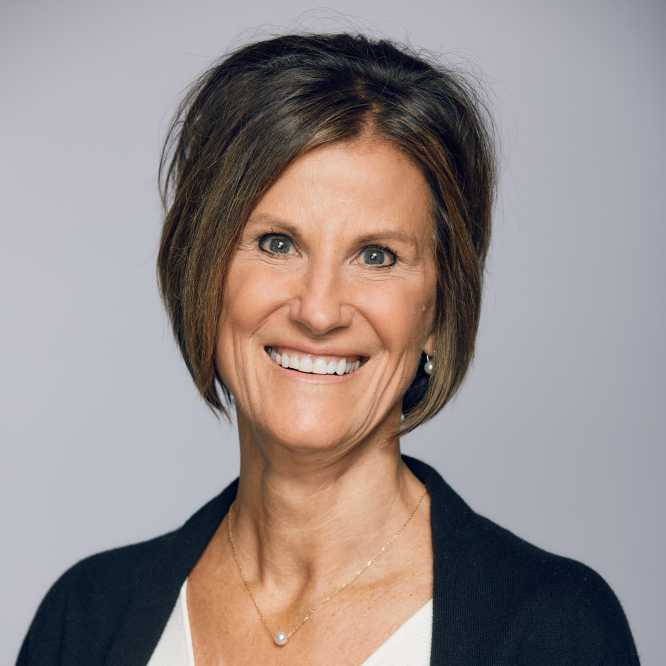
Mary Powell and the power of giving up the corner office
An arts-school graduate who never planned a corporate career, Mary Powell helped turn a Vermont utility into a testing ground for home batteries. At Sunrun, she is asking how much of the power system can begin at home.

Bruce Wang Lei and the problem with waiting for power
Before EcoFlow put batteries in homes around the world, its founder worked in an office where the air conditioning stopped at eight. Bruce Wang Lei has been finding practical ways to give people more control over electricity ever since.

AXIA Energia: The power to start again
The former Eletrobras is learning to sell a different promise: renewable power, commercial choice, and a grid that can get back on its feet.

Duke Energy and the price of always on
A cannon once helped Duke Energy reconnect a flooded river. Today, its $103 billion investment plan faces a harder problem: keeping power dependable while deciding who pays for the next wave of demand.

WEC Energy Group and the price of keeping the lights on
A $37.5 billion construction plan puts this Midwest utility at the intersection of rising electricity demand, retiring coal plants, and a deceptively simple promise: power that shows up.

Consumers Energy has a tree problem.
Michigan’s energy transition runs through a surprisingly ordinary obstacle: branches near power lines. Consumers Energy is rebuilding the grid while discovering how hard it is to retire the old one.

First Solar took a different element.
Most solar manufacturers chose silicon. First Solar chose cadmium telluride - and built a business around controlling what happens between a sheet of glass and a working power plant.

Ameren wants you to notice nothing.
The Midwest utility is spending billions on a deceptively simple product: an ordinary day. The hard part is keeping the lights on without making the bill the bigger story.

Natasha Kalergis Healey and the Art of Getting a Town to Listen
She began with social media and consumer brands. At Bantam Communications, Natasha Kalergis Healey now works on a more consequential kind of persuasion: helping energy developers earn a place in local communities.

Alex Liegl and the price of plugging in
Before he co-founded Tenet, Alex Liegl mined bitcoin in a Stanford dorm and built a mining business in West Texas. His recurring question: what happens when you change the economics of electricity?
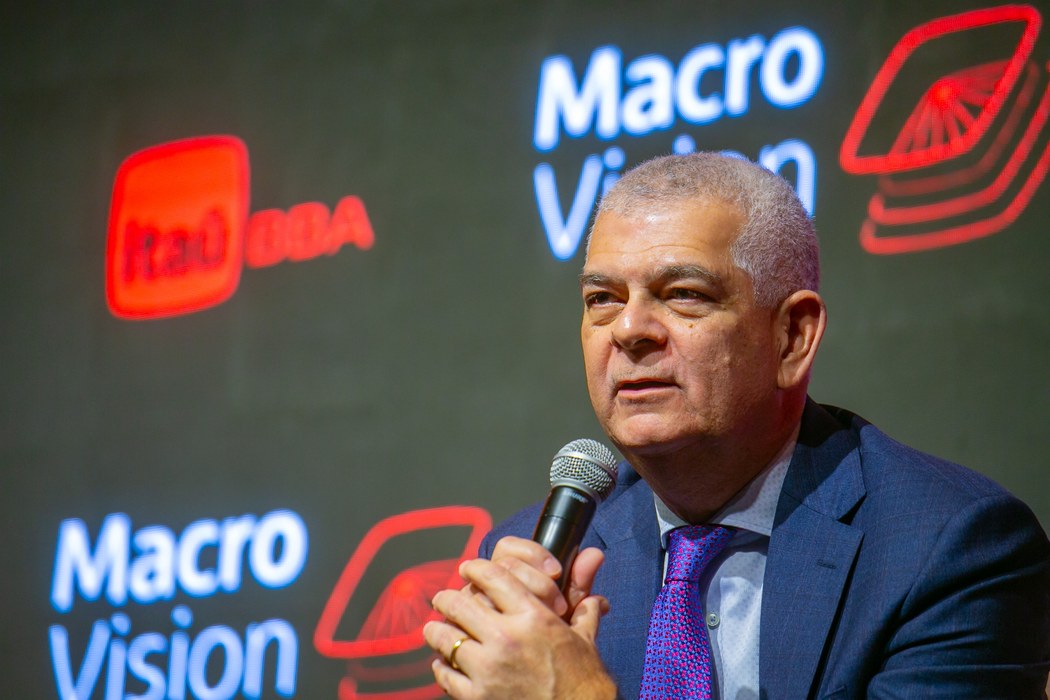
Ivan Monteiro and the long business of changing the sign
He began as a Banco do Brasil clerk and went on to lead Petrobras and AXIA Energia. His career offers a lesson in how long institutional change takes, even after the new name is on the door.

George Sakellaris and the power plant that didn’t need building
He left a Greek farming village wanting to design power plants. A career in saving energy, a company founded over a restaurant napkin, and a taste for ocean racing took George Sakellaris somewhere more interesting.

Chris Gosline and the unfinished business of clean power
With two laptops and no customers, Chris Gosline and Nicholas Speyer started SYSO. His career connected clean energy's practical problems with a quieter ambition: building a team he could trust.
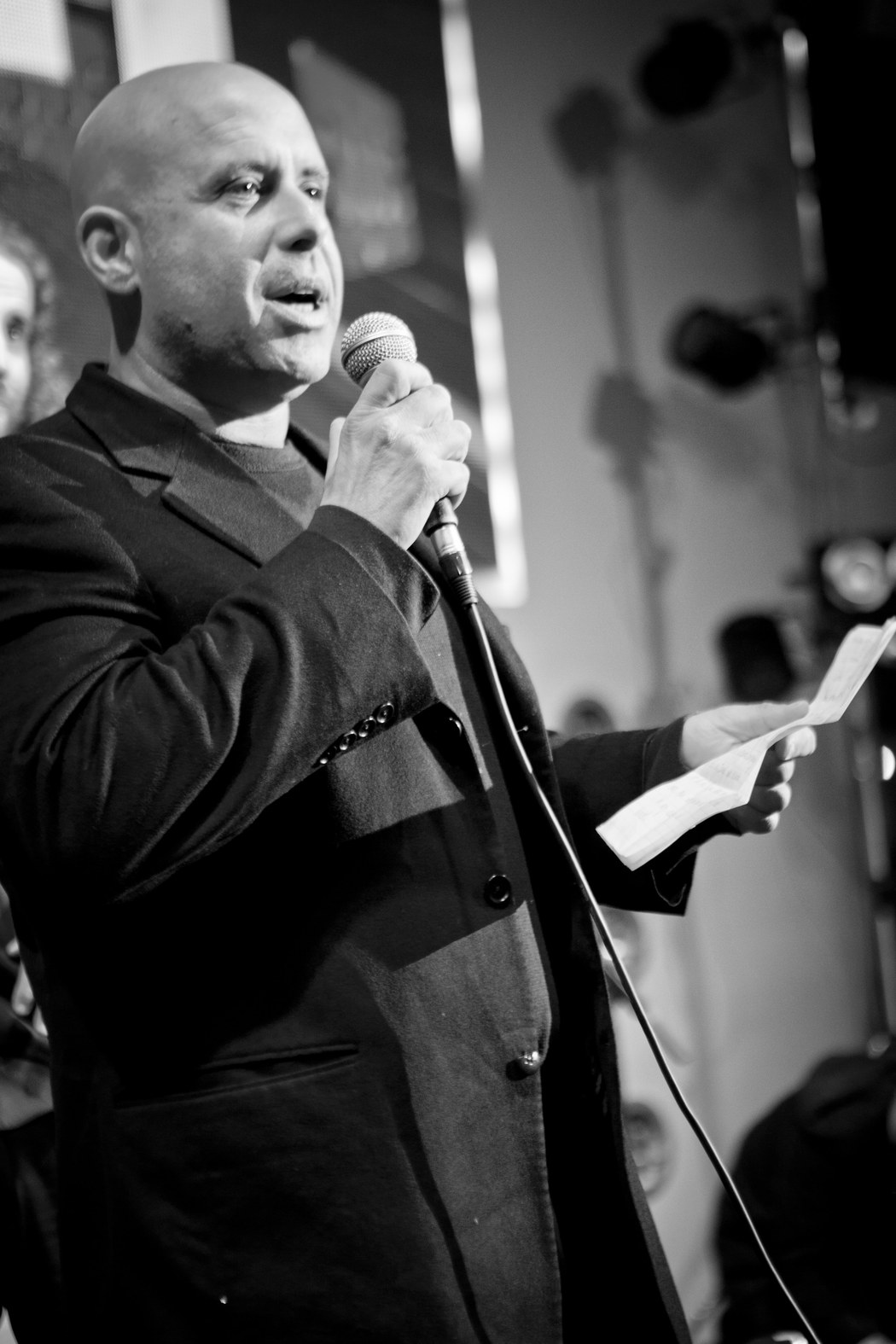
Guy Sella and the Case for Building the Whole Thing
SolarEdge began with five colleagues and a search for something worth building. Guy Sella’s insistence on making a complete system helped turn that search into a global solar business.
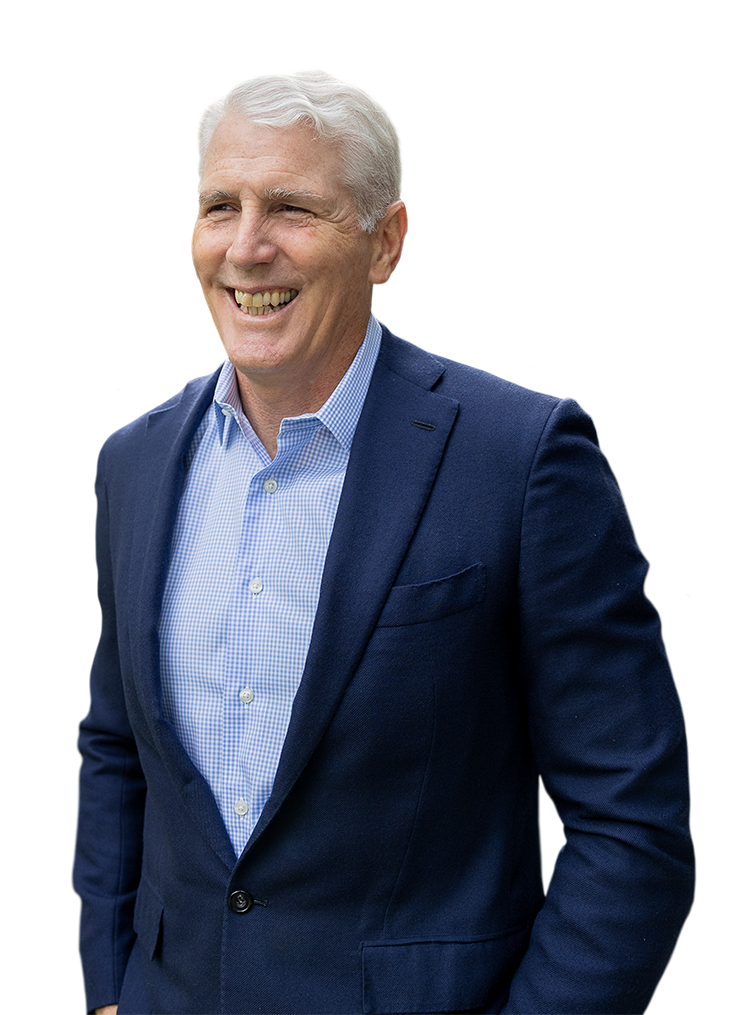
John Pimentel and the business of making the unlikely ordinary
Before co-founding 280 Earth, John Pimentel helped build wind projects and rebuild California freeways. His career keeps returning to the same awkward question: how do you turn a promising idea into something people can actually use?

Zeitview and the art of looking closer
Zeitview began by putting cameras in the sky. Its bigger business is helping the people who own power plants, roofs, and power lines decide what deserves fixing first.
Power Factors finds the missing megawatts
A renewable power plant can be running and still be leaving energy on the table. Power Factors connects the data, controls and people needed to find it.

Sujay Malve and the business of keeping the lights on
Power cuts interrupted his studies in India. Years later, the Canopy Power co-founder is building renewable microgrids for remote businesses, with a working map that now reaches into the lagoons of the Maldives.

Matt Wytock and the Value of Sitting Out
He helped automate search advertising at Google, then turned to the electricity grid. At Gridmatic, Matt Wytock is building a power business around forecasts, batteries and the judgment to know when a model has met its limits.
Richard Calleri and the price of proving the heat
After eleven years in investment banking, Richard Calleri moved into the business of understanding what lies underground. At Ignis H2 Energy, he is putting that experience to work on a geothermal portfolio where the next investment depends on the next piece of evidence.
Sameer Soleja and the nine-year overnight success
He built a clever way to enter an energy trade. Customers wanted to know what happened next. Sameer Soleja’s answer became Molecule, a Houston software company built around the daily work of trading.