wearables
(64)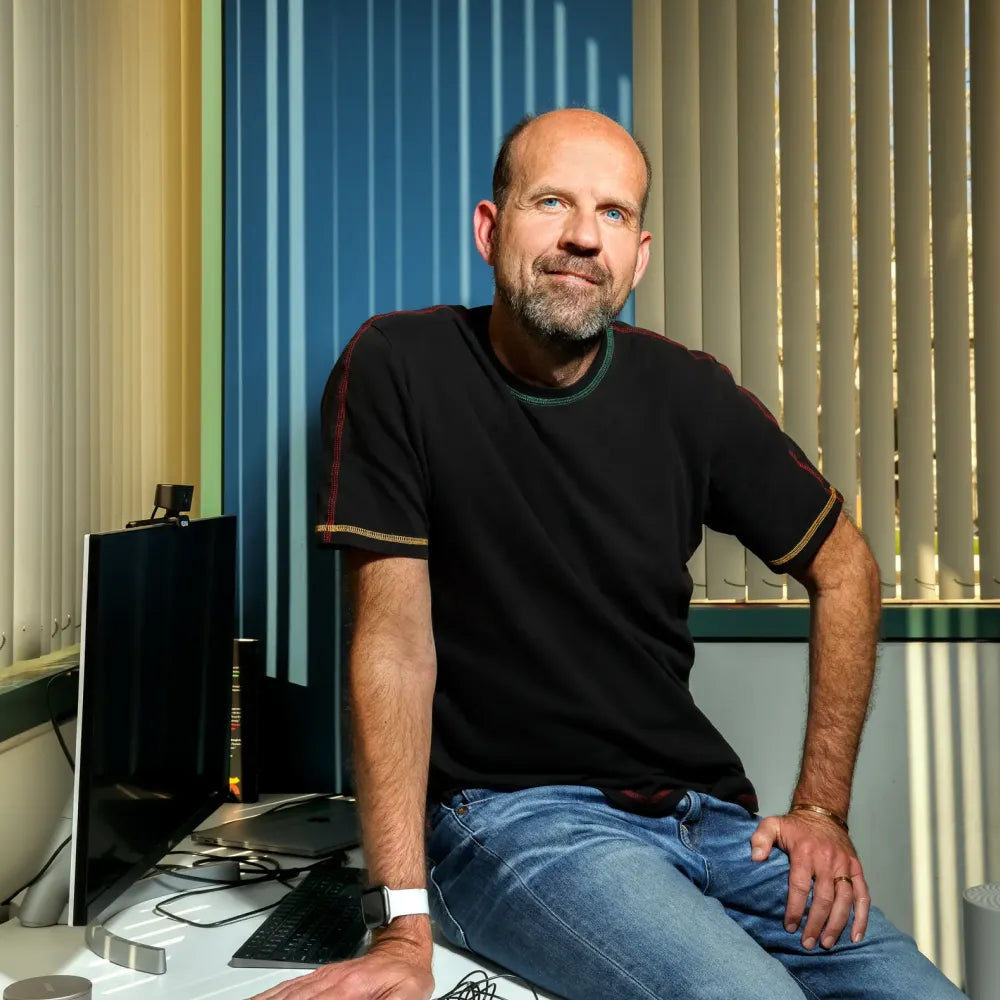
Jonathan Berent and the trouble with a good pitch
He knew how to sell an idea at Google. Building NextSense meant learning when to stop selling, listen to the objections, and start again.
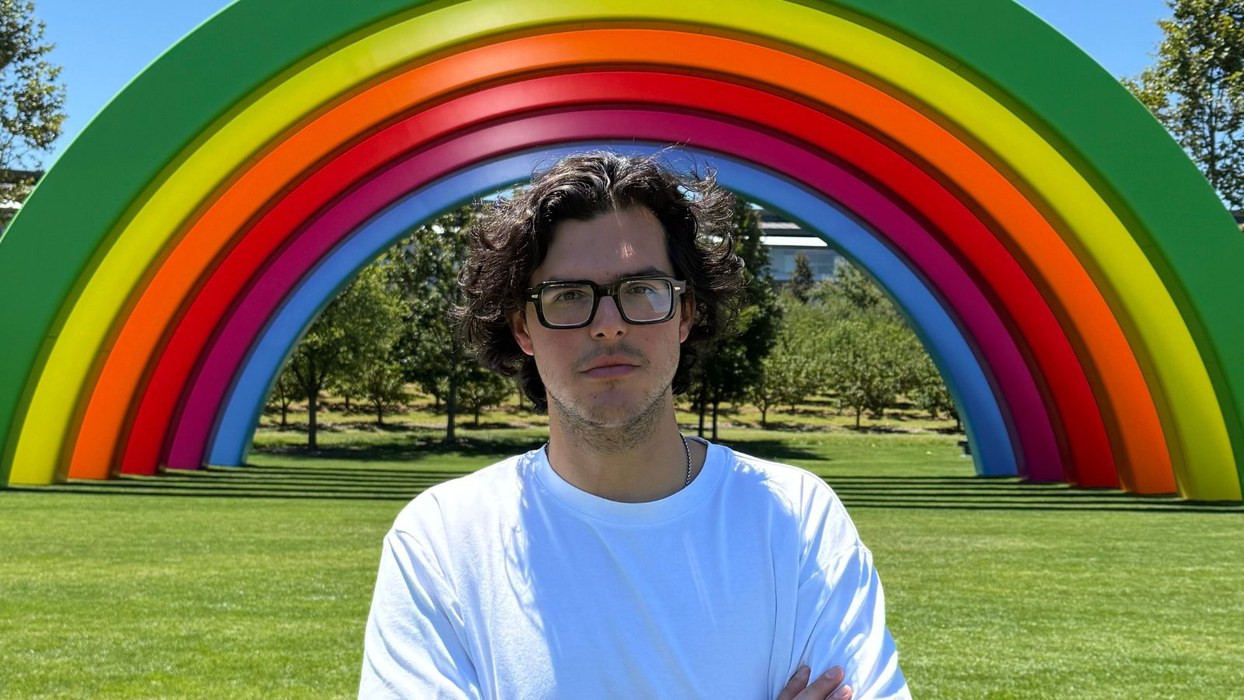
Michael Belhassen Got His Dream Job. Then He Left.
At 12, Michael Belhassen wanted to work at Apple. After five years designing iPhones, he left to build Anoria - and pursue a question he says had occupied him for a decade.
The Button That Disappeared Into the Dashboard
UltraSense made the switch disappear, then had to make sure a driver could still find it. Millions of automotive controllers later, its buried sensors are being pitched to rings, glasses, and robotic hands.
Myzone Built a Gym Community. Now You Can Bring Your Own Watch.
Myzone turned heartbeats into points and gym floors into shared scoreboards. Its next bet is that the community matters more than whose sensor you wear.

THREAD Moved the Clinical Trial to the Patient's Kitchen Table
For decades a clinical trial meant a patient driving to a site. THREAD bet the visit could come to them instead - and then bought four companies to prove it.
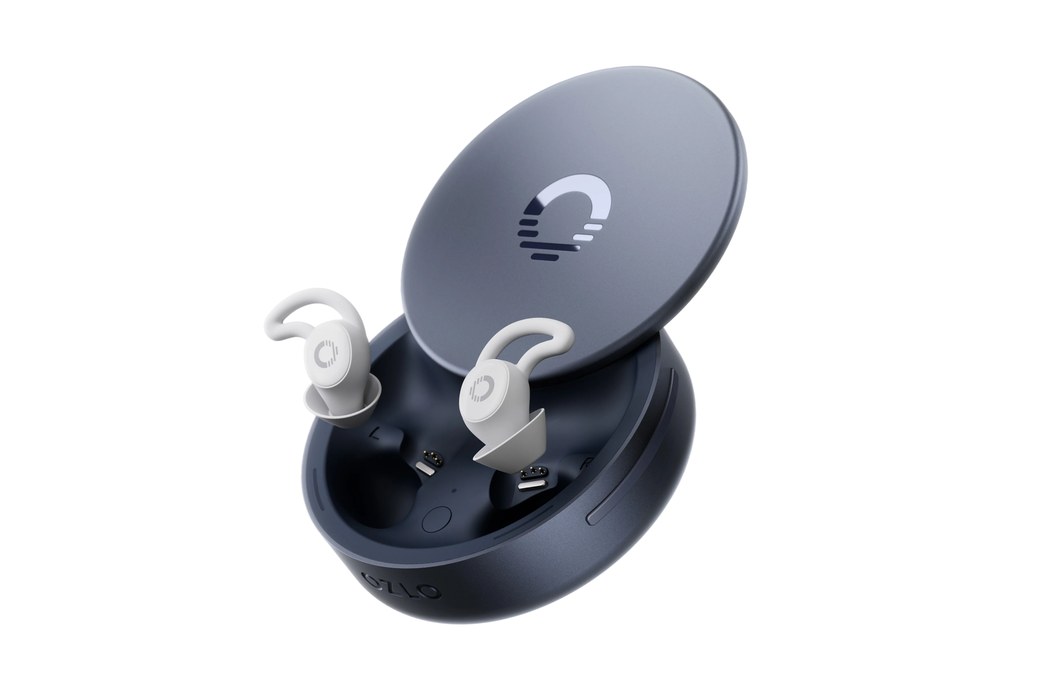
The Bose Engineers Who Refused to Let Sleepbuds Die
Bose discontinued its beloved Sleepbuds in 2020. Three of the engineers who built them bought the idea back, raised roughly $28M, and rebuilt it as a sleep-data company hiding inside a pair of earbuds.
HONOR Escaped a Sanctions Trap. Now It Wants to Build the AI Device World Without Owning It.
The smartphone brand survived by leaving Huawei. Its second act is a more interesting trick: making phones, PCs and wearables work like one AI system - while borrowing some of the best pieces from everyone else.
Garmin Spent 35 Years Being Unfashionable - Then the Fashionable Watch Blinked
It builds watches for people who leave the pavement, cockpits for people who leave the ground, and sonar for people who leave the dock. In 2025 the unglamorous approach paid a record $7.25 billion.
The Garage That Sold Google Cardboard, Then Sold America Its Whole VR Stack
A bootstrapped LA outfit began by folding cardboard goggles in a garage. A decade and 10,000-plus headsets later, it sells the whole spatial-computing stack to hospitals, factories and defense labs.
The Startup Betting Your Ears Know Your Heart Better Than Your Wrist
synseer's HealthBuds skip the wrist and the fingertip, reading your heartbeat through sound inside your ear canal. It is a bet that the next big health tracker is a thing you were already wearing to take calls.
The Watch That Fires Its Own Employer: How Cosmo Sells Parents a Phone-Killer for Their Kids
Russell York built a kids smartwatch that deliberately can't browse the web, can't open TikTok, and wants to be the last device parents buy before the smartphone talk. Then he sold enough of them to top Amazon's charts.
Apple Sells You a Smaller World, and You Keep Buying It
It started in a garage and now runs on custom silicon, a services machine, and a billion-plus devices that all talk to each other. Here is how the walled garden actually works - and why leaving it feels like moving countries.
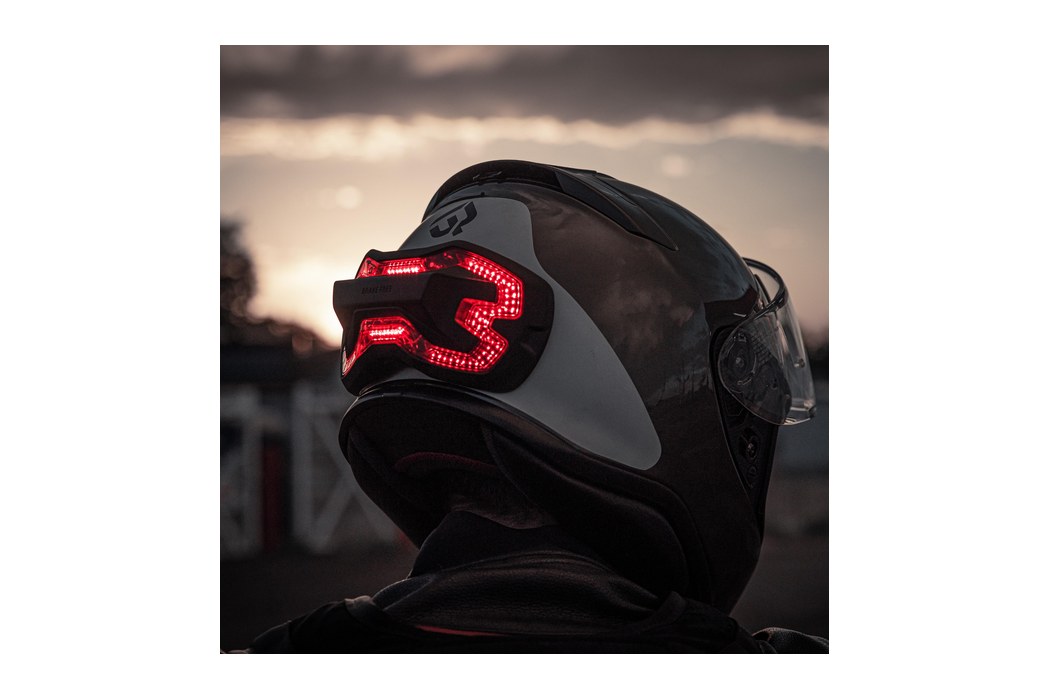
The Helmet Light That Won't Let Drivers Say They Didn't See You
A Redwood City hardware team decided the safest place for a brake light was not on the bike at all, but at eye level on your head. Here is how a $160 gadget and a patented braking algorithm ended up on 60,000-plus helmets.
The Accelerator That Bets on Atoms, Not Apps
Everyone wanted to fund the next app. N15 built a workshop for the people who make things you can hold - and turned Korea's biggest electronics market into a startup factory.
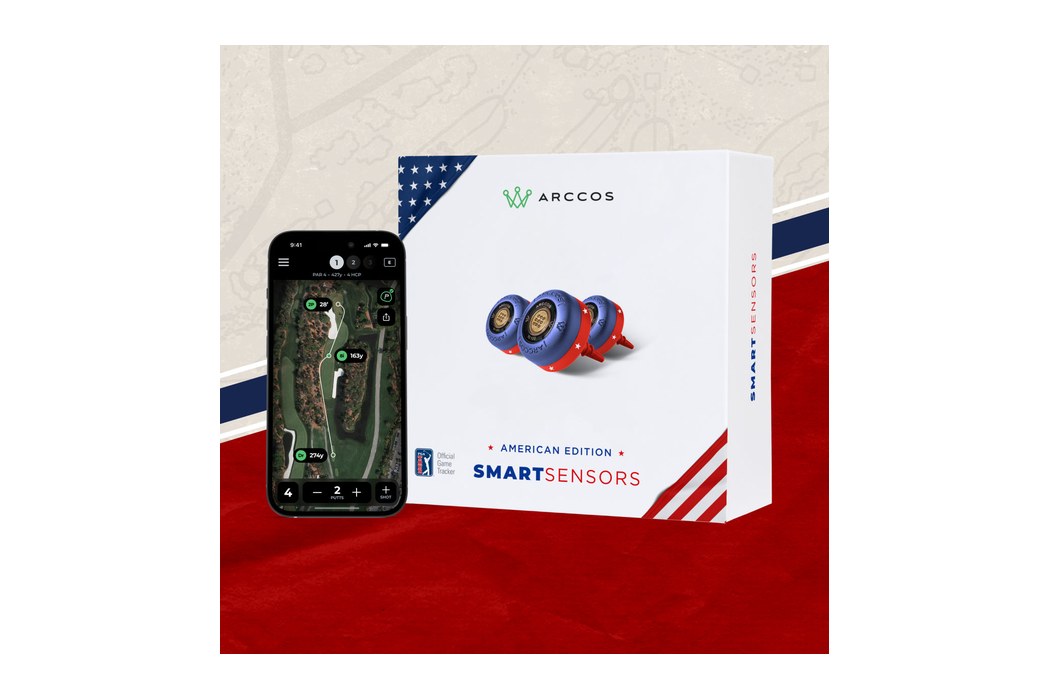
The Sensor That Turned 1.2 Billion Golf Shots Into a Caddie in Your Pocket
A trio of Yale friends bet that golfers would pay to be measured. A decade and 1.2 billion tracked shots later, Arccos runs the biggest data engine in the game - and the PGA TOUR put its name on it.
The Fitness Company That Runs Your Treadmill For You
iFIT turned a decades-old treadmill maker into a subscription platform where a trainer in Patagonia can change your machine's incline from 3,000 miles away. Here is how the Logan, Utah company built connected fitness on its own terms.
Arrow Labs
Arrow Labs is a Dubai-founded enterprise software company behind MIMS, a service-delivery and field-operations platform that connects deskless workers, assets, and back-office systems through mobile apps, wearables, and IoT. Using AI-driven scheduling, dispatch, and workflow automation, MIMS gives operations teams in telecom, oil and gas, logistics, utilities, and security real-time visibility and SLA control across distributed, mission-critical environments.
AirCaps
AirCaps builds lightweight AR smart glasses that display real-time captions, translate 60+ languages, and take AI meeting notes directly in your field of view. Founded by Yale and Cornell computer scientists who have been building on smart glasses since age 13, the company started with the Deaf and Hard of Hearing community and expanded to travelers, language learners, and professionals. The 49-gram glasses run a 4-microphone beamforming array, claim 97% caption accuracy at roughly 300ms latency, and sell for $599 with a free-forever tier.
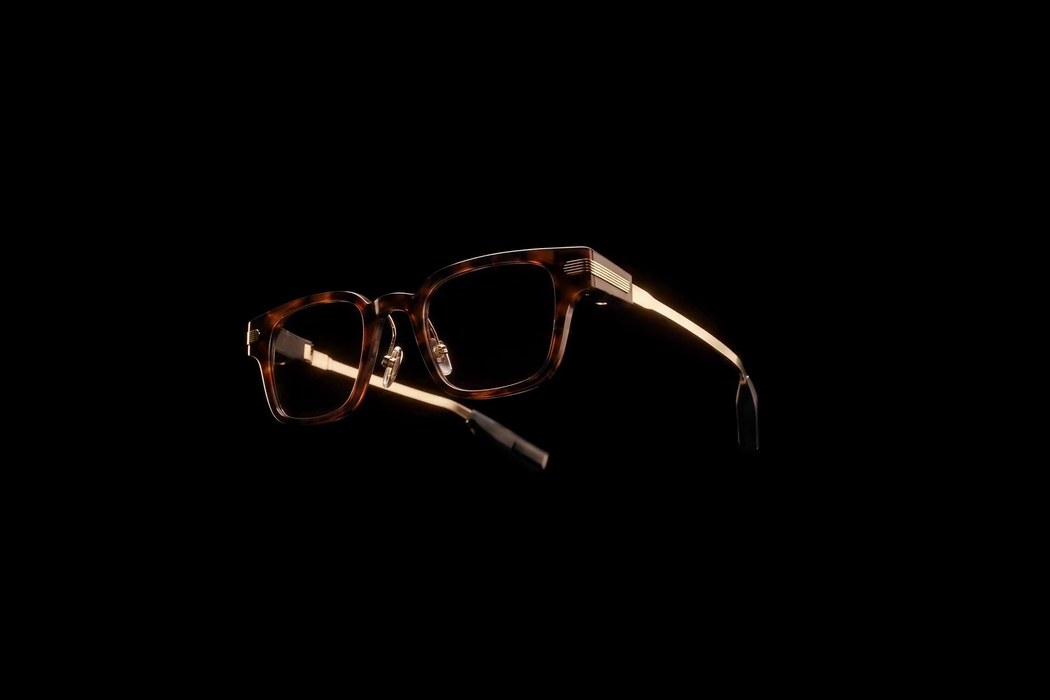
Datost
Datost is a Y Combinator (Spring 2026 / P26) startup founded by Maceo Cardinale Kwik and Jason Wang. It launched as 'the proactive AI data analyst' - a Slack-native agent with a semantic layer that scored 75.2% on the BIRD-Interact text-to-SQL benchmark versus 33% for a frontier model alone - and has since become an applied research lab building ED1TH, a 25-gram pair of AI AR smart glasses with no cameras, an in-lens display, and a companion smart ring. Backed by Y Combinator and OpenAI.

Nori
Nori is an AI health coach that connects a person's scattered health data - Apple Health, Oura, Whoop, Garmin, Peloton, nutrition apps, medical records and lab tests - into one place and turns it into a personalized daily plan. Founded in 2025 by Chartable veterans Dave Zohrob and Harish Agarwal, the New York startup is part of Y Combinator's Fall 2025 (F25) batch and aims to make health optimization feel less like a second full-time job.

Prana
Prana is a San Francisco startup building a 24/7 AI doctor that watches your health data between checkups. It pulls your medical records and wearable data into one clinical timeline, watches for early warning signs the company calls 'clinical drift' - rising blood pressure or glucose weeks before a crisis - and lets you chat with its AI for free or see a real physician for a flat $39 visit. Founded by Meer Patel, Vishvam Rawal, and Sanjit Menon, Prana launched out of Y Combinator's Winter 2026 batch.
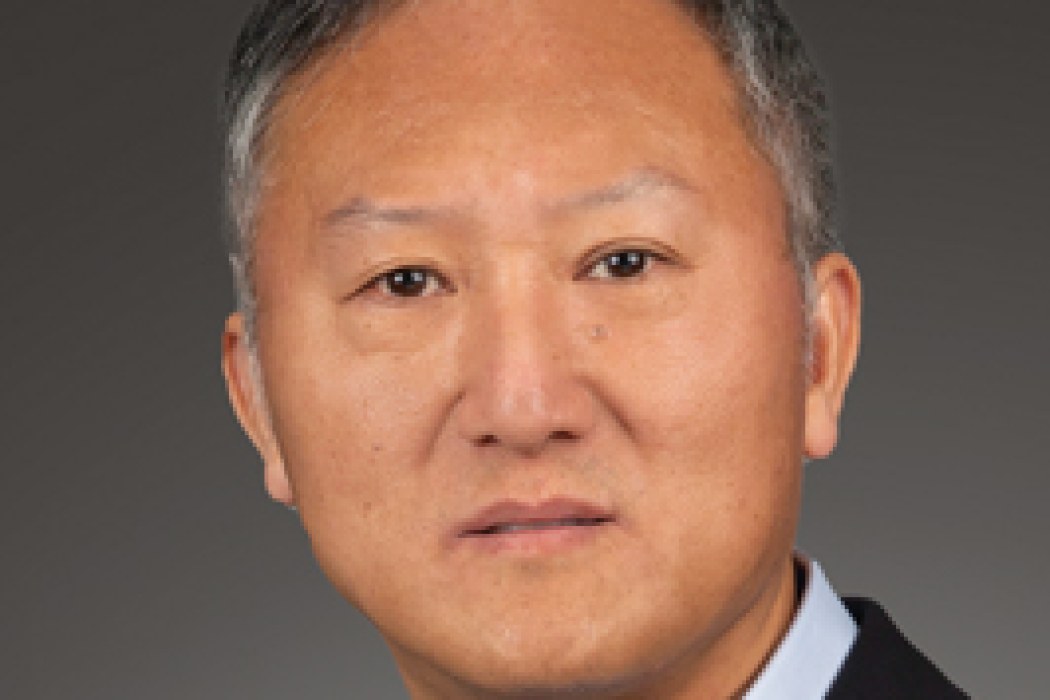
Yifeng Zhang
Yifeng Zhang is a Silicon Valley semiconductor entrepreneur and the co-founder, President and CEO of Mauna Kea Semiconductors (MKSemi), a fabless chip company building the industry's lowest-power ultra-wideband (UWB) system-on-chip solutions for wearables, IoT, smartphones and automotive. Before MKSemi he co-founded Quintic, a low-power Bluetooth and wearable SoC maker whose BLE and wearable business was acquired by NXP in 2015. He holds 15 patents in IC design and UWB technology and has spent more than two decades in digital, analog and mixed-signal design across Philips Semiconductors, NXP and ams.
Bulzi, Inc.
Bulzi, Inc. (styled Bulzī, pronounced 'bulls-eye') is a dual-use technology company that uses edge-AI and Internet of Things (IoT) sensors to deliver situational awareness, security, and safety solutions. Originally built to measure out-of-home advertising audiences by passively detecting nearby mobile devices, Bulzi adapted its RF-sensing platform for defense and public-safety missions with roughly $2M in SBIR funding from the U.S. Air Force and Army. Its products span passive C5ISR sensing (SAFER), base access control (z-BASE), and medical-grade vital-signs monitoring (BioSCOUT), serving warfighters and first responders alongside commercial advertising customers.

Neurable
Neurable is a Boston-based neurotechnology company building non-invasive brain-computer interfaces (BCIs) that fit inside everyday consumer hardware. Its AI cleans and interprets EEG brain signals captured by soft sensors embedded in products like the MW75 Neuro headphones, translating brain activity into real-time measures of focus, mental fatigue and cognitive recovery. Spun out of University of Michigan research, Neurable aims to make understanding your own brain as natural as checking your step count - starting with headphones and expanding into gaming and enterprise wearables.

DigiLens Inc.
DigiLens is a Silicon Valley optics company that designs, manufactures, and licenses holographic waveguide displays - the transparent, printed lenses that let augmented reality smartglasses overlay digital information onto the real world. Founded in 2003 as SBG Labs around a switchable Bragg grating technology, the company pairs its proprietary CrystalClear photopolymer with an inkjet-printing and holographic contact-copy process it argues can scale AR optics to consumer price points. Alongside licensing its optics to manufacturers, DigiLens builds ARGO, a standalone AR/XR smartglasses platform aimed at enterprise and industrial workers, and counts Samsung, Sony, Continental, and Niantic among its investors.
Fullpower-AI
Fullpower-AI is a Santa Cruz, California science-and-technology company that builds real-time, contactless AI biosensing for sleep, remote patient monitoring, and longevity. Founded in 2005 by camera-phone pioneer Philippe Kahn and Sonia Lee, it operates the Sleeptracker-AI platform and the KOA Large Action Model, powering more than 300,000 Tempur-Pedic smartbeds and over 1.5 million connected devices across 60+ countries, backed by 135+ patents and ISO 27001 certification.

Mauna Kea Semiconductors Corporation
Mauna Kea Semiconductors (MKSemi) is a Silicon Valley fabless chip company building what it calls the world's lowest-power ultra-wideband (UWB) technology - the short-range radio that lets phones, wearables, cars and IoT devices know precisely where they are and which direction they're pointing, down to a few centimeters. Founded in 2019 by semiconductor veterans and headquartered in Cupertino/San Jose with engineering hubs across China, MKSemi sells UWB chips, modules and SDKs, headlined by its highly integrated MK8000 SoC, to device OEMs and ODMs chasing precise location, secure ranging and radar-style sensing on coin-cell batteries.
SPARK Microsystems
SPARK Microsystems is a Montreal-based fabless semiconductor company building ultra-wideband (UWB) wireless transceivers that aim for wire-like performance without the wire. Its patented LE-UWB technology delivers ultra-low latency, high data throughput, and very low power draw, targeting applications where Bluetooth falls short: wireless audio, gaming peripherals, AR/VR and AI wearables, presence detection, and industrial IoT. Founded in 2016 by researchers out of Montreal's engineering community, SPARK has raised roughly CAD $48M+ and is scaling commercial adoption of its second-generation SR1120 transceiver.
Swave Photonics
Swave Photonics is a Belgium-based fabless semiconductor company building the world's first true holographic display chip. Spun out of imec and Vrije Universiteit Brussel in 2022, Swave's Holographic eXtended Reality (HXR) platform uses a CMOS spatial light modulator with sub-300nm 'Diffraction Pixels' to sculpt light into natural 3D images - aiming to replace the waveguides and varifocal lenses in AR glasses, heads-up displays and glasses-free 3D walls with a single scalable chip.
Ramses Alcaide
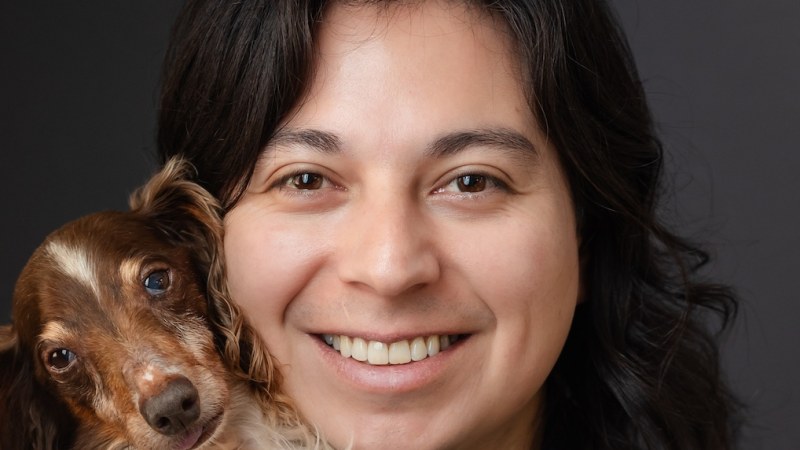
Dr. Ramses Alcaide is the co-founder and CEO of Neurable, a Boston-based neurotechnology company building brain-computer interfaces disguised as ordinary headphones. A neuroscientist trained at the University of Washington and the University of Michigan, he turned a decade of EEG research into the MW75 Neuro, a Master & Dynamic collaboration that reads brainwaves to help wearers focus. Neurable has raised roughly $49M, closed a Series A in late 2025, and unveiled a HyperX gaming headset at CES 2026.