smartphones
(19)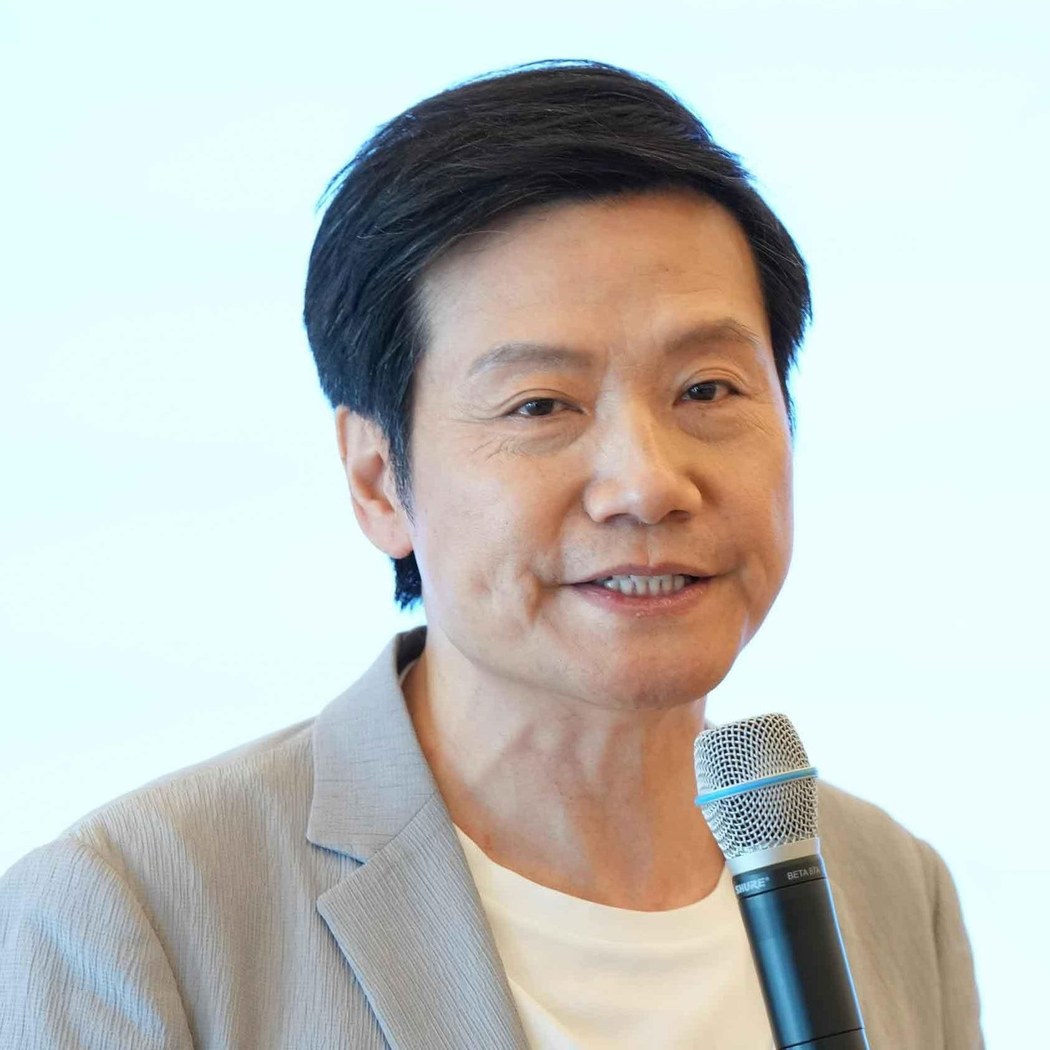
Why Lei Jun Keeps Starting Over
At 40, Lei Jun co-founded Xiaomi. At 51, he took on electric cars. Behind both decisions sits an older ambition, formed in a university library, and an unusually public willingness to be a beginner again.

Samuel Ohev-Zion and the price of belonging
Before he put BLU on a phone, Samuel Ohev-Zion knew how to get one onto a shop counter. His career turns on a deceptively simple question: how much should joining the smartphone world cost?
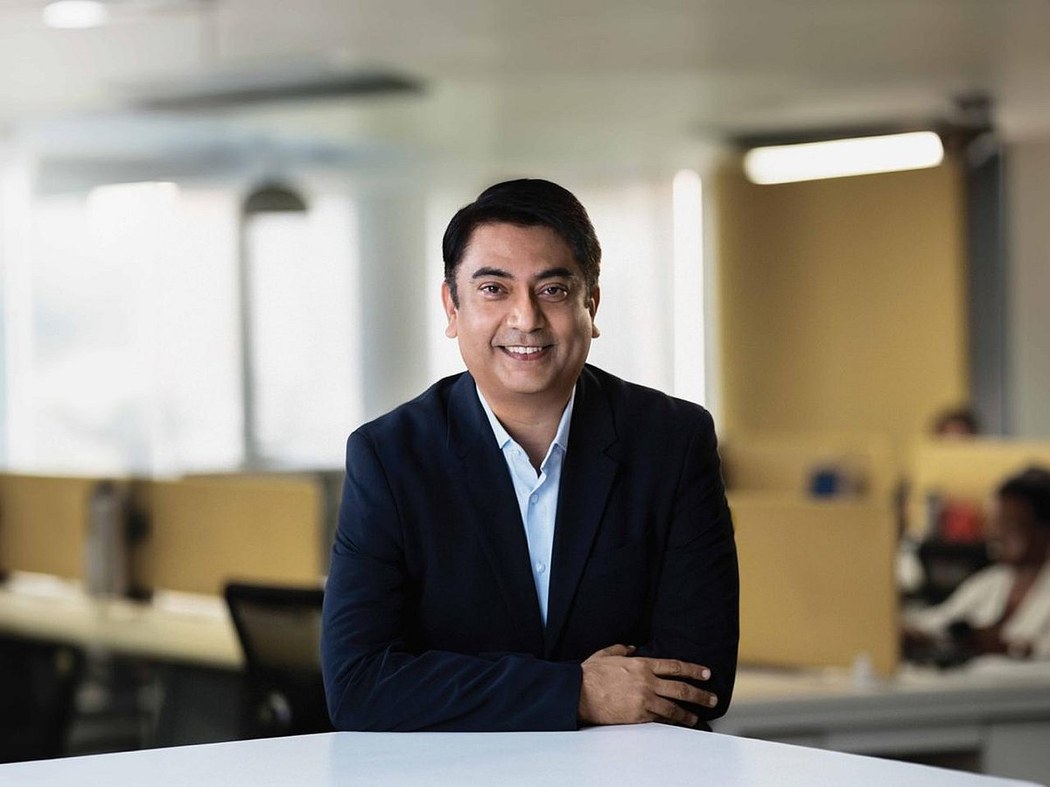
Ravi Kunwar and the unfinished business of the basic phone
From Nokia’s familiar keypad to HMD’s own smartphones, Ravi Kunwar keeps returning to a practical question: what should a phone let its owner do? His answer runs through digital payments, repairable devices, and an India-first ambition.
Xiaomi sold you the phone. Now it wants the driveway.
The bargain-phone business became a sprawling bet on connected living. Cars have made that bet bigger, costlier and much harder to get wrong.
ZTE survived the cutoff. Now it wants the computing business.
A supplier ban stopped ZTE’s major operations in 2018. Today, the telecom equipment maker is chasing AI infrastructure while keeping a hand in everything from Mexico’s mobile networks to gaming phones.

HONOR Escaped a Sanctions Trap. Now It Wants to Build the AI Device World Without Owning It.
The smartphone brand survived by leaving Huawei. Its second act is a more interesting trick: making phones, PCs and wearables work like one AI system - while borrowing some of the best pieces from everyone else.

The Kiosk That Ate 2,000 AT&T Stores
How Farid Virani turned one mall cart into the biggest AT&T retailer in the country - and what he did with the money once he got there.

The College Freshman Who Turned One Phone Store Into Verizon's Biggest Retail Army
Rich Balot opened a phone store as a college freshman in 1996. Thirty years later, Victra runs more than 1,800 Verizon stores across every state - here is how a single storefront in Wilson, North Carolina became the carrier's largest retail partner.
Motorola Lost the Smartphone Race. Then It Learned to Sell the Fold.
The company that put a radio in the car and a phone in the hand spent years being bought, sold and outpaced. Its comeback offers a sharper lesson: heritage works only when it is attached to a product people can recognize across the room.

Wireless Next Is the Quiet Miami Wholesaler Betting Retailers Need Speed More Than Another Catalog
Its catalog is familiar. Its real product is timing - getting the right devices into the hands of Latin American retailers before demand moves on.

The Verizon Store From Grand Forks That Quietly Passed 100 Locations
It sells the same phones as everyone else. The bet BeMobile made was on the 20 minutes after you buy one.

BCI
From smartphone counters to command centers, the Ramallah company has built a regional technology business around an unglamorous advantage: getting complex products into people’s hands, then keeping them working.

PT. Pricebook Digital Indonesia
PT. Pricebook Digital Indonesia operates Pricebook (pricebook.co.id), a price-comparison and product-discovery platform for consumer electronics in Indonesia. Founded in 2013 by Japanese entrepreneur Tomonori Tsuji as the Indonesian arm of Japan's Pricebook Co., Ltd., it aggregates specifications, reviews and real-time prices for smartphones, laptops, cameras and other gadgets from both online and offline stores, plus tech news and user forums. The service helps millions of shoppers make buying decisions while giving thousands of retailers exposure and market data.
Samsung
Samsung Electronics is a South Korean multinational and the flagship of the Samsung Group, one of the world's largest technology companies. It designs and manufactures smartphones, TVs, home appliances, displays, and memory and logic semiconductors. Best known for its Galaxy mobile line, Samsung is also the world's largest memory-chip maker and a central supplier of components to the wider electronics industry - including rivals. The company operates around the mission 'Inspire the World, Create the Future.'

TDK InvenSense
TDK InvenSense designs the tiny MEMS sensors that let machines feel the physical world - motion, sound, pressure and ultrasound. Founded in San Jose in 2003 and acquired by Japan's TDK Corporation in 2017, it pioneered the integrated 6-axis IMU and ships motion, microphone and ultrasonic sensors into smartphones, wearables, drones, cars, robots and industrial systems. Its work pairs CMOS-MEMS hardware with proprietary fusion firmware and increasingly edge AI, turning raw physics into usable signals for billions of devices.

WonderHowTo Network
WonderHowTo Network is a Santa Monica-based digital media company that helps curious people learn how to do almost anything. Founded in 2006 by former TV executive Stephen Chao and technologist Michael Goedecke, it began as a search engine and directory for instructional how-to videos and grew into a network of specialized brands - Gadget Hacks, Null Byte, Next Reality, Food Hacks Daily and more - covering smartphones, white-hat hacking, augmented reality and everyday DIY. At its peak the network reached roughly 12 million monthly unique visitors.
Huawei
Huawei is a Shenzhen-based technology company and the world's largest maker of telecommunications equipment. Founded in 1987 by Ren Zhengfei, it now spans carrier networks, enterprise ICT, cloud computing, digital power, and a consumer business that builds smartphones, wearables, and the homegrown HarmonyOS operating system. Despite years of U.S. sanctions, the company posted roughly 880.9 billion yuan in 2025 revenue and pours over a fifth of that back into R&D.
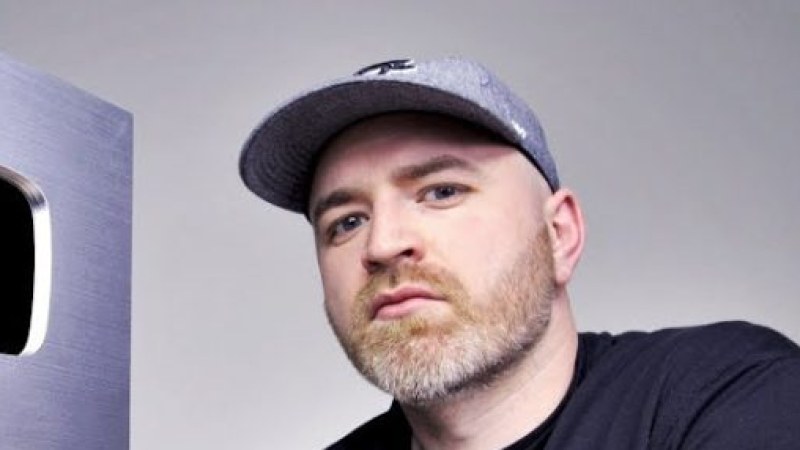
Lewis Hilsenteger
Lewis Hilsenteger is the Canadian creator behind Unbox Therapy, one of YouTube's largest technology channels with over 25 million subscribers and nearly 5 billion total views. Known for his authentic, unscripted reactions to gadgets and consumer electronics, he rose to global fame in 2014 with the viral 'iPhone 6 Plus Bend Test' video that sparked the worldwide 'Bendgate' controversy. Beyond YouTube, he runs a second channel 'Lew Later,' founded Latercase — a minimalist smartphone case brand using aerospace-grade aramid fiber — and has collaborated with brands including Samsung, Apple, Google, and Intel.
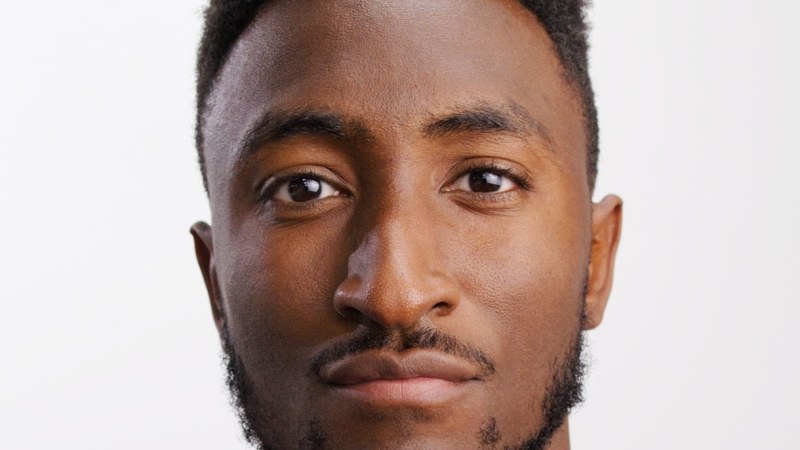
Marques Brownlee
Marques Brownlee, known as MKBHD, is the internet's most-trusted voice on consumer technology. Starting his YouTube channel at 14 while still in high school, he built a 20+ million subscriber empire on the back of obsessive production quality and a consumer-first perspective. Beyond reviewing gadgets, he co-hosts the Waveform podcast, serves as board member and chief creative partner at Ridge, is a 2022 WFDF World Champion in ultimate frisbee, and was named to TIME's 100 Most Influential People in AI in 2024.