cancer
(29)
Antares Therapeutics
Antares Therapeutics is a Boston-based biotechnology company that discovers small-molecule precision medicines against historically 'undruggable' targets in cancer and other serious diseases. Spun out of Scorpion Therapeutics in June 2025 with $177 million in Series A financing, Antares combines proprietary compound libraries, next-generation mass spectrometry, chemical proteomics, and machine-learning-driven computational chemistry to find new binding pockets on proteins - such as transcription factors - that were long considered impossible to drug. Its lead program is slated to enter the clinic in 2026, and the company signed a collaboration worth up to $1.9 billion with Novartis in mid-2026.
Ensem Therapeutics
Ensem Therapeutics is a Waltham, Massachusetts clinical-stage biotech using its Kinetic Ensemble platform - a blend of AI/ML, molecular simulation, and experimental biophysics - to find cryptic and allosteric pockets in proteins that are otherwise considered difficult to drug. The company designs small-molecule precision medicines for cancer, with two lead programs: ETX-636, an allosteric pan-mutant-selective PI3Kalpha inhibitor and degrader for breast cancer (FDA Fast Track), and ETX-197/BG-68501, a selective CDK2 inhibitor partnered with BeiGene.

HERVolution Therapeutics
HERVolution Therapeutics is a Copenhagen-based biotechnology company developing immunotherapies that target human endogenous retroviruses (HERVs) - dormant remnants of ancient viruses embedded in human DNA that can reactivate with age and disease. Formerly named InProTher, the company has engineered a proprietary platform that redesigns these 'dark genome' antigens to break immune tolerance, making them visible to the immune system for the first time. Its off-the-shelf vector-based pipeline, led by IPT-001, aims to treat cancer, metabolic disease, and other diseases of aging.
Mirror Biologics, Inc.
Mirror Biologics is a clinical-stage, international biopharmaceutical company developing an 'off-the-shelf' class of immunotherapy built on living, non-genetically-manipulated immune cells. Its patented Mirror Effect platform - protected by more than 200 issued patents - powers a pipeline led by AlloStim for cancer, AlloPrime as a universal anti-viral vaccine for the elderly, and StimVax as a neoantigen vaccine. Headquartered in Tampa, Florida with GMP manufacturing in Jerusalem and clinical operations across Thailand and Malaysia, the company is advancing AlloStim into late-stage trials, including a Phase II metastatic colorectal cancer study run in collaboration with Merck KGaA.
PIC Therapeutics
PIC Therapeutics is a Natick, Massachusetts biotechnology company developing small-molecule precision medicines that target cancer at the level of protein translation. Rather than chasing individual oncogenes one at a time, PIC modulates the Pre-Initiation Complex (PIC) and the translation factor eIF4E - a convergence point for many oncogenic signaling pathways - to selectively shut down the production of cancer-driving proteins while sparing healthy cells. Founded on the research of Harvard structural biologist Gerhard Wagner and led by CEO Katherine Bowdish, the company is advancing an allosteric eIF4E modulator toward first-in-human studies in drug-resistant metastatic breast cancer, backed by a $35M Series A led by OrbiMed.
Scorpion Therapeutics
Scorpion Therapeutics was a Boston-based, clinical-stage precision oncology company built to advance what it called "Precision Oncology 2.0" - pairing cancer biology, computational chemistry, medicinal chemistry and genomics to design small-molecule drugs against cancer targets that had resisted earlier approaches. Founded in 2020 by a group of prominent scientists and biotech operators, it raised more than $440 million and built a pipeline of mutant-selective inhibitors, most notably the PI3K-alpha inhibitor STX-478 and a franchise of fourth-generation EGFR inhibitors. In January 2025 Eli Lilly agreed to acquire the company and its PI3K-alpha program in a deal worth up to $2.5 billion, while Scorpion's remaining pipeline and staff were spun into a new independent company, Antares Therapeutics.

Shorla Oncology
Shorla Oncology is a specialty pharmaceutical company based in Clonmel, Ireland, with a U.S. base in Cambridge, Massachusetts, that develops and commercializes innovative oncology drugs for orphan and pediatric cancers. Founded in 2018 by Sharon Cunningham and Orlaith Ryan, Shorla focuses on indications where existing treatments are limited, in shortage, or poorly suited to patients - reformulating and reinventing cancer therapies into easier-to-administer forms such as oral liquids and ready-to-dilute vials. The company markets four FDA-approved products in the U.S. and is advancing an early-stage pipeline addressing rare cancers.
Iker Huerga
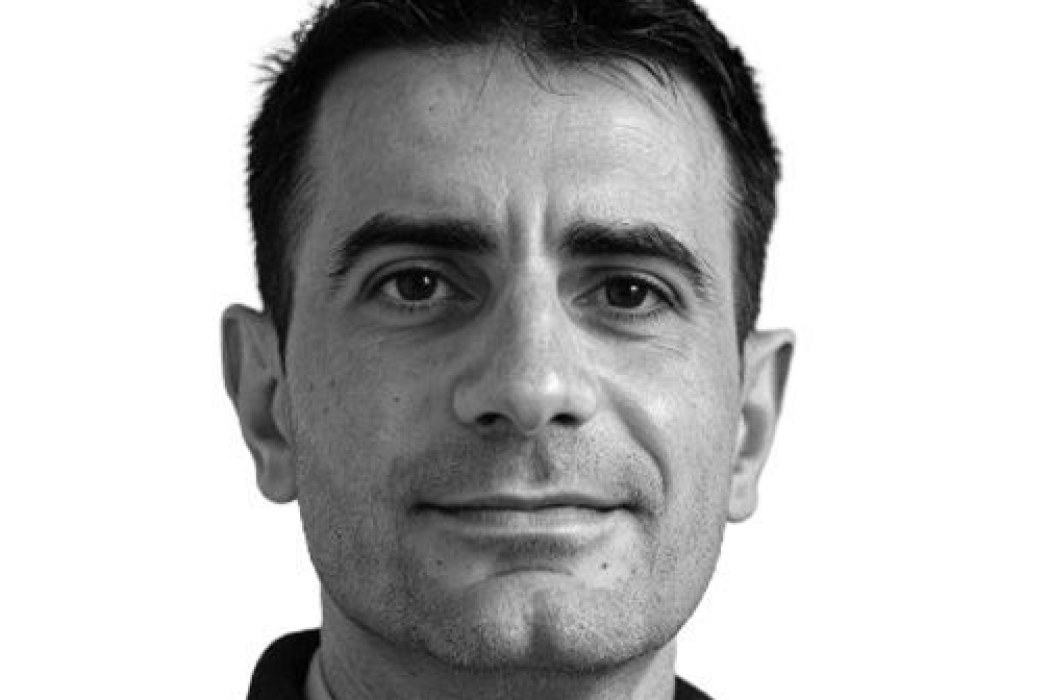
Iker Huerga is the CEO of Pathos AI, a New York- and Chicago-based biotech building what it calls the first true AI-enabled drug development platform for oncology. A data scientist by training with more than two decades at the intersection of machine learning and cancer research, he previously served as Chief Data Scientist for Oncology R&D at AstraZeneca and as an EVP at Tempus Labs, and founded three oncology companies with two successful exits. He took the helm at Pathos in May 2025, days before the company closed a $365 million Series D that valued it at roughly $1.6 billion, with a stated mission to get the right therapies to the right patients, sooner.
Fortitude Biomedicines
Fortitude Biomedicines is a Waltham, Massachusetts biotech that launched in early 2026 with $13M in seed financing to develop next-generation antibody-based therapies for autoimmune diseases and cancer. Its proprietary GLUE-DAC platform bolts molecular glue degraders onto antibody-drug conjugates, aiming to use catalytic targeted protein degradation to widen the therapeutic window of ADCs and overcome the resistance that has dogged the field. Its lead program, FORT-202, is a first-in-class T-cell targeting bispecific antibody for axial spondyloarthritis expected to reach the clinic in the first half of 2027.

Pheast Therapeutics
Pheast Therapeutics is a clinical-stage biotech engineering the innate immune system to attack cancer. Its lead drug, PHST001, is an anti-CD24 macrophage checkpoint inhibitor designed to flip the 'don't eat me' signal that solid tumors use to hide from the body's first-line defenders.
Michael Shih
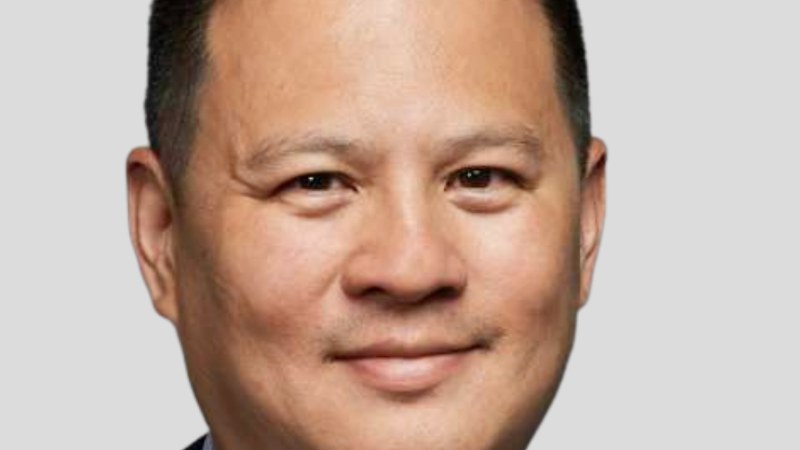
Michael Shih is the Chief Executive Officer of NeoPhore Ltd, a London-based small molecule neoantigen immuno-oncology company developing first-in-class drugs that target the DNA mismatch repair (MMR) pathway to make cancers more visible to the immune system. An attorney by training with degrees in biology, he spent nearly two decades structuring biotech deals before sitting in the chief executive's chair, with senior business development and corporate development roles at Kite Pharma, Biogen, Sanofi, Epizyme, Forest Laboratories, Kastle Therapeutics and Eisai. He took the helm at NeoPhore in December 2024, right after the company closed an oversubscribed Series B round backed by Bristol Myers Squibb.
858 Therapeutics
858 Therapeutics is a clinical-stage biotechnology company in San Diego building small-molecule cancer drugs aimed at novel targets in DNA damage response, RNA modulation, and innate immunity. Its lead candidate, the oral PARG inhibitor ETX-19477, is in a first-in-human Phase 1/2 trial for advanced solid tumors and has won FDA Fast Track designation for BRCA-mutated, platinum-resistant ovarian cancer. Founded in 2019 by a serial team of San Diego drug developers, the company has raised $110 million across Series A and B financings.

Arsenal Biosciences, Inc.
Arsenal Biosciences (ArsenalBio) is a clinical-stage, programmable cell therapy company in South San Francisco engineering CAR-T cell therapies for solid tumors. By combining CRISPR genome engineering, synthetic biology, high-throughput target discovery and machine learning, it builds 'integrated circuit T cells' that carry logic gates and multiple drug functions to attack tumors while sparing healthy tissue. Founded in 2019 by surgeon-executive Ken Drazan with leading academic immunologists, the company has raised roughly $850M total, including an oversubscribed $325M Series C in 2024 backed by ARCH, NVIDIA's NVentures, Regeneron Ventures and Bristol Myers Squibb.

Circle Pharma, Inc.
Circle Pharma is a South San Francisco biotechnology company building intrinsically cell-permeable, orally available macrocycle therapeutics to hit cancer targets long considered undruggable. Spun out of UCSF and UC Santa Cruz in 2012, it pairs structure-based design, AI/ML, physics-based simulation, and advanced synthetic chemistry in its proprietary MXMO platform. Its lead program, CID-078, is a first-in-class oral cyclin A/B RxL inhibitor now in a Phase 1 trial for advanced solid tumors. The company has raised more than $200 million in total funding, including a $90 million Series D in 2024.
Delphia Therapeutics
Delphia Therapeutics is a Cambridge, Massachusetts biotech pioneering a new field of cancer biology it calls activation lethality - the idea that cancer cells with oncogenic mutations live dangerously close to the upper limit of how much pathway activity they can tolerate, and can be pushed past it. Rather than blocking cancer signals like most drugs, Delphia designs targeted activators that overload cancer's stress pathways until the cell dies, aiming for durable benefit and a way around drug resistance. Founded in 2024 by Kevin Marks, Bill Sellers and Mike Dillon, it launched with a $67 million Series A led by GV, Nextech Invest, Polaris Innovation Fund and Alexandria Venture Investments.

Fore Biotherapeutics
Fore Biotherapeutics is a Philadelphia-based, registration-stage precision oncology company developing targeted therapies for patients with hard-to-treat cancers. Its lead candidate, plixorafenib, is a next-generation BRAF inhibitor (a 'dimer breaker') aimed at BRAF-altered solid tumors, including BRAF V600E-mutated high-grade glioma, for which it received FDA Breakthrough Therapy Designation in 2026. Spun out of the Israeli functional-genomics company NovellusDx, Fore has raised more than $200M to push plixorafenib toward an accelerated FDA approval pathway.

MaveriX Oncology, Inc.
MaveriX Oncology is a Palo Alto biotech developing conditionally activated small molecule drug conjugates (CA-SMDCs) that exploit tumor-associated hydroxylase biology to deliver cytotoxic and immunomodulatory payloads selectively to solid tumors. Its IMPACT-2X platform aims to widen the therapeutic window of chemotherapy and immunotherapy, killing cancer cells while turning 'cold' immunosuppressive tumors 'hot.' Founded by veteran oncology drug developers and backed by PPF Group and SOTIO, the company's lead program is MVX-5005.

Noetik
Noetik is an AI-native biotechnology company building foundation models of human cancer biology to discover precision immunotherapies. It pairs one of the world's largest proprietary spatial-omics datasets - hundreds of millions of spatially resolved tumor and immune cells - with a high-throughput in vivo CRISPR Perturb-Map platform to train multimodal virtual cell models like OCTO-VC. These models simulate gene expression, cell states, and tumor-immune interactions, letting researchers find drug targets and predict patient response computationally. Founded in 2022 by former Recursion leaders Ron Alfa and Jacob Rinaldi, Noetik has raised roughly $62M and licenses its models to pharma, including an anchor partnership with GSK.

Synnovation Therapeutics
Synnovation Therapeutics is a Wilmington, Delaware precision medicine company building small-molecule cancer drugs aimed at validated oncology targets where greater potency and selectivity could beat the current standard of care. Founded in 2024 by a team of former Incyte medicinal chemistry leaders, it launched with a $102 million Series A led by Third Rock Ventures. Its lead programs are SNV1521, a CNS-penetrant, highly selective PARP1 inhibitor, and SNV4818, a mutant-selective PI3K-alpha inhibitor whose subsidiary Pikavation Therapeutics was acquired by Novartis in March 2026 for $2 billion upfront.

Michael Vidne
Michael Vidne is a Columbia-trained applied mathematician turned biotech founder who has spent the last decade moving cancer medicine from the lab bench to the clinic. He led the diagnostics company NovellusDx as CEO, steered its pivot into the precision-oncology drug developer Fore Biotherapeutics, and now builds at the intersection of AI, data, and healthcare as founder and CEO of the stealth-mode Baobab Therapeutics. His through-line: using rigorous models of complex systems - first neurons firing in the retina, later signaling pathways inside a tumor cell - to make treatment decisions that actually fit the patient in front of you.
TORL BioTherapeutics LLC
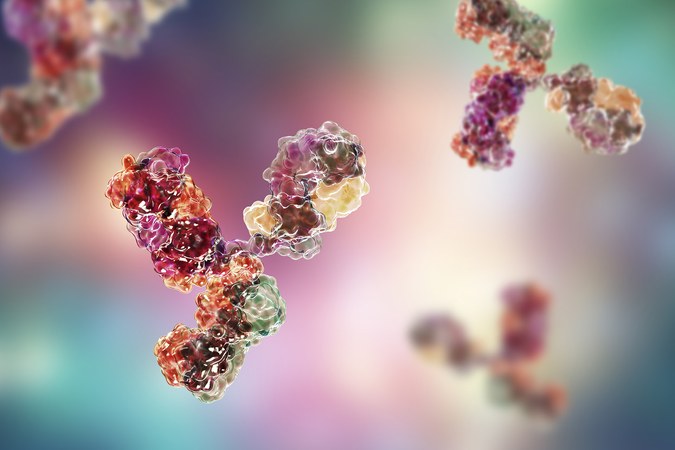
TORL BioTherapeutics is a clinical-stage biopharmaceutical company in Culver City, California developing antibody-based cancer therapies, including antibody-drug conjugates (ADCs) and monoclonal antibodies. Built on discoveries from the UCLA laboratory of Dennis Slamon - the scientist behind Herceptin and Ibrance - TORL is advancing a pipeline against novel cancer targets such as Claudin 6, Claudin 18.2, CDH17, and DLK1. Its lead program, TORL-1-23 (ixotatug vedotin), a CLDN6-targeted ADC, is in pivotal trials for platinum-resistant ovarian cancer. The company has raised over $450 million across multiple rounds, including a $96 million Series C in October 2025.

Treeline Biosciences
Treeline Biosciences is a Watertown, Massachusetts biotech founded in 2021 by Loxo Oncology founder Josh Bilenker and former Novartis oncology head Jeff Engelman. It pairs in-house wet-lab R&D with leading-edge computational tools to invent cancer medicines reliably and repeatedly, choosing targets by what the technology can reach rather than by therapeutic fashion. After operating largely in stealth, Treeline has raised more than $1.1 billion and moved three programs - a BCL6 degrader, a pan-KRAS inhibitor, and an EZH2 inhibitor - into Phase 1 trials. In June 2026 it agreed to go public through an all-stock reverse merger with Standard BioTools, with the combined company set to trade on Nasdaq as 'TRLN'.

Aleta Biotherapeutics
Aleta Biotherapeutics is a Natick, Massachusetts immuno-oncology company building CAR T Engagers (CTEs) - simple biologic proteins that make existing CAR-T cell therapies work better. Its lead drug, ALETA-001, bridges a patient's CD19-targeted CAR T-cells to CD20 on cancer cells, aiming to rescue patients who relapse after standard CAR-T treatment for B-cell cancers. Founded in 2015 by Paul Rennert and Roy Lobb, the company is running a Phase 1/2 trial in the UK with Cancer Research UK and reported encouraging early data in December 2025.
BlueSphere Bio
BlueSphere Bio is a Pittsburgh-based clinical-stage biotechnology company developing personalized T-cell receptor (TCR) therapies for cancer. Spun out of the University of Pittsburgh and UPMC Enterprises in 2017, the company's proprietary TCXpress platform rapidly discovers and screens natural T-cell receptors that can target cancer antigens hidden inside cells - a reach beyond what conventional CAR-T therapies achieve. Its lead programs target high-risk hematologic malignancies such as relapsed/refractory acute myeloid leukemia.
Myricx Bio
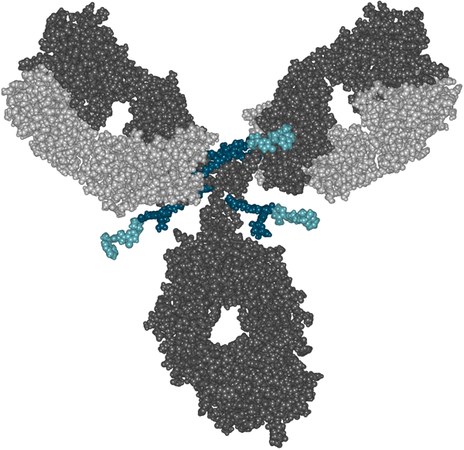
Myricx Bio is a London-based oncology biotech developing a completely new class of payloads for antibody-drug conjugates (ADCs), built on inhibitors of N-myristoyltransferase (NMT). Spun out of Imperial College London and the Francis Crick Institute, the company aims to give ADCs a fresh way to kill cancer cells that resist today's standard payloads. In July 2024 it closed a £90m ($114m) Series A, one of Europe's largest biotech rounds that year, to push its NMTi-ADC pipeline toward clinical trials.

SurvivorNet
SurvivorNet is a New York-based digital media company built to be a trustworthy, expert-vetted source of cancer information. Founded by former ABC News producer Steve Alperin and healthcare venture capitalist Tim Langloss, it pairs broadcast-quality video and survivor storytelling with content reviewed by oncologists at leading cancer centers. The platform reaches roughly 2.5 million people a month and operates an AI-powered Clinical Trial Finder built on clinicaltrials.gov to connect patients with relevant studies.

CatalYm GmbH
CatalYm is a German clinical-stage biotech developing visugromab, a GDF-15 neutralizing monoclonal antibody designed to reverse immunotherapy resistance in solid tumors and address cancer cachexia.
Cheng Liu
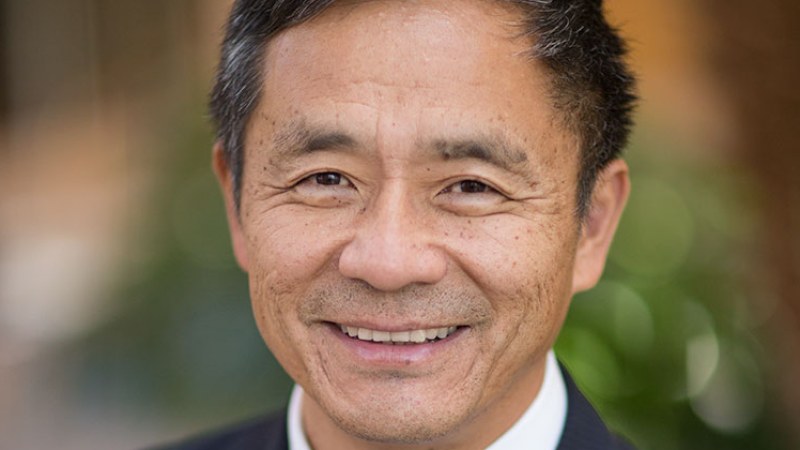
Cheng Liu is the founder, President, and CEO of Eureka Therapeutics, Inc., a clinical-stage biopharmaceutical company based in Emeryville, California. A molecular cell biologist trained at UC Berkeley and Peking University, Liu invented a novel class of TCR mimic antibodies that allow engineered T cells to recognize intracellular tumor antigens - a major challenge in treating solid tumors. Since founding Eureka in 2006 after a decade at Chiron/Novartis, he has built a pipeline of ARTEMIS T-cell therapies targeting liver cancer, multiple myeloma, and neuroblastoma, with the company's ECT204 program earning FDA RMAT Designation in January 2026 - one of the highest-priority designations the FDA gives to regenerative medicine therapies. Eureka has raised over $168 million in total funding and holds more than 500 patents worldwide.
Ron Alfa
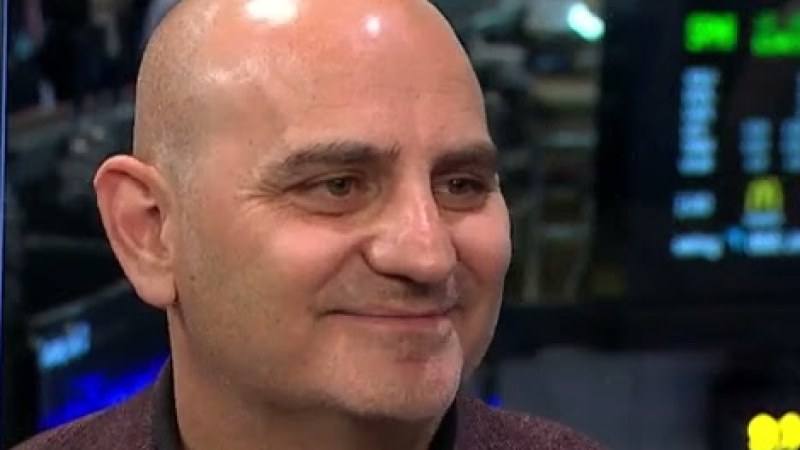
Ron Alfa is Co-Founder and CEO of Noetik, an AI-native biotech building foundation models trained on one of the world's largest collections of multimodal human tumor data. A physician-scientist with an MD-PhD from Stanford and an MA in the History of Medicine from UCL, Alfa spent six years at Recursion Pharmaceuticals rising to SVP Head of Research before co-founding Noetik in 2023. The company's OCTO-VC virtual cell models and TARIO-2 autoregressive transformer are designed to predict which cancer patients will respond to which therapies - attacking the 95% failure rate of cancer clinical trials from the data side rather than the pharmacology side. In January 2026, Noetik signed a landmark $50M licensing deal with GSK, one of the first large-scale transactions to monetize a biological foundation model as a scalable enterprise asset.