citadel
(10)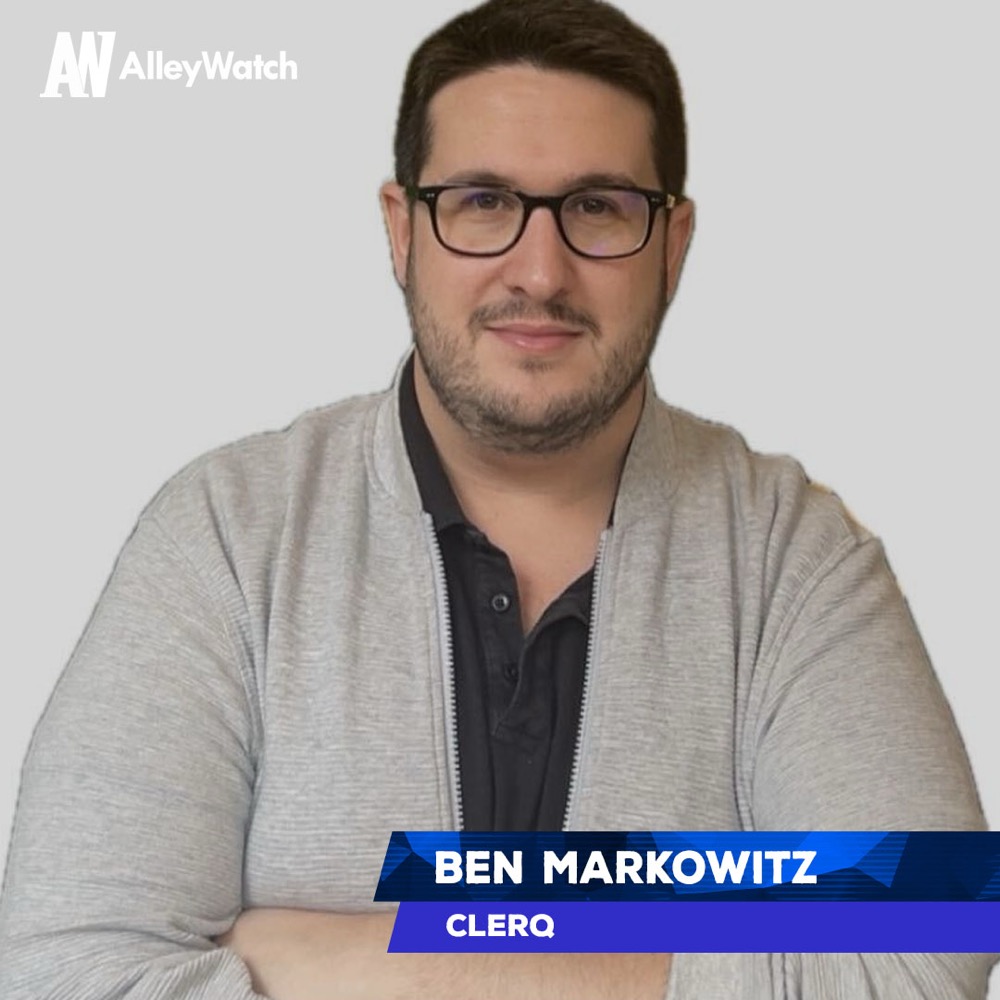
Ben Markowitz and the last five minutes of buying a car
After JP Morgan and Citadel, Ben Markowitz co-founded Clerq to fix the awkward final act of a big purchase. The work has taken him from payments investing to dealership workflows - and the occasional 8 a.m. password reset.
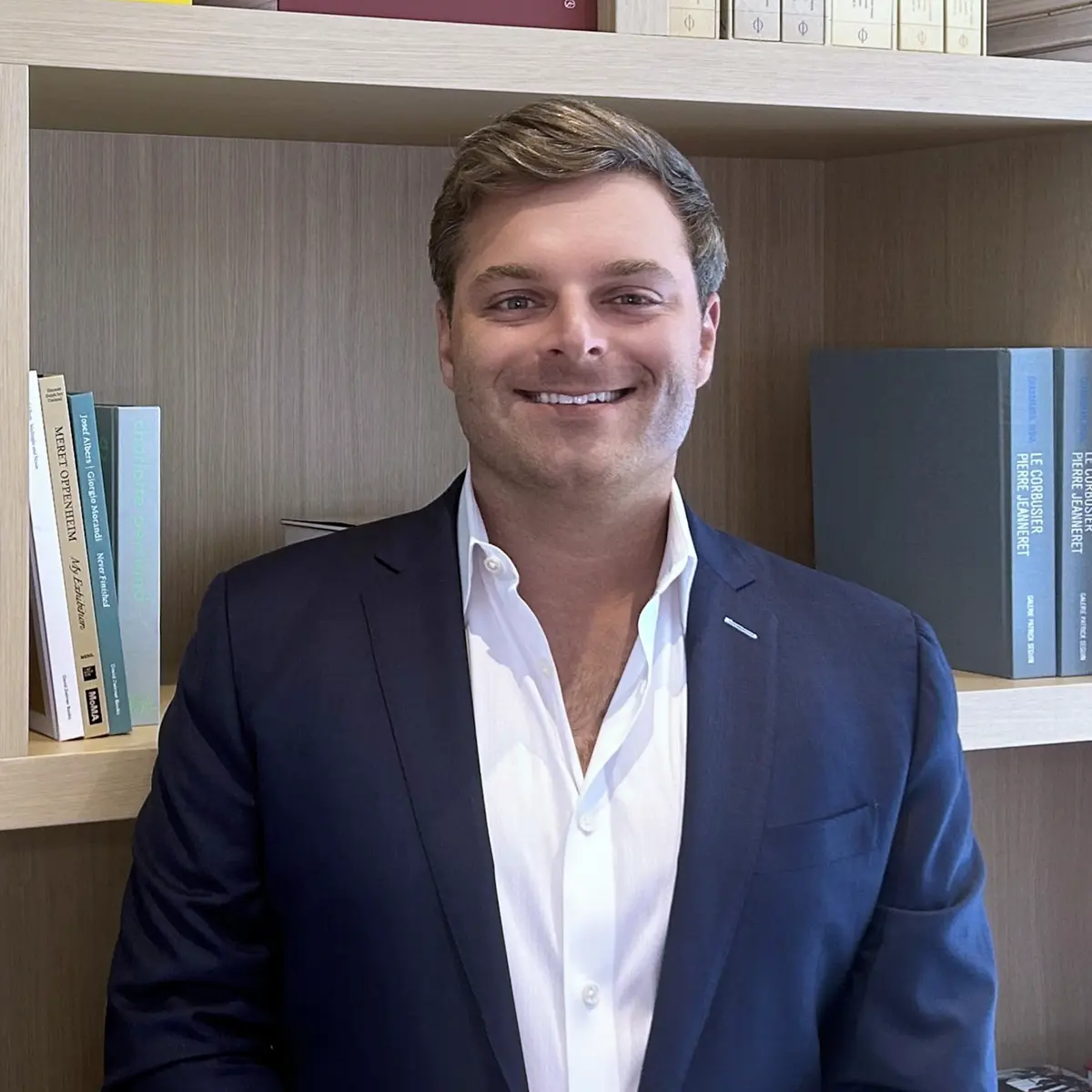
Earl Johnson Left the Trading Desk to Bet on the Body Shop
After years trading global equities, Earl Johnson IV chose a business where the stakes arrive bent, scraped and personal. His wager: independent collision shops can scale without sanding away the craft, culture and local names that earned trust in the first place.

The Hedge Fund That Bet Twice on the Same Future
Leopold Aschenbrenner built an AI fund around one sweeping conviction. When both sides of the trade moved against him, leverage turned a brilliant thesis into a forced sale.
Fin
Fin is a New York-based stablecoin payments company building a mobile app for high-value, global, and instant money movement. Founded by ex-Citadel engineers Ian Krotinsky and Aashiq Dheeraj - the team behind TipLink - Fin unifies balances into USDC and lets users and businesses send millions of dollars in near real time to other Fin users, bank accounts, or crypto wallets. In December 2025 it raised a $17M Series A led by Pantera Capital, with Sequoia and Samsung Next participating, to launch a product aimed at import/export businesses and high-value transfers that traditional banks handle slowly and expensively.
Ian Krotinsky
Ian Krotinsky is the co-founder and CEO of Fin, a New York based payments company that uses stablecoin infrastructure to move large sums of money instantly across borders. A former quantitative portfolio manager and trader at Citadel, he and co-founder Aashiq Dheeraj first built TipLink, a tool for sending crypto with a link, before rebranding around a broader ambition: to build the payments app of the future for high-value transfers. In December 2025 the company raised a $17 million Series A led by Pantera Capital, with Sequoia and Samsung Next participating.
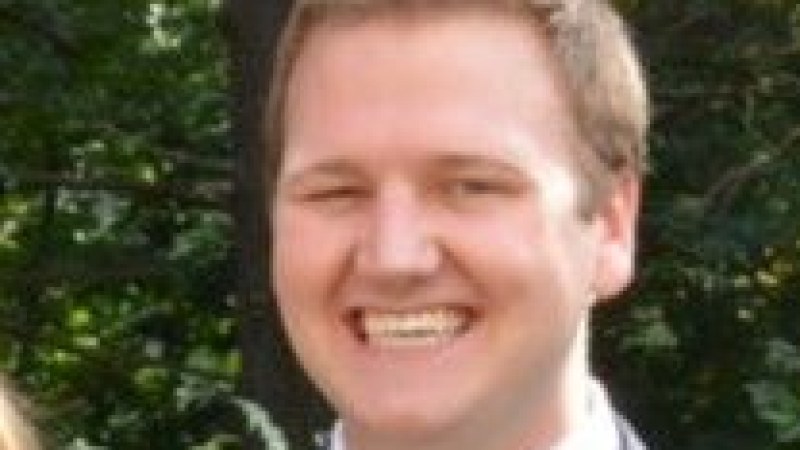
Truett Dwyer
Truett Dwyer is co-founder and co-CEO of Clerq, a New York account-to-account payments platform built for high-ticket transactions in industries like automotive, powersports, and equipment where 3% card fees and chargebacks eat margins. A Wharton graduate who spent his early career investing at Citadel, Summit Partners, and Blackstone, he and co-founder Ben Markowitz approached payments from first principles and chose to embed inside merchants' checkout workflows rather than build a consumer app. In October 2025 Clerq raised a $12M Series A led by 645 Ventures, bringing its total to $21M, on the back of 6x revenue growth and marquee dealership and marketplace clients.
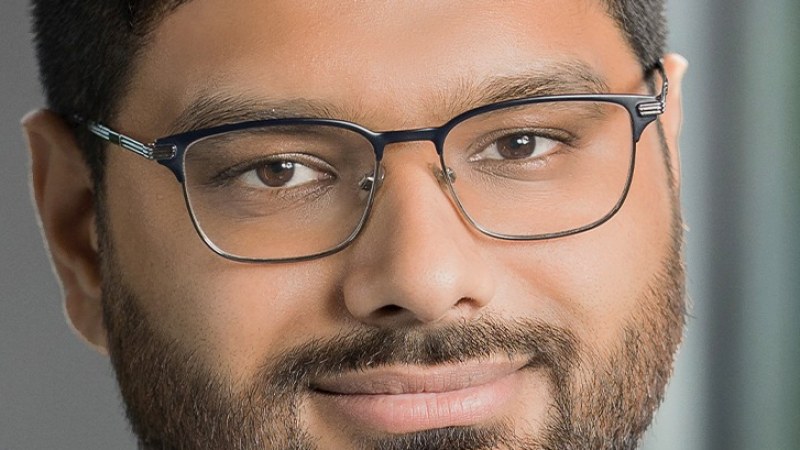
Rohan Kodialam
Rohan Kodialam is the co-founder and CEO of Sphinx, a New York applied-AI research firm building agents that actually understand data. A former Citadel quant who learned to squeeze alpha out of messy alternative datasets, and an MIT-trained researcher who once taught transformers to read hierarchical data, he started Sphinx on a simple observation: software engineers got Copilot, everyone else got ChatGPT, and data scientists got nothing. In 2025 Sphinx launched out of stealth with a $9.5M seed led by Lightspeed and backers including Steve Cohen and Naveen Rao, betting that the next frontier of AI is not language or code, but the spreadsheets and warehouses where real decisions get made.
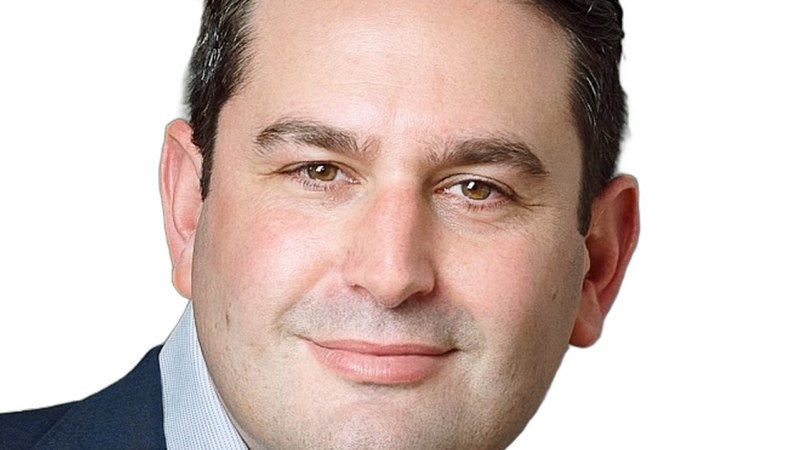
Eric Meizlish
Eric Meizlish is the CEO of Cardiosense, a Chicago digital health company building AI-enabled, non-invasive cardiac monitoring. A Yale-trained investor turned healthcare operator, he co-founded the clinical analytics firm Lumere (sold to GHX), ran the life-sciences procurement platform Prendio-BioProcure, and started his career investing in tech and media at Citadel. He took the Cardiosense top job in September 2025 to scale the company's CardioTag sensor, which predicts pressures and volumes inside the heart without an implant.

Dylan Parker
Dylan Parker is the co-founder and CEO of Moment, the AI operating system for investment management. A former Citadel Securities and Jane Street fixed income quant, he and two Harvard friends set out to drag the $150-trillion bond market out of spreadsheets and chat threads. In under four years Moment went from $300 billion to over $10 trillion in client assets monitored and raised $134 million across three rounds, counting Edward Jones, LPL Financial, and Hightower Advisors as customers.
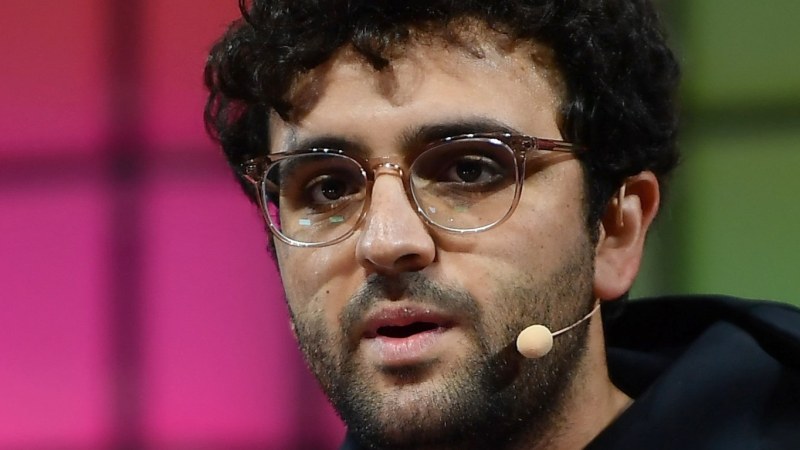
Tarek Mansour
Tarek Mansour is the co-founder and CEO of Kalshi, the first CFTC-regulated exchange for trading on the outcomes of real-world events. A Lebanese-American MIT graduate and former Goldman Sachs and Citadel trader, he turned a regulatory fight into a multibillion-dollar prediction market that lets anyone trade on elections, weather, economics and culture. In May 2026 Kalshi raised $1 billion in a Series F at a $22 billion valuation and became the first American firm to offer crypto perpetual futures under federal regulation.