natick-massachusetts
(5)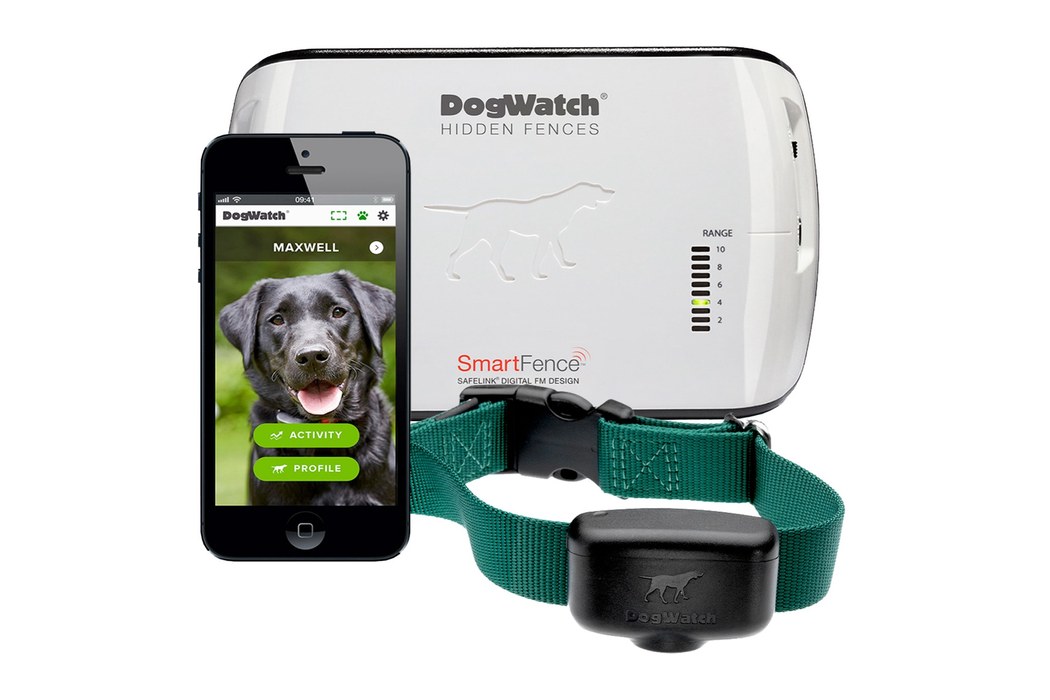
The fence you can't see, on a frequency nobody else uses
A cat and a new sofa started it in 1990. Thirty-five years later DogWatch runs the last big hidden-fence brand that stayed independent - and the only one broadcasting on FM.

PIC Therapeutics
PIC Therapeutics is a Natick, Massachusetts biotechnology company developing small-molecule precision medicines that target cancer at the level of protein translation. Rather than chasing individual oncogenes one at a time, PIC modulates the Pre-Initiation Complex (PIC) and the translation factor eIF4E - a convergence point for many oncogenic signaling pathways - to selectively shut down the production of cancer-driving proteins while sparing healthy cells. Founded on the research of Harvard structural biologist Gerhard Wagner and led by CEO Katherine Bowdish, the company is advancing an allosteric eIF4E modulator toward first-in-human studies in drug-resistant metastatic breast cancer, backed by a $35M Series A led by OrbiMed.
HebeCell Corp
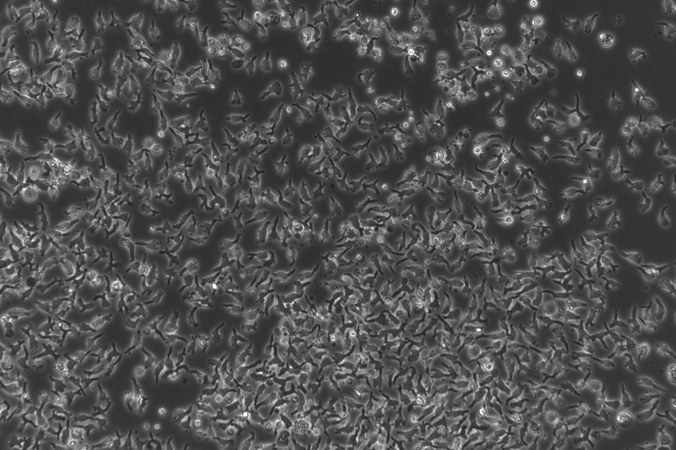
HebeCell Corp is a Natick, Massachusetts biotech developing allogeneic, off-the-shelf cell therapies grown from induced pluripotent stem cells (iPSCs). Its core invention is a suspension-bioreactor platform, ProtoNK, that produces natural killer (NK) cells indefinitely and at scale - a manufacturing approach the company says no other lab can match. Founded in 2016, HebeCell aims to make cancer and degenerative-disease therapies cheaper, safer, and available without a matched donor, under the tagline 'Incurable no more.'

John Lu
Shi-Jiang (John) Lu is a stem cell scientist and the founder, President and CEO of HebeCell Corp, a Natick, Massachusetts biotech building off-the-shelf cancer-killing immune cells from pluripotent stem cells. He spent two decades in regenerative medicine, was a top-ranked inventor in the global stem cell patent landscape, and led research at Advanced Cell Technology before that company was absorbed by Astellas. At HebeCell he pioneered a 3D, feeder-free bioreactor process for growing iPSC-derived natural killer (NK) and CAR-NK cells at industrial scale - aiming to make potent immune therapies as standardized and reproducible as a manufactured product.

Aleta Biotherapeutics
Aleta Biotherapeutics is a Natick, Massachusetts immuno-oncology company building CAR T Engagers (CTEs) - simple biologic proteins that make existing CAR-T cell therapies work better. Its lead drug, ALETA-001, bridges a patient's CD19-targeted CAR T-cells to CD20 on cancer cells, aiming to rescue patients who relapse after standard CAR-T treatment for B-cell cancers. Founded in 2015 by Paul Rennert and Roy Lobb, the company is running a Phase 1/2 trial in the UK with Cancer Research UK and reported encouraging early data in December 2025.