neurology
(30)
The Neurologist Who Turned a Failed Experiment Into MEDICOLAB's MRI Bet
A Nagoya neurologist discovered he was better at moving research into the world than producing it at the bench. Eight years later, his 11-person company is using ordinary brain scans to tackle an expensive diagnostic bottleneck.
Conquest Research Found Drug Development's Most Human Bottleneck: The Patients
Drug makers can design a promising study and still lose years waiting for the right people to enroll. Conquest Research built a local, patient-facing machine to make that slow middle move faster - then took it across three states.
BeCareLink Put a Neurologic Exam in Your Pocket - Now It Has to Prove the Data Travels
A family tragedy sent two founders after one of medicine's most subjective rituals. Their bet: short phone tests can make the months between neurology visits visible - if patients, doctors and drug developers trust the measurements.

The Biotech Fund That Likes the Awkward Middle
Agent Capital invests where molecules, milestones and money collide. Its small team backs healthcare companies across the development curve, then stays close enough to help science become a financeable business.

Kyowa Kirin, Inc. - U.S.
A Japanese fermentation lineage became a U.S. rare-disease business by following biology that larger markets often overlook. Now Kyowa Kirin is testing whether patient-scale focus can coexist with manufacturing-scale ambition.
Sanofi
The 53-year-old French drugmaker is narrowing its bets to immunology, vaccines and a faster pipeline. The wager is that better biology, selective dealmaking and factory-scale AI can turn scientific focus into repeatable growth.
UCB
UCB spent decades shedding its industrial past to become a specialist in the brain and immune system. Now five medicines, two ambitious acquisitions and a new Georgia factory are testing whether focus can scale.

NeuShen Therapeutics
NeuShen Therapeutics is a clinical-stage biotech developing novel small-molecule and gene-therapy treatments for central nervous system disorders such as schizophrenia, depression and epilepsy. Founded in 2021 by Joan Huaqiong Shen, MD, PhD, and headquartered in Shanghai with an R&D center in the Boston area, the company runs a pipeline led by NS-136, a selective M4 receptor positive allosteric modulator for schizophrenia, and NS-041, a highly selective KCNQ2/3 activator for epilepsy and depression.

Amprion
Amprion is a precision-diagnostics company using Seed Amplification Assay (SAA) technology to detect misfolded proteins - alpha-synuclein, amyloid-beta and tau - in cerebrospinal fluid, giving physicians and drug developers a biological readout of neurodegenerative disease years before symptoms fully emerge. Its flagship SAAmplify-aSYN test (formerly SYNTap) is the first commercially available validated alpha-synuclein SAA, carries an FDA Breakthrough Device Designation, and aims to replace symptom-based guesswork for Parkinson's, Lewy body dementia, Alzheimer's and multiple system atrophy with autopsy-grade certainty.

Melior Discovery
Melior Discovery is an Exton, Pennsylvania preclinical contract research organization that specializes in in vivo pharmacology and drug repositioning. Its proprietary theraTRACE platform runs a candidate compound through a large, multiplexed panel of validated animal disease models simultaneously, systematically surfacing new therapeutic uses for existing or shelved drugs. Founded in 2005 by Andrew Reaume and Michael Saporito, the company both partners with major pharmaceutical firms and builds its own drug pipeline through spinouts, and was named CRO of the Year by Life Sciences Review in 2024.
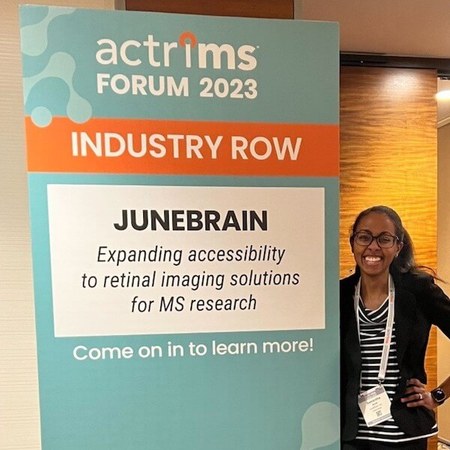
Samantha Scott
Samantha Scott, PhD is the founder and CEO of JuneBrain, a Baltimore medtech startup building the first wearable, technician-free retinal scanning system. Trained as a biomedical engineer at Stanford and USC, she is turning high-resolution eye imaging plus AI into a way to detect and monitor brain and eye conditions far outside the walls of a clinic. JuneBrain has raised more than $3 million in private capital, won $3 million in NSF grants, holds four issued patents, and is on track for an FDA submission.
Sangamo Therapeutics, Inc.
Sangamo Therapeutics is a clinical-stage genomic medicine company in Brisbane, California that engineers zinc finger proteins to switch genes on, off, or rewrite them. After three decades pioneering zinc finger technology, it is racing to bring its lead gene therapy ST-920 for Fabry disease to market while building a neurology pipeline aimed at crossing the blood-brain barrier - all under the pressure of a 2026 search for strategic alternatives.

Theravance Biopharma US, LLC
Theravance Biopharma is a South San Francisco biopharmaceutical company built around a focused respiratory franchise. Its flagship product, YUPELRI (revefenacin), is the first and only once-daily nebulized long-acting muscarinic antagonist approved in the U.S. for COPD maintenance, commercialized with partner Viatris. Spun out of Innoviva in 2014 and trading on Nasdaq as TBPH, the company combines a profitable marketed product with high-value royalty assets - including a now-monetized stake in GSK's TRELEGY - and runs a lean, capital-disciplined model rather than chasing scale.

Basking Biosciences, Inc.
Basking Biosciences is a clinical-stage biopharmaceutical company developing the first reversible thrombolytic therapy for acute ischemic stroke. Its lead candidate, BB-031, is a first-in-class RNA aptamer that inhibits von Willebrand Factor to break up clots quickly, paired with a companion reversal agent, BB-025, that can switch the drug's activity off in minutes if bleeding occurs. Spun out of research begun at Duke University and founded in 2019, the company is based in the Research Triangle of North Carolina and is advancing BB-031 through a Phase 2 RAISE trial.

Kriya Therapeutics, Inc.
Kriya Therapeutics is a clinical-stage biopharmaceutical company building one-time, AAV-based gene therapies for prevalent chronic diseases of high unmet need. Founded in 2019 and headquartered in Morrisville, North Carolina with operations in Silicon Valley, Kriya pairs a proprietary, vertically integrated manufacturing and R&D engine with a pipeline spanning ophthalmology, metabolic disease, and neurology. Its bet: gene therapy shouldn't be reserved for the rare few, but engineered and manufactured at the scale and cost needed to reach millions.
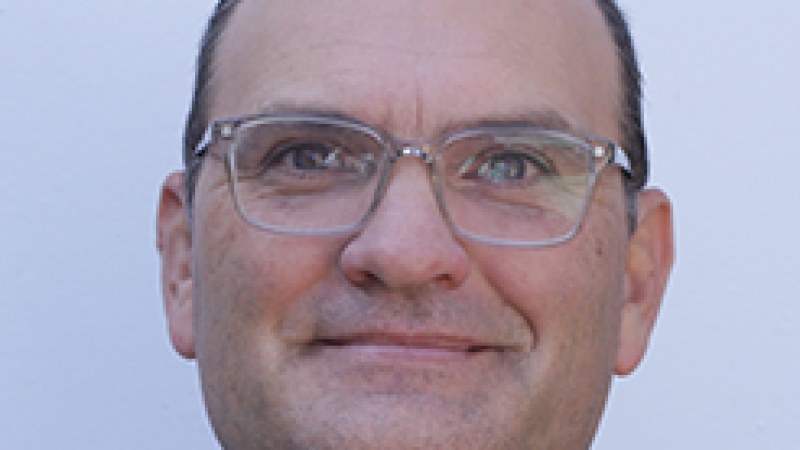
Christopher Reyes
Christopher Reyes is a biophysicist turned serial biotech entrepreneur and the CEO, co-founder, and director of Bloom Science, a San Diego company developing living medicines that harness the gut-brain axis. Bloom's lead program, BL-001, is a first-in-class oral live biotherapeutic designed to replicate the anti-seizure effects of the ketogenic diet, built on technology licensed from UCLA. With a PhD in biophysics from UCSF and a track record that includes a fast-acquired cancer startup, Reyes is betting that genetically optimized gut bacteria can treat pharmacoresistant neurological diseases.
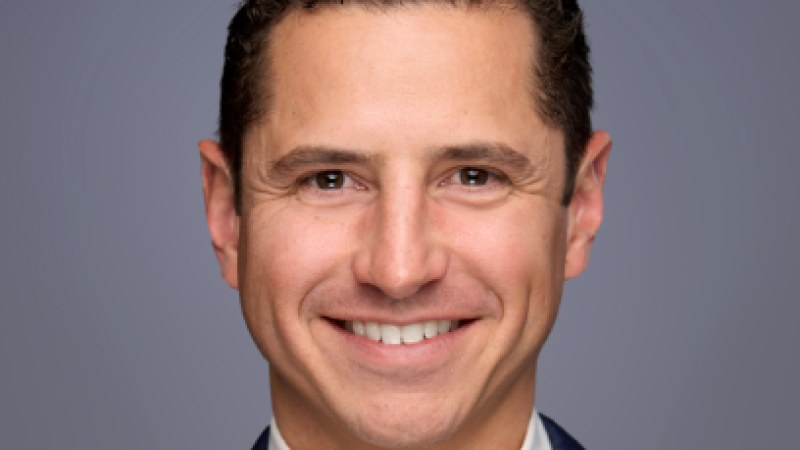
David Matthews
David Matthews, PhD, is Chief Business Officer at Beacon Biosignals, the computational neurodiagnostics company turning EEG brain data into AI-powered biomarkers for neurological and psychiatric disease. A computational neuroscientist by training, he spent two decades moving between the lab, the boardroom, and the market - from NIH- and NSF-funded research at the Salk Institute to a partnership at Boston Consulting Group to commercial leadership at digital-health platform BrightInsight. He now drives partnerships and commercial growth at a company betting that the brain can be measured at home, at scale.
Noema Pharma
Noema Pharma is a Basel-based clinical-stage biotech building first-in-disease oral small-molecule therapeutics for central nervous system disorders. Founded in 2019 by Sofinnova Partners around four mid-stage assets in-licensed from Roche, the company targets overlooked neurological conditions - from seizures in tuberous sclerosis complex and pain in trigeminal neuralgia to Tourette syndrome and CNS-mediated symptoms of menopause. It has raised roughly CHF 130 million (about USD 147 million) in Series B financing from a syndicate including Forbion, Jeito Capital, Sofinnova, EQT Life Sciences and UPMC Enterprises.
Noveome Biotherapeutics, Inc.
Noveome Biotherapeutics is a Pittsburgh clinical-stage biopharmaceutical company built around ST266, a multi-targeted secretome of hundreds of biologically active proteins harvested from a novel population of amnion-derived cells. Rather than transplanting cells, Noveome delivers the healing signals those cells secrete - aiming to modulate inflammation, protect nerves, and accelerate tissue repair. Its lead program treats necrotizing enterocolitis, a devastating gut disease in premature infants, with additional pipeline work spanning ophthalmology, neurology, and dermatology.
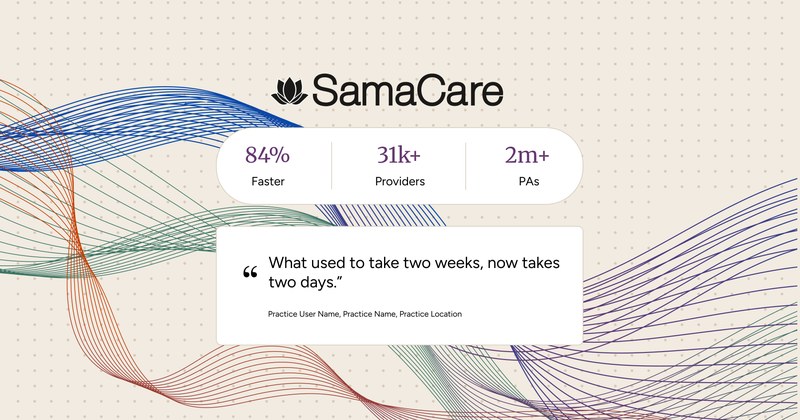
SamaCare
SamaCare is a San Francisco-based healthcare technology company that runs the leading medical-benefit prior authorization platform for specialty medications. Its cloud-based, AI-assisted software replaces the fax-and-phone paperwork that delays patients from receiving life-changing biologics, automating submission, tracking, benefit verification, and enrollment across major US payers. The platform serves specialty practices in retina, oncology, neurology, and rheumatology, plus pharmaceutical manufacturers who use SamaCare's real-time data to improve patient access.
Ilise Lombardo
Ilise Lombardo is the CEO of Noema Pharma, a Basel-based clinical-stage biotech advancing treatments for central nervous system disorders. A Yale-trained psychiatrist with a Cambridge M.Phil and a Brown degree, she spent two decades in clinical practice and academia before co-founding Arvelle Therapeutics, which sold to Angelini Pharma for roughly $1 billion in 2021. She now steers Noema's pipeline of Phase 2 programs targeting Tourette syndrome, trigeminal neuralgia, tuberous sclerosis seizures and menopause-related CNS symptoms.

Vima Therapeutics
Vima Therapeutics is a Cambridge, Massachusetts clinical-stage biotechnology company developing VIM0423, a potential first-in-class once-daily oral therapy for isolated dystonia and Parkinson's disease. The drug selectively targets muscarinic cholinergic receptors in the brain to correct the dopamine-acetylcholine imbalance underlying these movement disorders. Incubated at Atlas Venture and led by neurologist Bernard Ravina, the company emerged from stealth in 2025 and has raised a $100 million Series A.

Bloom Science, Inc.
Bloom Science is a San Diego clinical-stage biotech translating the biology of the ketogenic diet into oral live biotherapeutics that act through the gut-immune-brain axis. Built on microbiome research licensed from UCLA and powered by its IrisRx discovery platform, the company is developing BL-001, a once-daily bacterial therapy being studied in obesity and in drug-resistant seizures from Dravet syndrome, with a pipeline reaching toward ALS and neurodegenerative disease.
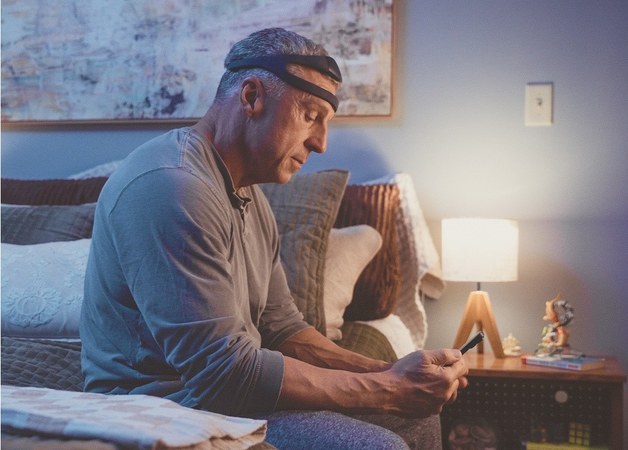
Beacon Biosignals
Beacon Biosignals is a Boston-based neurotechnology company that pairs FDA-cleared wearable EEG hardware with AI to turn brain electrical activity - especially during sleep - into scalable, at-home neurodiagnostics. Its platform powers drug development, clinical trials, and precision medicine across neurology, psychiatry, and sleep medicine.
Neura Health
Neura Health is a virtual neurology clinic that gives the 145 million Americans living with neurological conditions fast access to board-certified neurologists, dedicated care coaches, and an app-based treatment plan. Founded in 2020 by Elizabeth Burstein and Sameer Madan, the company pairs telehealth video visits with always-on care navigation to cut the typical months-long wait for a neurologist down to about a week, treating headache and migraine, epilepsy, sleep disorders, concussion, stroke recovery, tremor, long COVID, and memory disorders.

Elizabeth Burstein
Elizabeth Burstein is the CEO and co-founder of Neura Health, a virtual neurology clinic she started in 2020 after a two-year fight with a trapped nerve exposed how broken specialist access is in the United States. A Stanford computer-science-and-philosophy grad who built product at LinkedIn, Blue Apron, Zocdoc and Maven Clinic before turning founder, she has grown Neura to serve tens of thousands of patients and raised $22M+ in venture funding, including a $11.4M Series A in 2025 led by the American Heart Association's Go Red for Women Venture Fund.

Vituity
Vituity is a 100% physician-owned and led multispecialty partnership delivering acute care across the United States. Founded in 1971 as California Emergency Physicians (CEP America), it rebranded as Vituity in 2018, combining 'vital' and 'acuity.' Today roughly 5,500 doctors and clinicians staff emergency departments, hospital medicine, critical care, anesthesiology, psychiatry, neurology, telehealth and more across hundreds of care sites in 27+ states, treating millions of patients a year - all without private equity, insurer, or hospital-system ownership.
Jonathan Root
Jonathan Root is a General Partner at U.S. Venture Partners (USVP) in Menlo Park, California, where he has invested in early-stage companies since 1997. A board-certified neurologist who spent nine years in clinical medicine - including as a Director of the Neurology-Neurosurgery ICU at New York Hospital-Cornell Medical Center - Root brings a rare clinician's lens to venture investing. He focuses on medical devices, biotech, and healthcare IT, with a portfolio that spans Omada Health, Carlsmed, Cleave Biosciences, and Inari Medical (acquired by Stryker in 2025). His guiding principle: 'The greatest idea in the world will not be successful if it's not practical.'
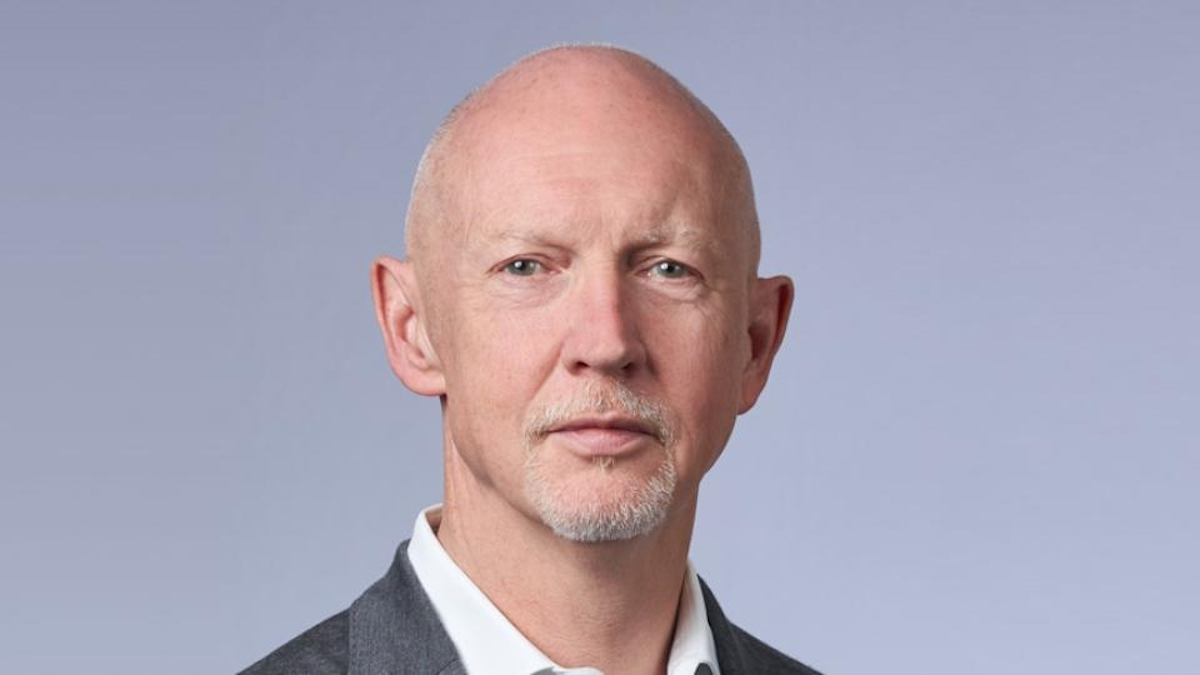
Sandy Macrae
Sandy Macrae is a Scottish physician-scientist who has led Sangamo Therapeutics, the Brisbane, California gene-editing pioneer, as President and CEO since June 2016. Trained at Glasgow and Cambridge - where Nobel laureate Sydney Brenner supervised his PhD - he ran emerging-markets R&D at GSK and was Global Medical Officer at Takeda before staking his career on zinc finger technology and genomic medicines for rare and neurological diseases.
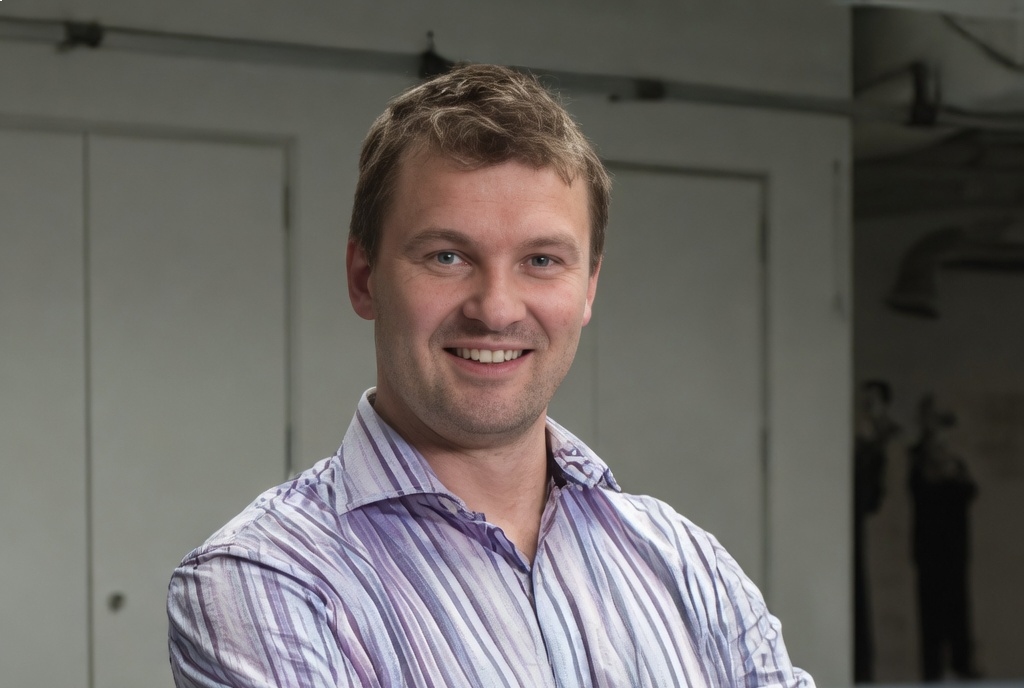
J. Scott Zimmerman
J. Scott Zimmerman is the CEO and co-founder of Xola, a San Francisco-based SaaS platform that powers booking, back-office management, and marketing for tour and activity operators worldwide. A licensed physician who completed a neurology residency at Stanford, Zimmerman chose Stanford precisely for its proximity to Silicon Valley, coding in Python during spare hospital moments - sometimes until 2am - while simultaneously building the company that would become Xola. He founded Xola in fall 2011 after recognizing that real-time technology had transformed flight, hotel, and car rental reservations, but the $135 billion tours-and-activities market remained largely undigitized. Backed by investors including Rakuten Travel, Michael Burry (of 'The Big Short' fame), and Google Analytics co-creators Scott and Brett Crosby, Xola has grown to serve thousands of operators across North America, Western Europe, and beyond.