cdr
(12)
AirMyne
AirMyne is a Berkeley, California climate-tech company building liquid-based direct air capture (DAC) systems that pull carbon dioxide out of the atmosphere at industrial scale. Founded in 2022 by chemical-industry veterans Sudip Mukhopadhyay and Mark Cyffka, the company designs a low-temperature, energy-flexible capture process - regenerating its solvent at roughly 100-130 C so it can run on waste heat, geothermal energy, or electricity rather than the high-temperature furnaces most DAC rivals require. Backed by Y Combinator and, more recently, a strategic investment from Japanese energy giant ENEOS, AirMyne is moving from kilogram-per-day prototypes toward a commercial pilot and demonstration plant.
Carba
Carba is a Minneapolis-area climate-tech company that turns low-value waste biomass - dead trees, yard waste, and other biogenic scraps - into a stable, charcoal-like material called biocarbon (biochar). Using a patent-pending autothermal pyrolysis reactor and an anoxic (oxygen-starved) burial method, Carba locks carbon away for a certified 1,000+ years, most notably inside existing landfills where the material can also filter pollutants. The company sells the resulting permanent carbon-removal credits - including a five-year, 44,000-tonne deal with Microsoft - and aims to remove a billion tons of CO2 by 2035.

Terraton
Terraton is a San Francisco climate-tech company that turns agricultural waste into biochar - a stable, carbon-rich material that locks away CO2 for centuries. It packages financing, hardware, and software into a 'biochar business in a box' so agribusinesses in emerging markets can launch carbon-removal facilities, while corporate buyers get verified, high-durability carbon credits delivered at scale. Backed by an $11.5M seed round co-led by Lowercarbon Capital and Gigascale Capital, Terraton already runs facilities in Ghana and Kenya.
Andrew Jones
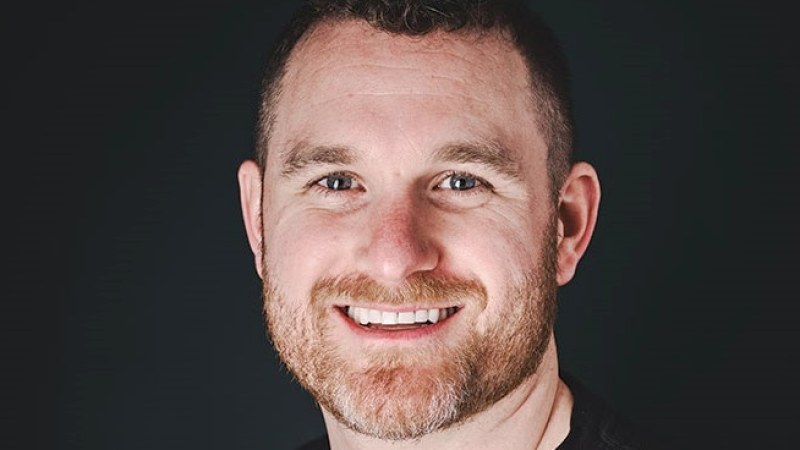
Andrew Jones is the co-founder and CEO of Carba, a Minneapolis-based carbon-removal startup that turns waste biomass into a durable, charcoal-like biocarbon and buries it to lock away CO2 for more than 1,000 years. A chemical engineer with a PhD from UC Berkeley, Jones invented Carba's patented low-energy pyrolysis and storage process and describes the work as 'reversing the coal mining process.' He previously founded and exited Activated Research Company, and has steered Carba from a 2021 lab idea to a working molten-salt reactor at a Burnsville landfill, a multi-year carbon-credit deal with Microsoft, and a goal of removing a gigaton of CO2 a year.
Sudip Mukhopadhyay
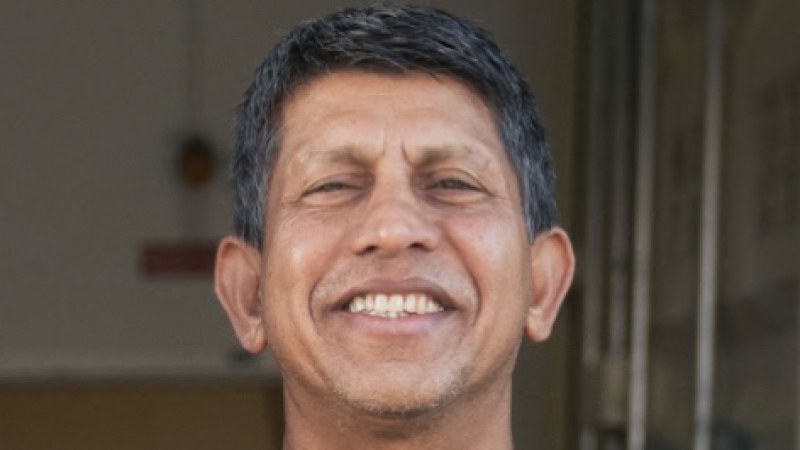
Sudip Mukhopadhyay is the CEO and co-founder of AirMyne, a Berkeley-based climate-tech company building liquid-solvent Direct Air Capture (DAC) machines that pull carbon dioxide straight out of the sky. A chemist and engineer with more than two decades in industrial R&D, he co-invented the low-global-warming car refrigerant 1234yf during a 16-year run at Honeywell, where he rose from engineer to corporate fellow and director of innovation. He launched AirMyne in 2022 with co-founder Mark Cyffka through Y Combinator, raising $6.9M in seed funding and a strategic investment from Japanese energy giant ENEOS, with the bet that cheap low-temperature heat (including geothermal) can make carbon removal affordable at industrial scale.
James Kanoff
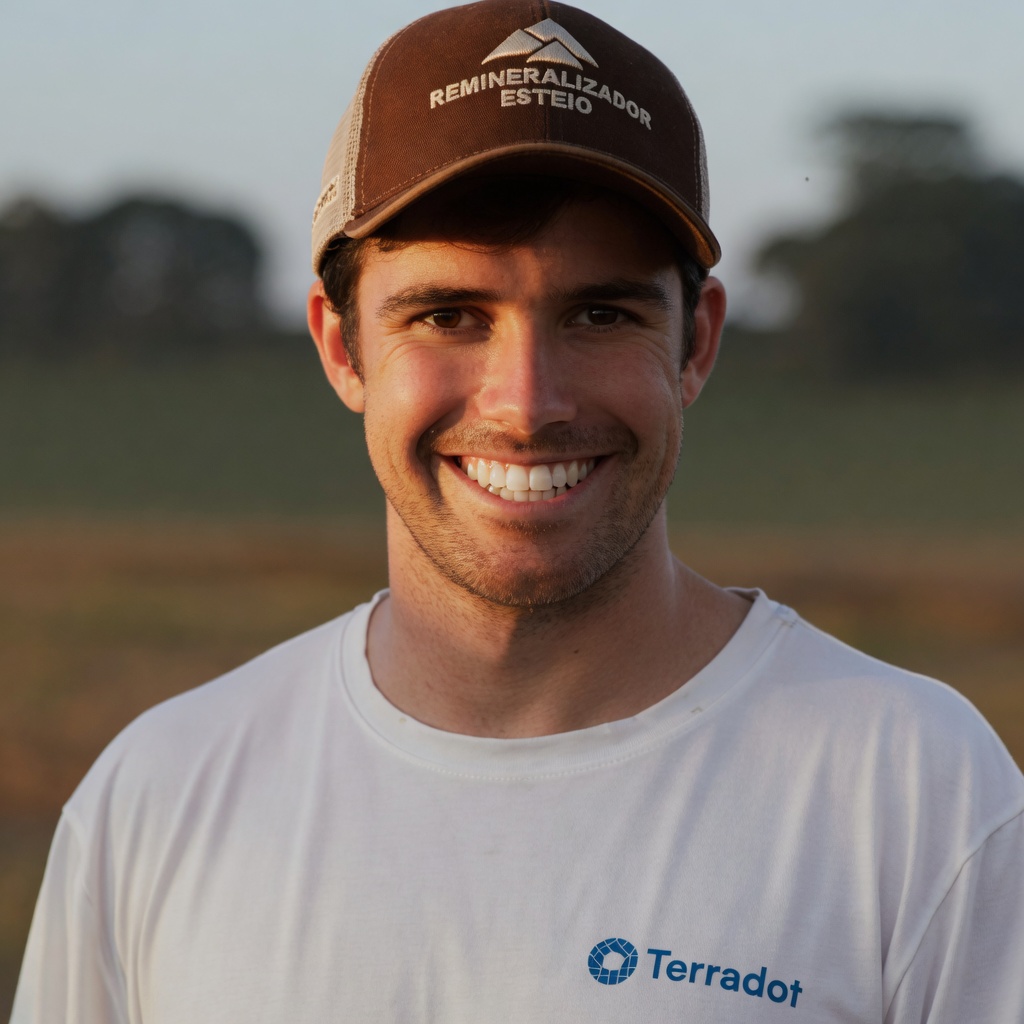
James Kanoff is the co-founder and CEO of Terradot, a climate company using enhanced rock weathering to pull carbon dioxide out of the atmosphere by spreading crushed silicate rock across farmland. He launched Terradot in 2024 with $58.2M in funding, including a $54M Series A led by Kleiner Perkins and backing from Google, Microsoft, John Doerr and Sheryl Sandberg, and has already signed some of the largest carbon-removal deals in the field's history. Before Terradot, while a Stanford undergraduate sent home during the COVID-19 pandemic, he co-founded The Farmlink Project, a nonprofit that has rescued well over 130 million pounds of surplus food for communities facing hunger.
Terradot
Terradot is a San Francisco and Stanford-born climate company turning Enhanced Rock Weathering (ERW) - one of nature's slowest permanent carbon-removal processes - into a measurable, global-scale climate solution. By spreading finely crushed basalt across tropical farmland, Terradot accelerates the natural reaction in which silicate rock binds atmospheric CO2 and locks it away for thousands of years, while improving soil health for farmers. The company pairs field deployment with rigorous biogeochemical measurement, and has signed landmark carbon-removal agreements with Google, Microsoft and Frontier totaling nearly 300,000 tonnes of CO2.

Varaha
Varaha is an India-based climate-tech company that builds high-integrity carbon removal projects in the Global South. Working with roughly 170,000 smallholder farmers across about 1.7 million acres, it generates verified carbon credits through four pathways - regenerative agriculture, agroforestry, biochar, and enhanced rock weathering - and quantifies the results with a measurement, reporting and verification (MRV) platform powered by remote sensing, machine learning and field science. Its credits are bought by buyers like Google, Microsoft, Lufthansa and Swiss Re.
Joachim Katchinoff
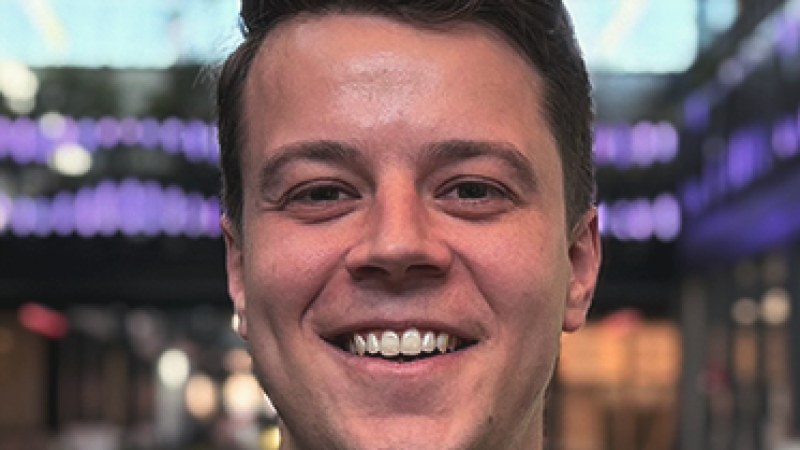
Joachim Katchinoff is a Yale-trained biogeochemist who co-founded CREW Carbon to turn ordinary wastewater treatment plants into permanent carbon-removal machines. By dosing treatment tanks with crushed alkaline minerals, CREW converts the CO2 that microbes naturally belch into stable bicarbonate, while cutting chemical costs for utilities. The company became the first in the world to issue certified Wastewater Alkalinity Enhancement carbon credits and raised a $25M Series A in 2026 to scale across the US and Europe.
Andes
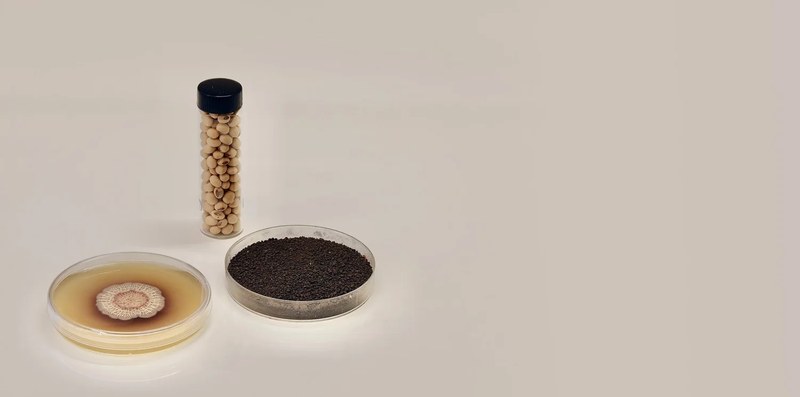
Andes is a climate-tech and agricultural biotechnology company using beneficial soil microbes - applied as a seed coating on corn, soybean, canola and wheat - to convert atmospheric CO2 into stable soil inorganic carbon. Founded in 2016 by Gonzalo Fuenzalida and Tania Timmermann and headquartered in Alameda, California, Andes pairs microbial biology with field-scale measurement to deliver permanent, low-cost carbon removal across millions of acres of working farmland.

Upwind Security
Upwind is a runtime-first Cloud Native Application Protection Platform (CNAPP) that unifies cloud and AI security across the full lifecycle. Founded in 2022 by the team behind Spot.io, the company uses eBPF-based runtime telemetry to give security teams real-time context on what's actually exploitable in production - cutting noise, surfacing real threats, and protecting cloud-native and AI workloads at the speed they run.
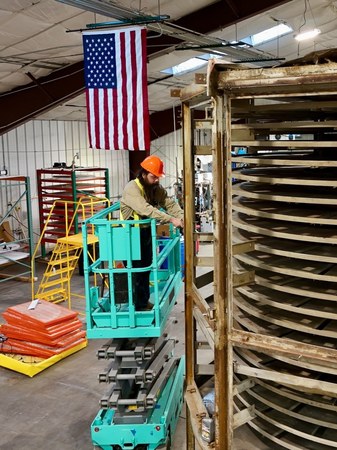
Spiritus
Spiritus is a climate-tech company building passive Direct Air Capture (DAC) systems - stacked trays of sorbent pellets arranged in modular 'Carbon Orchards' - that aim to pull CO2 out of the atmosphere for under $100 per ton, roughly a tenfold cost reduction over conventional DAC.