architecture
(62)
Bergmann built the connections.
A Rochester bridge engineer built a firm around local knowledge and many disciplines. Four decades later, Colliers bought the connections as much as the capabilities.

Qi Su and the trouble with a beautiful picture
Qi Su trained to design buildings. The awkward business of explaining them led him to co-found Modelo, where a 3D model could become a place to meet.

Jim Dooling and the art of keeping things running
He started Align moving Wall Street’s technology in 1986. Forty years later, Jim Dooling is still working on the same problem: how to change the machinery without interrupting the business.

Boutique makes room for taste.
A vacation-rental platform built on a stubborn idea: the place you stay should be a reason to go. Its real product is the judgment that gets you there.
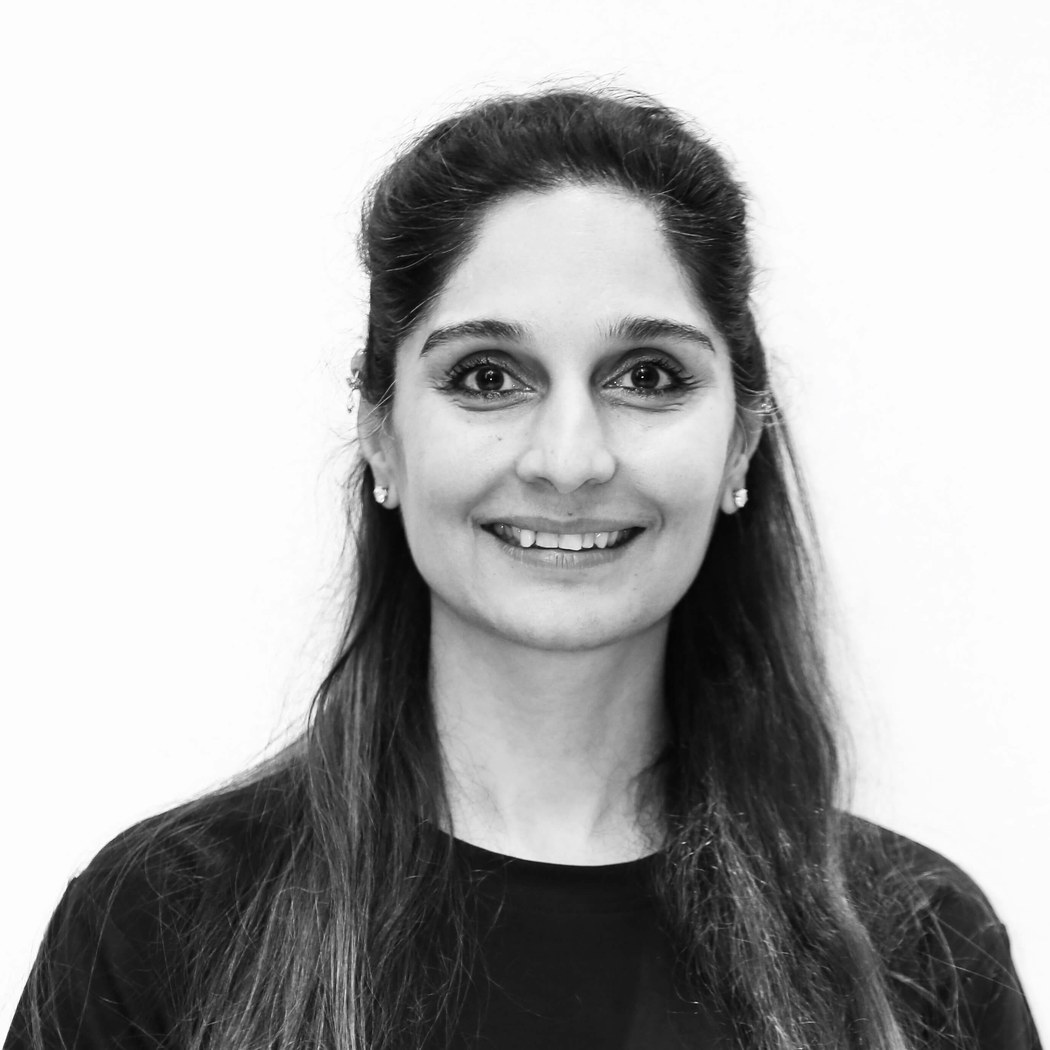
Shagufta Anurag and the office that never stops changing
She built a design firm from a small Singapore office, then helped take home interiors online. With Saltmine, Shagufta Anurag is tackling the decisions that happen before anyone moves a chair.

Talenia Phua Gajardo and the art of finding a place
An architect looking for Asian art built The Artling in 2013. Her next education came in getting the work off the screen and into the room.

Christie Porter Left Room for Someone Else
A request to design a campus in Mexico helped Christie Porter decide to start ONE NINE Architecture. She built the practice around a question that still shapes its work: who else could this help?
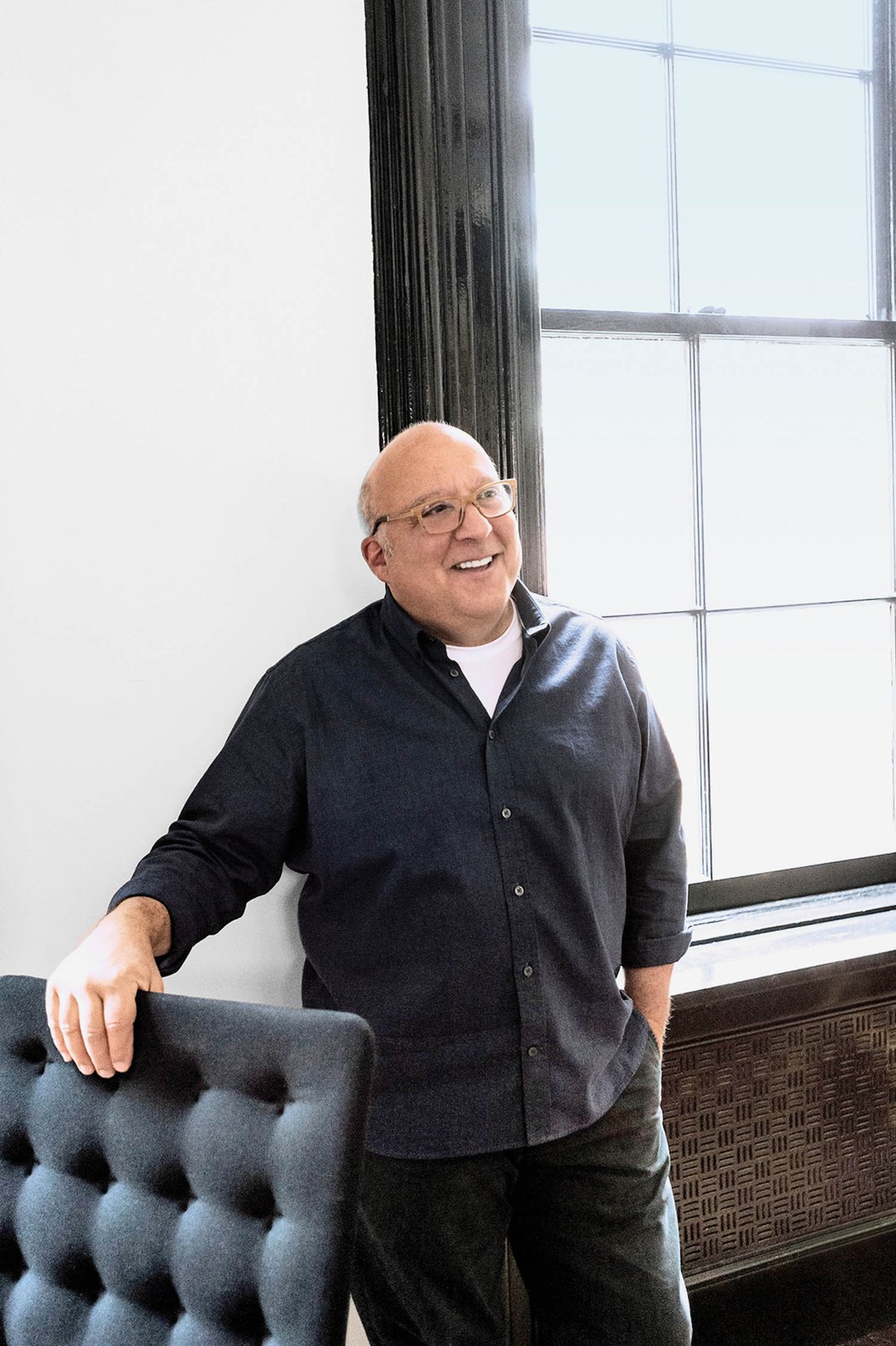
David Galullo and the art of leaving a room unfinished
The founder of Rapt Studio grew up in a house that was always being changed. His work for Dropbox, Duolingo and a roomful of strangers in Milan keeps returning to the same question: what will people bring to it?

Mary Jo Fasan’s Second Education
After a career in brand marketing, Mary Jo Fasan studied interior architecture and spotted a need among designers. The founder of Jo Communications has spent more than two decades helping their ideas find an audience.

AECOM and the price of certainty
Cities hire AECOM to make complicated things work together. A $337 million construction charge shows why knowing who carries the risk matters as much as knowing how to build.
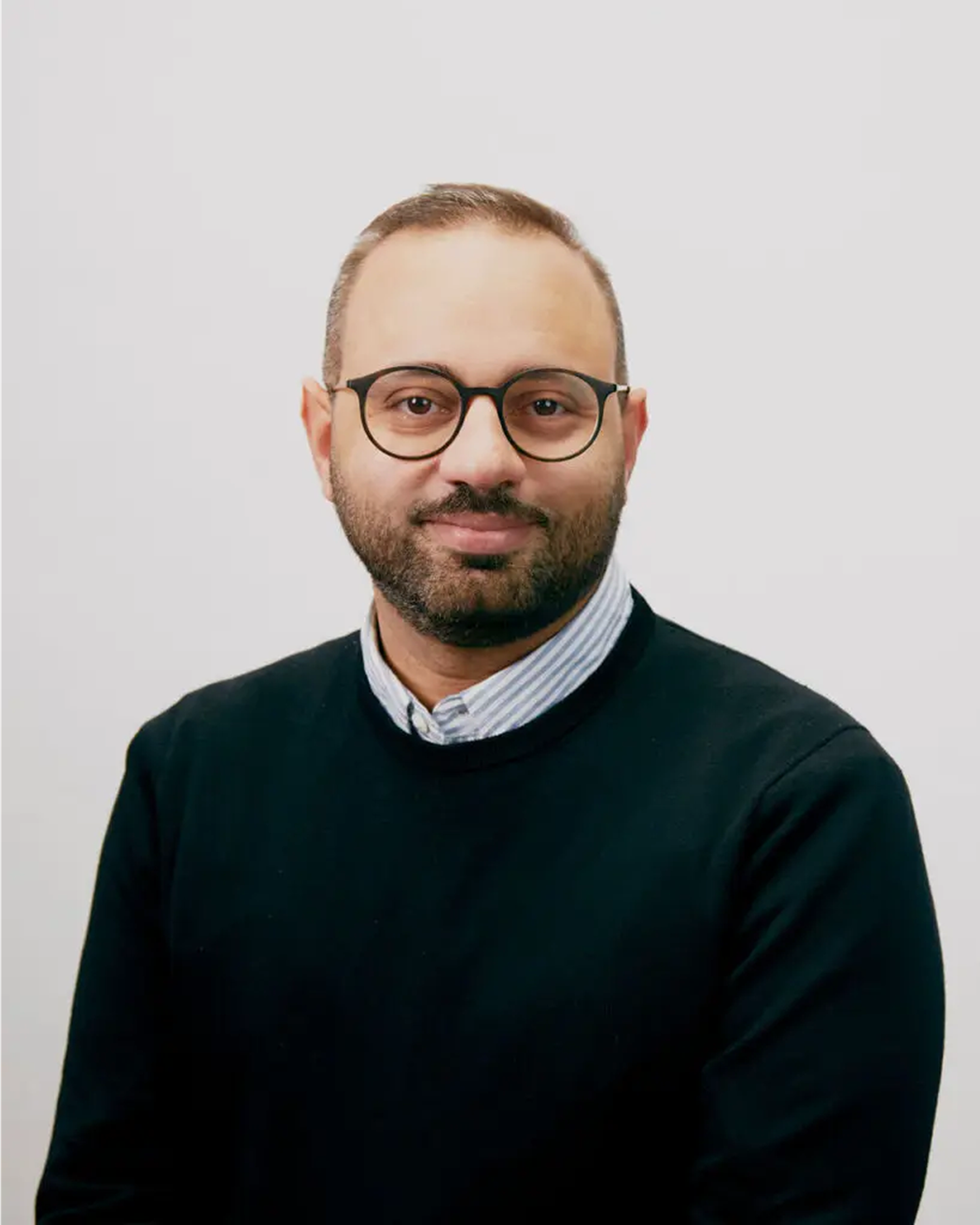
Mostafa ElSayed and the problem between the machines
He left architecture to build a robot arm. Running Automata taught Mostafa ElSayed to look beyond the machine - at the people, spaces and unfinished work around it.

David Adkin and the trouble with a convincing mockup
His designs looked real enough to fool his colleagues. David Adkin co-founded Adalo to close the distance between drawing an app and making one work.
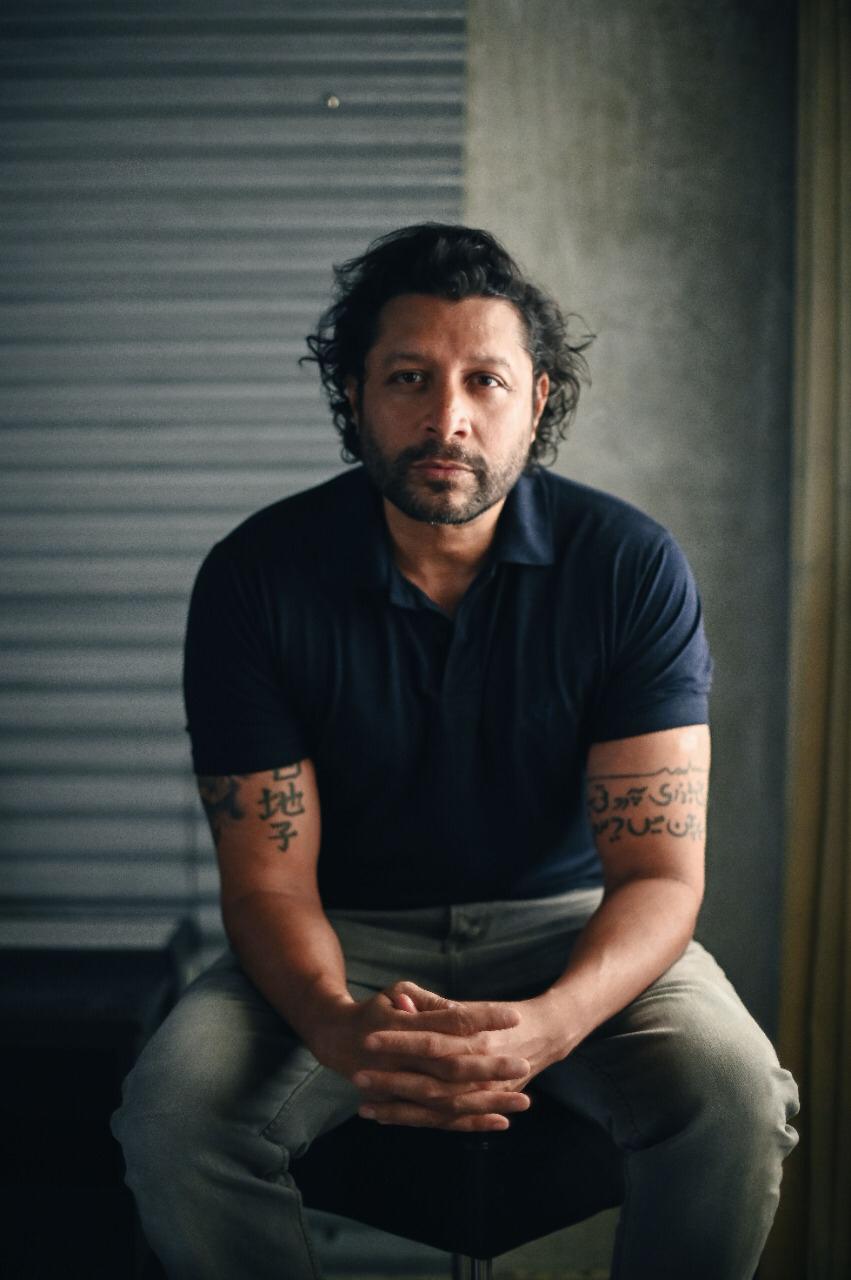
Zain Mustafa Went Home. The Classroom Got Bigger.
After a career across New York, Dubai and Karachi, Zain Mustafa began taking people into Pakistan’s architectural past. His work now follows the knowledge that survives in buildings, boats and the people who know how to make them.

Michael McKelvy and the distance between a drawing and a building
An architect by training, McDermott’s chairman and CEO has spent his career crossing the line between design and construction. His recurring concern is what happens when the people on either side start talking.

SCB knows what a building can become
An empty office tower. A campus that needs room to grow. SCB finds the next use hiding inside the brief - and tests whether it can actually be built.

Garry Vermaas and the Work Before the Building
Before a hotel rises, someone has to make its many parts agree. Garry Vermaas has spent his career on that problem - from bridge cables to global design teams, factory-built rooms, and a construction college.

Modelo gives the model a voice
Architects learned to design in three dimensions. Their clients were still looking at flat pictures. Modelo built a browser-based meeting place between the two.

SketchUp lets everyone in on the plan.
A drawing is useful only if someone else understands it. SketchUp built a business around that small problem - and followed it all the way to the construction site.

Material Bank puts the showroom in one box
A designer needs to touch the tile. A manufacturer needs to meet the designer. Material Bank built an overnight delivery business around that small, expensive gap.
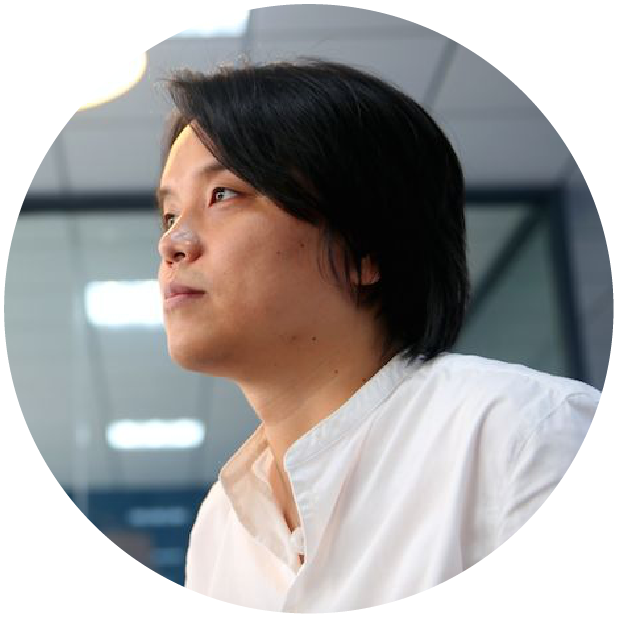
Angelo Yu and the room that learned to move
An architect’s question took Angelo Yu from small drones to autonomous spaces. At PIX Moving, he is testing what happens when a city’s rooms can come to its people.
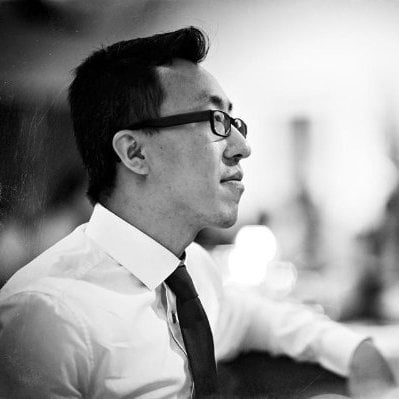
Robert Yuen and the cost of invisible work
A young architectural designer kept working harder and still lost his job. Robert Yuen’s answer became Monograph: software that helps architects see the business behind the buildings.
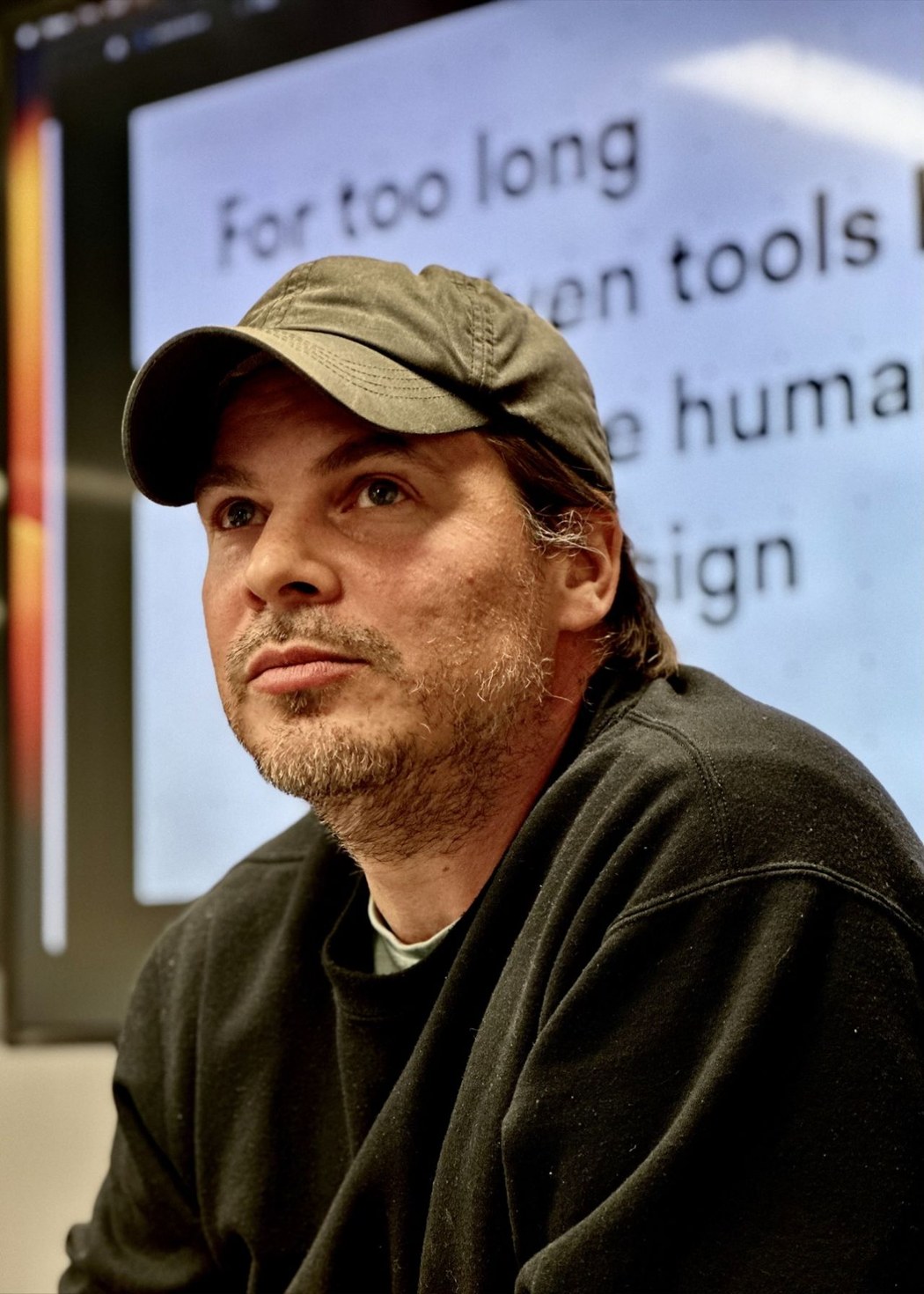
Federico Negro and the chair that wouldn’t stay put
After helping WeWork expand across 30 countries, Federico Negro found a familiar chair beside a Los Angeles road. His next company, Canoa, began with the questions that chair left behind.

Jose Luis Cruz Jr. and the trouble with a perfect floor plan
An architect discovers that a drawing can be persuasive and wrong. With Integrated Projects, Jose Luis Cruz Jr. is turning that expensive lesson into a business built on measuring what is really there.

Michael Hein and the architecture of keeping your name
After struggling to grow his own one-person architecture practice, Michael Hein helped build HFW around a different kind of expansion: local design firms keeping their identities while gaining a national network.

Avi Jacoby and the art of making room
An Air Force veteran with an architecture degree and an oil-painting practice, Avi “Jack” Jacoby brings an unusual range of experience to Fabric. His work in robotic fulfillment turns on a practical question: how much can fit into the space you already have?
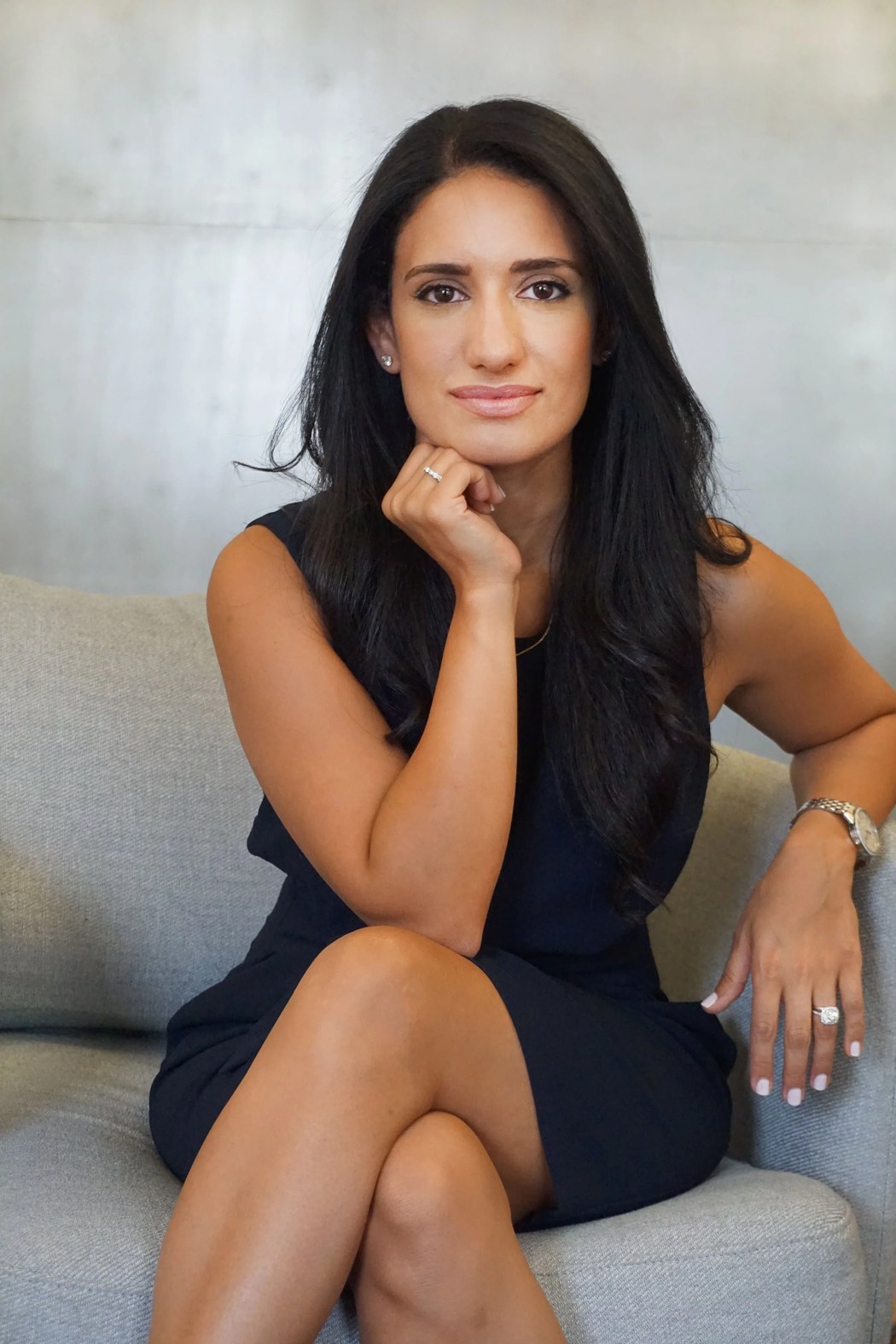
Tiffany Rafii and the Business of Going First
She started UpSpring with a childhood friend in the uncertain spring of 2009. Seventeen years later, Tiffany Rafii is still asking what a business could become - and who needs room to grow with it.

DWG FastView put CAD in your pocket. Quiet costs extra.
Gstarsoft made technical drawings portable with a viewer for phones, browsers and PCs. Its next design problem was the advertising that got between people and their work.
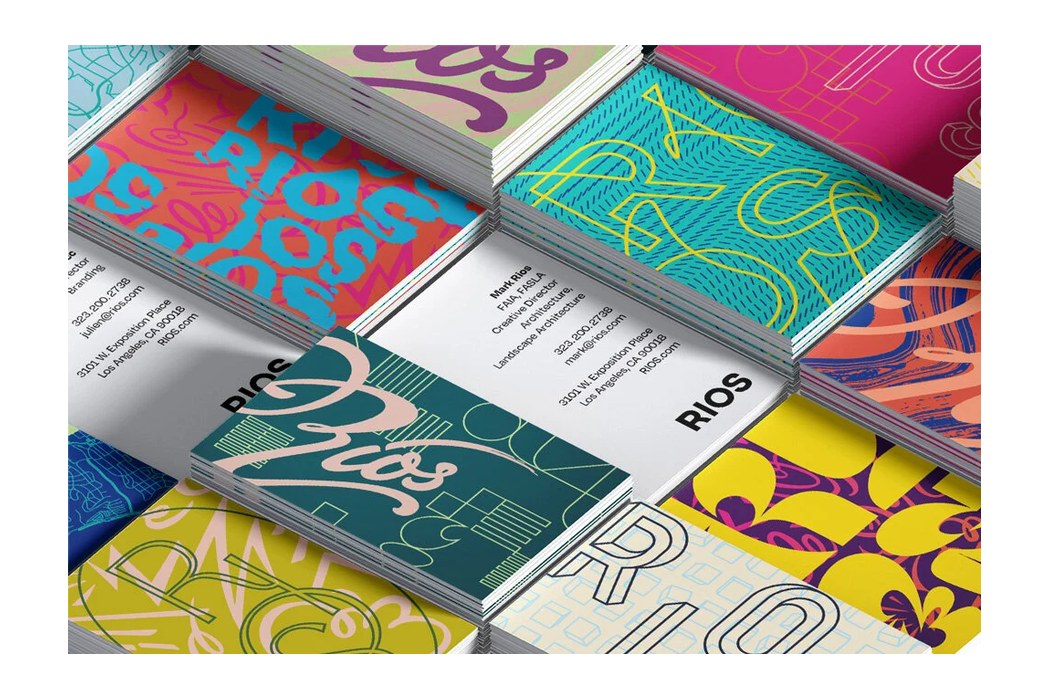
RIOS designs the reasons people stay
A pink chair, a loading dock, a backstage corridor: RIOS treats the overlooked parts of a place as the main event. Its work shows how architecture earns its keep after the opening photograph.

The Trader Who Put Marble on a Midnight Deadline
Farshid Tafazzoli learned markets before he learned patience. Decades later, he is applying the same appetite for speed to a stubbornly physical corner of design - one sample, one box and one midnight deadline at a time.
The Buildings That Bring People Back
For 67 years, a Fresno architecture firm has practiced a quiet trick: design for the people who stay, then train the people who might return.