a16z
(190)
David Booth and the business of being in the right room
From a teenage iPod venture in New Zealand to On Deck and a16z, David Booth keeps returning to one question: who could build something together, if only they met?

a16z Podcast opens the room.
A venture firm put its conversations on the internet. The interesting part is how it learned to make those conversations worth your time.

General Medicine Wants Patients to Shop Their Way to Power
A $120 million round led by a16z backs a healthcare store built around upfront prices and patient choice. The test is whether a better checkout can also deliver better access to care.

Ease Health Wants to Get Therapists Out of the Paperwork Business
A $41 million bet on a quieter kind of healthcare improvement: connect the first phone call, the clinical note, and the insurance claim, so the same work stops happening twice.

The startup teaching AI to hire humans
A former DeepMind scientist and a SoftBank operator built voice AI that interviews people about what they are actually good at - then sells that expertise to hedge funds, AI labs and consultancies. Andreessen Horowitz just put in $22.75M.
Andreessen Horowitz
Andreessen Horowitz did not become a $100 billion venture firm by treating a check as the finished product. Its real wager is that founders will choose the investor with the strongest machine behind the money.
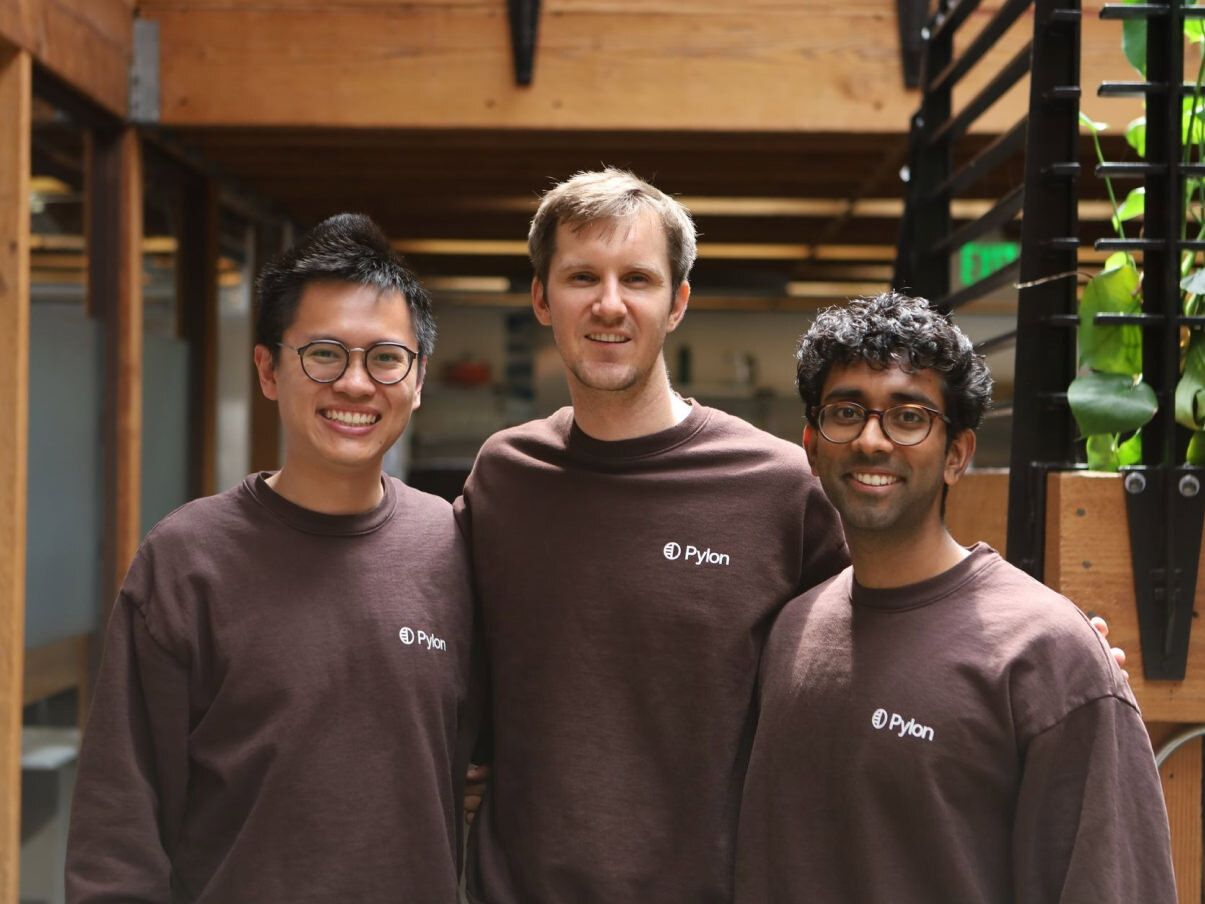
Pylon Wants to Kill Zendesk for the Slack Generation
The Y Combinator startup rebuilt customer support for B2B companies who live in Slack, not ticket queues. Now it has $51M and 750+ customers betting it is right.

Stilta
Stilta is a Stockholm-based, Y Combinator (W26) startup building agentic AI for high-stakes patent work. Its platform runs invalidity, infringement, and freedom-to-operate analyses in minutes by deploying networks of AI agents across roughly 180 million patents, 250 million scientific publications, and more than a trillion archived web pages, returning source-backed, auditable claim charts rather than static reports. Founded in December 2025 by four former McKinsey and QuantumBlack engineers, Stilta raised a $10.5M seed led by Andreessen Horowitz and is used by IP firms and in-house teams at large enterprises.

Rohan Chopra
Rohan Chopra is the co-founder and CEO of Convey, a San Francisco enterprise AI company that lets non-technical operators build and manage autonomous 'digital teammates' to run repetitive business operations. An early DoorDash engineer who spent roughly eight years there building the logistics and dispatch systems behind its delivery network, Chopra started Convey in 2024 with childhood friends Diego Canales and Will Harvey. In June 2026 the company raised a $38 million Series A led by Andreessen Horowitz, with Khosla Ventures and Pear VC participating, after its platform logged more than one million hours of automated work for customers including NBCUniversal, Samsara, TelevisaUnivision, Unity, Faire and ChargePoint.

Steijn Pelle
Steijn Pelle is the co-founder and CEO of Lassie, a San Francisco AI company building an autonomous back-office worker that runs the financial admin of independent businesses, starting with dental and medical practices. A Dutch transplant to Silicon Valley with roughly 15 years in startups, he cut his teeth on consumer growth at HealthTap, Coinbase and Robinhood before founding Lassie in 2021. In June 2026 the company raised a $35M Series A led by Andreessen Horowitz, bringing total funding to $47M, while operating in more than 700 practices across 49 states.

Deeptune
Deeptune is a New York AI company that builds high-fidelity simulation environments - 'training gyms' - where AI agents practice real digital work such as accounting, customer support, DevOps, and spreadsheet and CRM tasks before being deployed. Its reinforcement-learning environments recreate the day-to-day software of roles like accountants, lawyers, and engineers so agents can learn multi-step 'computer use' the way a pilot trains in a flight simulator. Founded in 2025 by Tim Lupo and Lukas Schmit, Deeptune raised a $43M Series A led by Andreessen Horowitz in March 2026 and was acquired by AI unicorn Mercor in July 2026.

Diode Computers, Inc.
Diode Computers is a New York-based startup building an AI-powered, code-first platform for designing and manufacturing custom printed circuit boards. Its open-source toolchain - a Rust-based PCB compiler that treats schematics as Python-readable code - lets AI agents and engineers generate, validate, and manufacture boards in days rather than months, with human-in-the-loop verification. Founded in 2024 and backed by a $11.4M Series A led by Andreessen Horowitz, Diode serves hardware teams in aerospace, robotics, and defense.
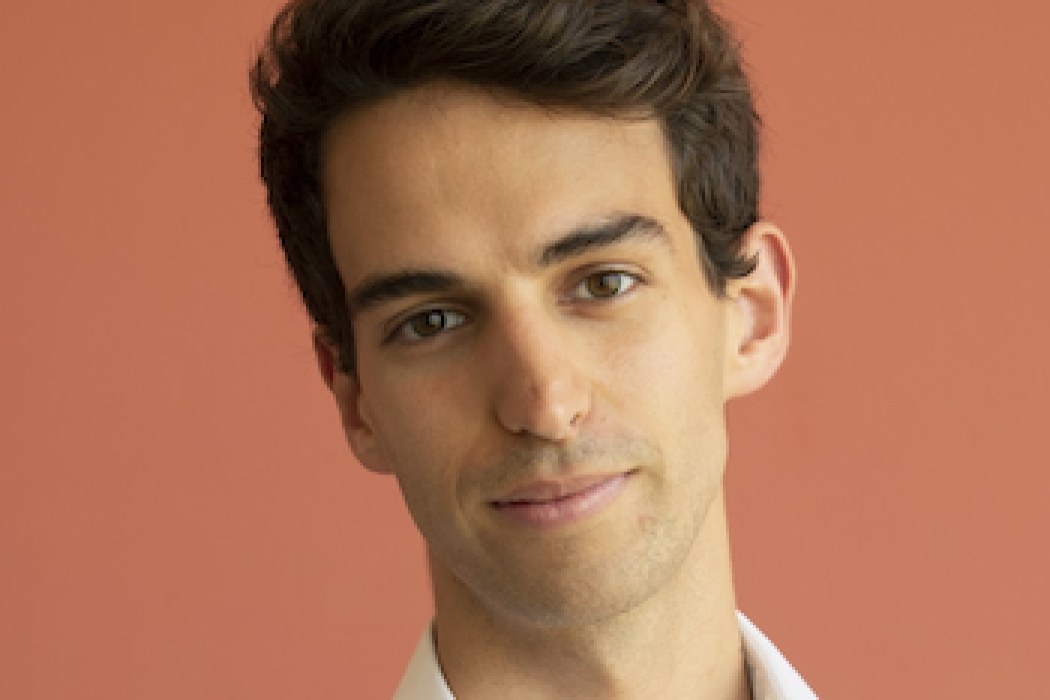
Davide Asnaghi
Davide Asnaghi is the co-founder and CEO of Diode Computers, a startup rebuilding how printed circuit boards are designed and manufactured. An Italian-born engineer trained at UC Berkeley, he spent years building hardware at Apple's Special Projects Group and medical-device companies before starting Diode to replace legacy EDA tools with open-source, AI-friendly software: a Python design language backed by a Rust compiler that turns requirements into manufacturable circuit boards in a fraction of the usual time. Diode raised an $11.4M Series A led by Andreessen Horowitz and partners with Anthropic to make Claude a more capable electrical engineer.

Protege
Protege is a New York-based AI data platform that connects owners of private, real-world data - hospitals, media libraries, motion-capture studios and more - with the AI labs and enterprises that need it to train, fine-tune and evaluate models. It licenses and curates proprietary datasets under strict privacy, IP and compliance controls, so data holders get paid and provenance is preserved. Founded in 2024 by Bobby Samuels and Travis May, Protege has assembled access to billions of clinical notes, hundreds of millions of medical images, and hundreds of thousands of hours of video and audio, positioning itself as core infrastructure for the post-web era of AI development.
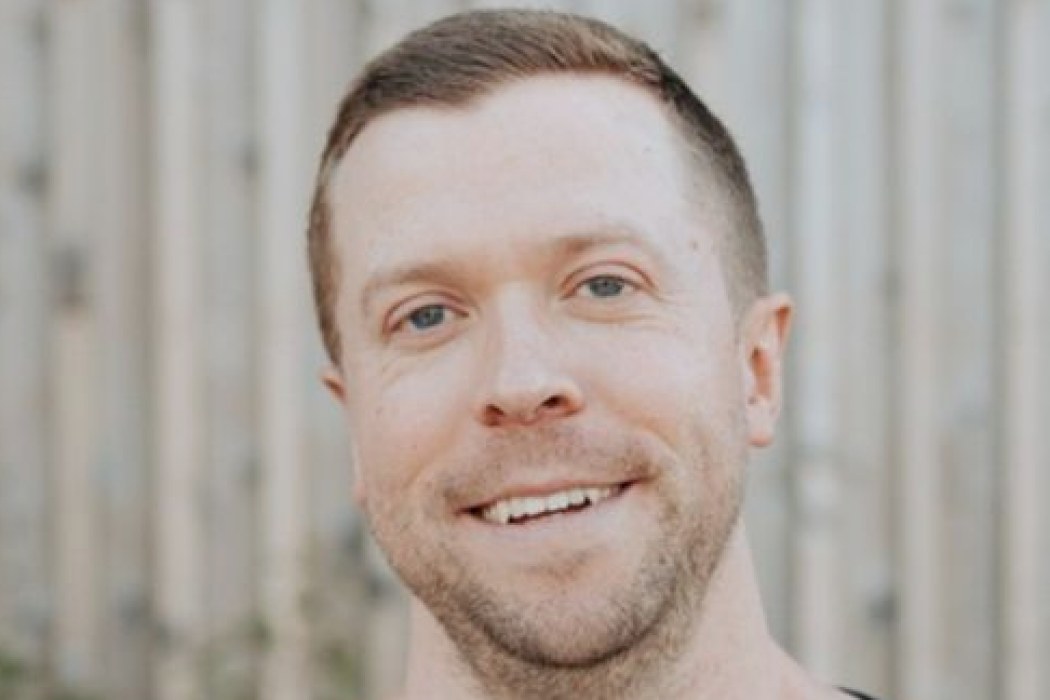
Jamie Davidson
Jamie Davidson is the co-founder and CEO of Vitally, a New York-based customer success platform used by more than 600 B2B software teams including Segment, Productboard, and Calendly. A two-time CTO with a computer science background, he shifted from engineering into customer-facing work at his previous startup Pathgather, concluded that customer success software was overdue for a rebuild, and launched Vitally in 2017. He has raised roughly $39 million across seed, a $9.2M Series A led by Andreessen Horowitz, and a $30M Series B, positioning Vitally around analytics, automation, and workflow tooling for customer success teams.
Joel Anderson
Joel Anderson is the founder and CEO of ZeroMark, a New York defense-technology startup building an AI-and-robotics fire control system that turns ordinary infantry rifles into auto-aiming counter-drone weapons. A U.S. Navy veteran who went on to help scale MongoDB from a small team to a public company as a senior technical and security leader, Anderson founded ZeroMark in 2022 after an 'epiphany' driving his Tesla to a shooting range: consumer machines could aim and track better than a soldier could. Backed by Andreessen Horowitz's American Dynamism fund and Ground Up Ventures, ZeroMark markets what it calls a 'handheld Iron Dome' - a motorized buttstock and sensor pod that make hitting a small drone at 200 yards, in Anderson's words, 'as easy as hitting a 60-foot-diameter circle.'
Jonathan Swerdlin
Jonathan Swerdlin is the co-founder and CEO of Function Health, an Austin-based membership platform that gives consumers direct access to comprehensive lab testing and AI-generated reports. A serial entrepreneur and investor who previously built and chaired Thinx and founded the video app Portal, Swerdlin has advised or backed more than 100 companies through his firm Wisdom VC. Since launching Function in 2023, he has grown it to hundreds of thousands of paying members, raised a $298M Series B at a $2.5B valuation, and drawn backing from Andreessen Horowitz and celebrity investors including Matt Damon and Kevin Hart. Goldman Sachs named him one of its Most Exceptional Entrepreneurs of 2025.

Joseph Connor
Joseph Connor is the founder and CEO of Odyssey, a New York based technology company that helps states run school choice programs like education savings accounts (ESAs). A former classroom teacher at KIPP and Rocketship who went on to Notre Dame Law School and worked on the landmark Espinoza v. Montana Supreme Court case, Connor built Odyssey to make public education dollars easy for families to access. The platform has helped more than 140,000 students across seven states tap into over $375 million in state funding, and raised a $10 million Series A in 2024 led by Tusk Venture Partners with backing from a16z's Katherine Boyle.

Codi
Codi is a San Francisco startup rethinking the office for hybrid work. It began by offering private, fully serviced, turnkey offices on short leases - a flexible alternative to WeWork-style co-working and traditional multi-year commercial leases - and has since expanded into an AI-powered platform that automates office management tasks like cleaning, pantry restocking, and vendor coordination. Founded in 2018 by Christelle Rohaut and Dave Schuman, Codi has raised roughly $23 million, including a $16 million Series A led by Andreessen Horowitz.

Convey
Convey is a San Francisco AI workforce platform that lets non-technical operators build, train, and manage "digital teammates" - AI workers that take over repetitive operational tasks like invoice processing, financial reconciliation, and campaign reporting without any engineering. Founded in 2025 by former DoorDash early engineer Rohan Chopra with Stanford friends Will Harvey and Diego Canales, Convey raised a $38M Series A led by Andreessen Horowitz in June 2026 and says it has completed more than one million hours of real work for enterprises including NBCUniversal, Unity, Samsara, and Faire.

FurtherAI
FurtherAI builds domain-specific AI 'teammates' for the insurance industry, automating the busywork of underwriting, claims, submissions, policy comparison and compliance. Founded in 2023 by Aman Gour and Sashank Gondala and launched out of Y Combinator's Winter 2024 batch, the San Francisco company parses messy insurance documents - broker letters, property schedules, ACORD forms, loss runs - and turns them into structured, actionable data so professionals can focus on judgment instead of re-keying. It raised a $25M Series A led by Andreessen Horowitz in October 2025, roughly six months after a $5M seed, and supports customers writing over $15 billion in premiums across all 50 states.

Kaedim
Kaedim is a San Francisco- and London-based AI company that turns 2D images and concept art into production-ready 3D models. Founded in 2020 by Konstantina Psoma and Roman Bromidge out of the University of Bristol, it pairs machine-learning tools with an in-house team of artists - a 'human-in-the-loop' approach - to deliver game-ready assets faster and cheaper than traditional outsourcing. Kaedim serves 250+ enterprise studios and thousands of creators, and raised a $15M Series A led by a16z Games in March 2024.

Lassie
Lassie is a San Francisco AI company building an autonomous 'AI healthcare admin worker' for independent medical and dental practices. Its agents log into insurance portals, pull reimbursements, reconcile electronic payments, post entries to practice-management systems, handle appeals and enrollments, and flag exceptions for humans - doing the back-office busywork rather than adding review burden. Founded by Robinhood/Coinbase and Superhuman alumni, Lassie operates in 700+ practices across 49 states and raised a $35M Series A led by Andreessen Horowitz in June 2026.
Supermove
Supermove is a San Francisco software company that builds an end-to-end operating system for moving and storage companies. It replaces the industry's paper contracts, bills of lading, and manual dispatch with cloud apps for sales, scheduling, crew management, e-signatures, payments, and accounting - and more recently AI voice agents that answer calls and qualify leads. Founded in 2019 by two Berkeley engineers, it raised an $18M Series A led by Andreessen Horowitz in 2022 and serves more than 100 moving companies.
Matt Calvano
Matt Calvano is co-founder and CEO of Adaptive, a New York-based AI-native accounting and financial management platform built for the construction industry. A former real estate private equity investor and Morgan Stanley banker turned Stanford MBA, he launched Adaptive in 2022 with two Stanford classmates and has raised $26.4M from Emergence Capital and Andreessen Horowitz to attack the paperwork chaos and cash leakage inside the $2 trillion construction sector.

Minna Song
Minna Song is the cofounder and CEO of EliseAI, a New York company that builds conversational AI for property managers and, more recently, healthcare providers. She started the company in 2017 after taking a front-desk job at a real estate firm to see the workflow up close, and in 2025 raised a $250 million Series E led by Andreessen Horowitz at a $2.2 billion valuation. EliseAI now serves roughly 70-75% of the fifty largest U.S. rental operators and crossed $200 million in annual recurring revenue.

Tim Lupo
Tim Lupo is the co-founder and CEO of Deeptune, a New York startup that builds high-fidelity reinforcement learning environments - which he calls 'training gyms' or 'flight simulators' - where AI agents learn to do real digital work across enterprise software like Salesforce and Slack. In early 2026 the company raised a $43M Series A led by Andreessen Horowitz. Deeptune started life as an AI video-dubbing tool that landed Lupo and co-founder Lukas Schmit on the Forbes 30 Under 30 list, then pivoted to become RL infrastructure for frontier AI labs. A former founding engineer at Hebbia and a full-merit USC scholar, Lupo pitches the roughly 20-person, in-person team as one of the only early-stage places in New York to work on AGI.
Inferact
Inferact is a Berkeley- and San Francisco-based AI infrastructure company founded by the creators and core maintainers of vLLM, the most widely used open-source engine for running large language models. The company commercializes vLLM - which at any moment powers inference on more than 400,000 GPUs worldwide - by funneling paid engineering resources back into the open project while building a next-generation commercial 'universal inference layer' meant to make AI inference cheaper and faster. Inferact launched publicly in January 2026 with a $150 million seed round at an $800 million valuation, co-led by Andreessen Horowitz and Lightspeed.
Telepatia AI
Telepatia AI is a healthtech company building an 'AI Doctor' for Latin America - a clinical copilot that transcribes patient visits in real time, structures the medical record automatically, and surfaces evidence-based suggestions while the physician works. Founded by Colombians Nicolas Abad and Tomas Giraldo and incubated at Stanford, the platform integrates with 50+ hospital systems, claims to give physicians back roughly two hours a day, and has raised $42M total, including a $33M Series A led by Andreessen Horowitz. Its stated goal is to assist half of Latin America's 1.9 million doctors by the end of 2027.
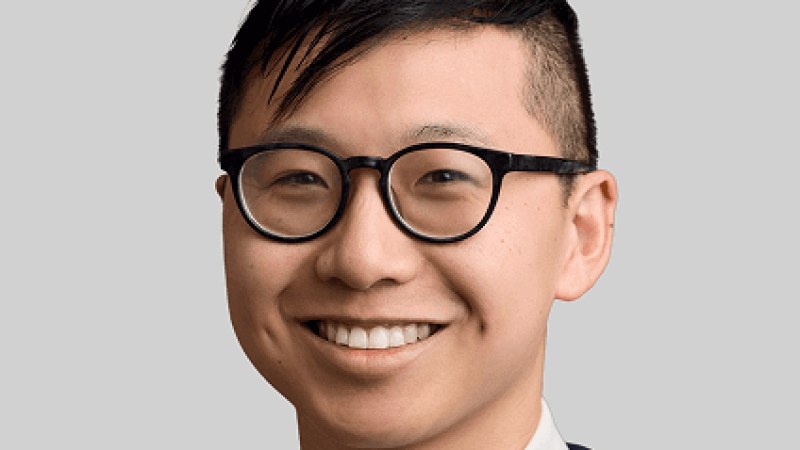
Kevin Tian
Kevin Tian is the co-founder and CEO of Doppel, an AI-native social engineering defense platform that scans the internet for impersonation campaigns and shuts them down automatically. A Georgetown grad who built dispatch systems and flying-car software at Uber and Lyft, he started Doppel in 2022 after spotting social engineering becoming the top source of breaches and cyber-insurance claims. Doppel raised a $70M Series C in November 2025 at a $600M+ valuation, backed by Bessemer, a16z, CrowdStrike CEO George Kurtz, and a bench of WNBA stars.